The Drought-Tolerant Native Trees Pennsylvanians Are Quietly Choosing This Fall
Pennsylvania gardeners have traditionally taken reliable rainfall for granted, and the plant choices most residential landscapes reflect that assumption.
But summer drought conditions have been hitting harder and lasting longer across the state in recent years.
Homeowners who planted trees expecting normal rainfall are finding out what those trees actually need when the rain doesn’t come.
The trees going into Pennsylvania yards this fall increasingly reflect a different kind of thinking.
Native drought tolerant trees establish with minimal intervention and handle dry stretches without the visible stress that affects less adapted alternatives. They also deliver genuine shade, wildlife value, and seasonal interest that ornamental imports rarely match.
These trees tend to live considerably longer with far less ongoing attention, which matters when a tree is a decades long commitment.
Here are the native Pennsylvania trees serious homeowners are quietly choosing this fall.
1. Mighty White Oak
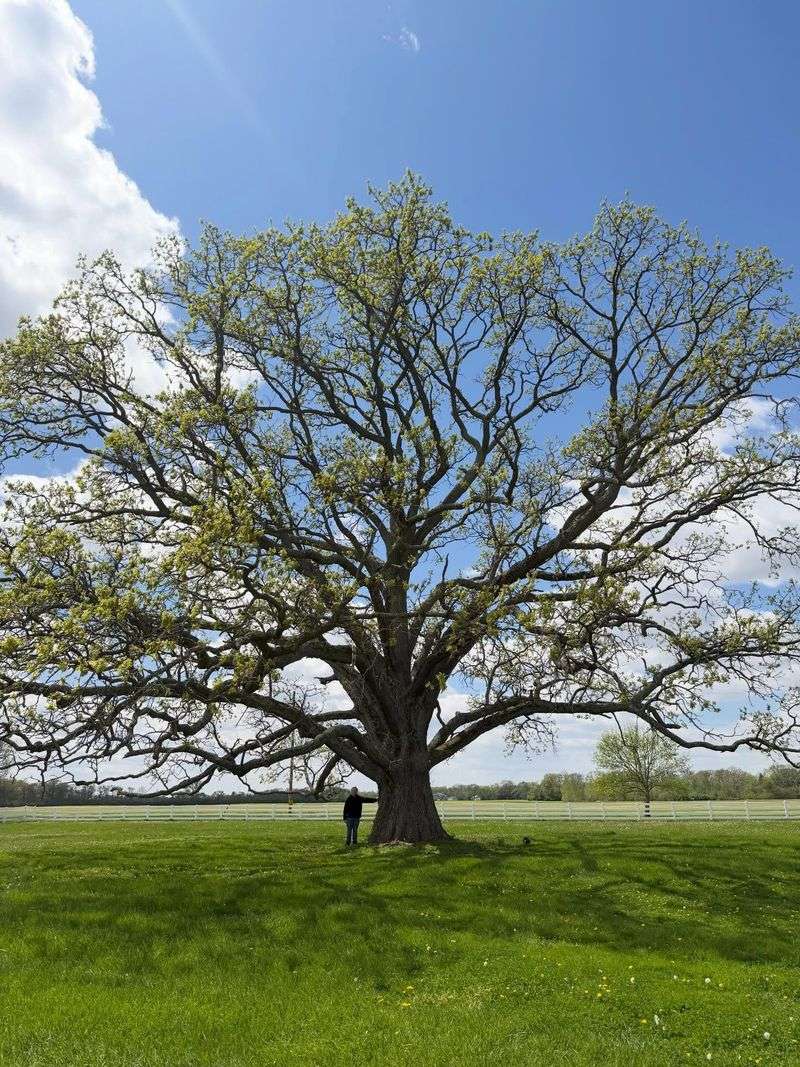
Some trees are planted for you, and some are planted for your grandkids. The white oak lands in both camps. It can live for hundreds of years, and old ones still stand on Pennsylvania farms from colonial days.
Deep roots are its secret weapon. A white oak sends a long taproot far down into the soil. That lets it reach water that shallow-rooted trees simply cannot touch during a dry August.
Wildlife goes wild for it too. Scientists say oaks support more kinds of caterpillars than almost any other tree. Those caterpillars feed baby birds, so an oak in your yard is like a bird buffet.
Deer, turkeys, and squirrels also munch on the sweet acorns every fall.
Patience is the main thing you need. White oaks grow slowly at first, often a foot or so per year. Buy a small tree instead of a big one.
Smaller oaks settle in faster and often catch up to larger ones within a few years.
Pick a sunny spot with lots of room. A grown white oak can spread 50 to 80 feet wide, so keep it far from your house and power lines. Well-drained soil works best, and it does not mind a bit of rock or clay.
Water deeply once a week for the first two seasons. After that, it can mostly take care of itself. Add a ring of mulch about three inches thick, but keep it off the trunk.
Fun fact: the white oak is the state tree of Maryland, Connecticut, and Illinois. Pennsylvanians just love it quietly.
2. Blazing Red Maple Colors
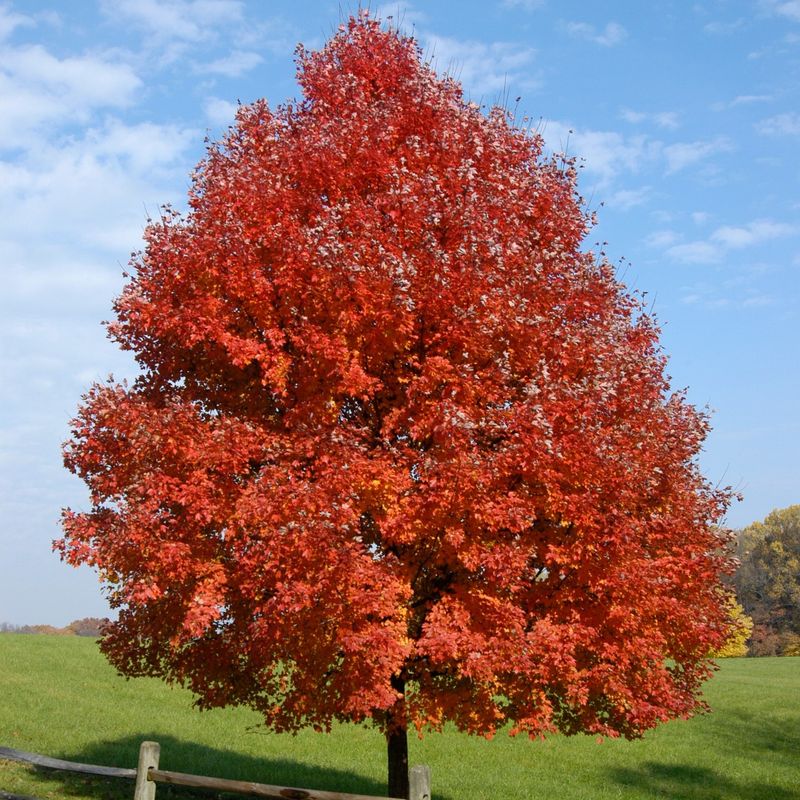
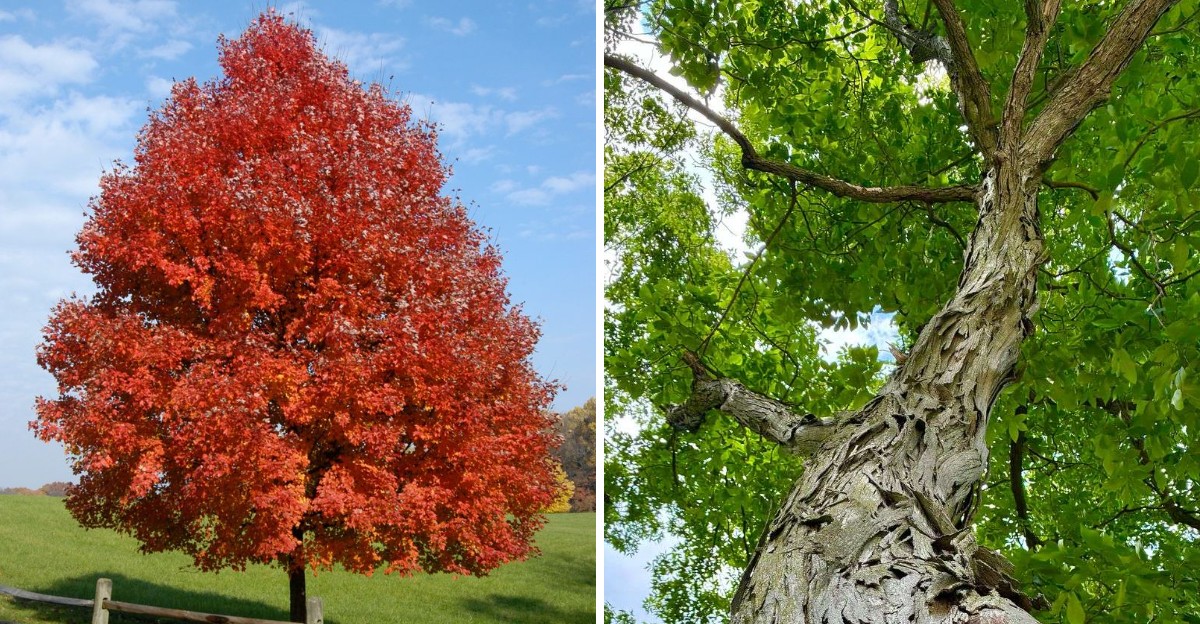
Ask any Pennsylvania kid what fall looks like, and they will probably describe a red maple. Those fiery leaves light up streets from Erie to Philadelphia every October. Few trees put on a show quite so bright.
Red maples are the flexible friends of the tree world. They grow in swamps and on dry hillsides alike. That wide comfort zone makes them a smart pick for yards that flood in spring and bake in summer.
Speed is another perk. A red maple can add two feet or more of height each year. If you want shade over your patio fairly soon, you will not be waiting forever.
Your Pennsylvania Garden Changes Every Week. Your Plan Should Too.
Gardening in Pennsylvania changes quickly throughout the season. Every Friday you’ll receive a simple weekly plan showing exactly what to plant, prune, fertilize, harvest, and protect so you never miss the right timing.
Early spring brings a hidden treat. Tiny red flowers pop open in March, long before most trees wake up. Hungry bees that come out early depend on that first meal.
A few tips will help it thrive. Choose a native variety rather than a hybrid like Autumn Blaze if you want true local benefits. Ask the nursery if the tree was grown from Pennsylvania seed sources, since those handle our climate best.
Plant it at least 15 feet from sidewalks and driveways. Red maple roots stay close to the surface and can lift pavement over time. Mulch helps keep those roots cool and moist when rain is scarce.
During the first two summers, give it a long drink when the soil feels dry two inches down. Once settled, it handles short dry stretches well. Your reward is a free fireworks display every single autumn.
3. Quirky Eastern Redbud
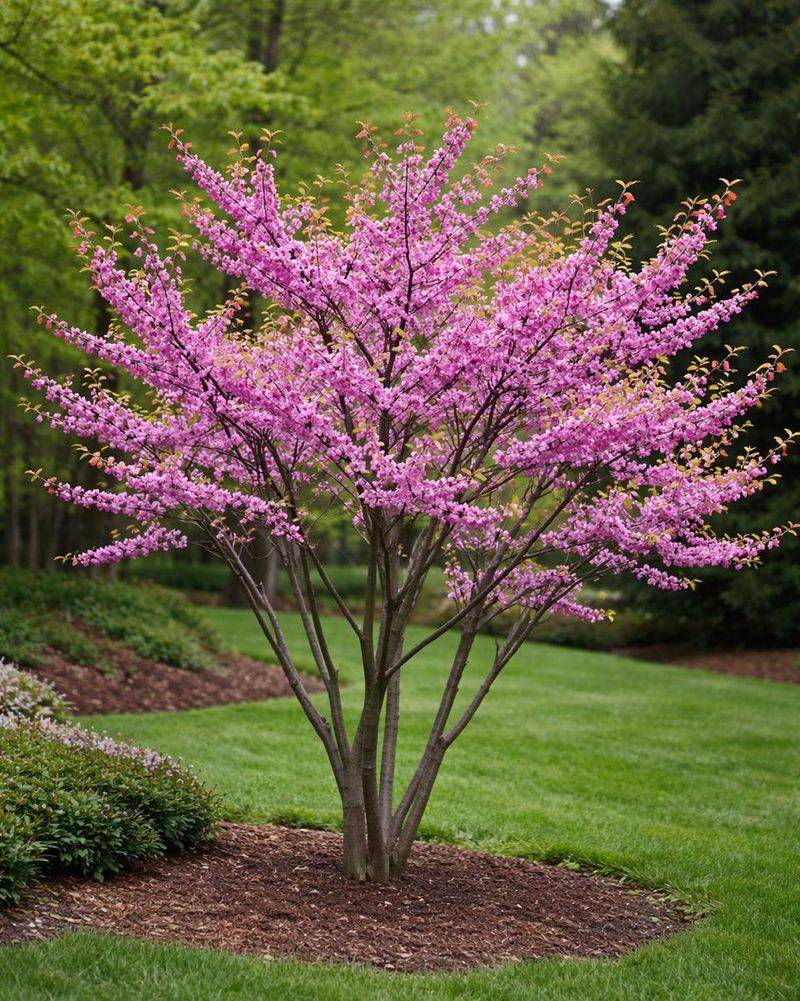
Here is a tree that blooms right out of its own bark. Eastern redbud flowers pop straight from the trunk and branches in April. It looks almost like someone glued pink popcorn all over it.
Small yards love this little charmer. It usually tops out around 20 to 30 feet tall. That means it fits nicely near a porch, patio, or corner of the house without taking over.
Toughness hides behind the pretty face. Redbuds handle rocky, dry, and clay soils better than you might guess. Many grow wild on limestone hills in central Pennsylvania where water drains away fast.
The leaves are fun too. They are shaped like big green hearts, which kids tend to adore. In fall they turn a soft buttery yellow.
Did you know the flowers are edible? Some people toss them on salads for a pop of color and a slightly tart, pea-like taste. Just be sure the tree has not been sprayed with chemicals.
Planting takes a little care. Redbuds do not like being moved once settled, so choose the spot wisely. Morning sun with a bit of afternoon shade works great, especially in hot, dry summers.
Water weekly the first year, then back off. Skip heavy fertilizer, since redbuds are part of the pea family and help feed themselves with nitrogen from the air.
Bees, butterflies, and hummingbirds all visit the blooms. For a small tree, it brings a lot of life to the neighborhood.
4. Overlooked Blackgum Beauty
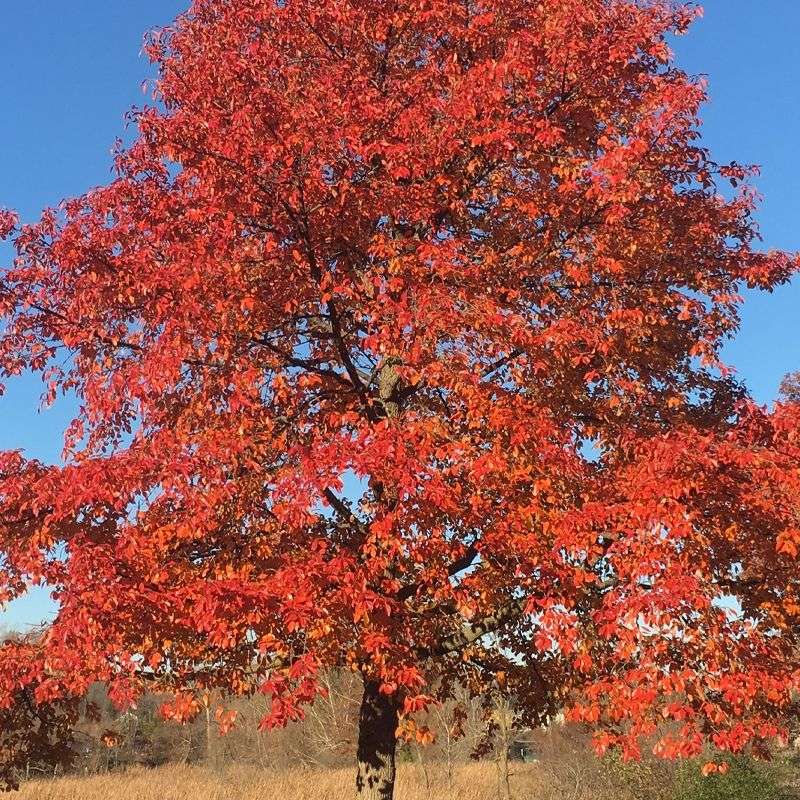
Garden experts have a favorite tree they wish more people knew about. It is the blackgum, sometimes called black tupelo. Once you see its fall color, you may wonder why nobody told you sooner.
The leaves shine like they were polished. In autumn they turn scarlet, orange, and purple, sometimes all on one branch. Many folks say it beats the red maple for pure wow factor.
Surprising toughness comes with that beauty. Blackgum grows naturally in wet bottomlands, yet it also handles dry ridges. A deep taproot helps it hang on when rain disappears for weeks.
Wildlife gets a treat, too. Small dark blue berries ripen in early fall. Robins, thrushes, and bluebirds grab them to fuel up for migration.
Here is a wild fact. Some blackgum trees in the eastern United States are over 600 years old. That makes them among the oldest flowering trees in North America.
That deep taproot also means one rule matters most. Plant a young, small tree and do not plan on moving it later. Container-grown trees usually transplant better than dug ones.
Give it full sun or light shade and slightly acidic soil, which most of Pennsylvania already has. It grows at a slow-to-medium pace, reaching 30 to 50 feet over time.
Few pests bother it, and it rarely needs pruning. Water it well during its first two summers. After that, sit back and enjoy the quiet star of your yard.
5. Sweet Serviceberry Treats
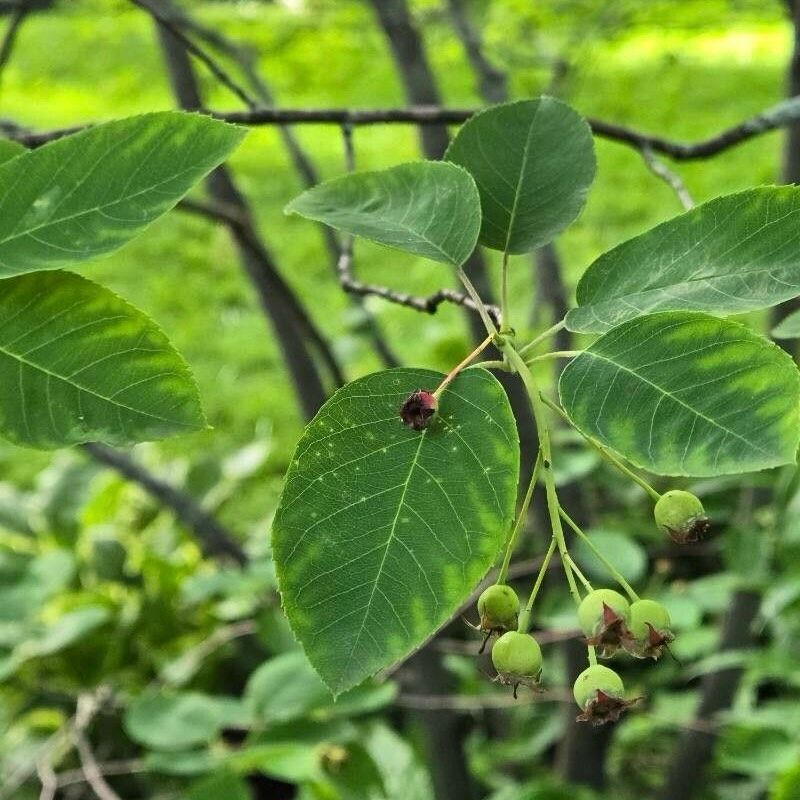
Grandma might call it juneberry, shadbush, or sarvis. Whatever the name, serviceberry has been a Pennsylvania favorite for generations. Folks used to pick its berries for pies long before blueberries came in plastic boxes.
Every season brings something new. Early spring offers clouds of white flowers. June brings sweet purple berries, and fall turns the leaves orange and red.
Those berries taste like a mix of blueberry and almond. You can eat them fresh, bake them, or make jam. Be quick, though, because birds know exactly when they ripen.
Cedar waxwings often show up in flocks to strip a tree in one afternoon. Watching them is half the fun. Plant two trees if you want to share.
Serviceberry stays fairly small, usually 15 to 25 feet tall. Many are sold as multi-stem clumps that look lovely near a patio or in a mixed border. Once established, it handles dry spells with grace.
Care is pretty simple. Choose a sunny or partly shady spot with decent drainage. Full sun gives you the most berries and the brightest fall color.
Water once a week during the first year. After that, only soak it during long dry stretches. A layer of wood chip mulch keeps the soil cool and holds moisture.
The odd name has a sweet backstory. Early settlers noticed it bloomed right when mountain roads thawed. That meant traveling preachers could finally hold spring church services.
6. Rugged Eastern Red Cedar
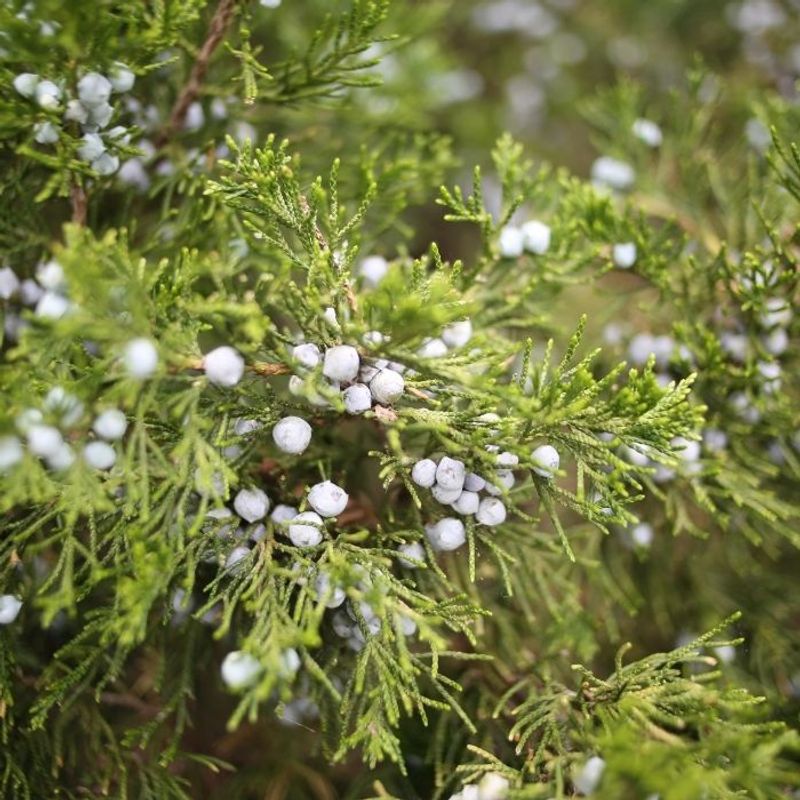
Drive along any old Pennsylvania farm field, and you will likely spot a scruffy evergreen standing guard by a fence. That is the eastern red cedar. It is one of the toughest trees in the whole state.
Poor soil barely slows it down. Red cedar thrives on rocky slopes, dry banks, and worn-out ground where little else will grow. Hot sun and long droughts are just part of its normal week.
Year-round green is a big bonus. When other trees go bare, red cedar keeps its needles. That makes it a great privacy screen or windbreak along a property line.
Birds treat it like a hotel. Its thick branches block winter wind, and dusty blue berries feed cedar waxwings, bluebirds, and robins in the coldest months. Some birds even got their names from this tree.
A word of advice before planting. Red cedar can host a rust disease that spots apple trees. Keep it a good distance from orchards or backyard apples.
Give it full sun and room to grow about 30 to 40 feet tall. It does not need rich soil or fertilizer at all. In fact, pampering can make it weak.
Water it for the first few months after planting, then let nature take over. Very little pruning is needed.
Fun fact: the fragrant red wood has long been used for pencils and cedar chests. People love it because moths hate the smell.
7. Hardy Shagbark Hickory Charm
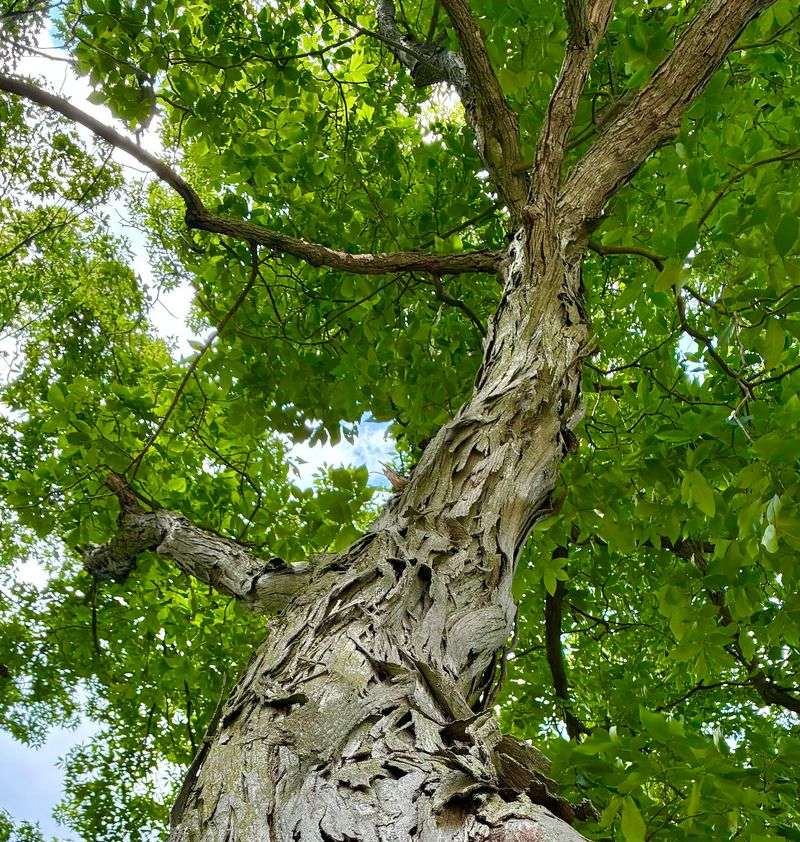
Kids cannot resist touching a shagbark hickory. Its gray bark peels away in long curling strips, like the tree forgot to get a haircut. That shaggy look makes it easy to spot in any season.
Beneath that funny coat is a real survivor. Shagbark hickory grows a huge taproot that dives deep into the earth. When summer rain stops, it keeps sipping water from far below.
Fall color is pure gold. The leaves turn bright yellow and glow against a blue October sky. Later, sweet hickory nuts drop to the ground.
Those nuts are tasty for people and animals alike. Native peoples in Pennsylvania ground them into a creamy drink long ago. Today squirrels, chipmunks, and even black bears gather them.
Bats may move in too. Some small bats tuck themselves under the loose bark to rest during the day. That makes your tree a secret home for helpful bug eaters.
Planting tips matter here. Choose a small seedling, since big hickories hate being moved. Pick a sunny place far from driveways, because falling nuts can dent cars and roll under feet.
Growth is slow, so think of it as a long-term gift. It can reach 60 to 80 feet tall and live more than 200 years.
Water well for the first two summers, then relax. Once settled, few trees handle dry, hot weather with more grit. Your family will enjoy it for generations.