Plant These Pennsylvania Native Perennials In July In Your Worst Soil And Watch Them Thrive Where Nothing Else Has
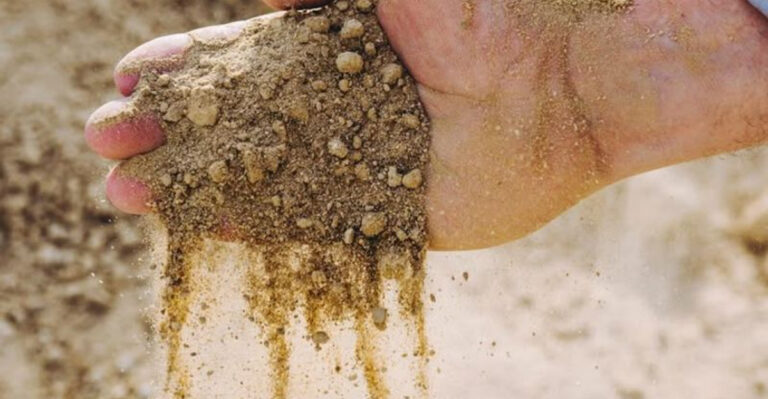
Every Pennsylvania yard has that one spot. Rocky, compacted, bone dry, or inexplicably hostile to every plant that goes into it. You’ve tried things there. They haven’t worked.
At some point you accepted it as a dangerous zone and moved on. But native Pennsylvania perennials have not given up on that spot.
Some of the toughest and most beautiful native perennials in Pennsylvania’s plant palette evolved specifically in difficult conditions.
Poor soil, low nutrients, minimal water, and the kind of growing environment that would send most garden center plants into immediate decline.
These natives don’t just tolerate those conditions. They’re genuinely adapted to them, which means they establish where other plants fail and come back stronger each year without any soil improvement or intervention needed.
July is actually a surprisingly good time to get them in the ground, giving them the warm weeks they need to start putting down roots before fall arrives.
1. Butterfly Weed
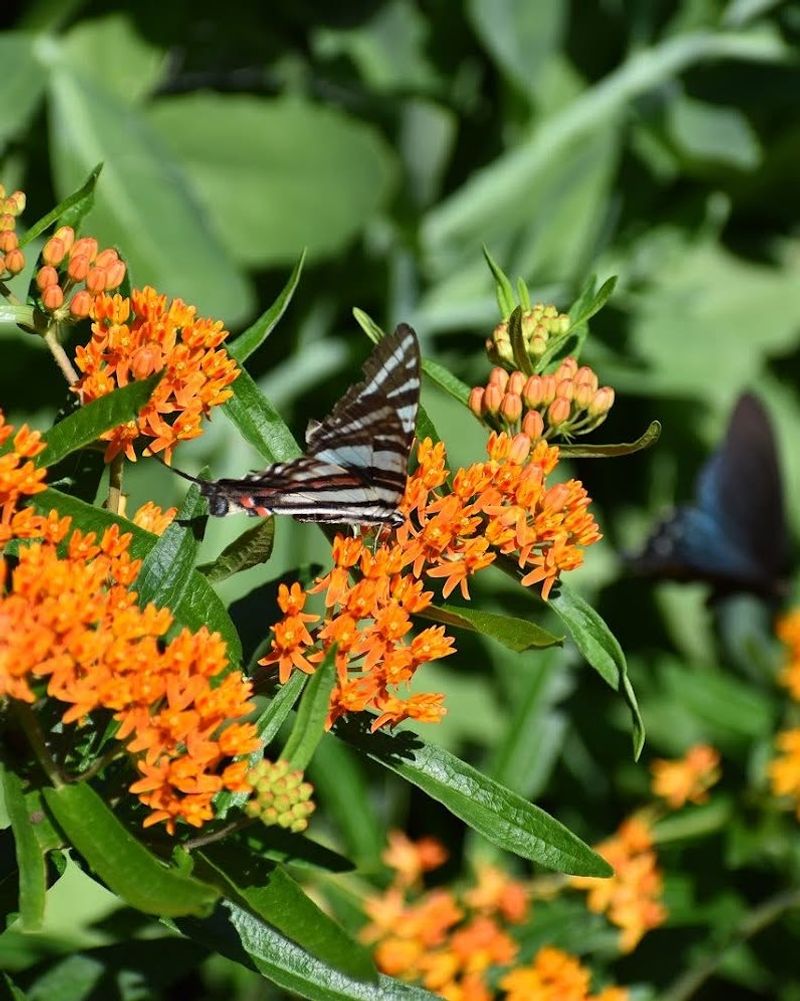
Few plants earn their name as honestly as butterfly weed does. Step outside on a warm July morning and you will almost certainly find a monarch butterfly already working the bright orange flower clusters before you finish your coffee.
Butterfly weed, known botanically as Asclepias tuberosa, is a native milkweed that thrives in the kind of hot, dry, poorly drained spots that defeat most other perennials.
What makes it so tough is its deep taproot. That root pushes down into hard, dry ground and pulls up moisture that shallower plants simply cannot reach.
Once established, butterfly weed needs almost no supplemental water. In fact, rich, moist soil is more likely to cause problems than thin, gravelly ground ever would. Penn State Extension lists it as an excellent choice for sunny, dry Pennsylvania sites.
Planting in July is very doable if you start with a container-grown plant and water it consistently for the first few weeks. After that, step back and let it do its thing.
Butterfly weed grows about one to two feet tall and blooms from June through August. The flowers are followed by interesting seed pods that split open in fall to release silky seeds on the wind.
Beyond its value to monarchs, butterfly weed also attracts swallowtails, fritillaries, and a wide range of native bees. It is deer resistant, which is a real bonus in many Pennsylvania neighborhoods.
Plant it in full sun, skip the fertilizer, and resist the urge to mulch heavily over the crown. This plant genuinely prefers neglect over pampering.
2. Moss Phlox
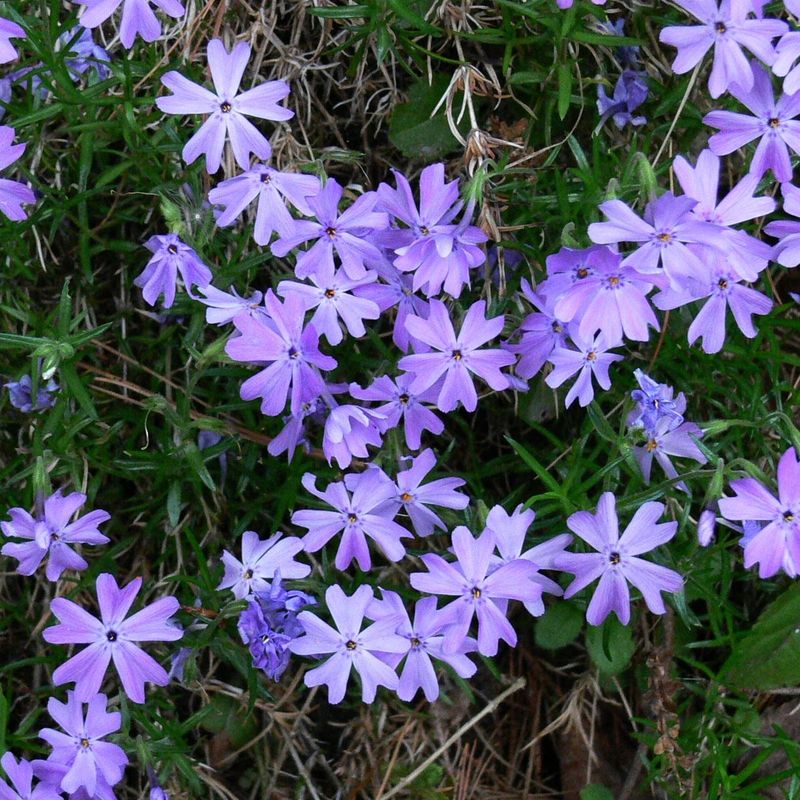
Imagine a plant that turns a bare, rocky slope into a carpet of color every spring without asking for a single bag of fertilizer or an inch of irrigation. That is exactly what moss phlox delivers, and it does it year after year with almost zero effort on your part.
Phlox subulata is a low, spreading native perennial that hugs the ground and forms a dense mat of needle-like foliage that looks tidy even when it is not blooming.
The flowers arrive in shades of pink, lavender, white, and soft purple, usually from April into May.
Your Pennsylvania Garden Changes Every Week. Your Plan Should Too.
Gardening in Pennsylvania changes quickly throughout the season. Every Friday you’ll receive a simple weekly plan showing exactly what to plant, prune, fertilize, harvest, and protect so you never miss the right timing.
Once the bloom season wraps up, the plant stays green and compact, acting as a living mulch that holds soil in place on slopes and edges where erosion can be a real problem. That quality alone makes it worth planting in tough spots.
Moss phlox thrives in full sun and dry to average soil. Sandy, rocky, or gravelly ground suits it perfectly.
Heavy clay or consistently wet soil is where it struggles, so the worst-draining spots in your yard are not ideal. However, if your problem area is dry and sunny, this plant is one of the best choices available.
Penn State Extension recommends it specifically for sun and dry conditions in Pennsylvania.
July planting works well with container-grown moss phlox as long as you water it in and keep the soil from drying out completely during the first month. After that establishment window, it is remarkably self-sufficient.
Trim it back lightly after flowering to keep the mat dense and encourage the best possible bloom next spring.
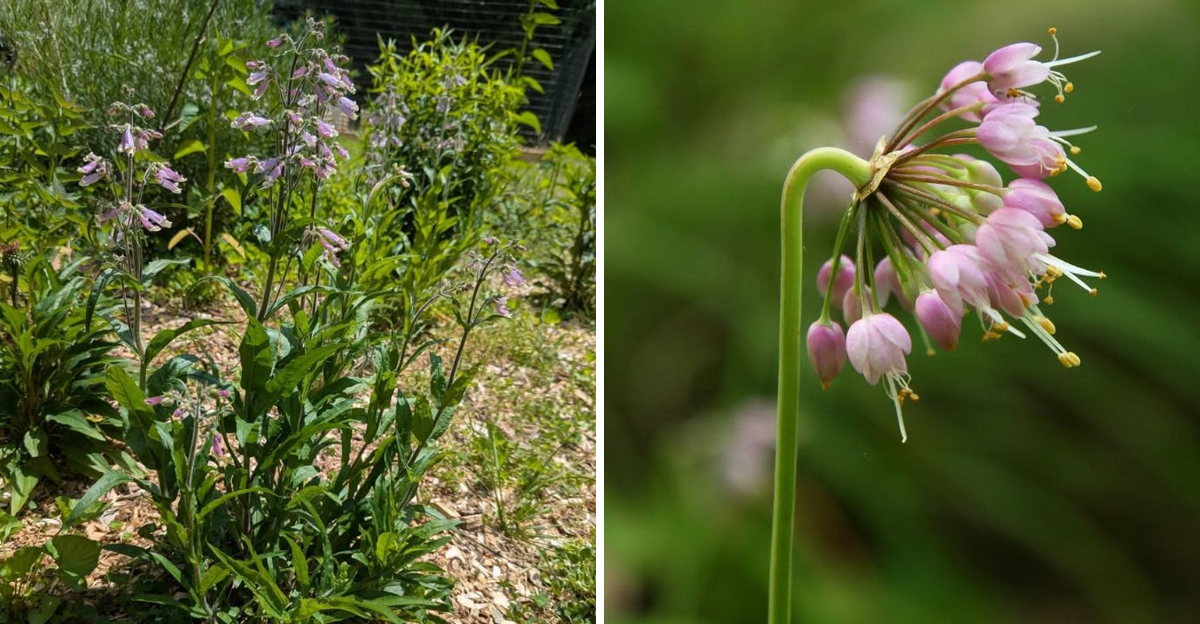
3. Hairy Beardtongue
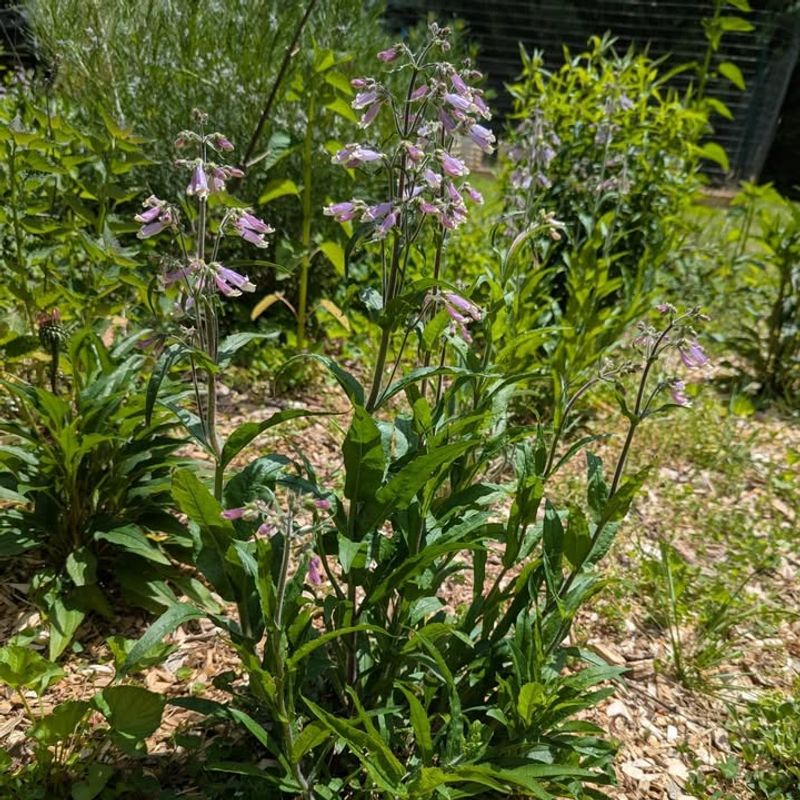
There is something quietly impressive about a plant that looks delicate but refuses to quit. Hairy beardtongue, or Penstemon hirsutus, is exactly that kind of plant.
Its slender stems carry soft, tubular flowers in shades of pale lavender and white, and the whole plant gives a wildflower meadow feel to even the most neglected corner of the yard.
Do not let the dainty appearance fool you though, because this native penstemon is genuinely tough.
It grows naturally in rocky outcrops, dry open woods, and thin-soiled meadows across Pennsylvania and much of the eastern United States. That background means it is perfectly at home in the kind of lean, dry, gravelly soil that sends most perennials into a slow decline.
Unlike many ornamental plants, hairy beardtongue does not need rich soil or regular feeding. Adding too much fertilizer actually encourages weak, floppy growth rather than the compact, sturdy form it naturally develops in poor ground.
The blooms appear in late spring to early summer, typically May through June, and hummingbirds and native bees visit them regularly. After flowering, the plant forms interesting seed capsules that add a bit of texture to the garden through summer.
It reaches about one to two feet in height and works beautifully as a filler between larger perennials or as an accent in a dry pollinator planting.
Planting in July from a container is straightforward. Water consistently for the first three to four weeks, then ease off.
Hairy beardtongue is drought tolerant once its roots get established. Full sun to light shade suits it well, and sharp drainage is the one non-negotiable requirement for long-term success.
4. Gray Goldenrod
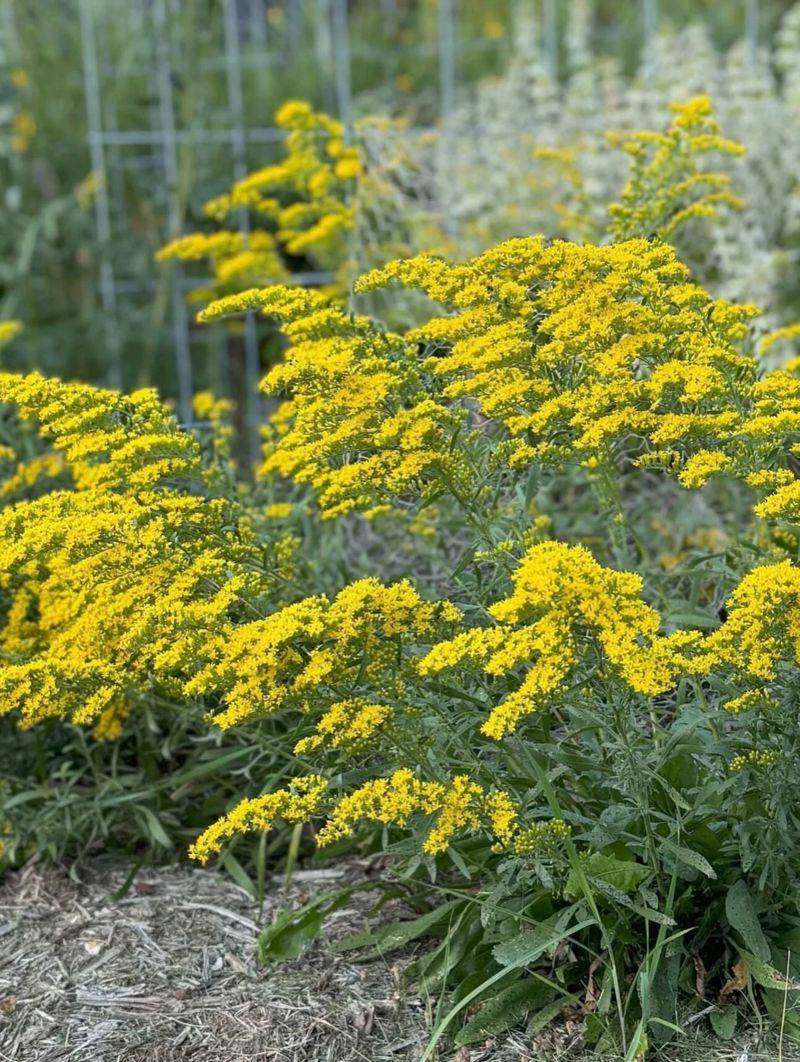
Goldenrod gets a bad reputation that it absolutely does not deserve. Many people blame it for fall allergies, but the real culprit is ragweed, which blooms at the same time and releases pollen into the air.
Goldenrod’s heavy, sticky pollen stays put on the plant and is moved by insects, not wind. Gray goldenrod, Solidago nemoralis, is one of the best species to reach for when you have a dry, thin-soiled bank or gravelly border that needs some late-season life.
Unlike some of its larger cousins that can spread aggressively in richer soil, gray goldenrod stays relatively compact and well-behaved. It typically reaches one to two feet tall, which makes it a manageable choice for smaller problem areas.
The arching sprays of bright yellow flowers appear from late summer into fall, arriving just when most of the garden is winding down. That timing makes it genuinely valuable for pollinators heading into colder months.
Native bees, butterflies, and beneficial wasps all visit the blooms. After flowering, the seed heads attract small songbirds looking for a late-season food source.
The plant handles dry, poor, rocky, or sandy soil without complaint. It actually performs better in lean conditions than in rich garden beds where it can get leggy and flop over.
Gray goldenrod spreads slowly by rhizome and occasionally by seed, but it is not invasive in the way that some garden plants are.
Planting it in July from a container gives it enough time to settle in before the bloom season. Full sun brings out the best performance, though it tolerates light shade reasonably well.
5. Little Bluestem
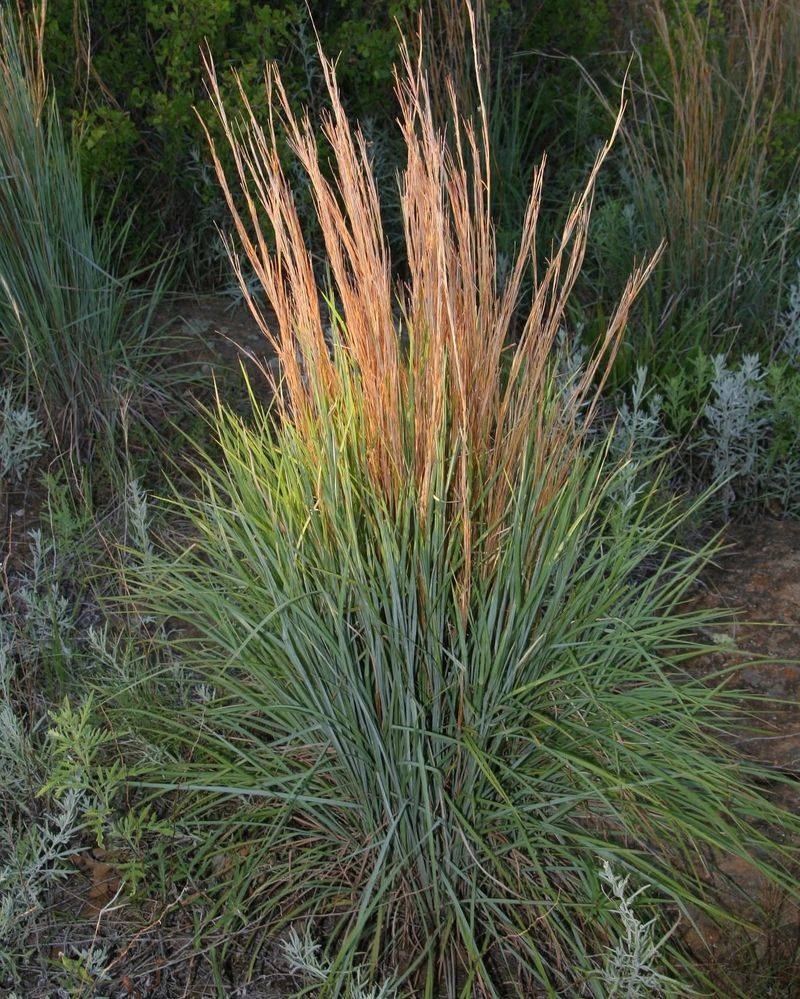
Walk past a patch of little bluestem in October and you will stop in your tracks. The steel-blue summer foliage shifts into brilliant shades of copper, orange, and burgundy as temperatures drop, and the feathery white seed heads catch the light in a way that almost looks like the plant is glowing.
Schizachyrium scoparium is one of the most beautiful native grasses in the eastern United States, and the fact that it thrives in terrible soil is almost a bonus at that point.
Little bluestem is a warm-season bunchgrass, which means it starts growing later in spring and really hits its stride in the heat of summer. July is actually a good time to plant it because the warm soil encourages fast root development.
Penn State Extension specifically recommends little bluestem for sunny, dry Pennsylvania sites, and it performs especially well in sandy, rocky, or gravelly ground where other grasses give up.
It grows about two to four feet tall and forms upright clumps that add structure and movement to the garden. The stems catch the breeze and create a gentle swaying effect that brings a meadow-like quality to any planting.
Birds, especially juncos and sparrows, feed on the seeds through fall and winter, so leaving the plants standing provides real wildlife value.
One important planting tip is to avoid mulching too heavily around the base, since little bluestem needs good air circulation to stay healthy. Cut it back in late winter or very early spring before new growth begins.
Full sun and dry to average soil are the keys to keeping this grass looking its absolute best year after year.
6. Nodding Onion
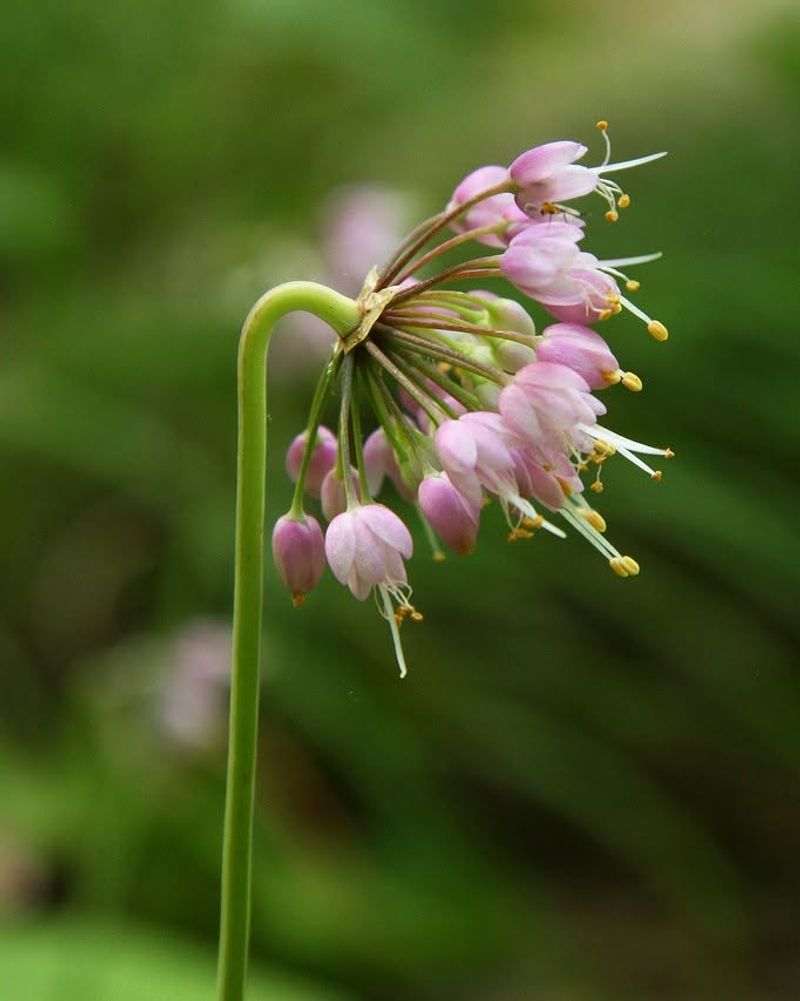
Nodding onion has a charm that is hard to put into words until you see it in person. The flower clusters hang downward on slender stems, giving the plant a graceful, almost whimsical look that stands out in any border.
Allium cernuum is a native species found naturally across Pennsylvania, and it brings a quiet elegance to spots that most showy cultivars would refuse to grow in.
The blooms are soft pink to lavender and appear from mid to late summer, which fills a useful gap between the early-season wildflowers and the fall bloomers.
Bees absolutely love them, and the nodding clusters make excellent landing pads for native bumblebees and smaller specialist bee species.
If you are building a pollinator planting on a budget and a tough site, nodding onion is one of the most reliable additions you can make.
It handles a wider range of conditions than many natives, tolerating full sun to part sun and dry to moderately moist soil. That flexibility makes it useful in spots where conditions are a little unpredictable.
The plant grows about one to two feet tall and forms clumps that slowly expand over time. It also self-seeds modestly, which means a small planting can gradually fill in an area without becoming pushy about it.
Planting from a container in July is easy and straightforward. Water it in well and keep the soil from drying out completely for the first few weeks.
After that, nodding onion is largely self-sufficient. The foliage has a mild onion scent when brushed, which deer tend to find unappealing, making it a smart choice for gardens where deer pressure is a regular challenge.
7. Sundrops
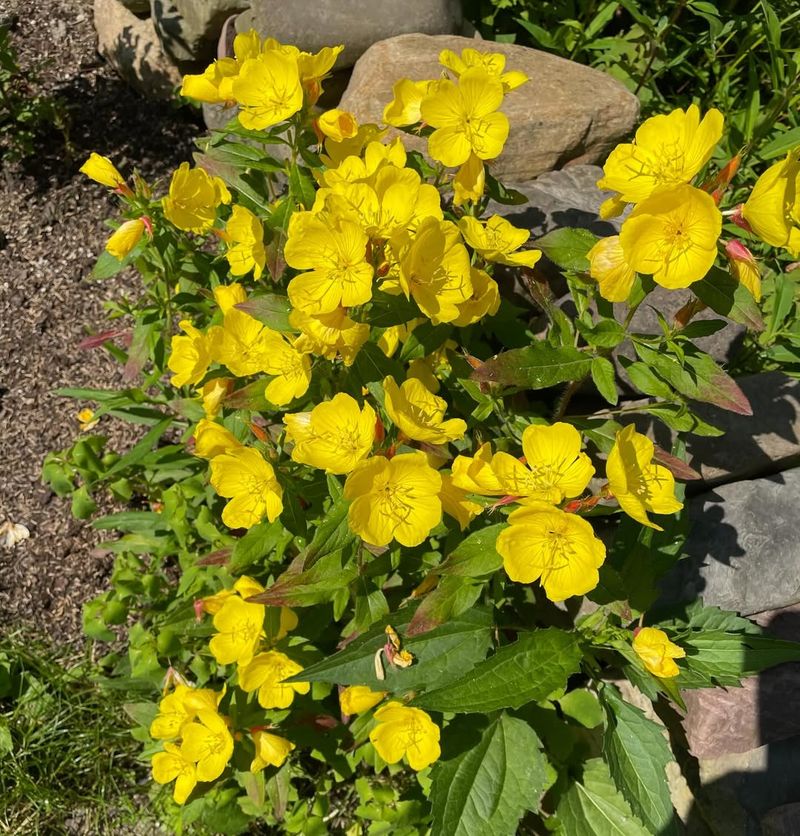
If the color yellow could have a personality, sundrops would be it. Oenothera fruticosa bursts into bloom in early summer with cheerful, cup-shaped flowers in a shade of yellow so bright it practically hums.
Unlike its cousin the evening primrose, sundrops opens its flowers during the day, which makes it easy to enjoy without staying up past sunset. It is a genuinely upbeat plant that brings energy to whatever space it occupies.
Sundrops grows naturally in dry, open meadows, rocky slopes, and roadside edges across the eastern United States. That background gives it the constitution to handle neglected garden spots that other plants would struggle with.
It tolerates full sun and part sun, and it performs well in dry to average soil with reasonable drainage. Rich, constantly moist soil is more likely to cause issues than lean, dry ground ever would.
The plant grows about one to two feet tall and spreads gradually by rhizome, filling in gaps in a border over time without becoming aggressive. The bright flowers attract native bees and butterflies throughout its bloom season, which runs from late May into July.
After blooming, the foliage takes on attractive reddish tones in fall, adding a second season of visual interest before winter arrives.
July planting from a container works well as long as you give it a good start with consistent watering for the first three to four weeks. Once the roots are established, sundrops is surprisingly drought tolerant and asks for very little maintenance.
Cutting it back in late fall or early spring keeps the clump tidy and encourages strong, compact growth the following season. It is a simple, rewarding plant for any tough spot.