How To Overwinter Geraniums In North Carolina Without Keeping Them In Full Growth
Geraniums don’t have to be treated as disposable annuals in North Carolina, even though they’re not reliably cold-hardy through a typical winter outdoors.
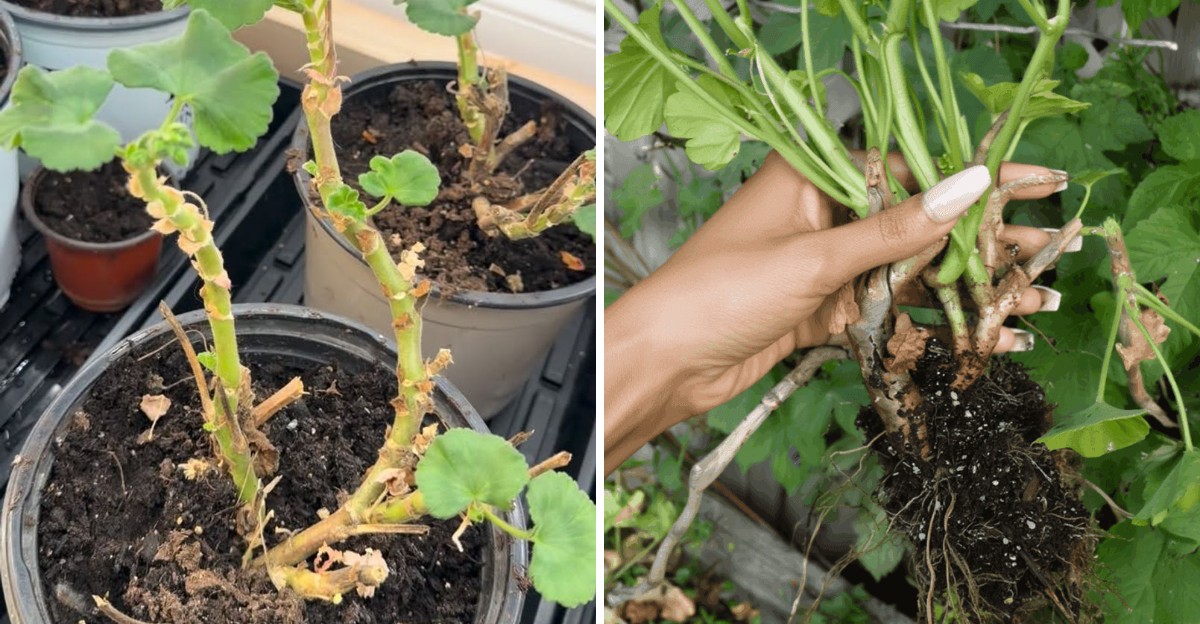
Rather than maintaining them as actively growing houseplants all season, many gardeners prefer to force geraniums into a dormant, bare-root state, storing them in a cool, dark space where they require almost no care or attention until spring.
This method saves significant indoor space compared to keeping full pots going under grow lights, and it also avoids the leggy, stretched-out growth that often results from geraniums struggling with lower indoor light levels all winter.
Timing this transition correctly, and monitoring stored plants periodically for rot or excessive drying, makes the difference between geraniums that bounce back reliably and ones that don’t survive the process.
For gardeners short on indoor space, this dormant storage method offers a genuinely practical way to save favorite geraniums year after year.
1. Why Dormant Storage Works For Geraniums
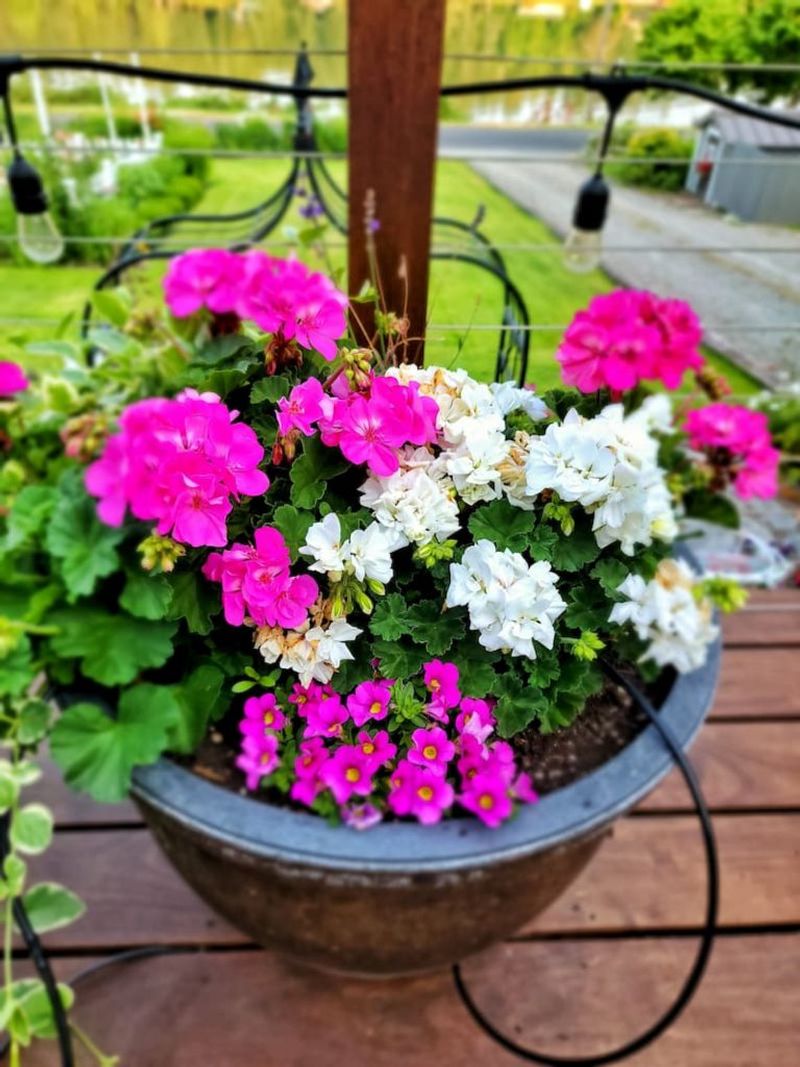
Common garden geraniums, known to botanists as Pelargonium, come from southern Africa, where they handle dry seasons by slowing down and waiting.
That built-in survival skill makes them perfect candidates for a winter rest. Instead of pushing out new leaves, they simply hit pause.
Their secret lies in their thick, sturdy stems and roots. Those parts act like a pantry, holding stored energy and water that carry the plant through months with very little light or moisture.
When warm days and brighter sun return in spring, that saved energy fuels fresh shoots and flower buds.
Keeping geraniums as active houseplants sounds nice, but it often goes badly. Winter light indoors is weak, so the plants stretch toward the window and grow long, pale, floppy stems. By March, many look tired and spindly instead of full and bushy.
A semi-dormant rest solves that problem. Resting plants need far less space, almost no light, and only a little attention. You can tuck them into a closet or garage rather than giving up every sunny windowsill in the house.
Here in North Carolina, winter protection is a must. Geraniums are tender perennials, and they are not reliably hardy outdoors anywhere in the state. Even along the mild Coastal Plain, a few nights in the upper twenties can ruin them.
Letting them rest indoors means you keep the exact colors and varieties you already love. Better yet, older plants often grow bigger and bloom sooner than small new ones from the store.
2. Lift Plants Before Cold Damage Sets In
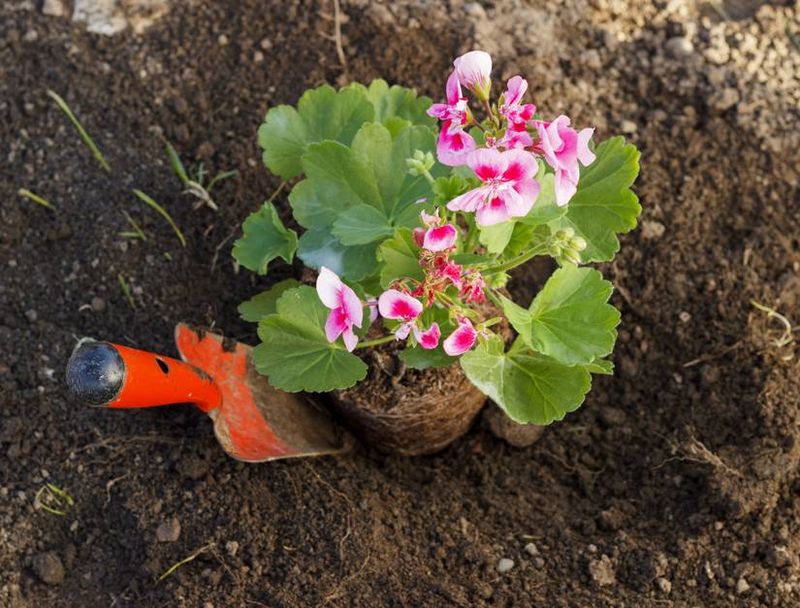
Fall in North Carolina loves to play tricks. You might enjoy a week of sweater-free afternoons, then wake up to frosty grass and blackened flowers. Geraniums pay the price when that surprise cold snap arrives before you do.
Frost harms both the leaves and the soft parts of the stems. Even light damage matters, because injured tissue turns mushy and invites rot once the plant goes into storage. A plant that starts winter strong has a much better chance of making it to spring.
Your North Carolina Garden Changes Every Week. Your Plan Should Too.
Gardening in North Carolina changes quickly throughout the season. Every Friday you’ll receive a simple weekly plan showing exactly what to plant, prune, fertilize, harvest, and protect so you never miss the right timing.
So the goal is simple: bring your geraniums in or lift them from the ground before the first frost. Timing depends on where you live in the state.
Mountain gardeners should plan for October, while Piedmont gardeners usually have until late October or early November.
Folks on the Coastal Plain often get a little extra time, with first frosts arriving in November. Still, keep an eye on the local forecast, since averages are only a guide. A sudden cold front can show up weeks early.
Choose a dry day for the job if you can. Wet soil clings to the roots and makes a sloppy mess, and soggy plants carry extra moisture into storage. A sunny afternoon after a few rain-free days is ideal.
Set a reminder on your phone for mid-October as a nudge to start watching the weather. That small habit can save you from a frantic nighttime rescue with a flashlight in hand.
3. Shake Off Soil And Trim Them Back
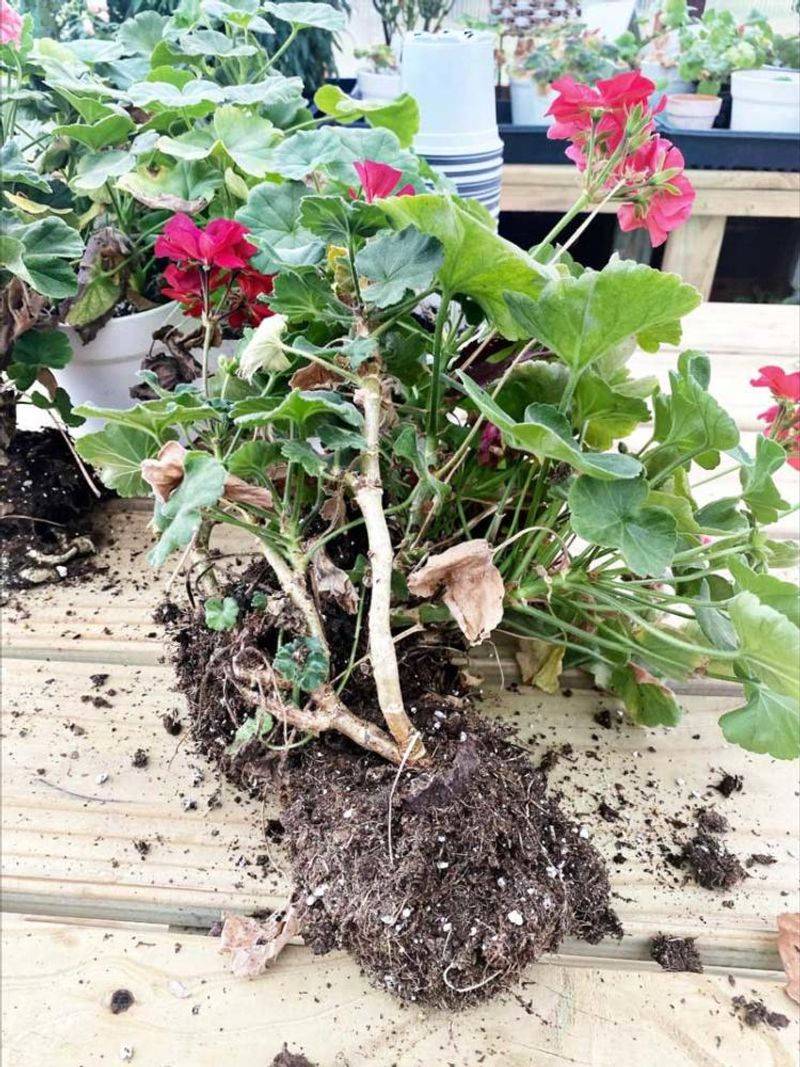
A little tidying now saves a lot of trouble later. Think of it like packing a suitcase, since you only want to bring what you truly need. For a resting geranium, that means stems and roots, and not much else.
Soil, leaves, and flowers all hold moisture. In a closed-up storage space, that dampness gives mold, pests, and rot the perfect place to get started. Removing the extras keeps the plant clean and dry through the long winter months.
Start by gently lifting the plant with a garden fork or trowel, keeping as many roots as you can. Shake the root ball or brush it lightly with your fingers until most of the soil falls away. A few crumbs left behind are fine.
Next, pinch off every flower and bud, even the pretty ones. Strip away most of the leaves, too, leaving just a few small ones near the tips if you like. Then use clean pruners to cut the stems back by about one third to one half.
That trim makes the plant compact, so it fits easily in a bag or hangs neatly without tangling. It also leaves a sturdy framework that will sprout fresh growth come spring. Short and tidy is the look you want.
North Carolina falls can be muggy, and morning dew often lingers well past breakfast. Let freshly cleaned plants air out on a porch or garage bench for a day before storing them. That extra drying time makes a real difference.
4. Store Bare Root Plants In A Cool, Dark Spot
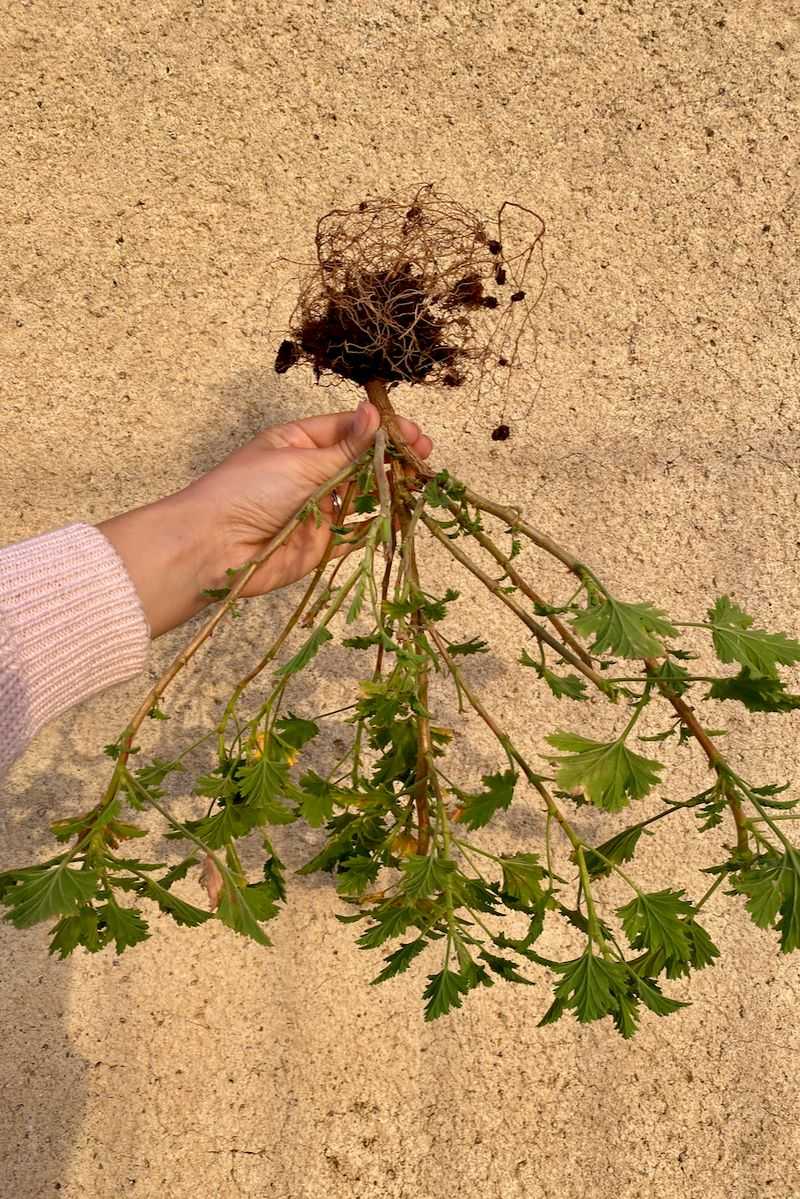
Grandparents across the South once hung geraniums from basement rafters like bundles of drying herbs. The method sounds old-fashioned, yet it still works beautifully today. Sometimes the simplest tricks last the longest.
Cool and dark conditions tell the plant that now is not the time to grow. Without light and warmth, it stays quietly resting instead of sending out weak shoots. Light air movement around the stems keeps them from staying damp, which helps prevent rot.
You have two easy choices for storage. Place each plant in a paper bag and fold the top over loosely, or tie string around the base and hang the plants upside down from a ceiling hook or beam. Skip plastic bags, because they trap moisture.
Aim for a spot that stays around 45 to 50 degrees Fahrenheit. The space should never freeze, since frozen stems turn to mush when they thaw. A cheap thermometer placed nearby tells you exactly what your plants are feeling.
Labeling helps, too. Write the flower color or variety name on each bag or on a tag tied to the stem. In spring, you will know right away which plant goes in the window box and which belongs by the mailbox.
Many North Carolina homes are built on slabs or crawl spaces, so a classic basement may not be an option. That makes choosing the right storage spot extra important. A cool closet or garage corner can do the job just as well.
5. Or Keep Them Potted In A Semi-Dormant State
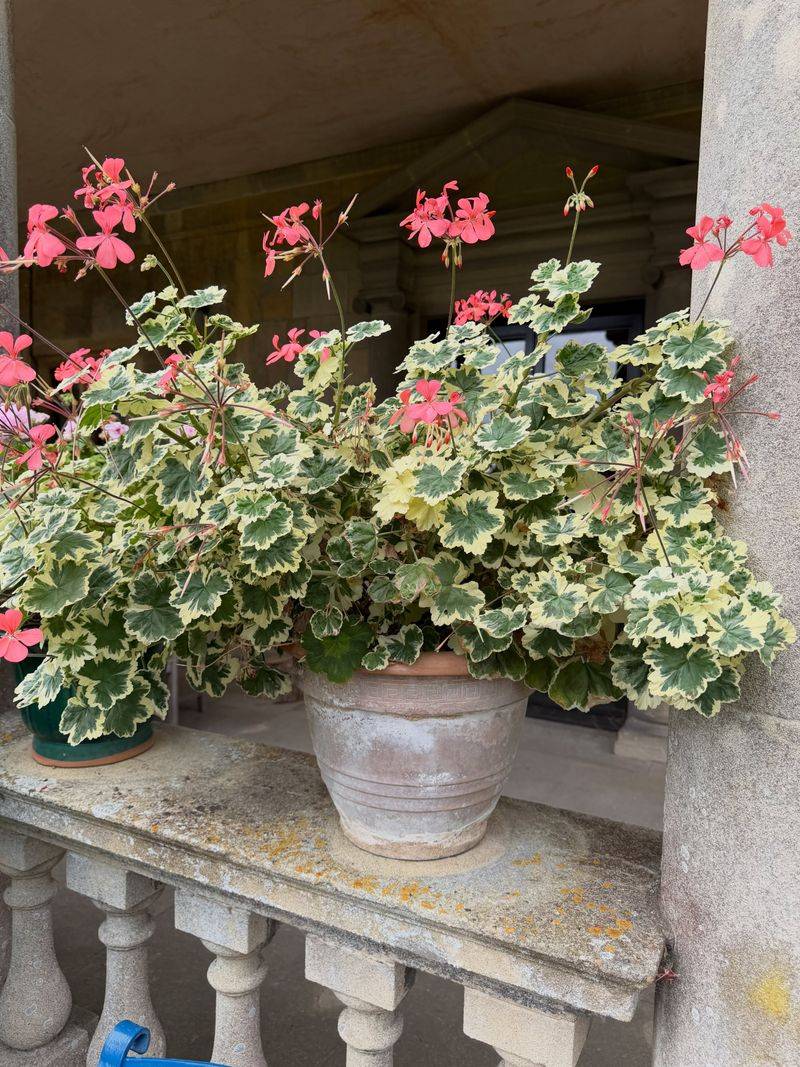
Not a fan of digging up roots and shaking off dirt? You are in luck, because container geraniums can rest right in their own pots. For many gardeners, this is the easiest path of all.
The idea is to slow the plant down without putting it fully to sleep. Cool temperatures, very little water, and a good haircut keep growth so slow that the plant barely changes. It stays compact instead of stretching into a leggy tangle.
Begin by cutting each plant back by about half. Remove flowers and any yellow or spotted leaves while you are at it. Then move the pots into a cool room or garage that stays above freezing, ideally between 45 and 55 degrees Fahrenheit.
Give them some indirect light, such as a spot near a small window or a bright wall. They do not need a sunny sill, just enough light to keep a few leaves healthy. Water only when the soil feels almost completely dry, which may be every three or four weeks.
Overwatering is the biggest mistake with this method. Cool soil dries slowly, and soggy roots in a chilly room can rot quickly. When in doubt, wait another week before reaching for the watering can.
Lots of North Carolina gardeners grow geraniums in pots on decks and porches, so this method fits right in.
If you have a frost-free garage or spare room but no basement, you already have everything you need. Just carry the pots inside and let them relax.
6. Check Stored Plants Every Month
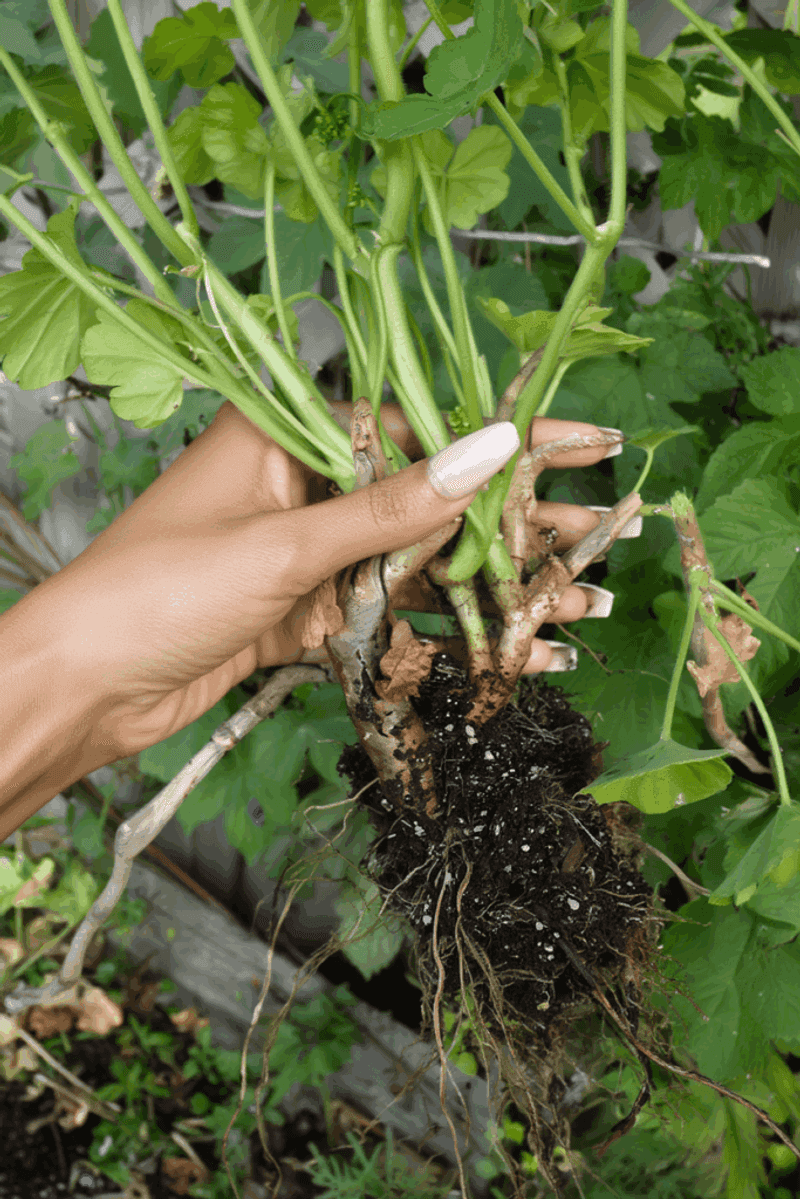
Out of sight should not mean out of mind. Stored geraniums are low maintenance, but they still appreciate a quick visit now and then. Five minutes a month can protect a whole collection.
Two problems tend to sneak up during winter. Stems can shrivel and wrinkle if they dry out too much, while damp spots may grow fuzzy mold or soft rot. Left alone, rot can spread from one plant to its neighbors.
Plan to peek at your plants about once a month. Mark the first weekend of each month on your calendar so it becomes routine. Gently squeeze each stem and look closely at the base and roots.
Healthy stems feel firm, a bit like a fresh carrot. If bare-root plants look wrinkled or thin, soak the roots in a bucket of water for a couple of hours. Afterward, let them dry fully before placing them back in their bags or hanging spots.
Soft, mushy, or moldy stems need to go. Cut them away with clean pruners, and toss any plant that has turned completely soft and brown. Removing trouble early keeps the rest of the group safe.
North Carolina winters swing wildly, with seventy-degree days followed by icy nights. Garages and closets feel those swings, and humidity rises and falls with them.
Regular checks help you notice changes before they become real problems, so keep that thermometer handy as you make your rounds.
7. Choose The Right Storage Space In Your Home
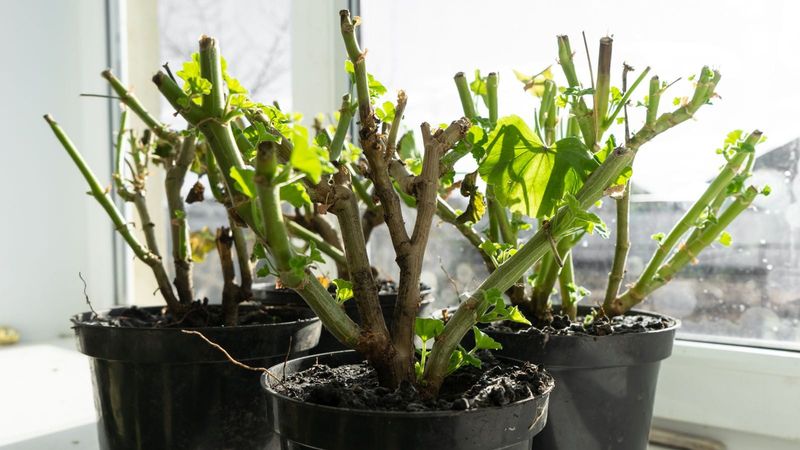
Every house has a secret cool corner, and finding yours is half the battle. The perfect spot feels chilly when you walk in, but never icy. Your geraniums want a room that stays calm and steady.
Location matters because temperature controls the whole resting process. Too warm, and plants start growing weak shoots in the dark. Too cold, and freezing temperatures turn stems to mush.
An unheated but attached garage often works best, since the house wall shares a little warmth.
A closet on an outside wall can stay nicely cool, and so can an unheated spare room with the vent closed. Lucky gardeners with a basement have a classic option ready to go.
Skip the attic, even if it seems handy. Attics bake on sunny winter afternoons and then plunge at night. Those wild swings confuse plants and can wake them up or freeze them.
Your region makes a big difference here. In the Coastal Plain and much of the Piedmont, unheated garages usually stay above freezing all winter. Up in the Mountains, garages may dip too low during hard cold snaps, so a closet or basement is often safer.
Try a simple test before you commit. Place an inexpensive minimum and maximum thermometer in your chosen spot for a week or two.
It records the highest and lowest readings, so you will know for sure whether the space stays in that sweet range of roughly 45 to 55 degrees.
8. Wake Them Up In Late Winter
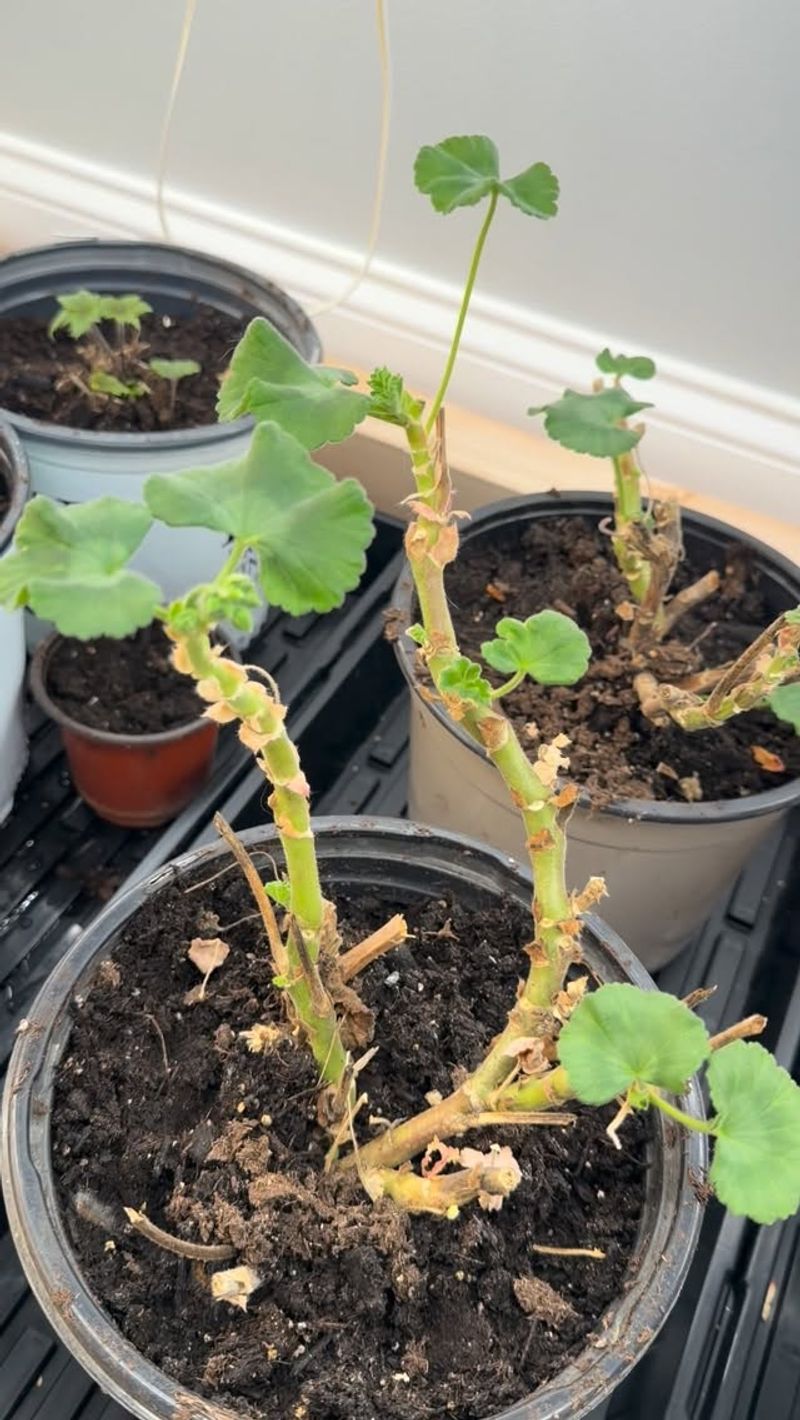
Spring fever hits hard around February, and your geraniums can share in the excitement. Waking them a bit early gives them a head start on the growing season. By planting time, they will be leafy and ready to go.
Timing is everything. Start about six to eight weeks before your average last frost date. That window gives plants enough time to grow fresh roots and new shoots before they head back outside.
Pot bare-root plants in clean containers filled with fresh potting mix. Water them lightly, just enough to moisten the soil, since roots are still waking up. Too much water at this stage can cause rot.
Next, set the pots in your brightest window or under a grow light for about twelve to fourteen hours a day. Within a couple of weeks, tiny green buds should appear along the stems. Trim away any weak or spindly shoots so the plant grows full and bushy.
Once the last frost passes, ease your plants outside slowly. Start with a few hours in shade, then add more time and sun each day for about a week. That gentle adjustment prevents scorched leaves.
Across North Carolina, the calendar shifts with elevation. The Coastal Plain usually sees its last frost in late March to early April, and the Piedmont in early to mid April.
Mountain gardeners should wait for late April to mid May, then enjoy watching last year’s plants bloom all over again.