What To Know About Your Neighbor’s Vines In North Carolina Before They Turn Into A Bigger Issue
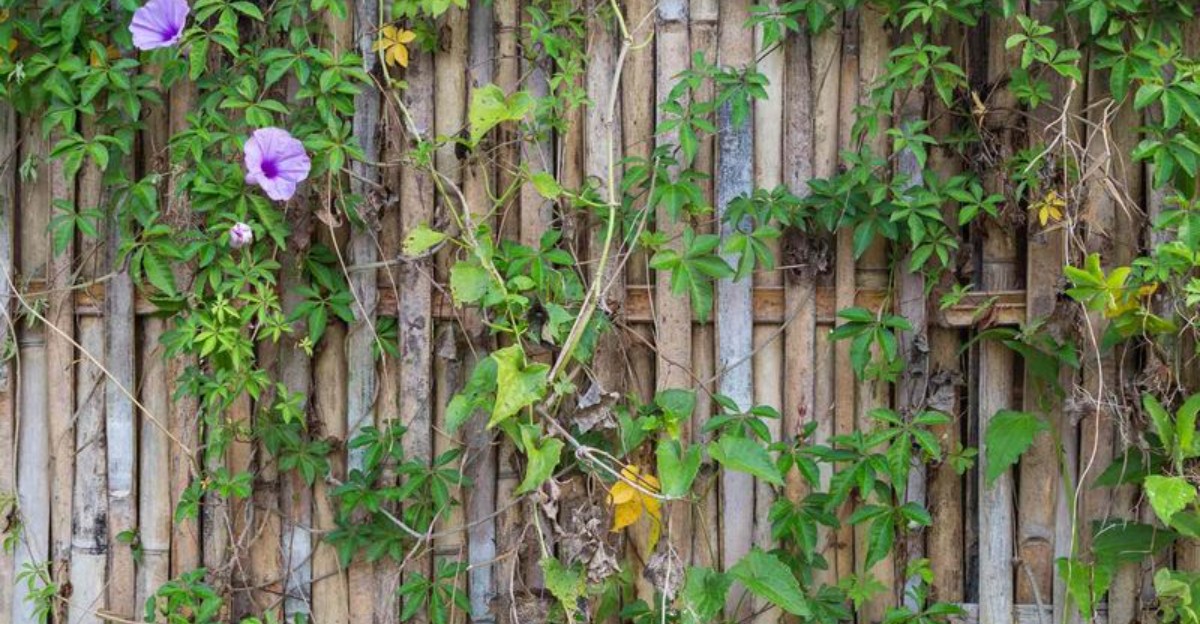
A neighbor’s climbing vine creeping over a shared fence line might seem like a minor cosmetic issue, but certain vines can create real problems that extend well beyond simple aesthetics.
Aggressive growers like English ivy or wisteria can damage fencing, siding, or trees as they climb and tighten over time, sometimes causing structural issues that take years to fully develop and become obvious.
Root systems from vigorous vines can also spread underground far beyond where the visible plant appears to end, potentially affecting nearby garden beds or foundations on either side of a property line.
Understanding which vines are simply enthusiastic growers versus which ones pose genuine structural or invasive risks helps determine whether a friendly conversation is worth having sooner rather than later.
Addressing a spreading vine issue early, before roots or growth become deeply established, tends to be far easier than dealing with the consequences after years of unchecked growth.
1. Identify The Vine Before Doing Anything
Grabbing the pruners feels like the natural move when a vine sneaks over the fence. Hold off for just a moment, though.
The smartest first step is figuring out exactly what plant you are looking at. Why does it matter so much? Some vines are native and easy to manage, while others are invasive and spread like wildfire.
A few, like poison ivy, can leave you with an itchy rash that lasts for weeks, so the right plan depends on the plant. Start by studying the leaves. Are they single, or split into three or five leaflets?
Notice how the vine climbs, too, because some wrap their stems around supports, some grab on with curly tendrils, and others stick to surfaces with tiny hairlike rootlets.
Flowers and berries give great clues as well. Snap a few clear photos from different angles, including the stem and any blooms. Then compare them with trusted guides or plant apps.
For expert help, turn to NC State Extension. Their online plant toolbox is free and packed with photos, and your local Cooperative Extension office can often identify a sample for you at no cost.
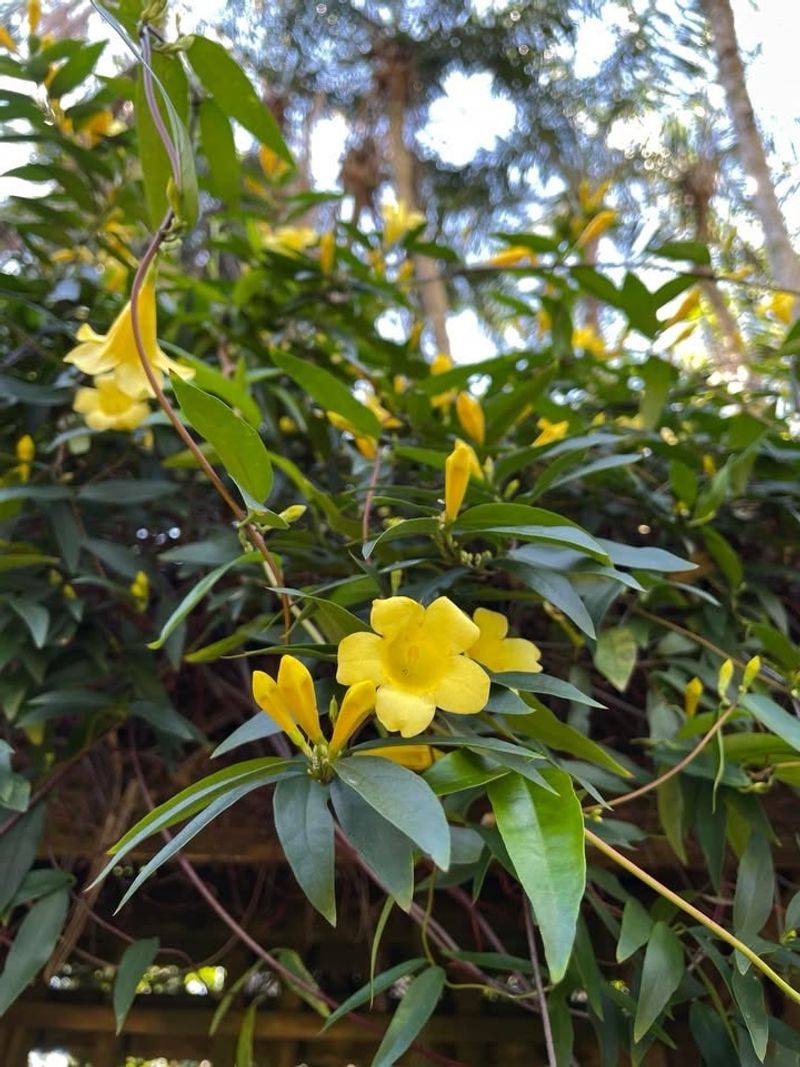
Here in North Carolina, property lines are crowded with both good and troublesome climbers. Native vines like Virginia creeper, trumpet creeper, and Carolina jessamine often grow right beside invasive ones.
Carolina jessamine is a beloved native with fragrant yellow spring blooms, so you may decide it deserves a spot rather than a pink slip. Knowing the difference helps you act with confidence instead of guessing.
2. Invasive Vines Spread Faster Than You Expect
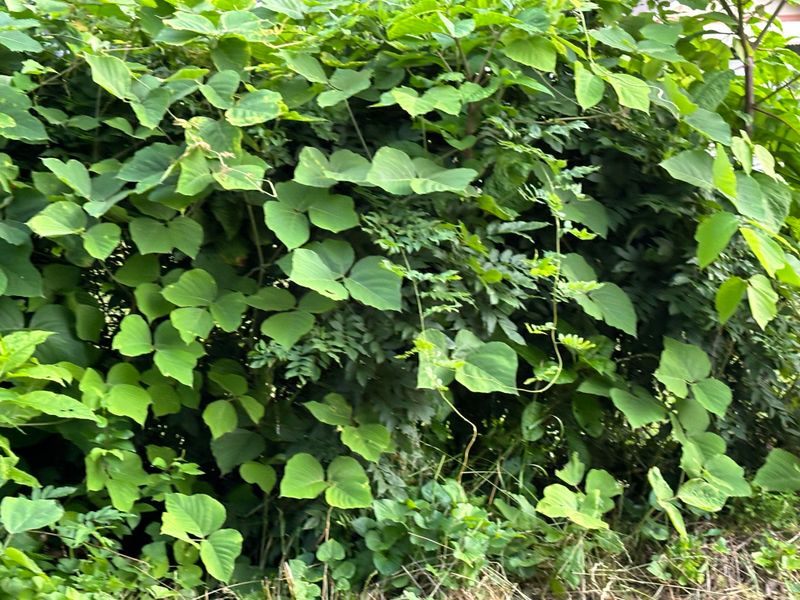
Kudzu earned the nickname the vine that ate the South for a good reason. It can grow up to a foot a day in hot summer weather. Several of its invasive cousins are almost as pushy.
English ivy, Japanese honeysuckle, Chinese and Japanese wisteria, and oriental bittersweet all show up in North Carolina yards. Each one grows aggressively and refuses to stay put.
A tidy patch along a neighbor’s fence can quietly creep into your beds, lawn, and trees within just a few seasons.
Your North Carolina Garden Changes Every Week. Your Plan Should Too.
Gardening in North Carolina changes quickly throughout the season. Every Friday you’ll receive a simple weekly plan showing exactly what to plant, prune, fertilize, harvest, and protect so you never miss the right timing.
So how do they move so quickly? Many of them put down new roots wherever a stem touches the soil.
Birds also snack on their berries and drop the seeds far and wide, which means new plants can pop up in spots you never expected.
Catching them early is your best weapon. Walk your fence lines, property edges, and tree trunks every few weeks during the growing season. When you spot a runner crossing over, pull it or cut it right away.
Small runners come out easily, especially after a good rain. Wait too long, and those same stems turn woody, with roots that dig deep and hold tight. A few minutes of work in spring can save you hours of struggle by fall.
The North Carolina Invasive Plant Council lists all of these vines as invasive. They love the state’s warm, humid climate, which gives them a long season to grow. Staying one step ahead keeps your yard looking like yours.
3. Poison Ivy Along The Property Line
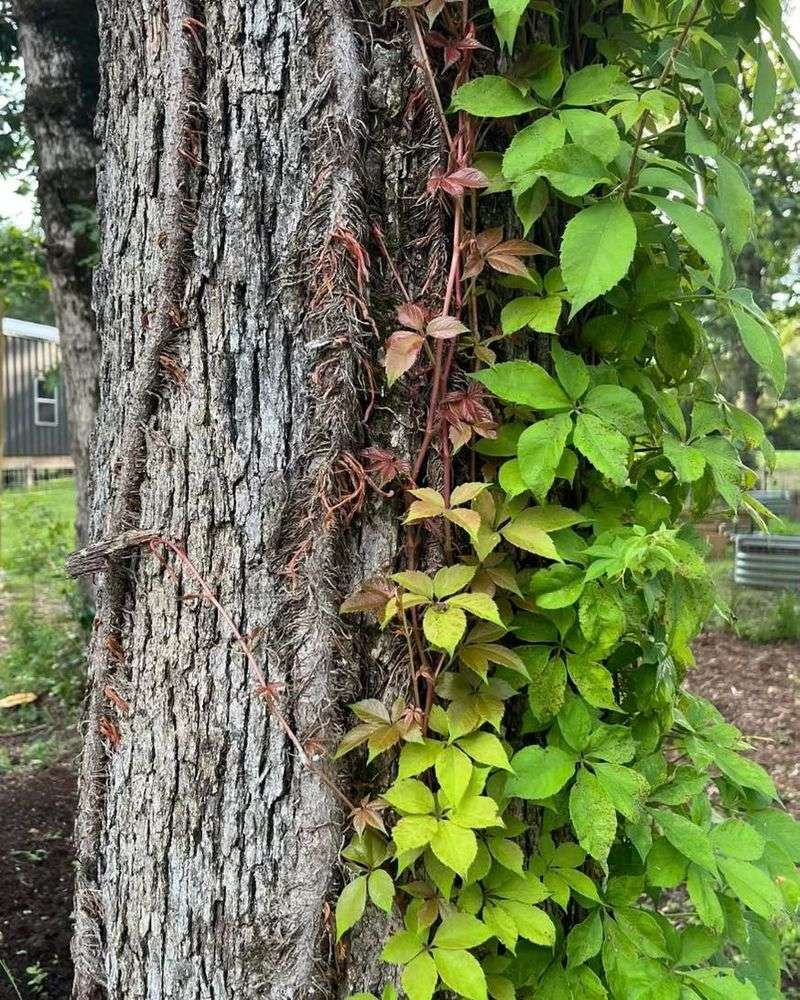
Leaves of three, let it be. That old rhyme has saved plenty of North Carolina gardeners from a miserable week of scratching.
Poison ivy loves fences, tree trunks, and wooded borders, which makes property lines one of its favorite hangouts.
Every part of the plant contains urushiol, an oily substance that triggers itchy, blistering rashes in most people. Leaves, stems, and roots all carry it. Even in winter, when the vine looks bare and harmless, the oil stays active.
Tools and gloves can hold urushiol for a long time, too. You might touch a rake months later and end up with a rash without knowing why.
That sneaky staying power is what makes careful handling so important. Learning to spot the plant is your first line of defense. Look for clusters of three leaflets, with the middle one on a longer stalk.
Older vines climbing trees often look fuzzy or hairy because of all the tiny rootlets gripping the bark.
Before working nearby, cover up with gloves, long sleeves, and long pants. Afterward, wash your clothes separately and scrub your tools with soap and water or rubbing alcohol.
Rinse your skin quickly with soap and cool water if you think you touched it. Never burn poison ivy. The smoke carries the oil through the air and can cause serious reactions in your lungs and eyes.
Since this native vine grows in nearly every corner of North Carolina, from the mountains to the coast, a little caution pays off everywhere.
4. Vines Can Damage Fences, Siding, And Gutters
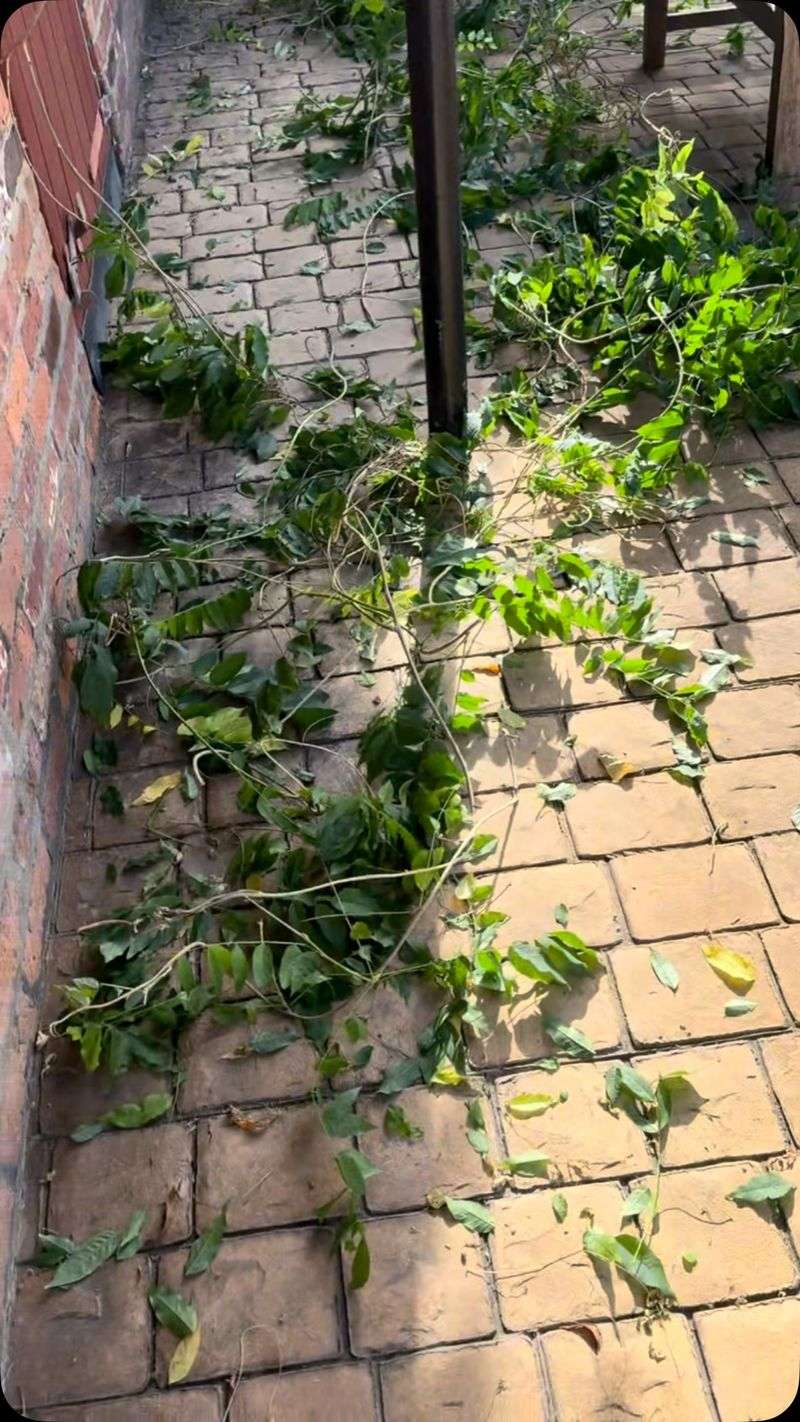
A leaning fence post is often the first hint that something heavier than you think is hanging on. Vines may look soft and leafy, but a mature one can weigh a surprising amount. Over time, that load bends boards, loosens posts, and snaps weak rails.
Different vines cause trouble in different ways. Twining climbers like wisteria wrap around supports so tightly that they can crush wood and warp metal. Clinging types like English ivy work their little rootlets into cracks and gaps.
Once inside those cracks, the vine holds moisture right against your siding, wood trim, and brick. It can also creep under shingles or fill gutters with leaves and stems. Clogged gutters overflow, and water ends up where you really do not want it.
A regular walk around your property helps catch problems early. Check fences, sheds, siding, and gutters for any vines sneaking over from next door. Cut the stems at the base on your side so the upper growth loses its water supply.
Removal takes patience. Let cut vines dry for a week or two before gently pulling them away, since they often let go more easily. Yanking fresh growth can tear off paint, loosen siding, or pull out old mortar.
North Carolina’s warm, humid weather makes all of this happen faster. Vines grow quickly, and trapped moisture encourages rot, mildew, and even termites in wood structures. Keeping walls and fences clear lets them dry out and last much longer.
5. Vines Climbing Into Trees Add Weight And Shade
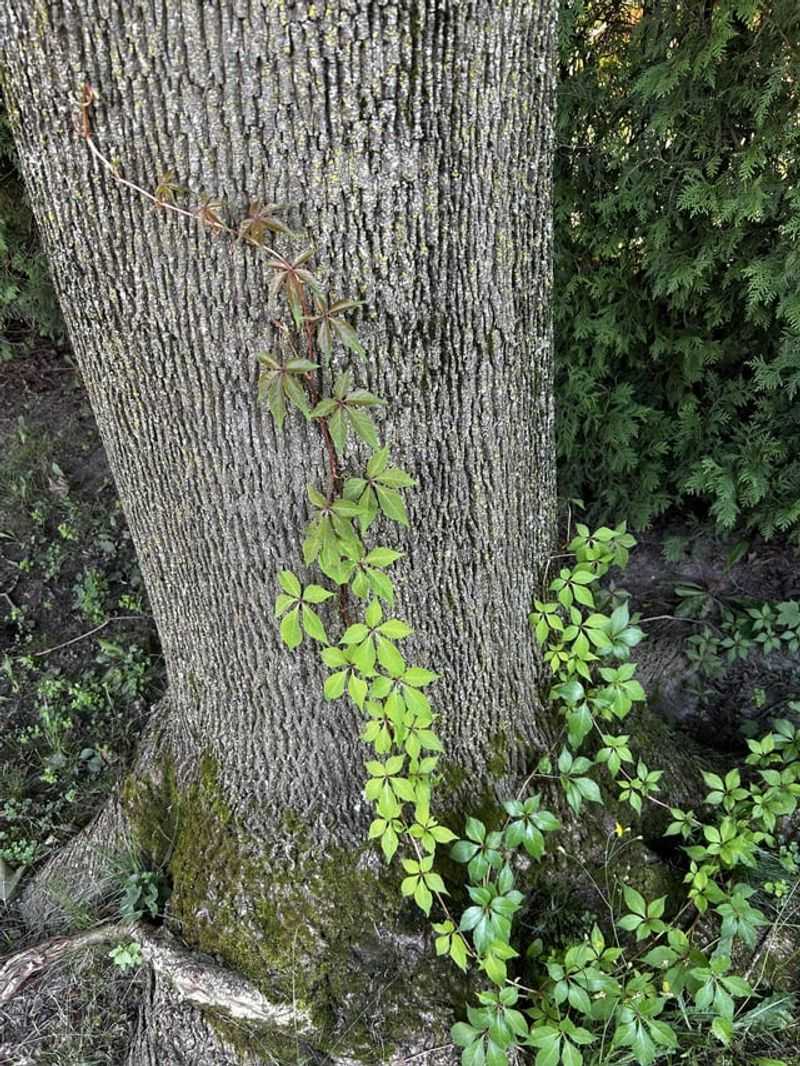
Trees near the property line often become ladders for vines coming from next door. At first, a bit of green on the trunk can look charming, almost like something from a storybook. Give it a few years, though, and that vine can seriously weaken the tree.
Heavy vines climb into the canopy and spread their leaves over the tree’s own. That shade blocks the sunlight the tree needs to make food. A tree struggling for light slowly loses its strength and health.
Extra weight is another big worry. Thick vines add pounds to every branch, making limbs more likely to crack.
Some types, like oriental bittersweet, wrap around trunks and branches so tightly that they squeeze the bark as the tree grows.
The fix is simpler than you might think. Cut the vines near the base of the tree on your side, using loppers or a small saw.
Many arborists suggest cutting a section out at about shoulder height and again near the ground, then pulling the lower pieces away from the trunk.
Leave the upper vines in place. They will shrivel and turn brown over time, and pulling them down can tear bark or bring branches crashing onto you. Keep an eye on the base for new sprouts and snip them as they appear.
North Carolina trees face hurricanes, strong summer storms, and winter ice storms. Vine-covered trees catch more wind and hold more ice, so they are more likely to break. Clearing them helps protect your home, your car, and your family.
6. Talk With Your Neighbor Early
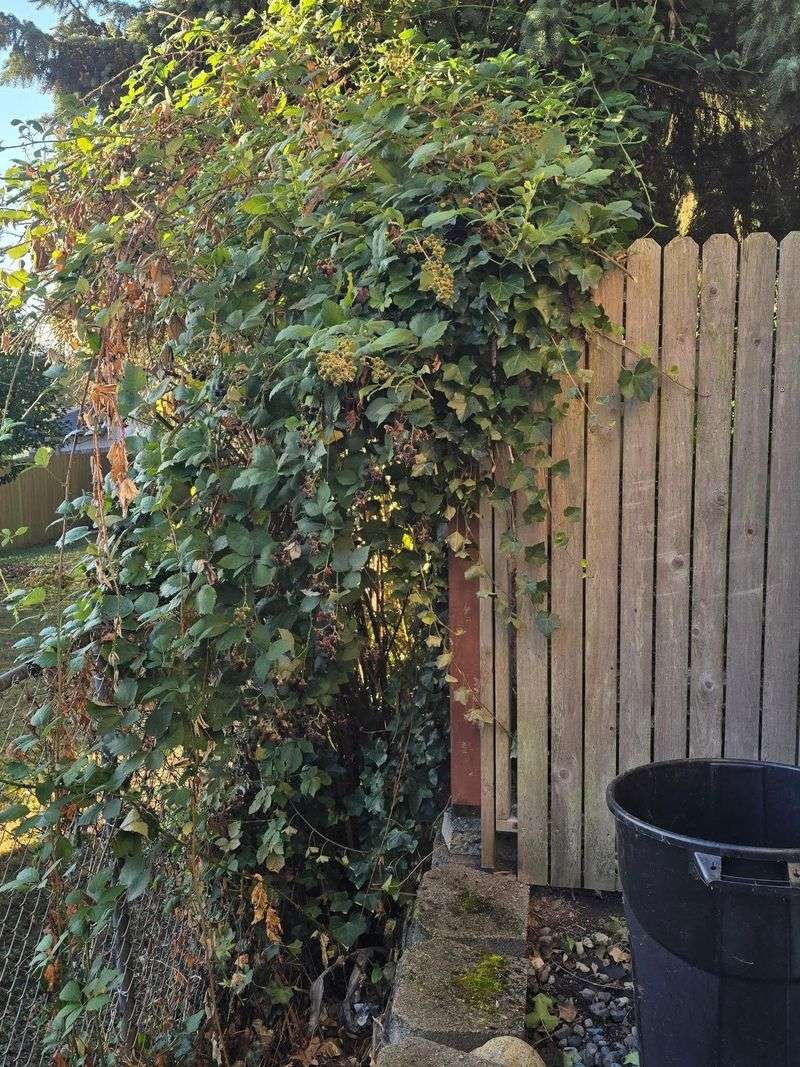
Most neighbors have no idea their vines have wandered so far. From their side of the fence, everything may look perfectly tidy. A friendly heads-up often solves the problem faster than any pruning tool.
Speaking up early keeps things relaxed. If you wait until the vine has swallowed your shed, frustration builds, and the chat can feel more like a complaint. Catching it while it is still a small issue makes the whole thing feel easy and neighborly.
Keep the tone light and calm. You might say something like, hey, I noticed your honeysuckle is coming over the fence, and I wanted to see how you would like to handle it.
Walking over together and pointing out where the vine crosses helps everyone see the same picture.
Sharing what you have learned can help, too. If the vine is invasive or turns out to be poison ivy, pass along a link from NC State Extension.
Many people are happy to act once they know a plant is causing trouble. Teamwork gives the best results. Suggest a weekend when you both work on your own sides of the line at the same time.
You could even share tools, trade tips, or split the cost of hauling away the debris. In North Carolina neighborhoods, vines along shared fences bounce back quickly if only one side gets cleared. Roots on the other side keep sending up fresh runners all season long.
Working together means fewer repeat battles and a much happier fence line for both of you.
7. Know What You Can Do On Your Side
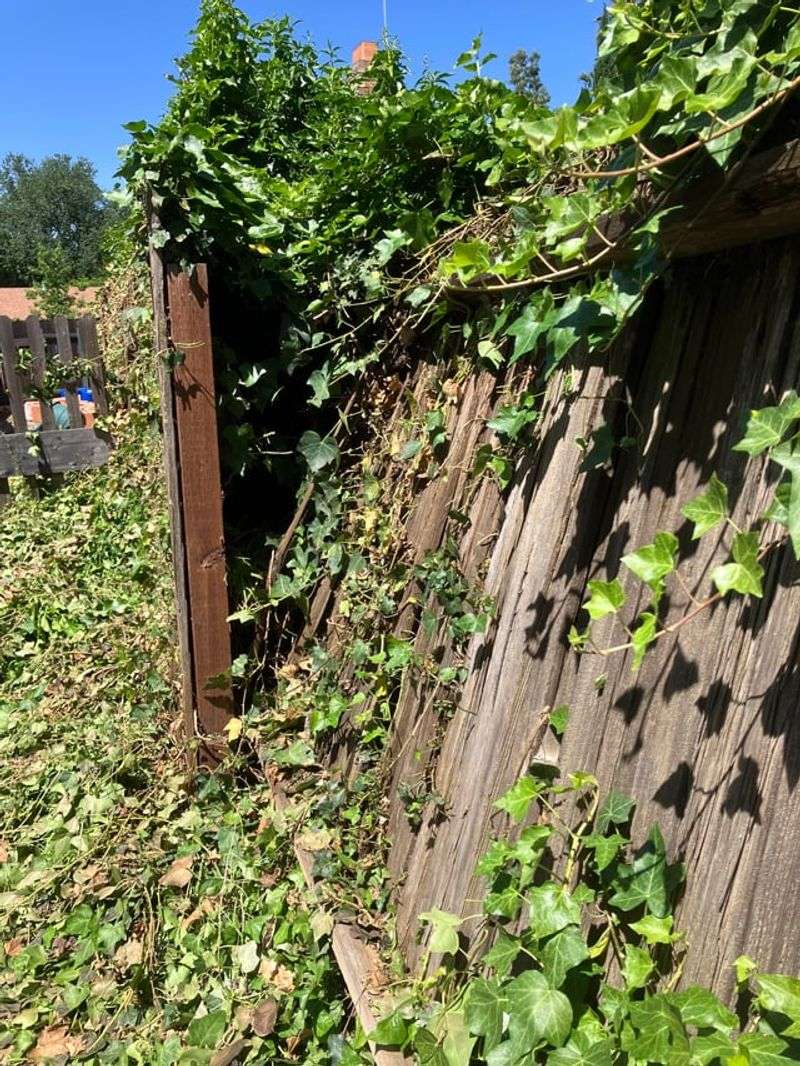
Property lines can feel a little fuzzy when plants ignore them completely. The good news is that some general expectations can guide you. Knowing them helps you act fairly and avoid unwanted drama.
In many cases, homeowners are allowed to trim vines and branches that grow onto their own property. That right usually stops at the line, though.
Damaging the plant on your neighbor’s side or stepping onto their land without permission can create problems, even if your intentions are good.
A few smart habits keep you on solid ground. Trim only up to the property line, and if you are unsure where it sits, check your survey or plat map.
Your county’s online GIS maps can also give you a rough idea. Local rules matter, too. If you live in a neighborhood with an HOA, read its guidelines about plants, fences, and upkeep.
Your city or county may also have codes about overgrown vegetation or invasive plants. Should a vine cause damage, keep good records. Take dated photos, save repair receipts, and write down any conversations with your neighbor.
Those notes help if you ever need to file an insurance claim or ask for help. Keep in mind that this is general information, not legal advice. For specific questions, talk with a local attorney who knows property law.
In North Carolina, rules about vegetation and property lines can vary from one town, county, and HOA to the next, so checking locally is always a wise move.
8. Control Methods That Work On Your Side
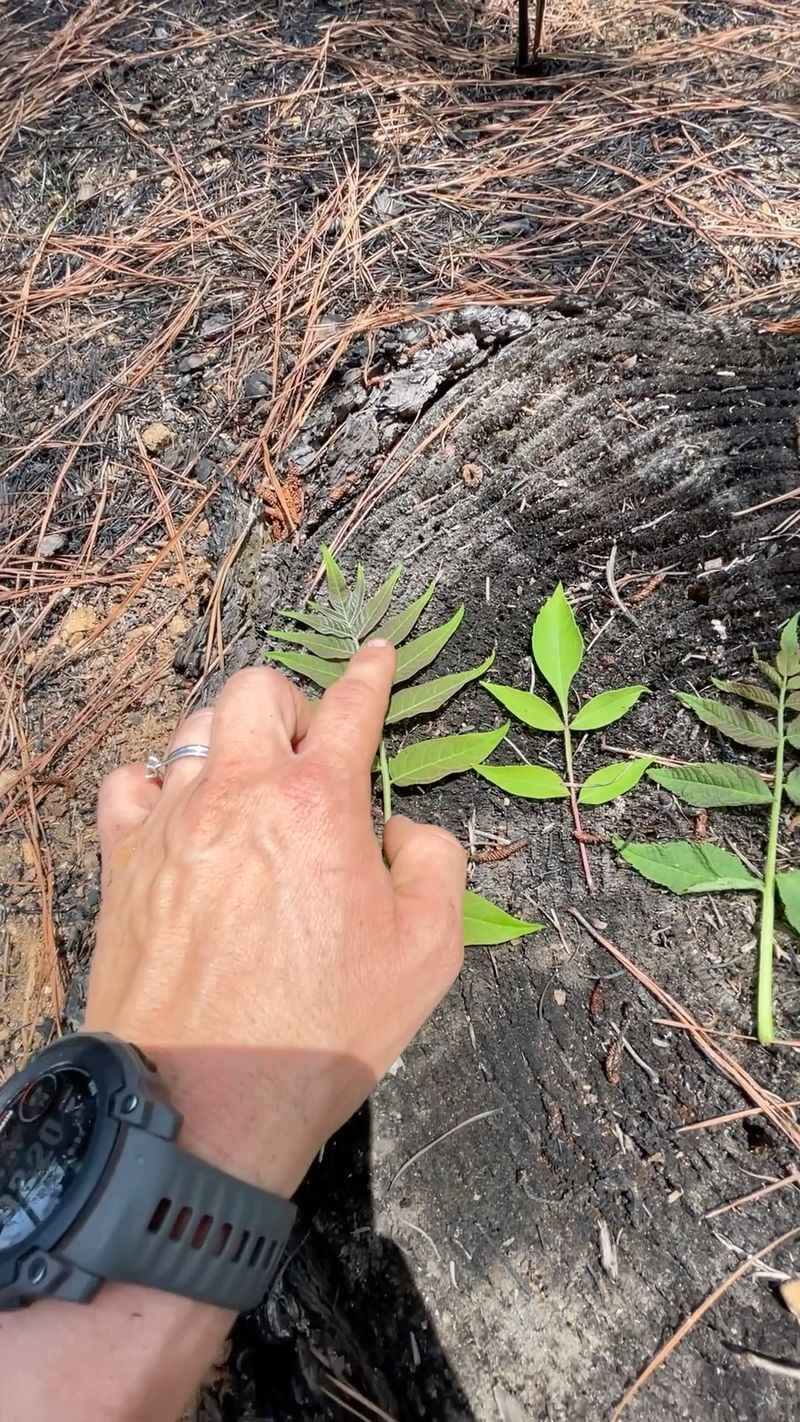
One afternoon of cutting rarely ends a vine problem for good. Roots and runners hide underground, just waiting to send up fresh shoots. Steady, patient effort is what finally wins the battle.
Young runners are the easiest to handle. Pull them by hand when the soil is moist, such as a day after rain. Grab near the base and tug slowly so the roots come out along with the stem.
Larger vines need a different plan. Cut them at ground level with loppers or a pruning saw. New sprouts will likely appear, so cut them again each time they show up, and the roots will gradually lose their energy.
Tough invasive vines sometimes need extra help. A cut-stump treatment means cutting the vine near the ground and quickly painting herbicide on the fresh cut.
Always follow the label directions exactly, and use it only on plants rooted on your side. Spraying calls for extra care near the property line. Skip it on windy days, since even a light breeze can carry herbicide onto your neighbor’s garden or trees.
Choosing a calm, dry morning keeps the product right where you want it. Mulch can help, too. A thick layer over cleared ground makes it harder for new seedlings to sprout.
North Carolina’s long growing season, stretching from early spring well into fall, gives vines plenty of time to bounce back. Checking your fence line every few weeks keeps you firmly in charge of your own yard.