The Invasive Pest Hiding On New York Oak Trees This Fall
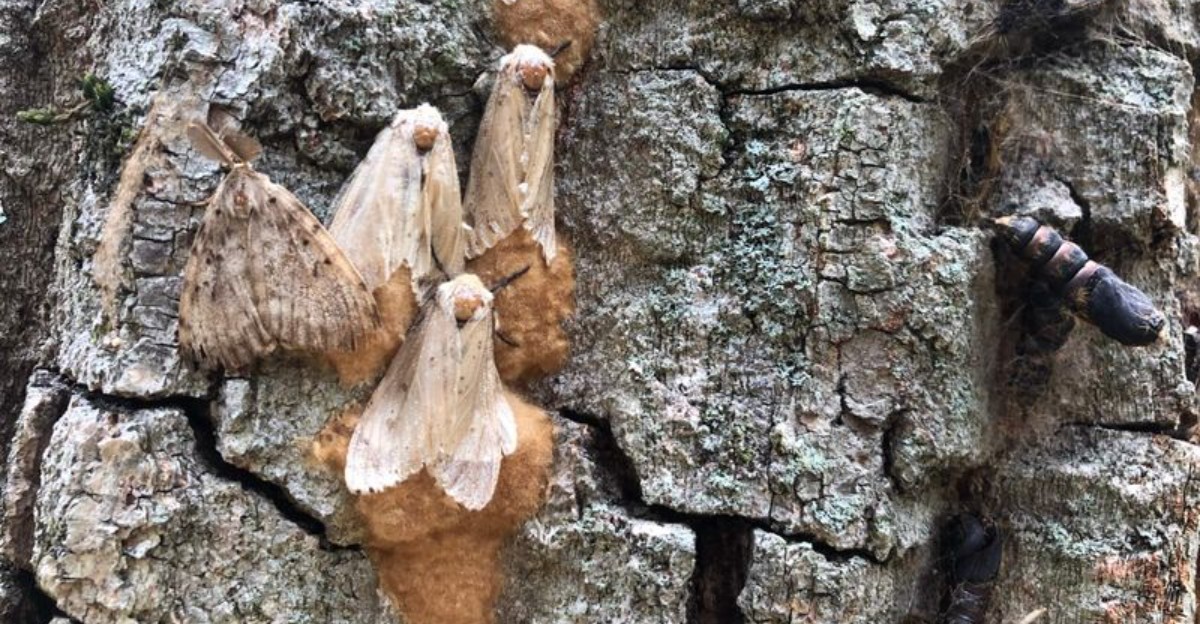
Your oak tree might be hiding a secret that looks a lot like a fuzzy tan sponge. Most people walk right past it without a second glance.
As leaves crunch across New York, spongy moth egg masses sit tucked into bark, branches, and even patio furniture. Each one holds hundreds of eggs waiting to hatch in spring.
The caterpillars before them spent early summer munching oak leaves like popcorn. Those thin, see-through treetops you noticed in June were no accident.
Fall gives you a head start. A sharp eye, a bucket of soapy water, and a little patience can shrink next year’s hungry crowd.
Spongy Moth Is Behind Those Bare Summer Oaks
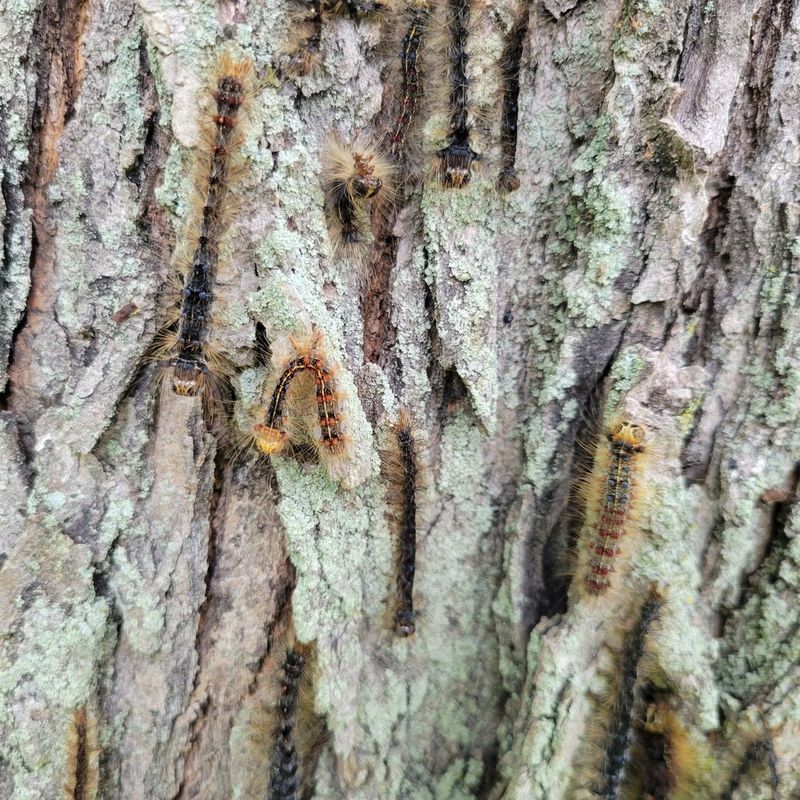
Remember strolling under your favorite oak in June and seeing sunlight pour through like a screen door? Those ragged holes in the canopy had a very hungry author.
The spongy moth is a non-native insect first brought to North America from France in the late 1860s. Someone hoped to breed it for silk, but a few escaped and the plan backfired badly.
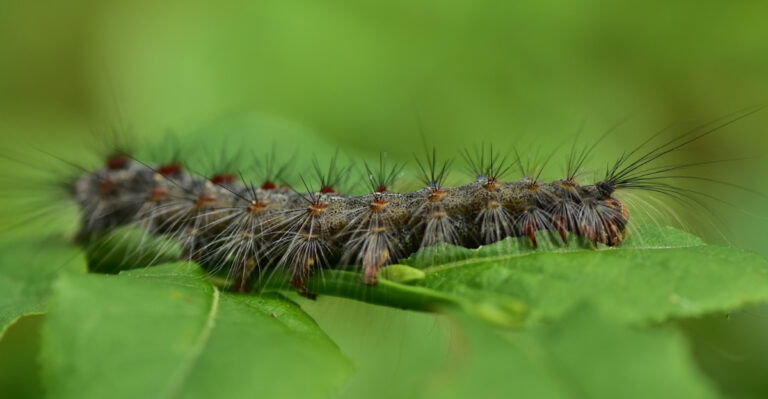
Its caterpillars chew leaves from hundreds of tree species across New York each year. Oaks sit at the very top of their menu, like pizza at a birthday party.
Feeding peaks in late spring and early summer, when the caterpillars are growing fast. A single larva can munch through about a square foot of leaves before it matures.
Multiply that by thousands of caterpillars per tree, and whole hillsides can look bare by July. People often mistake the damage for drought or disease at first glance.
You might remember the old name, gypsy moth, from news reports years ago. Scientists renamed it spongy moth in 2022, borrowing a nickname already used in France and Canada.
Want quick proof the moth visited your yard last summer? Look for small dark pellets scattered on decks, cars, and sidewalks beneath the trees.
Those pellets, called frass, are caterpillar droppings, and heavy showers mean a big crowd overhead. Some homeowners even hear a sound like light rain on sunny days.
Knowing the culprit matters because fall is your best chance to fight back. The adult moths are gone now, but they left something sneaky behind on the bark.
Fuzzy Tan Egg Masses Are The Giveaway
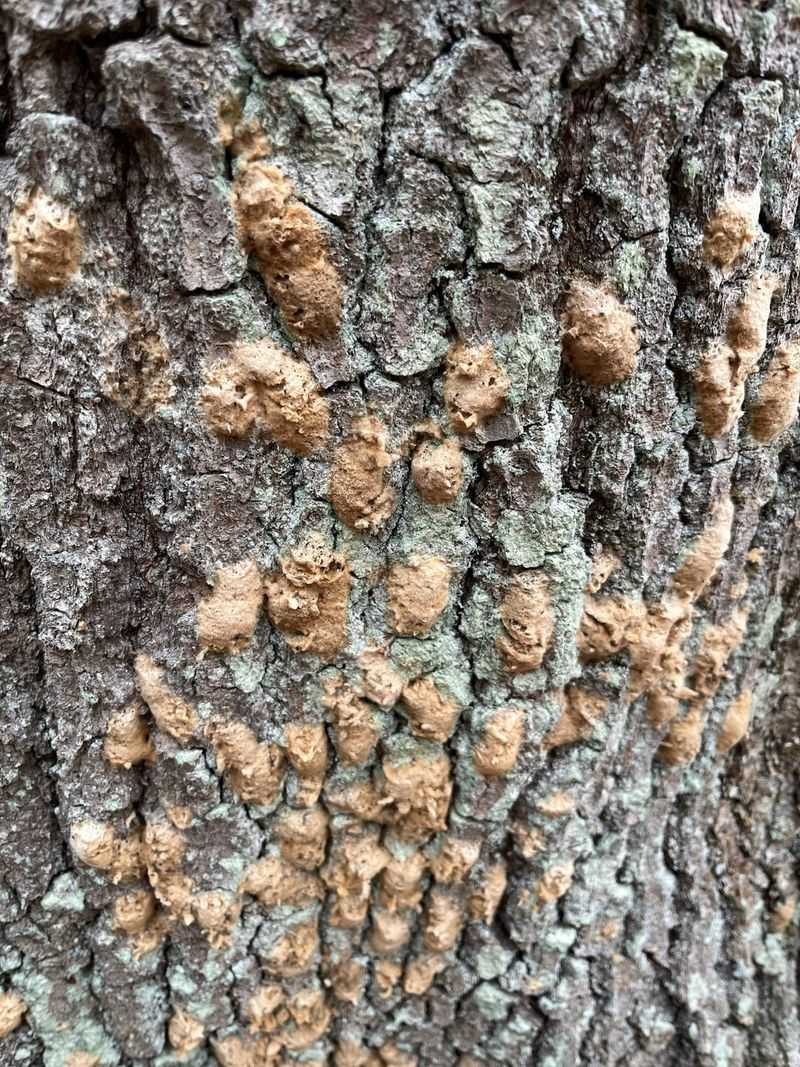
Picture a tiny tan sponge, roughly the size of your thumb, glued flat against tree bark. Once you spot your first one, you will start seeing them everywhere.
Spongy moth egg masses are light brown or buff colored, with a soft, fuzzy texture. Females cover their eggs with hairs from their own bodies, like a cozy felt blanket.
Older masses from past years look faded and bleached, almost white or gray. Fresh ones from this summer look richer in color and feel firmer when pressed gently.
Fall and winter make the hunt much easier for homeowners across New York. With the leaves gone, trunks and branches are wide open for a close inspection.
Start on the main trunk, slowly scanning from the ground up to about eye level. Then check the undersides of large branches, where females love a little shade and shelter.
Your New York Garden Changes Every Week. Your Plan Should Too.
Gardening in New York changes quickly throughout the season. Every Friday you’ll receive a simple weekly plan showing exactly what to plant, prune, fertilize, harvest, and protect so you never miss the right timing.
Bark crevices, knots, and old wounds are favorite hiding places too. A small flashlight helps on cloudy afternoons, since the tan color blends right into oak bark.
Here is a handy trick for telling them apart from lichen. Lichen looks crusty, green, or gray and sticks tight, while egg masses feel soft and a bit spongy.
Snap a quick phone photo of anything suspicious before touching it. Comparing pictures with your county Cooperative Extension website can confirm what you found in seconds.
Kids make great helpers for this job, because their eyes are closer to the lower trunk. Turn it into a game, and offer a small prize for each mass found.
Each Mass Can Hold Hundreds Of Eggs
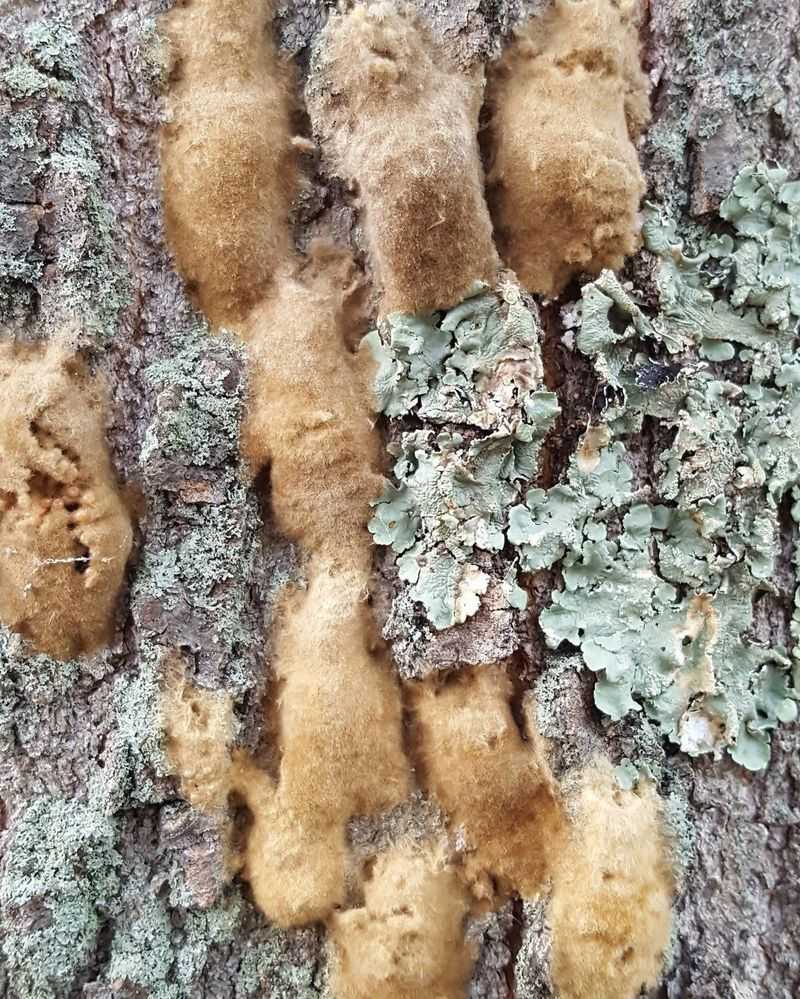
Here is a number that might make you itch: up to 1,000 eggs in one patch. Most masses land somewhere between 100 and 1,000, depending on how well the mother fed.
In New York, a typical egg mass holds around 600 to 700 eggs. That is roughly the number of students in a busy middle school, packed into a thumbprint.
Now grab a pencil and do some quick backyard math with me. Five egg masses on a single oak could mean more than 3,000 caterpillars climbing up next May.
Not every egg survives, of course, since weather and hungry critters take their share. Still, the leftover crowd can strip a small tree in a matter of weeks.
The eggs sit quietly all winter, protected by their fuzzy coat. They handle ordinary freezing weather well, but deep cold below minus 20 degrees can harm exposed masses.
Snow cover works like a blanket, so masses near the ground often fare better. Those higher up the trunk face harsher winds and colder nights.
Every single mass you remove this fall erases hundreds of future leaf munchers. Few yard chores give you that kind of payoff for about ten minutes of effort.
Keep a simple tally on your phone or a notepad as you work. Tracking the count each year shows whether your local population is climbing or fading.
A rising number might mean it is time to call a certified arborist. A shrinking number means your hard work, and a helping hand from nature, are winning together.
Look Beyond The Trunk To Firewood And Patio Furniture
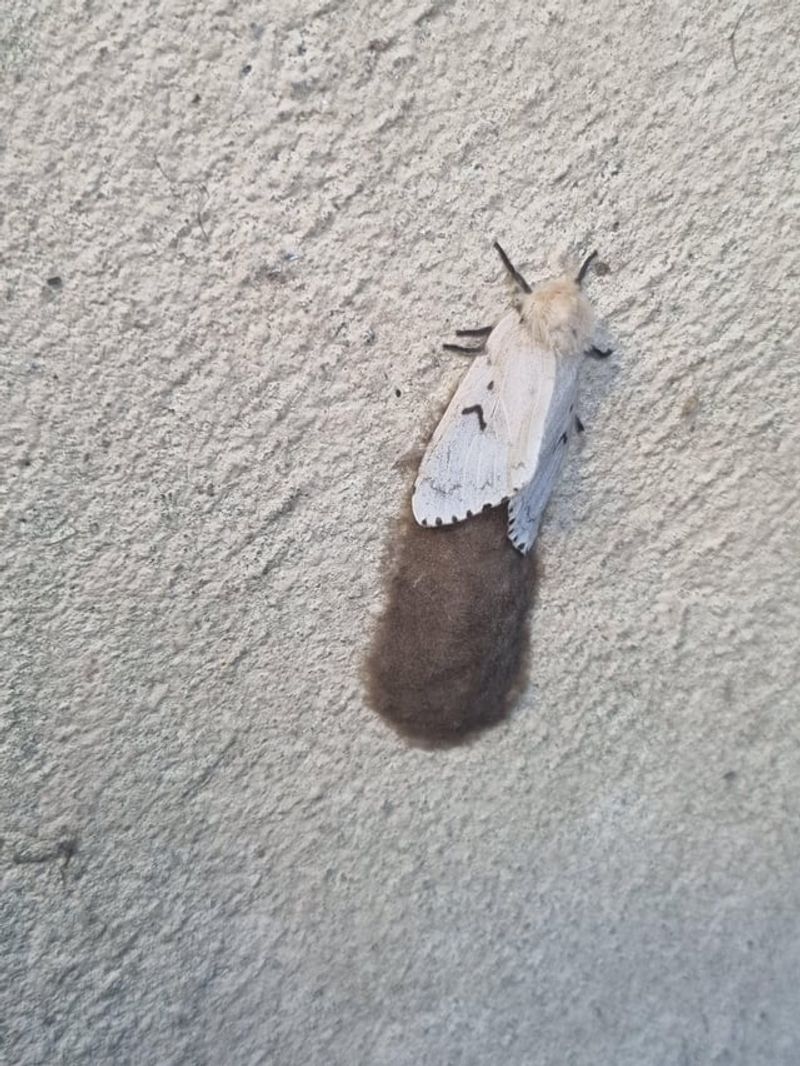
Spongy moths are not picky about real estate. A female will lay eggs on almost anything near her tree, from a lawn chair to a boat trailer.
Female spongy moths here cannot fly, so they crawl to the nearest sheltered spot. That spot might be the underside of your favorite patio table.
Flip over your outdoor furniture and check the legs, seams, and crossbars. Grills, planters, birdhouses, and kids’ play sets deserve a look too.
Firewood stacks are a top hiding place in many backyards. Egg masses tuck under loose bark flaps, where they stay snug and out of sight.
Pull a few logs from the middle of the pile and turn them slowly. Pay special attention to oak pieces, since mothers often lay near their favorite food.
Vehicles need checking too, especially campers, RVs, and trailers parked near trees all summer. Wheel wells, bumpers, and undercarriages offer the dark shelter females love.
Buildings are fair game as well. Look along siding, under eaves, around window frames, and inside the corners of sheds and garages.
Fences, stone walls, and even the backs of outdoor signs can hold a surprise. A slow lap around your property on a sunny weekend afternoon usually turns up anything hiding.
Moving to a new home or heading to camp? Inspect outdoor gear before loading it, because a single hidden mass can start a fresh infestation miles away.
Federal rules ask people moving from infested areas to inspect outdoor household items first. That simple step protects forests far from your own backyard.
Scrape Them Into Warm, Soapy Water
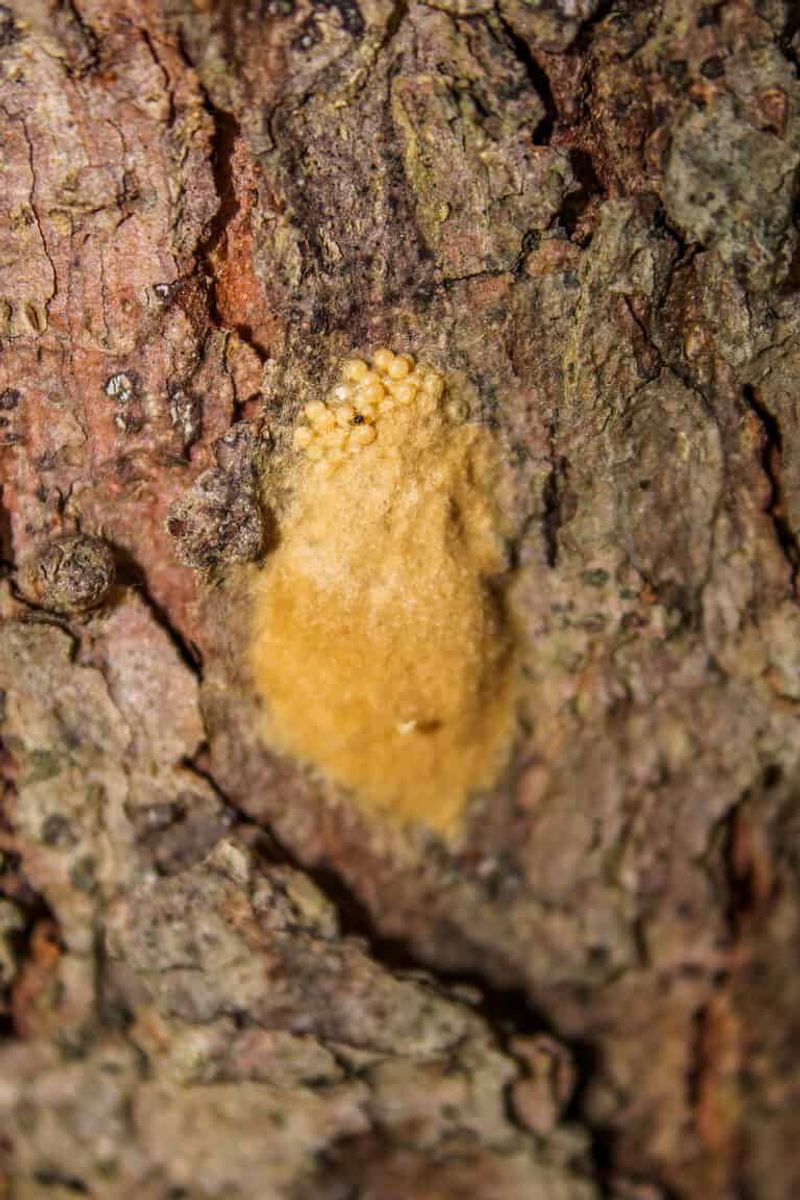
Grab a bucket, a plastic putty knife, and a squirt of dish soap. You now own the most effective egg mass control kit in the neighborhood.
Fill the bucket halfway with warm water and add a generous splash of soap. The soap breaks the surface tension, so the fuzzy masses sink instead of floating.
Hold a coffee can or small container right under the mass as you work. Scrape firmly but gently, letting every bit fall straight into the container, then dump it in the bucket.
Take care to get every last egg, since stragglers stuck in bark cracks can still hatch. A stiff brush helps clear deep grooves after the main chunk comes loose.
Here is the part many people skip: soaking time. Leave the masses in the soapy water for at least 24 to 48 hours before you toss them.
Please resist the urge to simply scrape them onto the ground. Eggs that land in the grass or leaf litter can hatch right on schedule in spring.
Once the soak is finished, strain the mush and seal it in a bag for the trash. Pour the leftover water away from gardens, ponds, and storm drains.
Masses high up the trunk may be out of reach, and that is okay. Skip the wobbly ladder and focus on what you can safely reach from the ground.
Some folks use a long pole with a scraper attached for slightly higher spots. For big trees with heavy infestations, a licensed arborist has the right equipment.
Moving Firewood Spreads The Problem
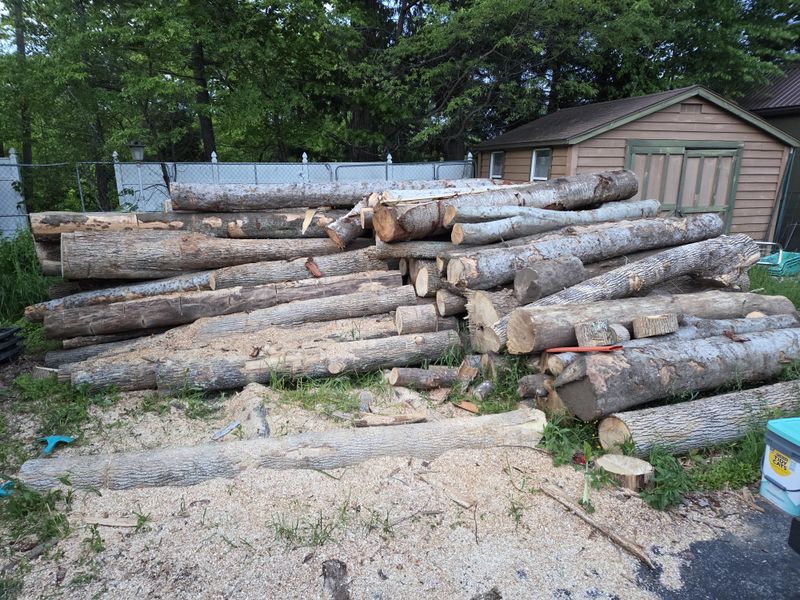
Pack the tent, the marshmallows, and the flashlight, but leave the firewood at home. That one simple choice does more for forests than most people realize.
Egg masses love to hitchhike on logs, tucked under bark where nobody notices. A single armload carried to a campsite can start a brand-new outbreak far away.
New York has rules for exactly this reason. Untreated firewood generally cannot travel more than 50 miles from where it was cut.
The rule helps block other invaders too, like the emerald ash borer and spotted lanternfly. Firewood is one of the sneakiest highways for pests across the country.
Instead, buy wood near where you plan to burn it. Many campgrounds and state parks sell local bundles right at the entrance or camp store.
Look for bags labeled certified heat-treated if you must buy wood from farther away. Heat treatment reaches temperatures high enough to wipe out hidden eggs and larvae.
Already have a woodpile at home? Burn it this winter rather than hauling leftovers to a cabin or a friend’s house upstate.
Before bringing logs indoors, give each piece a quick once-over for tan fuzzy patches. Scrape any you find into your soapy bucket, especially if the wood will sit outside a while.
Neighbors can help each other by sharing this rule at block parties or online groups. A friendly reminder beats watching another oak grove turn bare next summer.
Think of it as a small favor to the forests your grandkids will hike someday. Burning local wood keeps campfires cozy and the trees around them leafy and green.
Sticky Bands Go Up Before Spring Hatch
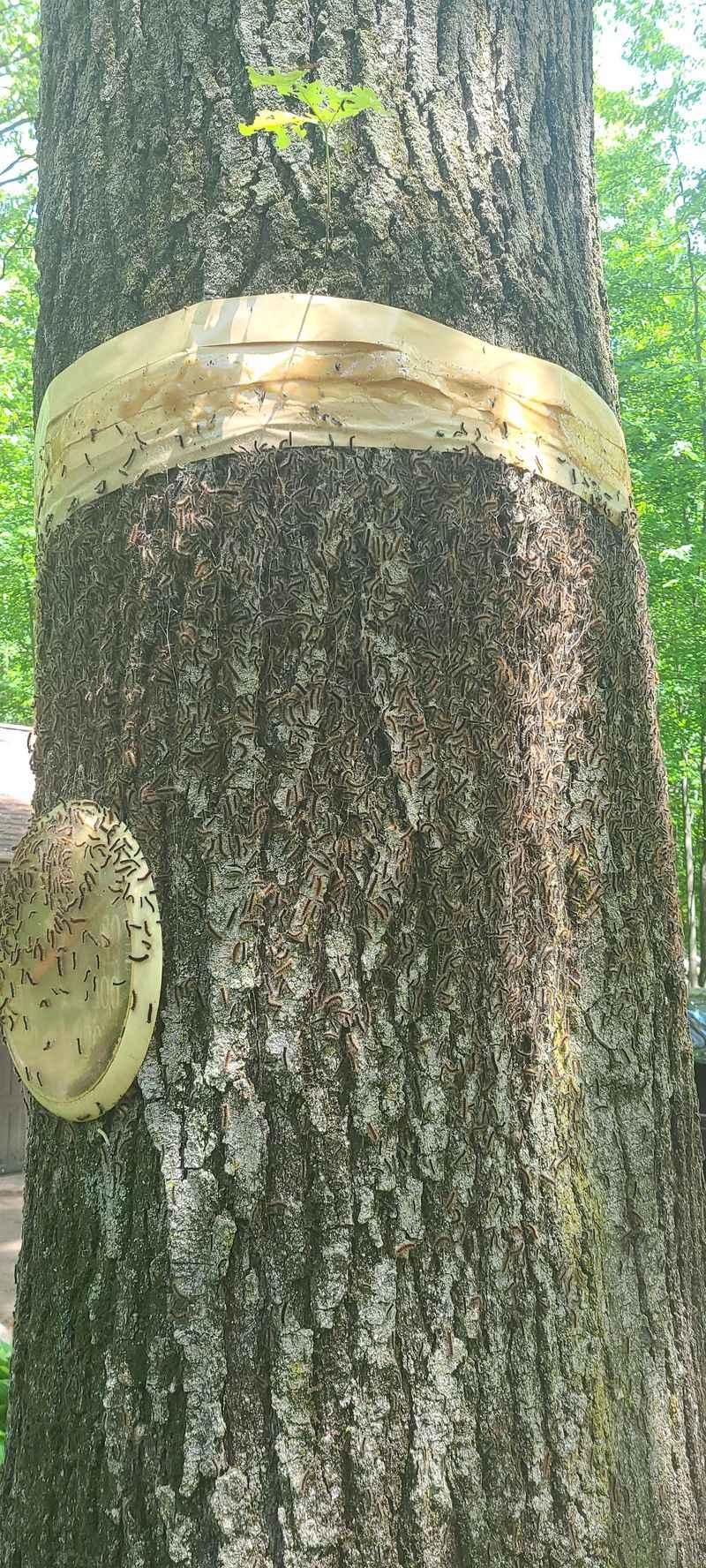
What if you could stop caterpillars before they ever reach the leaves? A simple band around the trunk works like a speed bump on their climb.
Newly hatched spongy moth caterpillars climb toward the canopy right after emerging in spring. Around much of New York, hatching begins in late April or early May.
Put your bands up in early spring, before that hatch starts. A mild March weekend is a good time to check this chore off your list.
Barrier bands come in two main styles. Sticky bands trap climbing caterpillars, while folded burlap skirts give older ones a shady place to hide and be removed.
Wrap the band snugly at about chest height, pressing it into the bark grooves. Caterpillars can sneak through gaps, so fill deep crevices with cotton batting or foam first.
Avoid spreading sticky goo directly on bark, since it can harm thin-barked trees. Place it over a strip of duct tape or plastic wrap instead.
Birds, bats, squirrels, and helpful insects can get caught on exposed sticky surfaces. Cover the band with loose wire mesh or screening to keep wildlife safe.
Check the bands every few days once hatching begins. Replace them when they fill up with bugs, dust, or leaves, since a dirty band loses its grip.
Bands work best as part of a bigger plan, not as a solo fix. Pair them with fall scraping, and you tackle the problem at two different stages.
Remove the bands by midsummer once the caterpillars are gone. Leaving them up all year can trap moisture against the trunk and invite trouble.
Healthy Oaks Usually Leaf Out Again
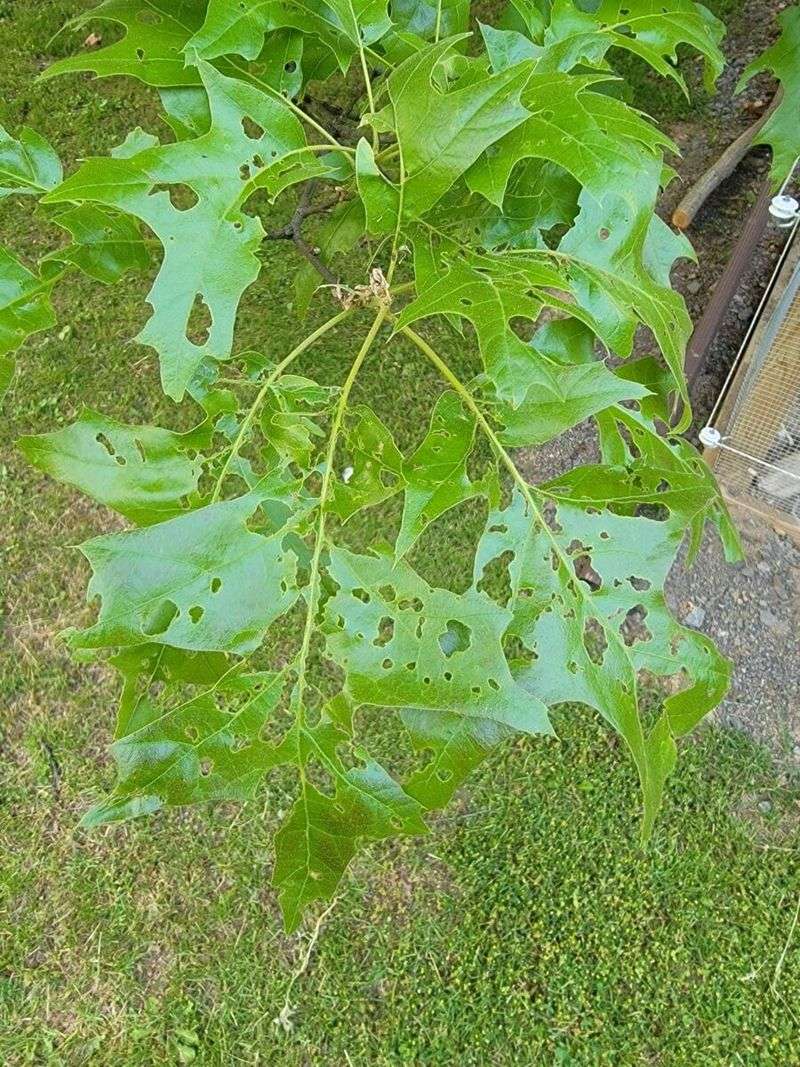
Take a deep breath, because a bare oak in July is not a lost cause. Oaks are tougher than they look, and most bounce back with surprising energy.
After heavy feeding, a healthy tree often pushes out a second flush of leaves within a few weeks. By late summer, the canopy may look fuller again, though a bit smaller.
Many oaks in New York can handle two or three years of heavy defoliation in a row. Their deep roots store energy reserves for exactly this kind of emergency.
Still, regrowing leaves costs the tree a lot of stored fuel. Stressed oaks become easier targets for boring beetles, root fungi, and drought damage.
You can lend a hand during dry spells by watering deeply once a week. A slow soak from a soaker hose around the drip line reaches the roots best.
Spread two to three inches of mulch around the base, keeping it a few inches from the bark. Avoid piling it high like a volcano, which invites rot.
Hold off on heavy fertilizer after defoliation. Pushing extra growth can drain energy the tree needs for recovery, so let it rest.
Skip major pruning and construction near the roots for a season or two as well. Soil compaction from trucks or heavy equipment adds stress an oak does not need.
Keep watch for warning signs, like thinning upper branches, mushrooms at the base, or loose bark. An arborist can judge whether the tree needs extra care.
Patience pays off with these grand old trees. Next spring, many greet the season looking leafy again.