The Arizona Fall Planting List Every Homeowner Should Finish Before Halloween
In the low desert, fall is the real planting season, not spring. The air finally cools down, but the soil stays warm, so new roots can grow fast before next summer’s 110-degree days show up.
Plants you put in the ground now will be tougher, thirstier for less water, and ready to feed birds, bats, and butterflies by spring. Here are ten native and desert-adapted picks worth getting in the ground before the trick-or-treaters arrive.
1. Velvet Mesquite
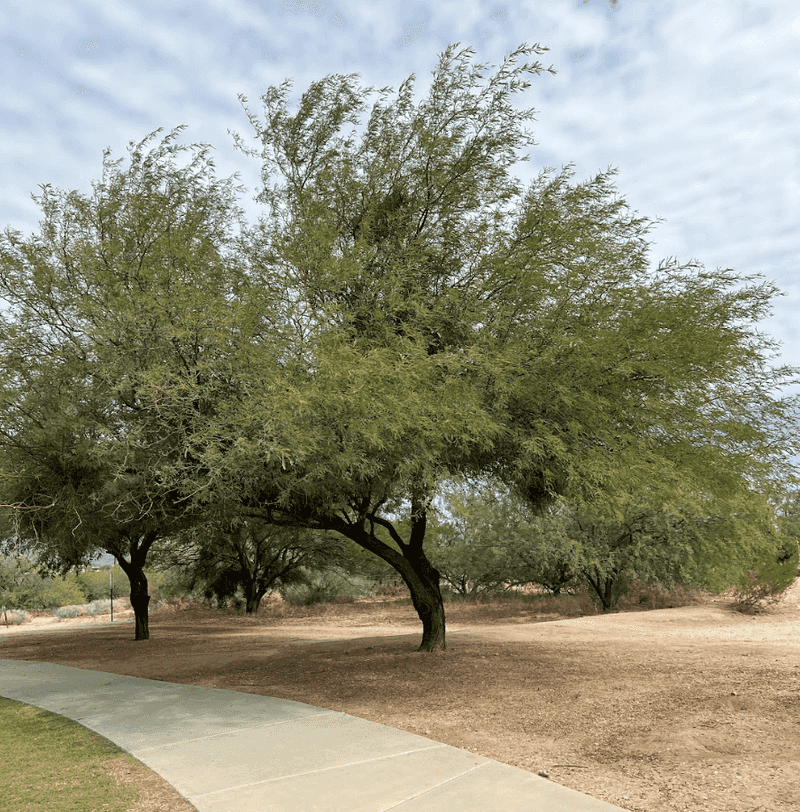
Picture a July afternoon when the thermometer hits 112 and your patio sits under a lacy green umbrella. Velvet mesquite makes that scene possible, and it has been cooling the Sonoran Desert for thousands of years.
Planting one in October gives its deep taproot months to chase moisture before summer arrives.
Beyond shade, this tree works hard for wildlife. Its thorny, spreading branches offer shelter and nesting spots for birds, including roadrunners.
Those speedy hunters snack on lizards, insects, and even scorpions, so a yard that welcomes them may be a little less inviting to unwanted critters.
Mesquite handles alkaline soil and caliche better than most imported trees. Once established, usually after two or three summers, it gets by on occasional deep watering.
The sweet seed pods that drop in early summer feed quail, doves, and small mammals too.
Give it room, at least 20 to 30 feet from the house, and water slowly and deeply rather than often. Skip heavy fertilizer, since mesquite fixes its own nitrogen.
Prune lightly in late spring to shape the canopy and reduce wind risk during monsoon storms. Few trees give back so much for so little effort.
2. Blue Palo Verde
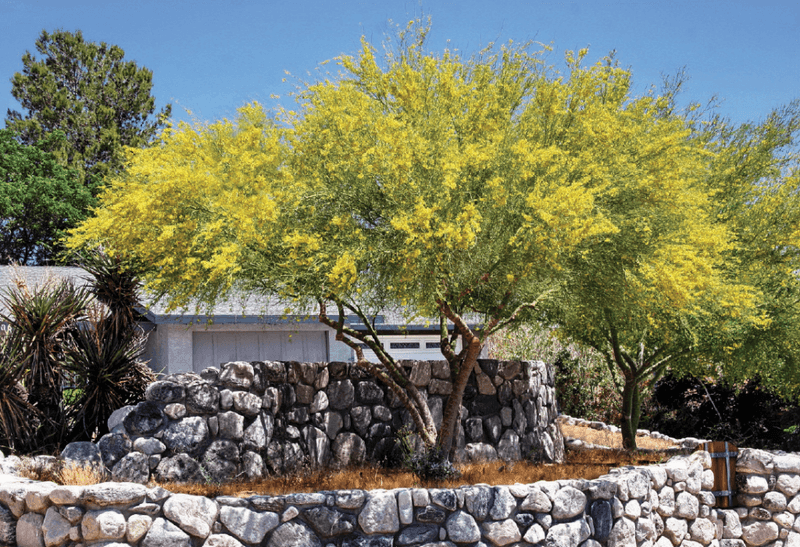
Green bark is not a typo. Arizona’s state tree can actually photosynthesize through its trunk, which lets it drop tiny leaves during drought and still keep growing.
That clever trick makes blue palo verde one of the most water-thrifty shade trees you can plant.
Every spring, the whole canopy bursts into a cloud of bright yellow flowers. Native bees swarm the blooms, and the branches later provide cover and nesting sites for birds.
Roadrunners and quail often use the protection underneath as a lookout and resting spot.
Fall planting is ideal because palo verde roots grow quickly in warm soil. A young tree set out in October can double its root zone before the heat returns.
Water deeply every week or two through winter, then taper off as it settles in over the next couple of years.
Choose a sunny spot away from pools, since the flowers and small leaves do shed. The filtered shade it casts is gentle enough for understory plants like penstemon or desert marigold to thrive below.
If you want a tree that looks like it belongs here, because it does, this one should be near the top of your list.
3. Desert Willow
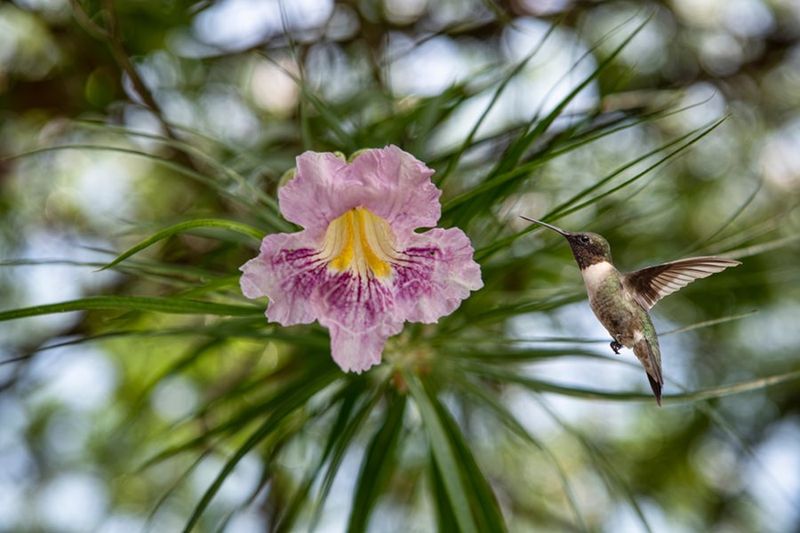
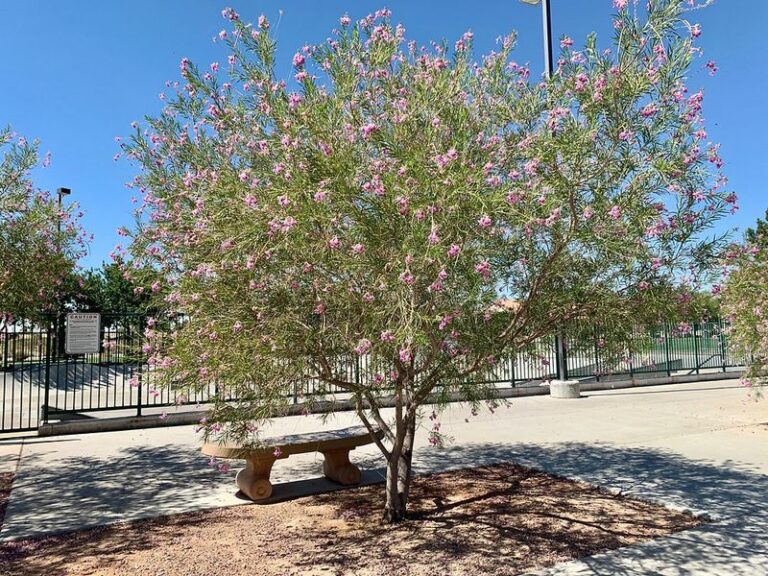
Hummingbirds seem to have a map with every desert willow marked on it. The moment those orchid-like trumpet flowers open in late spring, tiny visitors zip in and stay all summer long.
Your Arizona Garden Changes Every Week. Your Plan Should Too.
Gardening in Arizona changes quickly throughout the season. Every Friday you’ll receive a simple weekly plan showing exactly what to plant, prune, fertilize, harvest, and protect so you never miss the right timing.
Few small trees bring this much motion and color to a hot yard.
Despite its name, desert willow is not a true willow. It belongs to the same family as catalpa and grows along dry washes across the Southwest.
That background means it handles full sun, reflected heat, and poor soil without complaint.
For homeowners with limited space, it is a smart choice. Most trees stay between 15 and 25 feet tall, making them great for side yards, patios, and courtyards.
The narrow leaves cast light shade, and dense plantings with grasses nearby can offer cover for night-flying insects like fireflies in wetter pockets of the yard.
Plant in October and water deeply every week or so until spring. After it establishes, a good soak every few weeks in summer keeps blooms coming.
It does go bare in winter, which lets warm sunlight reach your windows when you want it most. Lovely blossoms, pollinator traffic, and seasonal shade make it a triple win.
4. Parry’s Agave
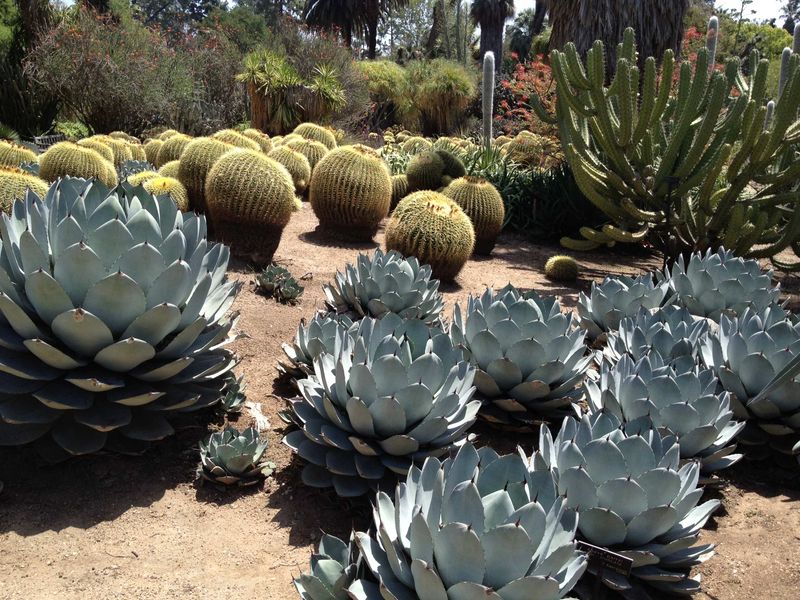
Here is a plant that asks almost nothing and gives back a jaw-dropping show. Parry’s agave forms a tidy, artichoke-shaped rosette of blue-gray leaves that looks sculpted.
It shrugs off heat, frost, drought, and rocky soil with equal ease.
The real magic happens when it blooms. After many years, a towering flower stalk shoots up, and its sweet, night-opening flowers feed nectar-loving bats.
Those bats are important pollinators in the desert, and some of them eat insects too, so supporting them helps the whole backyard ecosystem.
Fun fact: many agaves bloom only once, then send up pups around the base to carry on. You end up with free baby plants to share with neighbors or tuck into other corners.
Fall is a great time to set agaves in place because cooler days reduce transplant stress. Choose a sunny, well-drained spot, and keep it away from walkways since the leaf tips are sharp.
Water once after planting, then only every few weeks until spring. Too much water is the main thing that causes problems.
Plant it, admire it, and let it do its slow, dramatic thing.
5. Parry’s Penstemon
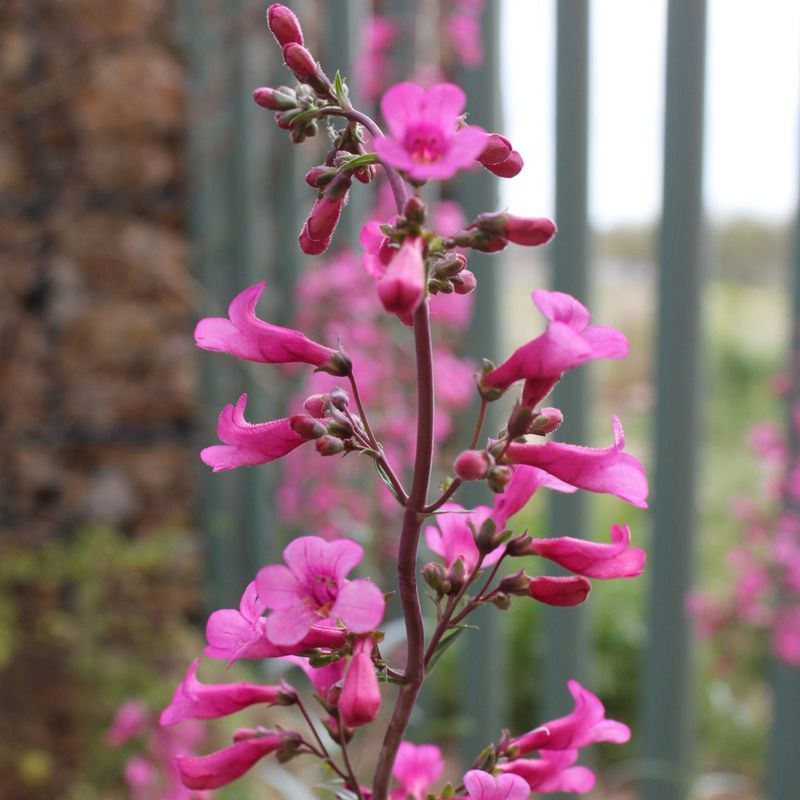
Timing is everything with this beauty. Parry’s penstemon is native to southern Arizona, and it truly wants to go into the ground in fall.
Plant it now, and by March you will see tall spikes of hot pink flowers swaying above low green leaves.
Those blooms are a buffet. Hummingbirds, native bees, and butterflies all visit, making penstemon one of the best early-season pollinator plants for the low desert.
It fills that key gap before many summer bloomers wake up.
Care is simple. Give it full sun or light afternoon shade and soil that drains well.
Heavy clay or soggy spots should be avoided. Water every few days after planting, then stretch it to once a week through winter as roots take hold.
After blooming, let a few stalks dry and drop their seeds. Penstemon reseeds freely, so you may find new plants popping up in gravel and along paths next fall.
Many gardeners love that surprise. Each plant may only live a few years, but its offspring keep the color going for a long time.
Group five or more together for a bold splash that pollinators can spot from far away.
6. Desert Milkweed
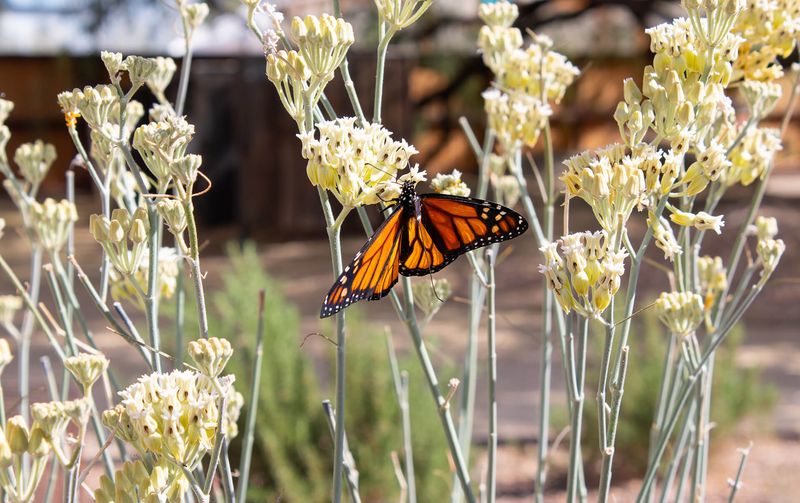
Want butterflies that do more than pass through? Desert milkweed turns your yard into a nursery.
Queen and monarch butterflies lay eggs on its stems, and the striped caterpillars munch away before forming shiny green chrysalises.
The plant itself looks almost like a bundle of gray-green reeds. Its leaves are tiny and fall off quickly, which helps it save water.
Clusters of creamy yellow flowers appear on and off through much of the warm season, drawing bees and other pollinators.
Hot corners are where it shines. Place it near a south or west wall where reflected heat would scorch softer plants.
Desert milkweed will not just survive there, it will thrive. It needs well-drained soil and very little water once established.
Fall planting helps it build roots quietly through winter so it can support caterpillars by spring. Water every week or so at first, then back off.
Avoid spraying any bug treatments near it, since caterpillars need to eat the plant to grow. Seeing a chewed stem is actually a good sign that your habitat is working.
Plant a few together for the best chance of hosting a new generation of butterflies.
7. Desert Marigold
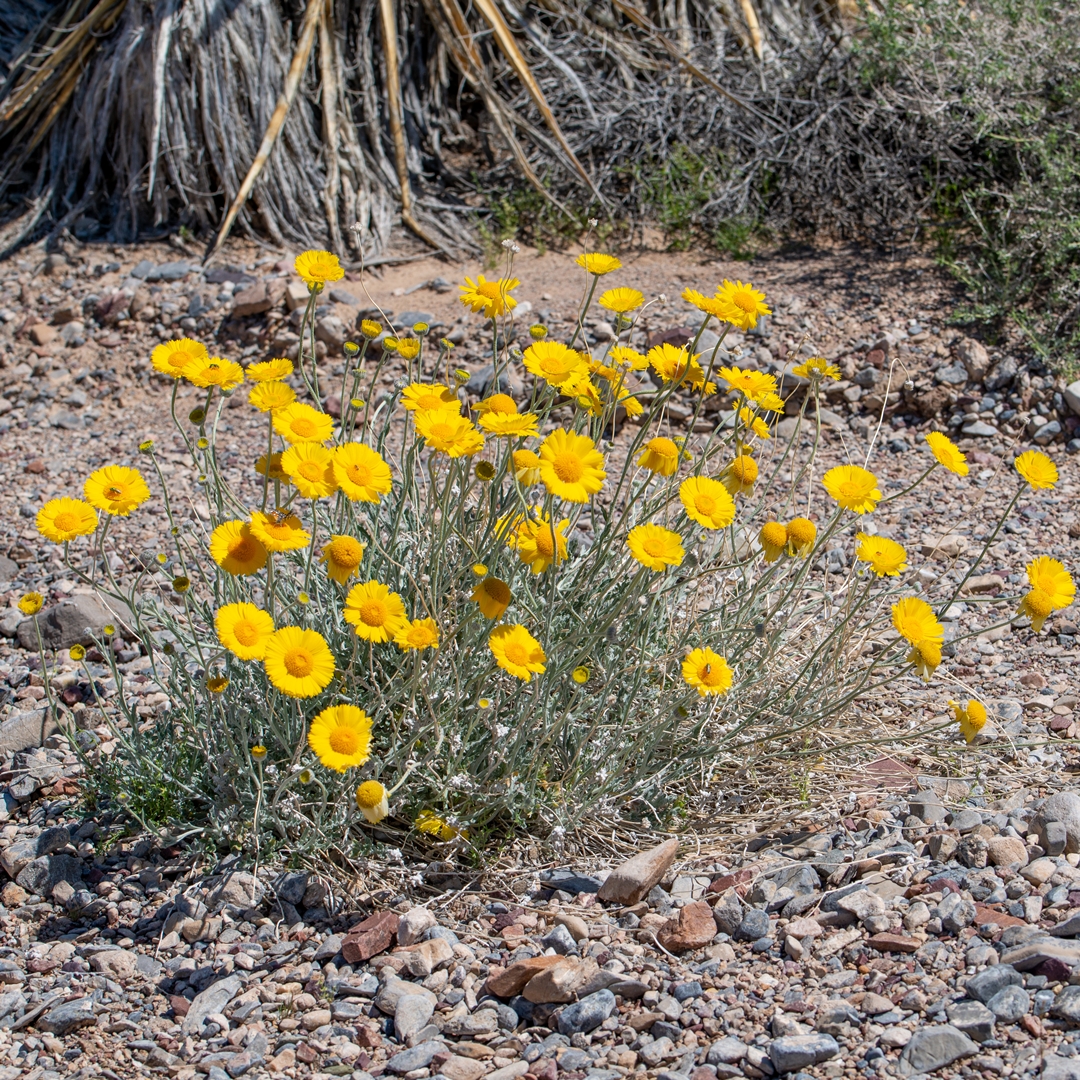
Sunshine in plant form might be the best way to describe it. Desert marigold covers itself in cheerful yellow daisies for much of the year, especially after a good rain.
Its woolly, silver leaves help reflect heat and hold onto moisture.
Bees and butterflies adore those flowers. The plant also supports lots of small insects, which in turn feed lizards and birds.
That little food chain is exactly what a functional desert yard is all about.
Do not confuse it with the common garden marigold sold in six-packs. This one is a true Arizona native, built for our blazing sun and rocky ground.
It can grow in spots where almost nothing else will, like hot strips along driveways or sidewalks.
Plant in fall and water lightly until it settles in. After that, it prefers to be left alone.
Too much water or rich soil can make it floppy and short-lived. Let some flowers go to seed, and it will pop up in new places around your yard.
Pair it with globe mallow or blackfoot daisy for a low, colorful carpet that barely needs a hose. It is one of the easiest wins on the list.
8. Globe Mallow
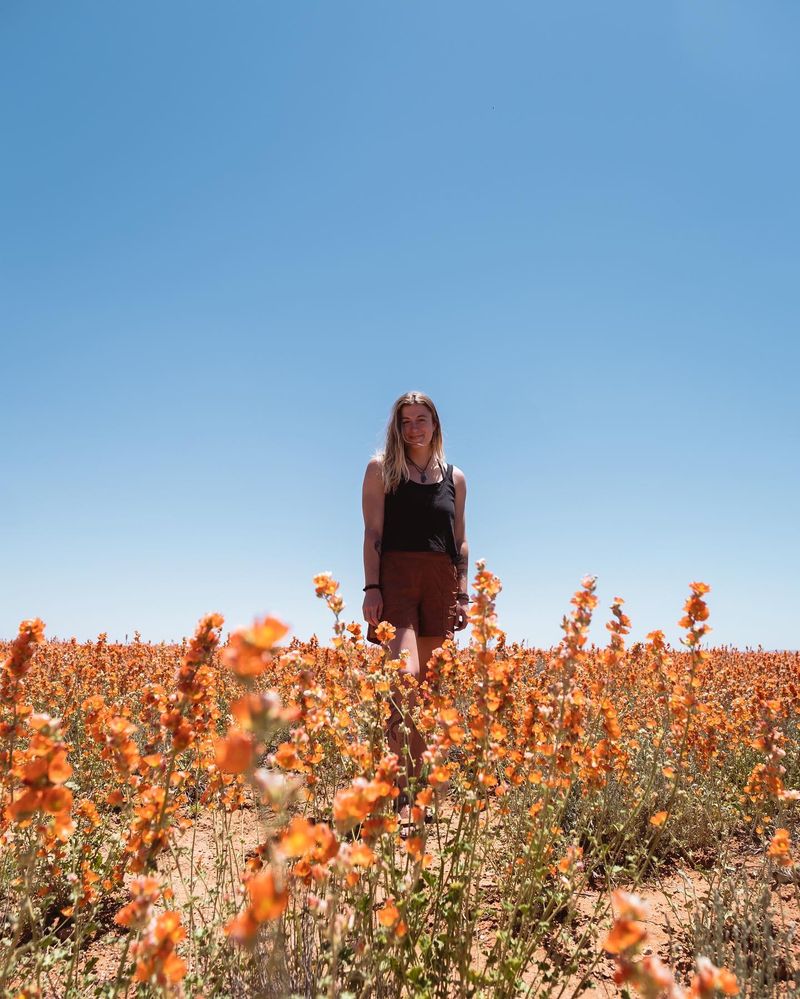
Spring road trips across Arizona often come with a surprise: whole hillsides glowing orange. That glow usually belongs to globe mallow, a tough native that brings the same wild color straight to your yard.
Its cup-shaped blooms come in orange, pink, red, and even white. Flowers appear from early spring and can keep going into fall with a little trimming.
Native bees are especially fond of it, and some specialized bees depend on mallows for pollen. Small mammals and birds may use the dense stems for shelter too.
Globe mallow grows fast, often reaching three feet tall and wide in a single season. That speed makes it perfect for filling gaps in a new desert landscape.
It loves full sun and handles poor, alkaline soil without fuss.
Set it out in October so it can bloom in its first spring. Water weekly during establishment, then only occasionally.
After the big spring flush, cut it back by about half to encourage fresh growth and more flowers. One tip: the fuzzy leaves can irritate sensitive skin, so wear gloves while pruning.
With very little input, this plant rewards you with months of color and busy pollinators.
9. Red Yucca
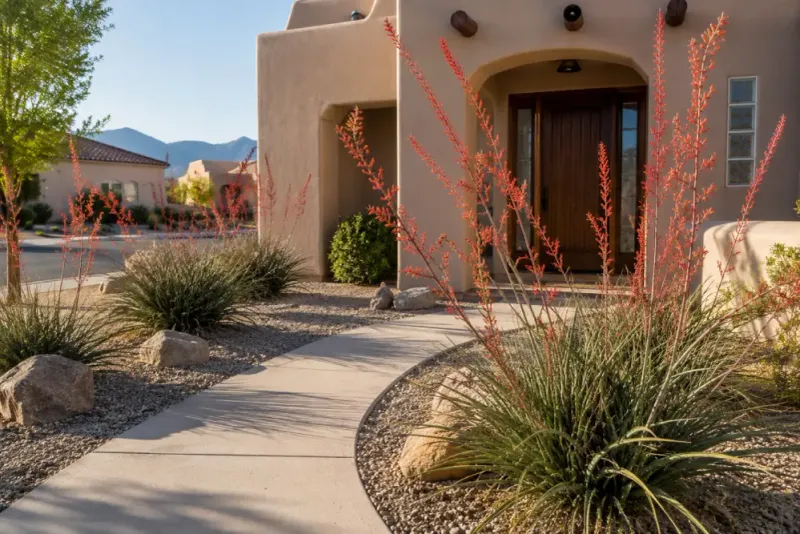
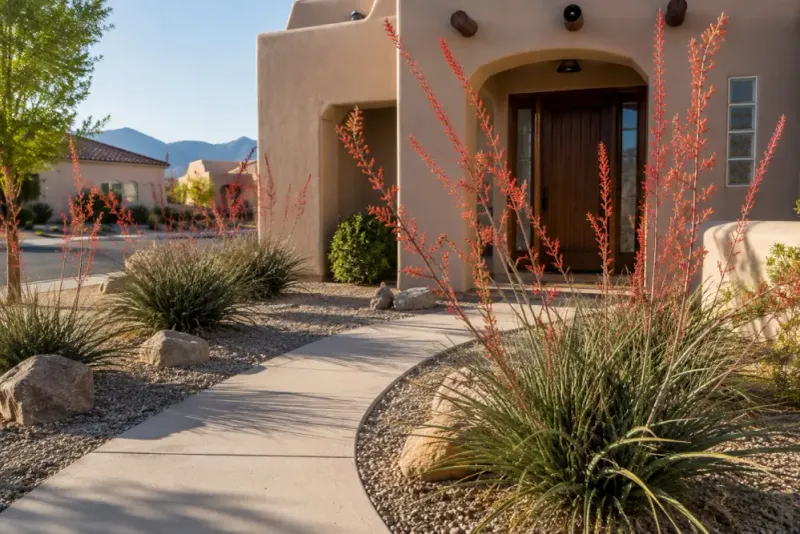
Not every yucca is a spiky hazard. Red yucca has soft, grassy leaves with no sharp tips, which makes it safe near sidewalks, pools, and play areas.
Kids and pets can brush past without a problem.
What it lacks in spines, it makes up for in flowers. Tall, arching stalks of coral-red blooms rise from spring into fall.
Hummingbirds treat them like a gas station, stopping by all day long. You may notice orioles and bees working the flowers too.
Technically, it is not a real yucca at all. Its scientific name is Hesperaloe, and it comes from Texas and northern Mexico.
Still, it is fully adapted to the low desert and handles blazing sun, reflected heat, and drought with ease.
Fall planting lets it build roots before summer. Water every week or two for the first few months, then taper back to occasional deep soaks.
It thrives in full sun but tolerates a bit of shade. Maintenance is simple: snip old flower stalks once they dry.
Plant it in groups of three or line a driveway with it for a clean, modern look that still feeds wildlife and saves water.
10. Texas Sage
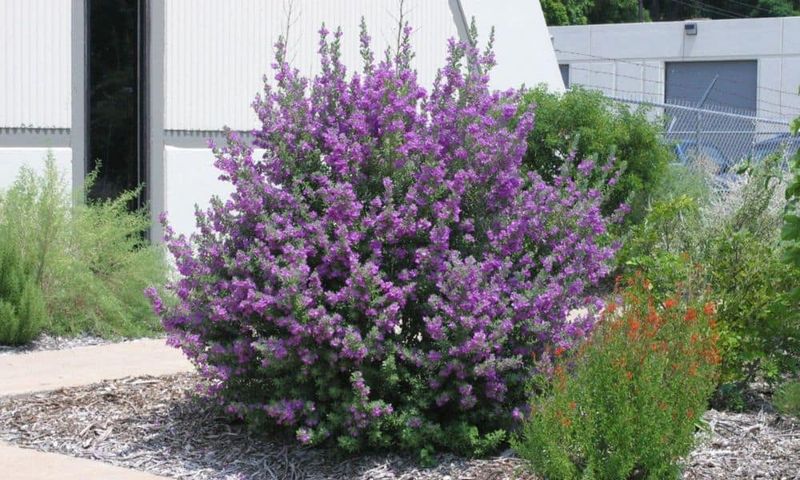
Old-timers in Phoenix call it the barometer bush. Texas sage often erupts in purple blooms right before or after monsoon storms, reacting to humidity like a living weather report.
It is a fun show to watch every summer.
The silvery, evergreen leaves stay attractive all year, making this shrub a favorite for hedges and privacy screens. A row along a back wall can block the view of neighbors and reduce harsh reflected heat.
Bees flock to the flowers when they open.
Dense native shrubs also offer shelter for lizards and birds that hunt insects. A layered yard with sages, trees, and ground plants creates hunting grounds for natural predators, which may help keep pest numbers in check without extra work from you.
Plant in October for a strong start. Water weekly through winter, then cut back once it settles.
The biggest mistake people make is shearing it into tight boxes, which stops flowering. Instead, let it grow into its natural rounded shape and prune lightly in spring if needed.
Give it full sun and good drainage, and it will reward you with soft color, cooler walls, and very little water use for years to come.