10 Backyard Things That Could Get You Fined By Your HOA (Even If They Seem Harmless)

Why did the fine land in your mailbox while your neighbor’s stayed empty? Specific clauses in your HOA covenants hold the answer. Inspectors hunt details you probably stopped noticing months ago.
Unapproved fences and sheds can trigger a violation. Trampolines visible from the street can quietly cost you real money.
Fire pits, compost piles, clotheslines, and backyard chickens can also draw citations fast. Many committees ramp up inspections in autumn, before cold weather halts repairs.
Clipboards come out, cameras click, and letters follow within days. Fines can keep growing until you fix the issue. Some states even let associations place liens for unpaid fines.
You deserve to know the rules before they reach your wallet. Knowing exactly where violations hide lets you fix them before inspectors arrive. The violations below are sitting on your property now, waiting for a clipboard.
1. A Tall Fence Built Without Approval
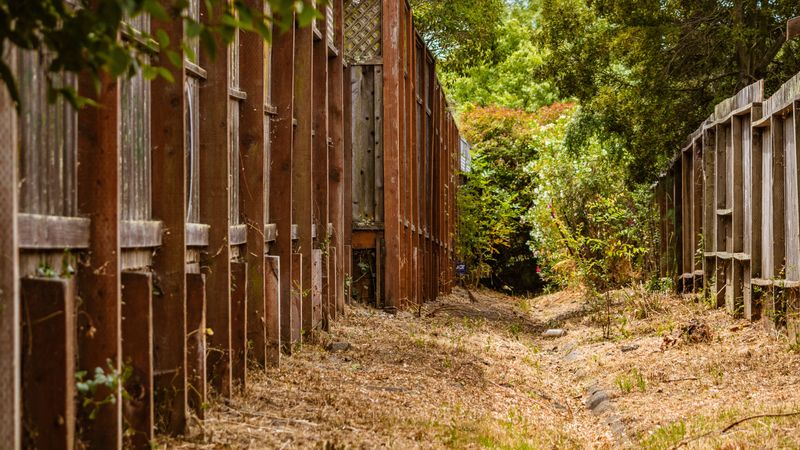
Good fences make good neighbors, or so the old saying goes. Your HOA might disagree if that fence skipped the paperwork.
Many associations set strict limits on fence height, material, and color. A six-foot cedar fence may look lovely, yet the rules might only allow four feet of white vinyl. Some also require the finished side to face outward toward neighbors and the street.
Many homeowners build first and ask questions later, which often backfires. Some HOAs can require you to tear the whole thing down at your own cost.
Before hiring a contractor, grab your HOA guidelines and read the fence section slowly. Look for details about height, spacing between boards, and where the fence can sit on your lot.
Check city zoning rules as well, since HOA approval does not replace any required building permit.
Next, submit an architectural request form with a simple sketch and material samples. Approval can take a few weeks, so plan ahead if you want privacy by spring. Before digging post holes, call 811 so buried utility lines get marked for free.
Talk with your neighbors too, since a shared fence line affects both yards. A friendly chat now can prevent grumpy complaints to the board later.
Keep a copy of your approval letter in a safe folder. If questions pop up years from now, that single page can save you real money.
2. A Shed Painted The Wrong Color

Sky blue felt cheerful when you picked it at the paint store. Unfortunately, your HOA board might call it a clear rule violation.
Plenty of communities require sheds to match the main house in color and style. A bold shade can stand out like a parrot in a flock of pigeons.
Size matters as well, since many HOAs cap shed height and floor space. Some also require sheds to sit a certain distance from property lines.
Fun fact: some associations keep an approved paint palette with only a handful of earthy tones. Ask the management office for that list before you buy a single gallon.
If you already painted the shed, do not panic just yet. Many boards will give you a window of time to repaint before fines start stacking up.
Early fall is a smart time to fix paint problems. In many regions, temperatures are mild and humidity drops, so fresh coats dry well before winter.
For the future, snap a photo of your paint chip and send it for approval first. A tiny email today beats a costly redo next month.
3. A Trampoline Visible From The Street
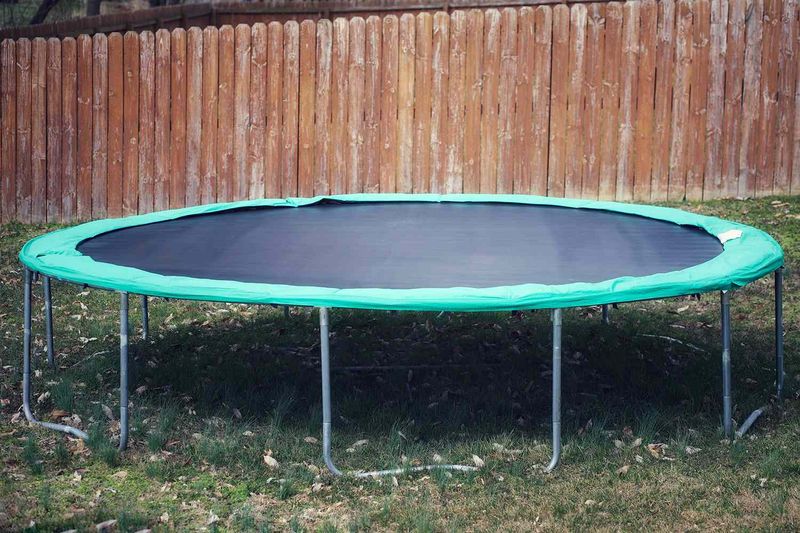
Kids bouncing high and giggling sounds like pure summer joy. Some HOAs, though, see that trampoline as an eyesore peeking over the fence.
Rules often say play equipment must stay hidden from the street or neighboring homes. Others ban trampolines outright because of injury and insurance worries. Before buying, call your insurer, since some policies exclude trampoline injuries.
Here is the tricky part: some net enclosures stand ten feet or taller. Even behind a fence, they may pop into view like a giant jellyfish. In-ground models sit lower and draw less attention.
Check your community rules for words like recreational equipment or play structures. These sections usually explain where items can go and how visible they may be.
If trampolines are allowed, place yours in a back corner away from the road. Tall shrubs or a row of arborvitae can help soften the view.
Since September marks the end of heavy backyard play, consider storing it for winter. Many models come apart in an afternoon, and storage protects the frame from strong winds and the springs from rust.
Some neighborhoods offer a shared playground instead, which dodges the problem nicely. Your kids get bouncing fun, and your wallet stays safe.
4. A Fire Pit In The Wrong Spot

Crackling flames, gooey marshmallows, and cool autumn air make a perfect evening. That cozy scene can turn pricey if the fire pit breaks HOA rules.
Many associations limit where fire pits may sit, often requiring distance from homes, fences, and trees. Some ban wood burning and allow only gas or propane models.
Smoke is a common complaint, since it drifts into open windows next door. A single annoyed neighbor can trigger a formal warning.
Local fire codes add another layer of rules on top of HOA guidelines. During dry spells, towns sometimes issue burn bans that apply to backyard fires too.
To stay safe, check your local fire code, which often requires fifteen to twenty-five feet from structures. Set the pit on stone, gravel, or pavers instead of grass or a wooden deck.
Keep a hose or bucket of water within reach every time you light it. Burn only dry, seasoned wood to reduce heavy smoke.
September evenings invite plenty of fireside chats, so check the rules before your first s’mores night. A quick read keeps the fun glowing instead of fizzling.
5. A Compost Pile That Draws Attention
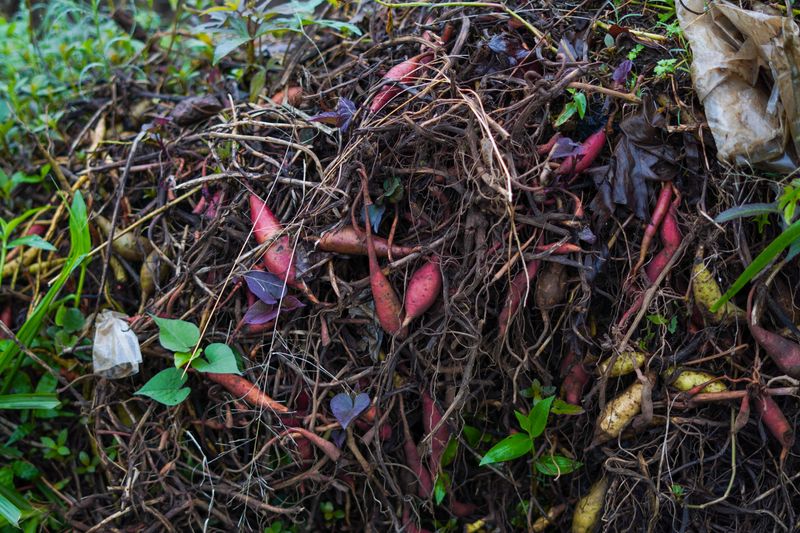
Turning banana peels into rich soil feels like a gardening superpower. Your HOA may not share your excitement if the pile smells or attracts critters.
Open compost heaps are a common target in community rules. Boards worry about odors, flies, rats, and raccoons wandering through the neighborhood at night.
Luckily, many HOAs accept closed compost bins or tumblers. These containers look neater and keep hungry animals from digging in.
Placement matters just as much as the bin itself. Tuck it behind a shed, fence, or tall plants where neighbors will not stare at it.
Balance greens and browns to keep smells under control. Kitchen scraps count as greens, while dry leaves and shredded paper count as browns.
September is a gift for composters, because falling leaves supply loads of free brown material. Rake them up, crumble them, and mix them in with your scraps.
Skip meat, dairy, and greasy foods, since they create stinky messes fast. With a little care, your compost stays quiet, tidy, and totally unnoticed by the board.
6. A Clothesline Full Of Laundry
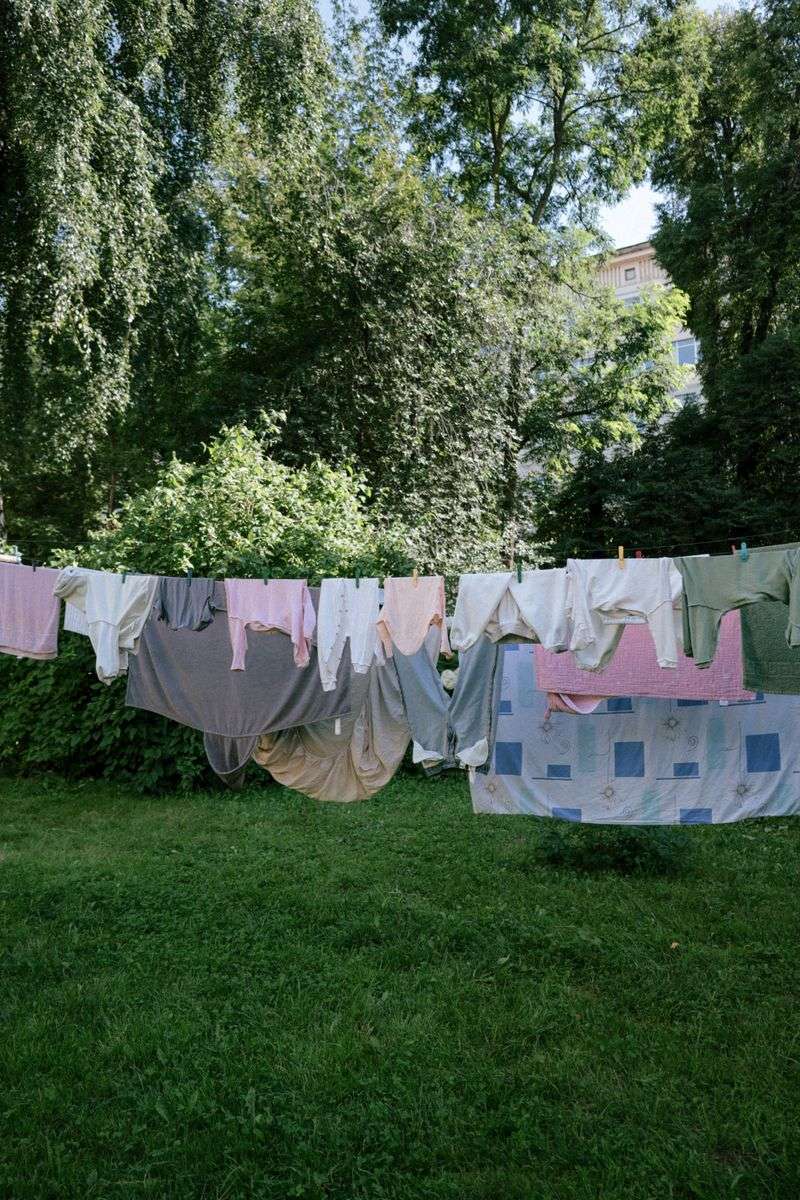
Sheets flapping in the sunshine smell better than any dryer sheet ever could. Still, some HOAs frown on that breezy, old-fashioned view.
Certain communities ban outdoor clotheslines because they think laundry looks messy. It seems odd, but these rules have been around for decades.
Here is a surprising twist: several states have passed right-to-dry laws. These laws limit how much an HOA can restrict clotheslines on private property.
Search online for your state name plus right-to-dry to see if you are protected. Even with legal backing, your HOA may still control where lines can go.
A retractable clothesline is a clever middle ground. It pulls out when you need it, then disappears neatly against a wall or post.
Hang laundry in the backyard, not the front, and take it down once it dries. Neighbors rarely complain about a line that shows up only now and then.
Air drying also saves energy and helps clothes last longer. In many regions, crisp September days with lower humidity help laundry dry quickly.
7. A Flock Of Backyard Chickens

Fresh eggs for breakfast every morning sounds dreamy to many families. The dream can crack quickly if your HOA forbids farm animals.
Many associations label chickens as livestock and ban them completely from lots. Others allow a few hens but forbid roosters, since loud crowing at dawn bothers neighbors.
City rules matter too, and they may differ from your HOA guidelines. You need to follow both, even when one feels more relaxed.
Did you know? High-production breeds can lay around 250 eggs in their first laying year, while heritage breeds often lay fewer. That productivity explains why backyard flocks have become so popular.
If hens are allowed, keep the coop clean, sturdy, and out of view from the street. Fresh bedding and regular cleaning help stop smells and flies.
Feed should sit in sealed metal cans so rodents stay away. A predator-proof run protects your birds from foxes and hawks.
Fall is a good time to plan rather than buy, since young chicks need warmth. Research the rules this month, then pick up chicks in early spring.
8. A Lawn Left Uncut Too Long
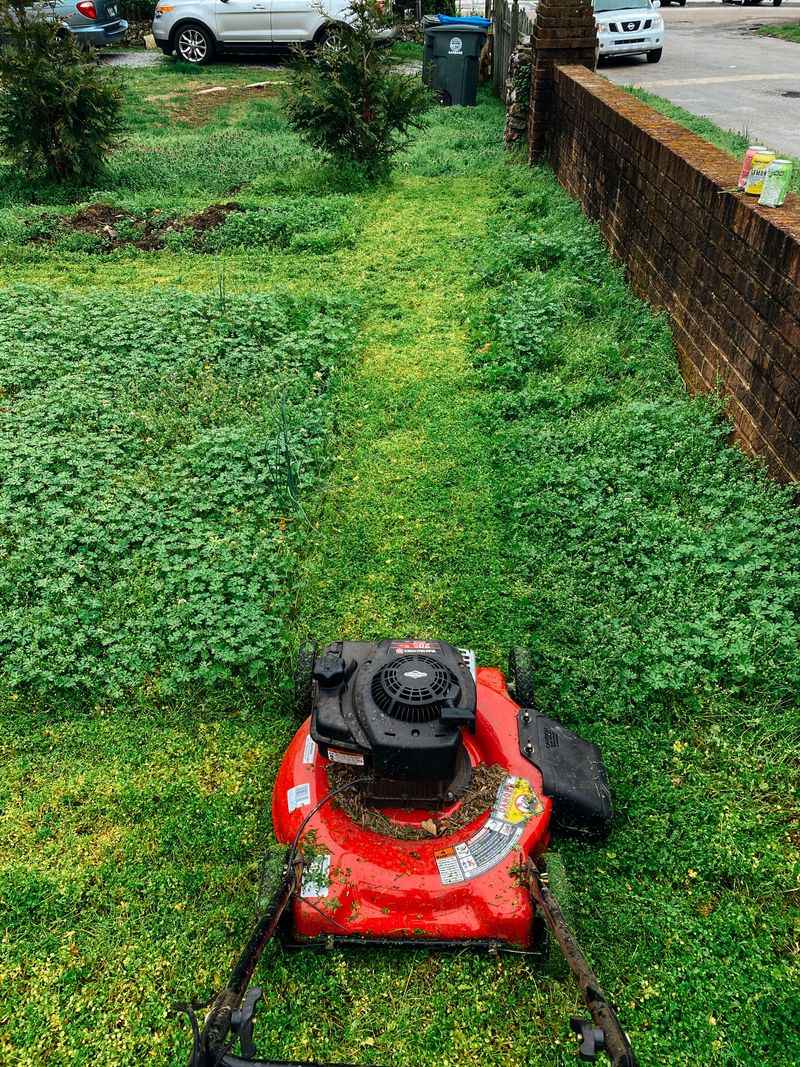
Life gets hectic, and the lawn mower sits in the garage for weeks. Before long, your grass looks like a jungle, and the HOA notices.
Many communities set a maximum grass height, often between six and twelve inches. Tall weeds, bare patches, and overflowing flower beds can also earn warning letters.
Backyards are not always safe from these rules either. If neighbors or inspectors can see over the fence, your yard may still count.
Early fall is actually prime lawn care season in many regions. Cooler air and gentle rain help grass recover from the summer heat.
Try mowing every week or two, removing no more than a third of each blade. Taller grass shades out weeds and holds moisture better.
In cool-season regions, September is also the best month to overseed thin spots. Rake the soil lightly, spread the seed, and water gently each day.
Going on vacation or feeling swamped at work? Hire a neighborhood teen to mow, and everyone wins, including your mailbox.
9. A Halloween Display Put Up Too Early
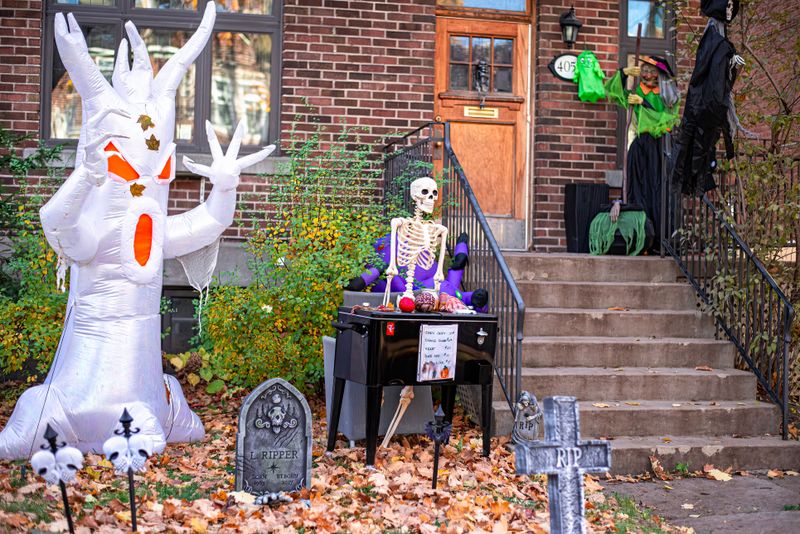
Spooky season fans often start decorating the moment September arrives. Your HOA calendar, however, might say you jumped the gun.
Some communities limit how early holiday decorations can go up. A common rule allows displays about thirty days before the holiday and a week or two after.
Giant inflatables are frequent troublemakers in these rules. A twelve-foot ghost towering over your fence can draw complaints fast.
Lighting rules pop up too, especially for flashing or colored bulbs that shine into bedrooms. Many HOAs require lights to switch off by a certain hour.
Fun fact: Americans spend billions of dollars on Halloween decorations each year. With that much excitement, no wonder boards set a few ground rules.
Read the decoration section of your guidelines before hauling out the bins. You may discover limits on size, noise, and even fog machines.
Meanwhile, enjoy softer early fall touches like mums, hay bales, and pumpkins. These seasonal favorites usually fly under the radar and still look wonderfully festive.
10. A Hot Tub Added Without Permission
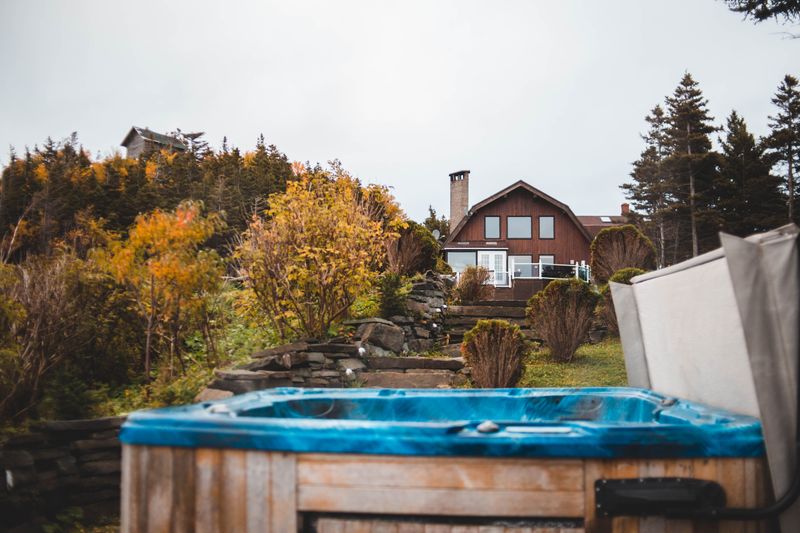
Soaking in warm bubbles while cool autumn air nips your nose feels amazing. Skipping the approval step, though, can turn that soak into a headache.
Most HOAs treat hot tubs, spas, and pools as major changes to your property. That usually means you need written approval before installation.
Boards look at placement, fencing, noise from pumps, and electrical work. Some require privacy screens so neighbors do not have a front row view.
Safety rules play a big part as well. Many towns require locking covers or fenced areas to protect curious kids and pets.
Start by filing an architectural request with a site plan showing the tub location. Include the model, size, and any deck or patio changes.
Fall can be a smart time to shop, since some dealers offer end-of-season discounts. Just remember that approval may take weeks, so apply before you buy.
Once everything is approved, keep the cover closed when not in use. Your neighbors, your energy bill, and your HOA board will quietly thank you.