The Arizona Yard Groundcover That Hides Tiny Bristles in Its Soft-Looking Pads
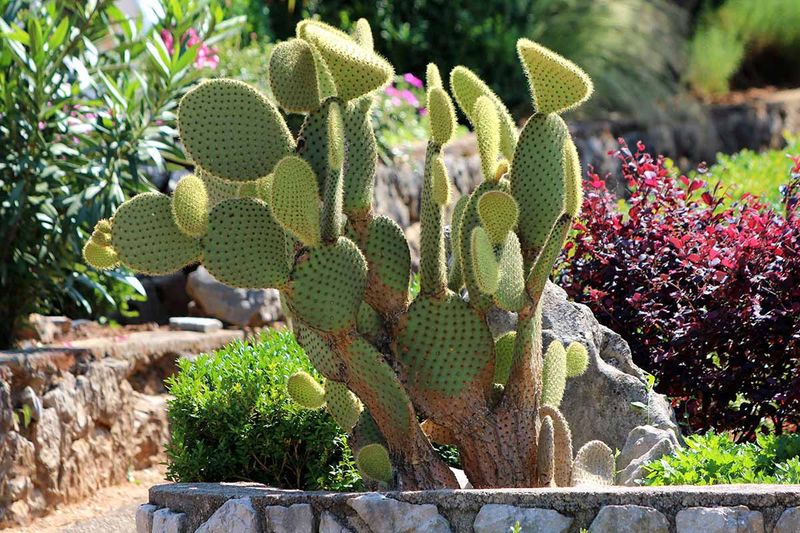
A low, spreading cactus with velvety-looking pads has been showing up in Arizona yards as a groundcover option, and its appearance is genuinely deceiving. That plant is most likely bunny-ears prickly pear, and what looks like fuzz on its pads is actually clusters of tiny, barbed bristles called glochids.
They detach with barely any contact and can lodge in skin or reach the eyes. Knowing what you are actually dealing with helps you decide whether this plant belongs in your yard and, if so, exactly where.
Meet the soft-looking bunny-ears prickly pear
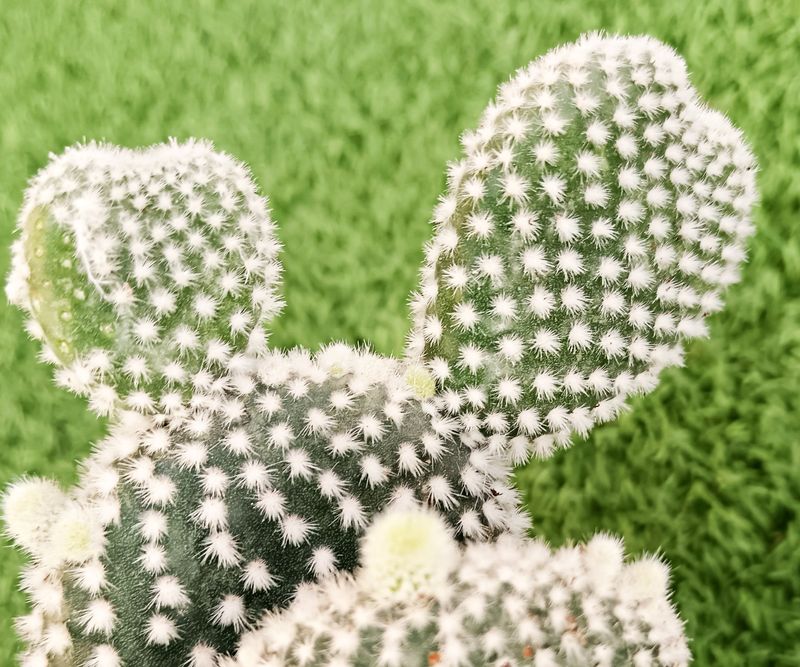
Opuntia microdasys, commonly called bunny-ears prickly pear, is the plant most likely behind the soft-looking groundcover description. Its flat, oval pads grow in pairs that resemble rabbit ears, and the surface of each pad is dotted with tight clusters of what looks like pale fuzz or fine hair.
The University of Arizona Campus Arboretum describes it as a cultivated prickly pear that looks spineless, which is exactly the quality that catches people off guard.
Unlike many cacti, bunny-ears carries no large, obvious conventional spines. That spineless appearance is part of why homeowners sometimes consider it for a groundcover role.
The plant typically grows to about two to three feet tall and can spread four to five feet wide, forming a low, dense clump that fills space without growing tall.
Bunny-ears is a cultivated prickly pear, not a uniquely Arizona-native groundcover recommendation. It adapts well to desert conditions, but calling it a native solution overstates the case.
What it is, plainly, is an ornamental cactus with a growth habit that suits certain landscape uses and a surface that is far more hazardous than it looks.
Tiny glochids create the contact hazard
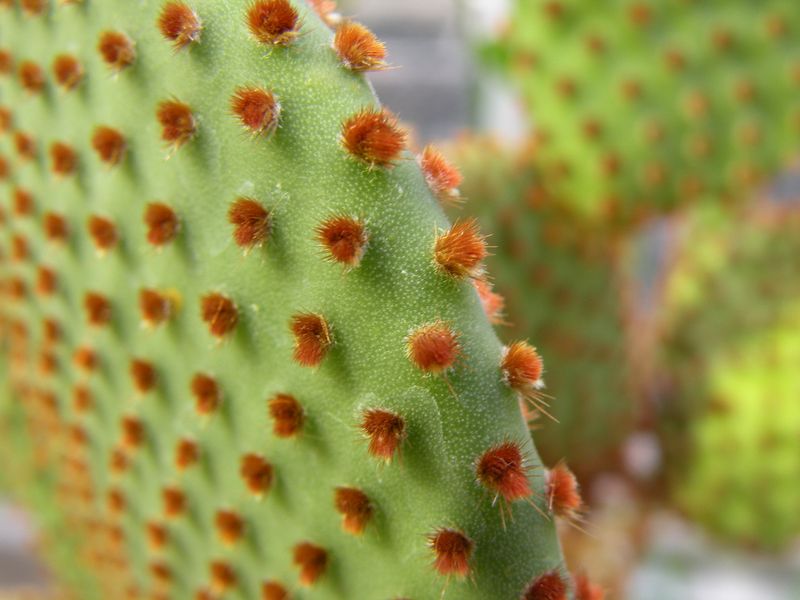
The structures covering bunny-ears pads are called glochids, and they are not the same as the large, stiff spines found on many other cacti. Glochids are hair-like, barbed, and extremely fine.
NC State Extension notes that they can detach with slight contact, which means brushing against a pad even lightly is enough to transfer them to skin or clothing.
Because glochids are so fine, they can be genuinely hard to see once they have lodged in skin. They do not cause the dramatic puncture wound you might expect from a large cactus spine.
Instead, documented effects include embedded bristles, localized skin irritation, and in cases involving the eyes, more serious inflammation. A published report on dermatitis and eye inflammation from O. microdasys bristles confirms these outcomes are real, not exaggerated.
The comparison to glass cuts that sometimes circulates online is not supported by medical or botanical sources. The actual risk is persistent, hard-to-remove bristles and the irritation they cause.
That is a meaningful hazard, but describing it accurately helps you take the right precautions rather than either dismissing it or overreacting.
Groundcover use depends on placement
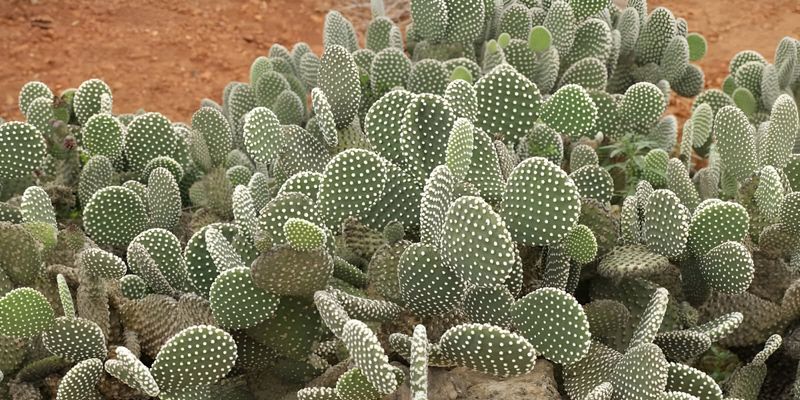
Bunny-ears prickly pear can serve as groundcover in the right setting. Its low, spreading form fills open ground, and it handles full sun and dry conditions well.
Your Arizona Garden Changes Every Week. Your Plan Should Too.
Gardening in Arizona changes quickly throughout the season. Every Friday you’ll receive a simple weekly plan showing exactly what to plant, prune, fertilize, harvest, and protect so you never miss the right timing.
The critical question is not whether it can work as groundcover, but where you put it.
Its mature spread of four to five feet and its readily detachable glochids make it a poor fit for any area where people walk, children play, or pets move through regularly. Placing it beside a path where someone might brush against it while passing is equally problematic.
These are safety inferences drawn from how the plant grows and how its bristles behave, not arbitrary caution.
Better placements are areas with clear visual separation from foot traffic: a raised bed with a defined border, a slope where people have no reason to walk, or a section of yard that functions as a visual barrier rather than a passable space. The plant’s spreading habit means it will eventually occupy whatever space it is given, so account for its full mature size when choosing a spot.
Do not count on it to deliver pest control, weed suppression, or wildlife benefits that the available evidence does not support.
Use general care guidance, not a fixed watering calendar
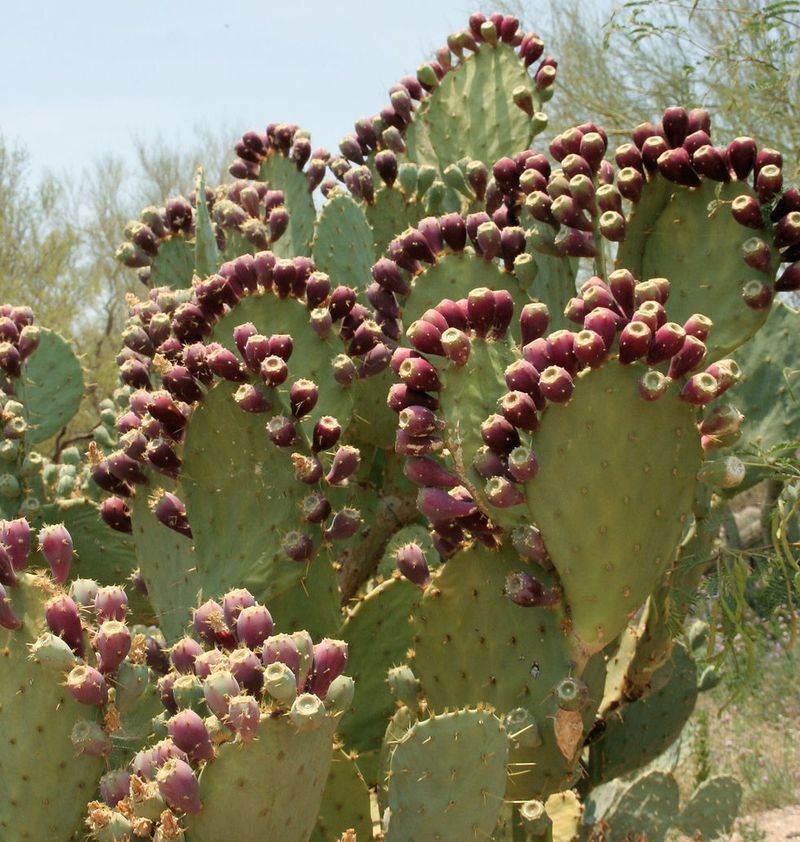
Care for bunny-ears prickly pear follows the basic logic of desert cactus cultivation. The plant needs fast-draining soil above all else.
Roots sitting in moisture, especially in Arizona’s clay-heavy or caliche-layered ground, will cause problems that no amount of sun exposure can fix.
Between waterings, let the soil dry out completely. How long that takes depends on your specific soil, the time of year, and whether the plant is newly established or mature.
NC State Extension’s plant profile supports fast-draining conditions and dry intervals between waterings, but it does not prescribe a Phoenix or Tucson schedule, and neither should you expect one to apply universally.
Arizona Cooperative Extension offers transplant guidance for cacti generally, including advice about planting into dry conditions and avoiding poorly draining spots. That guidance is useful background, but it was written for cacti as a group, not as a species-specific protocol for bunny-ears.
Treat it as a starting framework and adjust based on how your soil and microclimate actually behave. Fall planting, when Arizona temperatures ease, typically gives transplants a better chance to establish before summer heat arrives.
Choose tools over bare hands
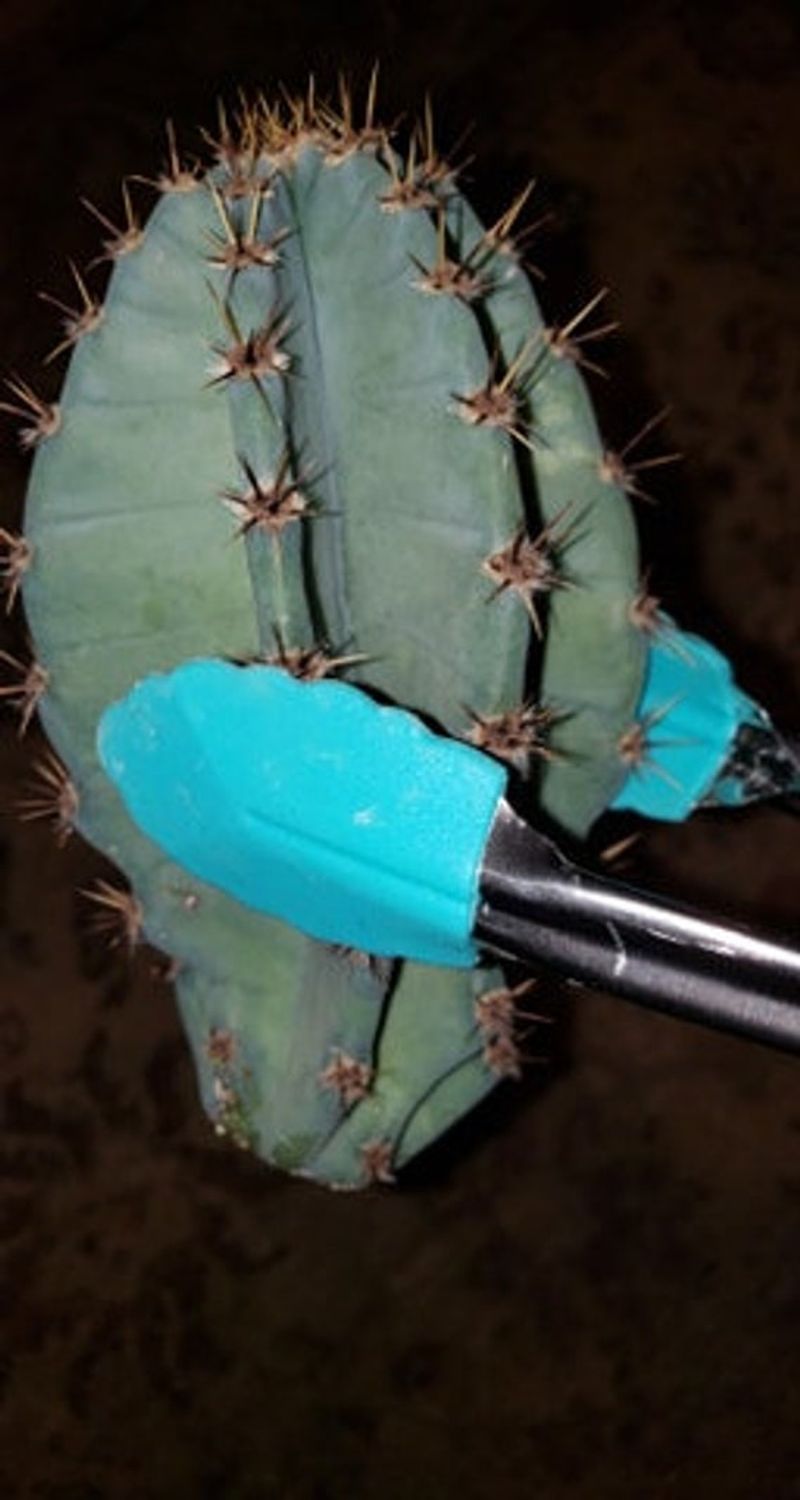
Handling bunny-ears prickly pear without protection is not a reasonable option. The glochids transfer so readily that even a casual brush during planting or repositioning can result in embedded bristles.
Bare hands offer no protection at all.
The instinct to reach for thick gloves is understandable, but University of Arizona Cooperative Extension warns that cactus spines can penetrate many types of gloves. For prickly pears and chollas specifically, the recommendation is to use sturdy metal tongs or sections of garden hose rather than relying on gloves as your primary barrier.
Gloves may still offer some protection, but treating them as a complete safeguard understates the risk.
Metal tongs give you control and distance. A short section of hose can be bent around a pad to grip it without skin contact.
Neither method is foolproof, but both are meaningfully safer than handling the plant directly. Plan your approach before you start: know where you are placing the plant, clear the path, and keep bystanders, children, and pets away from the work area.
No protective method eliminates risk entirely, but using the right tools reduces it substantially.
Respond cautiously if glochids make contact
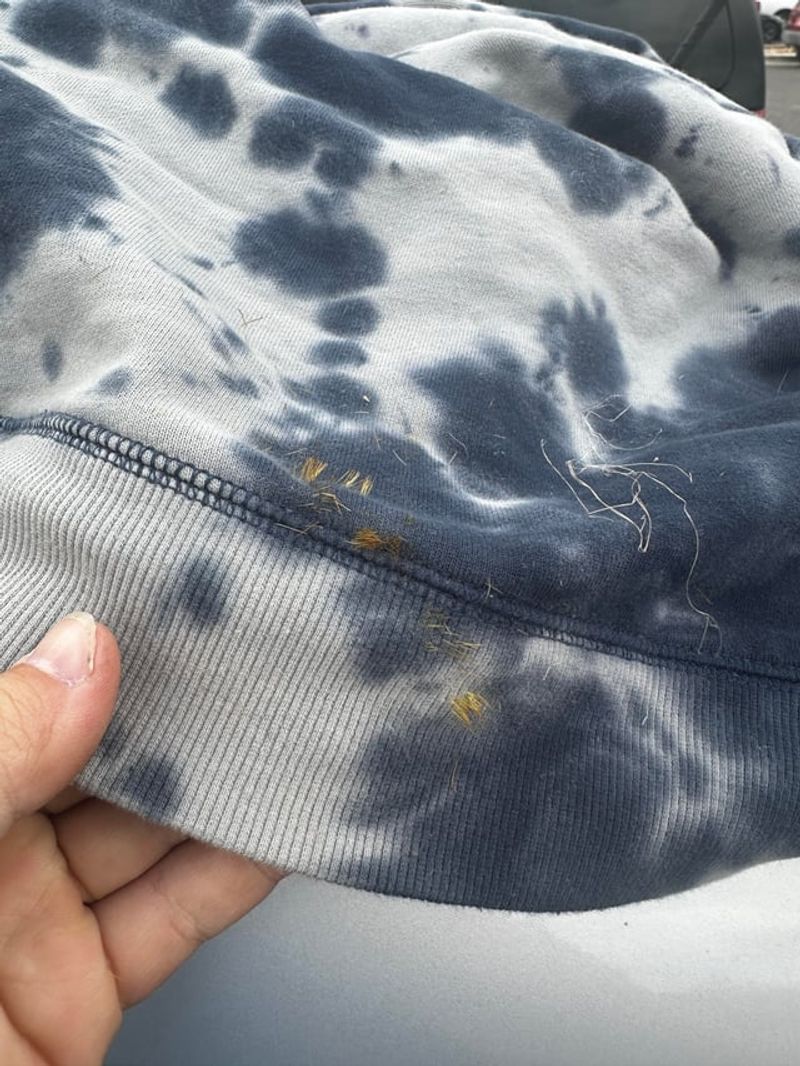
If glochids do make contact with skin, the first step is to avoid rubbing the area, which can drive bristles deeper or spread them. The National Park Service advises washing the area with soap and water after removing cactus spines and notes that tape may sometimes help lift tiny glochids from the surface of skin.
Tape is not a guaranteed fix. It may remove some bristles, but glochids are small enough that complete removal is difficult and often not achievable in one attempt.
A published clinical review found that tape removed only a portion of embedded glochids in the cases examined. Patience and careful inspection matter more than speed.
Eye exposure is a different situation entirely and should not be managed at home with tape or other improvised methods. Published reports document eye inflammation, including keratoconjunctivitis, caused specifically by O. microdasys bristles.
If glochids reach the eye area, seek prompt medical attention rather than attempting removal yourself. For skin contact away from the face, monitor the area for persistent irritation, and see a doctor if redness, swelling, or discomfort does not resolve within a reasonable time.
Choose a low-contact planting
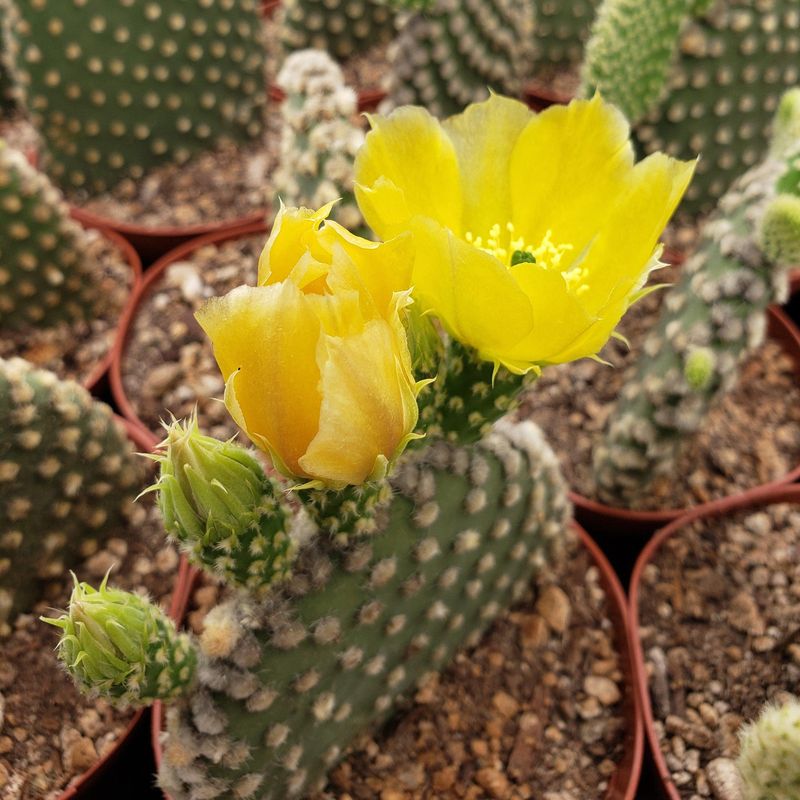
Bunny-ears prickly pear can be a worthwhile addition to a low-desert yard when it is placed where people and pets are not likely to brush against it. Its velvety-looking pads make it visually interesting, and it handles Arizona heat and dry conditions without much intervention.
The key is enjoying its appearance from a distance rather than treating it as a walk-on or touch-friendly planting. Placement with clear physical separation, careful handling during installation, and honest awareness of the glochid hazard are what make this plant workable rather than problematic.
A well-sited bunny-ears planting is low-maintenance by design; a poorly sited one creates ongoing risk.