What St. Augustine Grass Needs In October After Florida’s Worst Drought Since 2012
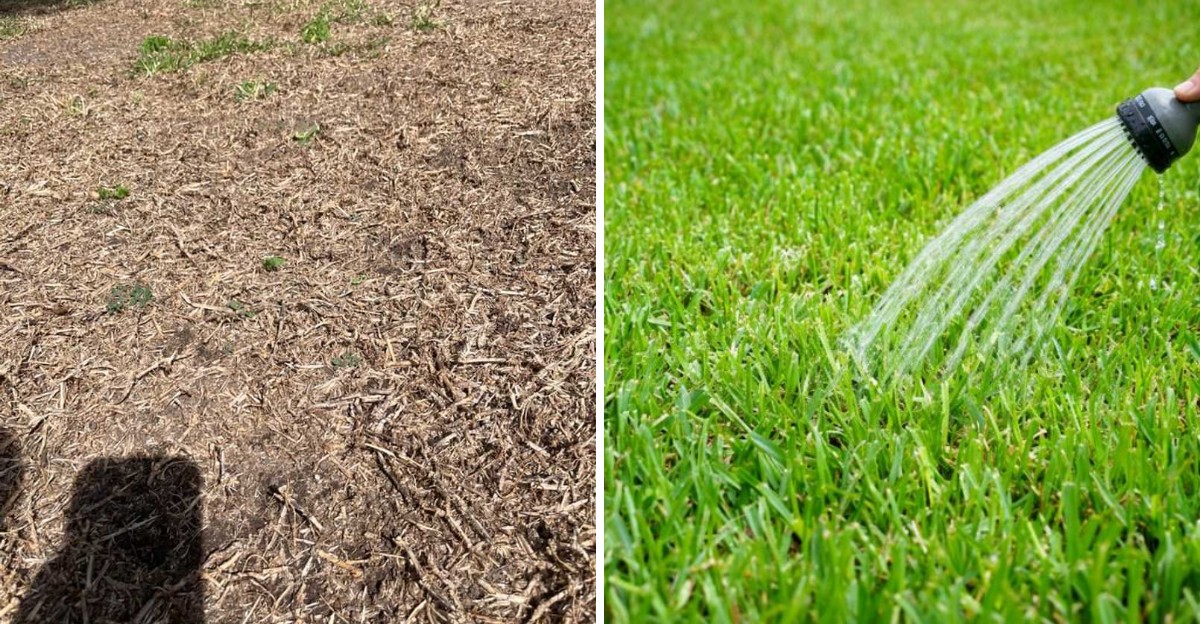
Remember those summer afternoons when the sky teased rain and delivered nothing but heat? Your Florida lawn remembers them too, probably with a crunchy sigh underfoot.
Now October is here, and the air finally smells a little less like a hair dryer. The grass is ready for some kindness, but not the smothering kind.
A few smart moves this month can turn a tired, patchy yard into a comeback story. Some steps are simple, and one or two might surprise you.
Grab your coffee and your curiosity. Your lawn has been waiting all summer for this chat.
1. Rehydrate St. Augustine Without Overwatering It

Picture a thirsty runner crossing the finish line. You hand them a cup of water, not a fire hose, and your lawn wants the same careful treatment.
St. Augustine grass generally needs about 1 to 1.5 inches of water per week, and that total includes rainfall. In the fall, you can cut back to watering about once a week.
Just make sure each session soaks in deep.
Timing matters more than most people guess. Early morning, ideally between midnight and 10 a.m., is the sweet spot for watering.
Less water floats away as vapor, and the blades dry off before fungus can settle in.
Here is the tricky part after a dry summer. Many homeowners panic and run sprinklers every single day to make up for lost time.
That habit can leave soil soggy, invite root trouble, spark fungal growth, and turn blades a sickly yellow.
Deep, less frequent watering trains roots to reach downward for moisture. Those longer roots help the grass handle the next dry spell with far less fuss.
Think of it as building a savings account under the soil.
A simple rain gauge can help you track what nature already provided. If a good storm rolls through, skip that week’s watering.
Your water bill and your lawn will both thank you.
2. Let Drought-Stressed Roots Recover Before Feeding
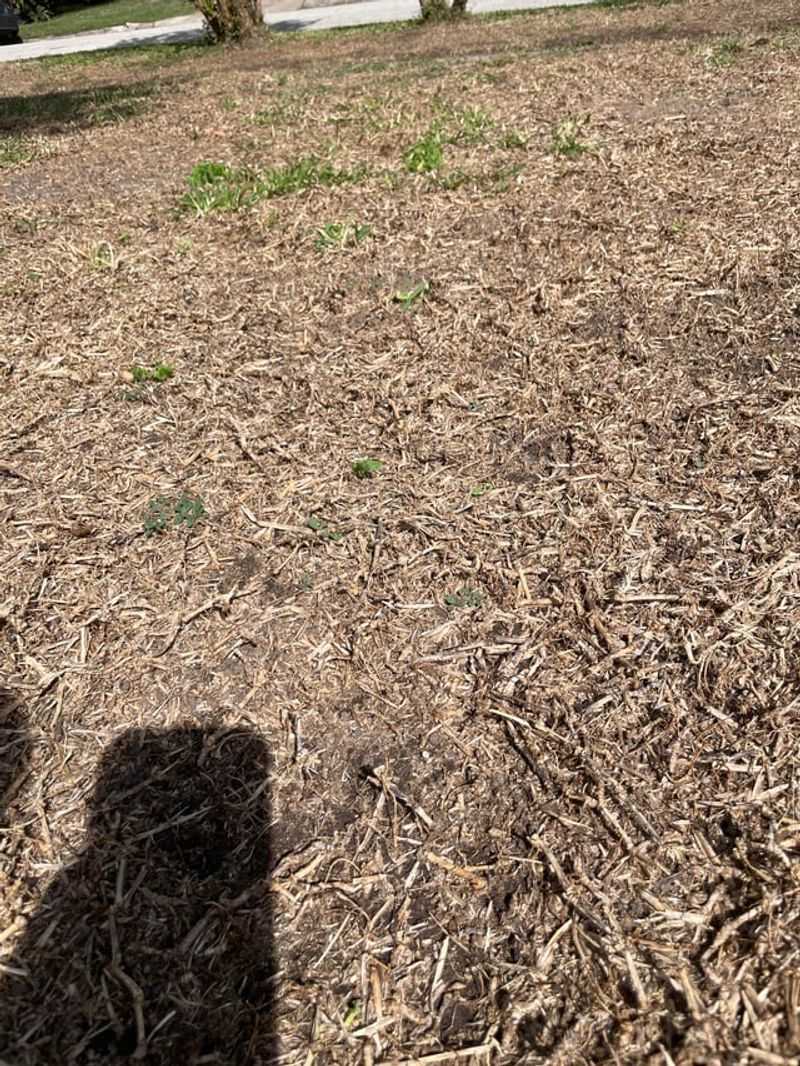
Nobody wants a giant dinner right after a long illness. A lawn coming off months of drought feels much the same way about fertilizer.
Roots that struggled all summer need a little time to settle and regrow before you feed them. Give the grass a couple of weeks of steady watering first.
Once you see fresh green color returning, it is ready for a meal.
In Florida, the best window for fall feeding usually runs from late September through early November. Aim for the earlier part of that range when possible.
Skip feeding after mid-October in cooler areas, or whenever the grass has stopped actively growing.
Choosing the right formula makes a big difference. A potassium-rich blend, such as 0-0-25 or 5-0-15, helps toughen the grass for cooler weather.
It does this without pushing out soft, tender blades that struggle later.
Fun fact for the curious: potassium works a bit like a vitamin for plant cell walls. It helps grass manage water and shrug off stress.
That makes it a smart pick after a hard summer.
Your Florida Garden Changes Every Week. Your Plan Should Too.
Gardening in Florida changes quickly throughout the season. Every Friday you’ll receive a simple weekly plan showing exactly what to plant, prune, fertilize, harvest, and protect so you never miss the right timing.
Before buying anything, consider a soil test from your local extension office. It shows exactly what your yard lacks, especially phosphorus.
Guessing can waste money and add nutrients your lawn simply does not need.
3. Watch For Chinch Bugs In Thinned, Stressed Turf
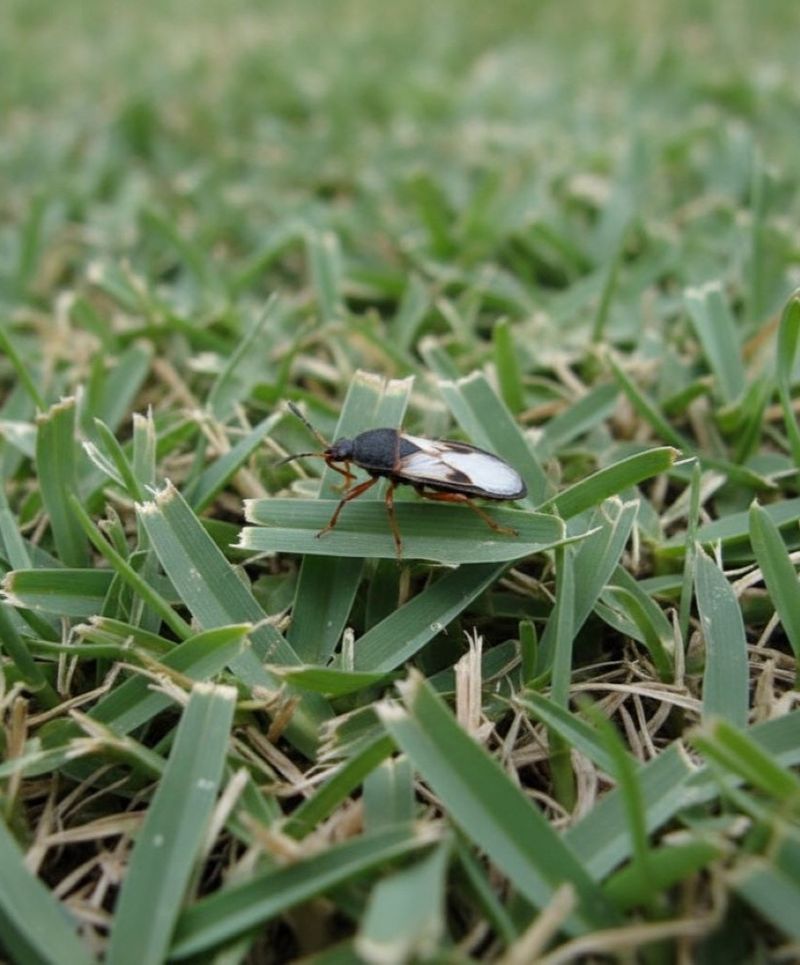
Tiny villains love a weakened target. After a parched summer, the southern chinch bug may be quietly throwing a party in your yard.
These insects are small, only about one-fifth of an inch long. They hide near the base of leaf blades and down in the thatch.
There, they drain sap from the grass like miniature vampires.
Knowing what they look like helps a lot. Young chinch bugs appear orange with a white stripe across the back.
Adults are black with white wings folded over their bodies.
Damage usually shows up as uneven yellow to brown patches. It often starts in sunny, dry spots, like strips beside sidewalks and driveways.
People frequently mistake it for plain drought stress and just water more.
Want to play detective? Push a bottomless coffee can into the soil at the edge of a damaged area and fill it with water.
If chinch bugs are present, they will float up within a few minutes.
Grass that is thirsty or loaded with too much nitrogen is more likely to attract these pests. Steady watering and balanced feeding are your first line of defense.
If you find a big crowd, talk to a local lawn pro about treatment options.
4. Raise The Mower Height For Better Recovery

Think of taller grass as a sun umbrella for the soil. A simple twist of your mower lever can give a tired lawn some welcome shade.
St. Augustine does best when kept at 3.5 to 4 inches tall. Many experts prefer the full 4 inches during warm weather or in partly shady yards.
That extra height matters a lot after a dry summer.
Longer blades mean more leaf surface to soak up sunlight. More sunlight turns into more energy for roots to regrow.
The taller canopy also shades the ground, so moisture sticks around longer.
Here is a handy rule to remember: remove no more than one-third of the blade in a single mowing. Cutting too much at once shocks the plant.
If the grass has grown shaggy, bring it down slowly over a few mowings.
Blade sharpness gets overlooked by a lot of homeowners. Dull blades tear grass instead of slicing it cleanly.
Those ragged, brown tips lose water fast and open the door to disease.
A good habit is sharpening your mower blade a few times each season. Many hardware stores offer the service for a small fee.
Clean cuts and a higher setting give your lawn a real head start on recovery.
5. Water Deeply When The Grass Shows Stress
Grass cannot text you when it is thirsty, but it does send signals. Learning to read them is like learning a secret language.
Look for a bluish-gray tint across the lawn instead of rich green. Check whether the blades are folding in half lengthwise to save moisture.
Those are two strong clues your yard needs a drink.
My favorite test is the footprint trick. Walk across the grass, then look back after a few minutes.
If your footprints are still pressed flat, the blades lack enough water to spring back.
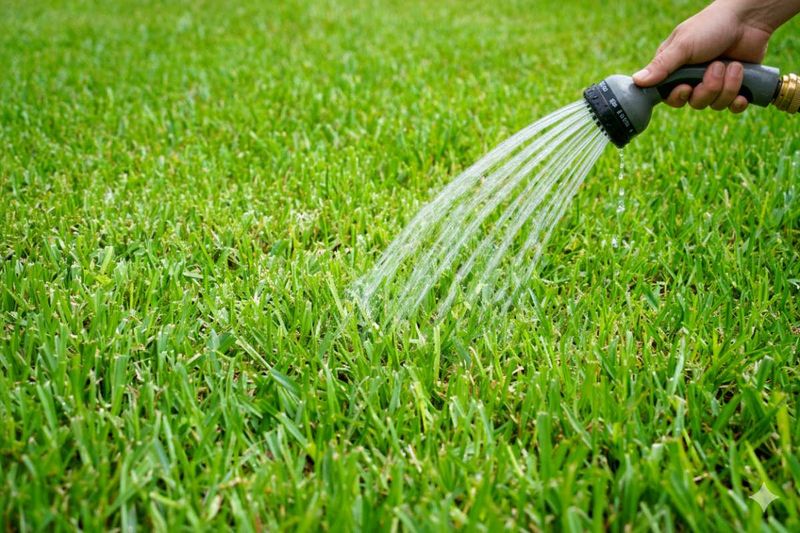
When those signs appear, water deeply rather than giving a quick sprinkle. The goal is soil that stays moist 4 to 6 inches down.
That depth reaches where healthy roots want to live.
A light splash only wets the top layer. Roots then stay shallow, hugging the surface where heat bakes them.
Over time, that makes the lawn weaker during every dry stretch.
Deep soaks teach roots to dig down and grow stronger. A sturdy root system handles low rainfall with much more grace.
Watering only when the grass asks for it also saves water and money, which feels pretty great too.
6. Hold Back Nitrogen As Fall Growth Slows
Nitrogen is the energy drink of the lawn world. It pumps out fast green growth, which sounds great until the season starts winding down.
As October moves along, St. Augustine naturally slows its pace. Feeding it heavy nitrogen now pushes out soft, tender blades.
Those young shoots handle cool nights and any rare frost poorly.
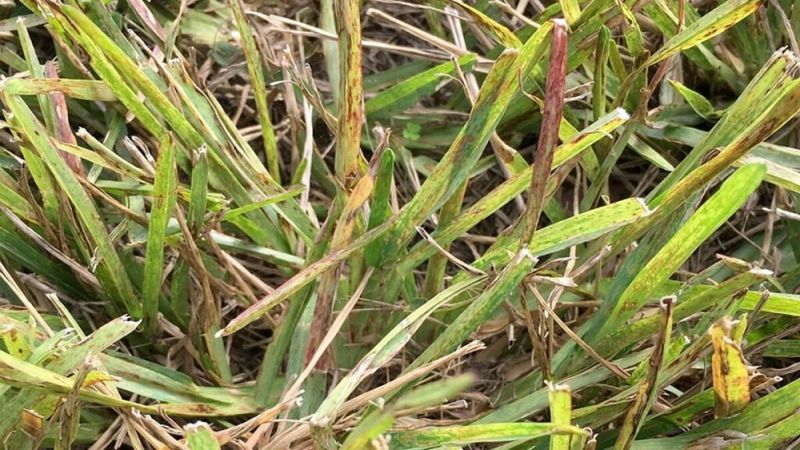
Extra nitrogen also has a sneaky side effect. It can fuel fungal diseases like large patch, which loves cooler, damp fall weather.
Nobody wants brown rings popping up right before the holidays.
A better plan is choosing a potassium-heavy product, such as 0-0-22 or 5-0-15. Potassium builds toughness instead of fast growth.
It helps the grass get ready for shorter days and chillier mornings.
Florida also has rules about how much you can apply. Many areas limit single applications to no more than 1 pound of nitrogen per 1,000 square feet.
Some counties even have seasonal fertilizer bans, so check local guidelines first.
Reading the bag is easier than it looks. The first number is nitrogen, the second is phosphorus, and the third is potassium.
For fall, keep that first number low and let the last one shine.
7. Check Soil Moisture Before Turning On Irrigation
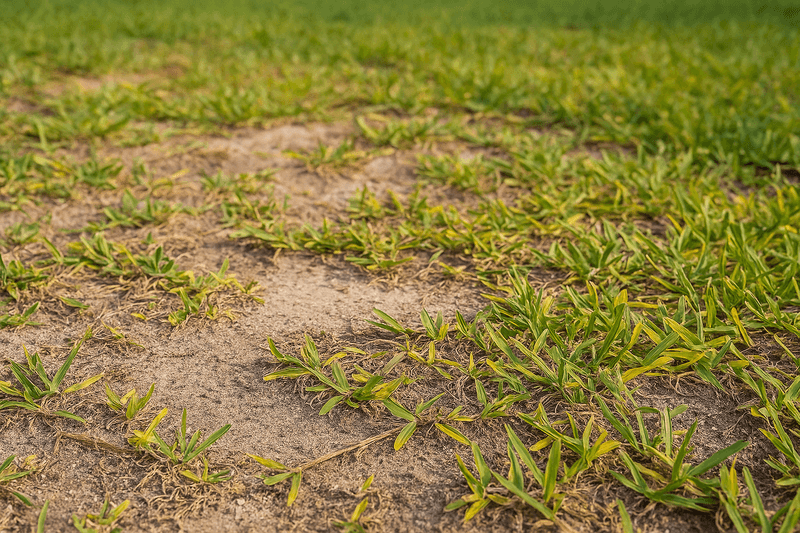
A long screwdriver might be the cheapest lawn tool you already own. Before you flip on the sprinklers, it can tell you whether watering is even needed.
Push the screwdriver straight into the lawn. If it slides in easily, the soil still holds moisture.
If you have to fight it, the ground is likely dry and ready for water.
Other options work well too. You can dig a small hole with a trowel and feel the soil with your fingers.
A handheld moisture meter from a garden store gives you a quick reading.
Depth is the key detail here. Check around 3 to 6 inches down, since that is where most grass roots do their work.
The surface can look dry while the root zone is perfectly fine.
After you water, wait 30 to 60 minutes before testing again. That pause lets moisture spread evenly through the soil.
Testing right away can give you a misleading reading.
This habit prevents a lot of common mistakes. It helps you avoid soggy soil, wasted water, and fungal trouble.
Plus, it feels a little like being a scientist in your own backyard, which is kind of fun.
8. Fix Thin Spots Before Cooler Weather Arrives
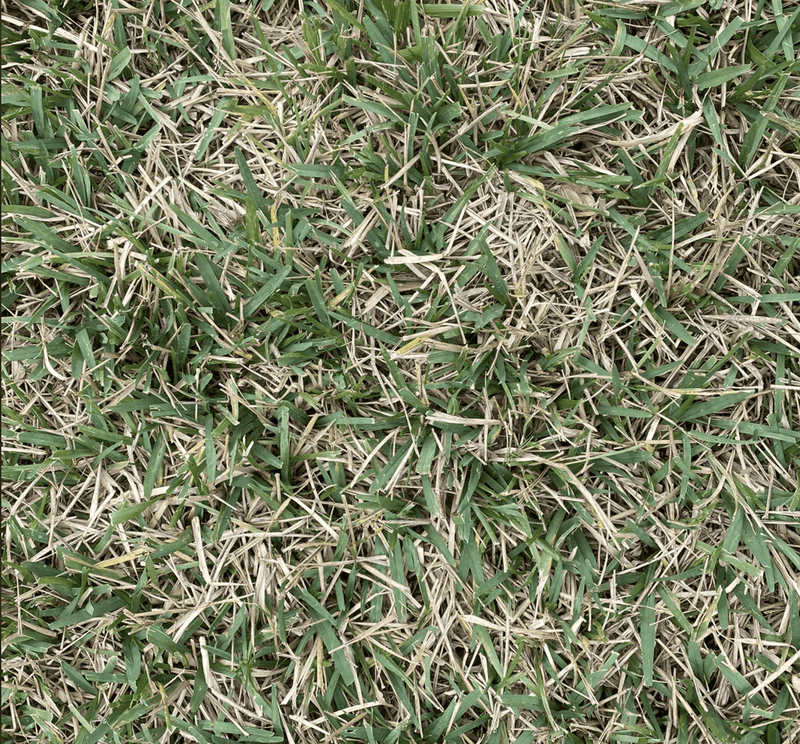
Bare patches are like holes in a favorite sweater. Patch them early, and the whole thing looks cozy again before the cold months arrive.
Skip the grass seed for this job. Many St. Augustine varieties do not produce seed that grows reliably in Florida.
Sod plugs or small pieces of patch sod are the smarter choice.
Preparation makes the repair last. Start by clearing away all loose, brown, or matted material from the spot.
Then loosen the top 2 to 3 inches of soil with a rake or hand tool.
Hard, packed ground can use a little help. Mixing in compost or sandy loam gives new roots an easier path.
It also helps the soil hold water better for the young grass.
Press the plugs or sod firmly into place so they touch the soil fully. Water them daily for the first week or two, then slowly cut back.
Keep foot traffic away while they settle in.
Timing is the real secret here. Repairs from late spring through October give roots enough warm weeks to grab hold.
Wait too long, and the new grass may sit sluggish until spring.
9. Ease Into Fall With A Stronger Root System
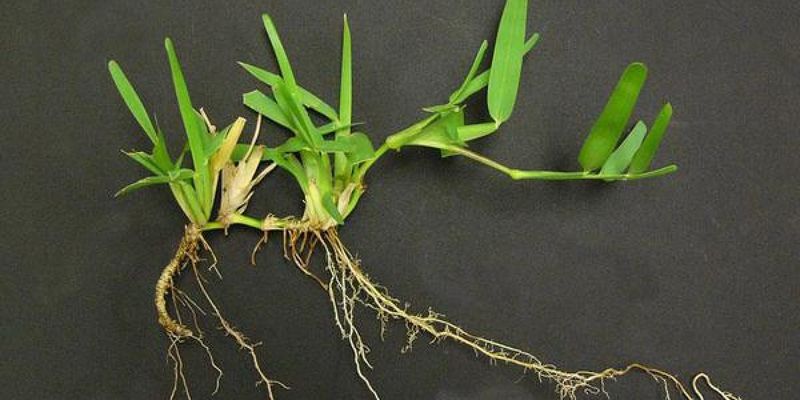
Great lawns are built underground, where nobody can see the hard work happening. Strong roots are the quiet heroes behind every lush yard.
Everything in this list points back to them. Deep, less frequent watering pushes roots farther down.
A taller mowing height keeps more leaves working to feed that growing network.
Potassium plays a supporting role as well. It strengthens cell walls and helps grass handle changes in weather.
That is why a fall feeding with potassium pays off for months.
Compacted soil can block all that progress. Aerating tight spots opens small channels in the ground.
Roots can then reach air, water, and nutrients much more easily.
You can rent a core aerator at many home improvement stores. Some neighbors split the cost and share one on a weekend.
It turns lawn care into a small block party, which is a nice bonus.
Think of this season as a reset after a rough summer. Care that stays steady all year helps grass bounce back from future dry spells faster.
With a sturdy root system in place, your lawn can step into winter feeling calm, green, and ready for whatever comes next.