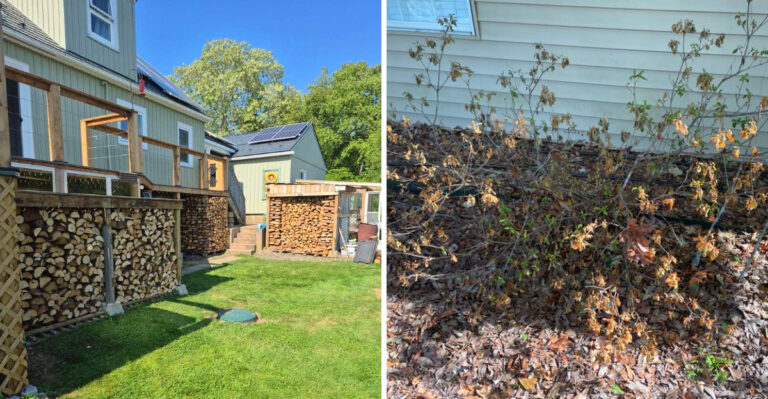
Why Some California Groundcovers Need A Full Year Before They Look Established
Some things refuse to be rushed, and your new groundcover bed may belong on that list too.
You planted it with big dreams. A lush green carpet. No more bare dirt. Maybe even a few compliments from the neighbors.
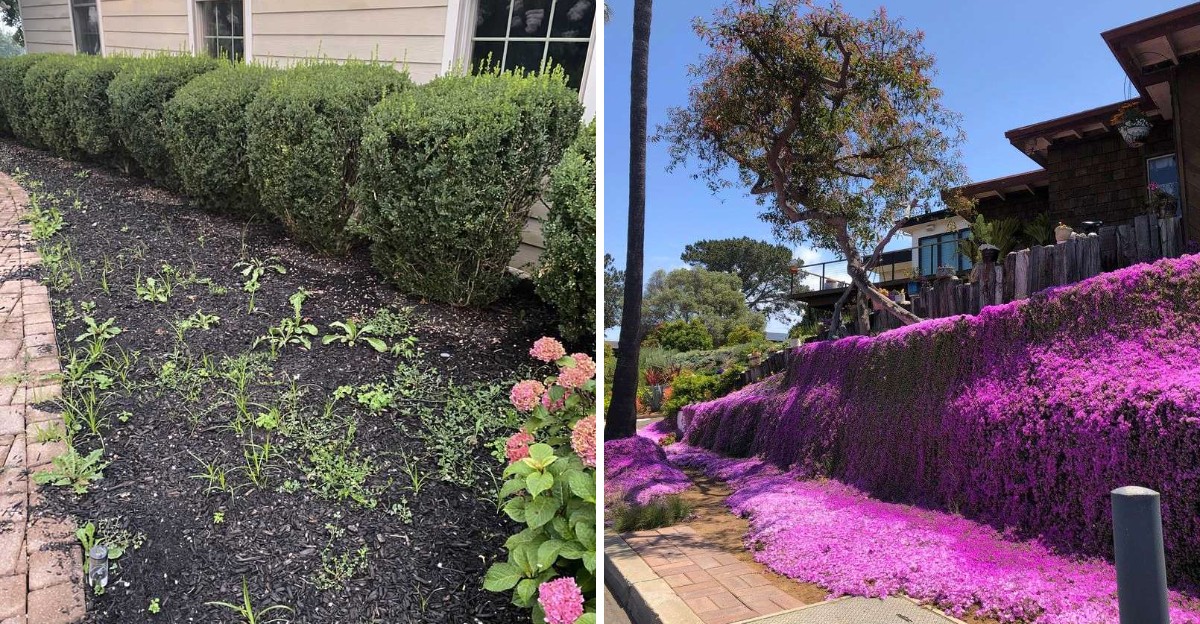
Months later, the view looks suspiciously similar. Small plants. Lots of mulch. Gaps wide enough to park a wheelbarrow.
So, is something wrong? Or is something happening that you just cannot see yet?
That question sends plenty of California gardeners straight for the hose, the fertilizer bag, or the nursery for more plants. Hold that thought for a moment.
The truth behind a slow start tends to surprise people. It involves a quiet plan, a bit of patience, and a few habits that help more than you might expect. It also involves a few popular moves that backfire.
Curious what your garden is up to behind the scenes? Pull up a chair. The show is much better than it looks.
Roots Grow Before Any Top Growth Shows
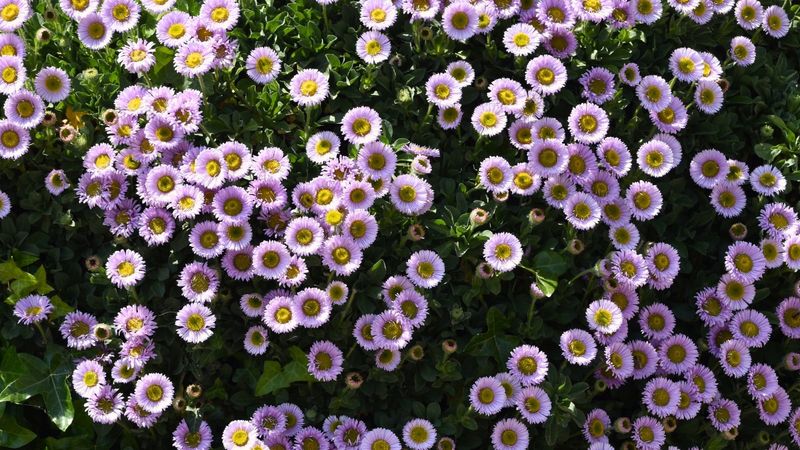
New houses start with a foundation nobody admires. Workers pour concrete long before walls or a roof appear. Once the job is done, nobody even notices it. Groundcovers follow a similar plan.
A young plant fresh from the nursery pot has roots packed into a small ball of mix. Those roots must push out into the garden soil before the plant can find enough water and nutrients alone. Strong top growth comes only after that step.
So most of the energy goes underground first. Leaves and stems still grow a little. The bigger job, though, happens below, where roots reach deeper and wider for moisture. Dry California summers make that job extra important.
Now for a sneaky little progress check, and no shovel required. Gently tug on a stem a few months after the plant goes in. A plant that feels anchored and stays put has roots that are spreading into the soil around it.
A plant that looks the same size in spring as it did in fall can still be doing great work. Its roots might have doubled while its leaves barely changed.
That quiet start is not laziness. The plant is preparing for heat, drought, and years of growth ahead.
Your groundcover is basically an introvert. It does its best work where nobody can watch, and it would prefer you stop staring.
The First Year Is Mostly Invisible Progress
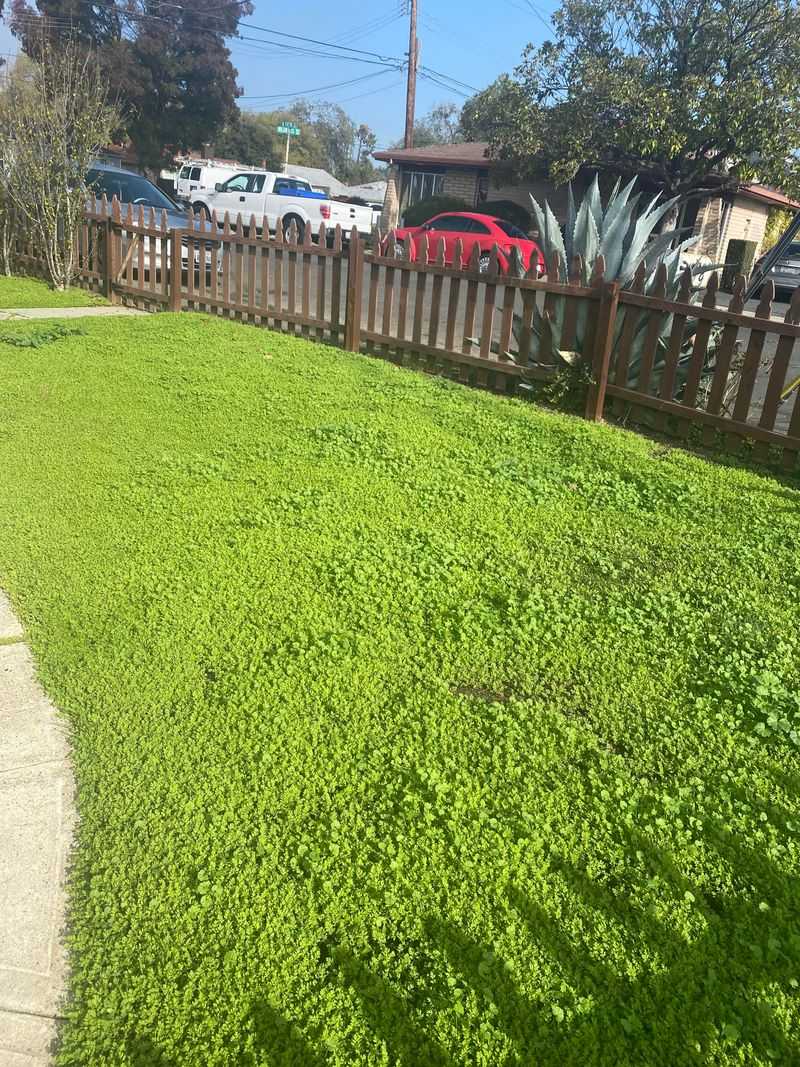
Gardeners have an old saying that fits groundcovers perfectly. First year sleep, second year creep, third year leap. Nobody knows who said it first. Anyone who has planted a native slope has probably lived it.
That sleepy first year can look almost exactly like day one. Tiny plants, plenty of mulch, and gaps that seem enormous. Disappointment creeps in easily, especially after a big spend on plants and a sore back from all those holes.
Yet plenty happens out of sight. Roots thread through the soil and find pockets of moisture. They build a network strong enough to feed new stems later. In this early stretch, root growth is the main goal.
Your California Garden Changes Every Week. Your Plan Should Too.
Gardening in California changes quickly throughout the season. Every Friday you’ll receive a simple weekly plan showing exactly what to plant, prune, fertilize, harvest, and protect so you never miss the right timing.
Time to play plant doctor, and luckily, the checkup takes about thirty seconds. Look for these good signs:
Leaves stay green or show fresh new tips. Stems feel firm, not mushy. The plant stays put when lightly tugged.
Warning signs look different. Leaves may turn yellow all over. Plants may wilt even in wet soil. Foliage may turn brown and brittle. Those clues can point to too much water, poor drainage, or pests, and they deserve a closer look.
Plants that pass the healthy checklist deserve a gold star. So does their patient owner.
A quiet first year usually means things are on track. Your groundcover is simply in its sleep phase, and nobody likes a wake-up call before the alarm.
Consistent Water Matters Most Early On
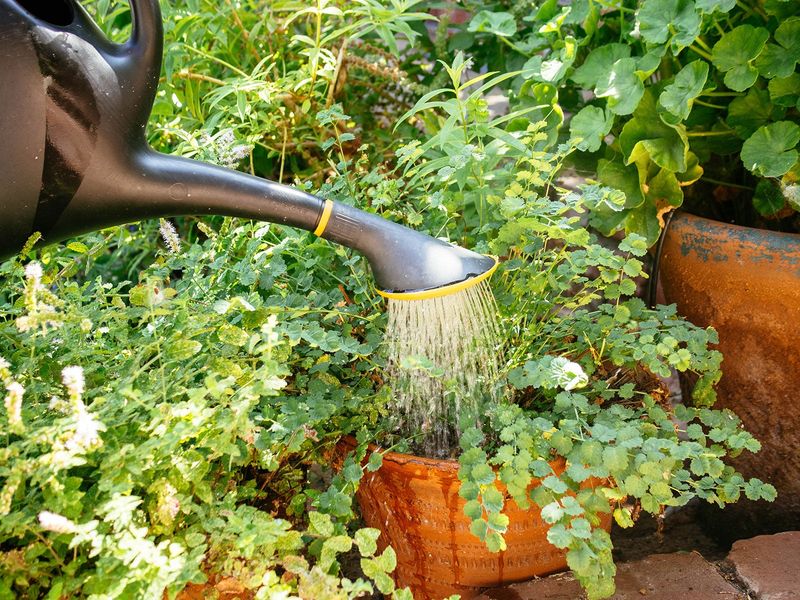
Ask experienced native plant gardeners about the biggest threat to new groundcovers. Many give two answers that sound like opposites. Too little water. Too much water. The real secret sits somewhere in the middle, with steady, sensible care while roots are still young.
Right after the plants go in, roots reach only as far as the original root ball. That small zone can dry out fast, even while the soil nearby still feels damp. Even drought-tolerant plants need regular water through this settle-in stage.
A few smart habits make a big difference. Water deeply instead of a quick sprinkle. Deep soaks encourage roots to head downward. Before the next round, push a finger a couple of inches into the soil and check for moisture.
Fall is a gift for California gardeners. Cooler weather and winter rain handle much of the work while roots settle in. That is why fall ranks as a favorite time to plant.
Keep an eye out for soggy soil, though, because this is where good intentions can go overboard. Many California natives dislike wet feet, especially in summer heat. Constantly soaked roots can rot. Heavy clay holds water longer, so it may need less frequent attention.
As the first year rolls on, gradually stretch the time between drinks. That shift teaches roots to reach deeper.
Your groundcover learns to live on less, which is more than most of us can say about coffee.
Visible Spread Follows Root Establishment Not The Other Way
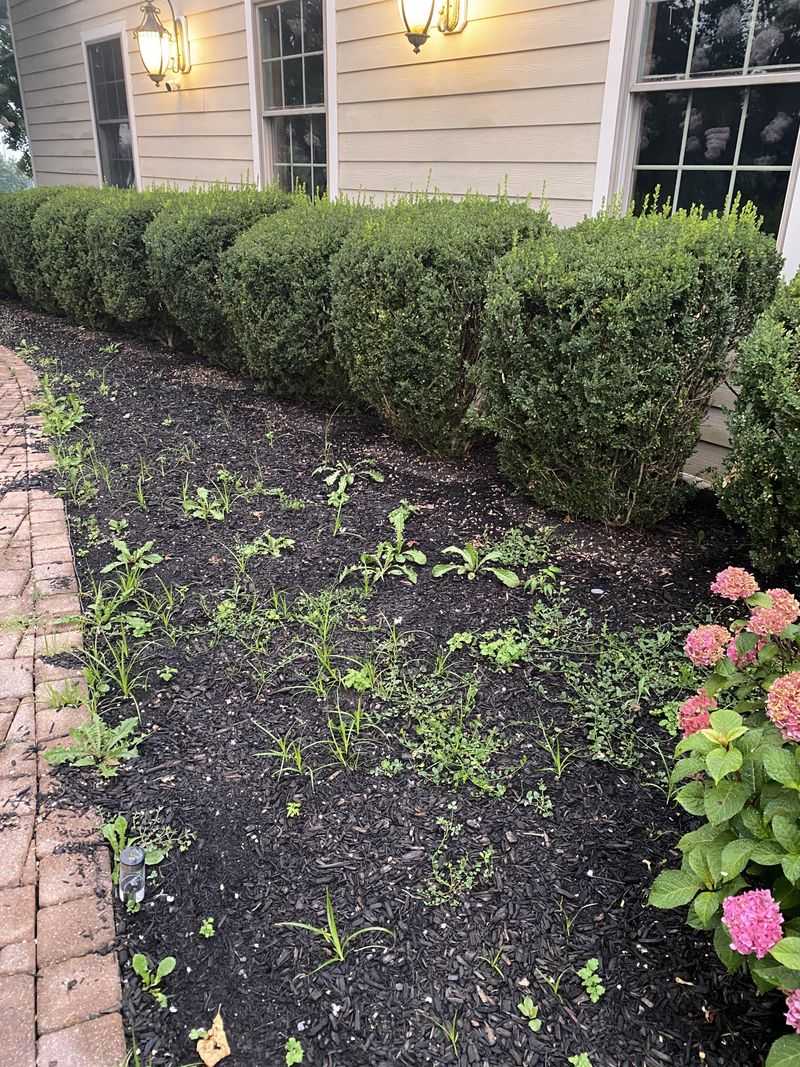
A plant could, in theory, spread wide above ground before its roots were ready. It would try. It would also struggle to keep all those new leaves alive.
Every leaf and stem needs water. In a dry California summer, a big top on small roots can wilt fast. The roots simply cannot supply enough moisture. So plants tend to build roots first. Lots of top growth comes later, once the plant can support it.
That is the natural order. Strong roots come first. Then new stems, runners, or wide branches start to appear.
Creeping manzanita, low ceanothus, and prostrate coyote brush tend to follow this pattern. Exact speeds vary by plant, site, and care.
Now mark your calendar, because this next part feels like a magic trick. The shift often shows up around the start of the second season. Plants that looked stuck suddenly reach toward each other. Some gardeners swear it happens overnight. In reality, it has been building for months.
This order helps you judge your bed fairly. Width after six months tells you very little. Health tells you much more. Firm stems, green leaves, and a plant that stays anchored are the real signs of success.
Once the underground work wraps up, the spread you have waited for has a solid base. Good things come to those who wait. In this case, they come as groundcovers that finally hold hands.
Patchy Coverage Is Normal At First
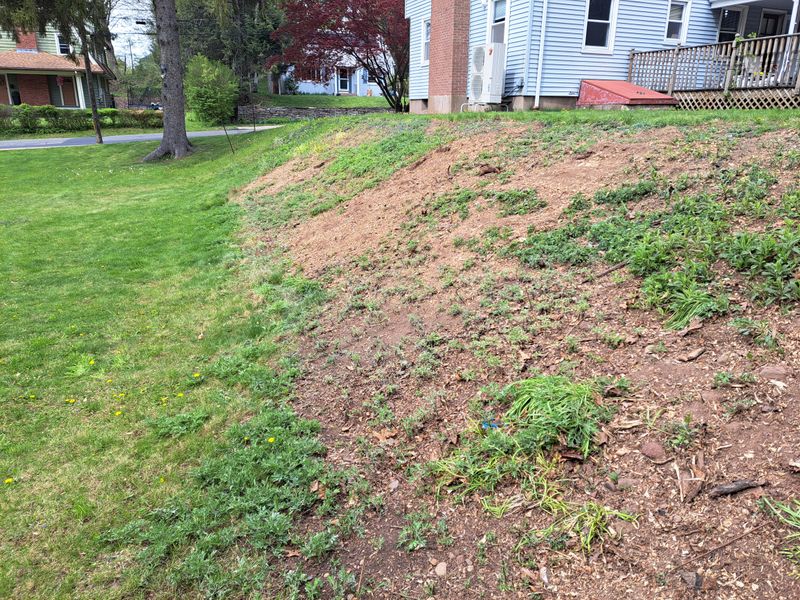
Did you nickname your new slope the polka dot hill? Little green circles sat in a sea of brown mulch. It looked more like fabric than a garden. A year and a half later, those dots had grown into a solid carpet.
Well, this story is common. Groundcovers usually go in with space between them on purpose. Guides base those gaps on mature width, not day-one size. So the gaps are part of the plan, not a mistake.
Patchiness can also come from small differences across the yard. One corner might get more sun or better drainage. Another might catch extra runoff from a downspout. Plants in the best spots often race ahead, while others lag behind for a while.
This is where you get to be the stylist for this in-between phase. A layer of wood chip mulch between plants helps a lot. It holds moisture, keeps soil cooler, and slows down weeds that love bare ground.
Pull weeds while they are small, before they compete with your young plants.
Skip the urge to squeeze in extra plants too early. A crowded bed can mean more competition and more upkeep later.
Uneven coverage in year one is just the awkward stage before the bed grows together. Give it time, and the gaps will shrink.
Every garden has a teenage phase. The good news is that this one comes without eye rolls or slammed doors.
Rushing Fertilizer Wont Speed This Up
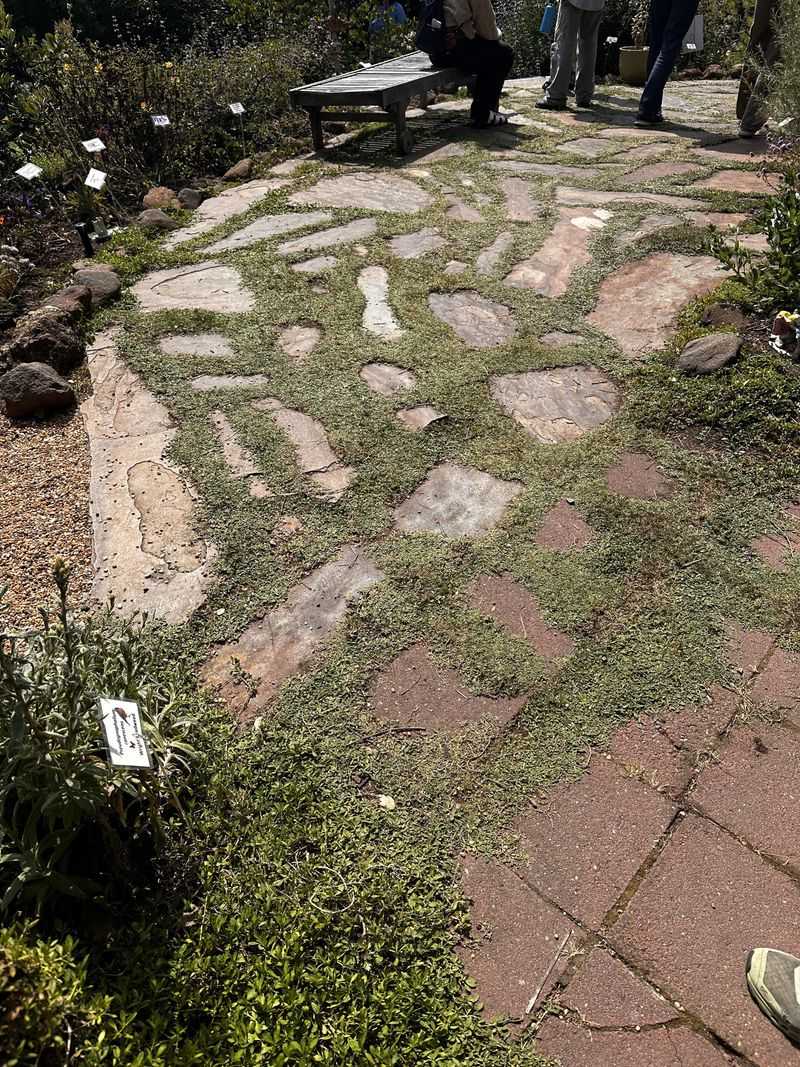
Small plants tempt people to reach for a bag of fertilizer. A quick boost sounds like the perfect shortcut. Unfortunately, that shortcut rarely works the way people expect.
Fertilizer, especially the high-nitrogen kind, tends to push soft, leafy top growth. In year one, though, the plant needs roots more than leaves. Extra top growth can even make life harder. More leaves mean more water demand from a root system that is still small.
Many California native groundcovers evolved in soils that are not very rich. Most need little or no fertilizer. Too much can weaken them or shorten their lives. Some non-native groundcovers may appreciate a light meal, so check the needs of your specific plant.
Now for the fine print that fertilizer bags rarely advertise. Heavy doses may burn roots. Extra product can wash into storm drains and local waterways. It can also feed weeds just as happily as your groundcover. Weeds, of course, rarely turn down a free lunch.
The real helpers sound less exciting but work much better. Good soil prep before the plants go in makes a strong start. A layer of mulch, steady water, and time handle the rest. Over the years, mulch breaks down and slowly adds organic matter to the soil.
Your groundcover runs on its own clock. Fertilizer cannot fast-forward root growth.
Save your money for something more fun, like a nice patio chair to sit and watch the slow show.
Patience Now Pays Off By Next Fall

Roll the calendar ahead about a year. For a fall-planted bed, the next fall is often when many groundcovers start to look like they belong. Stems stretch longer. Gaps narrow. The bed finally feels finished.
Timelines do vary, though. Fast growers may fill in within a year or so. Slower plants, like some creeping manzanitas, can take two or three years for full coverage. Plant distance, soil, sun, and water all play a role. So treat any timeline as a rough guide rather than a promise.
A simple roadmap helps set expectations. Months one to six: little visible change, lots of root growth. Months six to twelve: new tips, firmer plants, and some early spread. Year two and beyond: noticeable fill-in and much less water needed.
Now grab your phone, because this trick is oddly satisfying. Snap a photo from the same spot every month or two. Side-by-side comparisons reveal changes that are hard to notice day to day. It works like a time-lapse, minus the fancy camera.
The reward arrives after the wait. An established groundcover usually needs less water, fewer weeds pulled, and less of your time. That quiet first year is an investment that pays you back for years.
Best of all, your weekends get lighter. Your neighbors may even start to ask for your secret. Feel free to answer with a mysterious smile.