Can Dianthus Keep Blooming Through A North Carolina Winter And What To Expect
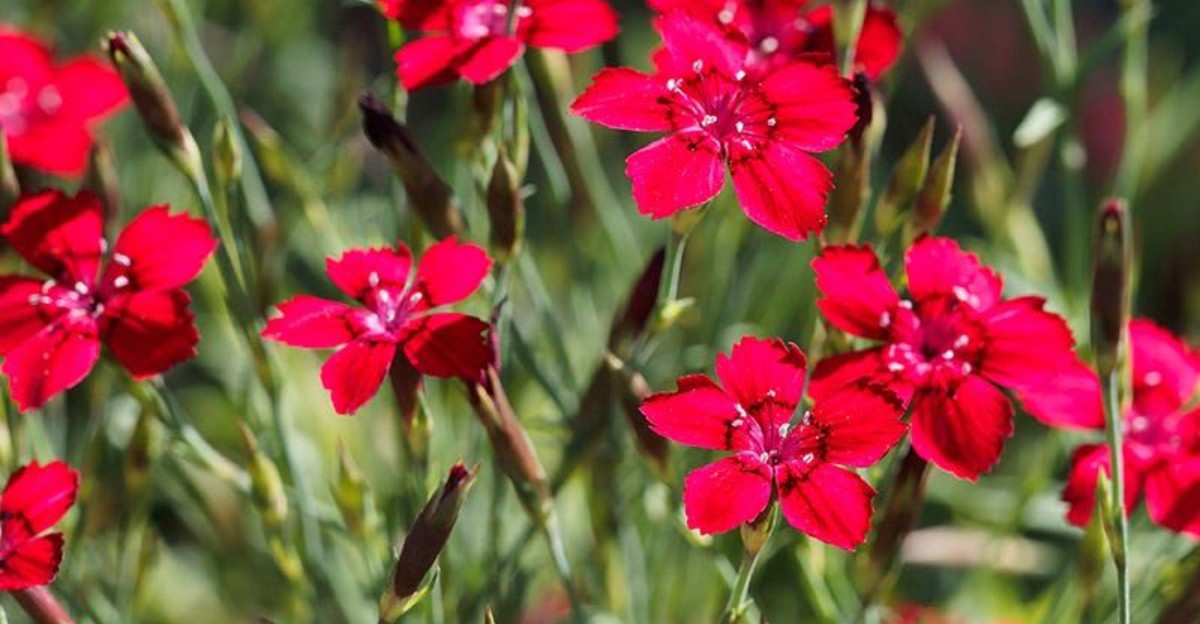
Dianthus has a reputation as a cheerful summer bloomer, but many varieties are tougher than most people give them credit for when it comes to surviving a North Carolina winter.
Certain types can continue producing sporadic blooms well into the colder months, especially during mild stretches, though flowering typically slows dramatically compared to peak summer performance.
The foliage itself often stays evergreen or semi-evergreen through winter in this climate, giving the plant a presence in the garden even when flowers become scarce.
A hard freeze can still damage exposed blooms or buds, meaning winter flowering tends to be inconsistent rather than guaranteed from one week to the next.
Knowing what’s realistic to expect helps North Carolina gardeners appreciate dianthus as a genuine four-season plant rather than assuming it disappears the moment temperatures drop.
1. Blooming Slows, But The Plants Hold On
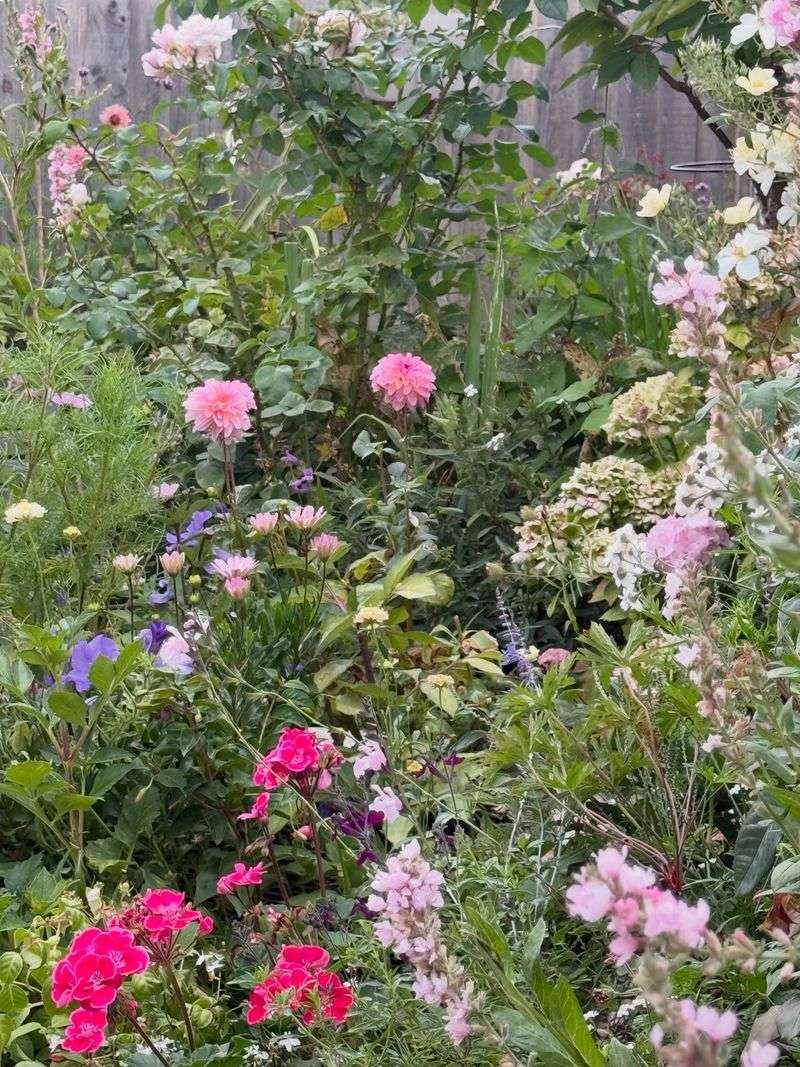
Cold weather rarely scares off a dianthus. Plant it in fall, and it will usually ride out a North Carolina winter just fine, even if the flowers take a break for a while. Think of it as a plant that rests but never quits.
Why the pause? Dianthus is a cool-season plant, so it handles chilly air far better than summer flowers like petunias or zinnias. Still, flower production slows or stops during the coldest, shortest days of the year.
The plant simply puts its energy into staying healthy and holding onto its leaves until more sunlight returns.
So what happens across the seasons? Most fall-planted dianthus blooms nicely in autumn, right after you set it in the ground. Once winter settles in, you might see a flower here and there, but not a steady show.
Then spring arrives, and the plant bursts into its heaviest bloom of the year. Timing makes a big difference.
Planting in September or October gives the roots several weeks to spread out and settle in before the ground turns cold. Strong roots mean a sturdier plant that bounces back quickly after chilly nights.
North Carolina happens to be a great place for this plan. Our winters are mild enough that dianthus fits right into winter beds next to pansies and violas.
Together, they create a colorful, cheerful display that lasts from fall through spring, with only a short quiet spell in the middle.
For many gardeners, that makes dianthus one of the easiest ways to keep beds looking alive and friendly during the gray months.
2. Annual Dianthus And Perennial Pinks Behave Differently
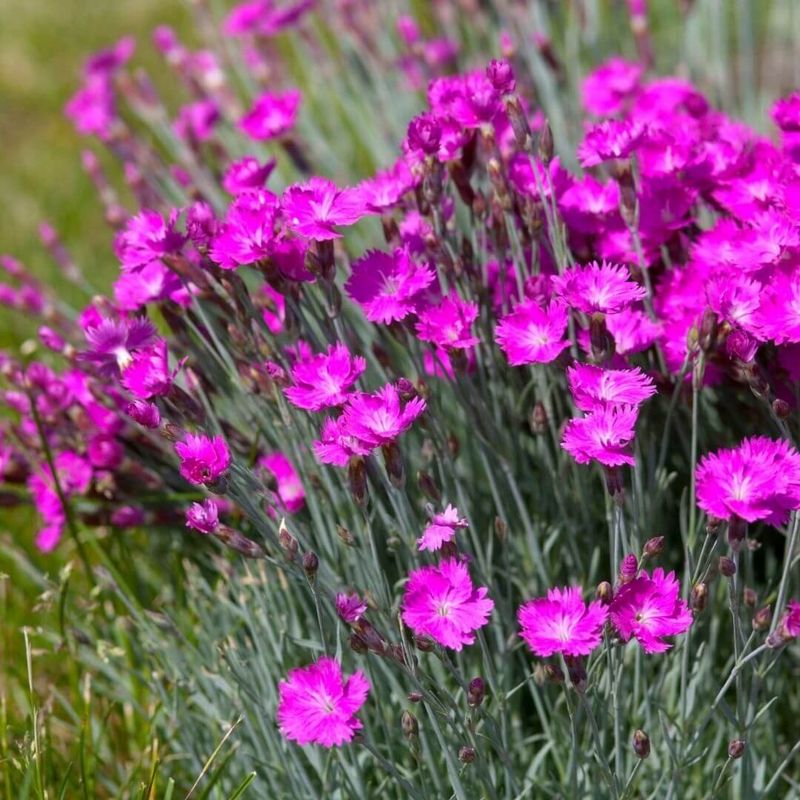
Walk into any garden center in October, and you will likely spot two very different kinds of dianthus sitting on the same table. They look alike at first glance. Yet they act almost like separate plants once you get them home.
The first group includes annual or short-lived types. China pinks and popular hybrids like the Telstar and Amazon series fall into this camp. These plants are the color champions of fall and spring, packed with bright blooms in pink, red, white, and purple.
They may even open a few flowers during mild winter spells, which is a nice bonus. However, they tend to fade once summer heat moves in.
Your North Carolina Garden Changes Every Week. Your Plan Should Too.
Gardening in North Carolina changes quickly throughout the season. Every Friday you’ll receive a simple weekly plan showing exactly what to plant, prune, fertilize, harvest, and protect so you never miss the right timing.
The second group is the perennial pinks. Cheddar pinks, such as the well-loved Firewitch, and maiden pinks are extremely cold hardy. Instead of blooming heavily in fall, they save their big show for late spring.
Through winter, they stay as low, tidy mounds of grayish or green leaves, and they come back year after year. Here is a quick way to tell them apart.
Annual types usually have wider green leaves and larger flower clusters, while perennial pinks have skinny, grassy foliage that often looks silvery blue. Plant tags help too, so always read them before buying.
Knowing the difference really pays off in North Carolina. Both types show up on shelves for fall planting, but they give very different results.
Choose annual types for bold seasonal color, and pick perennial pinks if you want a long-lasting edging plant that returns every spring.
3. Mild Spells Bring Scattered Flowers
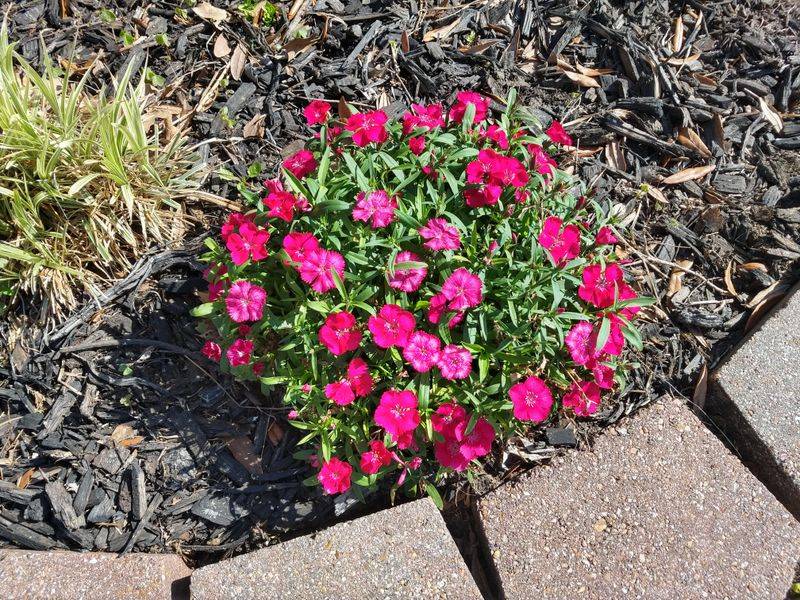
January in North Carolina can feel like a mood swing. One morning you scrape ice off the windshield, and three days later you are outside in a light jacket. Dianthus notices those changes, too.
During stretches of mild, sunny weather, the plants wake up and start growing again. New buds swell, and fresh flowers open, sometimes in the middle of winter. Then a hard freeze rolls in, and flowering pauses once more.
Any blooms that were already open may turn brown, mushy, or crinkled at the edges.
Luckily, the plant itself usually shrugs off that damage. Only the flowers suffer, and the fix is simple. Pinch or snip off frost-damaged blooms so the plant looks neat and can put its energy into new buds.
Keep your hopes realistic. After a warm spell, expect a handful of cheerful flowers rather than a full carpet of color. Those little surprises are part of the charm, and they brighten gray days more than you might think.
If flowers matter a lot to you, maybe for a front walk or a special container, a light row cover helps.
Drape it over the plants on nights when temperatures drop into the teens or lower. Remove it the next day once things warm up, so the plants get sunlight and fresh air.
Our state sees this back-and-forth pattern all winter long, with freezing nights followed by bright, pleasant afternoons. Learning to work with it turns winter dianthus into a fun game of watching and waiting.
4. What To Expect In Each Region
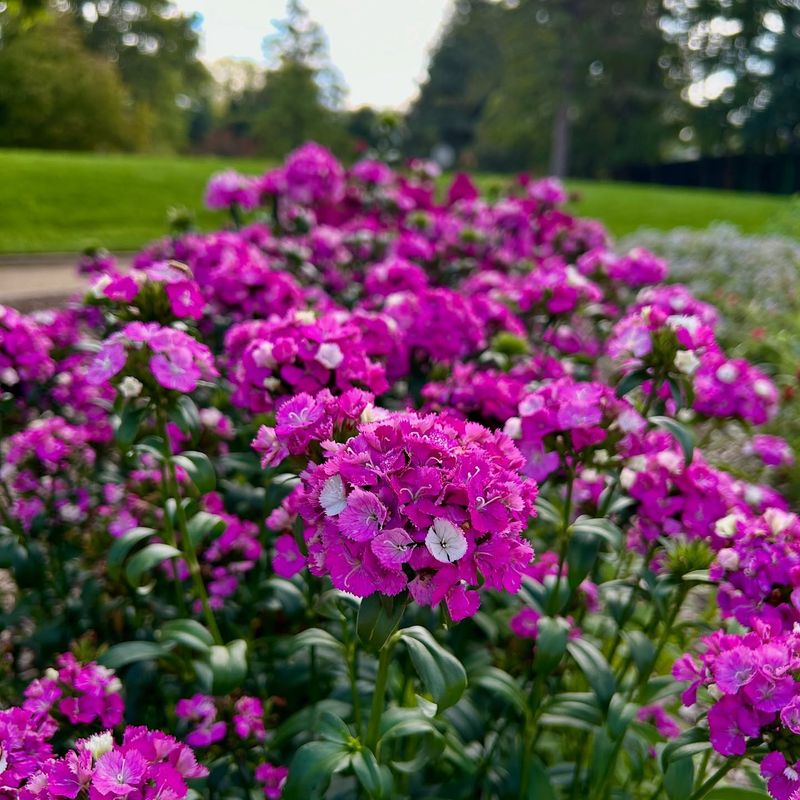
North Carolina stretches over 500 miles from the Outer Banks to the Blue Ridge, and winter feels very different along the way.
A gardener in Wilmington and one in Boone might plant the same dianthus and see totally different results. Where you live shapes what you get.
The big reason is how long and how hard the cold lasts. Coastal areas stay milder with fewer deep freezes, while the Mountains face longer, harsher winters with snow and bitter nights.
Down in the Coastal Plain, dianthus often keeps a few flowers going through much of the winter. Mild days are common there, so plants rarely stay quiet for long. Gardeners near the coast can count on some steady color, especially in sunny, sheltered spots.
The Piedmont sits in the middle, both on the map and in results. Around Charlotte, Raleigh, and Greensboro, dianthus usually blooms well in fall, takes a pause during the coldest weeks of January, and then returns in late winter and spring.
That rhythm is normal, so no need to worry when blooms disappear for a bit. Up in the Mountains, things change more sharply.
Annual types mostly stop flowering once winter sets in, though they may survive in protected spots. Hardy perennial pinks, on the other hand, handle mountain cold reliably and come back strong.
Matching your choice to your region saves money and frustration. Coastal and Piedmont gardeners can lean on annual dianthus for winter color, while mountain gardeners get the best long-term value from tough perennial pinks.
5. Leaves Usually Stay Green Through Winter
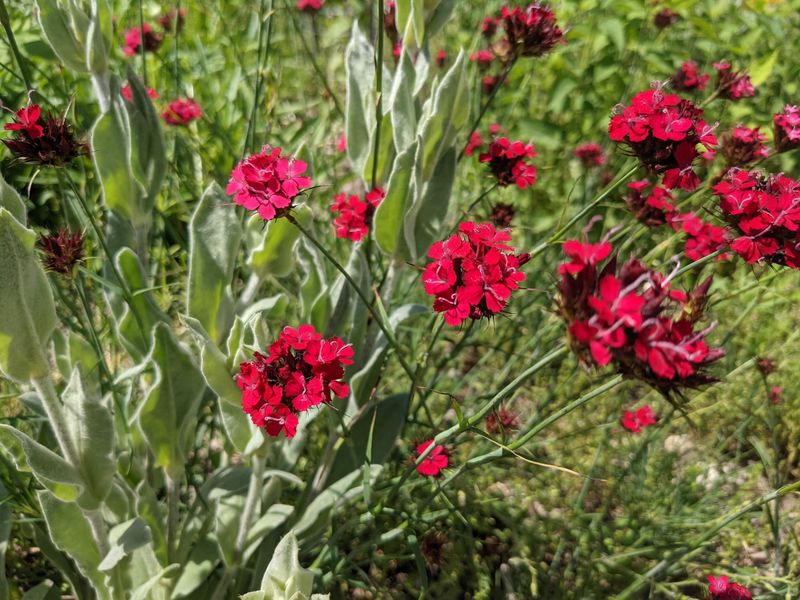
Flowers get all the attention, but dianthus leaves quietly do a lot of the work in winter. Even when there is not a single bloom in sight, the foliage usually stays put. That alone makes these plants worth a spot in your cool-season beds.
Most dianthus types hold onto their green or blue-gray leaves through the whole season. Those narrow, grassy leaves add soft texture next to rounder pansy leaves or chunky ornamental cabbage.
In containers, a silvery dianthus mound looks especially sharp against dark pots. Healthy leaves also serve a practical purpose.
Because the plant keeps its foliage, it can start growing again the moment a warm spell arrives. There is no need to rebuild from scratch, which is why dianthus bounces back so fast in late winter.
Now and then, you will notice color changes. After a hard freeze, some leaves may turn bronze, purple, or tan. That shift is a normal reaction to cold and usually does not mean trouble for the plant as a whole.
Wait before grabbing the scissors, though. Damaged leaves actually help shield the crown from more cold, so leave them in place during winter. Once new growth begins in late winter, trim the tired foliage lightly to tidy things up.
Here in North Carolina, winter beds often have gaps between blooming periods. Evergreen dianthus foliage fills those spaces nicely, keeping beds looking planted and cared for instead of bare. It is a small detail that makes a garden feel welcoming all year long.
6. Drainage Is The Biggest Winter Threat
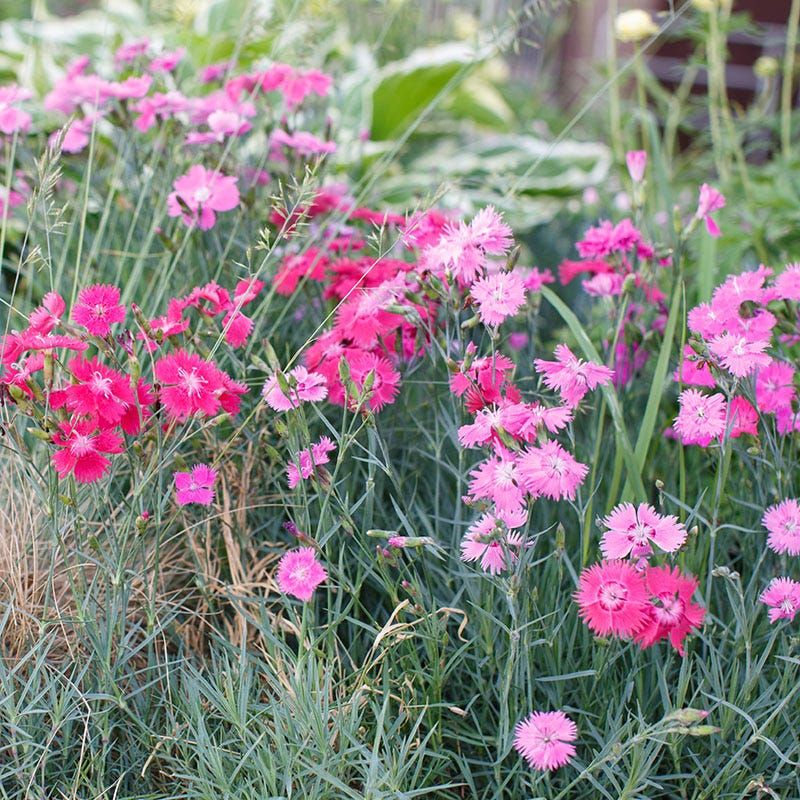
Most people assume cold is the main enemy of winter flowers. With dianthus, the real troublemaker is soggy soil. A plant that easily handles a frosty night can quickly decline if its roots sit in water.
Dianthus roots and crowns need air as much as moisture. When they stay in cold, wet ground for long periods, they begin to rot. Leaves turn yellow, stems get weak, and the plant slowly fades, even during a mild winter.
The good news? A few smart steps at planting time prevent most problems. Choose a spot with well-drained soil, or build a raised bed that lets extra water run off.
If your yard has heavy soil, work several inches of compost into it before planting to loosen it up.
Mulch helps too, but only if used carefully. Spread a thin layer around the plants, and keep it pulled back from the crowns so they can breathe. Piling mulch right up against the stems traps moisture and invites rot.
Watering also calls for a light touch. Push your finger into the soil, and water only when it feels dry an inch or two down. In winter, that might mean watering far less often than you expect.
North Carolina gardeners face this issue more than most. Winter rains are frequent, and the thick red clay found across the Piedmont can hold water for days. Giving dianthus good drainage is the single best thing you can do to keep it happy until spring.
7. Simple Winter Care Keeps Plants Healthy
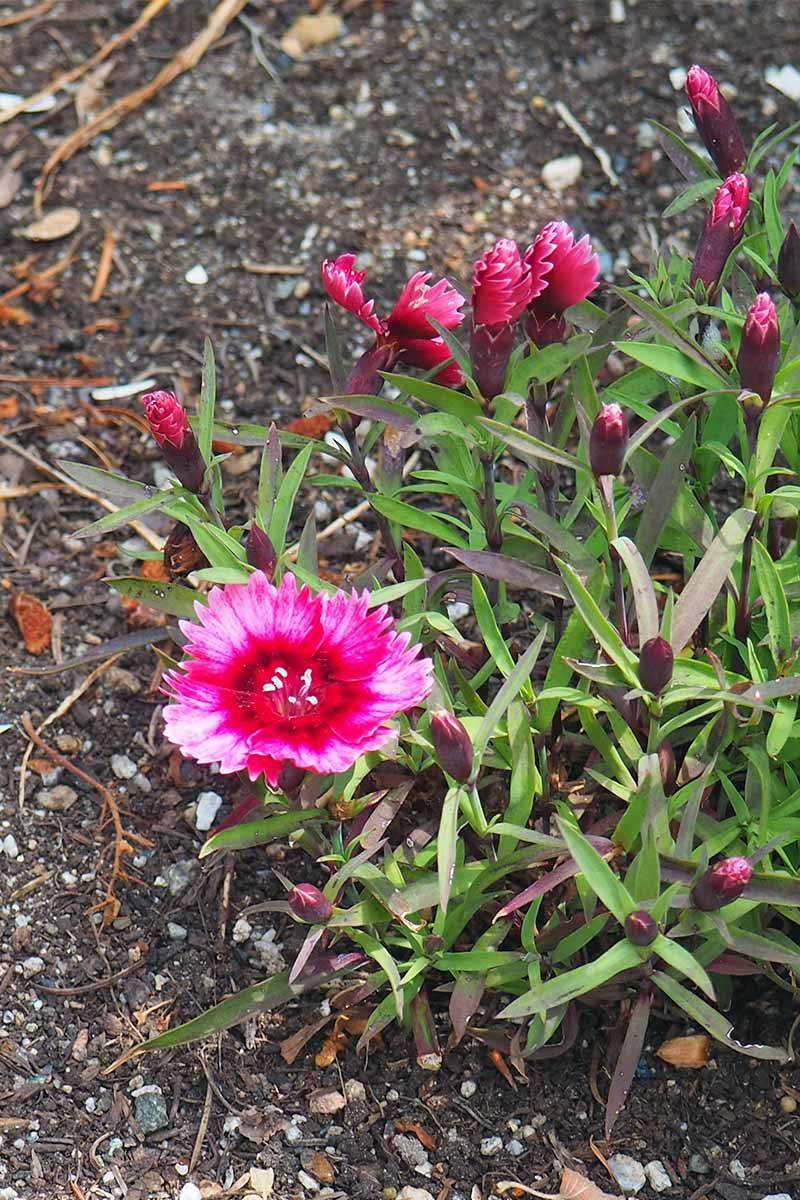
Good news for busy gardeners: dianthus does not ask for much in winter. A few minutes of attention every week or two is plenty. Those small chores add up to healthier plants and more flowers down the road.
Start with deadheading. Faded or frost-damaged flowers look messy, and they also signal the plant to slow down. Snip them off just above a set of leaves, and the plant stays tidy while being encouraged to push out new buds whenever the weather allows.
Watering comes next. Winter in North Carolina is not always wet, and long dry stretches of two or three weeks happen often. When the ground is not frozen and the soil feels dry, give plants a good drink in the morning so leaves dry before evening.
Fertilizer is where many people overdo it. Plants grow slowly in cold weather, so heavy feeding in winter mostly goes to waste or causes soft, weak growth. Skip it during the coldest months.
Once late winter arrives, usually February in much of the state, things change. New leaves start showing up, and that is your cue. Give a light feeding with a balanced fertilizer or a sprinkle of slow-release granules to fuel the upcoming spring bloom.
All of this matters because dianthus never fully stops growing in our climate. Even in January, roots stay active on mild days. A little help with water and cleanup keeps that slow growth steady, so plants are ready to shine when spring finally rolls in.
8. A Strong Spring Show Follows
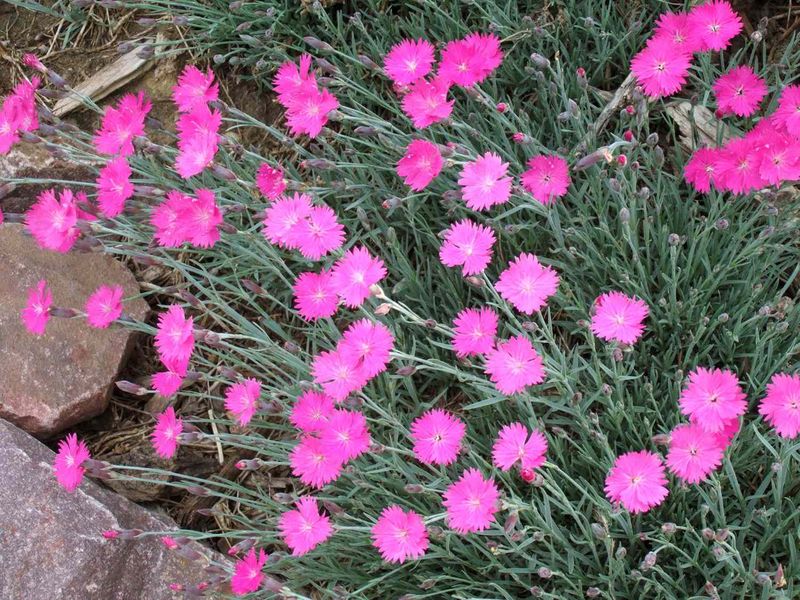
Patience pays off in April. After months of on-and-off flowers, dianthus finally throws a full-blown party, with mounds so covered in blooms you can barely see the leaves. Many gardeners say this moment makes the whole winter wait worthwhile.
There is a good reason for the big display. Plants that settled their roots in fall and made it through winter are now larger and stronger than any fresh transplant. As days grow longer and temperatures climb, they pour all that stored energy into flowers.
Many types also carry a sweet, spicy scent similar to cloves, which gave dianthus its old nickname, clove pink.
In most of North Carolina, peak bloom runs from March into May. Coastal gardens often start a little earlier, while mountain gardens may peak closer to late spring. Either way, expect several weeks of steady color.
Once summer heat and humidity build, annual types usually start to decline. Leaves may flop, and flowers fade. At that point, many gardeners pull them out and swap in heat-loving plants like vinca or lantana.
Perennial pinks follow a different plan. After their flowers fade, shear them back lightly with clean scissors, trimming off spent stems and a little foliage. That haircut keeps them compact and can encourage a few extra blooms before summer.
Spring truly is the prime season for dianthus here, before long hot summers take over. Plant in fall, care lightly through winter, and you will enjoy a colorful reward that feels like a well-earned welcome to the new season.