The Fall Planting Window Is Closing Fast In New York, Here Is What To Plant In Your Yard Now
Fall in New York feels like a slow goodbye, but the soil is still warm enough to plant. Roots keep growing after the tomatoes are gone, setting up a stronger garden next year.
The catch is simple, since frozen ground ends the chance until spring. Depending on where you live, you might have several weeks left or just a handful of weekends.
The picks below cover food, flowers, shrubs, and even a crop that protects your soil. There’s also a treat for the monarchs that visit next summer.
Some take ten minutes to plant, while others will reward you for decades. All of them are worth getting in the ground before the first real cold snap.
1. Garlic Cloves For A Summer Harvest
Picture pulling fat, papery garlic bulbs from the ground next July. Every one of those bulbs starts as a single clove tucked into cold autumn soil.
Garlic actually needs winter to do its best work. The long chill, called vernalization, tells each clove to split and form a full bulb.
Timing matters more than you might think. Aim for soil temperatures between 50 and 65 degrees, usually right after the first hard frost.
Most gardeners plant in October or early November. You want about three to six weeks of root growth before the ground locks up.
Late planting brings a bonus benefit too. Allium leafminer, an invasive pest found in New York, is easier to dodge when garlic goes in later.
Hardneck types like Music, Russian Red, and Big Boy handle harsh upstate winters well. Softneck garlic can also thrive on Long Island and in the Hudson Valley.
Pick your biggest, healthiest cloves for planting. Bigger cloves usually grow bigger bulbs, so save the tiny ones for tonight’s pasta sauce.
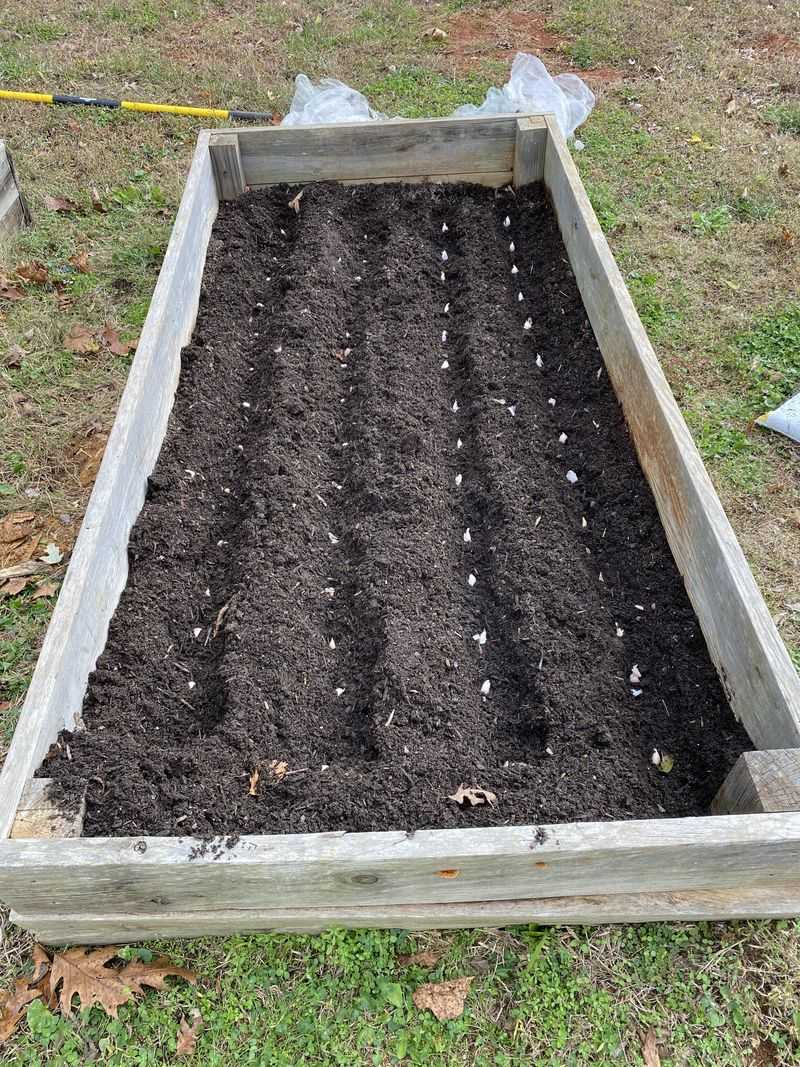
Set each clove pointy end up, about two inches deep. Space them roughly six inches apart in rows, giving each bulb room to swell.
Choose a sunny spot with soil that drains well. Mixing in compost before planting gives the roots a rich, loose place to spread.
After planting, a layer of straw helps keep soil temperatures steady. Pull it back in spring when green shoots start poking through.
Harvest usually lands between late June and early August. Wait until the lower leaves turn brown, then dig gently and let the bulbs cure.
2. Tulips, Daffodils, And Crocus Bulbs
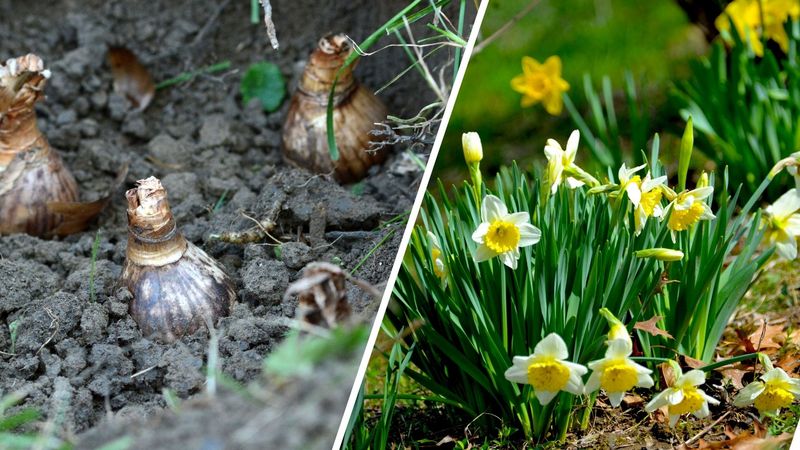
Planting bulbs feels a little like burying treasure. You drop brown, lumpy nuggets into the dirt and walk away trusting that magic happens.
Spring bulbs need a long cold nap to bloom properly. Most require 12 to 14 weeks below about 45 degrees before they wake up.
Soil temperature is your best signal to start. Tulips like soil under 60 degrees, while daffodils prefer it closer to 55.
Your region shapes the calendar. Northern New York gardeners should plant from late September to early October, while central areas aim for mid-October.
Down in the city and on Long Island, you get extra time. Bulbs can go in through mid-November, and sometimes into December if soil stays soft.
Your New York Garden Changes Every Week. Your Plan Should Too.
Gardening in New York changes quickly throughout the season. Every Friday you’ll receive a simple weekly plan showing exactly what to plant, prune, fertilize, harvest, and protect so you never miss the right timing.
Depth makes a real difference. Tuck tulips and daffodils about six to eight inches deep, and set tiny crocus bulbs just two or three inches down.
Point the tips upward when you can. Bulbs usually right themselves, but a good start saves them some wasted energy.
Water well after planting to settle the soil around each bulb. Once the ground freezes hard, add mulch to keep temperatures steady.
Deer can be a headache with tulips. Daffodils, though, taste awful to them, so they make a smart choice near woods.
For a natural look, toss a handful of crocus bulbs and plant them where they land. Crocuses often bloom first, sometimes poking through late snow.
Planting in groups of ten or more creates a bigger splash. A lonely tulip looks sad, but a cluster looks like a celebration.
3. Alliums That Deer Usually Leave Alone
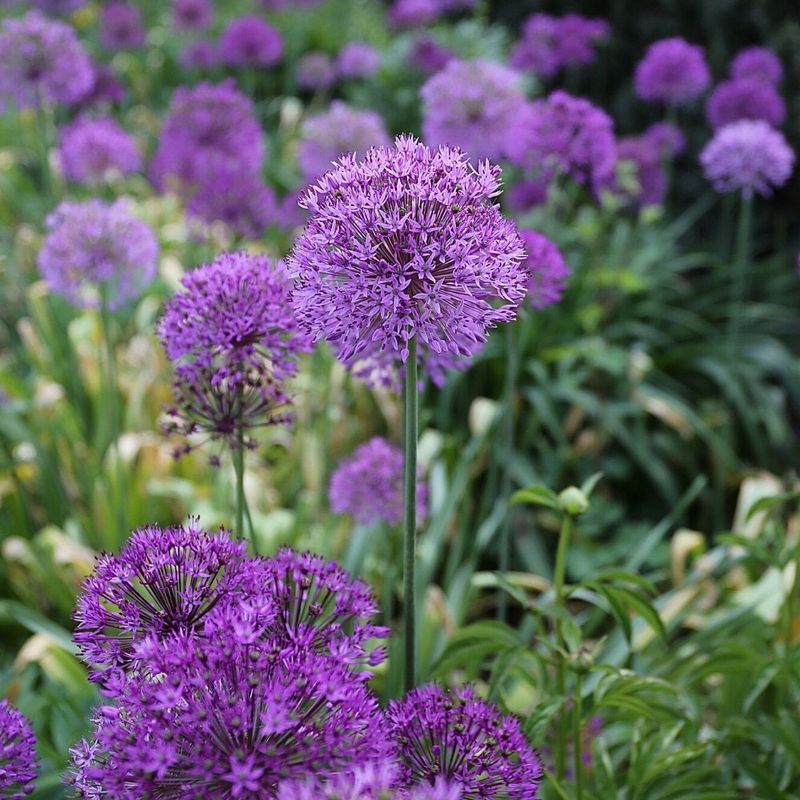
Deer will happily munch your hostas, your tulips, and possibly your patience. Alliums, however, tend to get a hard pass.
Ornamental onions carry sulfur compounds that deer find unpleasant. Rutgers University rates alliums as rarely damaged, which is great news for suburban gardeners.
Rabbits and rodents often skip them too. You get flowers without building fences or spraying smelly repellents every week.
Honestly, alliums look like something from a cartoon. Big purple globes float on tall stems, bobbing above the rest of your garden.
Their bloom time helps fill a tricky gap. Many varieties flower in late spring, after tulips fade and before summer perennials take over.
Bees and butterflies love them. Plant a few near your vegetable garden to invite helpful pollinators closer to your crops.
Popular picks include Gladiator, Drumstick, Blue Allium, and Millenium. Millenium blooms later in summer, stretching the show well past spring.
Plant them on the same schedule as other spring bulbs. In New York, that means late September through late November, before the ground freezes.
Depth depends on bulb size. Big bulbs go six to eight inches down, while smaller ones sit around four inches deep.
Give them full sun and rich soil that drains well. Soggy ground can rot bulbs over winter, so skip low, wet spots.
Here is a fun trick for later. Leave the dried seed heads standing, because they look like sculptures and add winter interest.
Tall types can look bare at the base as leaves fade. Tuck lower perennials in front to hide those floppy foliage stages.
4. Serviceberry And Winterberry While The Soil Stays Warm
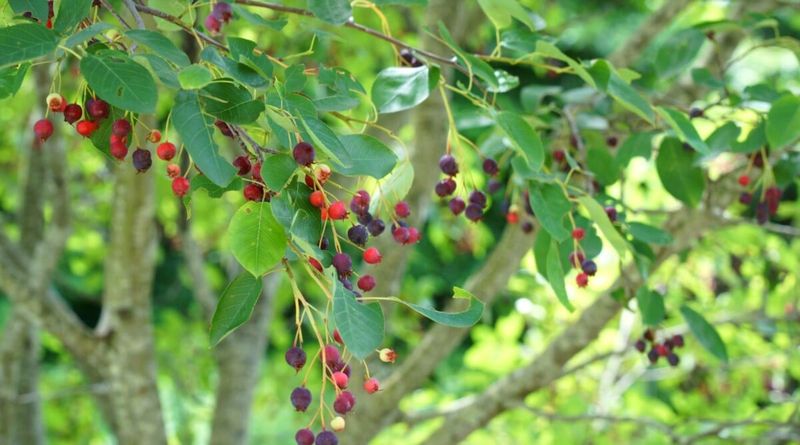
Shrubs planted in fall get a head start that spring plantings can only envy. Cool air eases stress while warm soil keeps roots stretching.
Autumn rain helps too. Regular showers mean less watering for you and steady moisture for new roots settling into place.
Serviceberry is a native plant that earns its keep all year. White blossoms appear in spring, sweet berries follow in summer, and leaves blaze orange in fall.
Those berries taste a bit like blueberries with a hint of almond. Birds often race you for them, so pick early.
You can grow serviceberry as a multi-stem shrub or a small tree. Full sun to partial shade works, along with soil that drains well.
Winterberry is a different kind of star. A deciduous holly native to the East, it drops its leaves and reveals bright red berries.
Those berries hang on from October into February. Against snow, they look like holiday lights that nobody had to plug in.
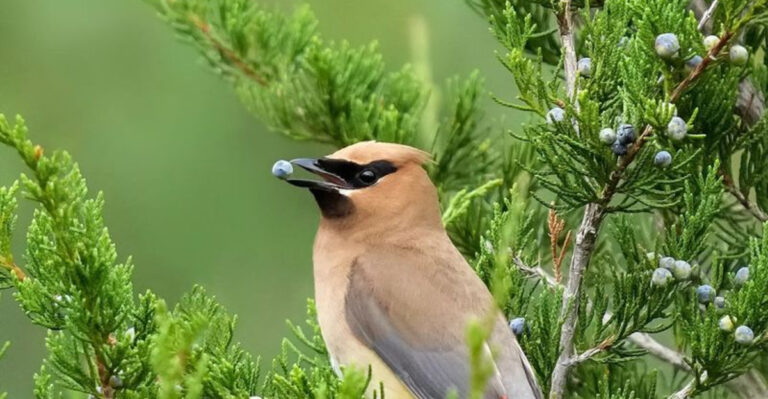
Hungry birds depend on them during lean winter months. Robins, bluebirds, and cedar waxwings often stop by for a snack.
One detail trips up many beginners. Winterberry needs both male and female plants, with matching bloom times, to produce berries.
Ask your nursery for a compatible male pollinator. One male can usually serve several females planted nearby.
Winterberry prefers moist, acidic soil and at least six hours of sun. It even handles damp spots where other shrubs struggle.
Water new shrubs deeply until the ground freezes. A ring of mulch keeps roots cozy through their first winter.
5. Peony Roots For Years Of Late Spring Blooms
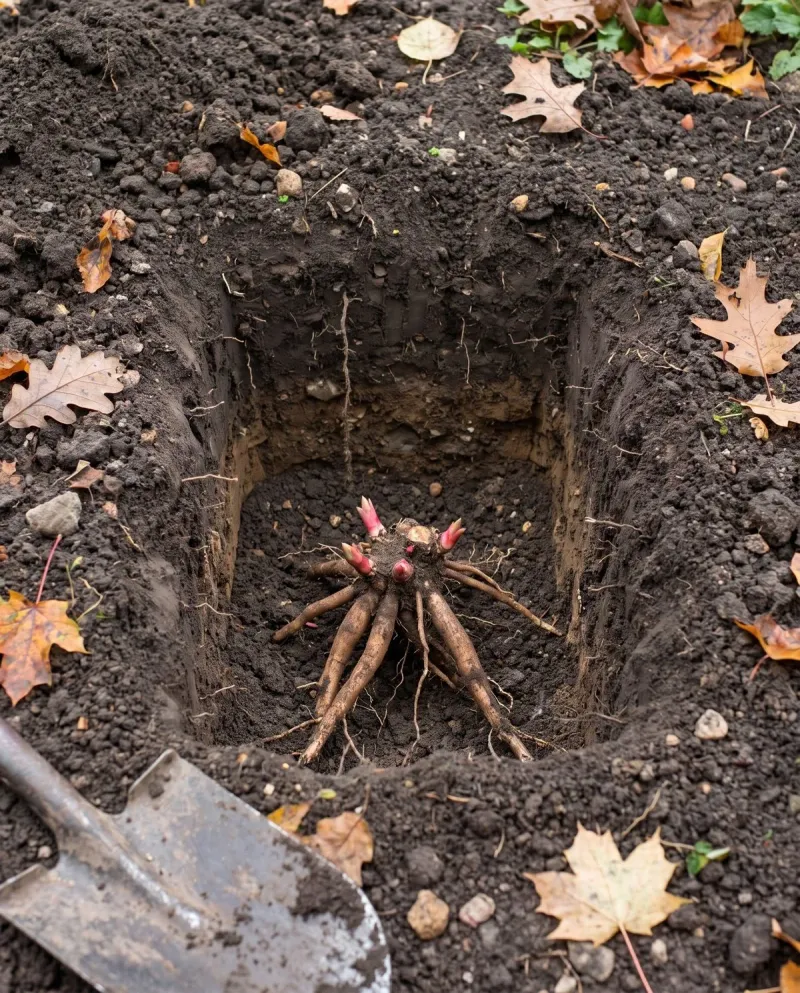
Grandma’s peonies might still be blooming by the same porch decades later. Few flowers stick around as faithfully as these fluffy beauties.
Fall is the best time to plant bare-root herbaceous peonies. Cooling temperatures trigger root growth, letting the plant settle in before winter.
Most gardeners should plant from late September through October. Milder areas can often stretch into early November.
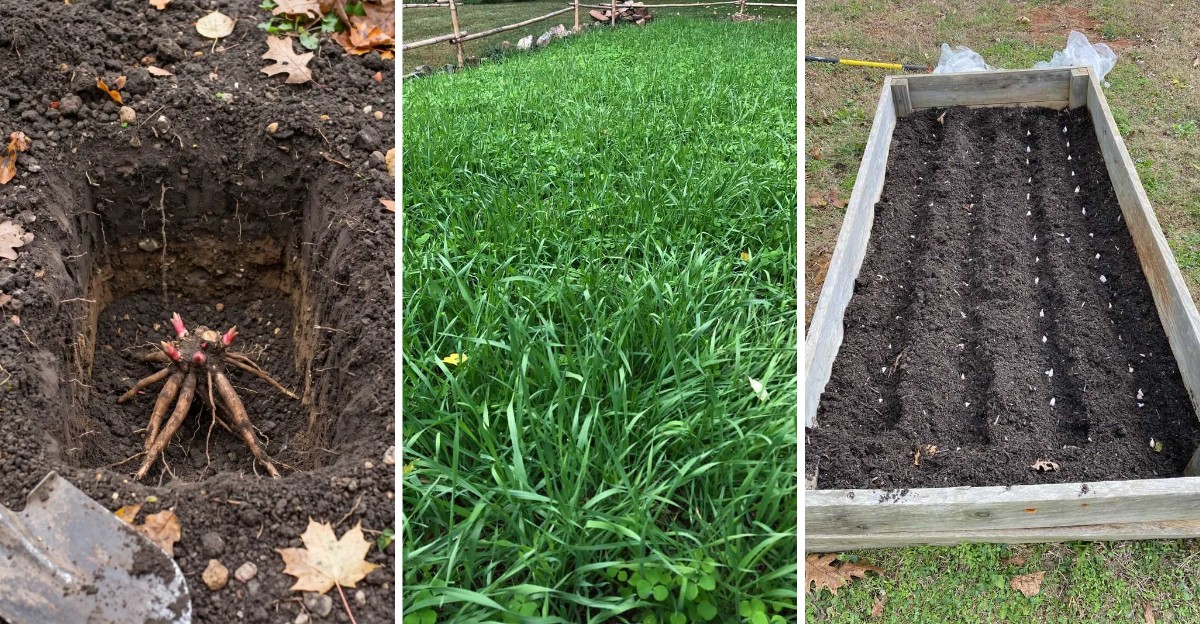
A bare root looks pretty unimpressive at first. You will see chunky brown roots with small pink or red buds called eyes.
Those eyes are the key to success. Set them facing up, only one to two inches below the soil surface.
Planting too deep is the most common mistake. Buried peonies often grow leaves happily but refuse to produce flowers.
Choose a sunny spot for the best show. Peonies can handle half a day of sun, though blooms may be fewer.
Soil should drain well so roots do not sit wet. Work in some compost, but skip heavy fertilizer at planting time.
Patience pays off here. Most peonies take two to three years before they bloom with real abundance.
Think of it as an investment rather than a quick thrill. Once established, a healthy peony can flower for fifty years or more.
Fun fact: ants love crawling on peony buds. They snack on sweet nectar and cause no harm, so let them be.
Pick a permanent home carefully. Peonies dislike being moved, so give them space and let them settle for good.
6. Winter Rye As A Soil-Saving Cover Crop
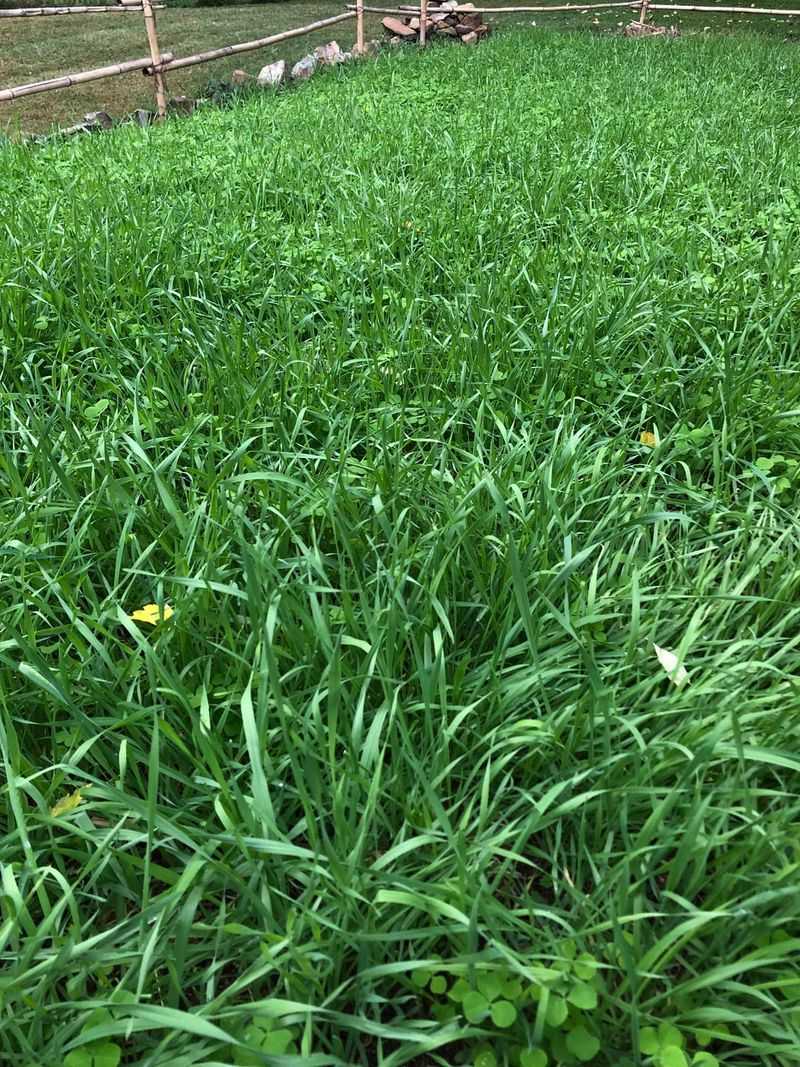
Bare garden soil in winter is like leaving your front door wide open. Wind, rain, and melting snow can carry your best dirt away.
Winter rye, also called cereal rye, acts like a living blanket. This hardy grain grows quickly and holds soil firmly in place.
Its deep roots do plenty of quiet work. They break up compacted ground and improve soil structure over the cold months.
Weeds also have a harder time. Thick rye crowds out cool-season weeds that love to sneak into empty beds.
Timing is fairly forgiving. Sow between mid-September and about October 10, though some areas can push toward mid-October.
Aim for roughly six to eight weeks before a hard frost. Rye keeps growing in chilly weather when many plants give up.
Planting is simple enough for kids to help. Rake the bed, scatter seed by hand, then rake lightly to cover it.
Come spring, the rye turns into free fertilizer. Cut it down before it forms seed heads, then mix it into the soil.
Farmers call it green manure. As it breaks down, it adds organic matter and nutrients for your summer vegetables.
Wait two to three weeks before planting crops. Fresh rye residue can slow seed sprouting, so give it time to decompose.
For small gardens, a string trimmer or sharp spade works fine. Larger patches may need a mower set low.
A small bag of seed covers a surprising amount of ground. For just a few dollars, your soil gets serious protection.
7. Spinach Seeds To Overwinter For Early Spring
Fresh salad in March sounds like a dream in a cold state. Overwintered spinach makes that dream surprisingly easy to reach.
Spinach loves cool weather and shrugs off frost. Young plants can rest through winter and then burst back to life in early spring.
Timing takes a little planning. Seeds should go in about six to eight weeks before your average first fall frost.
In much of the state, that means sowing from mid-August into September. If you missed it, a cold frame can still help late seedlings.
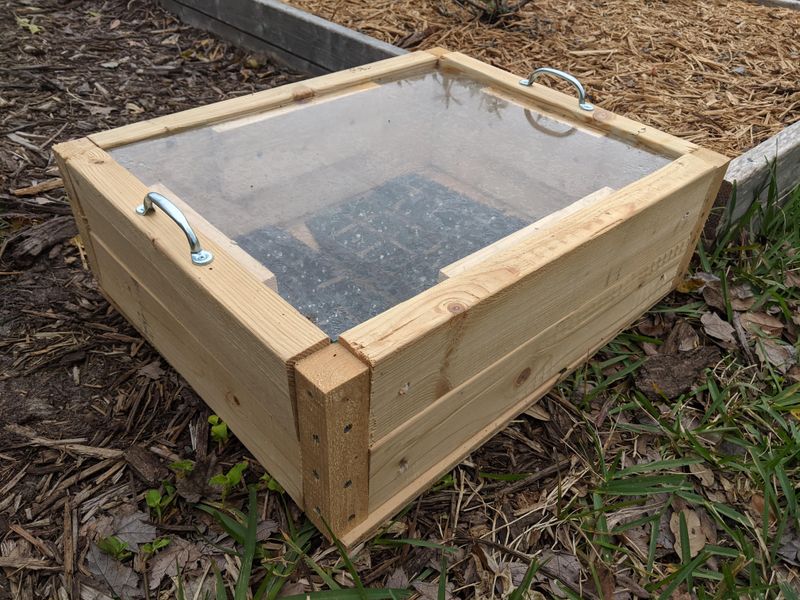
Protection is the secret sauce. A lightweight row cover, cold frame, or small hoop house shields plants from bitter wind.
Covers also reduce frost heaving. Freezing and thawing can push tiny roots out of the ground, leaving them exposed.
Expect your harvest to move in waves. You may pick some leaves in fall, then growth slows way down during winter.
Once days lengthen, things speed up fast. Overwintered plants often grow thicker, sweeter leaves than spring-sown spinach.
Cold weather actually boosts flavor. Spinach stores sugars to protect itself, which makes the leaves taste noticeably sweeter.
Pick outer leaves first and let the center keep growing. One plant can feed you many times this way.
Harvest continues until warm weather arrives in mid to late spring. At that point, plants bolt and send up flower stalks.
Varieties labeled cold-hardy work best. Look for names like Bloomsdale or Winter Giant when shopping for seed.
8. Pansies And Violas For Color Into Winter
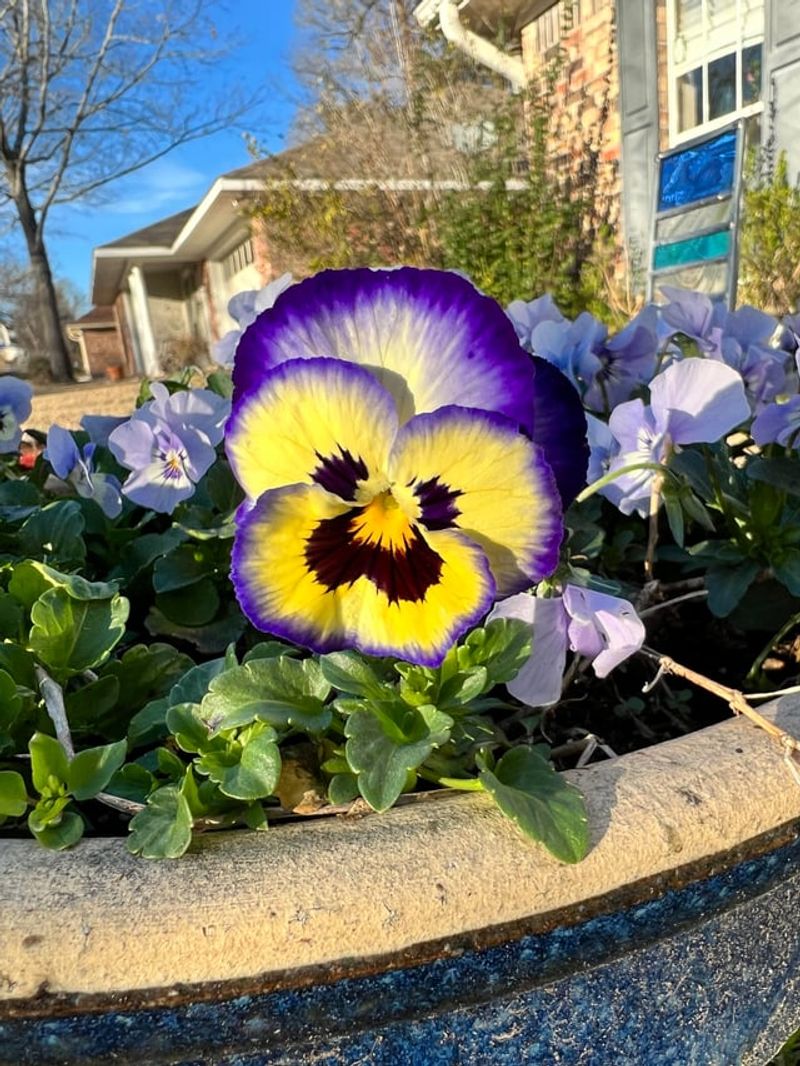
Those cheerful little faces are tougher than they look. Pansies and violas can smile through frost that sends other flowers packing.
Plant them in September or October for the best results. Early planting lets roots grow strong before winter settles in.
Established plants often ride out hard freezes, especially under snow or mulch. That kind of toughness is rare in such a delicate-looking flower.
Cornell University tested this in Ithaca, New York. A three-inch layer of straw, added in late November, helped plants survive winter wind and soil heaving.
Researchers removed the straw in March. Many plants then bounced back with fresh blooms for an early spring show.
Violas usually have smaller flowers than pansies. They often bloom more heavily, though, and handle cold snaps slightly better.
Give them full to partial sun for plenty of color. Keep soil moist but well drained, even during cooler months.
A slow-release fertilizer at planting keeps them fed. They will reward you with steady flowers without constant attention.
Containers need a bit more care. Pots freeze and thaw faster, so group them near the house or wrap them.
Deer may find these flowers tasty. If deer visit your yard, plant them near the porch or protect them with netting.
Here is a sweet bonus: viola flowers are edible. They make pretty garnishes for salads, cupcakes, and holiday treats.
Pinch off faded blooms whenever you walk by. Trimming encourages more flowers and keeps plants looking tidy.
9. Milkweed Seeds That Feed Monarchs Next Summer
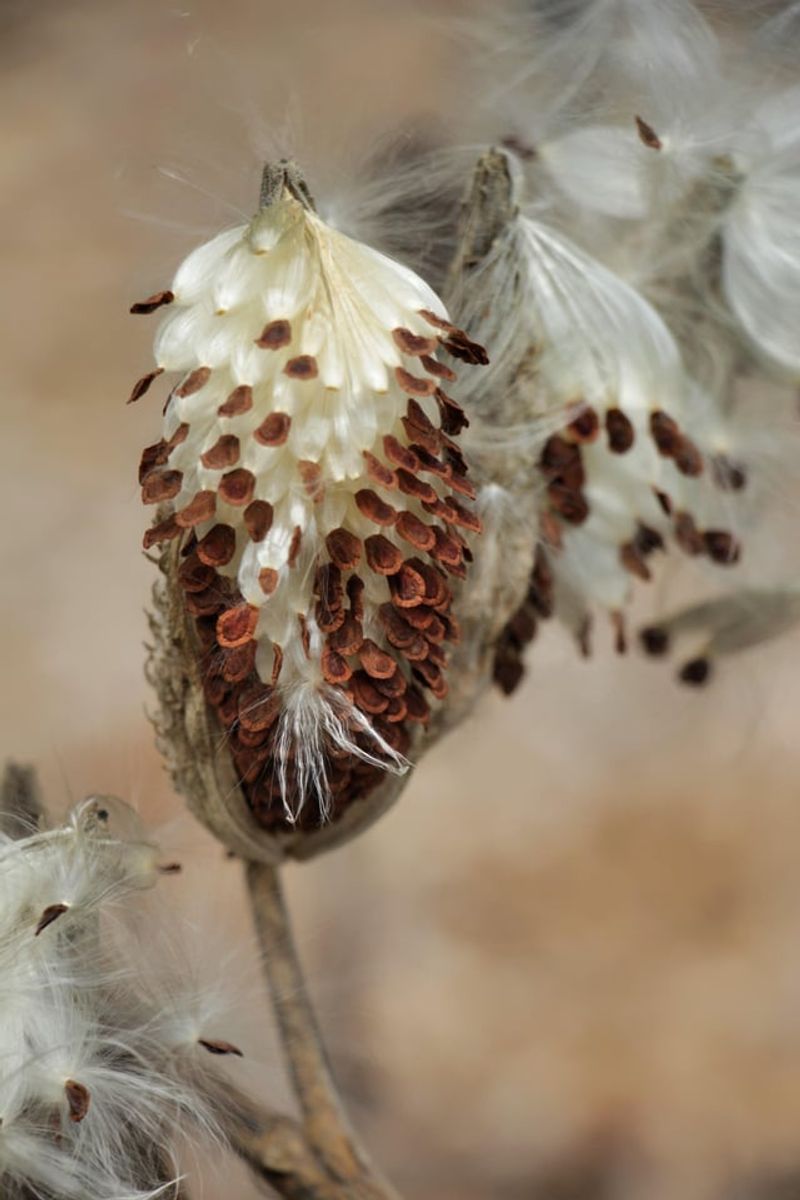
A monarch caterpillar can only eat one thing. Without milkweed, these famous orange butterflies simply cannot raise a new generation.
Milkweed is the only host plant for monarch caterpillars. Its flowers also feed adult monarchs, bees, and many other pollinators.
Fall sowing is nature’s shortcut. Winter provides cold stratification, the cold and moist period seeds need before they sprout.
Planting outdoors saves you from fussing with seeds in the fridge. Snow and freezing temperatures handle the whole job for free.
Wait until after a hard frost ends the growing season. In New York, that usually means late September or October until the ground freezes.
Choose native types for the best results. Common Milkweed, Butterfly Weed, and Swamp Milkweed all grow well here.
Butterfly Weed has bright orange flowers and handles dry soil. Swamp Milkweed prefers damp spots, like near a rain garden.
Common Milkweed spreads by underground roots. Give it room, or plant it where a little wandering will not bother you.
Pick a sunny site with six to eight hours of light. Clear weeds and loosen the soil before scattering the seeds.
Press seeds lightly onto the surface or cover them thinly. Mark the area so you remember not to weed out seedlings in spring.
Be patient with young plants. Milkweed may take a year or two before it flowers well.
Watching the first caterpillar appear feels like winning a prize. Your small patch becomes part of an amazing migration story.