The One Thing North Carolina Pomegranate Trees Need Before First Freeze To Keep Their Wood Strong
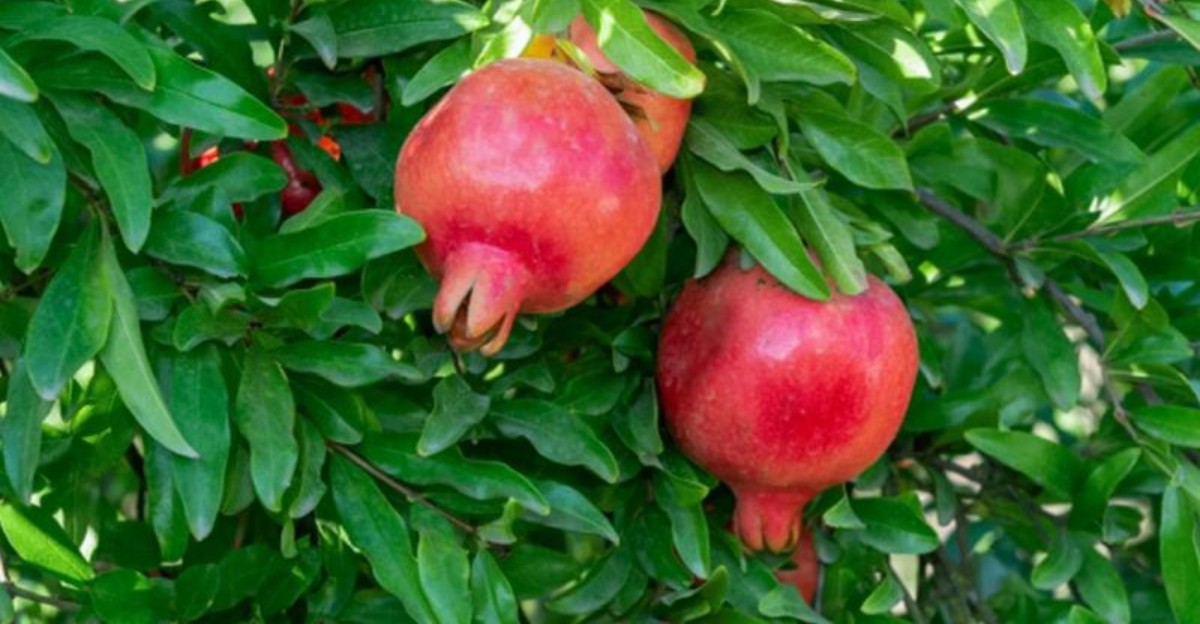
Pomegranate trees occupy a strange middle ground in North Carolina, growing enthusiastically through hot summers while remaining far more vulnerable to cold than most people assume based on their tough, leathery leaves.
Despite that rugged appearance, pomegranate wood can suffer serious branch loss when exposed to an unprotected hard freeze, sometimes losing branches that took years to develop their fruit-bearing structure.
One specific step taken before that first freeze arrives can make the difference between a tree that sails through winter intact and one that spends the following spring recovering from significant damage.
Because most pomegranates come from regions with long, hot summers and milder winters, many varieties lack the deep cold hardiness of fruit trees that evolved in colder climates.
Getting this step right now protects years of patient growth from being undone by a single unprotected cold night.
1. Time To Harden Off Before The Cold Arrives
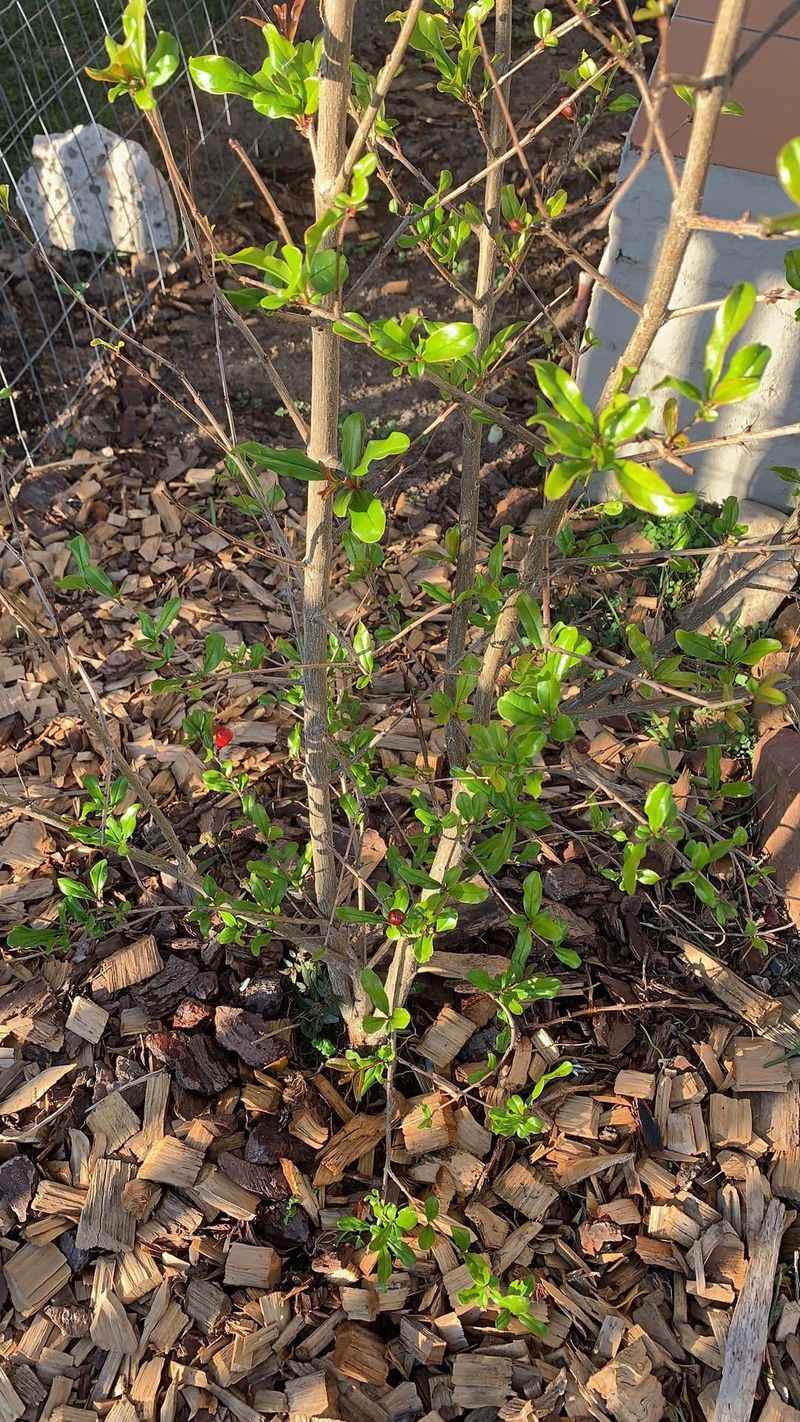
Every fall, pomegranate trees run a quiet race against the calendar. Their goal is simple: turn soft summer shoots into tough, mature wood before the first freeze shows up. That process is called hardening off, and it is the one thing your tree needs most.
Soft, green shoots are packed with water. When temperatures drop below freezing, that water can turn to ice inside the stems and tear the tissue apart. Hardened wood holds less water and has thicker, tougher cell walls, so it handles cold far better.
Trees that head into winter with mature wood usually suffer much less tip damage, which means fewer brown, brittle tips come spring.
Luckily, the tree knows how to do this on its own. As days get shorter and nights get cooler, a pomegranate slows its growth and starts storing energy. Your job is mostly to stay out of the way.
Avoid anything that pushes fresh growth in late summer and fall, such as feeding, heavy pruning, or constant watering.
Think of it like letting bread cool before slicing it. Rushing the process only makes a mess. Give the tree a calm, steady fall, and it will build the strong stems it needs.
North Carolina gardeners have extra reason to pay attention. In much of the state, pomegranates grow near the edge of their cold tolerance. An early freeze in late October or November can catch a tree still growing, and that tender wood takes the hit.
A tree that finished hardening off in time has a much better shot at coming through winter in great shape.
2. Stop Fertilizing By Midsummer
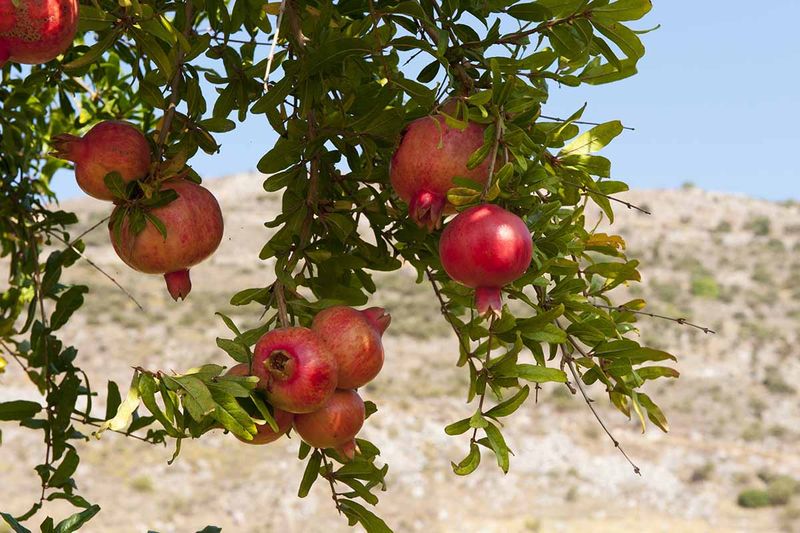
Fertilizer feels like a gift to your tree, but timing turns that gift into a problem. Nitrogen, the main ingredient in most plant foods, tells a pomegranate to grow fast and leafy. That is great in spring and a real trouble maker in fall.
When a tree gets fed late in the season, it responds by pushing out tender new shoots. Those shoots simply do not have enough weeks to mature before cold weather arrives.
The result is a tree covered in soft growth right when the first freeze sweeps through, and that growth often turns black or brown by winter’s end.
Your North Carolina Garden Changes Every Week. Your Plan Should Too.
Gardening in North Carolina changes quickly throughout the season. Every Friday you’ll receive a simple weekly plan showing exactly what to plant, prune, fertilize, harvest, and protect so you never miss the right timing.
A better plan is easy to follow. Feed lightly in early spring as buds begin to swell and leaves appear. If your tree needs a second boost, give it by early summer. After midsummer, put the fertilizer bag away for the year.
Watch out for sneaky sources of nitrogen, too. Lawn fertilizer spread in late summer or fall can reach the roots of nearby pomegranates, since roots often stretch well past the branches.
Keep a buffer zone around the tree or pick a lawn product and schedule that will not spill into its root area.
Pomegranates are not heavy feeders anyway. Too much food often leads to lots of leaves and fewer flowers. In North Carolina, the long, warm growing season can keep a well-fed tree growing deep into October.
Cutting off fertilizer early gives your tree the signal to slow down, rest, and build strong wood before the cold arrives.
3. Skip Pruning In Late Summer And Fall
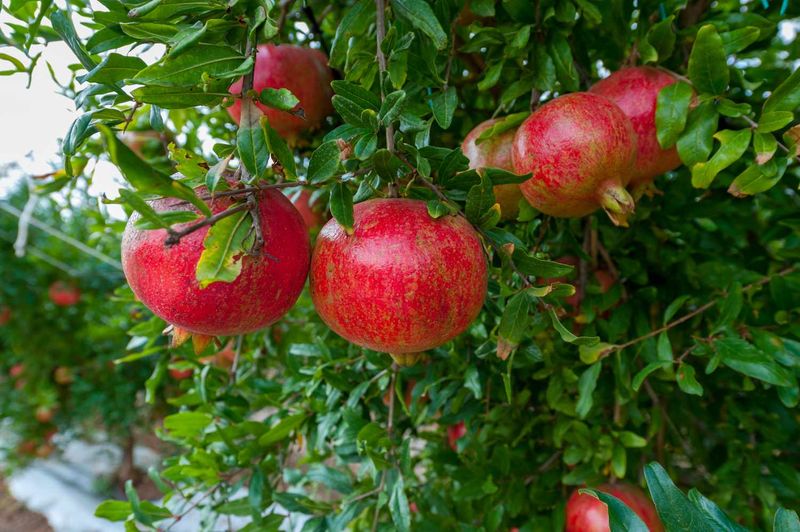
Grabbing the pruners on a nice September afternoon might feel productive. For a pomegranate, though, that trim sends a confusing message. Cutting branches tells the tree to wake up buds and grow new shoots.
That fresh growth is soft and full of water, just like any young shoot. With only a few weeks before cold weather, it has no chance to toughen up.
When the first freeze arrives, those new stems are usually the first to suffer, and damage can creep further down the branch.
So when should you prune? Late winter is the sweet spot, after the worst cold has passed but before new growth begins. In most of North Carolina, that means late February or early March.
The tree is resting, cuts heal quickly once spring starts, and you can shape it without triggering growth at the wrong time.
During the growing season, keep cutting to a minimum. Removing a broken branch after a storm is fine, and so is snipping out a clearly damaged limb. Save bigger shaping jobs for later.
If winter does leave some branch tips brown, resist the urge to cut right away. Wait until spring when buds begin to swell and leaves pop out. Then you can see exactly where healthy growth starts and trim just above it.
This patience pays off nicely in North Carolina. Late winter pruning lets you see which branches came through the cold strong, so you only remove what truly needs to go and keep every healthy stem for fruiting.
4. Ease Off Extra Water Without Letting It Go Dry
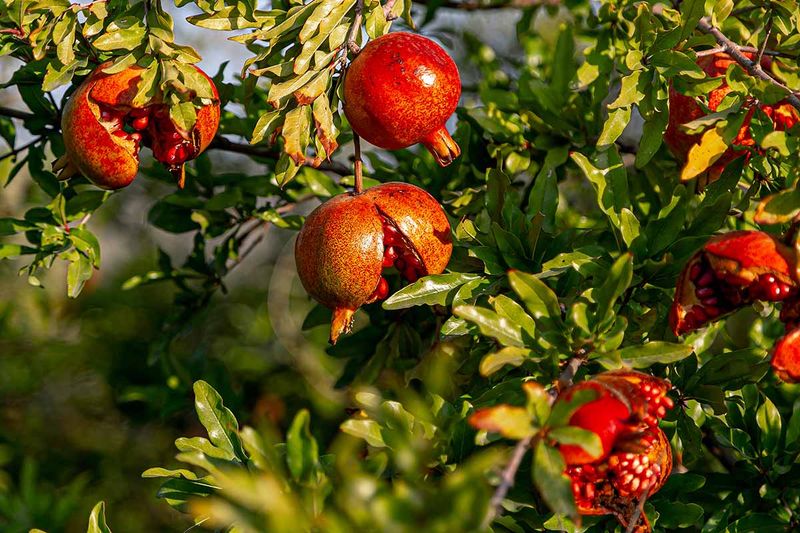
Water is a balancing act for pomegranates in fall. Too much keeps them growing, and too little leaves them stressed. The goal lands right in the middle.
Heavy, frequent watering tells a tree that conditions are perfect for new shoots. That can delay hardening off when you want the tree slowing down.
On the flip side, a tree stuck in dry soil for weeks becomes weak and stressed, which also makes cold damage more likely. Moderate moisture helps the tree ease into rest while keeping its tissues healthy.
Start by cutting back on extra watering as fall arrives. Established pomegranates are fairly drought tolerant, so they rarely need a regular schedule once the weather cools. Check the soil with your finger a few inches down.
If it feels dry during a long stretch without rain, give the tree a deep, slow soaking rather than a quick sprinkle.
One more trick helps a lot. Before a hard freeze, look at the soil. If it is dry, water established trees deeply a day or two ahead.
Moist soil holds heat better than dry soil, and well-watered roots handle cold with less trouble.
North Carolina keeps gardeners guessing in autumn. Some years bring weeks of dry, sunny weather, while others dump heavy rain from tropical storms and hurricanes. Stay flexible.
After a soaking storm, skip watering entirely and make sure water drains away from the roots. During a dry spell, step in with a deep drink. Reading the weather keeps your tree on track.
5. Watch For Signs The Wood Has Hardened
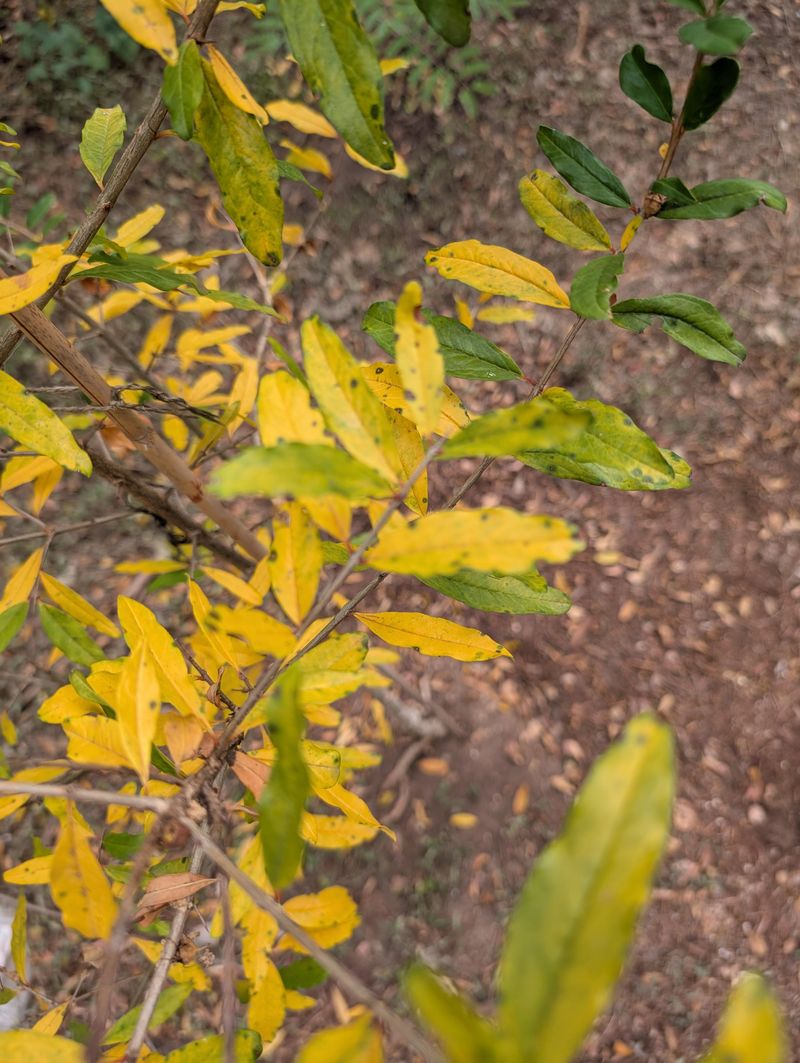
Your pomegranate cannot tell you it is ready for winter, but it drops plenty of clues. Learning to read them turns you into a smarter gardener. A quick walk around the tree each week in fall is all it takes.
Stem color is the biggest giveaway. Young shoots start out green and bendy. As they mature, they turn tan, brown, or gray and feel firm and woody when you touch them.
If you gently bend a twig and it feels stiff rather than rubbery, that is a good sign. Next, check the branch tips. During summer, they keep stretching out with fresh leaves. As fall moves along, that growth should slow and finally stop.
Tips that look settled, without bright new leaves unfolding, show the tree has shifted into rest mode.
Leaves offer the last signal. Pomegranates are deciduous, so their leaves turn a lovely buttery yellow and drop in fall. A tree shedding its leaves on schedule is getting ready for the cold.
Why bother watching so closely? These signs tell you whether your fall care is working. If you spot lots of green, flexible shoots in late October, the tree may still be growing, and it could use some extra help.
Double check that no fertilizer or heavy watering is pushing it along. In North Carolina, trees still pushing green shoots when the first freeze hits are the ones most likely to show freeze damage.
Catching the warning signs early lets you plan protection before a surprise cold night arrives.
6. Give Young Trees Extra Protection
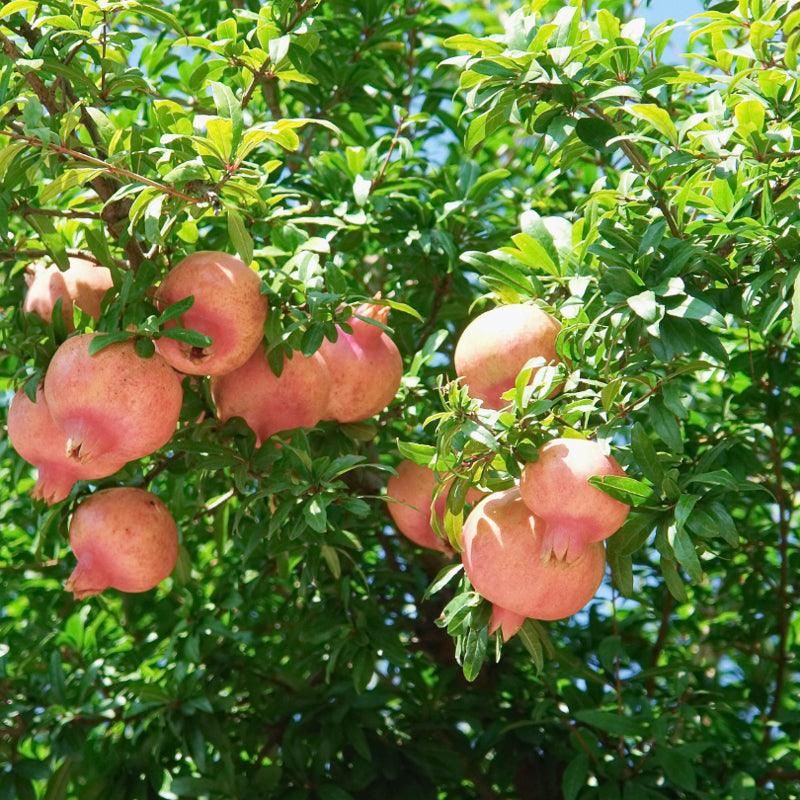
Baby pomegranates are tougher than they look, yet they still need a little babysitting in winter. Trees in their first two to three years have smaller root systems and a much higher share of young wood. A hard freeze can damage them all the way to the ground.
Mulch is your first line of defense. In late fall, spread 3 to 4 inches of shredded bark or pine straw over the root zone. That blanket keeps soil temperatures steadier and protects the roots and lower stems.
Leave a few inches of open space around the trunks, though, because mulch piled against bark holds moisture and invites rot and pests.
When the forecast calls for severe cold, such as temperatures dropping into the teens, grab some frost cloth. Wrap small trees loosely, letting the fabric reach the ground so it traps warmth rising from the soil.
Remove it once the cold snap passes so the tree does not overheat on sunny days. Avoid plastic, since it can actually make freeze damage worse.
Here is some good news to hold onto. Pomegranates are champions at bouncing back. Even if the top gets hurt, the roots often send up fresh shoots from the base in spring.
Many gardeners have watched a tree that looked finished return with a whole new set of stems.
North Carolina can surprise everyone with deep cold snaps every few years. Even in areas where established pomegranates thrive, young trees can take a beating. A little extra care during those early years helps them grow into sturdy, fruitful plants.
7. Choose Cold Hardy Varieties
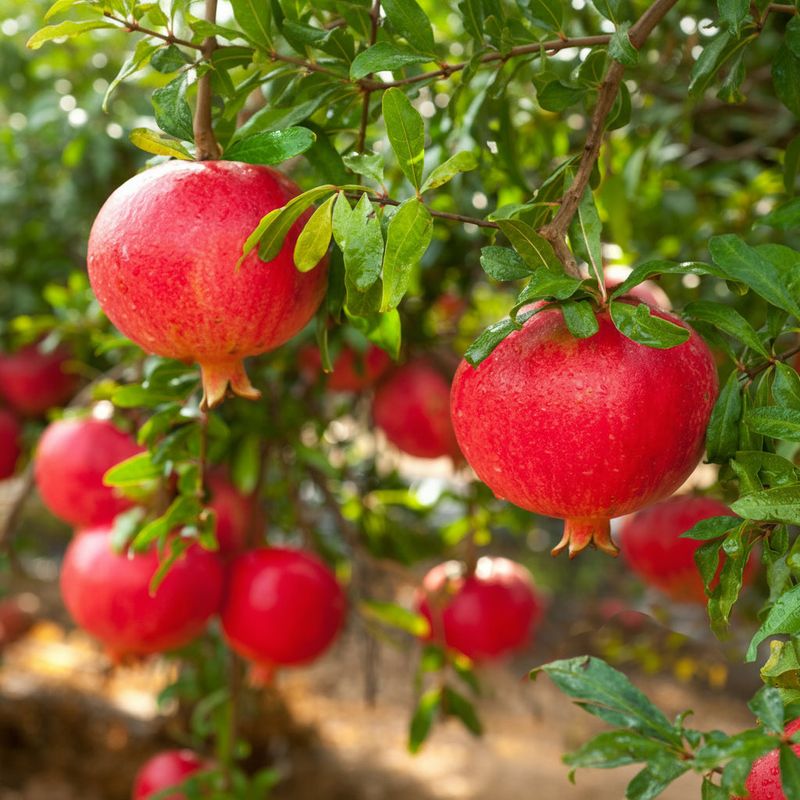
Not all pomegranates are built the same. Some shrug off cold snaps, while others sulk after the first chilly night. Picking the right variety may be the easiest way to protect your tree’s wood for years to come.
Cold hardy types handle low temperatures with far less trouble. Even when an early freeze arrives before they fully harden off, they are less likely to suffer serious freeze damage. That means more branches survive to flower and fruit the next summer.
Salavatski is one of the best known hardy choices. You might also see it sold as Russian 26, and it came from cold regions of Central Asia where winters get rough.
Other varieties with good reputations for cold tolerance include Kazake and Afghan, though availability varies from year to year. Many nurseries carry them online.
The famous Wonderful variety is the pomegranate most people see in grocery stores. It produces big, beautiful fruit, but it is less cold tolerant than many hardy types.
In warmer corners of the state it can do fine, but relying only on Wonderful in colder areas often leads to repeated winter damage.
When shopping, look for nurseries that list hardiness details, such as the lowest temperature a variety can handle. Reviews from gardeners in similar climates can help too. In North Carolina, this choice matters a lot.
The right variety can mean the difference between steady harvests of tangy, ruby seeds and a tree that spends every spring recovering from the cold. Choosing well from the start saves time, money, and plenty of frustration.
8. Where Pomegranates Grow Best In North Carolina
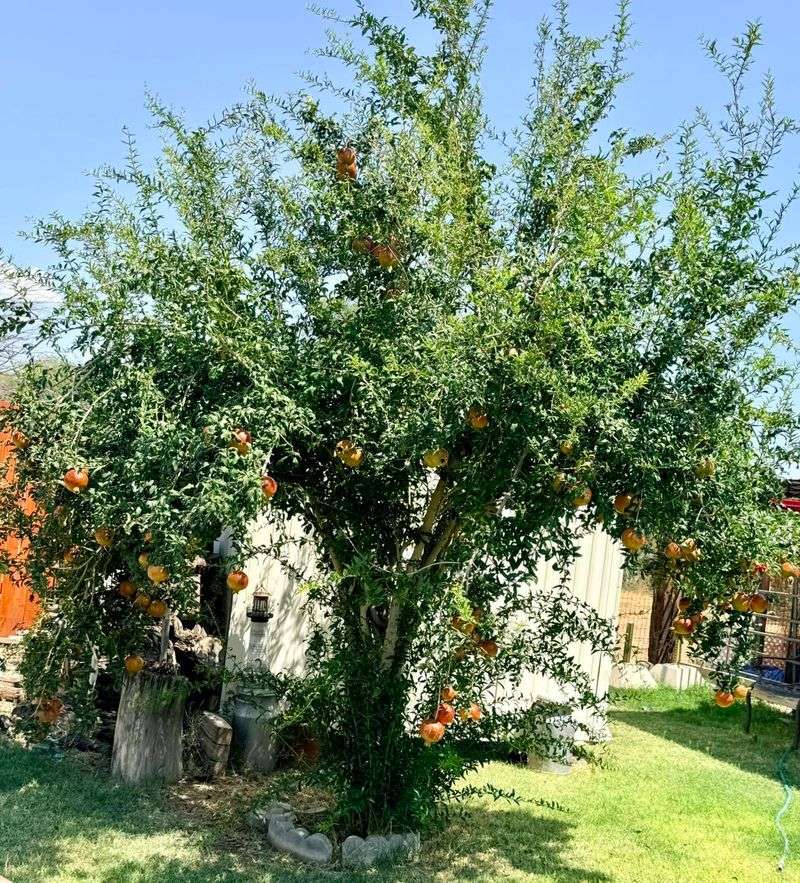
North Carolina stretches from sandy beaches to tall mountain peaks, and pomegranates notice every mile.
These trees love long, hot summers and mild winters. How cold your winters get plays a huge role in how strong their wood stays and how much fruit they produce.
The Coastal Plain is pomegranate paradise in this state. Warm temperatures, long seasons, and milder winters give trees plenty of time to finish growing and harden off before cold weather. Many gardeners near the coast grow them with little fuss.
Moving inland, the Piedmont is still a good bet with a little planning. Choose cold hardy varieties and plant in a sheltered, sunny spot. A south-facing wall is a favorite trick.
The wall soaks up sunshine all day and releases warmth at night, blocks cold winds, and creates a cozy pocket where the tree stays a few degrees warmer.
The Mountains are a different story. Harsh winters, shorter summers, and frequent hard freezes make pomegranates an unreliable choice there.
A determined gardener might try one in a pot that moves into a garage for winter, but outdoor trees usually struggle.
Site choice ties right back to strong wood. A warm, protected spot gives the tree extra weeks to toughen its stems before winter and less exposure to damaging blasts of cold. Avoid low areas where frosty air settles on still nights.
Pick a smart location, pair it with good fall habits, and your pomegranate will reward you with glowing blossoms and sweet, tart fruit for many seasons.