Do This For Florida Gardenias In October, Or Next Spring’s Blooms Suffer
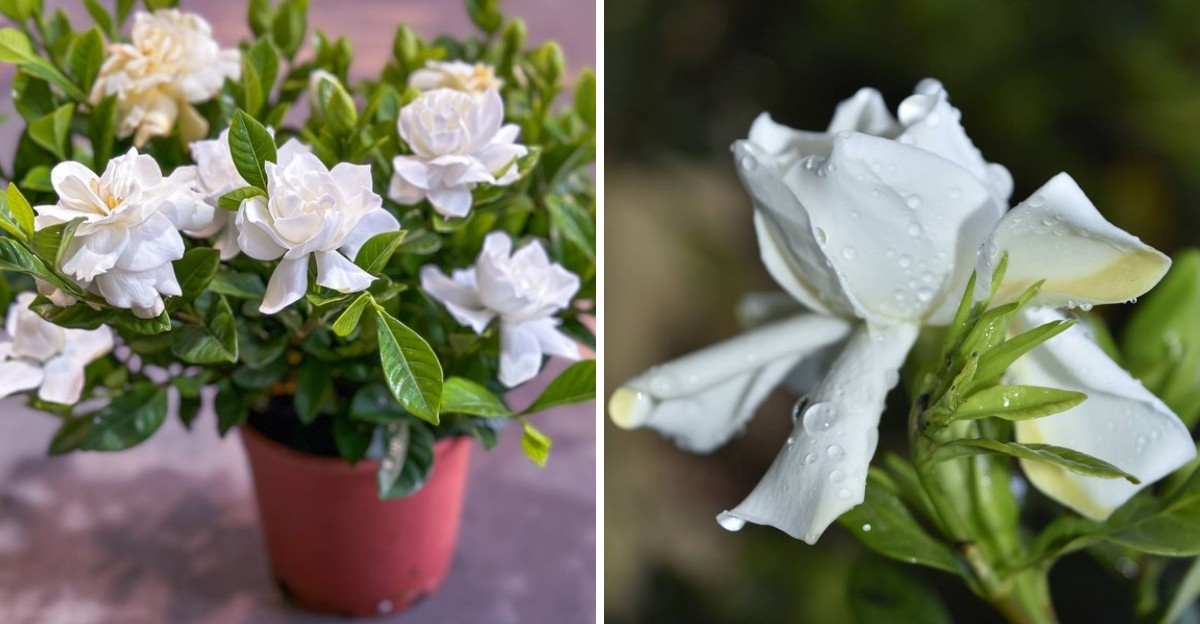
There is something almost unfair about how good a Florida gardenia smells on a warm October evening. That sweet, creamy scent drifting across the porch is the kind of thing that makes you stop mid-conversation and just breathe for a second.
Now imagine that same spot next April with glossy leaves, zero flowers, and a lot of quiet disappointment.
That scenario plays out in Florida yards every spring, and the surprising part is that it almost always traces back to a handful of small decisions made the previous fall.
October in the Sunshine State still feels like summer wearing a slightly looser shirt, which is exactly why so many gardeners ease off too soon.
This month is quietly running the planning meeting for next year’s entire flower show, and showing up with your gloves on makes all the difference.
1. Put Down The Pruners This October
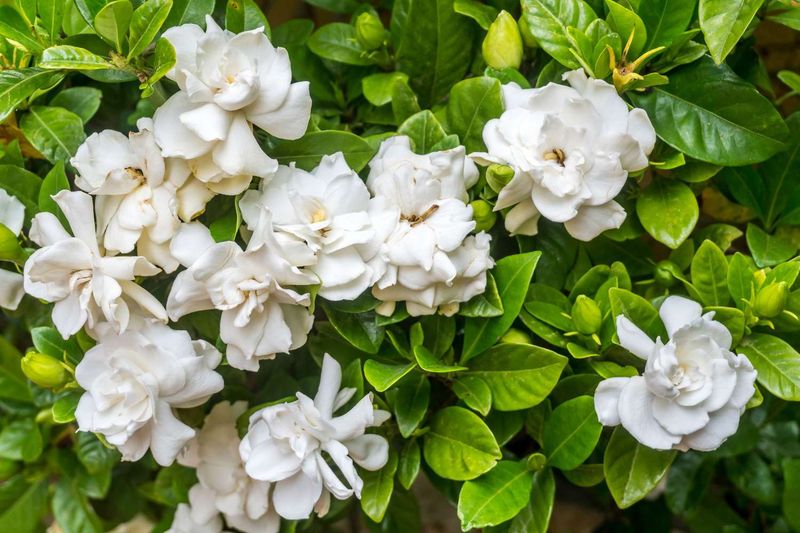
Picture this: you snip a messy gardenia in October, feel proud, then wonder in April why the shrub looks bare. Plenty of gardeners have learned that lesson the hard way.
Gardenias set their flower buds in late summer and fall. Those tiny buds sit quietly at the tips of the branches, waiting for spring warmth to open.
When you cut the tips now, you toss next year’s flowers into the yard waste bin.
So what should you do instead? Put the shears away until right after the plant finishes blooming, usually late spring or early summer in Florida.
That timing gives new growth plenty of months to form fresh buds before fall arrives again.
A little cleanup is still fine if you need it. Remove any broken branches or stems that look brown and brittle, since those will not bloom anyway.
Make clean cuts just above a leaf joint so the wound closes fast.
If a branch is poking into a walkway, gently tie it back with soft garden twine. That buys you time without costing any flowers.
Your neighbors will not notice a slightly shaggy shape, but they will notice a shrub covered in white blossoms.
Patience pays off here more than almost anywhere else in the garden. Think of those hidden buds as a savings account, and October is no time to make a withdrawal.
2. Feed Gardenias A Light Fall Snack
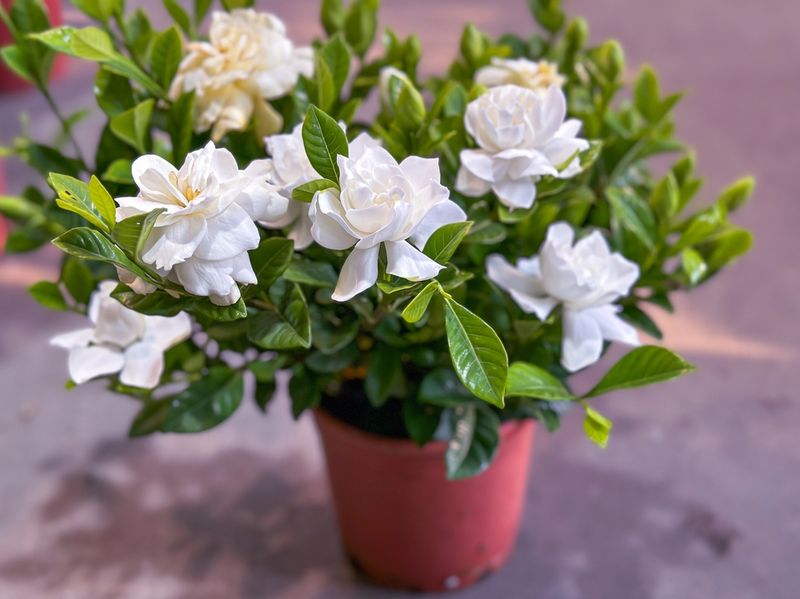
Hungry plants are grumpy bloomers, and gardenias are no exception. After a long, steamy summer, your shrub has used up much of the food in its soil.
An early fall feeding helps it store energy for the cooler months ahead. The goal is a light snack, not a giant holiday dinner.
Choose a slow-release fertilizer made for acid-loving plants, like the kind sold for azaleas, camellias, and gardenias. These blends often include iron and magnesium, two nutrients sandy soil tends to lack.
Follow the label and use a little less rather than a little more.
Scatter the granules in a ring around the drip line, which is the area under the outer edge of the branches. Keep the fertilizer a few inches away from the main stem so it does not burn the bark.
Your Florida Garden Changes Every Week. Your Plan Should Too.
Gardening in Florida changes quickly throughout the season. Every Friday you’ll receive a simple weekly plan showing exactly what to plant, prune, fertilize, harvest, and protect so you never miss the right timing.
Water it in well so the nutrients soak down to the roots.
Timing matters too. Aim for early to mid-October in North and Central Florida, and up to early November in South Florida.
Feeding too late can push soft new leaves that get nipped by a surprise cold snap.
Fun fact: gardenias are cousins of the coffee plant, and both love slightly acidic soil. Some folks even sprinkle a small amount of used coffee grounds around the base, though a real fertilizer does the heavy lifting.
3. Check The Soil pH Around Your Shrubs
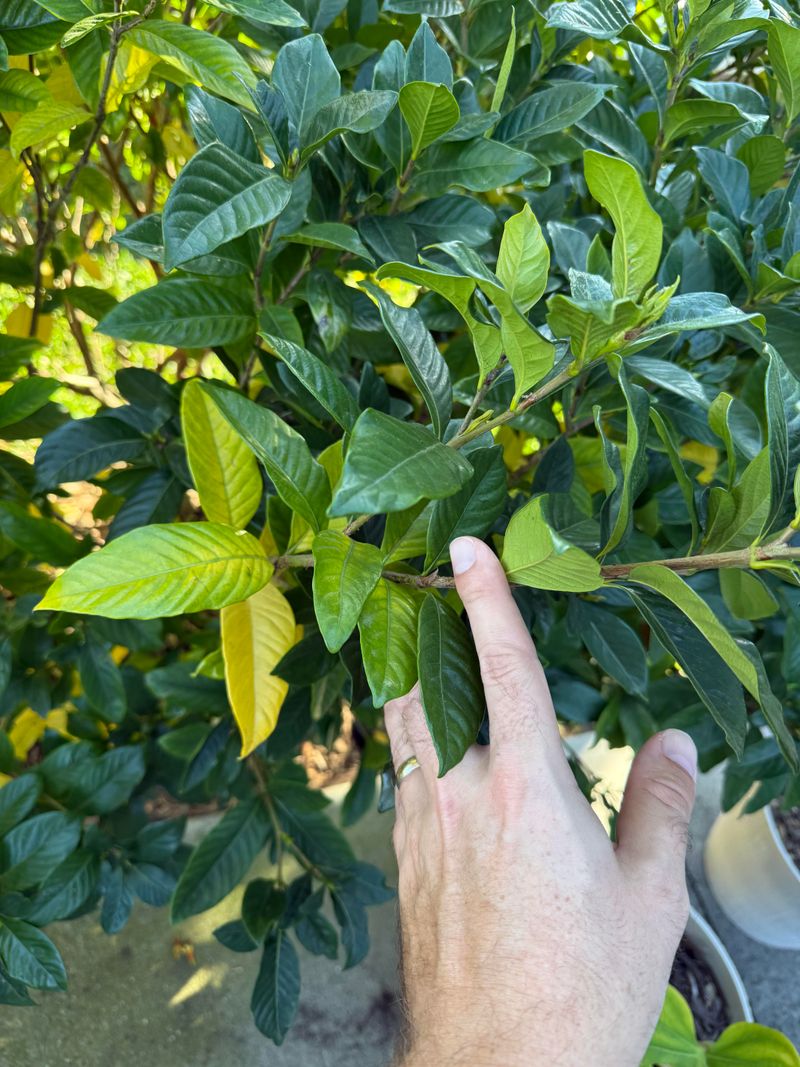
Yellow leaves with green veins are like a little flag waving for help. In Florida, that pattern often means the soil is too alkaline for your gardenia to pull up iron.
Gardenias feel happiest when the soil pH sits between about 5.0 and 6.5. Much of Florida has limestone underground, and homes near concrete foundations or sidewalks can get even more alkaline soil.
Over time, that makes it hard for roots to grab the nutrients they need.
October is a smart month to test because the summer rains have eased up. You can buy a simple kit at a garden center, or send a sample to your local University of Florida IFAS Extension office for a detailed report.
The extension test is inexpensive and gives clear advice.
If your numbers come back high, don’t panic. Adding elemental sulfur slowly lowers the pH over several months, which lines up nicely with spring bloom season.
Chelated iron sprays can also green up leaves faster while the sulfur works.
Go easy with any fix, since big swings can stress the roots. Small, steady changes work better than one huge dose.
Think of soil testing like a checkup at the doctor. You would not guess at medicine without knowing the problem, and your shrub deserves the same careful care before spring arrives.
4. Refresh The Mulch Blanket On Gardenias
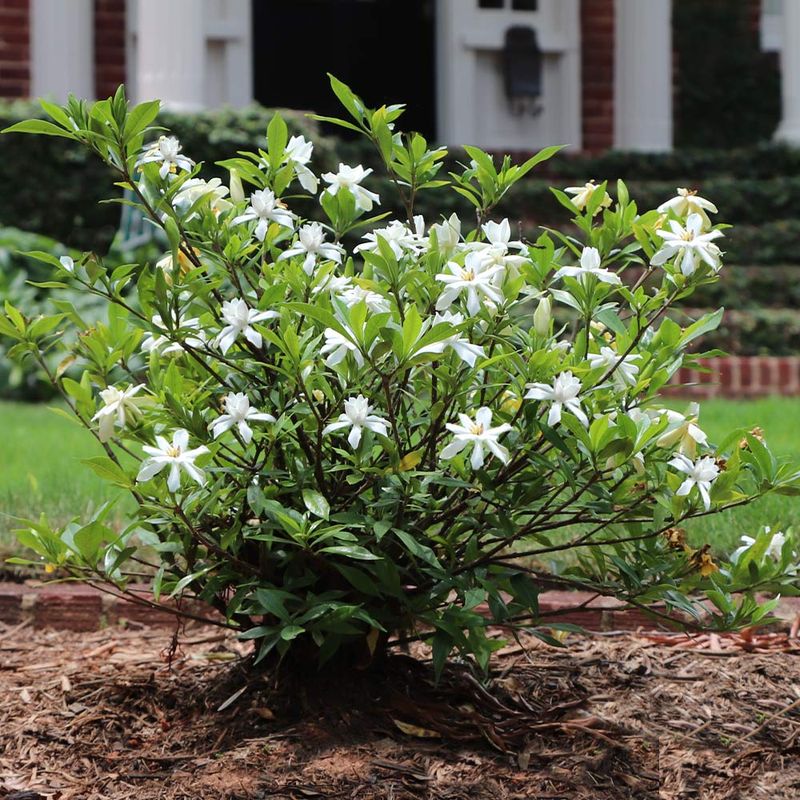
Ever notice how a cozy blanket makes a chilly night better? Your gardenia’s roots feel the same way about a fresh layer of mulch.
By October, the mulch you spread in spring has probably broken down or washed away in summer storms. Thin mulch lets weeds sneak in and lets the soil dry out quickly.
Gardenias have shallow roots, so they notice those changes right away.
Pine straw and pine bark are wonderful choices for gardenias. As they slowly break down, they add a touch of acidity to the soil, which these shrubs adore.
Shredded leaves from your own yard work well too, and they cost nothing.
Spread a layer about two to three inches deep across the root zone. Pull it back a few inches from the main stem, since mulch piled against the bark can trap moisture and invite rot.
Many gardeners call this the donut method, not the volcano method.
Mulch also helps on those rare cold nights in North Florida. It keeps soil temperatures more even, which protects roots when a front blows through in December or January.
One more perk: a tidy ring of mulch makes your garden look cared for. It frames the shrub like a picture, so those glossy leaves and white flowers really pop next spring.
5. Water Smart As Dry Season Begins
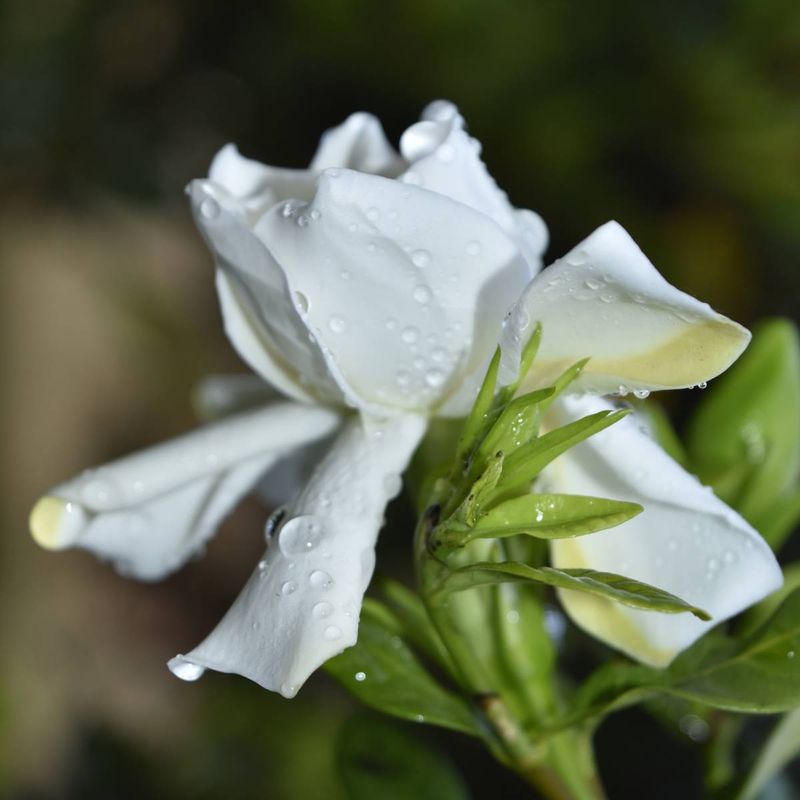
Here’s a surprise for newcomers: October kicks off the dry season in much of Florida. The afternoon thunderstorms that watered your yard all summer start to fade away.
Gardenias hate a roller coaster of soaked soil followed by bone-dry soil. That kind of swing is one of the top reasons buds drop before they ever open.
Steady moisture keeps those tiny buds attached and growing.
Aim for about one inch of water per week, from rain and irrigation combined. A cheap rain gauge makes tracking easy.
Water deeply once or twice a week instead of giving a quick sprinkle every day.
Morning is the best time to water. Leaves dry off fast in the sun, which helps prevent fungal spots.
A soaker hose or drip line puts water right at the roots and keeps the foliage dry.
Try the finger test before you turn on the hose. Push a finger about two inches into the soil near the shrub.
If it feels dry, water; if it feels damp, wait a day or two.
Also check your local watering rules. Many counties limit sprinkler days, especially during drought.
A drip system usually has more freedom, and it saves money on your water bill while giving your gardenia exactly what it craves.
6. Hunt Down Pests Hiding On Gardenia Leaves
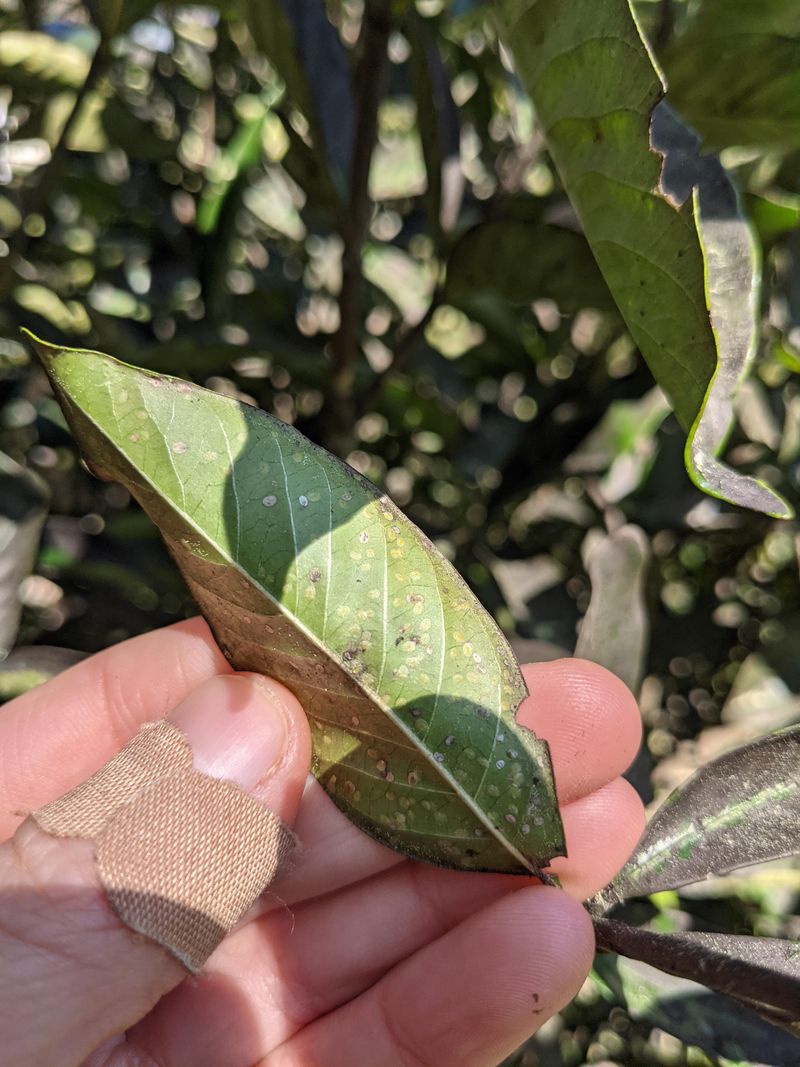
Flip a leaf over and you might meet some uninvited guests. Florida’s warm fall weather keeps garden pests busy long after summer ends.
Whiteflies, scale insects, and mealybugs are the usual troublemakers on gardenias. They suck sap from leaves and stems, which weakens the plant right when it should be storing energy for spring.
Many also leave behind sticky honeydew.
That honeydew often grows a black, sooty mold. It looks like someone dusted your shrub with charcoal.
The mold blocks sunlight, so leaves can’t make food as well.
Once a week, take a slow walk around your gardenia. Look under leaves and along stems for tiny white specks, cottony clumps, or small bumps that scrape off with a fingernail.
Catching problems early makes them much easier to handle.
For light trouble, a strong spray of water can knock many pests off. Horticultural oil or insecticidal soap works well for heavier cases.
Spray on a cool morning, cover the undersides of leaves, and repeat as the label suggests.
Skip harsh chemicals whenever you can. Ladybugs, lacewings, and tiny wasps help fight these pests for free, and they are happy to move into a friendly yard.
A healthy shrub with fewer bugs has much more strength to pour into gorgeous spring flowers.
7. Plan For Cold Snaps Across North And Central Florida
Yes, it can get chilly in The Sunshine State. Folks in Tallahassee, Gainesville, and even Orlando know a surprise frost can sneak in during winter.
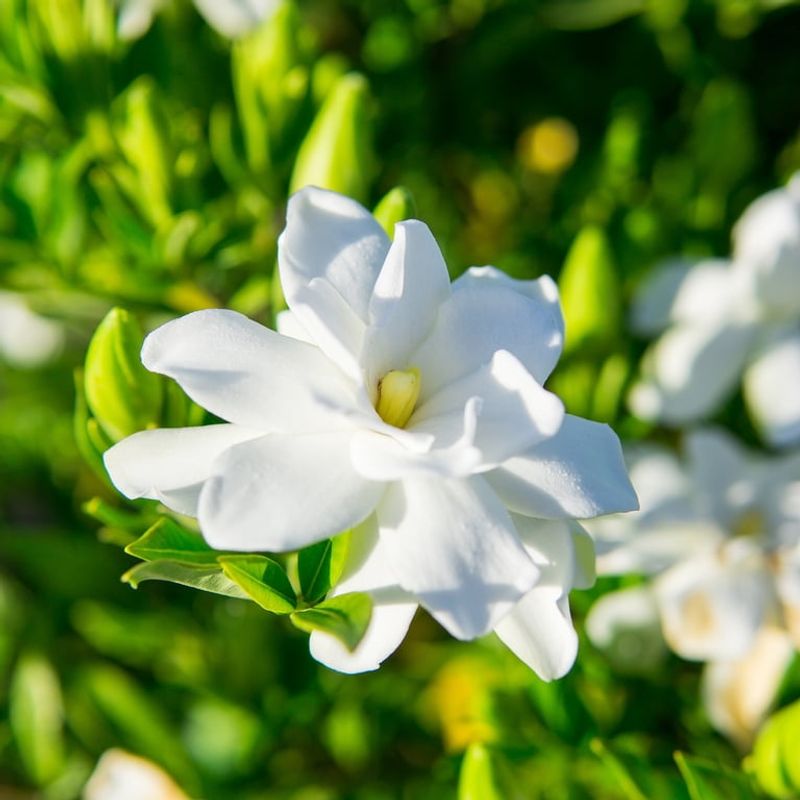
Gardenias handle mild cool weather just fine. The flower buds, though, are tender and can turn brown and drop after a hard freeze.
That means fewer blooms come spring, even if the leaves look okay.
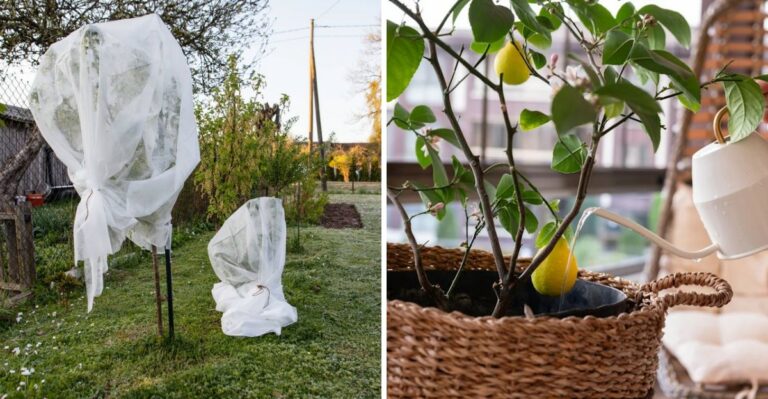
October is the perfect time to get ready, before the first cold front shows up. Gather a few frost cloths or old bedsheets and store them where you can grab them fast.
Avoid plastic, since it can trap cold against the leaves and cause damage.
When a freeze warning pops up, water the soil during the day. Moist soil holds heat better than dry soil.
Then drape the cover over the shrub so it reaches the ground, trapping warmth rising from the earth.
Remove the cover the next morning once temperatures climb. Leaving it on during a sunny day can overheat the plant.
South Florida gardeners rarely face frost, so they can relax a bit. Still, a quick look at your local weather app each week in winter is a good habit.
A few minutes of preparation now can save an entire spring’s worth of sweet-smelling flowers.
8. Plant New Gardenias While The Weather Is Mild
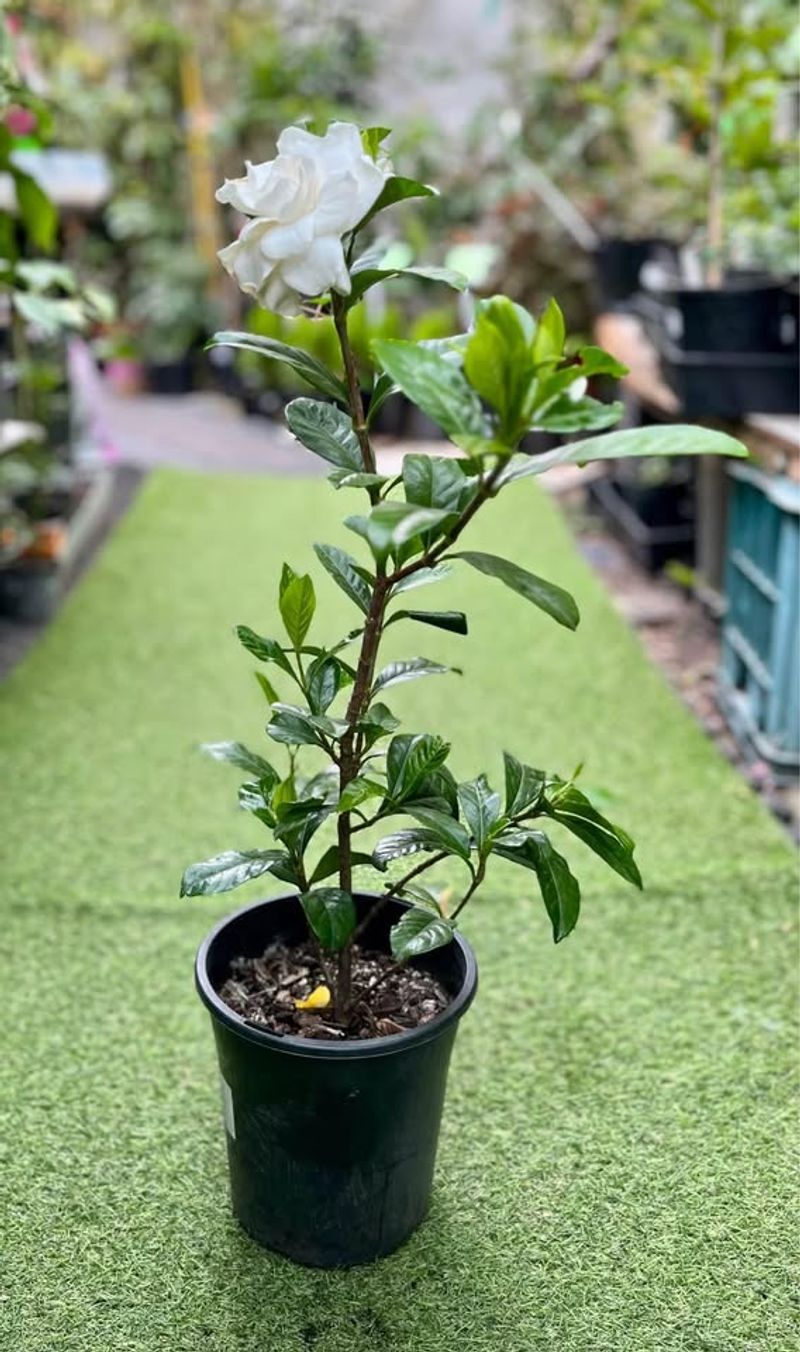
Fall might be the best-kept secret for adding new shrubs in Florida. The heat eases, rain becomes gentler, and roots can settle in without summer stress.
Planting a gardenia in October gives it months to grow a strong root system before spring. By the time warm weather returns, the plant is ready to put energy into flowers instead of just surviving.
Pick a spot with morning sun and some afternoon shade. Strong afternoon rays can scorch leaves and stress buds.
Good drainage matters too, since soggy soil leads to root rot.
Dig a hole about twice as wide as the root ball but no deeper. Set the plant so the top of the root ball sits level with the ground or slightly above it.
Mix a little compost into the native soil before filling back in.
Look for varieties that do well in Florida. Many local growers sell gardenias grafted onto nematode-resistant roots, which helps in sandy soil.
Types like ‘Miami Supreme’ and ‘August Beauty’ are popular choices.
Water the new shrub every couple of days for the first few weeks. After that, slowly cut back as the roots spread.
With a little care this fall, your newest gardenia could greet you with its very first fragrant blossoms next spring.