Florida Entry Path Plants That Work In A Shaded North-Facing Walkway
A north-facing entry path in Florida presents a specific challenge. No direct sun, lower light than almost anywhere else on the property, and soil that stays cooler and damper than most Florida plants prefer.
The default response is to mulch it heavily, plant something that merely survives, and accept that this spot will never be anything special. That is a low bar for the first thing visitors see when they approach a home.
Florida has plants that genuinely suit a shaded north-facing walkway. Not plants that tolerate it reluctantly, but plants that prefer the conditions that spot delivers and reward that preference with real visual presence through the year.
An entry path should feel intentional. It sets the tone before anyone reaches the door.
The right plant choices in a difficult north-facing shade situation can make that approach feel considered and even striking. This spot has more potential than it gets credit for.
1. Coontie Gives Shaded Entries Clean Evergreen Structure
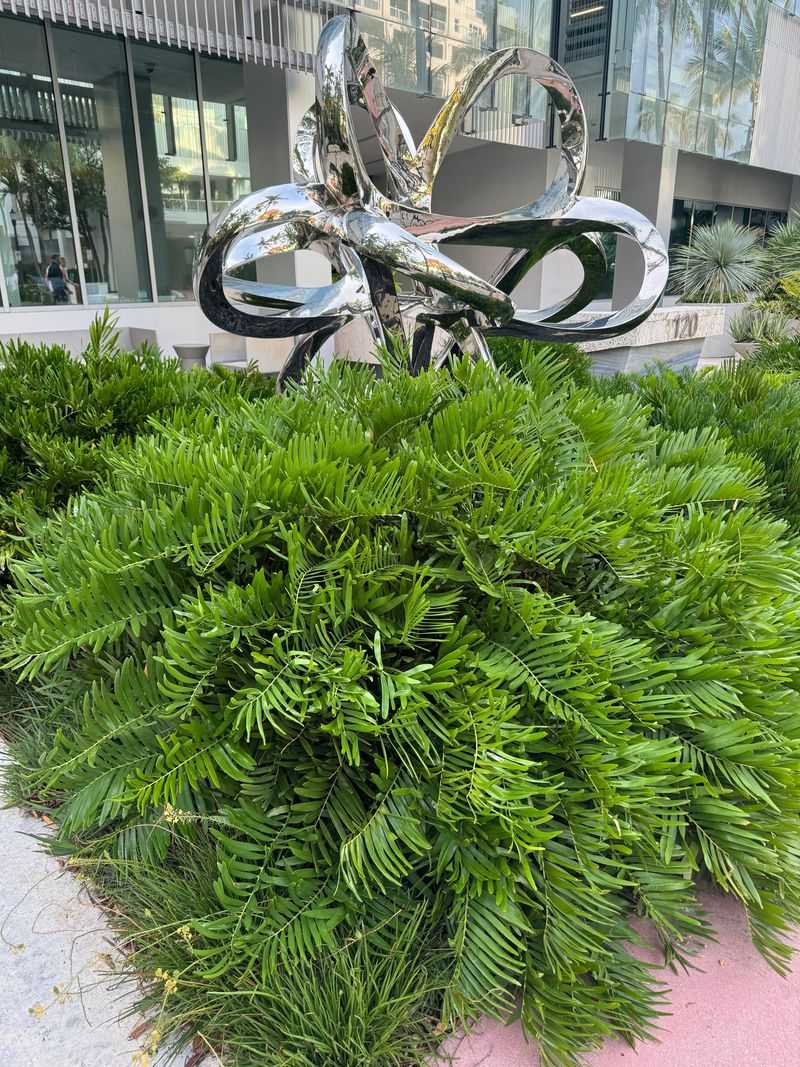
A front entry that never gets strong sun can still feel sharp and well-designed with the right plant anchoring the bed. Coontie (Zamia integrifolia) is a native cycad, not a palm, and that distinction matters for how you place and care for it.
Its dark green, arching fronds grow in a low mounding form that looks clean and architectural without needing clipping or shaping.
This plant handles shade well, especially the filtered or partial shade common under roof overhangs or beneath a tree canopy near the door.
After establishment, coontie is quite drought tolerant, though it appreciates mulch and occasional irrigation during dry spells.
It stays relatively compact, usually reaching two to three feet tall and wide, which makes it manageable along a path edge without crowding foot traffic.
Place it far enough from the walkway so the fronds have room to arch naturally. Crowding the path can make the entry feel narrow and uninviting.
Coontie also serves as the only host plant for the Atala butterfly, a striking native species that was once thought locally gone from our state. That wildlife connection adds real value to a planting that already earns its place through structure alone.
Sandy, well-drained soil suits it well, and it fits both narrow foundation beds and wider mixed plantings where a bold, low anchor is needed.
2. Florida Anise Makes A North-Facing Entry Feel Lush
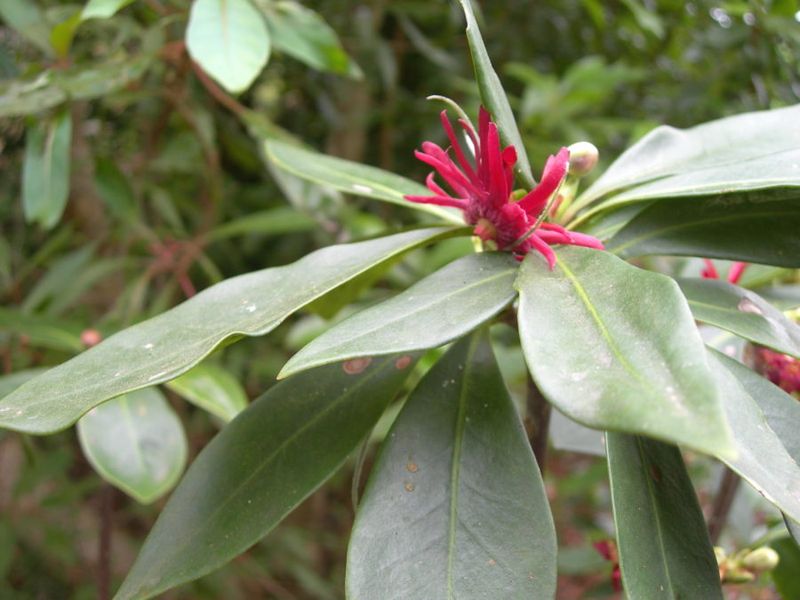
Few native shrubs can turn a shaded, moist entry into something that feels genuinely woodland-rich the way Florida anise (Illicium floridanum) can.
Its large, glossy leaves hold a deep green color even in low light, and the unusual dark red, star-shaped flowers add quiet drama without needing bright sun to bloom.
Crushing a leaf releases a distinctive anise-like fragrance, which makes brushing past it along a path a pleasant experience.
This shrub thrives in moist, acidic soils and handles shade well, making it a natural fit for north-facing entries that stay damp after rain or sit near downspouts. It is native to the Florida Panhandle and parts of northern regions.
Your Florida Garden Changes Every Week. Your Plan Should Too.
Gardening in Florida changes quickly throughout the season. Every Friday you’ll receive a simple weekly plan showing exactly what to plant, prune, fertilize, harvest, and protect so you never miss the right timing.
That means it performs best there and may struggle in the warmer central and southern parts of the state. That regional limitation is worth knowing before you plant it near the door.
Size is the other factor to plan for. Florida anise can reach six to ten feet tall and spread nearly as wide in the right conditions.
A narrow strip beside a front door is not the right spot. It belongs in a wider foundation bed or a side entry with enough room to grow without crowding.
Given the right space, it creates a lush, sheltered feeling that makes a shaded doorway feel welcoming rather than dark.
3. Wild Coffee Adds Glossy Native Green Near The Door
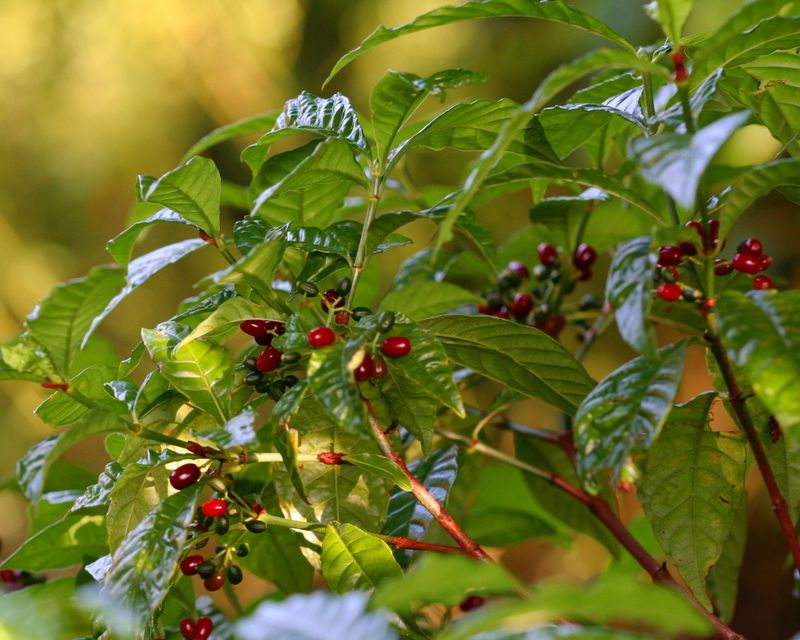
Polished, ribbed leaves that catch light even in a shaded entry bed, that is the quiet appeal of wild coffee (Psychotria nervosa). This native shrub brings a tidy, refined look to shaded foundation plantings and path edges.
It does that without needing trimming, frequent pruning, or much fuss once it settles in. Small white flower clusters appear seasonally, followed by bright red berries that attract birds.
That adds wildlife value to an entry that might otherwise feel purely decorative.
Wild coffee is best suited to warm regions of the state, particularly in central and southern areas where freezes are rare or mild. In colder northern regions, a hard freeze can damage or back it significantly, so it should not be treated as a statewide entry plant.
In the right warm climate, it fits shaded or partly shaded spots in moist to average soils. That makes it a natural companion for covered entry beds or north-facing foundation strips.
Mature size typically ranges from three to six feet tall depending on conditions, so give it enough room to fill out without crowding the walkway. It works well grouped with other native understory plants for a layered look along a shaded path.
Sandy soil amended with organic matter and a consistent mulch layer helps it establish well. For warm-region entries where shade is the main challenge, wild coffee earns its spot near the door through foliage quality and wildlife value alike.
4. Cast Iron Plant Handles Deep Shade Along Tight Paths
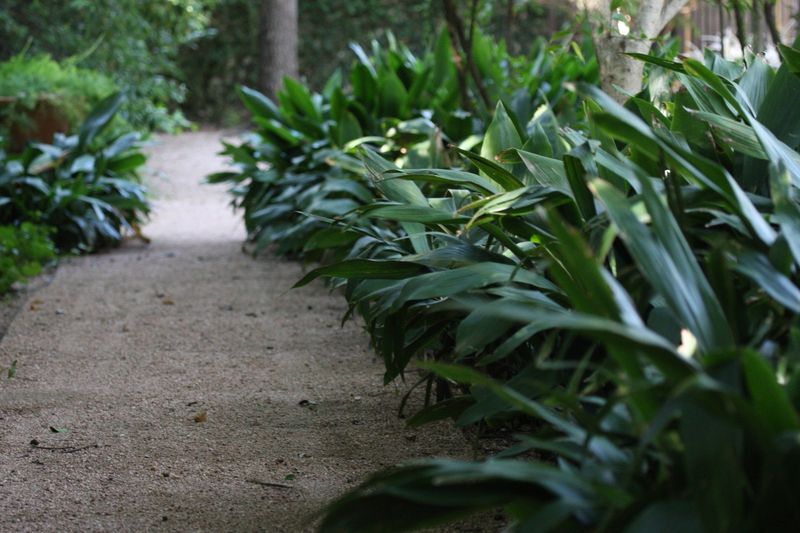
A narrow covered entry bed that stays in near-total shade for most of the day is one of the hardest spots to fill with something that looks good year-round.
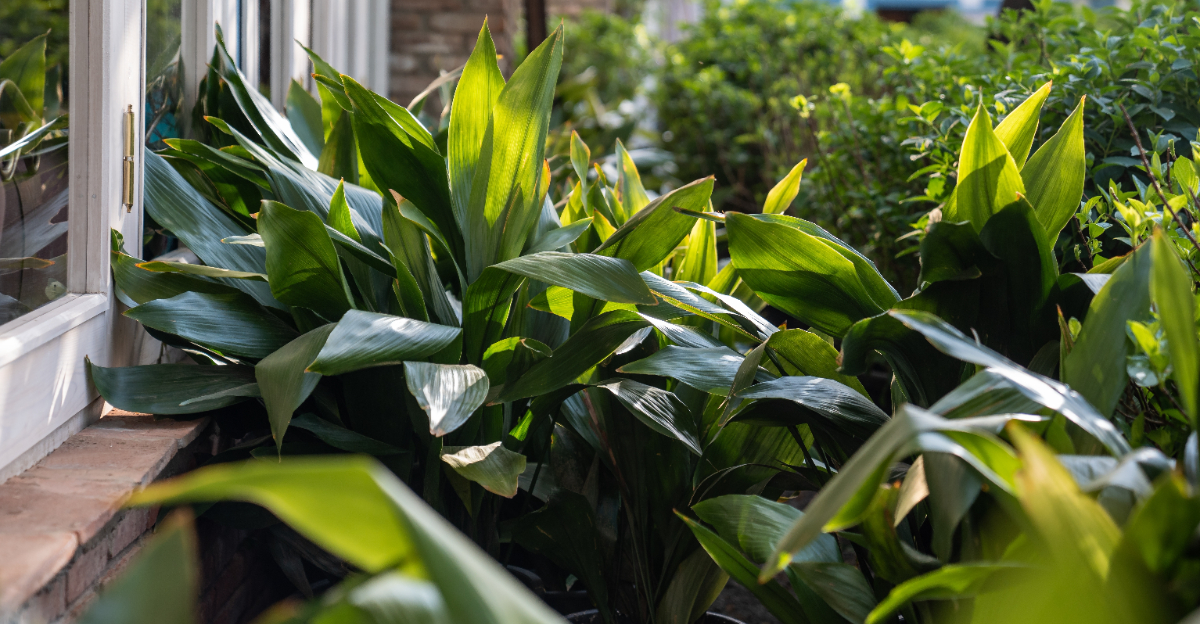
Cast iron plant (Aspidistra elatior) handles that challenge better than almost anything else available to home gardeners in this state.
Its tall, upright, strap-like leaves hold a deep, polished green even in very low light conditions where other plants stretch, fade, or simply refuse to grow.
Worth noting clearly: cast iron plant is not native. It originates from Asia and has been widely used in Southern landscapes for generations.
It does not appear on the UF/IFAS invasive plant assessment as a problem species, but gardeners who prioritize native plantings should factor that into their decisions.
For entry beds where deep shade, tight width, and a clean appearance are the main requirements, it remains a practical and well-tested option.
Growth is genuinely slow, so patience is needed after planting. Space individual plants about eighteen to twenty-four inches apart to allow the clump to fill in naturally over time.
Moist, well-drained soil and a good mulch layer support establishment. Avoid planting it in spots with standing water after rain.
Along a tight path under a covered porch or beneath a deep roof overhang, its upright form creates a tidy, structured edge. It stays attractive through heat, humidity, and the rainy season without much intervention.
5. Marlberry Brings Polished Warm-Region Structure To Shade
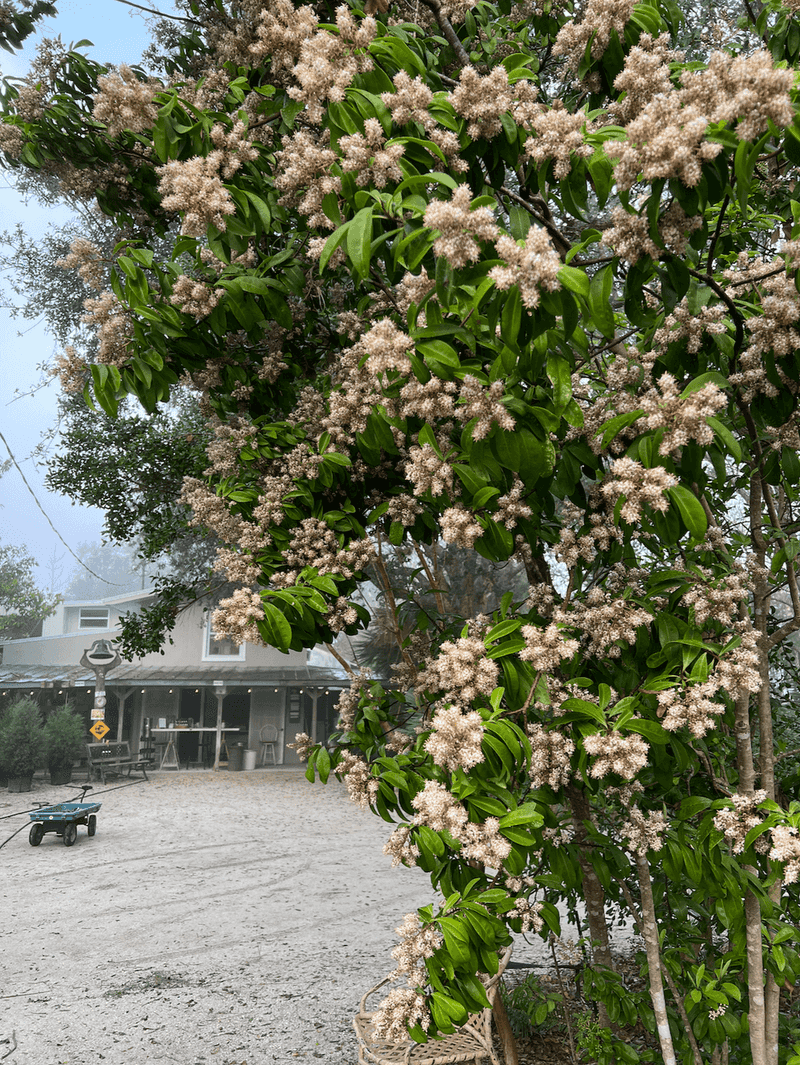
A shaded entry path in a warm coastal or southern region of the state deserves a plant with real presence. Marlberry (Ardisia escallonioides) delivers that through glossy foliage, seasonal flower clusters, and bird-friendly fruit.
This native shrub has the quiet confidence of a well-chosen understory plant, holding its deep green leaves cleanly through heat and humidity without looking ragged.
Marlberry is native to southern and coastal regions of our state, where it grows naturally as an understory plant beneath hammock canopies.
In those warm regions, it suits partly shaded foundation beds, mixed screens, or wider entry plantings where it has room to develop its natural form.
Small white flower clusters appear and eventually give way to dark berries that attract birds, adding another layer of interest near the door.
Size is a real planning consideration. Marlberry can reach eight to fifteen feet tall in favorable conditions, which makes it far too large for a narrow strip beside a front door.
It belongs in a wider planting bed or a side entry where it can grow without crowding the path or blocking sightlines. In mixed foundation plantings with smaller understory plants at its feet, it creates a layered, naturalistic look.
Cold sensitivity limits its use to warmer parts of the state, so gardeners in northern regions should consider other options for their shaded entries.
6. Oakleaf Hydrangea Softens Shaded Entries With Seasonal Drama
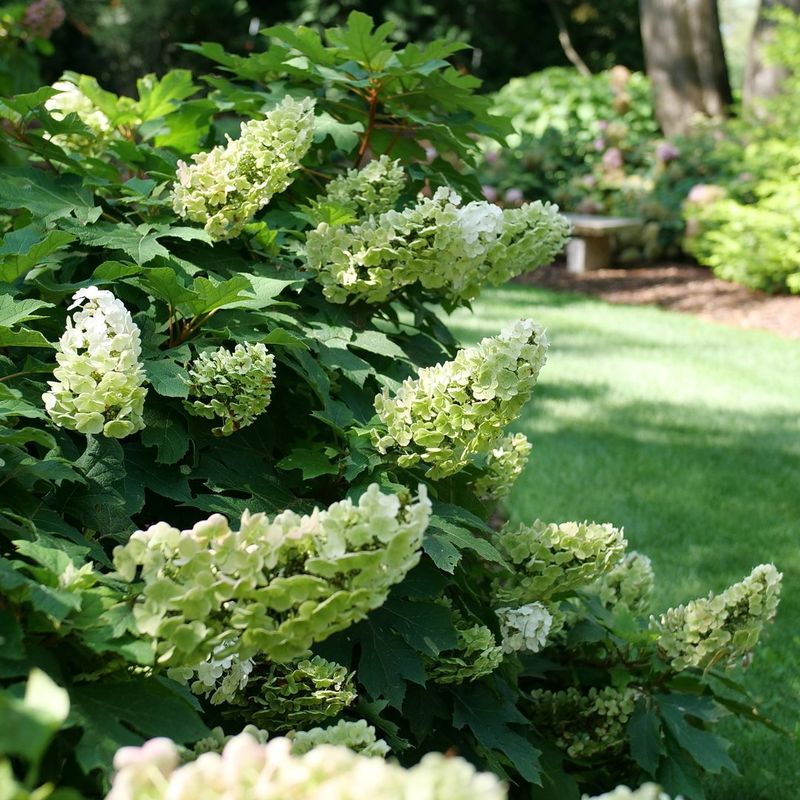
Bold texture and seasonal flower interest in a shaded entry path are not easy to find in the same plant, but oakleaf hydrangea (Hydrangea quercifolia) brings both.
Its large, deeply lobed leaves create a strong visual presence even before the white, cone-shaped flower clusters appear in late spring to early summer.
The blooms age from bright white to soft parchment tones, extending the seasonal interest without any extra effort.
This native shrub performs best in northern and central regions of the state, where cooler winters give it the dormancy it needs to bloom reliably. In warmer southern regions, bloom performance may be reduced or inconsistent.
It suits partly shaded or dappled-shade entry paths with moist, well-drained, organically rich soil. A consistent layer of mulch helps retain moisture and keep roots cool through summer heat.
Room to grow is non-negotiable. Oakleaf hydrangea can reach six to eight feet tall and spread just as wide at maturity.
A tight, hot entry strip near a concrete walkway is not the right home for it. It belongs in a wider entry bed or a side path with enough space for its natural arching form.
When given the right spot, it softens a shaded entry with a woodland character that feels both seasonal and grounded. Pruning immediately after bloom, if needed, avoids removing next year’s flower buds.
7. Florida Peperomia Glosses Up Low Path Edges
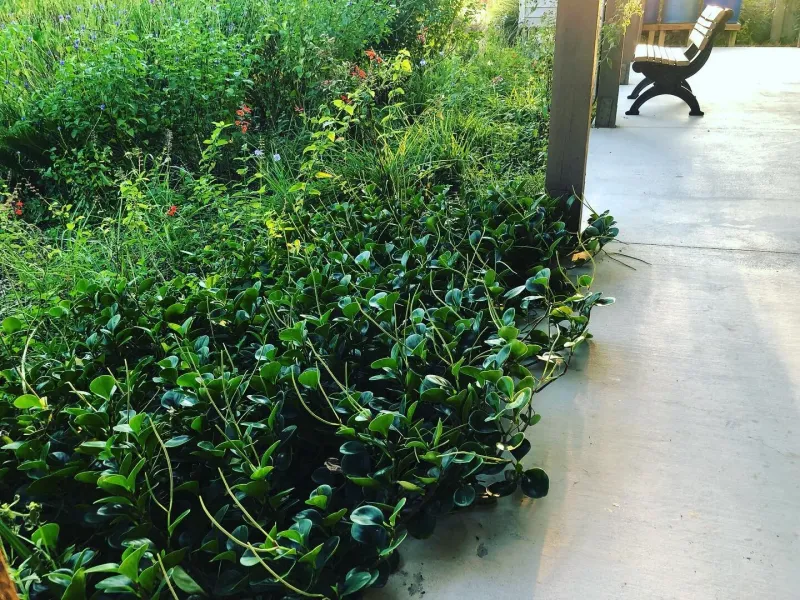
Right at the base of a shaded entry path, where the walkway meets the bed edge, a low glossy ground cover can make the whole planting feel finished and intentional.
Florida peperomia (Peperomia obtusifolia) fits that role quietly and effectively in warm-region landscapes.
Its thick, rounded, succulent-like leaves hold a rich green shine that reads well even in low light. They give a shaded entry edge a polished, tropical quality without overwhelming the space.
This plant is native to southern regions of the state, where it grows naturally in shaded hammock environments. Cold sensitivity is a real limitation.
Gardeners in northern or central regions should approach it cautiously, since freezing temperatures can damage or back the foliage significantly.
In warm coastal and southern entries, it suits protected spots along path edges, covered entry beds, or shaded foundation strips where drainage is adequate.
Low spread and modest height, typically under a foot tall, make it a good fit for tight path edges where a taller shrub would crowd foot traffic.
It is not meant for areas where people regularly step, so placing it clearly within the bed rather than directly on the path edge is the right approach.
Moist but well-drained soil and filtered shade support healthy growth. Paired with taller native shrubs in a layered entry bed, it fills the low zone with texture and gloss that ties the whole planting together.
8. Creeping Sage Fills Quiet Shade With Low Native Green
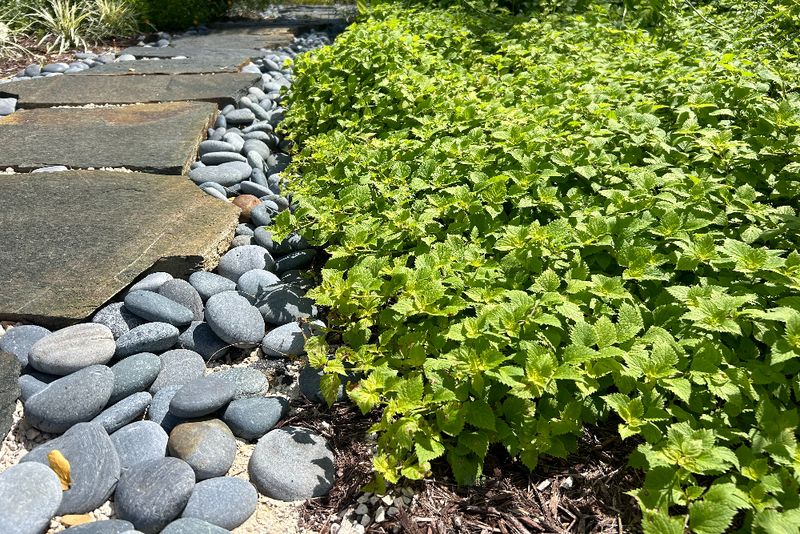
Along a quiet shaded entry path, the light stays soft and the ground stays moist after rain. A low native ground cover that spreads gently without overtaking the space can be exactly what the planting needs.
Creeping sage (Salvia misella) fits that description in warm-region landscapes. It offers a soft green carpet at the base of a shaded entry bed, with small flowers that add subtle interest without demanding attention.
This native plant grows low to the ground and tolerates shade in protected entry settings. That makes it useful along informal path edges, between lightly used stepping stones, or at the front of a layered foundation planting.
It is best suited to warmer regions of the state and may not perform reliably where hard freezes occur. Moist, well-drained soil and a protected spot away from strong wind support its growth through the rainy season and beyond.
Creeping sage is not a turf substitute and should not be treated as a surface people walk across regularly. Heavy foot traffic will damage it.
Its value is in softening the visual edge between a path and a planting bed. It fills in low spots with native green that supports small pollinators without requiring much maintenance.
Placed thoughtfully at the foot of taller entry shrubs, it creates a layered, naturalistic look. That makes a shaded north-facing entry feel grounded and complete rather than bare or overly manicured.