The Popular Fall Bulbs Ohio Gardeners Should Stop Planting (They Escape Into Woods)
Garden centers keep selling the same bulbs every fall, and nobody’s mentioning what happens after they leave your yard.
You plant for a tidy spring bed. What you get, with a few of these, is something that keeps traveling long after you’ve moved on to other chores.
Seeds drift, offsets multiply, and before long you’re looking at patches showing up in nearby woods that were never invited.
Ohio’s native alternatives handle the same job just fine, minus the escape act, though good luck finding one at a typical big-box display.
Skip the familiar bulbs this year and look for something local instead. Your flower bed will still turn heads, and the woods down the road won’t end up fighting off a problem you started.
1. Ditch Grape Hyacinth Before It Spreads Beyond Gardens
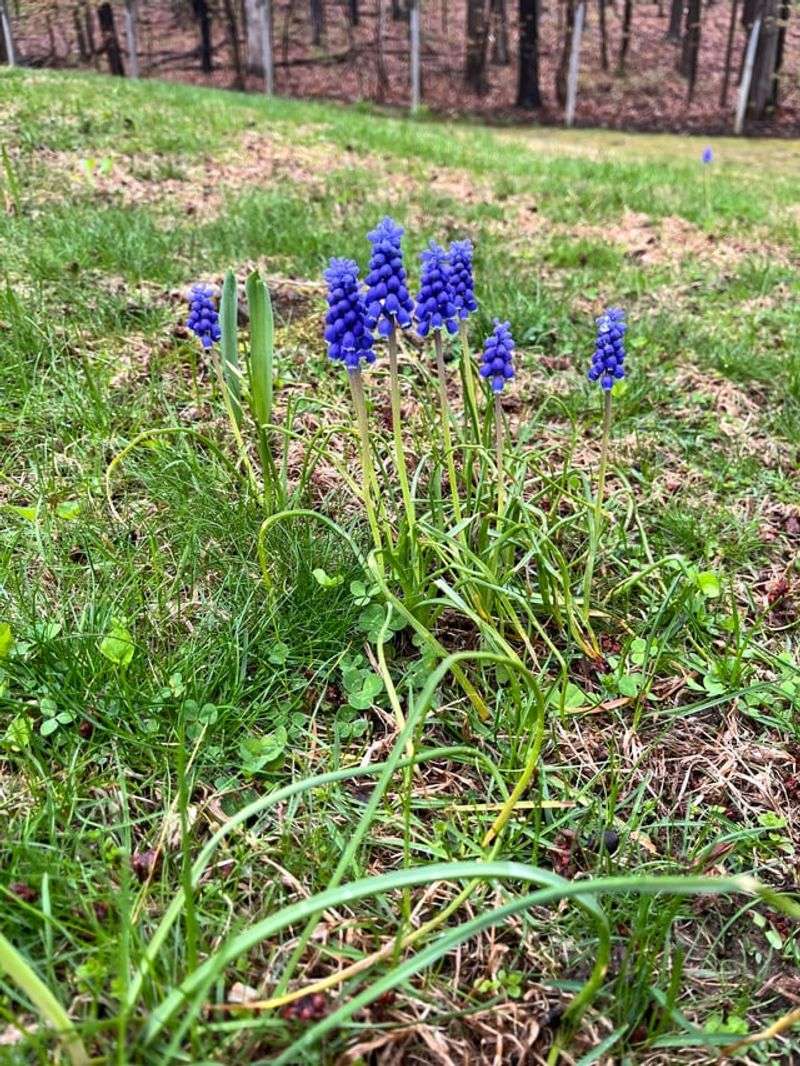
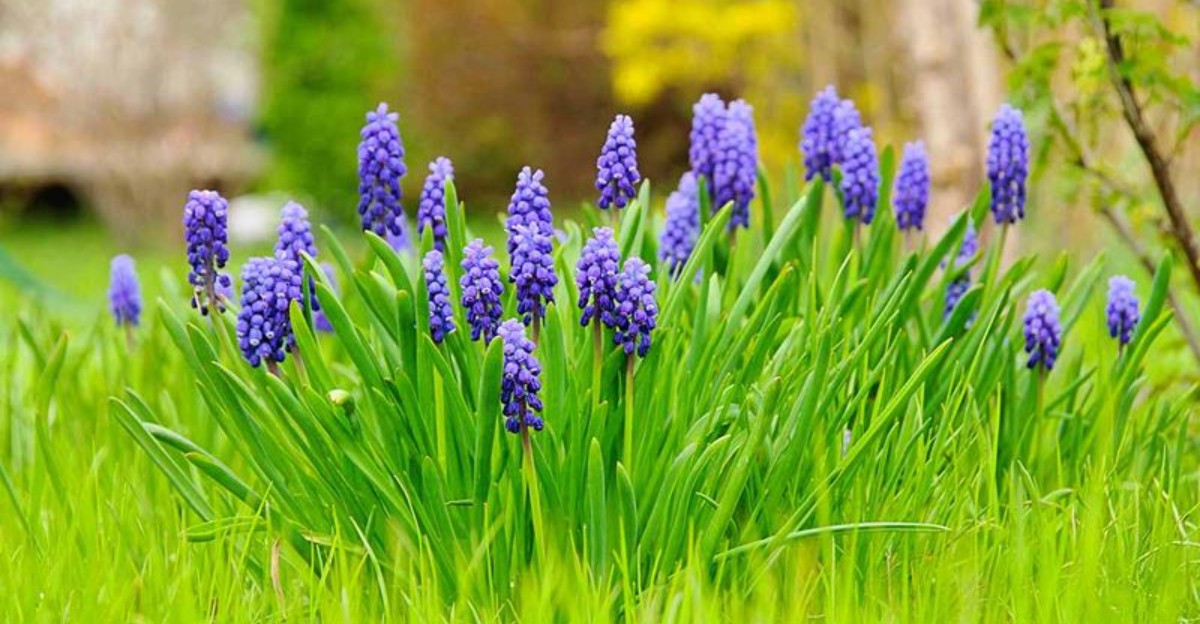
Tiny purple clusters that smell faintly like grape soda are hard to resist at the garden center. Grape hyacinth, or Muscari armeniacum, sells by the bagful every fall for that very reason.
The trouble starts after the flowers fade and the leaves flop over in late spring. Each plant makes fresh bulb offsets underground and drops seeds from little capsules above ground.
With two ways to multiply, a neat row can turn into a messy purple spill within a few seasons. It creeps into lawns, cracks in paths, and disturbed soil near woods.
Several garden experts now list it as a bulb to approach with caution. In a shady yard next to a wooded lot, those seeds can wander right into the trees.
If you already grow it, snip off the spent flower stalks before the seed pods ripen and turn papery. That one quick chore cuts down a huge share of the spread.
Digging up extra clumps every few years also helps keep things tidy. Bag the leftover bulbs and put them in the trash instead of the compost pile, where they may sprout again.
Want that same cheerful blue in April without the worry? Virginia bluebells or wild blue phlox give you soft color, feed early bees, and truly belong in Ohio.
2. Garlic Mustard Bulbs Aren’t The Problem – The Plant Is
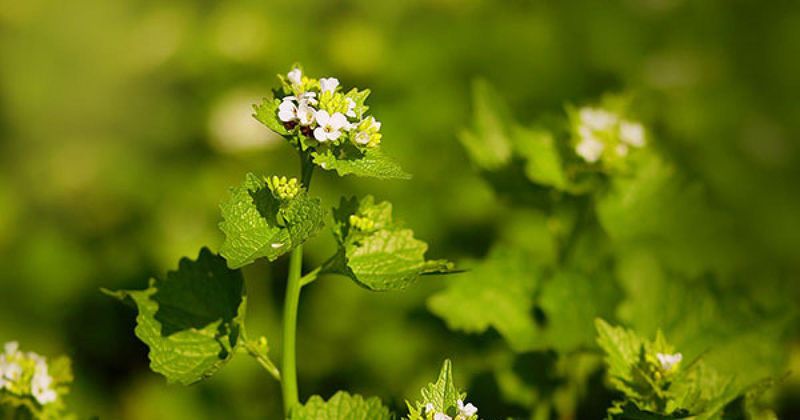
Here is a fun bit of trivia for your next garden club meeting. Garlic mustard does not grow from a bulb at all, even though the name makes it sound like one.
Alliaria petiolata is a biennial, which means it lives for two years. In year one it forms a low rosette of rounded leaves, and in year two it sends up small white flowers and seed pods.
A single plant can release hundreds to thousands of seeds. Those seeds can stay alive in the soil for five to ten years, patiently waiting for their chance to sprout.
Wind, water, deer, and even your boots carry them to new spots. Its roots may also release chemicals that make it harder for nearby plants to grow.
Ohio lists garlic mustard as a regulated invasive plant, and it shows up in all 88 counties. It loves moist woods, forest edges, and any bare, disturbed ground.
Your Ohio Garden Changes Every Week. Your Plan Should Too.
Gardening in Ohio changes quickly throughout the season. Every Friday you’ll receive a simple weekly plan showing exactly what to plant, prune, fertilize, harvest, and protect so you never miss the right timing.
So why include it here? Gardeners who dig fall beds near the woods often spread its seeds by accident, especially when moving soil, mulch, or potted plants around the yard.
Pull plants in early spring before they flower, getting the whole root. Bag them up, because pulled plants can still finish making seeds if left lying on the ground.
3. Allium Relatives Can Naturalize Beyond Garden Beds
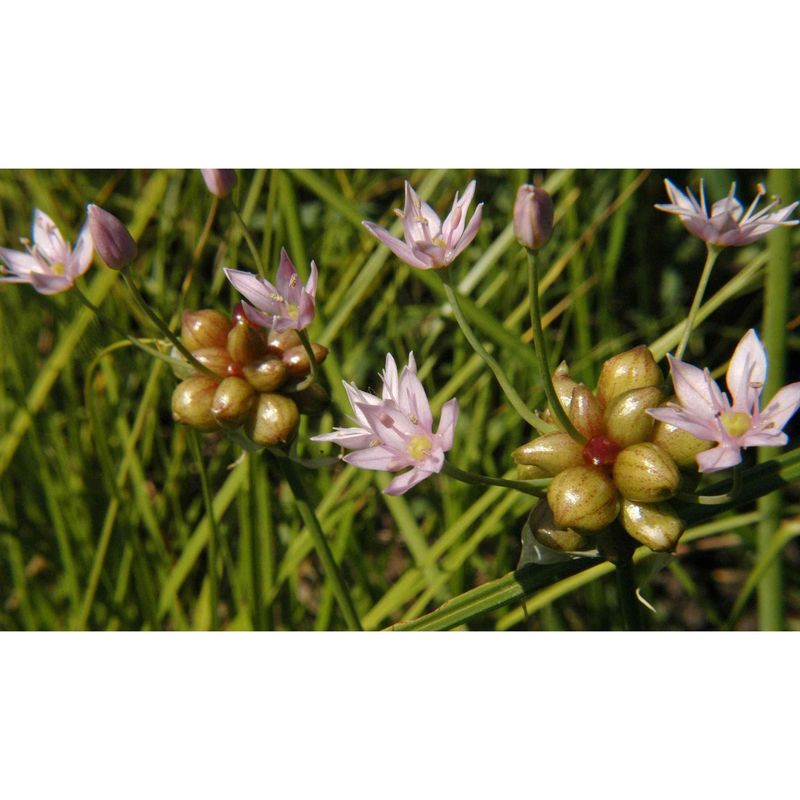
Ever mowed the lawn in April and caught a sudden whiff of onions? That sharp smell usually comes from wild garlic, Allium vineale, a European plant now found all over Ohio.
Wild garlic multiplies mostly through bulblets, both underground and on top of its stems. Some bulblets have soft coats and sprout the first autumn, while hard-coated ones wait and pop up later.
That staggered schedule makes it tricky to control, since new shoots keep appearing. It moves into lawns, gardens, pastures, meadows, and empty lots with surprising speed.
Ornamental alliums sold in fall catalogs are relatives, and some can seed around more than you expect. The small, drumstick types and fast-spreading chives are the ones to watch most closely.
Big showy globe alliums tend to behave better, but keep an eye on them anyway. If you notice seedlings popping up far from the original clump, it is time to step in.
Cut the flower heads after they fade and before they dry into seeds. For wild garlic in the lawn, digging out the whole clump with a narrow trowel works better than pulling.
Our state also has a native cousin, wild onion, Allium canadense. Nodding onion, Allium cernuum, is another pretty native choice with pink flowers that bees and butterflies adore all summer.
4. Star-Of-Bethlehem Escapes Lawns And Garden Edges
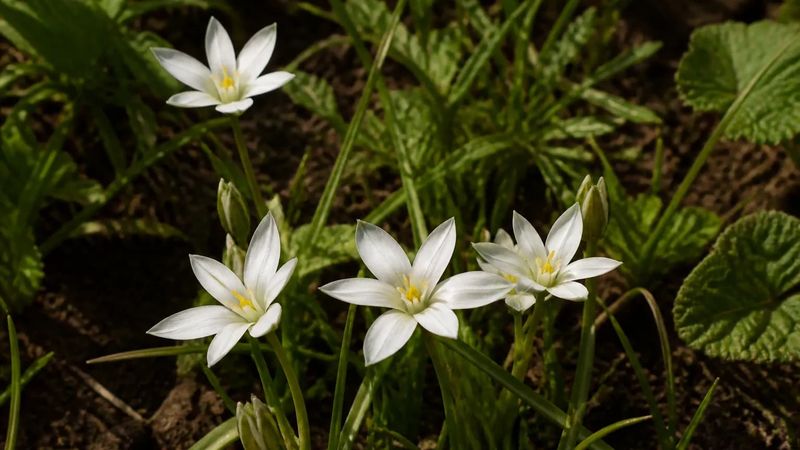
Look closely at those grassy leaves poking up in your spring lawn. If each one has a clean white stripe down the middle, you may have met Star-of-Bethlehem.
Ornithogalum umbellatum was sold for years as a sweet little white flower for borders. Today it is known as a non-native, invasive perennial that spreads fast by seeds and tiny bulblets.
Even small bits of bulb left in the soil can grow into new plants. That is why so many gardeners grumble that it is nearly impossible to fully remove.
It forms thick patches that crowd out native plants in meadows, forest edges, along streambanks, and on shady woodland floors. Lawns and garden edges are often the launch pad for its escape.
All parts of the plant are toxic to people, pets, and livestock. Deer tend to skip it, which may push them to munch more of the native plants growing nearby.
To fight back, dig out clumps with a garden fork, going deep and wide. Sift the soil and bag every tiny bulb you find, then toss the bag in the trash.
Plan to check the same spot for a couple of years, since stragglers often reappear. Skip buying new bulbs, even if a catalog calls them charming or easy.
5. Nodding Star-Of-Bethlehem Spreads Through Bulblets
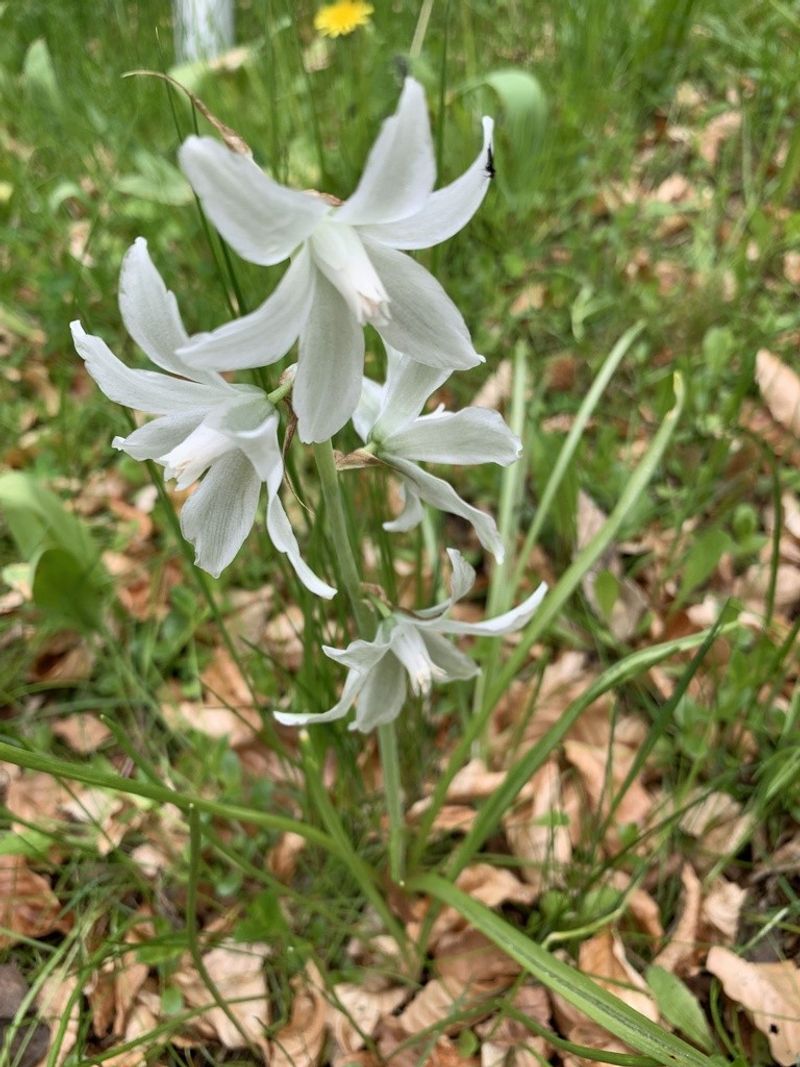
With silvery green bells that droop like tiny lanterns, nodding Star-of-Bethlehem looks almost magical in a spring border. Sadly, Ornithogalum nutans has a wandering streak that matches its good looks.
This bulb is a close relative of common Star-of-Bethlehem, and it behaves much the same way. It spreads by seeds and by bulblets, the little baby bulbs that form around the parent.
Those bulblets help it build dense colonies in just a few years. In woodlands, the colonies can push aside native spring flowers like trout lilies that bloom at the same time.
Here is a quirky detail you might not expect: ants help carry its seeds to new places. Those busy little workers can move seeds far beyond the spot where you planted them.
It also wakes up early in spring, giving it a head start over many natives. The plant is listed on the Invasive Plant Atlas of the United States.
Be careful when you try to remove it from your beds. Tilling or rough digging can break apart clumps and scatter bulblets, creating new patches instead of fewer.
Lift clumps gently with a fork and shake the soil into a bucket to catch loose bulbs. Then plant something native, like wild geranium or rue anemone, to fill the gap.
6. Snowdrops Can Naturalize In Favorable Woodland Sites
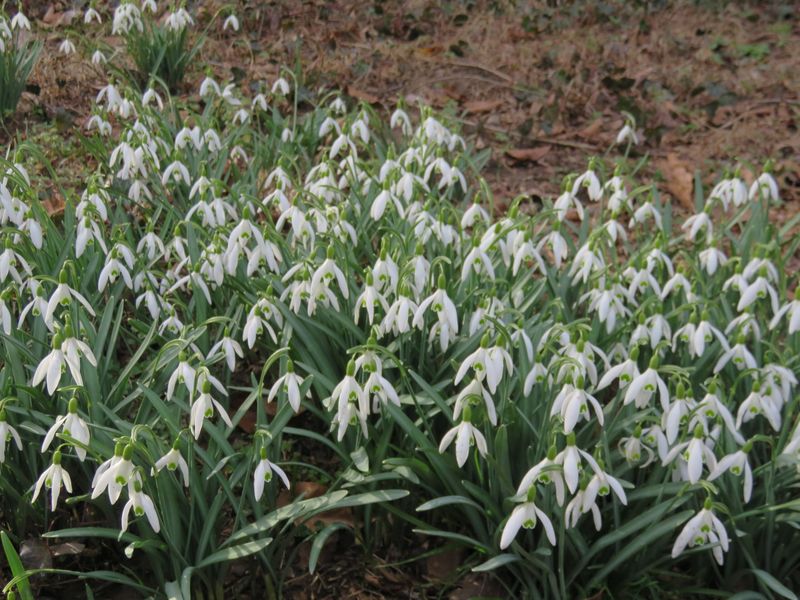
Snowdrops deserve a fair hearing, so let’s give them one. These little white bells often push through late winter snow, and many Ohio gardeners treasure them as the very first flower of the year.
Galanthus nivalis comes from Europe and western Asia. In the eastern United States, it is generally called naturalized rather than invasive by plant experts.
That means it can settle in and grow on its own without much help. It spreads slowly by making bulb offsets that form tidy clumps over time.
Snowdrops seem to love woodland settings, with cool shade and rich leafy soil. In the right spot, a handful of bulbs can slowly grow into a wide white drift.
That slow creep is usually not a big problem, but it still matters near wild areas. Any plant that settles into the woods takes up space a native wildflower could use.
They are also deer resistant because they contain a bitter compound. That is great for your yard, but it also means nothing much keeps them in check.
If you love them, plant snowdrops close to the house or in contained beds. Keep them away from the edge of a woodlot, and share extra clumps with neighbors instead of tossing them into the trees.
7. Spanish Bluebells Can Spread Beyond Their Planting Beds
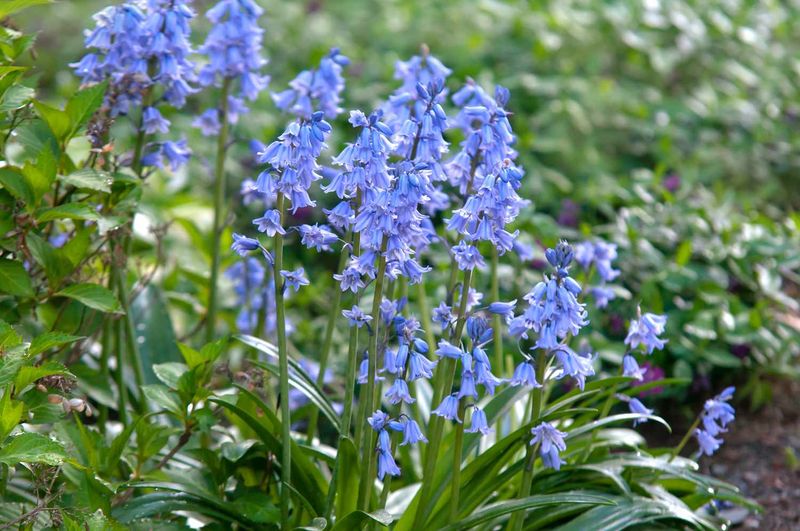
Picture a sea of blue bells nodding under a big oak tree in May. That dreamy image is exactly how Spanish bluebells get sold, and it is easy to see the appeal.
Hyacinthoides hispanica, sometimes labeled as Scilla in older catalogs, is now on many lists of invasive bulbs to avoid. It is a sturdy plant that grows fast and does not like to share.
Over time it can out-compete native plants and take over beds, borders, and nearby open ground. Clumps get thicker every year, and seedlings pop up in new spots.
Wildlife mostly leaves it alone because of a bitter compound in the plant. Without deer or rabbits nibbling, it has one less thing slowing its steady march.
In Britain, this bulb even crosses with the native English bluebell, which worries conservation groups there. It is a good reminder that pretty plants can cause trouble far from home.
Removing an old patch takes patience, since the bulbs sit fairly deep. Dig when the leaves are up so you can find them, and bag every bulb for the trash.
For that same carpet of blue, try Virginia bluebells, Mertensia virginica. They start pink, turn sky blue, feed early bumblebees, and fit right into woods without any fuss.
8. Choose Native Spring Ephemerals Instead
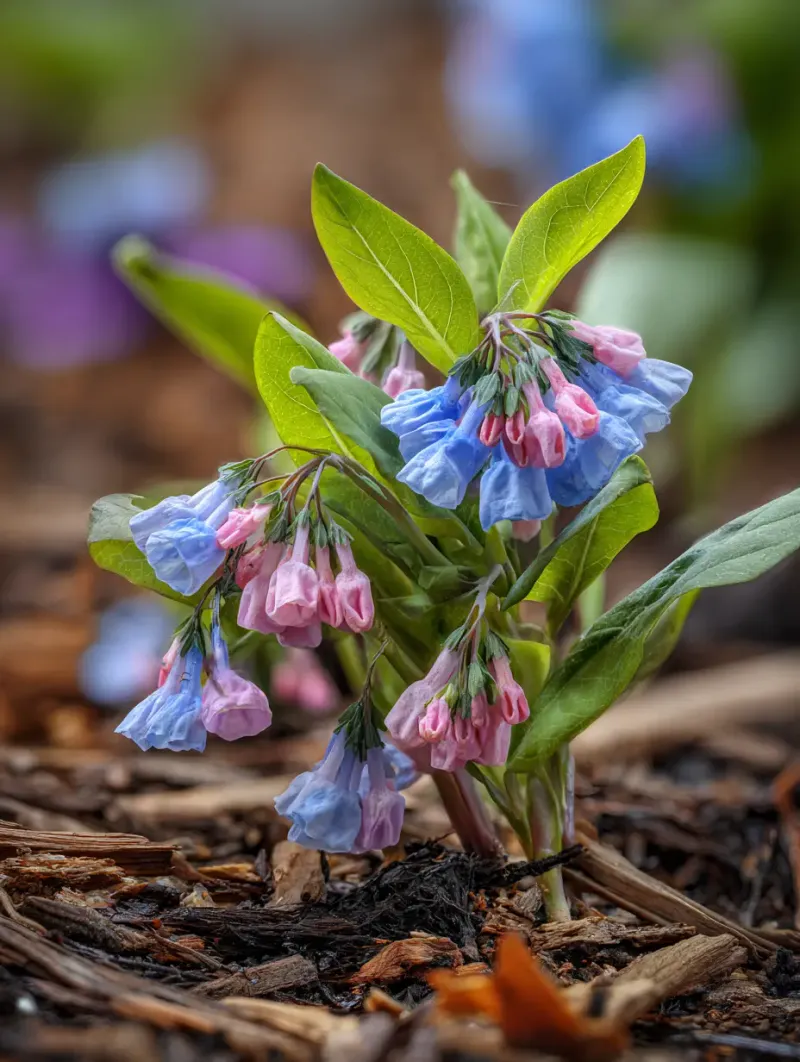
Some of the prettiest flowers in Ohio live fast and finish early. Spring ephemerals rush to bloom and set seed before the trees leaf out and shade the forest floor.
That short show makes them perfect for shady yards. They soak up early sunshine, then quietly rest underground for the rest of the year.
For bright white blooms, try great white trillium or bloodroot. Bloodroot flowers open like tiny stars and last only a few days, which makes them feel extra special.
Dutchman’s breeches and squirrel corn offer quirky little flowers shaped like pants and hearts. Spring beauty and cut-leaved toothwort add soft pink and white carpets.
Yellow trout lily brings sunny color, while Virginia bluebells give you that classic blue. Jack-in-the-pulpit, wild ginger, and bellwort add interesting shapes for curious kids to spot.
Wild geranium and rue anemone stretch the season a little longer with pink and white flowers. Common blue violets fill gaps fast and host fritillary butterfly caterpillars.
Many of these plants feed early bees when little else is blooming. Some even rely on ants to plant their seeds, just like nature’s tiny gardeners.
Buy from nurseries that grow their own plants rather than digging them from the wild. Be patient, too, because many natives take a few years to settle in and spread.
9. Keep New Bulb Plantings Away From Natural Areas
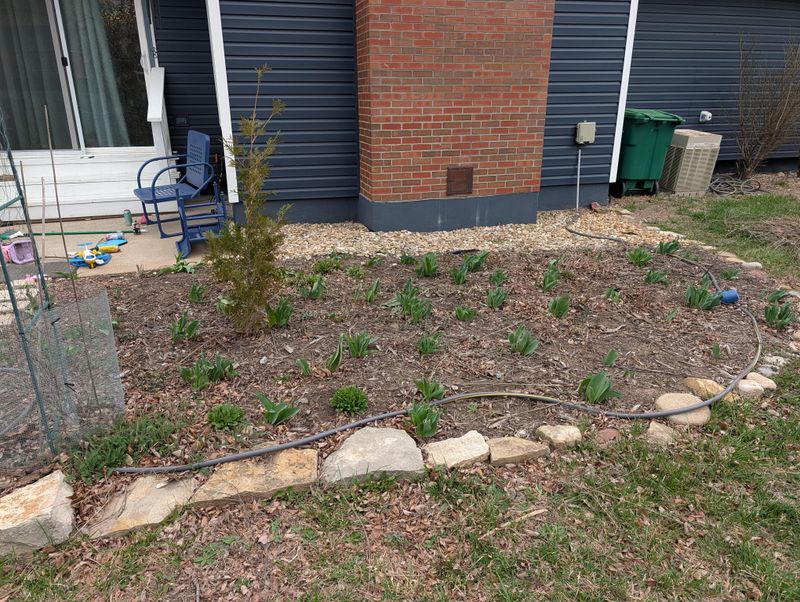
A good rule of thumb is simple: the closer a bulb bed sits to the woods, the pickier you should be. Distance is one of the easiest tools a gardener has.
Woodlands, forest edges, and stream banks are sensitive places full of native life. Invasive plants compete there with natives for water, sunlight, nutrients, and space.
Seeds can wash down slopes during heavy rain or ride along with birds and ants. Bulblets can hitch a ride in wheelbarrows, boots, garden gloves, and loads of soil.
Try keeping new bulb plantings well away from any wild edge, ideally near the house or in raised beds. Containers are another smart option for bulbs you just cannot give up.
Snip off faded flowers before seeds form, and you stop the next generation in its tracks. When removing unwanted bulbs, dig out every bit you can find, even the tiny ones.
Avoid tilling areas with invasive bulbs, since stirring the soil can scatter bulblets into fresh spots. Also, skip dumping yard waste or old bulbs at the edge of the woods.
Before buying, check the Ohio Department of Natural Resources invasive plant list or ask your local extension office. A few minutes of research now can protect the woods you love for years.