What To Do With Potted Hibiscus Before Ohio Nights Turn Cold
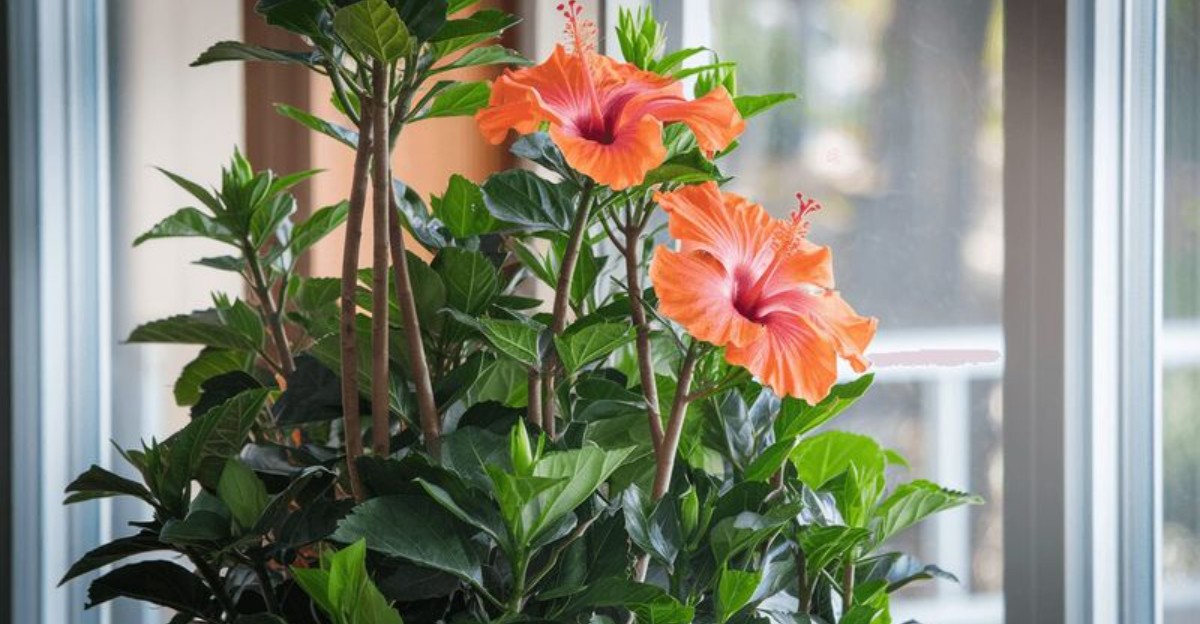
That hibiscus has been putting on a show all summer, blooms opening practically every day like the season could last forever. It can’t, not for a plant like this one.
Ohio nights are about to make that very clear, and there’s a short window to do something about it before they do.
Tropical hibiscus has zero tolerance for cold, and a single hard drop in temperature can turn a thriving plant into a blackened mess by morning. There’s no bouncing back from that kind of damage once it happens.
The plant that looked perfectly fine at sunset can be unrecognizable by the next afternoon, and by then the only options left are starting over or giving up on it entirely.
Bringing it inside isn’t complicated, but it only works if it happens before the first real cold snap, not after the damage is already done.
1. Separate Tropical Hibiscus From Ohio’s Cold-Hardy Types
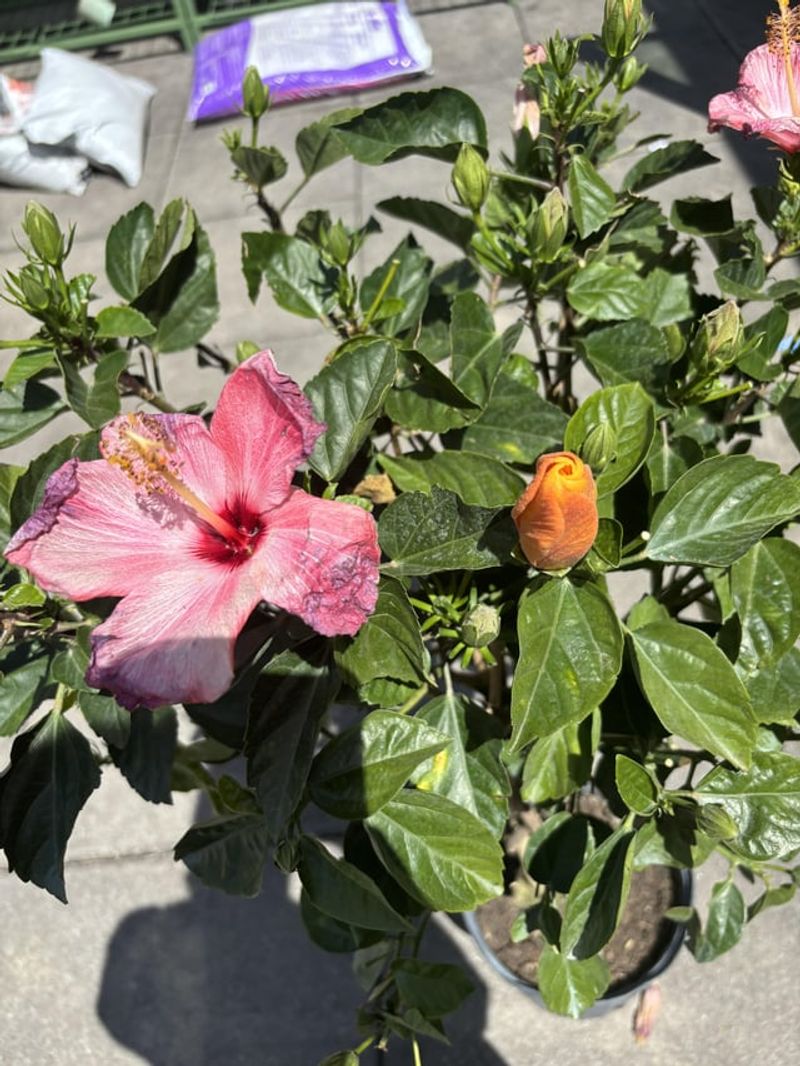
Not all hibiscus want the same winter treatment, and mixing them up leads to a lot of unnecessary worry. Gardeners usually grow two very different groups.
Tropical hibiscus, known botanically as Hibiscus rosa-sinensis, is happiest in USDA zones 9 through 11. Its leaves look glossy, almost polished, and stay green all year.
Blooms tend to measure four to eight inches across in electric reds, oranges, and yellows.
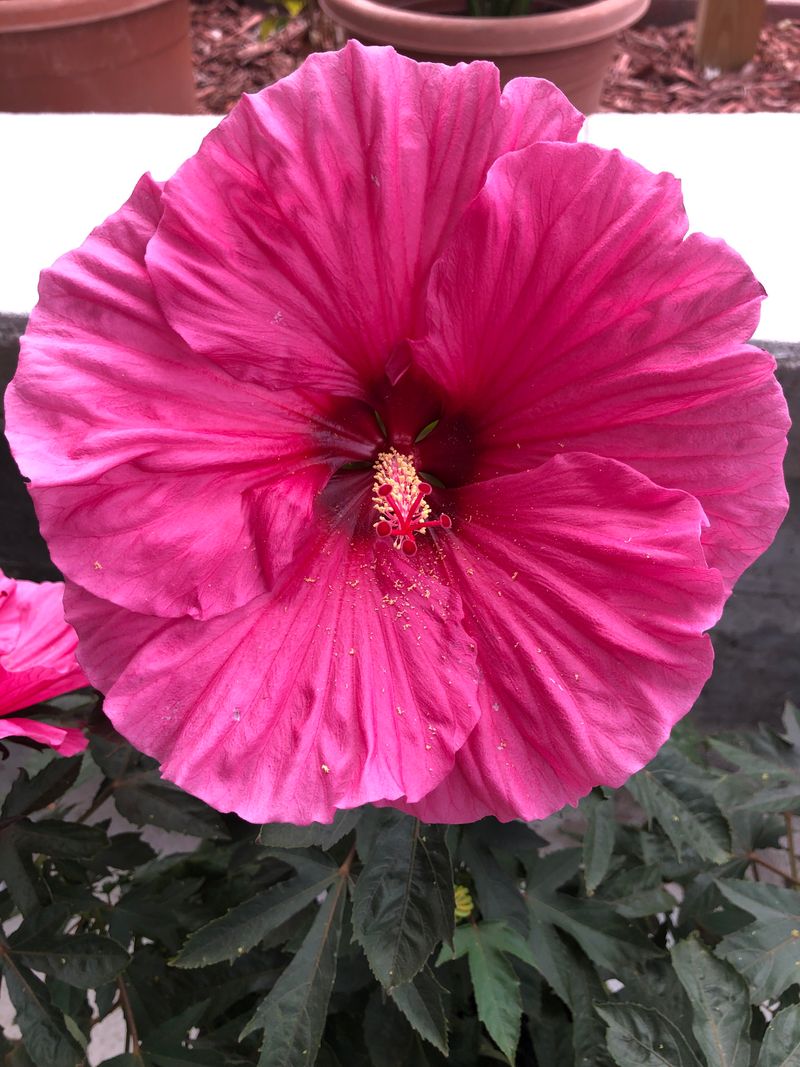
Hardy hibiscus is a different story. Hardy hibiscus such as Hibiscus moscheutos can survive Ohio winters outdoors when properly established, while Hibiscus syriacus, or Rose of Sharon, is a woody shrub that is also winter-hardy in much of the state.
Checking the plant tag settles the question fastest. If the tag is long gone, rub a leaf between your fingers and look at the stems.
Tropical hibiscus typically develops woody stems and a shrubby form, while hardy
Hibiscus moscheutos withers toward the ground in winter and sends up new stems from the crown the following spring.Here’s the practical payoff for Ohio. Hardy hibiscus stays outside, naturally fading back to the ground and returning in late spring, sometimes as late as Memorial Day.
Tropical hibiscus needs a ticket indoors before the cold settles in. Knowing which one sits on your porch saves you both effort and heartache.
2. Bring Tropical Hibiscus Inside Before Cold Nights Arrive
Don’t wait for a frost warning to make the move. Once nighttime temperatures begin staying in the 50s, tropical hibiscus can start showing stress from the cooler conditions, so that is a good time to prepare it for indoor life.
These plants come from warm, humid regions where a chilly night means 65 degrees. Freezing temperatures cause real damage, and even a run of cool nights above freezing can stall growth and drop buds.
Waiting for the first hard frost warning is cutting it far too close.
In much of Ohio, the nights begin cooling enough for indoor preparation sometime in September or early October, although the exact timing varies by location and year. Watch the forecast for a sustained run of cool nights rather than waiting for the first frost.
Your Ohio Garden Changes Every Week. Your Plan Should Too.
Gardening in Ohio changes quickly throughout the season. Every Friday you’ll receive a simple weekly plan showing exactly what to plant, prune, fertilize, harvest, and protect so you never miss the right timing.
Moving day goes smoother with a plan. Large pots get heavy once the soil is moist, so recruit a helper or slide a furniture dolly underneath.
Wipe down the outside of the container and check the drainage holes, since slugs and worms love hiding there.
Give yourself a cushion of a week or two rather than racing a frost forecast at nine at night with a flashlight. Plants moved calmly and early adjust far better than ones yanked inside during a panic.
Your hibiscus will reward that head start with steadier leaves through November.
3. Inspect Every Leaf And Stem For Indoor Hitchhikers
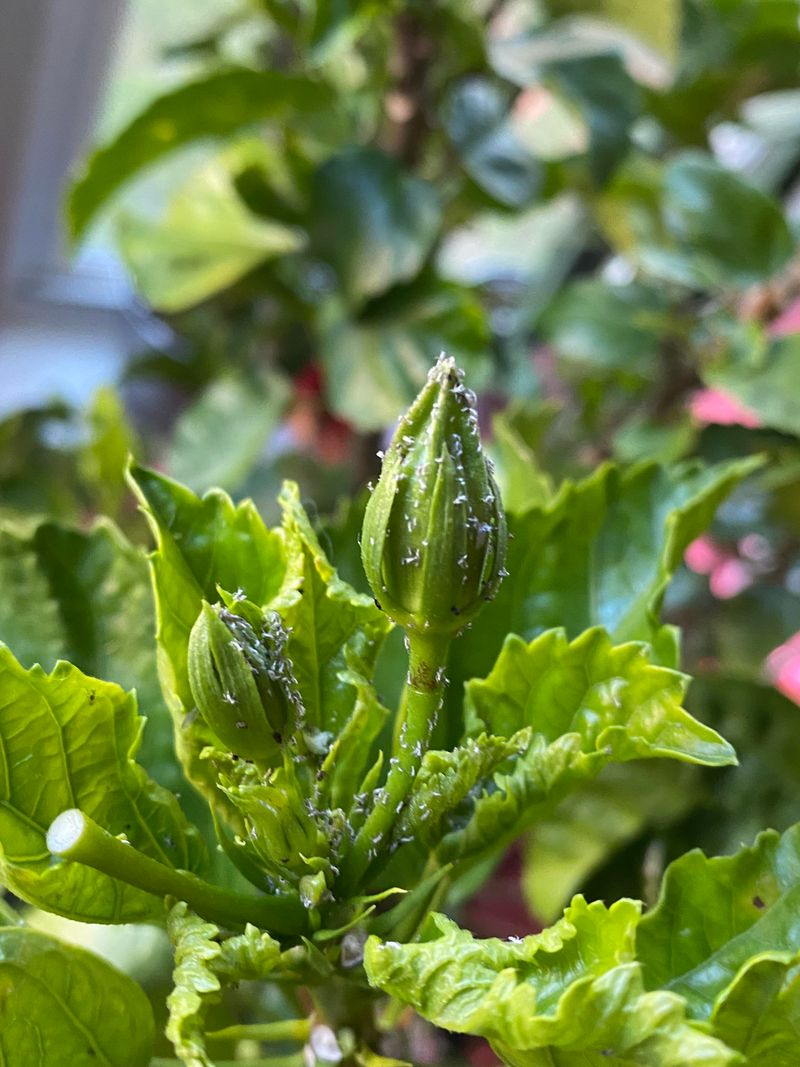
Bugs are sneaky travelers. They ride indoors on leaf undersides and settle into your warm, dry house like it is a winter resort.
Start looking a few weeks before moving day. Flip leaves over, peer into leaf joints, check flower buds, scan the soil surface, and even tip the pot to look underneath the rim.
Aphids, whiteflies, spider mites, thrips, scale, mealybugs, and fungus gnats all consider hibiscus excellent housing.
Certain clues give them away. Sticky leaves point to honeydew, fine webbing suggests spider mites, and little brown bumps along stems usually mean scale.
White cottony fluff signals mealybugs, while a black sooty coating, curled new growth, pale speckling, or sudden bud drop all deserve a closer look.
Cleanup is refreshingly low-tech. Blast the whole plant with a strong hose spray, aiming especially at leaf undersides, then follow up with insecticidal soap or neem oil.
Repeat the treatment about a week later to catch newly hatched pests.
Keep the hibiscus separated from your other houseplants while you monitor it for pests and treat any infestation you find. A spare bedroom or bathroom works fine for quarantine.
Catching a small problem outdoors beats chasing spider mites across your entire windowsill collection in January, when the furnace air makes them multiply fast.
4. Trim Tropical Hibiscus Lightly Before Bringing It Inside
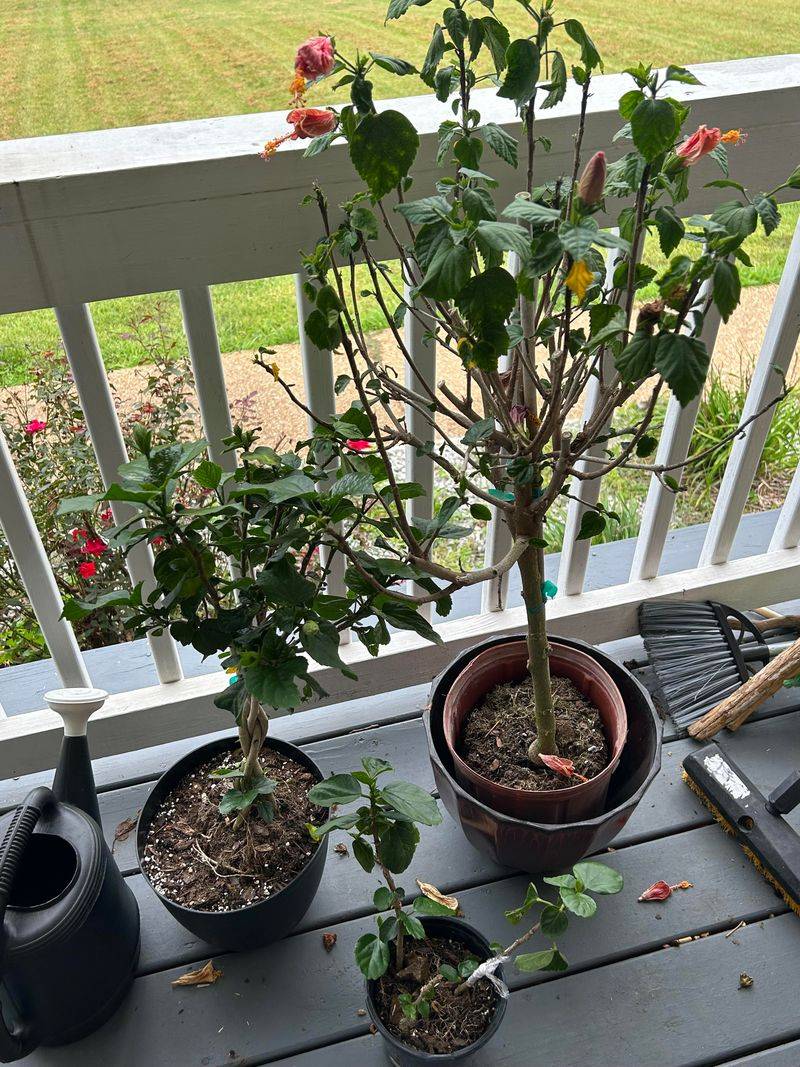
Think of pruning as packing light for a long trip. A six-foot patio shrub simply will not fit gracefully beside your living room window.
Handle the trimming before outdoor lows settle below 50°F, ideally while the plant still sits outside where the mess is easy to sweep up.
If the plant has become too large to manage indoors, shorten selected stems enough to fit the available space rather than automatically removing a fixed percentage of the canopy.
Avoid severe pruning simply because the plant is moving indoors.
Technique matters more than volume. Use sharp bypass pruners and cut at roughly a 45-degree angle just above an outward-facing bud or leaf node.
Cutting above an outward bud sends the new branch away from the center, which keeps the plant open rather than tangled.
The main benefit of light pruning is keeping the plant compact and manageable indoors. Because tropical hibiscus flowers on new growth, appropriate pruning can also encourage branching and provide new flowering shoots later.
Tropical hibiscus bloom on new growth, so that extra branching directly translates into a fuller show.
Save spring pruning for the hardy types, which prefer being cut back once the weather warms. For a tropical hibiscus coming indoors, light shaping can be done before the move if needed.
Save heavier corrective pruning for a period when the plant is actively growing and can respond well.
5. Ease The Plant Into Lower Indoor Light Gradually
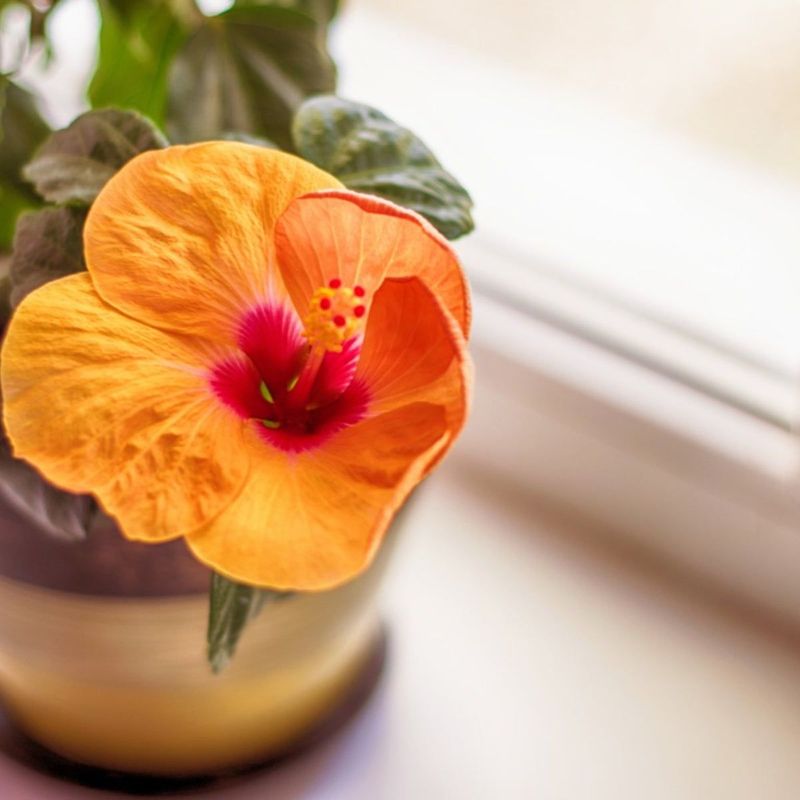
Imagine walking out of bright noon sunshine straight into a dim movie theater. That jarring shift is roughly what your hibiscus experiences when it goes from full Ohio sun to an indoor window in a single afternoon.
Plants respond to sudden light loss by shedding leaves and dropping buds. The fix costs nothing but a bit of patience.
Two or three weeks before the big move, shift the pot to a shadier outdoor spot such as a covered porch, the north side of the garage, or under a large maple.
Leaves gradually rebuild themselves to work in lower light, so the eventual trip indoors feels like a small step instead of a cliff.
Watch the calendar while doing this. The shade stop needs to finish before nights regularly slip under 50 degrees, which means starting the process around the beginning of September in much of Ohio.
The same courtesy applies in reverse next spring. Set the plant out in full shade first, then move it into morning sun, then finally into all-day sun over a couple of weeks.
Skipping that step often leads to bleached, scorched leaves that look sunburned.
A slow handoff between seasons keeps far more foliage on the branches, and foliage is what fuels next year’s flowers.
6. Give Hibiscus The Brightest Indoor Spot Available
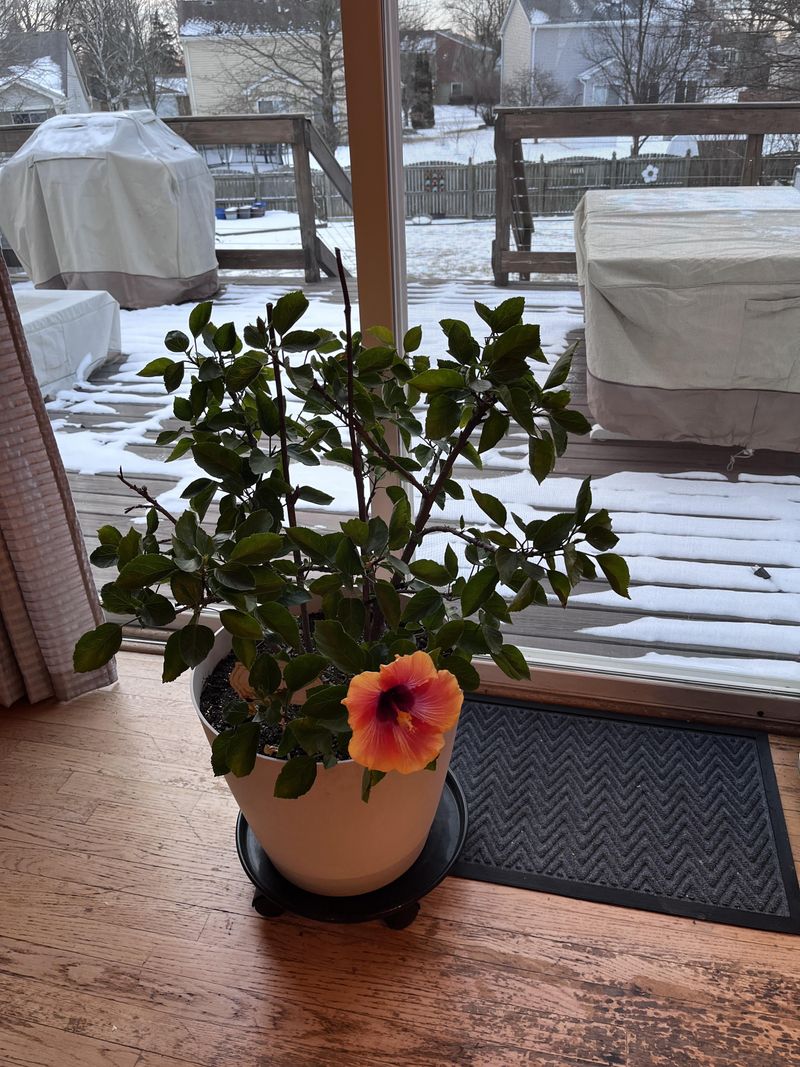
Winter light in Ohio is thin stuff. Cloudy stretches from November through February are legendary, which makes window placement the single biggest decision you’ll make indoors.
South-facing windows are the gold standard, with west-facing running a close second. Give tropical hibiscus the brightest window available, ideally with several hours of direct sunlight.
If natural light is weak, supplemental grow lighting can help maintain compact growth and flowering.
Pull the pot a few inches back from the glass. Leaves pressed against a cold pane can chill and develop brown patches, especially on single-pane windows during a January cold snap.
Drafty spots near doors and blasts from heating vents also cause trouble, so aim for a stable, bright corner.
If your brightest window still feels dim, a grow light fills the gap nicely. A basic full-spectrum LED positioned a foot or so above the plant and run for ten to twelve hours a day makes a noticeable difference.
Rotate the pot a quarter turn every week or two so all sides get their share. Wiping dust off the glossy leaves with a damp cloth also helps them soak up what light there is.
Good placement now sets up buds rather than bare twigs.
7. Adjust Watering As Winter Growth Slows Down
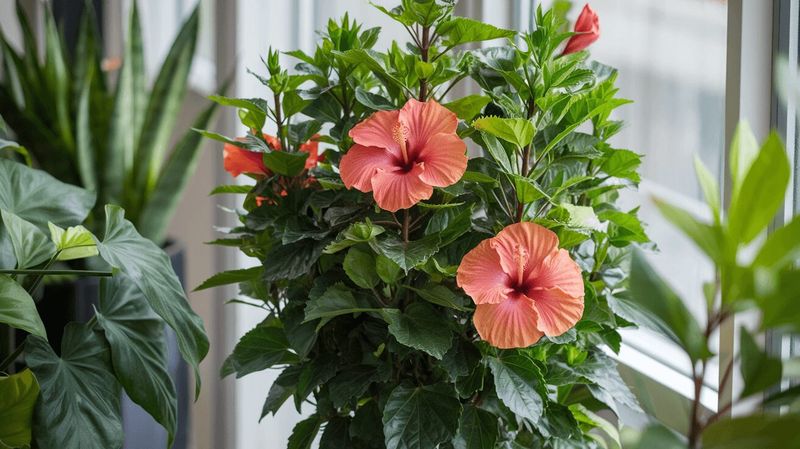
Overwatering causes more indoor hibiscus trouble than cold ever does. Once growth slows for winter, the roots simply drink less.
The finger test remains the most reliable tool in the shed. Push a finger about two inches into the soil, and if it feels dry at that depth, go ahead and water.
If moisture clings to your skin, wait a few more days and check again.
Aim for evenly moist to slightly dry soil rather than soggy. Water thoroughly when you do water, letting the excess run out the drainage holes, then dump whatever collects in the saucer.
Roots sitting in standing water get mushy and stop working properly.
Frequency will drop noticeably compared to summer. A plant that needed daily attention on a July patio might want water once every week or ten days in a cool January living room.
Dry furnace air creates a different challenge. Grouping plants together, setting the pot on a pebble tray with water below the pot base, or running a small humidifier keeps the air kinder to those glossy leaves.
Hold back most fertilizer until late winter. A light feeding around February, when days lengthen and new growth appears, gets the plant moving toward spring without pushing weak, leggy stems.
8. Expect Some Leaf Drop After The Move Indoors
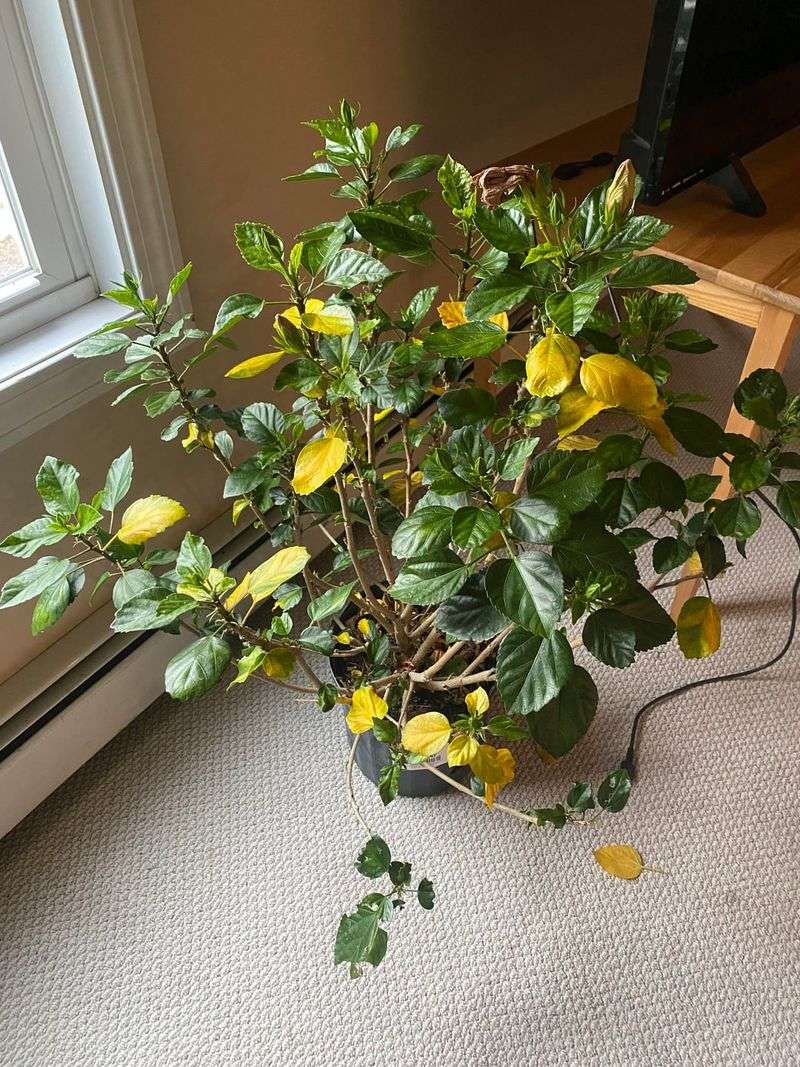
About a week after the move, you’ll probably find yellow leaves scattered on the floor. Resist the urge to panic-buy fertilizer.
Leaf drop is a standard reaction to changing light, humidity, and temperature all at once. The plant is essentially recalculating how much foliage it can support under new conditions.
Older, lower leaves usually go first, turning yellow and letting go over a couple of weeks.
Steady care beats dramatic intervention here. Keep the plant in one bright spot instead of shuffling it around, water on the dry-leaning schedule, and give it a few weeks to settle.
New growth appearing at the stem tips is your signal that the adjustment worked.
Some yellowing does deserve a second look. If leaves turn yellow with fine speckling, webbing, or sticky residue, pests are likely involved, and a neem oil treatment is in order.
Yellowing paired with constantly wet soil points to overwatering instead.
Gardeners who took the gradual shade route earlier usually see the mildest leaf loss. Those who moved a plant from full sun to indoors overnight tend to see the most.
Either way, hibiscus are resilient. A plant that looks sparse in November often fills back in by March and starts setting buds when the days stretch longer.
9. Decide Whether Your Hibiscus Will Grow Or Rest Indoors
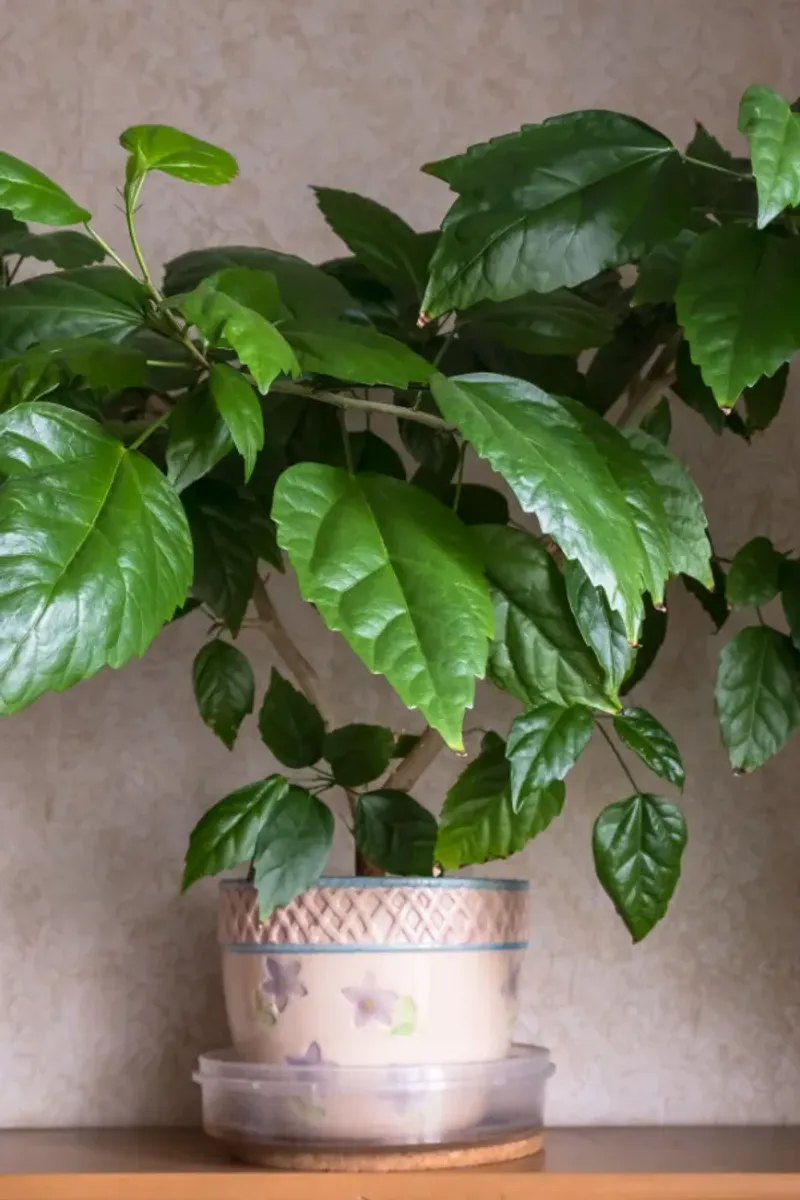
Two roads open up once the plant is inside, and both are perfectly valid. Your house, your schedule, and your patience decide which one fits.
Route one keeps the plant actively growing. Park it in a warm, sunny, humid room, water when the top couple inches dry out, and feed lightly every few weeks with a balanced fertilizer.
Plants treated this way sometimes hand you a surprise bloom in February, which feels like a small miracle during an Ohio gray spell.
Route two is a lower-growth winter setup. A cooler, bright location can slow growth and reduce the plant’s water needs, but tropical hibiscus still needs protection from freezing temperatures and should not be left in a location that becomes dangerously cold.
The rest method takes far less fussing, and it suits gardeners short on sunny windows. There’s a tradeoff, though.
Deep rest can push flowering back well into summer, while actively grown plants tend to bloom earlier.
Whichever path you pick, stay consistent. Bouncing between warm and cool creates confusion and more leaf loss.
Come May, harden the plant back into outdoor sun slowly, and that patio corner fills with color again.