Stop Fighting Bare Dirt Under Your New York Maple With This Low-Maintenance Native
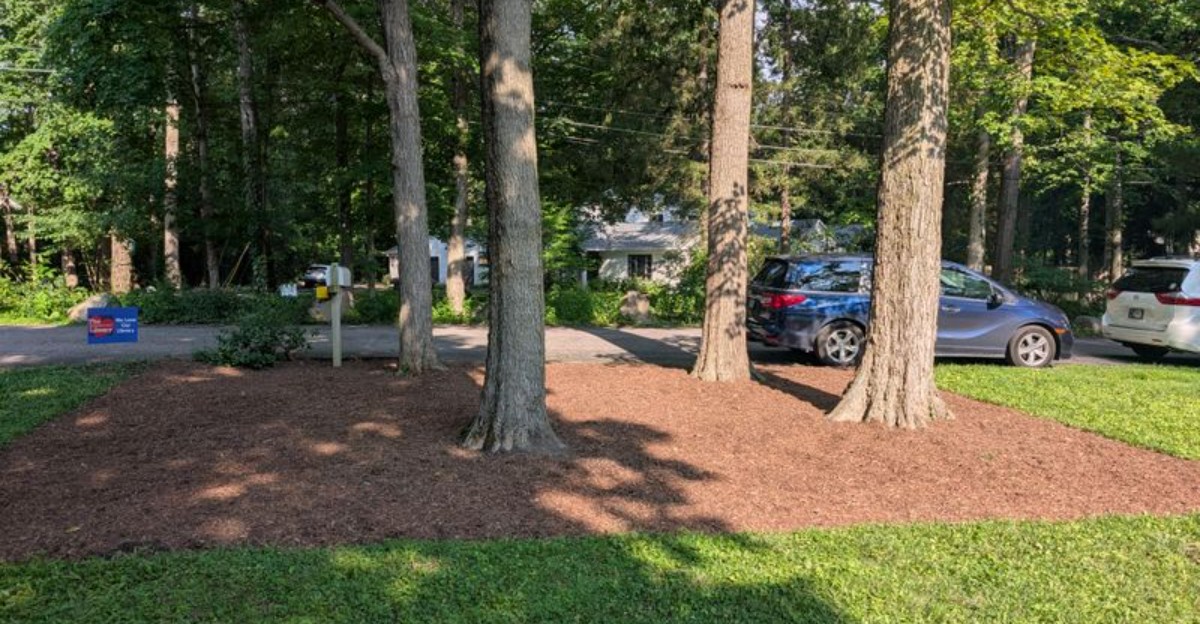
Your maple throws gorgeous shade, but the ground beneath it looks like a dusty baseball infield. Grass seed vanishes, mulch washes away, and the bare patch seems to grow every summer.
Plenty of New York homeowners know that crunchy, sun-starved circle all too well. The good news is that one soft, green native plant actually thrives there.
It feels springy underfoot, sways gently in the breeze, and asks for very little in return. There’s no need for a fancy sprinkler system or weekend after weekend of chores.
Instead, you get a calm, grassy carpet that makes the whole yard look cared for. It even handles the thirsty maple roots that defeat most other plants.
The guide below covers when to plant it and what to grow beside it. You’ll also learn one common mistake that can quietly hurt your tree.
Pennsylvania Sedge Is The Plant For The Job
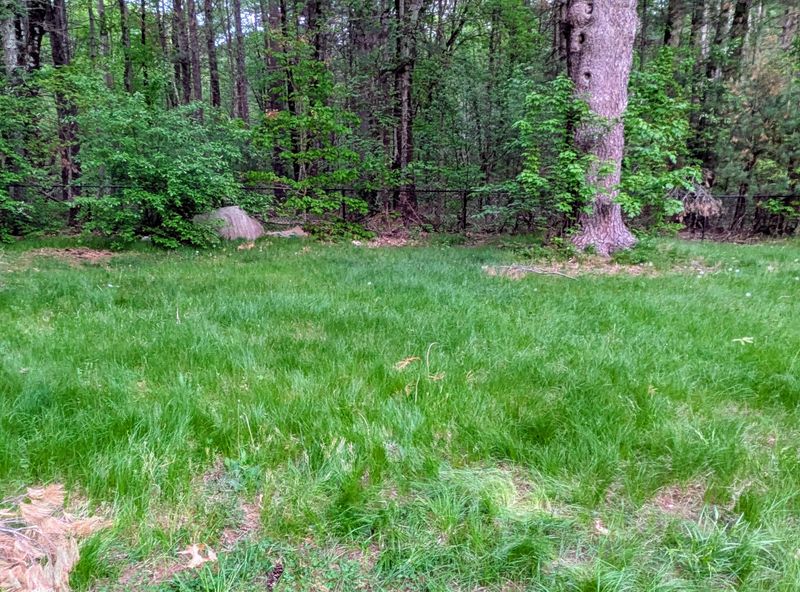
Meet the quiet hero of shady yards, a plant with the tongue-twisting name Carex pensylvanica. Most gardeners just call it Pennsylvania sedge, and it grows wild across woodlands.
Sedges look a lot like grasses at first glance. Their stems and roots work a little differently, though, and that difference helps them thrive where lawn grass struggles.
Here is a fun bit of trivia for your next backyard barbecue. Many people also call this plant oak sedge because it carpets the floors of oak forests.
Out in the wild, it forms low mats about six to twelve inches tall. Underground stems called rhizomes creep outward slowly, knitting new plants together into loose colonies.
Because it is native to eastern North America, local wildlife already knows it well. Small insects and ground-nesting bees can find shelter among its tufts during the warm months.
You also skip the heavy fertilizer and weed treatment routine that turfgrass often demands. A native plant grows in step with local rain, soil, and seasons, so it asks for far less help.
Picture the bare circle under your maple turning into a soft green rug. That shift can happen with one plant choice and a little patience over a couple of seasons.
Ready to shop? Look for it at native plant nurseries, garden centers with native sections, or regional plant sales in spring.
Ask for plants grown from local seed when you can find them. Plants with Northeast roots tend to settle faster in a New York yard.
It Handles Dry Shade And Hungry Maple Roots
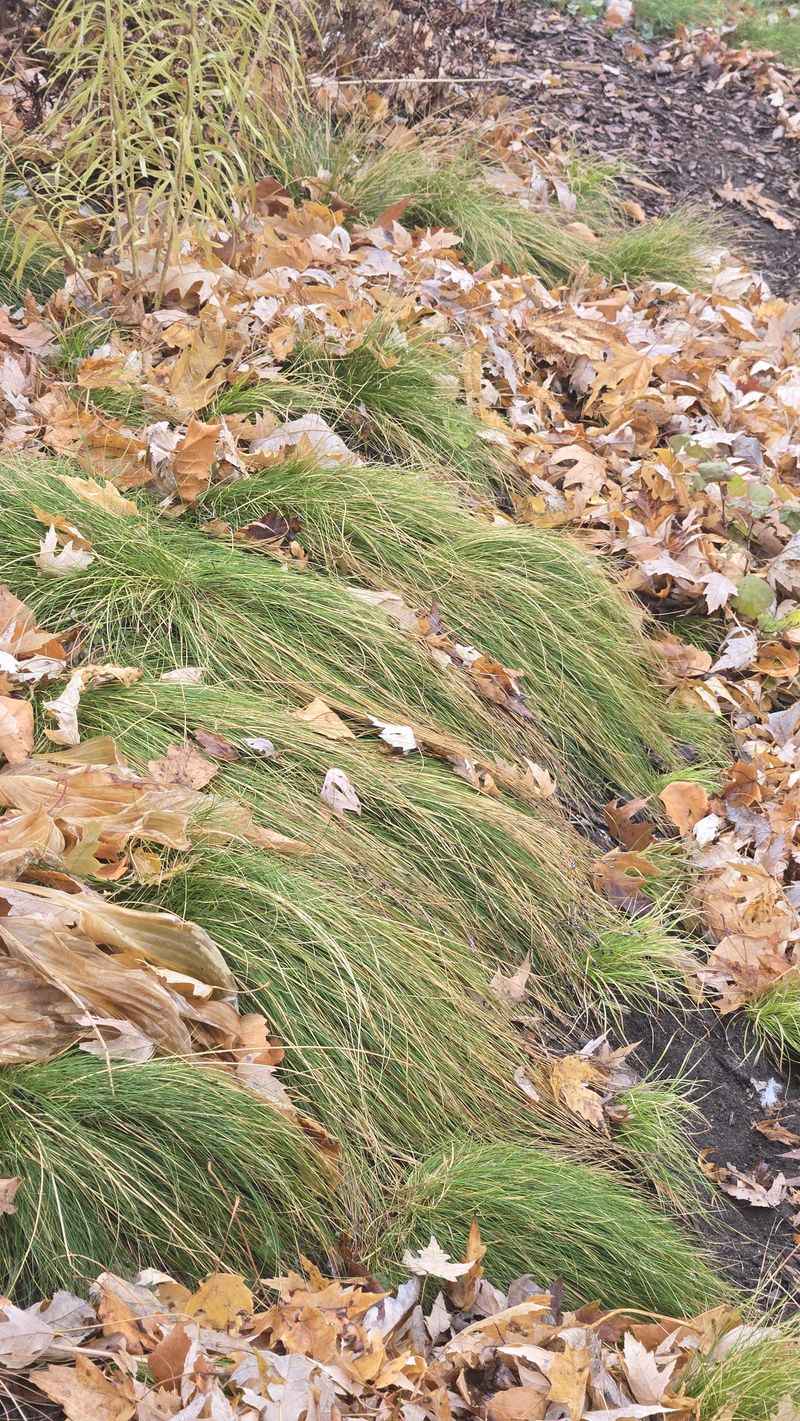
Maples are wonderful trees with one sneaky habit. Their roots spread wide near the surface and slurp up nearly every drop of rain.
Toss in thick summer shade, and you have a tough spot for most plants. Lawn grass wants sun and steady water, so it thins out and leaves bare dirt behind.
Pennsylvania sedge plays by different rules. It grows happily in dry to medium soil that drains well, and it prefers shade or partial shade.
Its fine roots settle into the top layer of soil among tree roots. Instead of sulking, it holds its ground and slowly outcompetes weaker plants.
Your New York Garden Changes Every Week. Your Plan Should Too.
Gardening in New York changes quickly throughout the season. Every Friday you’ll receive a simple weekly plan showing exactly what to plant, prune, fertilize, harvest, and protect so you never miss the right timing.
Think of it as the neighbor who does fine at a crowded party. It needs little space, little food, and zero attention to feel comfortable.
A quick tip before planting helps a lot. Loosen only the top inch or two of soil with a hand trowel, and avoid chopping into thick roots.
Tuck each plant into small pockets between larger roots. Gentle planting keeps your maple healthy while giving the sedge a cozy starting spot.
Norway maples cast especially dense shade and have very greedy roots. Sugar and red maples, common across New York, are a little kinder but still tricky.
Pennsylvania sedge can handle all three with a bit of early care. Even deep shade on the north side of a house usually works for it.
Fine, Arching Blades Look Like Soft Lawn Grass
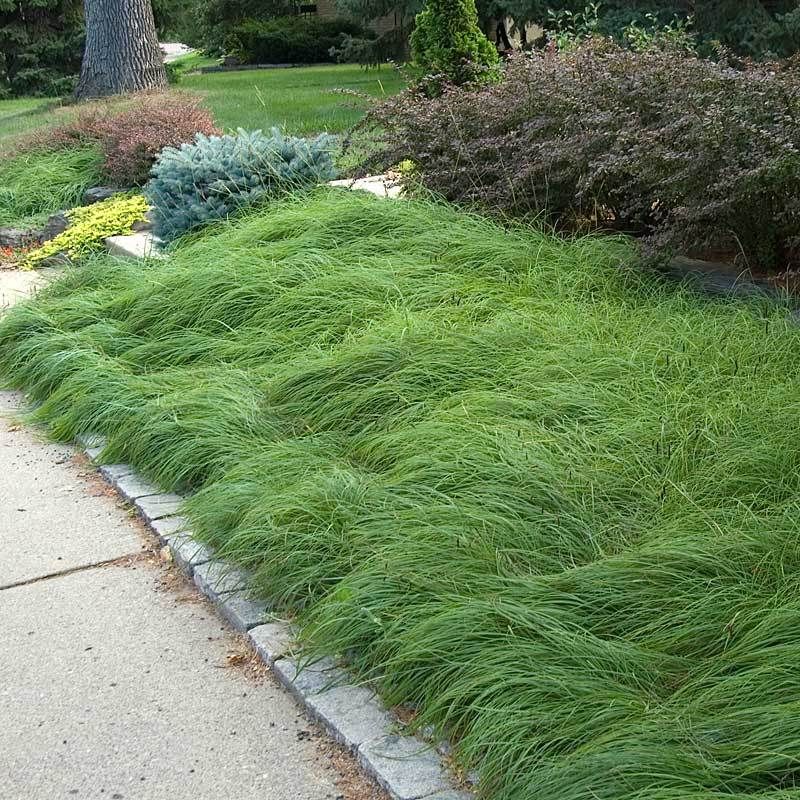
Run your hand across a patch of this sedge, and you might grin. The blades feel silky, almost like brushing a puppy’s ear.
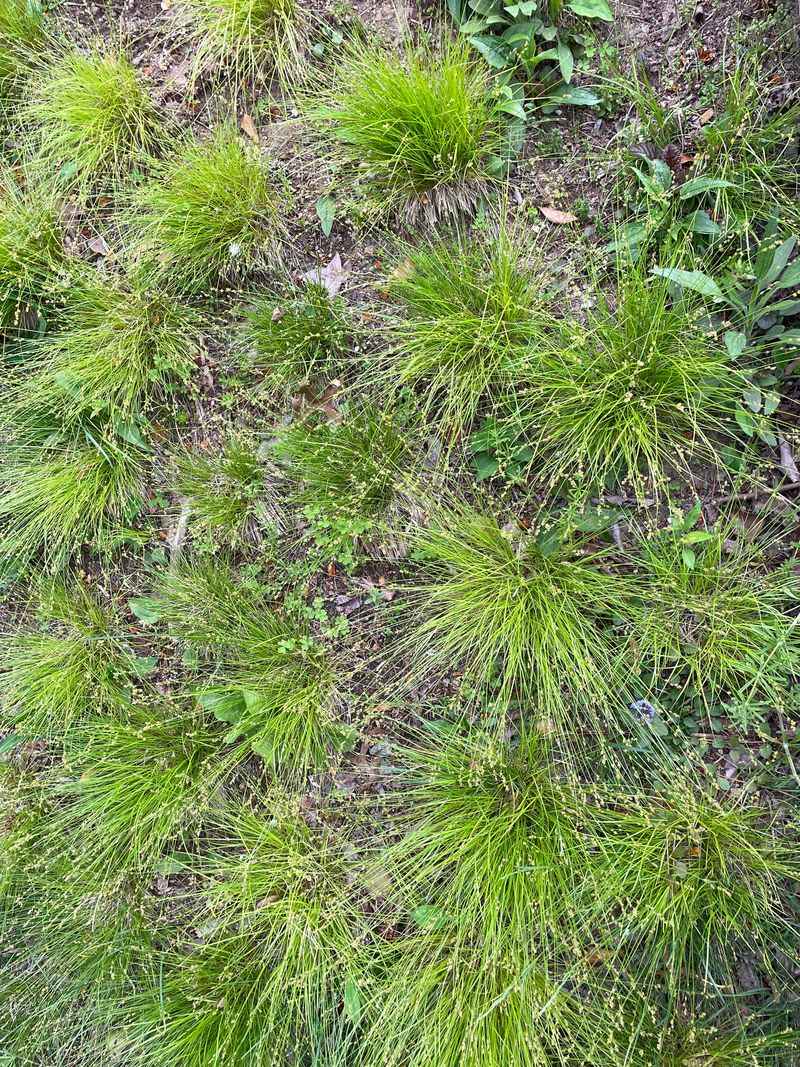
Each leaf is narrow and fine, much thinner than typical lawn grass. The blades rise a few inches, then bend over in gentle arches.
Together, they create soft mounds that ripple when the wind blows. From a short distance, a mature planting looks like a shaggy, flowing lawn.
Most plants stay between six and twelve inches tall. Many settle closer to eight inches, which feels tidy without needing a mower.
Color is another nice perk. Fresh spring growth glows bright green, while summer leaves deepen to a calm, even shade.
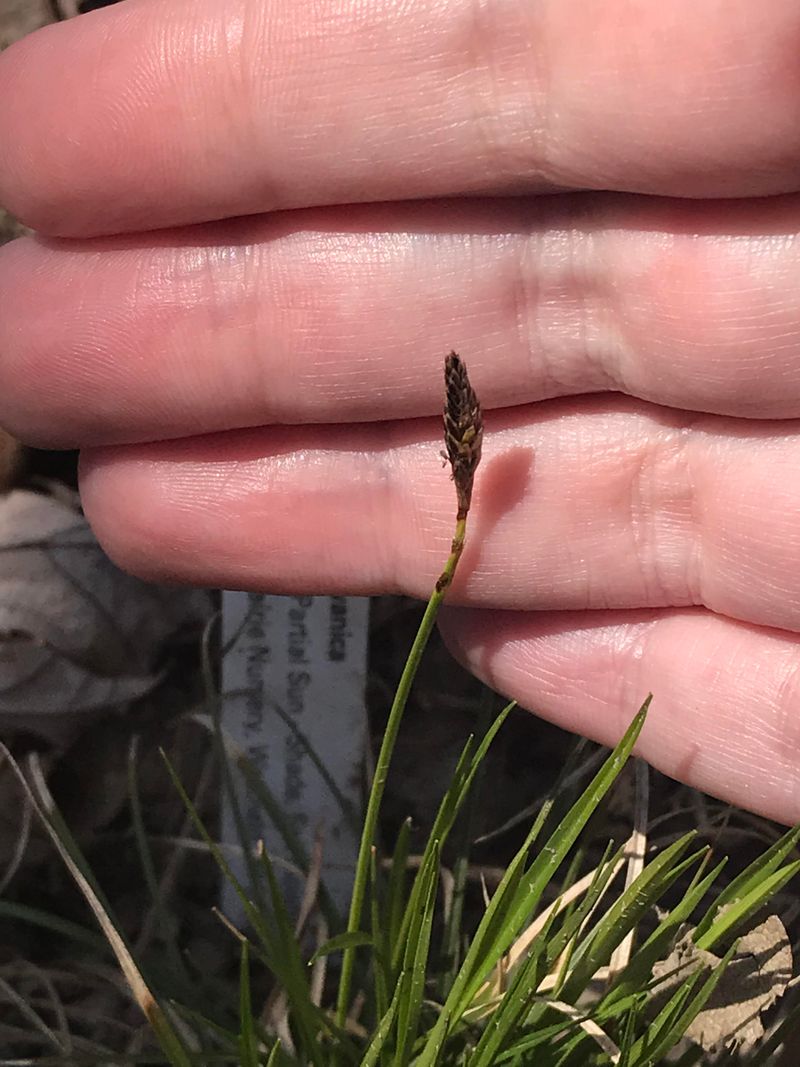
Early spring brings a small surprise. Tiny, creamy flower spikes pop up before the new leaves appear, lasting only a short while.
Neighbors walking by may assume you finally won the grass battle. You can smile and let them wonder how you pulled it off.
In late fall, the blades turn tan and flop over a bit. Leave them in place, since they protect the crown through a snowy winter.
Fresh green shoots push through the old leaves each spring. Many gardeners love that soft, meadowy look, which pairs nicely with stone paths and garden benches.
Mowing Is Optional, Not Required
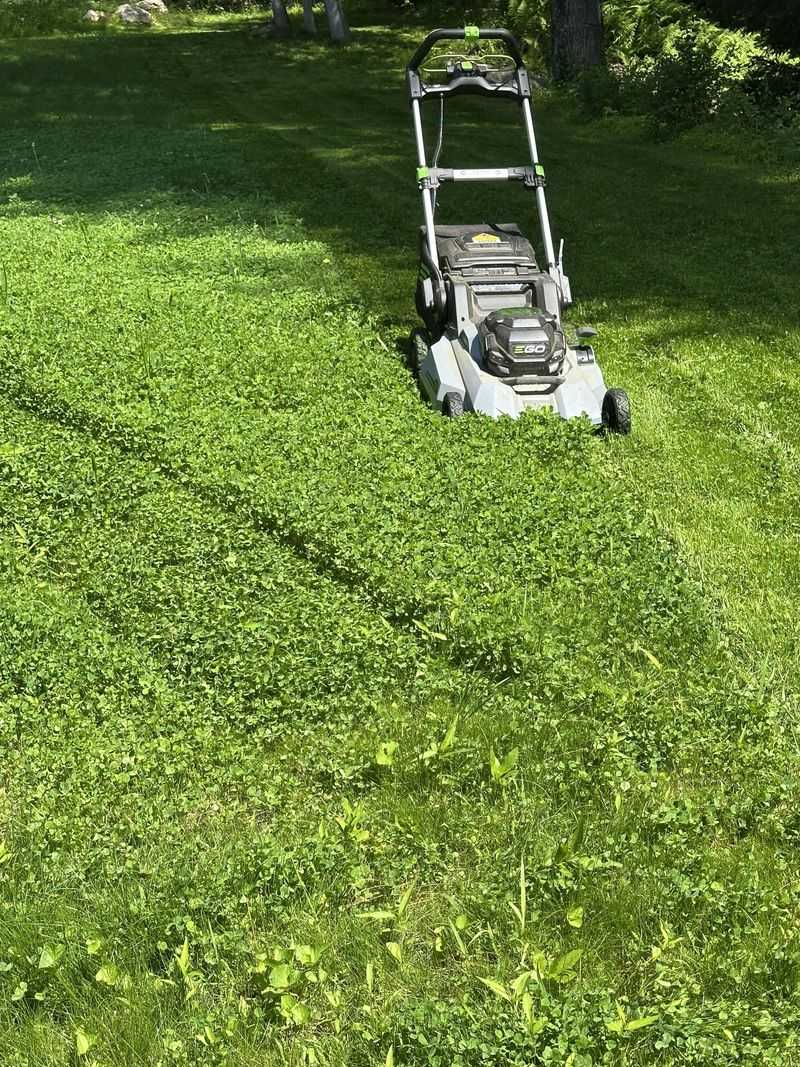
Imagine a Saturday morning with no mower roaring in your backyard. Pennsylvania sedge makes that dream pretty realistic.
Left alone, the plant grows into loose, flowing mounds. Plenty of gardeners enjoy that relaxed woodland style and skip mowing entirely.
Some folks prefer a neater, lawn-like look, and that works too. You can mow it one to three times per year without harming it.
Set your mower blade high, around three to four inches. Cutting lower can stress the plants and leave them looking patchy.
A string trimmer or hedge shears also work in smaller spaces. Just keep the cut even so the carpet looks uniform afterward.
Timing matters more than frequency. A trim in late winter or very early spring clears away tired winter leaves and makes room for fresh growth.
Wait until the soil has dried a bit before rolling equipment across it. Soggy spring ground compacts easily, which your maple roots will not appreciate.
Here is a handy trick for fallen leaves. Run the mower over maple leaves in autumn, and let the shredded bits settle into the sedge as free mulch.
Those crumbled leaves feed the soil as they break down. Your tree and your groundcover both get a little snack, and you skip raking.
Compare that to weekly lawn mowing from May through October. The time savings add up fast, leaving more hours for hammocks and lemonade.
Plugs Spaced About A Foot Apart Fill In Over A Few Seasons
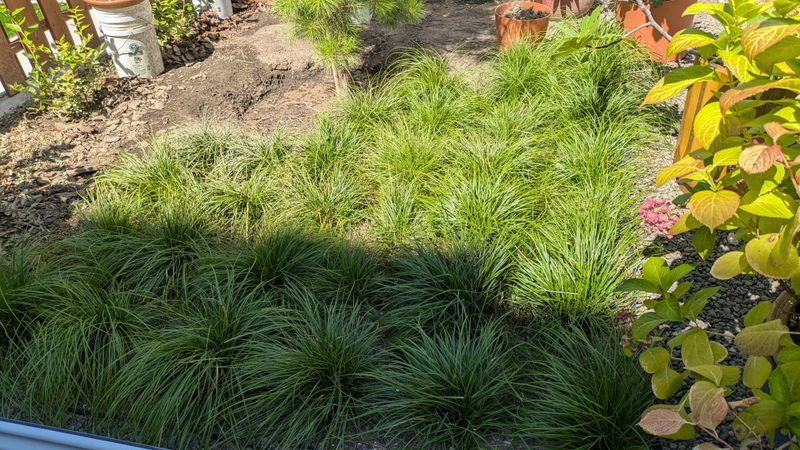
Patience pays off with this plant, but not too much patience. Most plantings knit together within two or three growing seasons.
Start with plugs, which are small plants grown in narrow cells. Seeds from this sedge are notoriously fussy and slow, so plugs save plenty of frustration.
Space each plug about twelve inches apart for a solid carpet. A staggered, zigzag pattern fills gaps faster than neat straight rows.
Doing some quick math helps before you shop. A ten by ten foot area needs roughly one hundred plugs at that spacing.
Many nurseries sell trays of thirty-two or fifty plugs. Buying by the flat often costs less per plant than single pots.
Planting is simple work. Dig a small hole with a trowel or bulb planter, set the plug level with the soil, and press gently around it.
Spread a thin layer of shredded leaves between plugs. That light cover holds moisture and blocks weeds while the rhizomes creep outward.
Expect the first year to look a little spotty. Sedges spend early months building roots, a stage some gardeners jokingly call sleep, creep, then leap.
By the second summer, gaps shrink noticeably. Pull any weeds that sneak in during this stretch so the sedge wins the space.
Tight on budget? Space plugs up to eighteen inches apart, and simply wait an extra season for full coverage.
Skip Piling New Soil Over Maple Roots
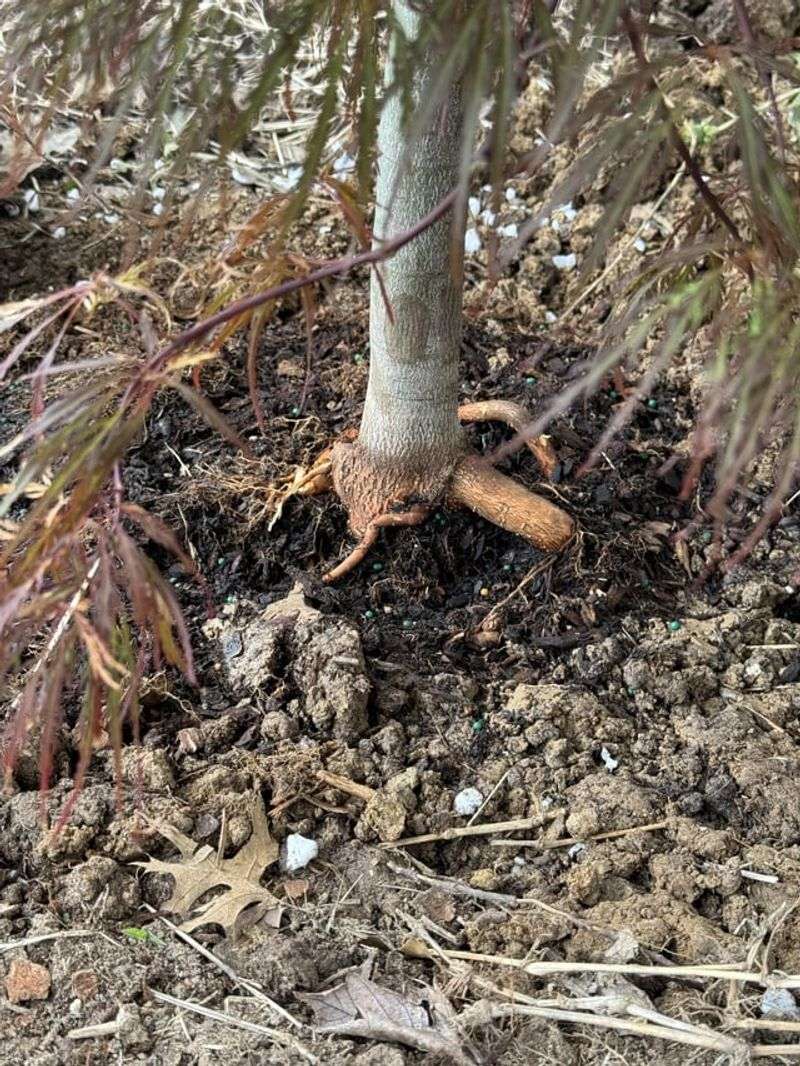
Many well-meaning gardeners make one big mistake under trees. They haul in bags of topsoil and pile it high over the roots.
It seems like a smart fix for bumpy ground and exposed roots. Sadly, it can quietly harm the very tree you love.
Tree roots need oxygen, just like we do. Most feeding roots live in the top foot of soil, where air moves easily.
Adding more than a few inches of fresh soil can smother them. Over months or years, the tree may weaken, drop branches, or slowly decline.
Watch for the root flare, too. The flare is where the trunk widens at the base, and it should stay visible above ground.
Burying that flare traps moisture against the bark. Rot and pests can move in, which is bad news for a maple.
So what should you do instead? Plant sedge plugs right into the existing soil, working carefully between larger roots.
Small gaps and pockets are all these plants need. A light topping of compost, about half an inch, is fine if the soil feels very poor.
Arborists across New York see buried trees more often than you might expect. Skipping the soil pile protects your tree and saves you money.
Exposed roots will soften visually once the sedge fills in. The green blades hide lumps nicely without adding any weight on top.
Water Through The First Summer Only
Good news for forgetful gardeners. This plant needs regular watering for just one summer, then mostly fends for itself.
Right after planting, give each plug a deep soak. Water slowly so it sinks down instead of running off hard, dry ground.
Through that first summer, aim for evenly moist soil. Poke a finger an inch down, and water whenever it feels dry.
Under a thirsty maple, you might water twice a week in hot spells. Rainy weeks may need nothing extra at all.
A soaker hose snaking between plugs makes this chore easy. Set a timer for about thirty minutes early in the morning.
Morning watering helps leaves dry before evening. Drier leaves at night mean fewer chances for fungus problems.
After that first year, roots reach deeper and hold on tight. Your sedge will handle normal dry spells with barely a droop.
Long droughts are the one exception worth watching. During a rainless stretch of several weeks, a single deep drink keeps the carpet looking fresh.
Think of it like teaching a kid to ride a bike. You hold the seat at first, then step back and cheer.
Summers can swing from soggy to scorching fast. Keep an eye on the forecast during year one, and your plants will reward you later.
Early Fall And Spring Are Prime Planting Times
Timing can make or break a new planting. Pennsylvania sedge loves cool weather, so plan around the gentler seasons.
This sedge does most of its growing when soil stays cool. Spring and fall are its busy months, while midsummer is more of a rest period.
Early fall is a favorite window for many gardeners. Warm soil and cooler air let roots grow strong before winter arrives.
Aim for late August through September in most of the state. That gives plants about six weeks to settle before the ground freezes.
Maple leaves will start falling right around then. Rake them gently off the plugs, or shred them and use them as mulch.
Spring works well too, especially from April to early June. Rain tends to show up regularly, which cuts down on your watering duties.
Try to avoid planting in July heat. Young plugs fight hard just to stay hydrated, and results can be disappointing.
Already have an established patch? Early spring is the best time to divide clumps and spread them into new bare spots.
Dig a healthy clump with a spade, then pull or cut it into smaller pieces. Each piece with roots and a few leaves can become a new plant.
Dividing is basically free plants. Your original investment keeps multiplying across the yard, one clump at a time.
White Wood Aster And Christmas Fern Make Easy Partners
Even the best groundcover enjoys a little company. Two native partners can turn a plain sedge carpet into a mini woodland garden.
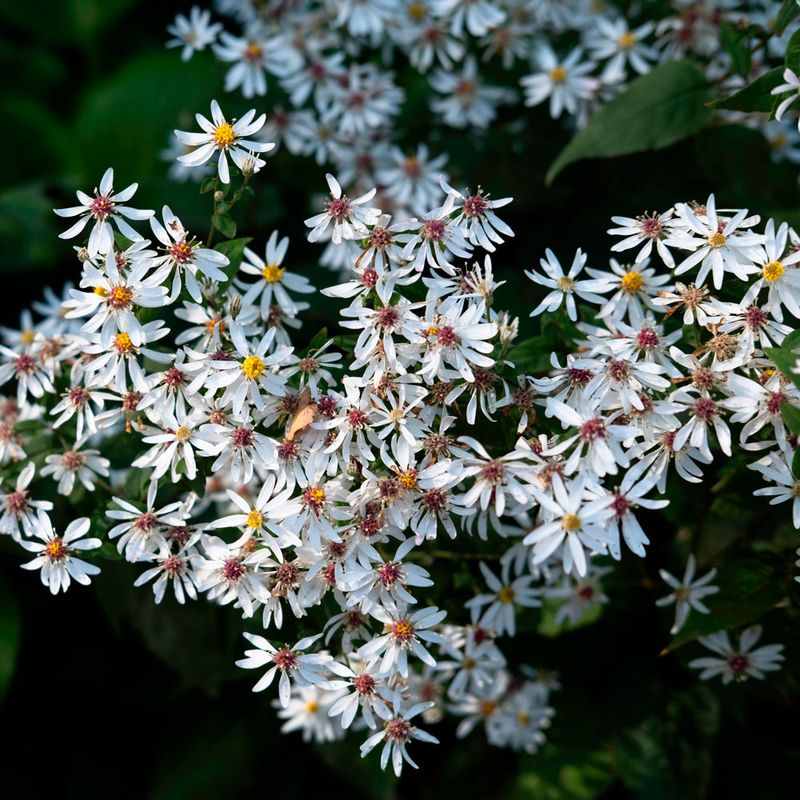
White wood aster is a cheerful choice. Its tiny, starry white flowers show up in late summer and keep going into fall.
Plants grow one to three feet tall with dark, wiry stems. They handle dry shade well, just like the sedge beneath them.
Late-season bees and butterflies flock to those flowers. You will be serving nectar when many other blooms have faded for the year.
Christmas fern brings a totally different vibe. Its leathery, lance-shaped fronds stay green through winter, even under snow.
Here is a fun fact about the name. Each small leaflet looks a bit like a Christmas stocking, and early settlers used the fronds for holiday decorations.
Clumps reach one to two feet tall and wide. Deer usually leave it alone, which is a big win in many suburbs.
Arrange them in small groups rather than scattered singles. Try three ferns near the trunk and a drift of asters toward the edge.
Leave the sedge to fill the space between them. The mix of heights, textures, and seasons keeps the area interesting all year.
None of these plants need constant moisture or fussy care. Together they create a layered look that feels like a walk in the woods.