10 New York Yard Features That Invite Mice In Before Winter
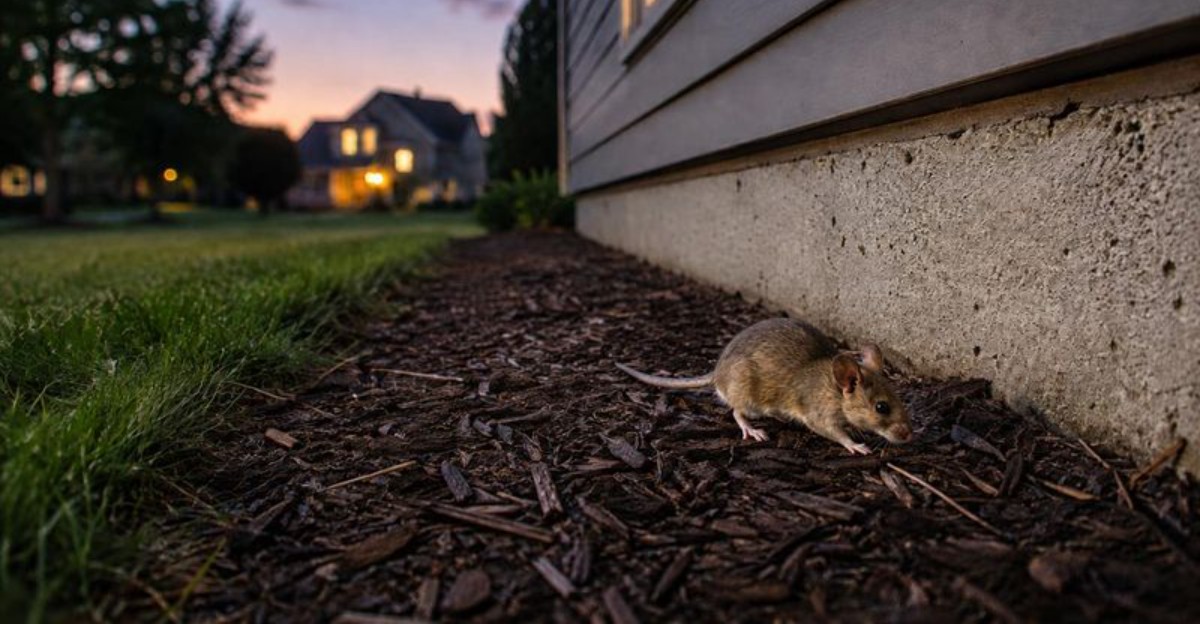
The first frosty mornings in New York bring more than falling leaves and colder nights. They also send mice searching for warm, quiet places to wait out winter.
Most mice are simply looking for food and shelter. Many yards accidentally provide that with firewood stacks, leaf piles, garden clutter, and spilled birdseed.
Mice follow predictable patterns. Once you know which yard features attract them, you can make small changes that remove those easy hiding spots.
Take a walk around your property this fall and look for these common setups. A few simple fixes can make your yard less inviting before winter arrives.
1. Wood Piles Give Mice Hidden Winter Cover
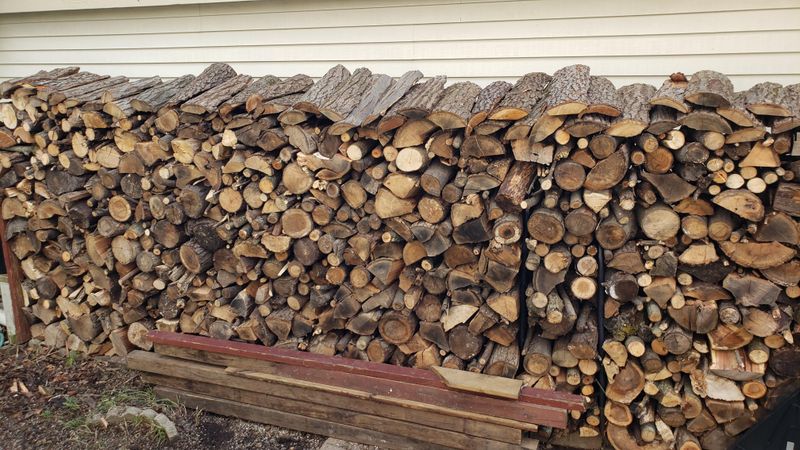
Firewood stacks can become comfortable hiding spots for rodents. They are especially inviting when stored close to the house.
Those crisscrossed logs create sheltered pockets where mice and other small animals can hide from weather and predators. Bark shreds make excellent nesting fluff, and insects living in damp wood add a protein snack.
Here is the part most homeowners miss. A woodpile leaning against the siding gives mice cover to chew, scratch, and probe for gaps around utility pipes without anyone spotting them.
Many pest experts recommend keeping firewood stored away from your foundation when possible. Yes, that means a longer walk in January, but it also means fewer surprise visitors behind your dryer.
Elevation matters just as much as distance. Set the wood on a metal rack or sturdy pallets so air moves underneath and nothing can burrow into the bottom row.
Cover only the top of the stack with a tarp. Wrapping the whole pile traps moisture, and soggy wood attracts both bugs and the rodents that hunt them.
Give each armload a quick look before carrying it inside. Nests tucked between logs are easy to spot once you know what you are looking for, usually a ball of shredded bark and grass.
Rotating your stack every season helps too. Older wood at the bottom tends to stay damp, and that bottom layer is exactly where mice like to settle in for the long winter.
2. Dense Groundcovers Create Safe Travel Routes

Groundcover looks tidy from a lawn chair. Down at mouse level, it is a covered highway with no toll booths.
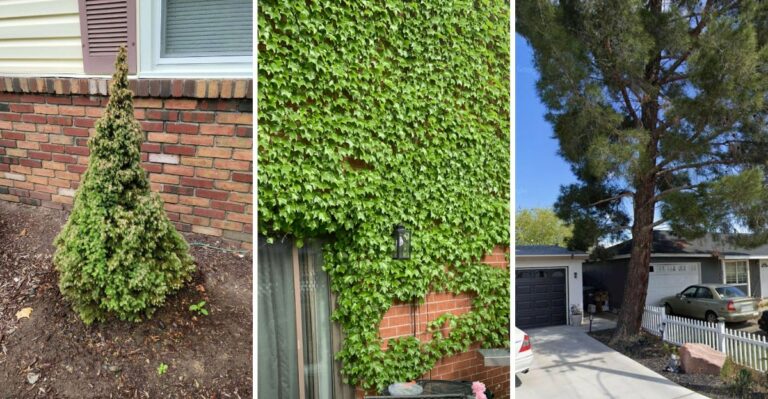
Pachysandra, ivy, vinca, and creeping juniper all form a leafy roof a few inches off the soil. Mice scoot underneath it, staying invisible to owls and neighborhood cats the entire trip.
Even the lowest plant makes shelter. That canopy also holds humidity, which draws in beetles, slugs, and other small critters that round out a rodent menu.
Around New York homes, the trouble starts when groundcover runs right up to the siding. A mouse can travel from the far fence line to your foundation vents without ever stepping into the open.
One fix that works surprisingly well is a ground break. Clear a strip about two feet wide along the foundation and fill it with four inches of pea gravel or crushed stone.
A gravel strip can make travel less convenient for rodents by reducing cover near the foundation.
Your New York Garden Changes Every Week. Your Plan Should Too.
Gardening in New York changes quickly throughout the season. Every Friday you’ll receive a simple weekly plan showing exactly what to plant, prune, fertilize, harvest, and protect so you never miss the right timing.
Trim back spreading vines before the first hard frost. Pulling the growth two feet away from walls removes the connection between the wild part of the yard and your house.
Keep an eye out for narrow bare trails winding through the leaves. Those runways are a sign that something has been commuting through your groundcover for weeks, and fall is the time to shut the route down.
3. Leaf Piles Provide Warm Nesting Material
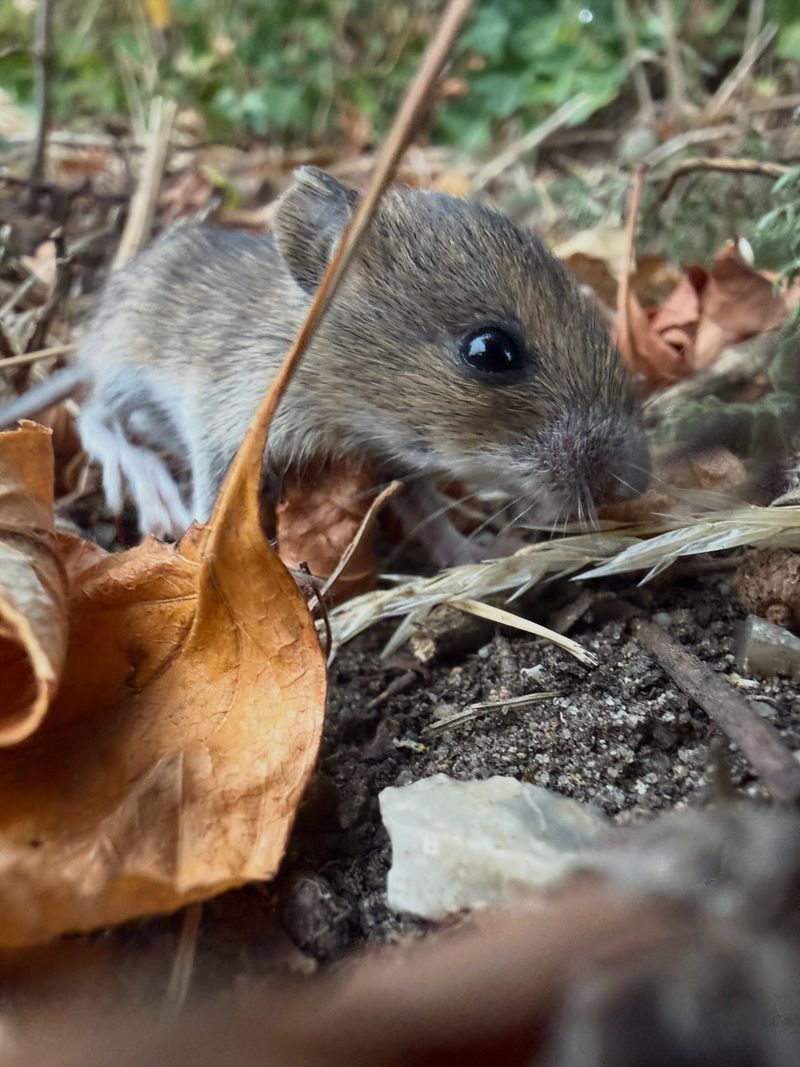
Leaf litter can stay warmer and more sheltered than exposed ground on cold nights, creating a better hiding place for small animals. That is central heating for a creature the size of a walnut.
Mice and voles build tidy ball-shaped nests out of dried leaves and grass. A fresh pile gives them both the building supplies and the construction site in one spot.
New York yards produce enormous leaf drifts every October, and the wind loves to pack them against foundations. Those corners become the coziest real estate on the property.
When a pile sits against your house, it can provide cover close to possible entry points. Mice nibble at nearby gaps while staying completely hidden from view.
Raking is the simplest defense, but where you put the leaves matters more than how fast you rake. Haul them well past the foundation, ideally to a far corner or the curb.
Shredding changes the math too. Chopped leaves mat down flat, lose their fluffy structure, and stop working as nest material.
Check window wells, stairwells, and the gap behind downspouts. Those spots collect leaves quietly and rarely get cleaned during a quick weekend rake.
If you compost leaves, keep the bin away from the house and turn it now and then. A little disturbance discourages anyone hoping to settle in undisturbed.
One last tip: clear leaves out of gutters before winter. Rodents have been known to nest up there and then slip into soffits.
4. Overgrown Garden Beds Offer Hidden Shelter
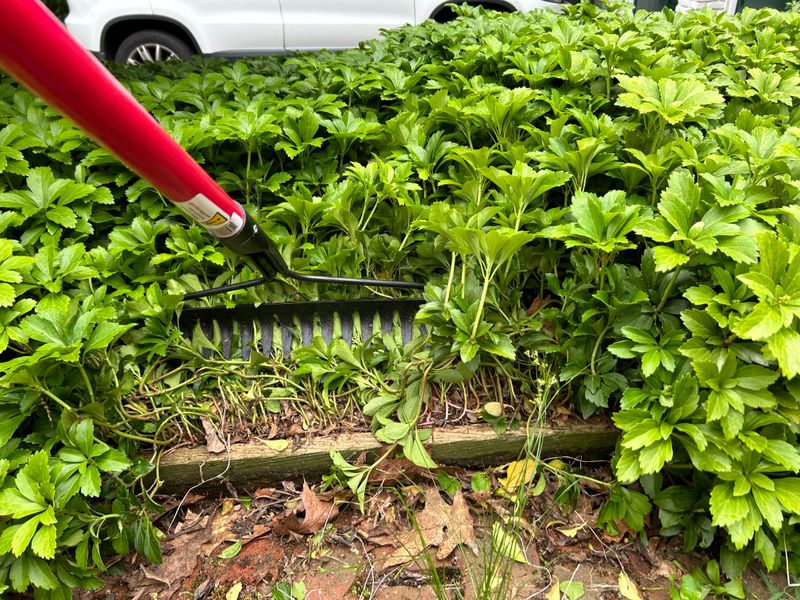
A garden bed left to its own devices by late October becomes something closer to a jungle. Tangled vines, toppled stakes, and forgotten tomatoes make an irresistible combination.
Rodents show up for three reasons: food, shelter, and nest material. An untended bed hands over all three without asking for anything in return.
Field mice are talented diggers. They tunnel just below the surface and chew tender roots and bulbs, which is why spring sometimes brings mysterious gaps in a flower bed.
Harborage is the key word. Mice feel safe where predators cannot see them, and thick growth is about as safe as it gets.
Cleaning out beds before the ground freezes is one of the highest-value hours you can spend in a yard. Pull spent plants, collect dropped fruit, and cut weeds down low.
Skip the heavy mulch blanket right against the house. Deep mulch holds warmth and moisture, and mice tunnel through it like snow.
Raised beds help, especially with a fine hardware cloth screen stapled to the bottom. That mesh blocks underground entry while letting water drain normally.
Store bulbs, seed packets, and leftover fertilizer in sealed containers rather than open bags in the garden shed.
Walk the bed after cleanup and look for pencil-width holes in the soil. Those openings usually mean a burrow, and filling them in now saves you a headache in March.
5. Bird Feeders Drop Food Mice Can Find
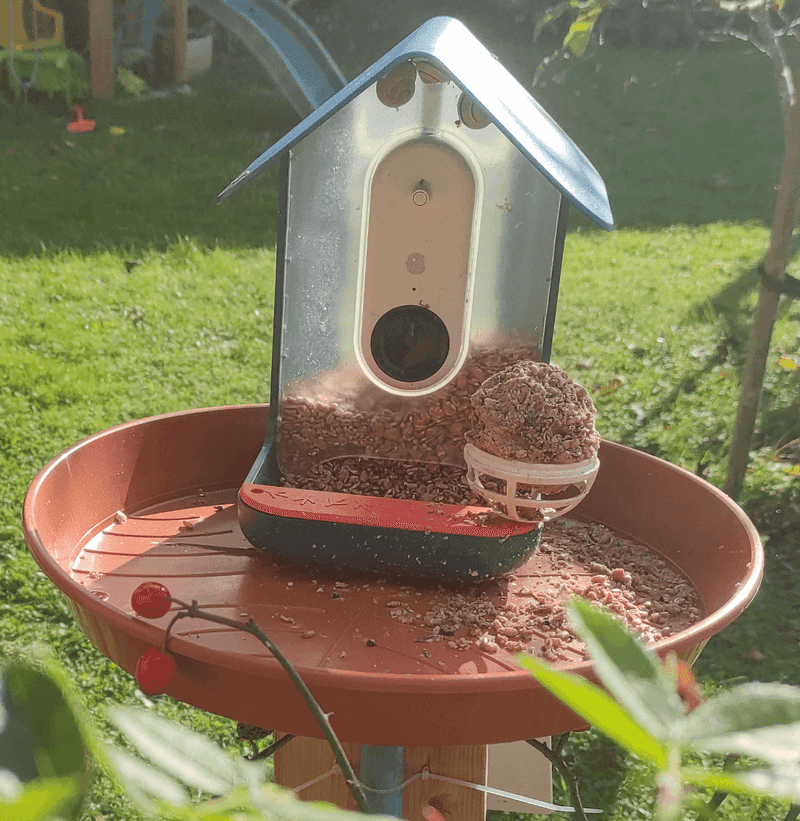
Feeding the chickadees feels like pure kindness. Unfortunately, birds are messy diners, and the crowd below the feeder is not always feathered.
Seeds, hulls, and broken kernels rain onto the grass all day. By dusk, that scatter becomes an open buffet for whoever wanders past.
Mice do not just eat what they find. They haul seed back to hidden caches, building up winter pantries inside walls, sheds, and engine compartments.
New York feeders get heavy traffic once snow covers natural food, which means the spill pile grows fast in December and January.
There is a health angle too. Rodent droppings and urine around a feeding station can spread illness among the very birds you are trying to help.
A seed tray or catch basin under the feeder solves most of the problem. It collects spillage and makes cleanup a two-minute job.
Try filling feeders in the morning and sweeping up leftovers before dark. Mice are mostly night workers, so an empty ground at sunset removes the incentive.
Seed choice helps as well. Safflower and nyjer hold less appeal to rodents than cracked corn or mixed millet blends.
Store the seed bag in a metal can with a tight lid, not a plastic tub in the garage. Mice chew through plastic without much effort.
Moving the feeder at least 15 feet from the house adds one more layer of separation.
6. Compost Areas Provide Easy Food Sources
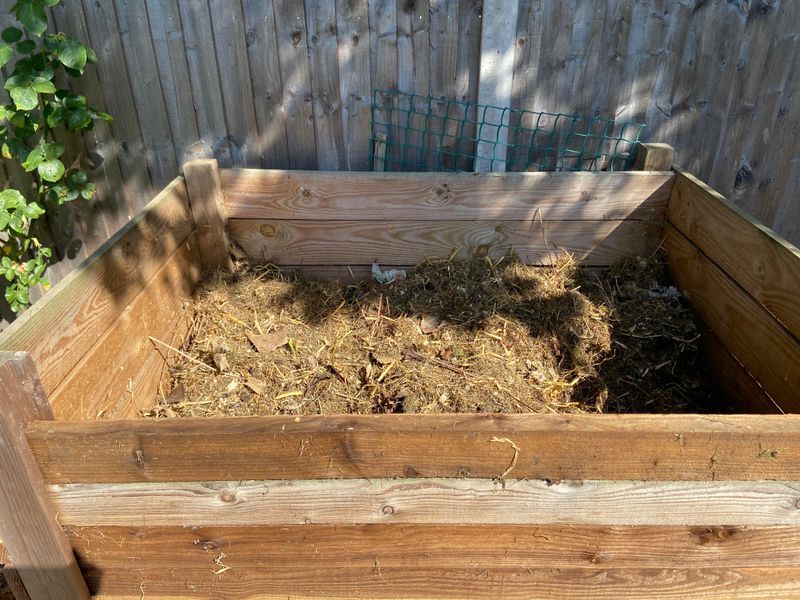
Steam rising off a compost pile on a cold morning is a beautiful sight for gardeners. For a mouse, it is a heated studio apartment with a kitchen attached.
Active piles generate their own warmth as material breaks down. Add food scraps and loose bedding, and you have shelter plus dinner in one package.
Rodents burrow straight into the middle where temperatures stay steady. From there they tunnel out to the yard and, sometimes, toward the house.
Across New York, backyard composting has grown fast, and open heaps are the most inviting version for wildlife.
Leaving out meat, dairy, and oily leftovers cuts the appeal sharply. Those items carry the strongest smells and the biggest calorie payoff.
A well-managed compost pile with the right moisture balance is less likely to become an attractive shelter for rodents.
Turning the pile every week or two breaks up any nest under construction. Regularly turning the pile can make it less attractive to rodents looking for a quiet nesting spot.
Burying fresh scraps under a layer of dry leaves or soil hides the odor that draws visitors in the first place.
Closed bins with fine mesh on the bottom and a latching lid offer the strongest protection. Quarter-inch hardware cloth blocks even young mice.
Position the bin away from fence lines and walls. Open ground around it removes the covered approach route rodents prefer.
7. Cluttered Sheds Create Perfect Hiding Spots
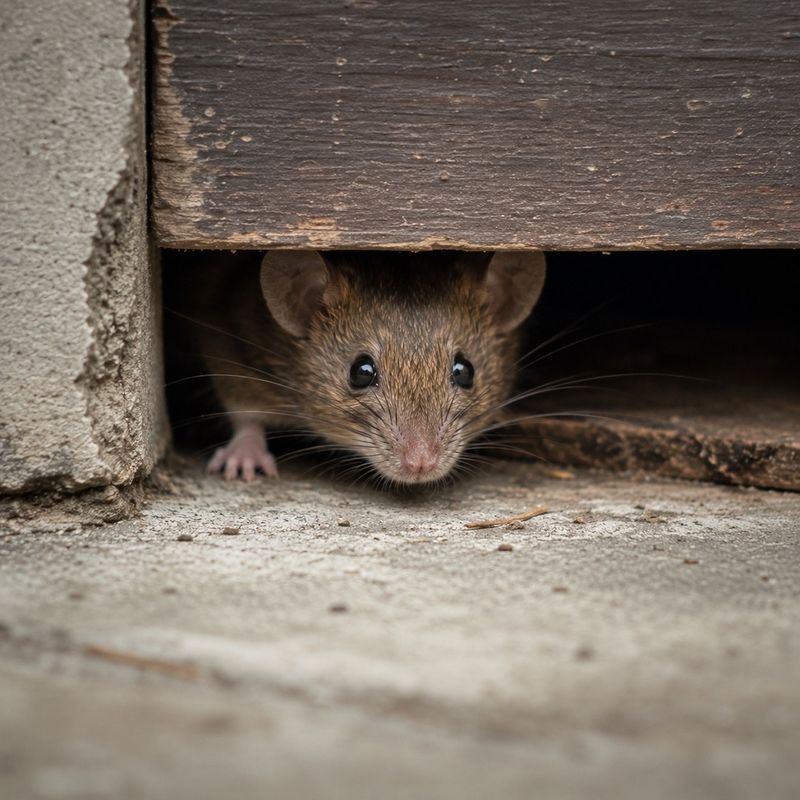
Open a neglected shed in November and you might hear a quick rustle. That sound is the neighborhood welcoming committee heading for cover.
Sheds sit quiet for months, which is exactly what rodents want. Dark corners, no foot traffic, and plenty of stuff to burrow behind.
Cardboard boxes, old towels, seat cushions, and bags of potting soil are premium nesting material. Mice shred them into soft, insulated cups.
The entry point is smaller than most people expect. Mice can squeeze through surprisingly small openings, so sealing gaps around sheds and buildings is important.
Plenty of sheds have settled over the years, leaving gaps at the door sweep, around the floor edge, and where wiring enters.
Decluttering is step one. Move gear into hard plastic bins or metal containers with tight lids and get everything up off the floor onto shelves.
Steel wool packed into cracks works well because rodents cannot chew through it. Follow with caulk or wire mesh for a lasting seal.
Check the floor for spilled birdseed, grass seed, or pet food. A single torn bag can feed a family all winter.
Sweep the shed out before the cold sets in and again in early spring. Droppings, shredded paper, and greasy smudges along walls are your early warning signs.
A battery lantern by the door makes those quick winter inspections much easier.
8. Tall Grass Gives Mice More Protection
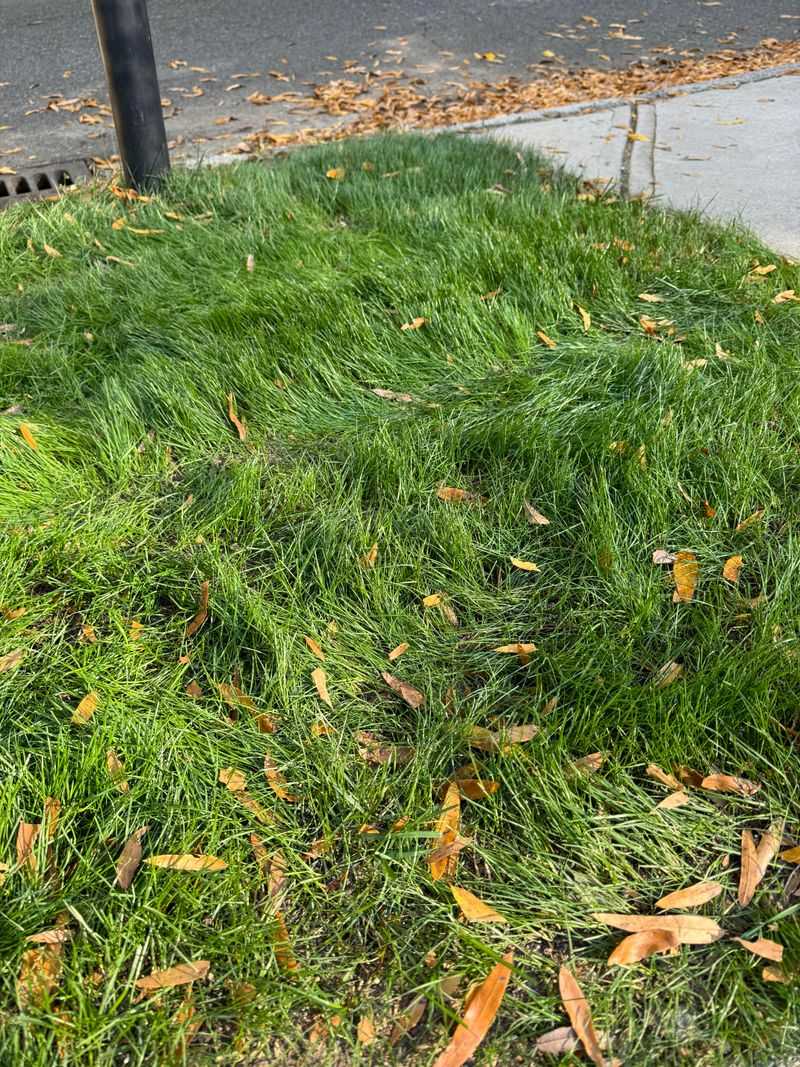
Long grass does something clever. It bends over in the cold and forms a low tent that blocks wind, rain, and prying eyes.
Underneath that canopy, mice build runways and travel with confidence. Predators overhead see nothing but a waving lawn.
Once snow settles, tall grass can provide sheltered spaces where voles and mice may move during winter.
Many homeowners stop mowing in early October, then get surprised by a warm stretch that adds three more inches of growth.
Cutting the lawn short for the final mow of the season makes a real difference. A lower cut removes the cover before the first lasting snowfall.
Pay special attention to the strip along fences, sheds, and stone walls. Mowers miss those edges, and rodents know it.
A string trimmer handles the awkward spots in ten minutes. Rake up the clippings instead of leaving them in damp windrows.
Ornamental grasses are a separate conversation. Those big clumps hold warmth beautifully, so cut them back in late fall rather than waiting for spring.
Keeping a mowed buffer between wild field areas and your house also helps. Mice hesitate to cross wide open lawn, especially where hawks patrol.
Short grass will not solve everything, but it removes one of the easiest hiding places a yard can offer.
9. Shrub Bases Hide Small Animal Activity
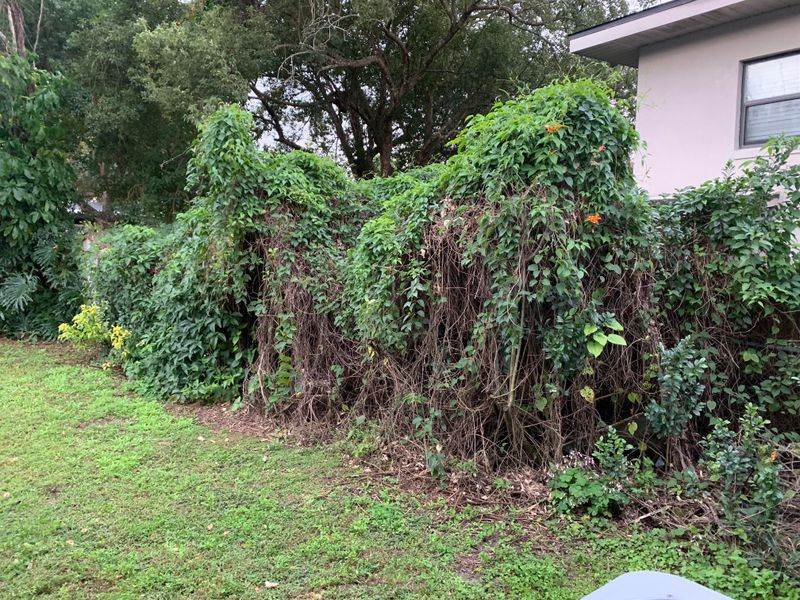
Foundation shrubs earn their keep in curb appeal, then quietly moonlight as rodent condos. The action all happens where the branches meet the soil.
Thick lower limbs create a shaded, sheltered pocket right against the house. Mulch, mole tunnels, and dropped berries pile up in there unnoticed.
Dense shrubs near buildings can give rodents cover while they search for possible entry points.
Older properties often have junipers and yews planted in the 1970s that now press flat against the wall. Decades of growth means decades of cover.
Pruning is the easy win. Trim ornamental shrubs so the lowest branches sit at least 18 inches above the ground, opening up a clear view underneath.
Pull the whole planting back about a foot from the siding. That air gap helps your paint and your pest situation at the same time.
Cut any tree limbs that touch the roof or overhang the gutters. Branches act as bridges for more than just squirrels.
Rake old mulch out from under shrubs each fall and replace it with a thinner layer. Deep, soft mulch is easy tunneling.
While you are down there, look for small round holes, chewed stems, or bark stripped near the base. Those clues show who has been using the space.
10. Garden Debris Creates Winter Hideouts

Every yard has that one corner. Old tires, a leaning stack of scrap lumber, three cracked flower pots, and a mulch pile nobody finished spreading.
Junk piles score high on the rodent scale because they offer layers. Warm dry pockets in the middle, escape routes on all sides, and zero human traffic.
Brush piles rank near the top. Cut branches and pulled weeds dry out and form a tangle no predator can easily search.
By late November in New York, those heaps have become fully occupied winter lodging, often within a few yards of the back steps.
Clearing debris is unglamorous work with a big payoff. Haul the brush to the curb, break down the lumber pile, and stack pots inside a bin.
Tires deserve special attention. They trap warmth, hold rainwater, and give mice a hollow ring to nest inside.
Store hand tools on wall hooks rather than leaning against the shed. Leaning objects create sheltered vertical gaps that rodents love.
Spread or bag any leftover mulch and soil instead of leaving mounds on the lawn. A covered mound is basically a pre-dug burrow.
Finish the job with a walk around the foundation, sealing gaps you can now actually see. Debris removal and gap sealing together make your yard far less appealing than the woods next door.