A Common New Jersey Shrub Is About To Start Launching Its Seeds Across The Yard
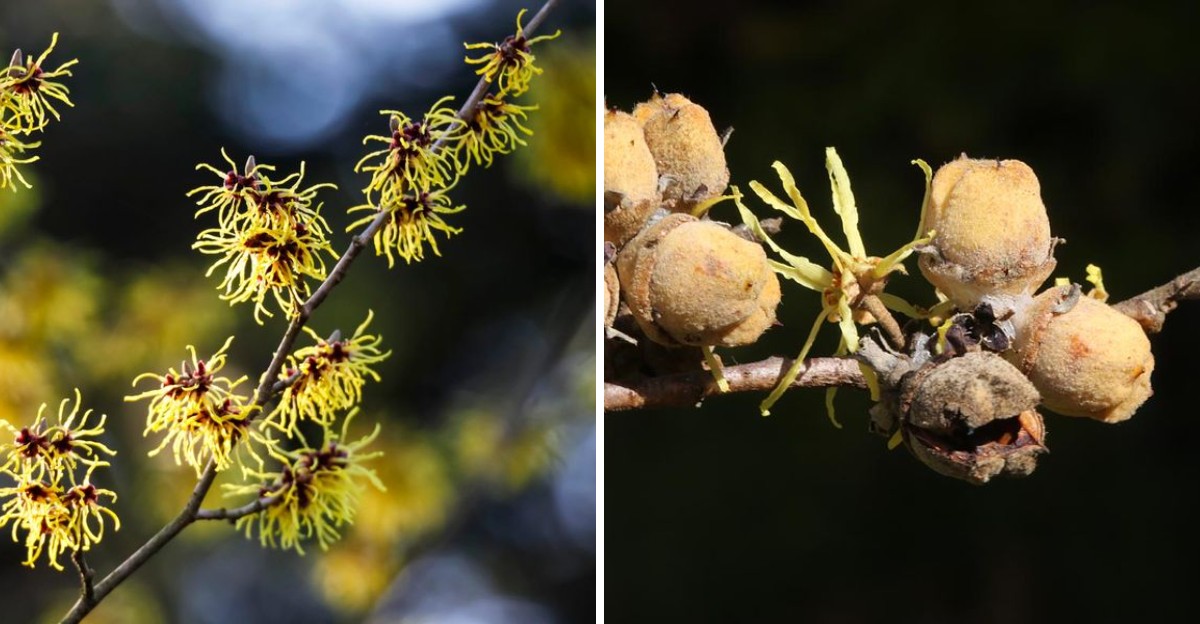
That sharp tick on your deck railing came from a shrub, not a prankster. Witch hazel is firing at you. Its woody capsules spent a year swelling and building pressure.
Now they split, clamp down, and fling glossy black seeds across your lawn. Botanists call this ballistic dispersal, and New Jersey’s witch hazel excels at it.
Seeds can clear a driveway, a flower bed, and your neighbor’s fence. You probably own its extract already. Distillers have turned its bark and twigs into skin toner for generations.
Yet across New Jersey, the shrub stays invisible to you until it fires. Autumn is its loudest season, because it blooms and shoots simultaneously.
Spidery yellow flowers open beside capsules that have waited since last winter. Hold a paper bag over a ripe branch and hear the barrage. Meet the sharpshooter behind your fence.
Witch Hazel Seed Pods And Their Big Pop
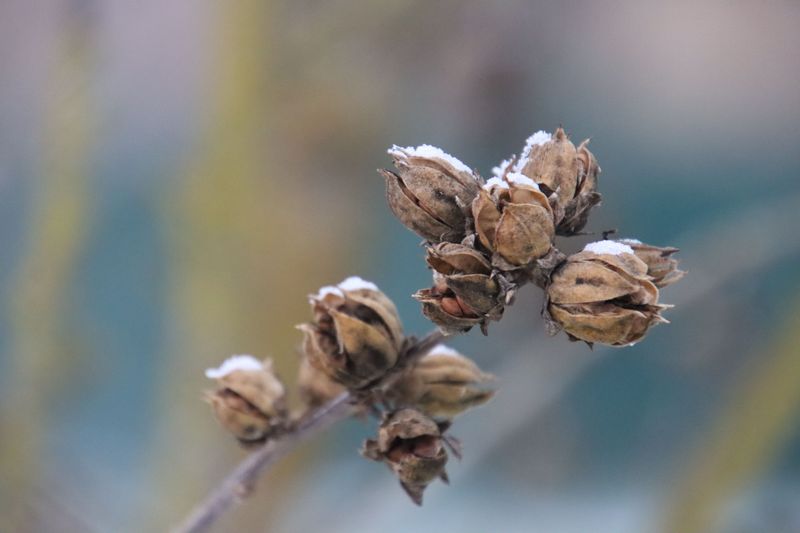
That mystery sound in your yard likely comes from witch hazel, a native shrub found across New Jersey. Its woody seed pods split open in fall and fling seeds with surprising force.
American witch hazel, known to scientists as Hamamelis virginiana, grows along woodland edges, stream banks, and suburban yards. Many homeowners walk past it for years without noticing anything special.
The shrub usually reaches 10 to 20 feet tall, with wavy-edged leaves that look like hazelnut leaves. In autumn, those leaves turn a warm, buttery yellow that glows in late afternoon light.
Look closely at the branches right now, and you will spot small, fuzzy brown capsules clustered along the twigs. Each one holds two glossy black seeds about the size of an apple seed.
As the capsules dry out, pressure builds inside until the pod suddenly cracks open. The seeds shoot out like tiny bullets, sometimes landing 20 to 30 feet away.
Some people hear a soft pop or a click when it happens, especially on dry, sunny days. Others only notice when a seed bounces off a window or a car hood.
Fun fact, the plant earned its spooky name from an Old English word, wych, which means bendable. Settlers once used its flexible forked branches as divining rods to search for water.
So if your yard starts sounding like popcorn in a microwave, check your shrubs first. The culprit is probably a friendly native plant doing exactly what nature designed.
The Science Behind A Spring-Loaded Capsule
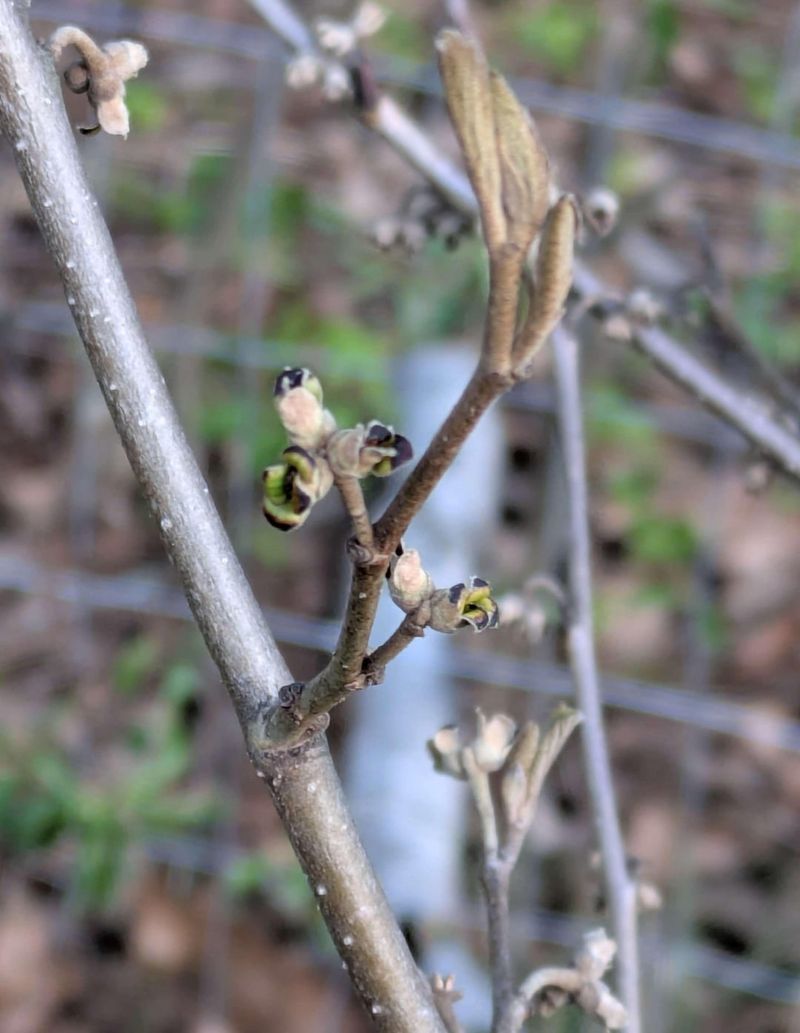
Imagine squeezing a slippery watermelon seed between your fingers until it shoots across the kitchen. Witch hazel uses almost the same trick, just with wood instead of fingers.
Each capsule has a hard outer shell and a tougher inner lining that hugs the seeds tightly. As fall weather dries the pod, those layers shrink at different speeds.
The uneven shrinking creates tension, a bit like bending a plastic ruler back with your thumb. Eventually, the pod splits at the top, and the lining pinches the slippery seeds.
That pinch sends each seed flying at a speed that impresses even scientists. Seeds commonly land 20 to 30 feet from the parent shrub.
Your New Jersey Garden Changes Every Week. Your Plan Should Too.
Gardening in New Jersey changes quickly throughout the season. Every Friday you’ll receive a simple weekly plan showing exactly what to plant, prune, fertilize, harvest, and protect so you never miss the right timing.
So why go to all this trouble instead of dropping seeds straight down? A young plant growing right under its parent would struggle for sunlight, water, and space.
By launching seeds away, the shrub gives its babies a better shot at finding open ground. Squirrels, chipmunks, and some birds also eat the seeds, and rodents may carry a few even farther.
Here is a neat experiment for curious kids and grown-ups alike. Snip a few closed pods in early September and place them in a paper bag indoors.
Within a week or two, you should hear little taps as seeds bounce against the paper. Keep the bag closed, or you may find seeds under the couch until spring.
Nature built a catapult without gears, springs, or batteries, and it goes to work most falls. Pretty impressive for a shrub most people barely notice.
September And October Timing For The Launch
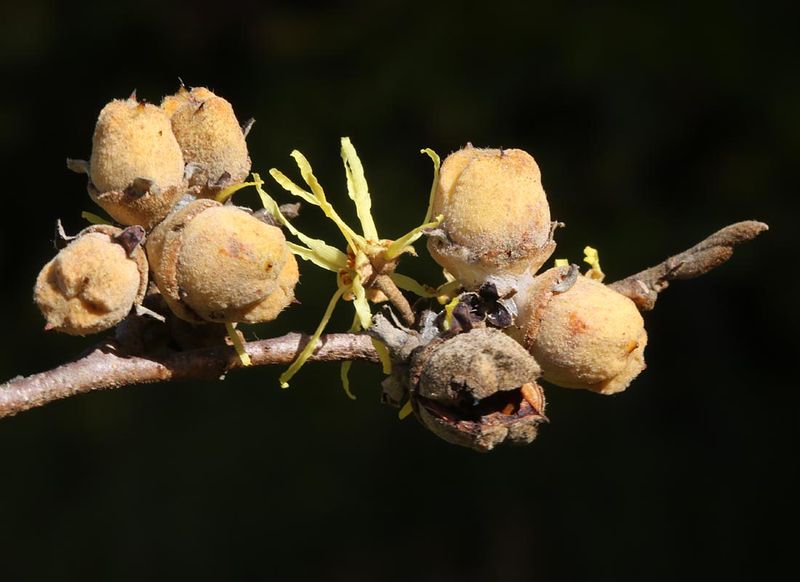
Mark your calendar, because the seed show usually kicks off in New Jersey right around mid-September. Launch season often stretches well into October, depending on the weather.
The pods you see now actually formed from flowers that bloomed last fall. Witch hazel takes almost a full year to ripen its seeds, which is unusually slow for a shrub.
Dry, breezy days speed things up, since the capsules need to lose moisture before they crack. A long stretch of rain can delay the action by a week or more.
Pods usually start turning from green to tan, then to a dull brown, just before they open. Once you see a split at the tip, the launch is only hours or days away.
Shrubs in sunny spots tend to pop earlier than those tucked into shady corners. Timing can also vary from one part of the state to another.
Here is the twist that surprises most people. Right as the seeds fly, flower buds that formed over the summer get ready to open.
By late October or November, spidery yellow blossoms appear, often while the leaves are still dropping. Seeds leaving and flowers arriving can happen on the same twig at once.
Few plants in the Garden State work on such a quirky schedule. If you want to catch the launch, take a slow walk past the shrub on a warm, dry afternoon.
Bring a friend and listen closely, because the popping sound is easy to miss. It sounds a bit like someone snapping a dry twig nearby.
The Leaf Raking Mistake Many Homeowners Make
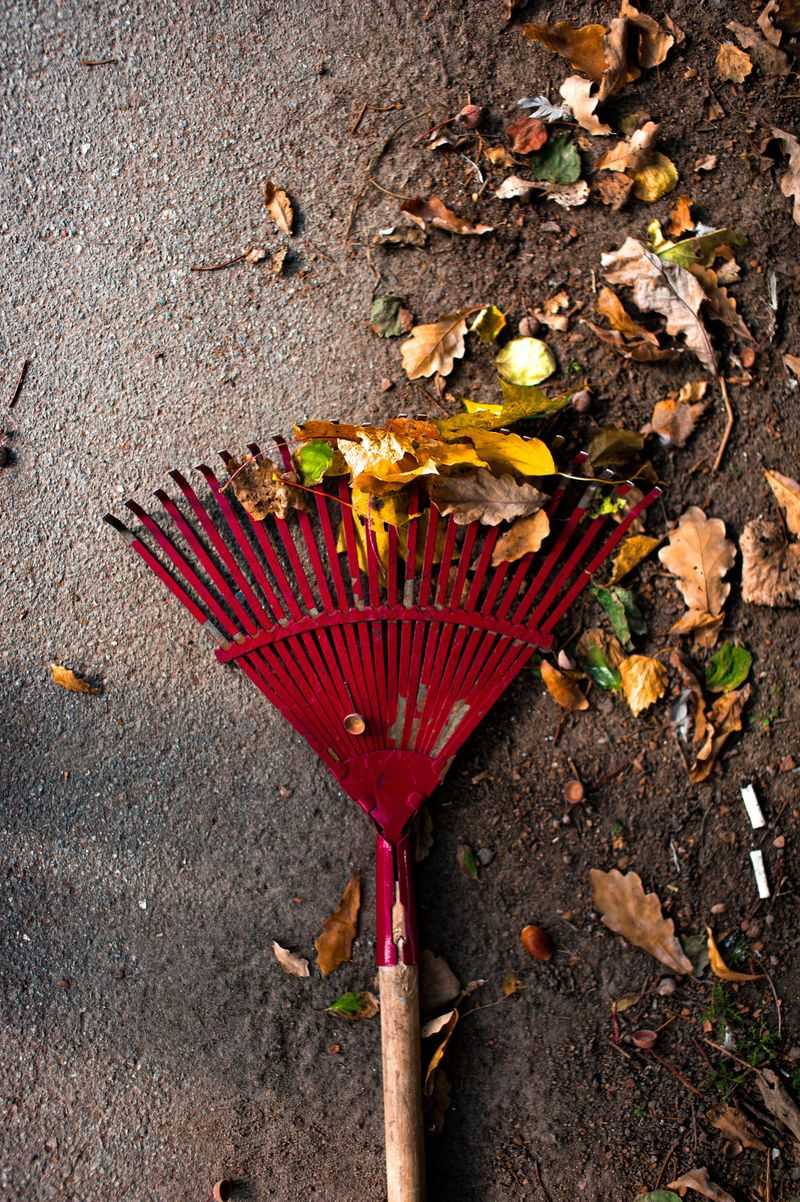
Every fall, plenty of neat-minded gardeners rake under their shrubs until the soil is bare. It looks tidy, but it strips away a layer that protects roots and soil.
Witch hazel seeds can sprout in bare soil or leaf litter, so raking won’t prevent seedlings. Removing leaves mainly costs the shrub a natural layer of insulation and nutrients.
Another common slip is tossing old pods and fallen seeds into the compost pile. Home compost rarely gets hot enough to stop seeds from sprouting later.
Months later, you spread that compost on the vegetable garden and wonder where the tiny shrubs came from. The answer was hiding in your wheelbarrow the whole time.
Some folks also prune witch hazel hard in early fall, hoping to shape it before winter. Sadly, that cut often removes the flower buds already forming for the autumn bloom.
The good news is that witch hazel seeds are slow to sprout. Most need two winters in the ground before they finally wake up, so you have time to act.
Think of this like a slow-motion game of hide and seek. The seeds are hiding, but you still get plenty of turns to find them.
A smarter move is leaving a light blanket of leaves under the shrub this season. Leaves protect the roots, feed the soil, and help hold moisture.
Save the heavy raking for your lawn, where fallen leaves can smother the grass. Your shrub beds will look a little wilder, but they will be healthier too.
Simple Fixes For Unwanted Witch Hazel Seedlings
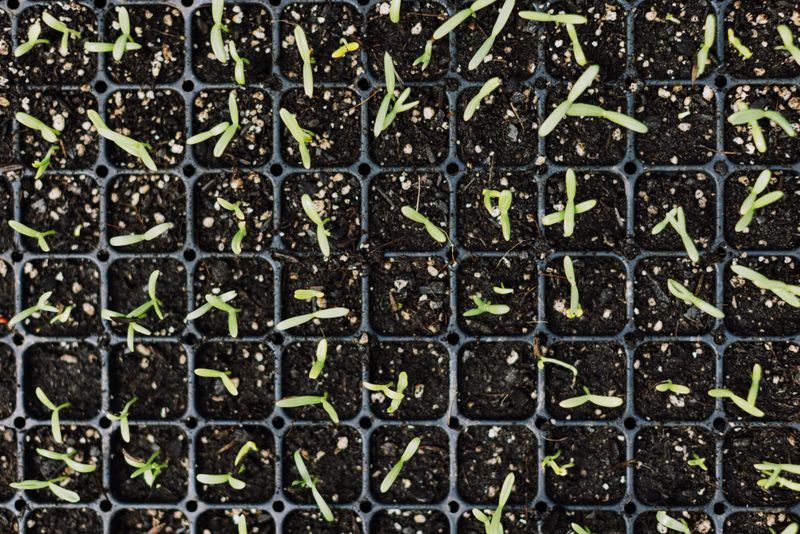
Good news first, witch hazel is not an invasive troublemaker like some backyard plants. It is a well-behaved native, and stray seedlings are easy to handle.
Start by spreading two to three inches of shredded leaves or wood mulch under the shrub. That layer can reduce sprouting right under the shrub, though seeds that fly farther will land beyond it.
Next spring and the spring after, walk your garden beds once a month. Tiny seedlings show up with two rounded leaves first, then small wavy leaves that match the parent.
Pull them when the soil is damp after a rain, since the roots slide out much easier. Grab the stem near the ground and tug gently, like pulling a loose tooth.
If you want fewer seeds in the first place, try a quick fix in early September. Place an old bedsheet or tarp under the branches to catch pods and seeds.
Shake the branches lightly every few days, then gather the seeds and bag them up. Toss them in the trash rather than the compost to stop surprise sprouts.
Of course, you might decide some seedlings deserve a new home. Dig them up with a trowel, keep plenty of soil around the roots, and replant them somewhere sunny.
Friends and neighbors often love receiving a free native shrub. Local schools and garden clubs may happily take a few potted seedlings for their native plant gardens.
A little attention goes a long way with this easygoing shrub. Handle the strays now, and your yard stays tidy without losing its charming autumn visitor.
Late Autumn Blooms And A Smart Plan For Next Year
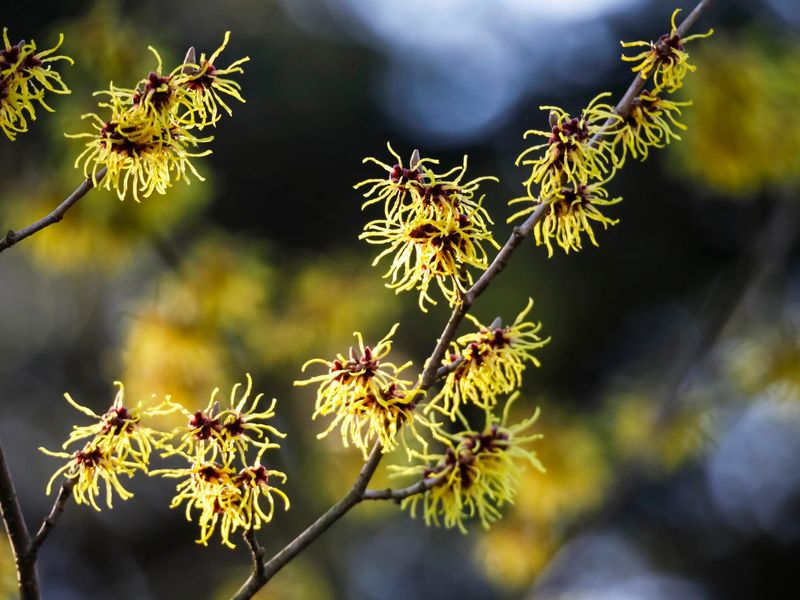
Here is the sweet reward for putting up with all those flying seeds. Around Halloween, witch hazel bursts into fragrant yellow flowers with petals shaped like crinkled ribbons.
The blooms smell lightly sweet and spicy, a treat when most of the garden has gone brown. Some shrubs keep flowering into December, even after the first frost.
So who pollinates flowers that open when bees are mostly gone? Owlet moths warm up by shivering and visit the blossoms on mild nights, while flies and bees visit on warmer days.
Those moth visits turn into next year’s seed pods, which starts the whole cycle again. In other words, beautiful flowers now mean more flying seeds next September.
Planning ahead makes the next launch season easier to manage. If you’re adding new witch hazel, consider planting it 30 feet or more from patios, walkways, and vegetable beds.
A spot at the edge of the yard or near a wooded area works nicely. Seeds that land there can grow into a natural hedge that feeds birds and wildlife.
Keep your mulch fresh each fall and mark your calendar to check the pods in September. Those two habits handle most seedling worries before they start.
Witch hazel also has a long history beyond the garden. Native American tribes used its bark to soothe skin, and the extract still fills drugstore shelves today.
Few shrubs offer fireworks, perfume, and a science lesson all in one package. Give yours a little space, and it will put on a show in most years.