The Bright Red Vine Climbing New Jersey Fences This Fall Is One You Should Not Touch
That crimson vine on your fence carries an oil that can blister you for weeks. Poison ivy turns vivid scarlet across New Jersey each September, inviting you closer.
Urushiol, its clear, odorless resin, bonds to your skin within minutes of contact. Blisters surface hours or days later, long after you forgot touching anything.
Gloves, pruners, jackets, and your dog’s fur can hold active oil for years. Burning the vine releases urushiol into smoke that can inflame your lungs.
Birds gobble its pale berries and plant fresh seedlings along your property line. Boston ivy and woodbine look similar enough to fool you.
Here in New Jersey, it thrives along your fences, trails, and hedges. Removing it safely demands precise timing, the right gear, and sharp identification skills. You can reclaim that fence if you outsmart the oil before it finds you.
Is Poison Ivy The Scarlet Vine On Your Fence
Picture a split-rail fence in Morris County, wrapped in leaves the color of ripe cherries. That eye-catching vine is often poison ivy, and it grows throughout New Jersey.
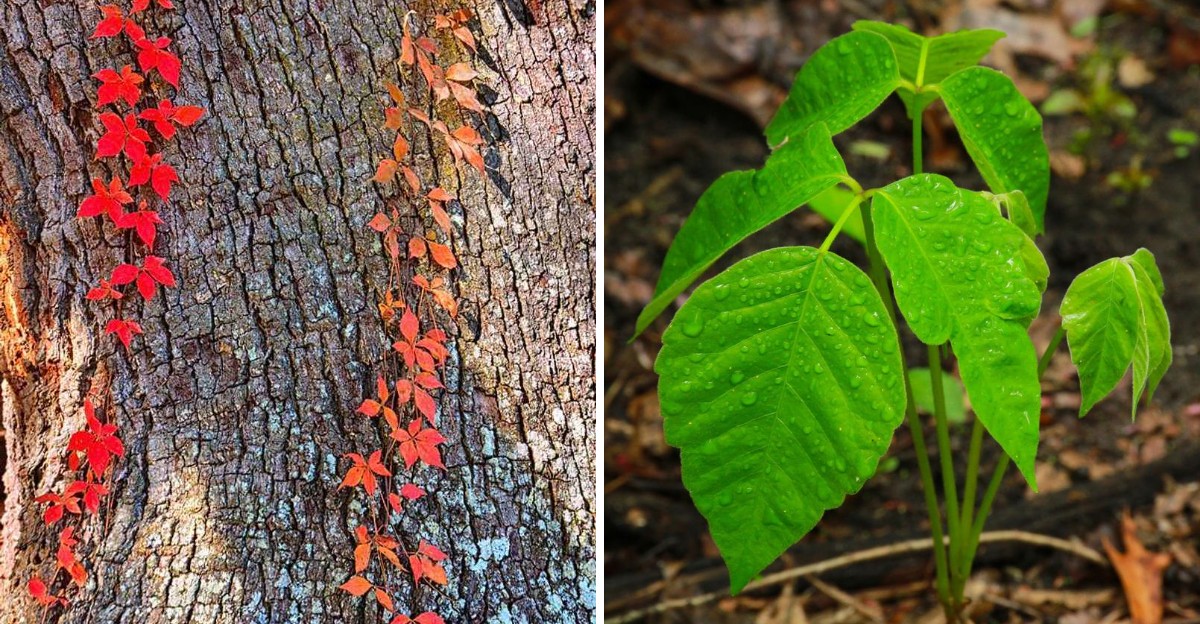
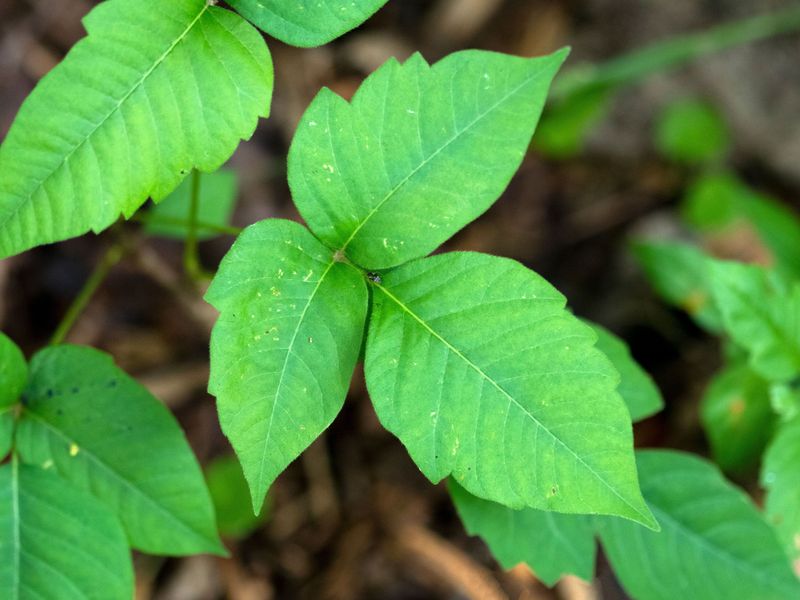
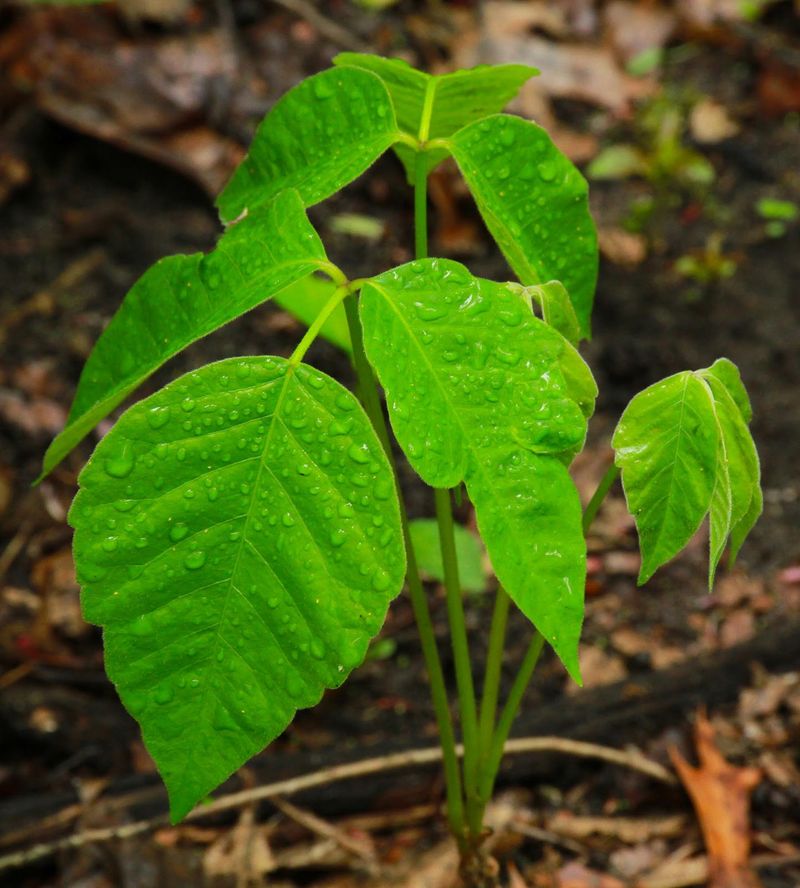
Each leaf holds three leaflets, and the middle one sits on a noticeably longer stem. Old folks taught kids the rhyme, leaves of three, let it be.
The edges can be smooth, notched, or a little wavy, so shape varies from plant to plant. Color matters more in fall, when green turns orange, red, and deep crimson.
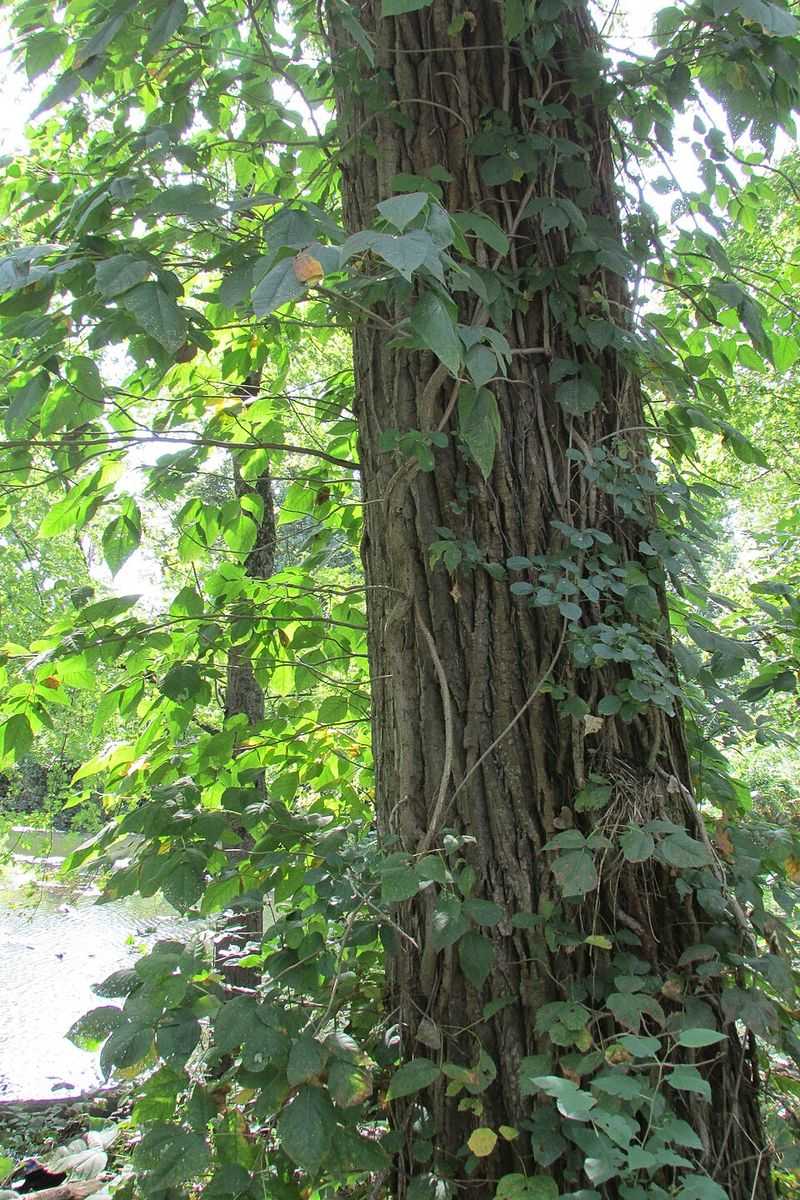
Climbing vines look fuzzy because tiny hairy roots grip the wood like Velcro. People often call it a hairy rope when it wraps thickly around old fence posts.
Small clusters of whitish berries may also hang near the leaves this time of year. Birds gobble them up and then spread the seeds along fences, hedges, and trails.
Virginia creeper is a common look-alike that also blushes bright red in September. Count the leaflets, though, because creeper usually has five instead of three.
Boston ivy also climbs walls and fences with bright red leaves. Mature leaves are single and broad, like a maple, but young shoots can show three leaflets.
Take a slow look before you reach for any pretty vine this season. A few seconds of careful checking can save you weeks of miserable scratching.
Snap a photo and compare it with a trusted guide from Rutgers Cooperative Extension. Their experts share clear pictures that help New Jersey families sort friend from foe.
The Oily Culprit Behind The Itch

Here is a sneaky truth about poison ivy that surprises many people. The leaves themselves do not cause the rash, but an oil inside them does.
Scientists call this oil urushiol, and it hides in the leaves, stems, roots, and berries. Even a tiny amount, smaller than a grain of salt, can trigger a reaction.
Your immune system treats urushiol as a threat and reacts against it. That reaction causes the red bumps, swelling, and blisters of a typical rash.
Your New Jersey Garden Changes Every Week. Your Plan Should Too.
Gardening in New Jersey changes quickly throughout the season. Every Friday you’ll receive a simple weekly plan showing exactly what to plant, prune, fertilize, harvest, and protect so you never miss the right timing.
Most people react to the oil, though some folks seem lucky at first. Sensitivity can grow over time, so a past lack of reaction offers no guarantee.
Urushiol is also very sticky and persistent, a bit like invisible glue. It clings to gloves, garden tools, shoelaces, and even the fur of your curious dog.
Old oil on a rake handle can stay active for years. Many rashes start from touching a tool, not the plant itself.
Dogs and cats usually do not get the rash because their fur protects their skin. Petting them after a romp through the brush can pass the oil to you.
The rash is not contagious, so blisters cannot spread it from person to person. New patches may show up later because some skin reacts more slowly than other areas.
Knowing that the sticky oil causes the rash makes prevention much simpler. Washing it away quickly becomes your very best defense against days of itching.
September Color And The Timing Of Trouble
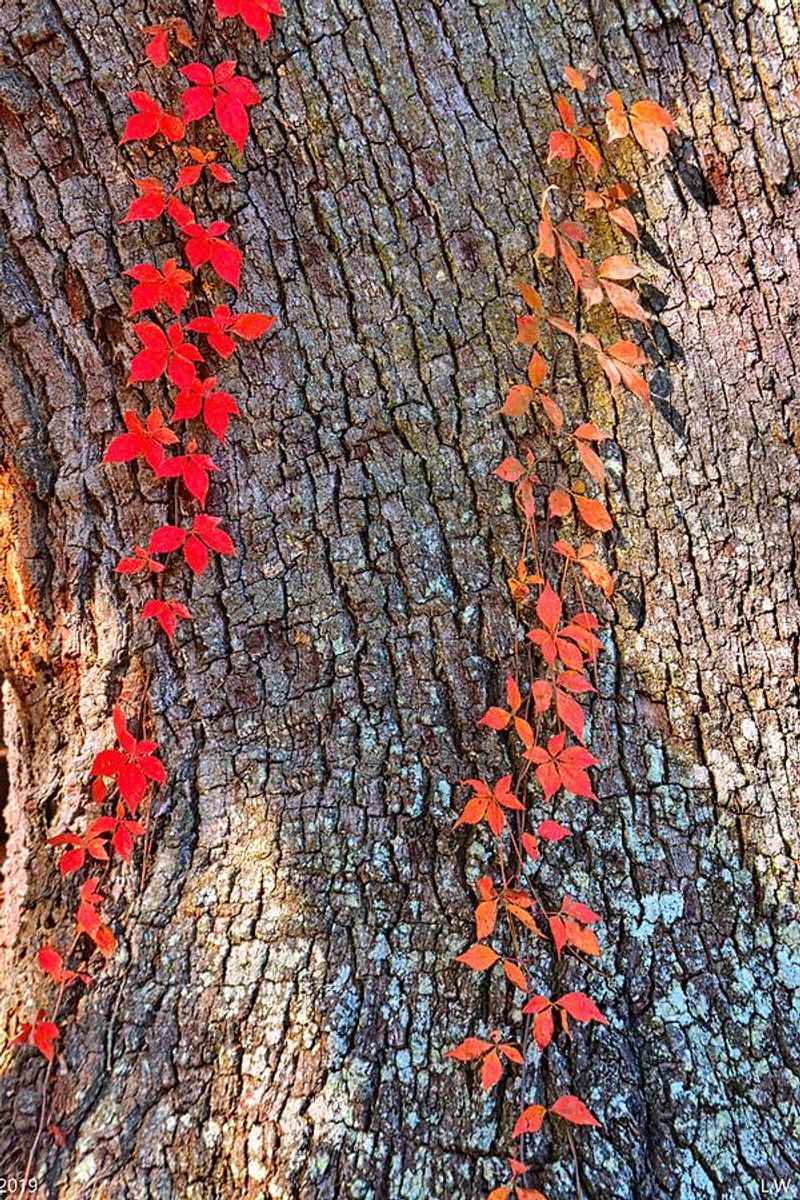
Walk a New Jersey bike path in late September, and you will likely spot flashes of scarlet. Many of those gorgeous splashes belong to poison ivy.
Cooler nights and shorter days signal the plant to stop making green chlorophyll. Orange pigments emerge as the green fades, and new red pigments form in cool weather.
Fall is a tricky season because the plant looks more like decoration than danger. People gather leaves for crafts, wreaths, and school projects without a second thought.
The oil stays just as strong in autumn as it does in summer. Red leaves are just as irritating as the green ones were in July.
Leaf-raking season adds another layer of risk. Piles often hide broken stems and vines that coat rakes, gloves, and sleeves with oil.
Winter brings its own surprise once the leaves drop. Bare, hairy vines still hold urushiol, so pulling them in January can cause a rash too.
Fall bonfires create another hazard many families overlook. Burning poison ivy releases the oil into smoke, which can harm your lungs and eyes.
Think of September as a warning season rather than a time to relax. The prettiest fence in the neighborhood deserves admiration from a safe distance.
Mark suspicious patches with a stick or ribbon before the leaves fall. Come spring, you will know exactly where the trouble grows back.
Kids heading back to school often cut through yards and wooded shortcuts this month. Remind them to stay on paths and keep hands off colorful climbing vines.
Common Mistakes That Spread The Rash

Picture a homeowner yanking a pretty red vine off a mailbox post with bare hands. Within days, those arms would be covered in itchy red bumps.
Stories like this are common each autumn across New Jersey. The biggest mistake is treating poison ivy like any ordinary weed.
Pulling vines without gloves transfers oil straight onto your skin within seconds. Rubbing your face or scratching your nose afterward spreads it even further.
Another common slip is using a weed whacker on a fence line full of vines. The spinning line flings bits of leaves and oil onto legs and arms.
Some people toss the pulled vines into a compost pile, hoping they will break down. Unfortunately, the oil can linger and cause trouble when you spread that compost.
Burning the pile seems like a tidy solution, but it creates a serious health risk. Smoke carries urushiol into the air and deep into your lungs.
Waiting too long to wash is another classic error. Soap and water work best right away, ideally within minutes of contact.
Forgetting about clothes and shoes causes repeat rashes that seem to come from nowhere. Laundry and a good scrub of your sneakers break that frustrating cycle.
Slowing down is the real lesson here. Assume a red climbing vine is poison ivy until you confirm otherwise.
A box of disposable gloves by the garage door makes the job safer. Those gloves cost far less than a week of itching.
Rash Relief And The Road To Healing
Experts estimate that up to 50 million Americans get these plant rashes each year. If you join that club, quick action makes a huge difference.
Start by rinsing the skin with cool water and plain soap right away. Dish soap or special cleansers can help lift the greasy oil.
Scrub under your fingernails too, since oil loves to hide there. Then wash your clothes, gloves, and tools so they do not strike again.
The rash usually shows up within 12 to 48 hours, sometimes longer, as red, itchy bumps. Blisters may follow, and they often form in straight lines or streaks.
Cool compresses and oatmeal baths can calm the burning itch. Calamine lotion can bring relief, while stronger rashes may need prescription steroid cream.
Try hard not to scratch, even when the urge feels strong. Broken skin can get infected and take much longer to heal.
Most rashes fade on their own within two to three weeks. Patience feels tough, but your skin slowly repairs itself day by day.
Call a doctor if the rash covers a large area or reaches your face or eyes. Seek help right away if breathing feels difficult after smoke exposure.
Fever, pus, or spreading redness can signal an infection that needs treatment. A doctor may prescribe stronger medicine to speed up healing.
Keep a small kit with soap, calamine, and gloves near your back door this fall. Being ready turns an uncomfortable rash into a minor setback.
Smart Prevention For A Safer Fence Line
Managing poison ivy is more like chess than a wrestling match. Careful planning beats brute force.
Dress like you are heading into a snowstorm, even on a mild September day. Long sleeves, long pants, boots, and thick waterproof gloves create a solid shield.
For small patches, pull vines after a rain when the soil is soft. Slip a plastic bag over your gloved hand, grab the plant, and flip the bag inside out.
Seal the bags and put them in the trash, not the compost bin. Roots left behind will sprout again, so check the spot every few weeks.
Thick vines on fences can be cut near the ground first. The upper growth withers, making removal easier, but dried vines still carry active oil.
Large or stubborn infestations may call for a professional landscaper. Many New Jersey companies handle poison ivy removal with proper gear and training.
Wipe tools with rubbing alcohol when you finish the job. Wash your gear separately in hot water so the oil stays out of family laundry.
A pre-contact barrier lotion can add extra protection before yard work. Rub it on your hands and arms like sunscreen before heading outside.
Teach kids and guests to recognize the plant with a quick backyard tour. A little knowledge keeps everyone scratching less and smiling more.
Your fence can still glow with autumn color from lower-risk climbers, ideally native ones. Swap the problem plant for a safer climber and enjoy the view with less risk.