Native Columbine Planted This Fall Rewards Georgia Gardens Next Spring
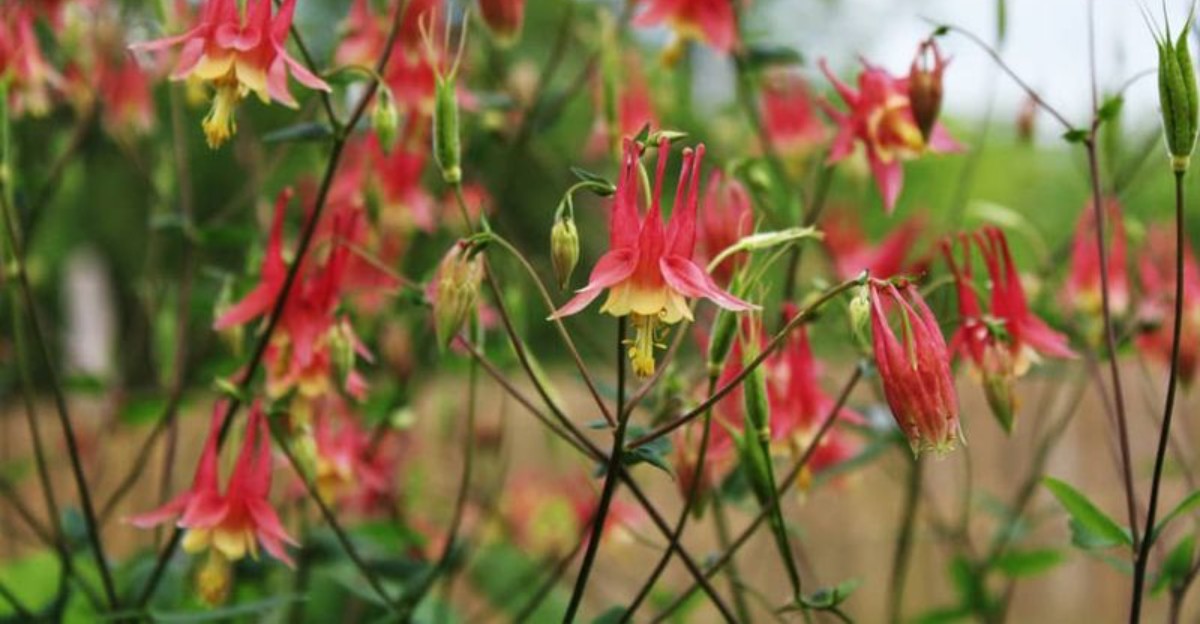
Most spring flower plans get made in March, which is a little late for one of the best native bloomers.
Eastern red columbine does its most important work underground in cooler weather. Plants that go in this fall can settle their roots before sending up a flower stem.
That head start pays off when the red and yellow blooms open in early spring, often before much else in the bed.
Hummingbirds heading north through Georgia tend to find them quickly, since few flowers are open that early.
Columbine also handles partial shade well, which makes it useful under trees. You might already have a spot where grass struggles and something smaller would fit.
If you give it a place now, it will be ready when those first hummingbirds come through.
1. Fall Gives This Native An Early Advantage
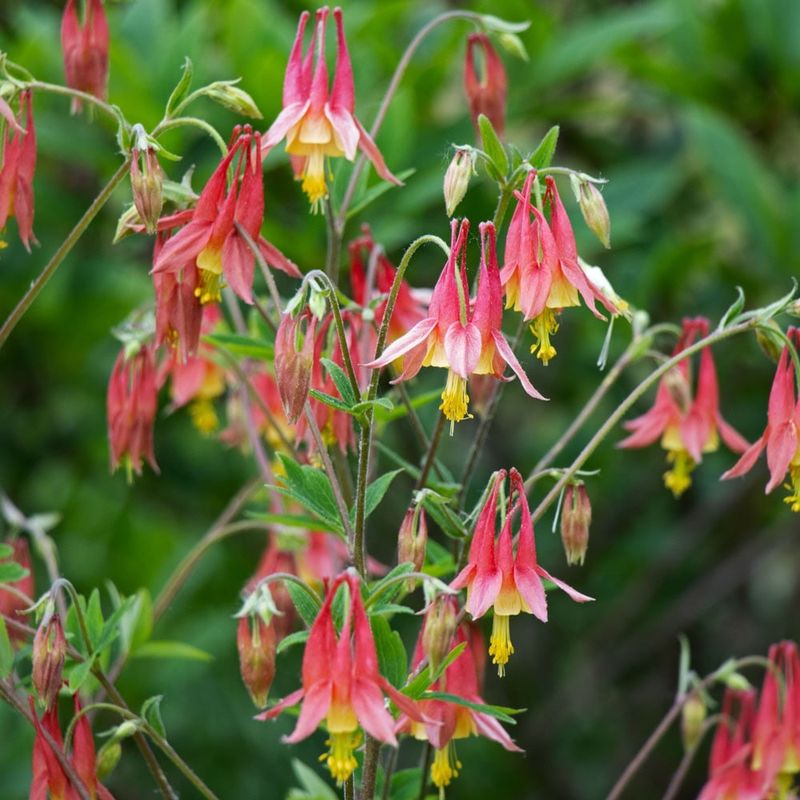
Timing matters more than most people think with native perennials. Eastern red columbine, Aquilegia canadensis, grows wild across much of Georgia, and fall planting fits its natural rhythm well.
Soil in September and October stays warm enough for roots to keep growing after the air cools off.
Spring planting can work too, but young plants then face summer heat before they are fully settled. A fall start usually gives them several extra months to build strength before that first real test.
Look for healthy nursery plants with green leaves and roots that fill the pot without circling tightly.
Choose a spot with morning sun and afternoon shade, since columbine often struggles in harsh, all-day heat. Woodland edges, rock gardens, and the east side of a house are good places to try.
Drainage deserves careful attention, because soggy clay can rot the crown over a wet winter.
If your yard has heavy red clay, mix in some compost or plant on a gentle slope or small mound. Columbine often handles lean, rocky soil better than rich, constantly moist beds, so skip heavy fertilizer.
Set each plant at the same depth it sat in the pot, and water it in well right after planting.
2. Cooler Weather Helps Roots Settle In
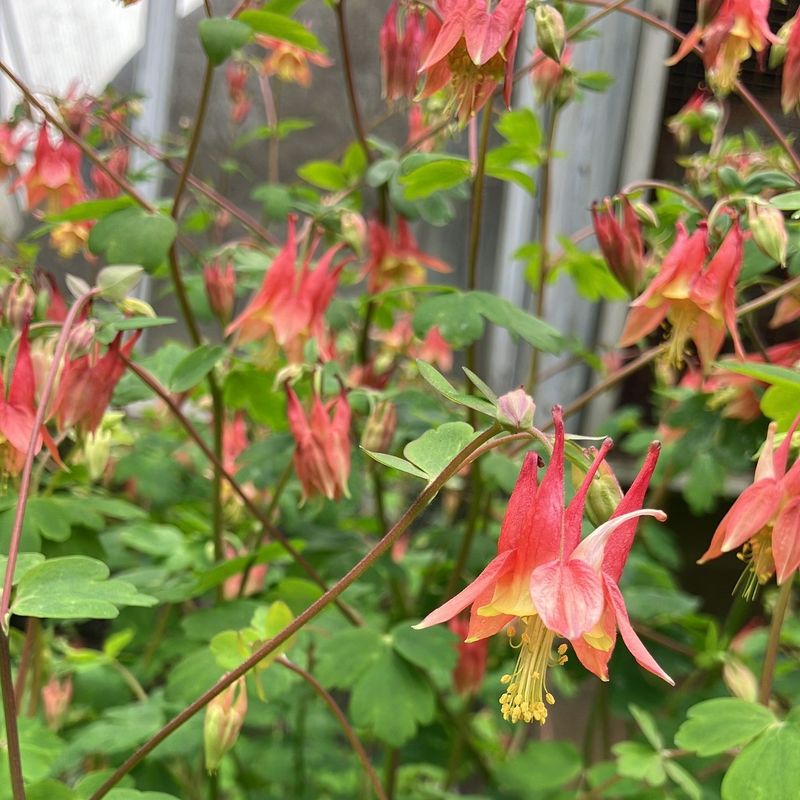
Cool nights feel like a gift after a long summer, and plants seem to agree. Lower temperatures mean less water loss from leaves, so new transplants spend less energy just trying to stay hydrated.
Roots, meanwhile, keep reaching outward into soil that still holds summer warmth.
Watering still needs your attention for the first several weeks. Check the soil with a finger, and water when the top inch feels dry rather than following a fixed calendar.
Fall rain in Georgia can be patchy, and a dry October can stress new plants quickly.
Mulch helps a lot here, but keep it thin and pulled back an inch from the crown. A light layer of shredded leaves or pine straw holds moisture and softens temperature swings without smothering the plant.
Resist the urge to feed with fertilizer during this stage, since soft new top growth before frost does little good.
You may notice the leaves look a little tired or flop for a week or two after planting. That is usually normal transplant adjustment, and fresh leaves often appear once the roots grab hold.
Your Georgia Garden Changes Every Week. Your Plan Should Too.
Gardening in Georgia changes quickly throughout the season. Every Friday you’ll receive a simple weekly plan showing exactly what to plant, prune, fertilize, harvest, and protect so you never miss the right timing.
Patience pays off, because steady root growth now shapes how well the plant performs next April.
3. Winter Growth Happens Mostly Out Of Sight
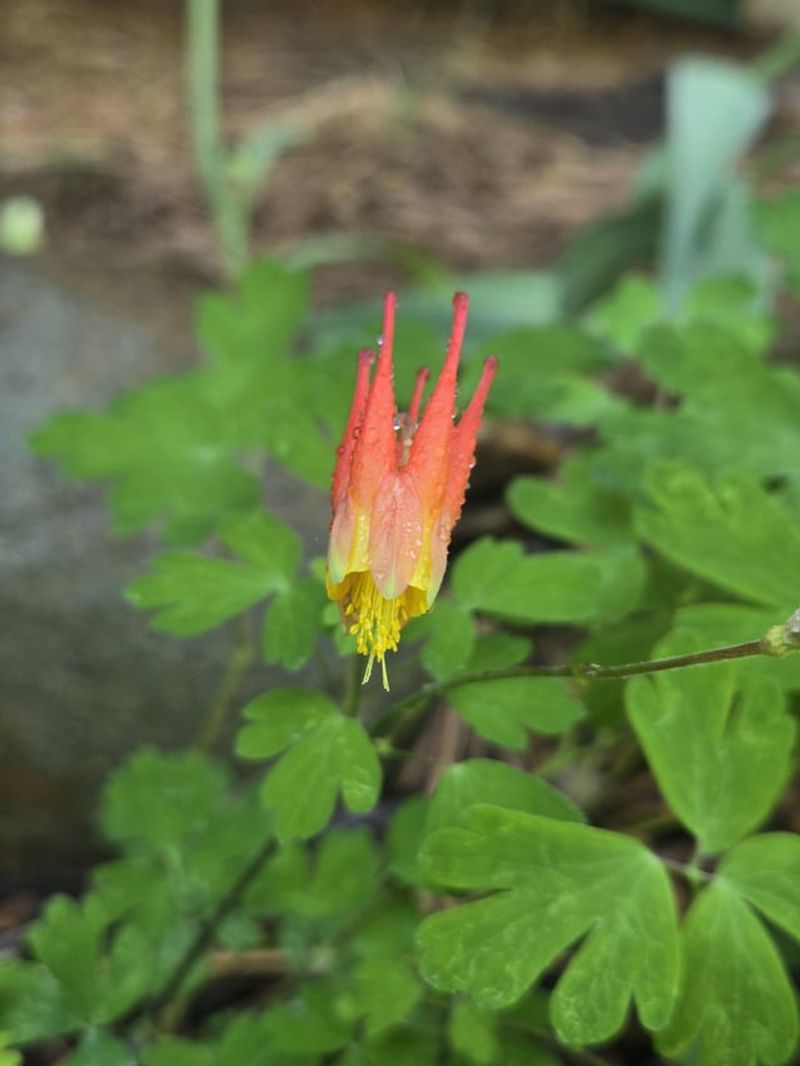
Nothing looks exciting in a winter flower bed, yet plenty is happening underground. Columbine roots can keep growing slowly whenever the soil is not frozen, which is common across much of Georgia.
Above ground, you may see a low clump of leaves that sometimes takes on a reddish or purplish tint in cold weather.
Leave that foliage alone, even if it looks a bit ragged. It helps protect the crown, and cutting it back offers no real benefit.
Cold itself is rarely the problem, since this native handles winters well beyond anything the state usually sees.
Wet feet are the bigger worry. Heavy winter rains can leave clay soil soggy for days, and a crown that sits in water may rot.
Walk the garden after a big storm and notice where puddles linger, then remember those spots for future planting.
Watering is rarely needed in winter unless you hit an unusually long dry spell. Even then, a single soak during a mild afternoon is plenty for most established fall plantings.
Squirrels digging in fresh mulch can loosen young plants, so press any heaved crowns gently back into the soil with your hand.
4. Spring Brings The Payoff Gardeners Were Waiting For
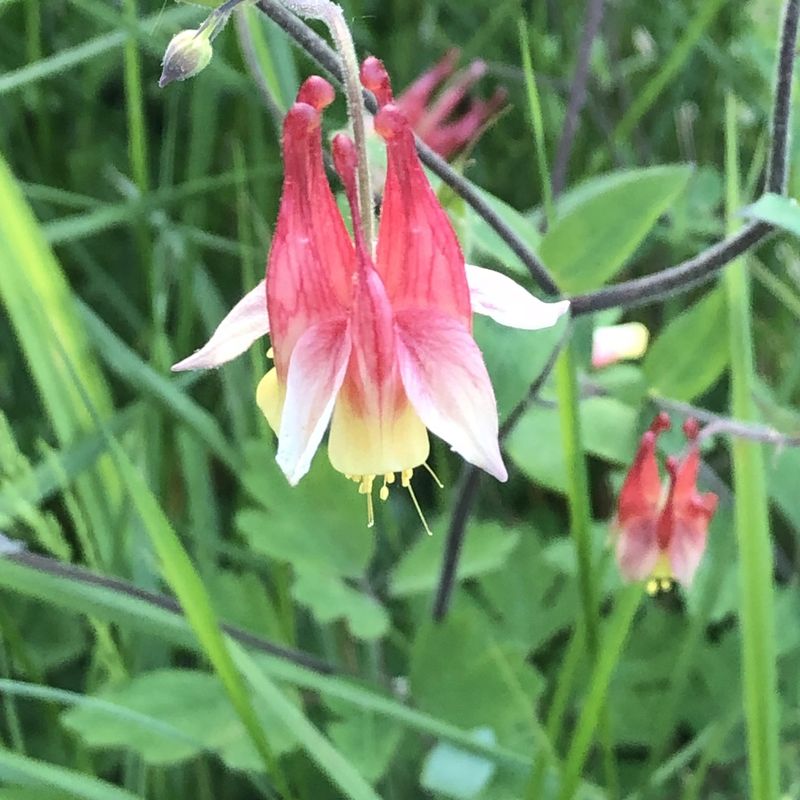
Here comes the fun part. As days warm in early spring, the leafy clump suddenly sends up slender stems topped with swelling buds.
Each flower hangs downward like a tiny red lantern with a yellow center and long spurs pointing up.
Bloom time varies by region, weather, and how much sun the plant gets. In Georgia, many gardeners see flowers from about late March through May, with warmer southern areas often starting sooner.
A plant set out in fall may bloom lightly its first spring, while others wait another year to put on a fuller show.
Nursery plants that were already a year or two old usually flower sooner than young seedlings. If yours only makes a few blooms, that is not a failure, just a plant still building up.
Snip off faded flower stems if you want a tidier look, or leave some to form seed pods.
Watch the leaves too, since leaf miners sometimes leave squiggly pale trails in spring. The damage is mostly cosmetic, and removing the marked leaves is usually enough to keep things looking neat.
Keep a notebook or phone photo of first bloom dates, because they help you plan better next fall.
5. Delicate Blooms Arrive Before Many Summer Favorites
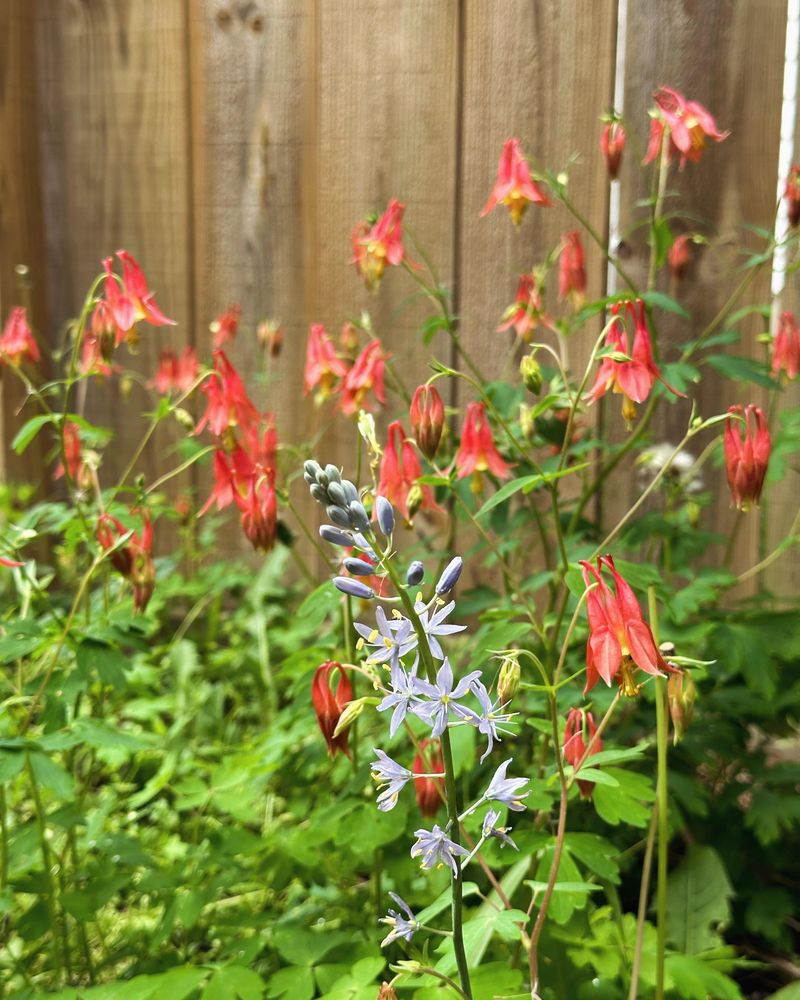
Early spring beds can look a little bare while summer perennials are still waking up. Columbine steps into that quiet gap with color long before coneflowers, black-eyed Susans, or most daylilies get going.
That timing makes it a handy bridge plant for keeping a garden interesting from week to week.
Try pairing it with other shade-tolerant natives that share its season. Wild blue phlox, foamflower, and Christmas fern make friendly neighbors in many Georgia woodland gardens.
Plant columbine in small groups of three or five rather than scattering single plants across the yard.
Clusters give the airy flowers more visual punch, since each bloom is small and easy to overlook alone. Placing a group near a path or bench lets you enjoy the details up close.
After flowering, the foliage may look shabby in hot, dry summers and sometimes fades back early.
Later-blooming perennials planted nearby can fill that space as columbine steps aside. Think of it as a relay race, with each plant carrying the color for its share of the season.
Fun fact, the genus name Aquilegia is often linked to the Latin word for eagle, because the spurs resemble talons.
6. Early Flowers Give Hummingbirds Another Reason To Visit
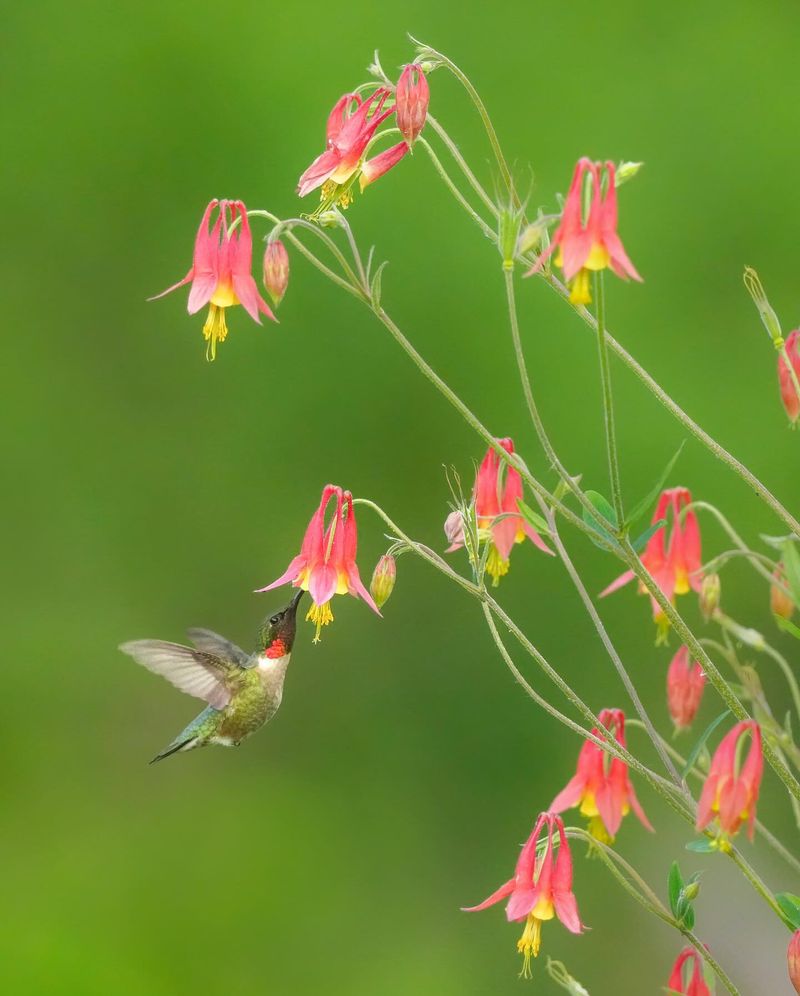
Red, tube-shaped, and full of nectar, columbine flowers look almost custom-built for hummingbirds. Ruby-throated hummingbirds usually return to Georgia in March, and they need food sources right away.
Early blooming natives can help fill that hungry window before many summer flowers open.
Nectar sits at the tips of those long upward spurs, where hummingbird beaks and tongues can reach it. Some bees reach it too, and certain ones chew small holes near the spur tips to sneak a sip.
Planting several clumps makes your yard more noticeable to passing birds than a single lonely plant.
Skip pesticide sprays on and around columbine, since they can harm the very pollinators you hope to attract. Small insects on nearby plants also give hummingbirds protein, which they need along with nectar.
Place plants where you can see them from a window or porch.
A hummingbird visit often lasts just a few seconds, so a good view makes a big difference. Morning and early evening are usually busy times, though visits vary with weather and local bird traffic.
A shallow birdbath or gentle mister nearby can add another reason for tiny visitors to linger.
7. Established Plants Can Return For Seasons To Come
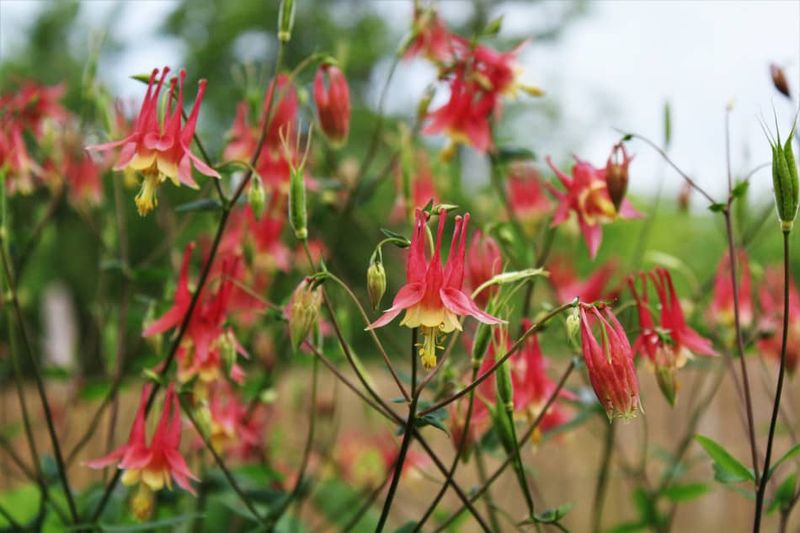
Individual columbine plants are not the longest-lived perennials, and that surprises some gardeners. Many last around three to five years, depending on soil, drainage, and summer stress.
Luckily, they tend to leave the next generation behind before they fade.
Seeds form in upright pods after flowering, then scatter nearby once the pods dry and split open. Seedlings often pop up in gravel, cracks, and loose soil where the parent plant was happy.
Learn what young columbine leaves look like, so you do not pull them out as weeds.
Their rounded, lobed leaves come in groups of three and look a bit like small clover or maidenhair fern. Once you recognize them, you can move extras to new spots in the fall, just like the original planting.
Collecting seed yourself is simple if you catch the pods as they start turning brown.
Sprinkle them on bare soil in fall, since they generally need a period of cold before sprouting. Results vary with weather and soil, so sowing plenty of seed improves your odds across Georgia gardens.
Over time, one small fall purchase can turn into a patch that keeps greeting spring on its own schedule.