What To Do If Coyotes Keep Showing Up In Your Pennsylvania Yard
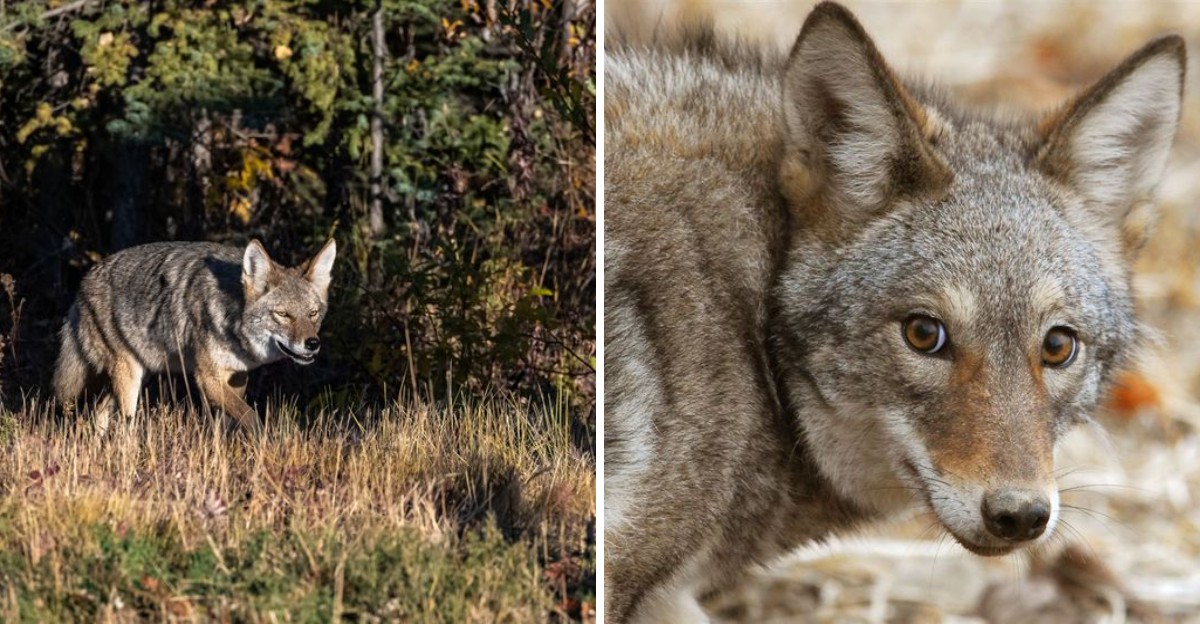
Something is going on in your yard, and it is not subtle. The grass is flattened in a strange path, the trash can lid is lying ten feet from where you left it, and after sunset a wild chorus of yips and howls drifts in from the tree line closer than you would like.
Welcome to life with a coyote in the neighborhood, and honestly, it happens more often than most Pennsylvania homeowners expect.
Eastern coyotes are smart, adaptable, and remarkably comfortable around residential areas once they figure out that your yard has something worth coming back for.
The encouraging part is that coyotes are also very responsive to the right kind of discouragement.
A few practical, well-chosen steps can turn your yard from a regular stop on the nightly route into a place not worth the trouble.
1. Learn Why Coyotes Love Pennsylvania Neighborhoods
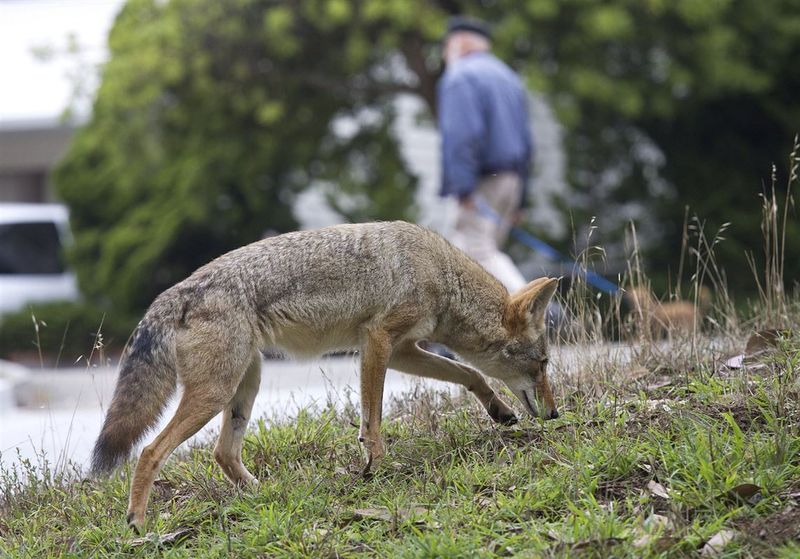
A coyote is not wandering into your yard randomly. Food, water, and a cozy hiding spot are all it really needs to decide your property is worth a regular visit.
Eastern coyotes are larger than their western cousins. According to the Pennsylvania Game Commission, adult males weigh 45 to 55 pounds, while females are smaller at 35 to 40 pounds.
Scientists have found that many carry wolf and dog ancestry through historic hybridization, which helps explain their larger size compared to western coyotes.
Fun fact time. Coyotes were rare in the state before the 1930s, but now they live in all 67 Pennsylvania counties.
So why your yard in particular? Most of the time, it comes down to three simple things: food, water, and shelter.
A backyard can offer all three without the coyote working very hard. Spilled birdseed draws mice, and mice draw hungry hunters looking for an easy snack.
Thick brush, woodpiles, and spaces under decks can also look like cozy resting spots. A nearby creek or pond adds a handy drink stop to the menu.
Understanding these reasons helps you think like a coyote for a moment. Once you see your yard through its eyes, the fixes start to make a lot more sense.
Take a slow walk around your property this week with a notebook. Write down anything that might feed, hide, or water a wild visitor, and you will have a clear plan to tackle next.
2. Lock Up Trash And Food Scraps In Your Yard
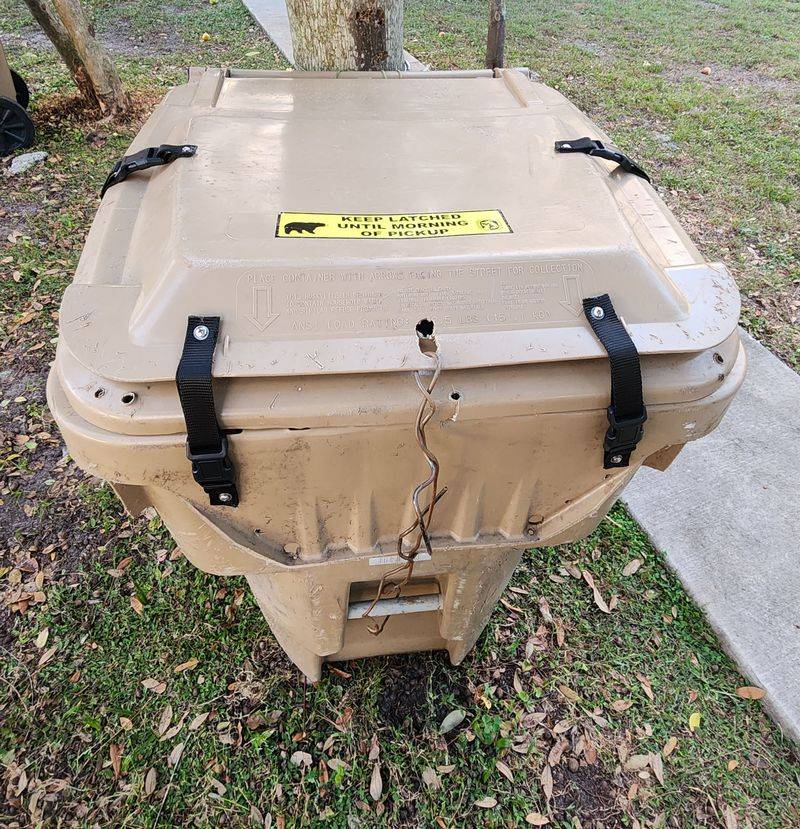
Your garbage can might be the most popular restaurant in town, at least to a coyote. One smelly bag of leftovers can bring a visitor back night after night.
Start with strong, tight-fitting lids on every outdoor bin. Locking cans or simple bungee cords stretched across the top make a big difference.
Store your cans inside a garage or shed when you can. If they must stay outside, keep them against a wall so they are harder to tip over.
Timing matters too. Put trash out on the morning of pickup instead of the night before, when hungry noses are busy exploring.
Rinse food containers before tossing them in the bin. Meat wrappers, bones, and greasy pizza boxes give off strong smells that travel far on a breezy Pennsylvania evening.
Your Pennsylvania Garden Changes Every Week. Your Plan Should Too.
Gardening in Pennsylvania changes quickly throughout the season. Every Friday you’ll receive a simple weekly plan showing exactly what to plant, prune, fertilize, harvest, and protect so you never miss the right timing.
Got a compost pile? Skip meat, dairy, and fish, and use a closed bin instead of an open heap.
Grills deserve attention as well. Scrape off grease and empty the drip tray after cookouts, because that savory scent is like a dinner bell.
A few ammonia-soaked rags near the cans can help mask food odors. Swap them out every week or so to keep the scent fresh.
Small habits like these take only minutes each day. Over time, they teach coyotes that your yard simply is not worth the trip.
3. Keep Pets Safe And Supervised
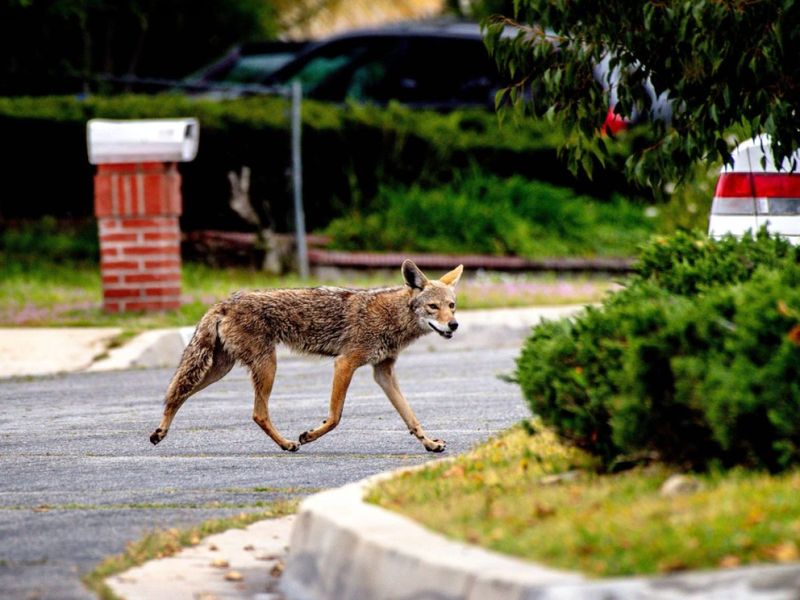
Ask any vet in a busy suburb, and you might hear stories that make you hug your cat a little tighter. Small pets can look like easy prey to a curious coyote.
Cats and little dogs under about 25 pounds face the most risk. Even bigger dogs can get into scuffles, especially during mating season from January through March.
Bring pets indoors from dusk until dawn whenever possible. Those are the hours when coyotes do most of their roaming and hunting.
When your dog goes out for a late bathroom break, go with it. A short leash and a bright flashlight keep you both in control.
Feeding pets outside is another habit worth dropping. Bowls of kibble on the porch invite raccoons, and coyotes may follow the crowd.
Chickens and rabbits need solid coops and hutches with hardware cloth, not thin chicken wire. Close them up tightly every single night before the sun goes down.
Here is a helpful trick. Some owners use reflective vests or light-up collars so they can spot their pets quickly in dark yards.
Keep your pet’s vaccines current too, including rabies shots. Pennsylvania requires them for dogs and cats, and they add a layer of protection if a run-in ever happens.
A little extra care during evening hours brings big peace of mind for the whole family.
4. Try Hazing To Scare Coyotes Away
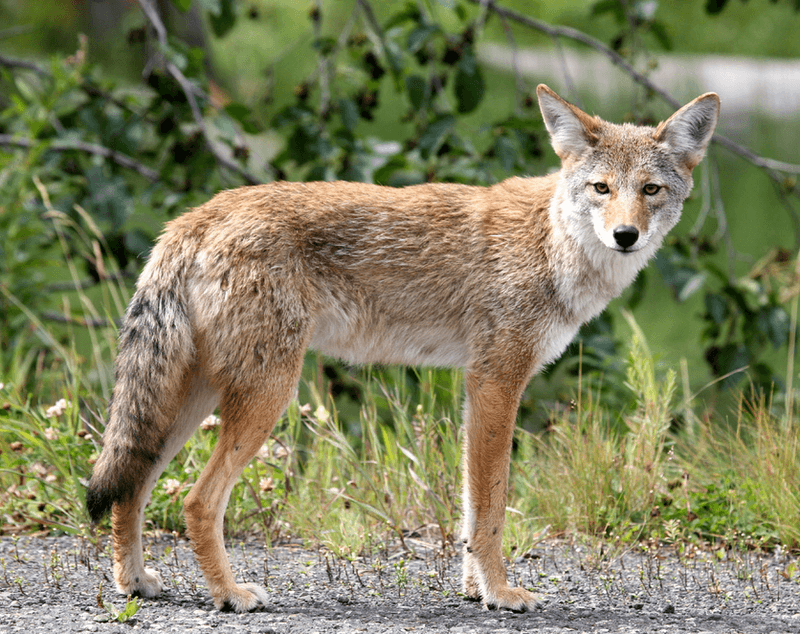
Believe it or not, one of the best tools you own is your own loud voice. Wildlife experts call this method hazing, and it works by making coyotes feel unwelcome.
The idea is simple. You want the animal to link your yard with noise, surprise, and discomfort instead of calm and easy snacks.
When you spot a coyote, stand tall and wave your arms above your head. Yell firmly, stomp your feet, and make yourself look as big as possible.
Noise makers help a lot. Try banging pots, shaking a can filled with coins, or blowing a whistle or air horn.
You can also toss small objects toward the coyote, like tennis balls or sticks. Aim near it, not to hurt it, just to send a clear message.
A garden hose or water gun can add an extra splash of annoyance. Most coyotes will dash off quickly once they feel the spray.
Keep going until the animal fully leaves the area. Stopping too early can teach it that you are all bark and no bite.
Consistency is key here. If neighbors join in and haze too, coyotes learn faster that the whole street is a bad place to hang out.
Never run away from a coyote, though. Back away slowly if you feel uneasy, keeping your eyes on it.
5. Install Motion Lights And Sprinklers
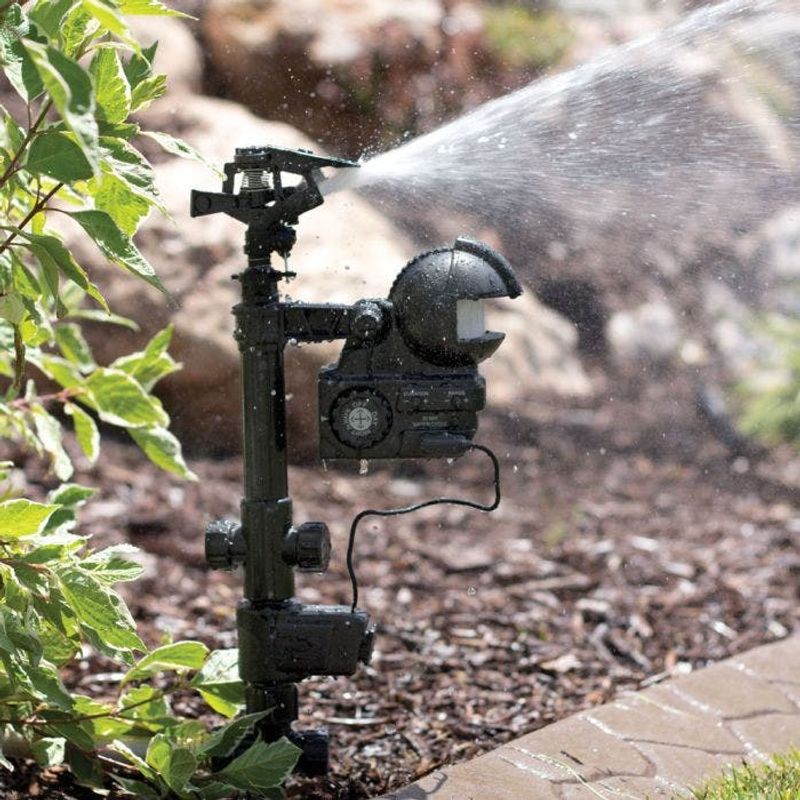
A motion-activated floodlight snapping on in a dark yard or a sudden burst of cold water from a sprinkler can be enough to send a cautious coyote looking for a quieter destination. Most wild animals prefer predictable, calm environments, and a yard full of surprises works against that preference.
Motion-activated floodlights are a smart first step. Mount them near dark corners, garden beds, and paths the animals seem to use most.
Solar-powered models are easy to install and save on electric bills. Look for lights with wide sensor ranges and adjustable brightness settings.
Motion sprinklers add a useful surprise. They hook up to a regular garden hose and spray water when something moves in front of the sensor.
During freezing winter months, you may need to disconnect sprinklers to protect the pipes. Pennsylvania cold snaps can crack hoses faster than you might expect.
Some homeowners also use flashing predator lights. These small devices blink red at night, looking like watchful eyes staring out from the shadows.
Moving your gadgets around every few weeks helps a lot. Coyotes are smart, and they can get used to anything that stays in the same spot for too long.
Mixing lights, water, and sound creates a yard full of surprises. That kind of unpredictable space makes a wild visitor nervous.
Pair these tools with good cleanup habits for the strongest results.
6. Build A Coyote-Resistant Fence
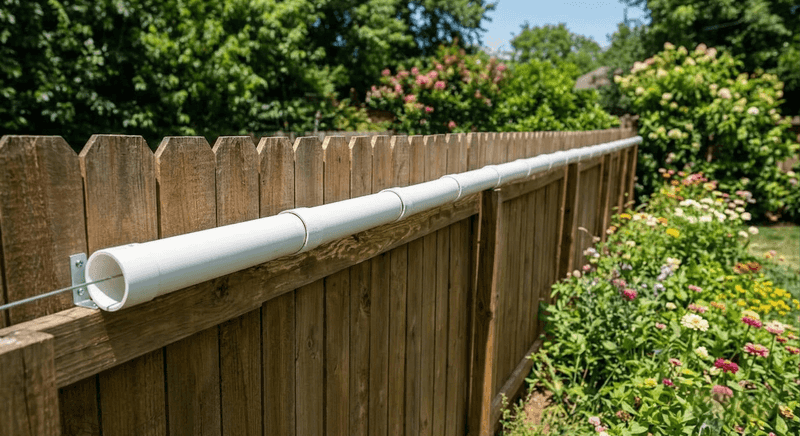
A good fence is a worthwhile investment for homeowners dealing with persistent coyote activity, but it needs to be built with realistic expectations about what these animals can actually do.
Coyotes are surprisingly athletic. They can clear a six foot fence with relative ease, and they are also capable diggers who can tunnel under a barrier in one night.
For reliable deterrence, aim for a fence at least six to eight feet high. Solid wood or tight chain link works better than loose, wobbly wire.
Many wildlife experts recommend eight feet as the more dependable height, particularly in areas with regular coyote activity.
To stop jumpers, add a coyote roller along the top. It is a spinning bar that makes it hard for paws to grab hold and climb over, and it significantly improves the effectiveness of even a well-built fence.
Diggers need a different fix. Bury an L-shaped apron of wire mesh about a foot deep and a foot outward along the base.
Check your fence line often for gaps, loose boards, or fresh holes. A tiny opening can turn into a coyote highway very quickly.
Electric fencing is another option, especially for rural properties with livestock. Farmers across Pennsylvania use it to guard sheep, goats, and poultry.
Before building, check your township rules and any homeowner association guidelines. Some areas limit fence height or style.
Fences cost money upfront, but they bring years of protection. For families with small pets or backyard chickens, the peace of mind is often well worth it.
7. Clear Brush And Hiding Spots Around Your Property
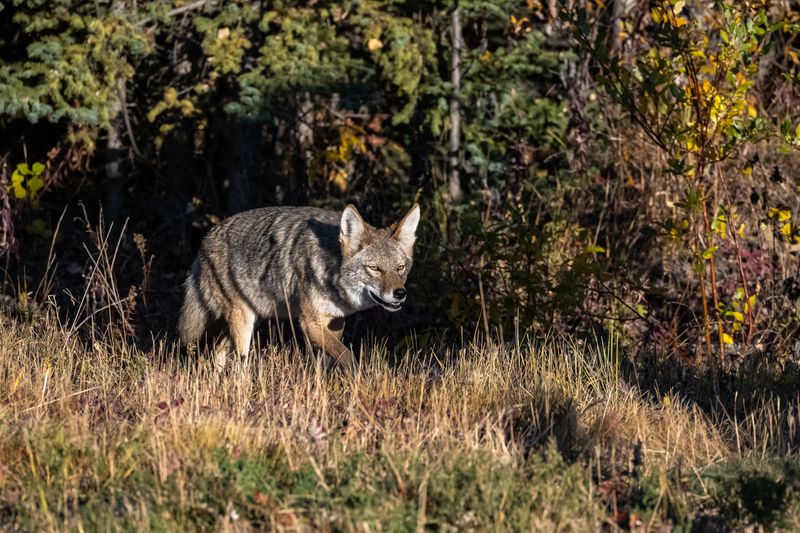
Overgrown bushes might look charming in a storybook garden. To a coyote, though, they look like the perfect place to nap, hide, or even raise pups.
Spring is denning season, usually around April and May. Coyotes search for quiet, sheltered spots to tuck their young safely away.
Start by trimming shrubs so you can see underneath them. Keeping lower branches about a foot off the ground removes cozy cover.
Tall grass and weeds along the edges of your yard should get mowed regularly. A neat lawn gives wild animals fewer places to lurk.
Woodpiles and brush heaps are big attractions too. Stack firewood on a raised rack and keep it away from your house.
Look closely at decks, porches, and sheds. Close off gaps underneath with hardware cloth or lattice so nothing can crawl in.
Here is a sneaky tip. Rodents love clutter, and coyotes love rodents, so tidying up actually cuts off their food supply as well.
If you find what looks like a den, do not try to handle it alone. Contact the Pennsylvania Game Commission for guidance on what steps to take.
A clean, open yard feels exposed and uncomfortable to shy wildlife. With less room to hide, your visitors will likely move on to wilder ground nearby.
8. Stop Feeding Wildlife Near Pennsylvania Backyards
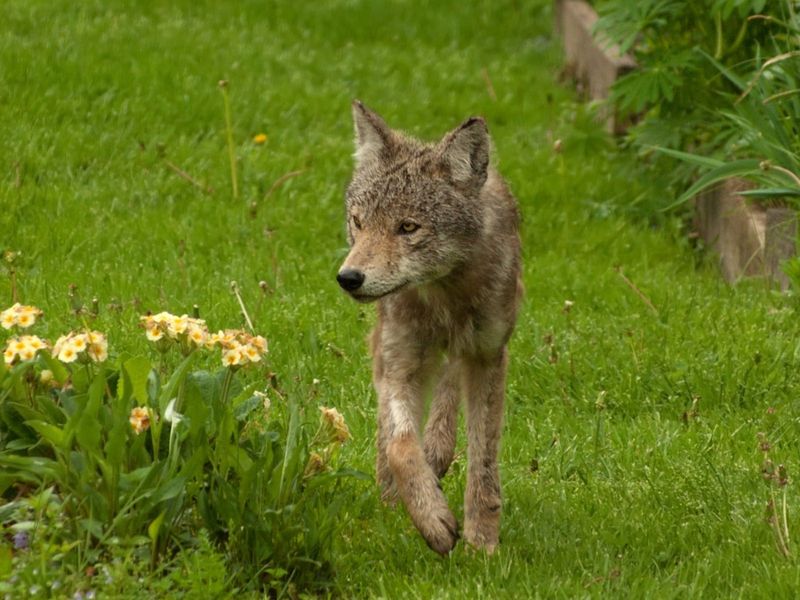
Kind hearts sometimes cause big problems. Tossing out corn for deer or bread for ducks may feel generous, but it can set off a chain reaction.
Food scattered on the ground draws squirrels, rabbits, mice, and even groundhogs. Before long, coyotes notice your yard has become a busy buffet of easy prey.
Bird feeders are a common culprit. You do not need to give them up entirely, but a few changes will help a lot.
Use feeders with trays that catch falling seed. Rake up spills every few days so the ground stays clean.
Some families bring feeders inside at night. Others take them down during the coyote breeding and pup-raising months in late winter and spring.
Fallen fruit from apple, pear, or cherry trees deserves attention too. Pick it up quickly, since coyotes happily munch on sweet snacks.
Never feed a coyote on purpose, not even once. Animals that learn to link people with food can grow bold, and that boldness often leads to trouble.
Did you know feeding certain wildlife is actually against the rules in parts of Pennsylvania? Deer feeding bans exist in areas with chronic wasting disease.
Talk with neighbors about these habits as well. A whole street working together keeps wild animals wild.
9. Call The Pennsylvania Game Commission For Expert Help
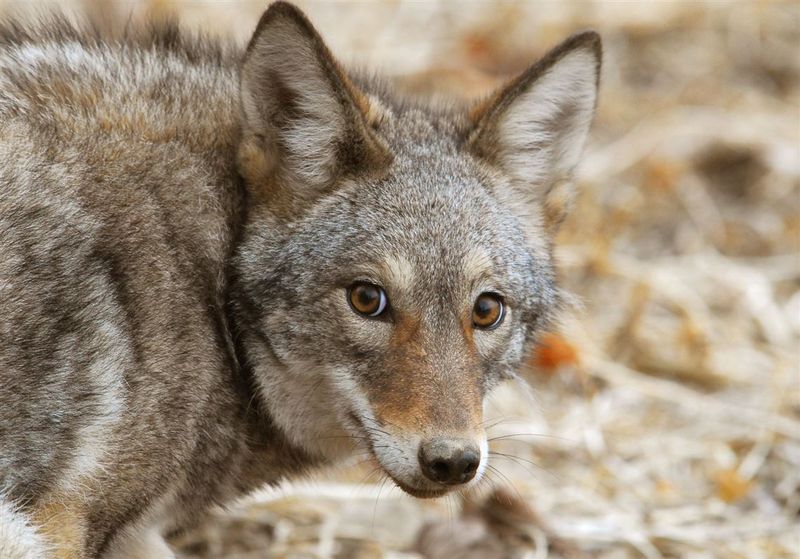
Sometimes a problem calls for a pro. If a coyote seems sick, acts aggressive, or keeps hanging around despite your best efforts, reach out for help.
The Pennsylvania Game Commission handles wildlife issues across the state. It has regional offices ready to answer questions and offer advice.
Watch for warning signs worth reporting. A coyote that approaches people, stumbles, or appears unafraid in daylight may need expert attention.
Daytime sightings alone are not usually a big deal. Coyotes sometimes hunt during the day, especially when feeding hungry pups.
Licensed wildlife control operators are another option. These trained professionals can inspect your property and suggest removal or exclusion plans if needed.
Keep in mind that removing one coyote rarely ends the story. Others may move in to fill the empty territory, so prevention remains your strongest tool.
Write down details before you call. Note the dates, times, locations, and behaviors you have seen, and snap photos if you safely can.
Local animal control or police can help with urgent situations. If anyone gets bitten, seek medical care right away and report it quickly.
Neighborhood groups and community pages can also share sightings and tips. When everyone stays informed, families feel calmer and smarter about living alongside these wild neighbors in Pennsylvania.