Stop Volcano Mulching Ohio Trees This Fall – The Damage Starts At The Trunk
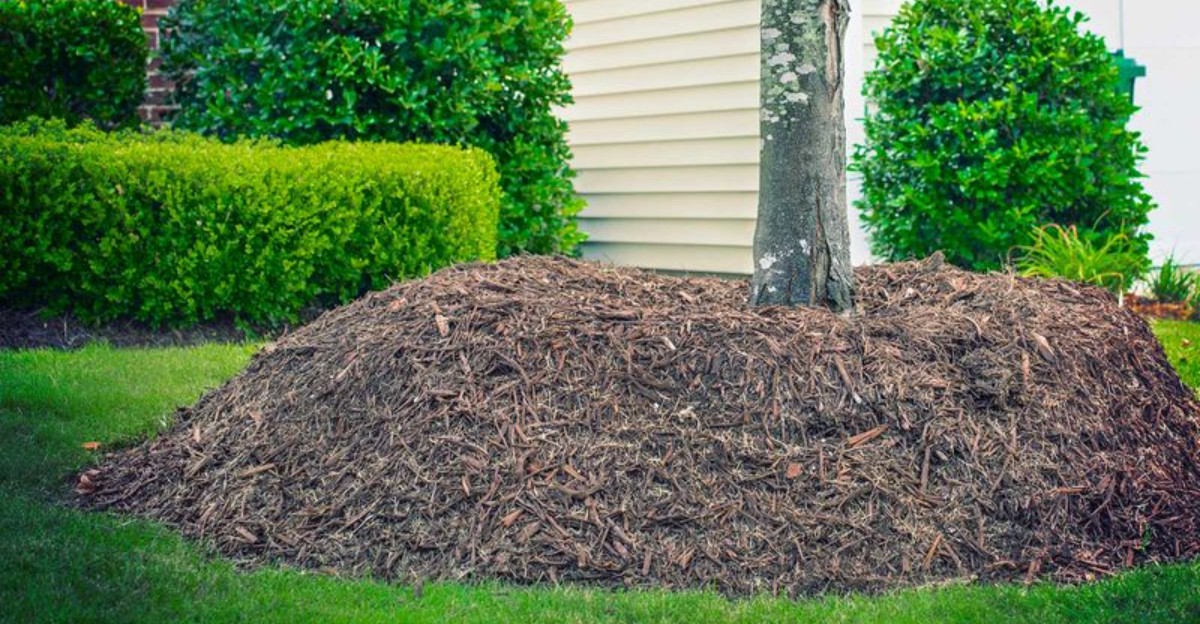
That cone of mulch piled against your tree trunk looks tidy, and it’s quietly working against everything you’re trying to do for that tree.
Volcano mulching packs material directly against the bark, and most Ohio homeowners do it without realizing the damage builds quietly, season after season.
Trapped moisture against bark invites rot, and it also gives pests an easy path straight into the trunk that they wouldn’t have otherwise.
The fix isn’t just about using less mulch either, which is where a lot of people get it wrong once someone points out the problem. It’s also about how that mulch gets shaped and where it actually sits in relation to the trunk itself.
Pull back that mulch from the base of your trees this fall before winter sets in. One small adjustment now could save a tree you’ve been unknowingly hurting for years.
1. Pull Mulch Away From The Tree Trunk
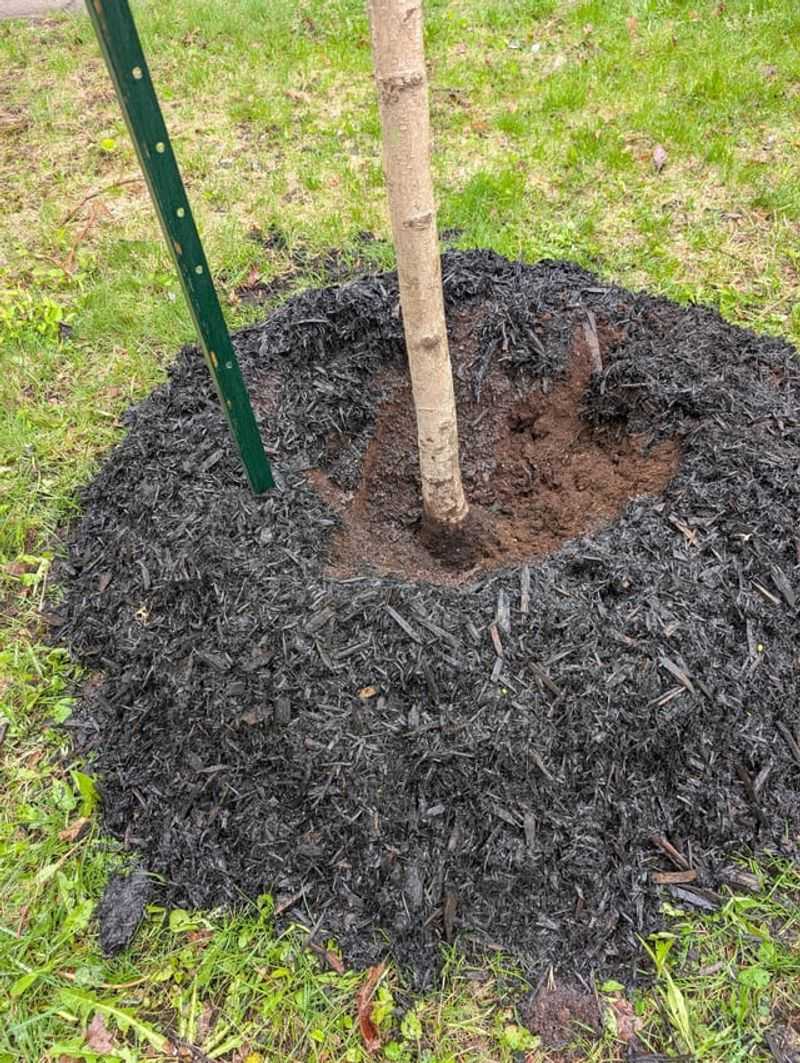
Grab a hand rake and give your tree some breathing room. Mulch piled right up against the bark acts like a wet blanket that nobody asked for.
Start by gently scraping the mulch back from the trunk. For young trees, leave a gap of about 3 to 5 inches.
Older, wider trees like more space, around 8 to 10 inches, and some experts suggest at least 6 inches as a simple rule.
Work slowly so you do not scrape or nick the bark. A plastic rake or even your gloved hands work well in tight spots.
If you uncover soil stuck to the trunk, brush it off softly too.
Think of the shape you want as a donut, not a cone. The hole in the middle is the whole point.
It lets air reach the base of the tree and lets rain drain away instead of pooling.
Fall is a great time for this chore in Ohio. Trees are slowing down for winter, and cooler weather makes yard work more pleasant.
Clearing the trunk now means your tree heads into the snowy months dry and healthy.
Once you finish, step back and look. The tree should look like it rises straight out of the ground, not out of a pile.
That clean, open base is a sign you got it right, and it takes only a few minutes per tree.
2. Keep The Root Flare Clearly Visible
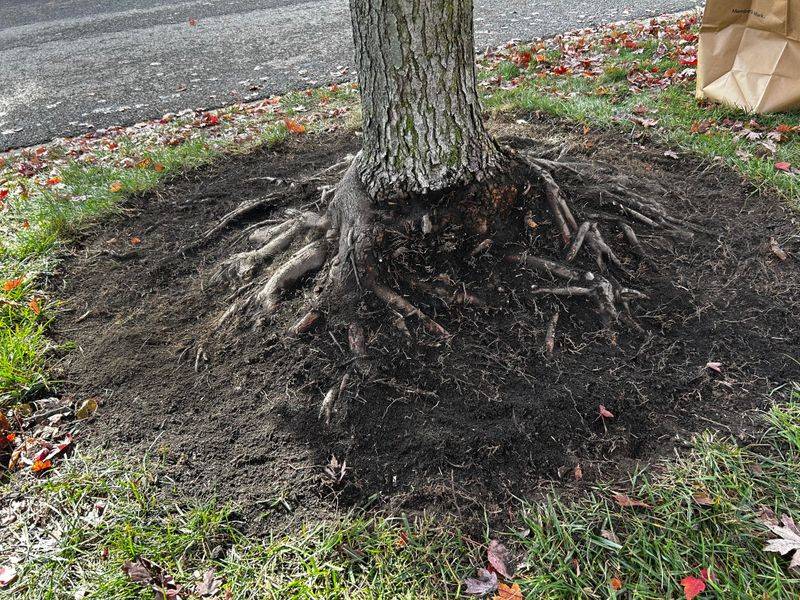
Every tree has a secret ankle. Where the trunk widens and spreads into roots, you will find the root flare, sometimes called the root collar or trunk flare.
Nature designed this spot to sit above the soil line, out in the open air. When mulch or dirt buries it, the tree has a harder time moving water and nutrients up from its roots.
Gas exchange also slows down, which can stress the tree over time.
So how do you find it? Look for the place where the trunk stops looking like a straight pole and starts to bulge outward.
On many trees, you can spot the tops of large roots fanning away from the base.
Your Ohio Garden Changes Every Week. Your Plan Should Too.
Gardening in Ohio changes quickly throughout the season. Every Friday you’ll receive a simple weekly plan showing exactly what to plant, prune, fertilize, harvest, and protect so you never miss the right timing.
If your tree looks like a telephone pole stuck in the ground, the flare is probably hidden. Dig gently with your fingers or a small trowel until you see that widening shape.
Take your time, since the bark there is tender.
Here is a fun fact to share with friends. Many nursery trees arrive with extra soil already piled over the flare, so even a brand new tree may need a little uncovering.
Once the flare is visible, keep it that way. Check it each spring and fall, especially after heavy rain or fresh landscaping.
A visible flare is one of the easiest ways to tell if a tree is planted and mulched correctly.
3. Thick Mulch Holds Too Much Moisture Against Bark
Ever worn wet socks all day? Your feet get soft, wrinkly, and uncomfortable.
Tree bark feels something similar when thick mulch hugs it day after day.
Mulch is great at holding water. That is exactly why gardeners love it around roots.
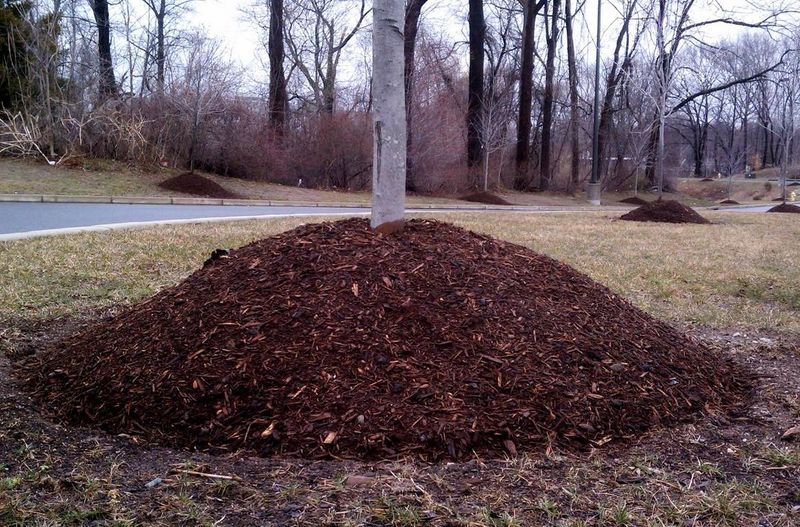
But when it is piled high against the trunk, it traps moisture right where the tree wants to stay dry.
Ohio falls can be rainy, and winters bring melting snow. A deep mound soaks up all that water like a sponge and presses it against the bark for weeks.
Over time, the bark can soften, crack, and lose its tough outer shield.
Bark works like a raincoat for the living layers underneath. Once it gets soggy and weak, the tree has fewer defenses against problems from insects, fungi, and harsh weather.
You can test this yourself. Poke your finger into a volcano pile after a rainy day.
Chances are the inside will feel damp, dark, and maybe a bit musty, even when the top looks dry.
The fix is simple. Keep mulch thin near the tree and pull it away from the trunk.
Let sun and breeze reach the bark so it can dry out between rains. A dry trunk and moist roots make a winning combo, and your tree will be much happier for it.
4. Buried Bark Becomes Vulnerable To Decay
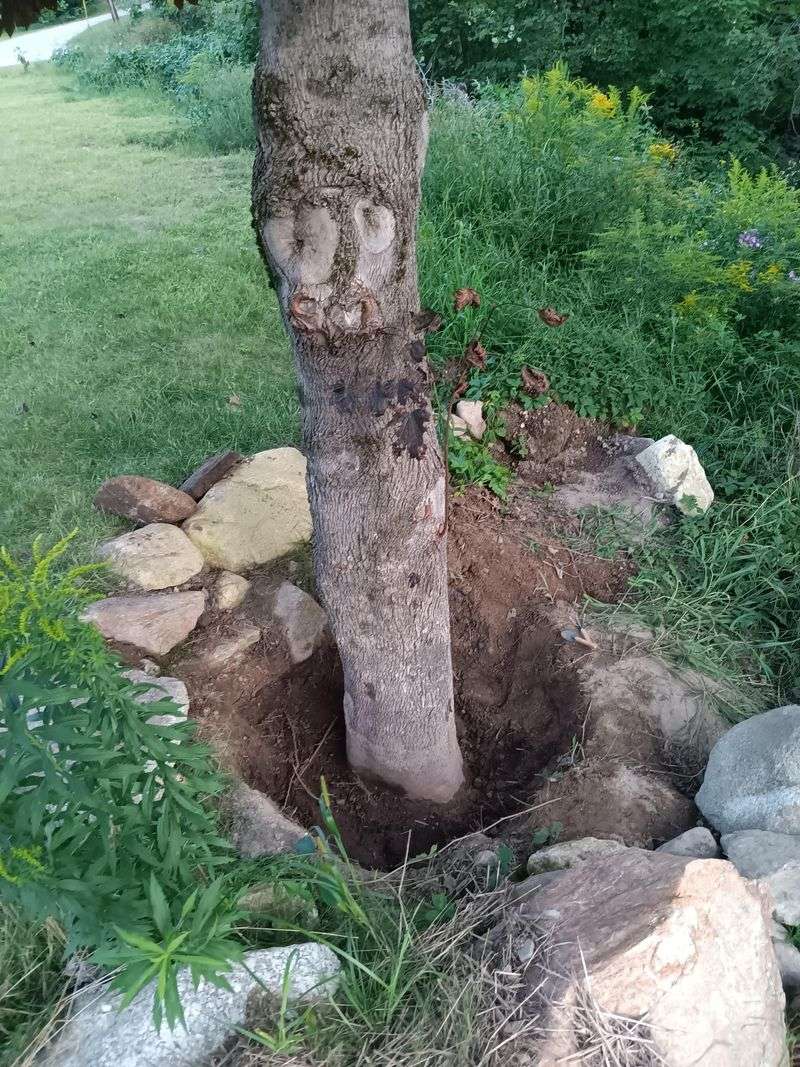
An Ohio arborist once described a mulch volcano as a slow-motion trap. Everything looks tidy on the outside, while trouble brews quietly underneath.
Trunk bark is built to shed water and dry out. It was not made to stay buried like a root.
When it sits in damp mulch month after month, the bark can soften and begin to break down.
That weakened bark becomes an open door. Fungi, bacteria, and other organisms that cause disease can slip inside more easily.
Once they get in, they may spread into the wood beneath.
This is not just a looks problem. Decay at the base can weaken the tree’s structure over time.
A tree with a soft, damaged base may become less stable, especially during strong winds or heavy ice storms that Ohio knows well.
How can you tell if trouble has started? After pulling mulch back, look for bark that feels spongy, peels easily, or looks darker than the rest of the trunk.
Oozing, cracks, or mushrooms near the base are also warning signs.
If you notice these clues, call a certified arborist for a closer look. Catching decay early gives your tree a much better shot at recovery.
And going forward, keeping bark uncovered is one of the best ways to stop decay before it begins.
5. Rodents Find Shelter Inside Deep Mulch
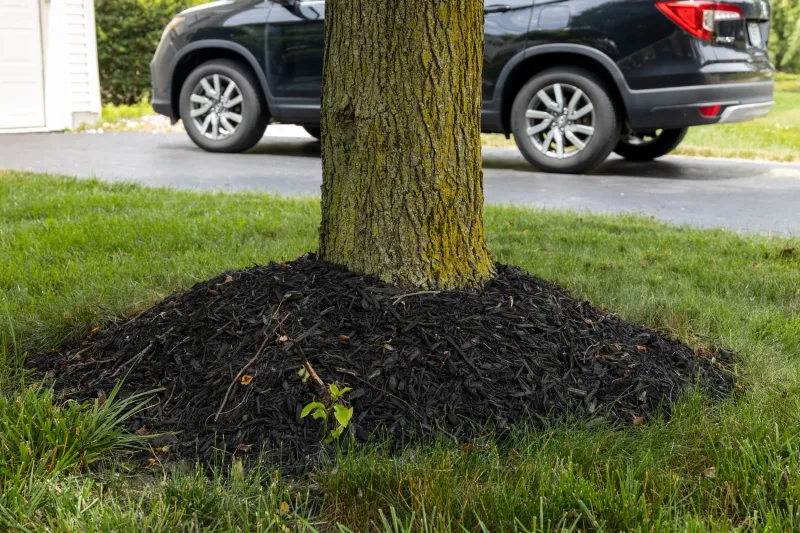
To a hungry vole, a mulch volcano looks like a five-star hotel. It is warm, hidden, and comes with a snack bar attached to the side.
Voles and mice love deep mulch, especially as Ohio temperatures drop. The thick pile gives them cover from hawks, owls, and cold winds.
They can tunnel and nest right against the tree without anyone noticing.
Here is the sneaky part. When food runs low in winter, these little critters start nibbling on the tender inner bark near the base.
Young trees are especially at risk because their bark is thin and easy to chew.
That inner bark carries food and water through the tree. If rodents chew all the way around the trunk, the damage can be serious.
Often, homeowners do not spot it until spring, when the tree leafs out poorly.
Did you know? Voles are often confused with moles, but they are very different.
Moles mostly eat grubs and worms, while voles happily munch on plants and bark.
To send these guests packing, keep mulch thin and pulled back from the trunk. An open ring leaves rodents exposed, and they feel less safe hanging around.
For extra protection on young trees, wrap the lower trunk with a loose hardware cloth guard during the winter months.
6. A Two-To-Four-Inch Layer Protects Roots Properly
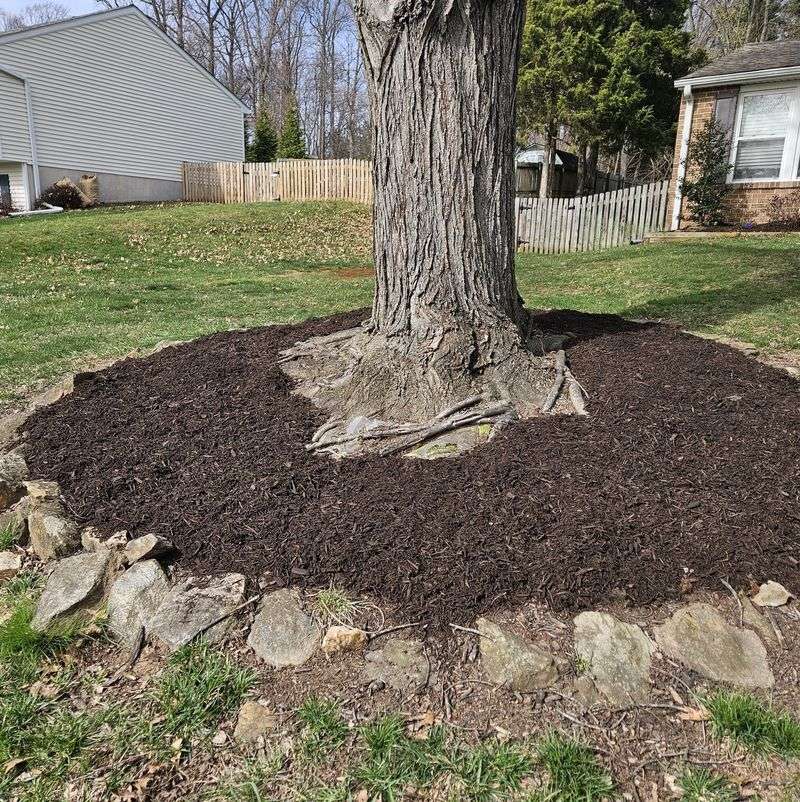
Goldilocks would make a fine gardener. Not too thin, not too thick, but just right is the secret to healthy mulch.
For most trees, experts recommend an even layer of organic mulch about 2 to 4 inches deep. That depth keeps soil moist, calms temperature swings, and blocks many weeds.
It also breaks down slowly, feeding the soil as it goes.
Going deeper does not mean better. Too much mulch can smother roots, which need oxygen just like we do.
Roots may even grow up into the mulch looking for air, which makes them weaker and more exposed.
Some yards need even less. If your soil drains poorly, like the heavy clay found in many parts of Ohio, try just 1 to 2 inches.
The same goes for fine mulch, such as finely shredded bark, which packs down tighter.
A quick trick helps a lot. Stick a ruler or a pencil into the mulch at a few spots.
If it sinks past 4 inches, you have too much and should rake some away.
Choose natural materials like shredded hardwood, wood chips, or pine needles. Skip dyed mulch if you can, since plain options are usually gentler on soil.
With the right depth, your mulch works hard for roots without causing extra trouble.
7. Extend Mulch Out Toward The Drip Line
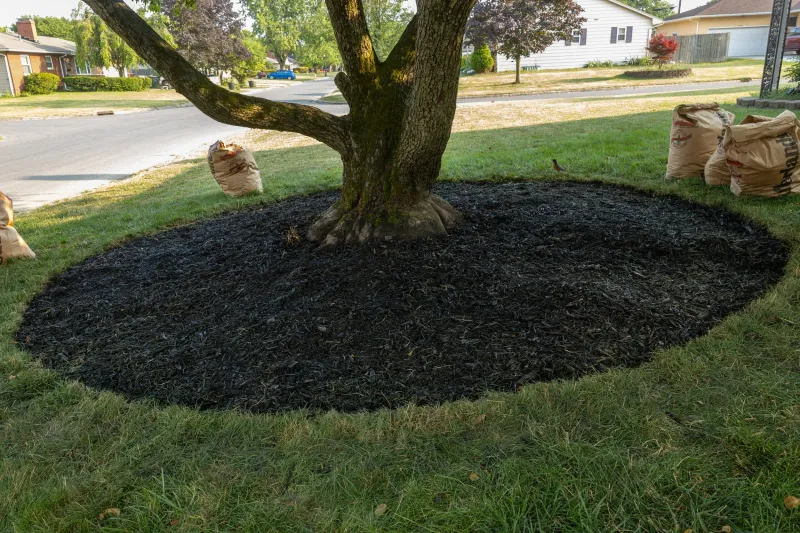
Most people are surprised to learn where tree roots actually live. They do not stay tucked under the trunk.
Instead, they spread far and wide, often past the edge of the branches.
That outer edge of the canopy is called the drip line. It is roughly where rain drips off the leaves onto the ground.
Many of the tree’s feeding roots sit in the top foot of soil, stretching out in this area.
So a tiny tall pile at the base helps very little. A wide, flat ring does much more good.
Spreading mulch toward the drip line protects more roots from lawn mowers, foot traffic, and baking summer heat.
Of course, not every yard has space for a giant circle. If reaching the drip line is not practical, aim for a ring at least 3 feet out from the trunk for most trees.
Even that modest width helps.
There is a bonus, too. A wide ring keeps string trimmers and mowers away from the trunk, which prevents painful bark wounds.
It also means less grass competing with the tree for water.
Think of it this way. Instead of piling mulch up, spread it out.
Same amount of material, but a much happier tree. Your Ohio maples and oaks will reward you with stronger growth year after year.
8. Refresh Compacted Mulch Without Adding More Depth
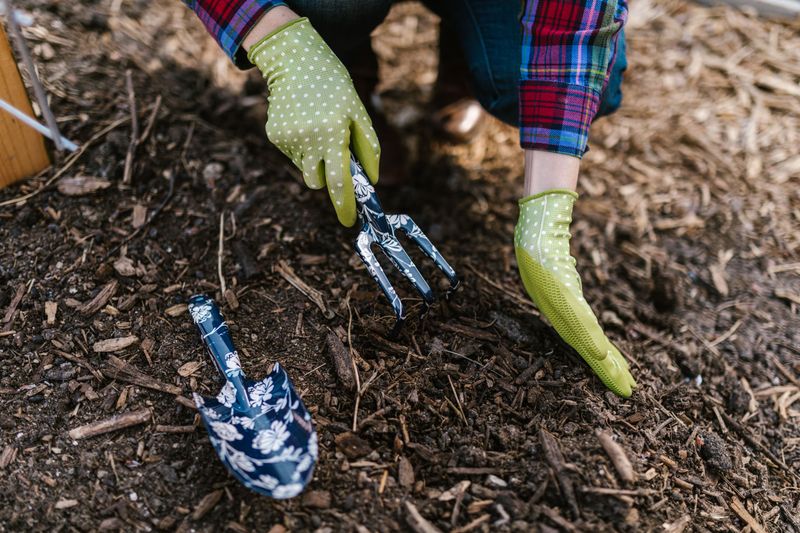
Old habits are hard to break. Every spring and fall, many folks dump fresh bags of mulch right on top of last year’s layer, and the pile keeps growing.
Here is a smarter move. Before buying anything new, grab a rake and check what you already have.
Mulch tends to pack down and fade to gray over time. It can form a tight mat that blocks water and air from reaching the soil.
Simply rake or fluff the old layer. Breaking up that crust lets rain soak in and helps roots breathe.
It also brings a slightly fresher look back to the surface, no shopping trip required.
Only add new mulch when the layer looks thin or patchy. Measure first, then top it off just enough to stay in that 2 to 4 inch range.
If you already have 3 inches, you likely need nothing at all.
This habit saves money, too. Mulch is not cheap, and skipping unneeded bags can put real dollars back in your pocket each season.
A quick tip for fall in Ohio is to mix in a thin layer of shredded leaves. They break down fast and add nutrients.
Just keep the total depth in check and pull everything back from the trunk when you are done.
9. Leave A Clear Ring Around Every Trunk
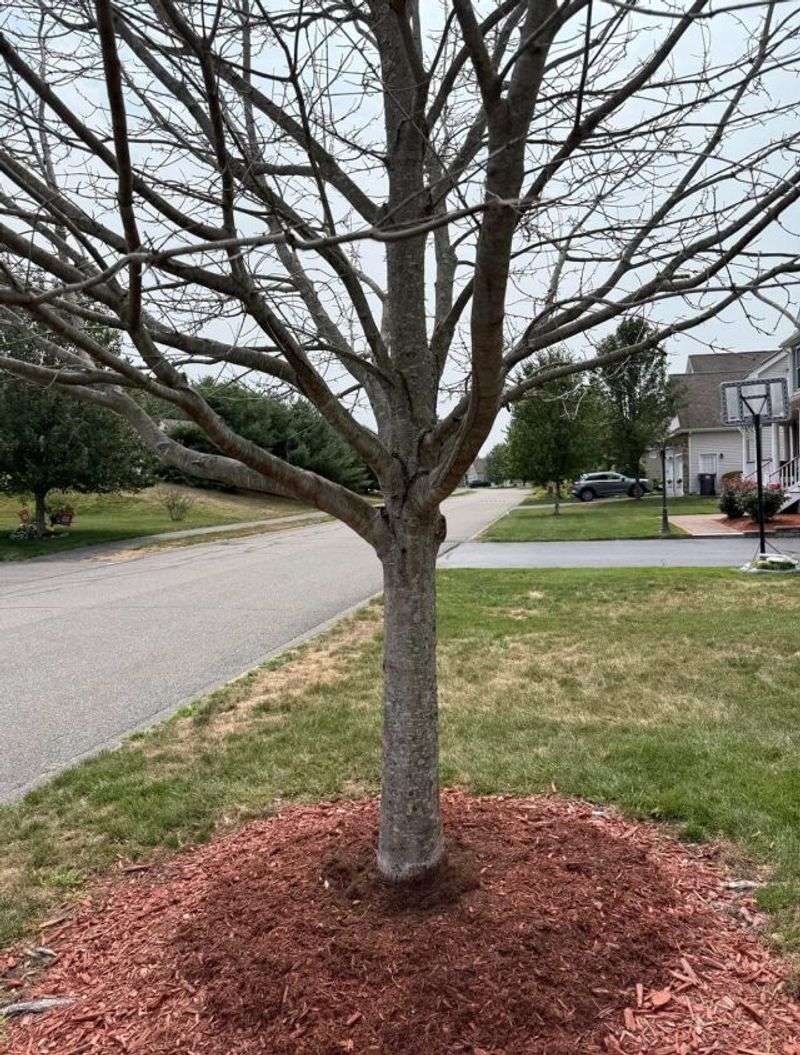
Walk through a well-kept Ohio park and you may notice something quietly smart. The healthiest trees often sit in the middle of a neat donut of mulch, with a bare ring of soil right around the trunk.
That clear ring is the finishing touch that ties everything together. It keeps mulch off the bark, lets the root flare breathe, and gives rodents nowhere cozy to hide.
All the tips in this list lead back to this one simple shape.
Making it a habit is easy. Each time you mulch, finish by circling the trunk with your hand or rake.
Push any stray chips back until you see bare soil or the base of the flare.
Why not share the idea? Many neighbors simply copy what they see from landscapers or big stores.
Kindly showing them the donut method could help trees all down your street.
Here is a friendly challenge for this weekend. Walk around your yard and check every tree, big or small.
Fruit trees, maples, evergreens, and new plantings all benefit from the same clear ring.
It takes only a few minutes per tree, but the payoff lasts for decades. Healthy trunks mean stronger trees, better shade, and prettier fall color.
That is a pretty sweet deal for a little raking on a cool autumn afternoon.