These Are The Ohio Garden Mistakes That Are Quietly Hurting Pollinators Every Season
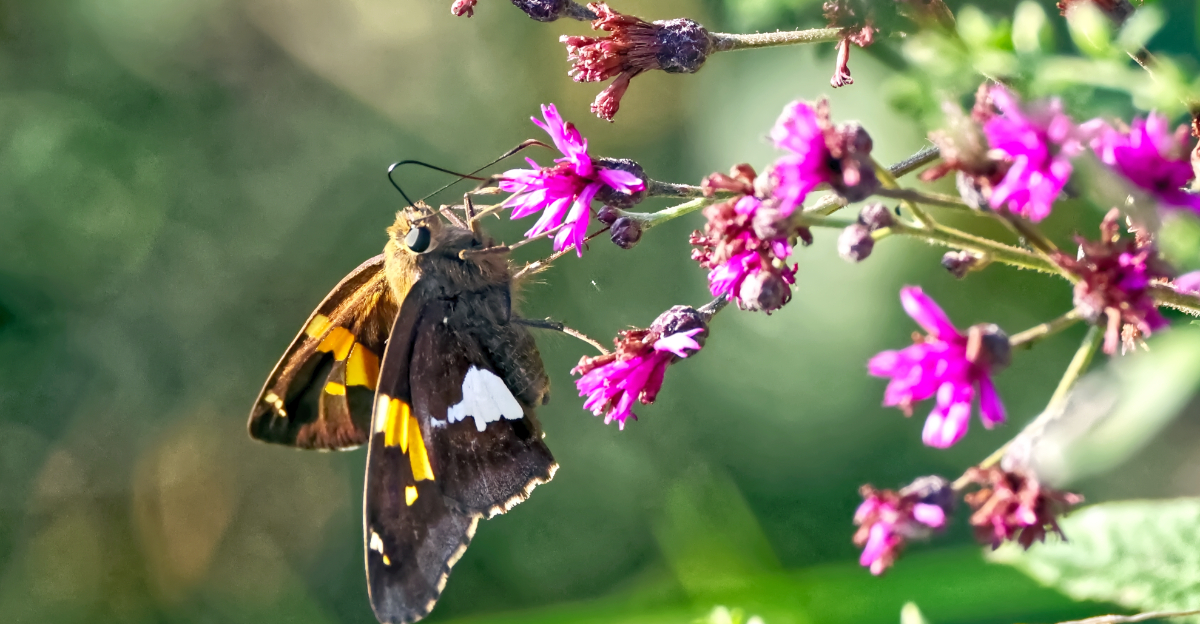
Ohio gardens are full of good intentions. Gardeners plant flowers, skip pesticides, add a birdbath, and feel good about supporting local wildlife.
But a surprising number of common garden habits are quietly working against pollinators every single season, and most people have no idea. Not because they are careless.
Because the information never reaches them. Tidy gardens that get cleaned up too early in spring.
Mulch piled so thick that ground-nesting bees cannot get through. Plant varieties that look like pollinator favorites but produce no usable pollen.
Ohio has over 500 native bee species alone, and most of them are struggling for reasons that trace right back to everyday gardening decisions. The damage adds up season after season without anything dramatic to signal the problem.
So what are Ohio gardeners actually getting wrong? Some of it is going to surprise you, and a lot of it is an easy fix.
1. Spraying Pesticides When Flowers Are In Bloom
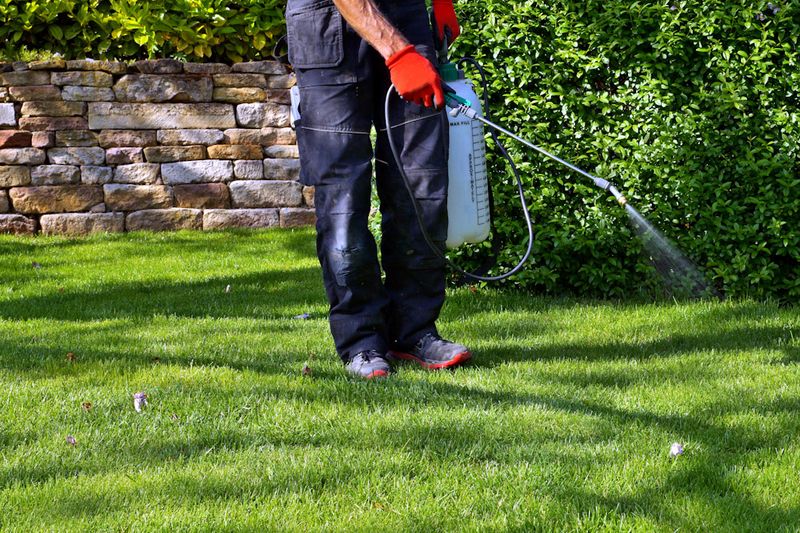
Reaching for a spray bottle when you spot a pest feels like the obvious fix, but timing matters more than most gardeners realize. Bees, butterflies, moths, and other beneficial insects are often most active during warm, calm daylight hours.
That is exactly when many people head outside to tend their gardens. Spraying open blooms during peak activity hours can expose pollinators directly to chemicals, even products that seem mild or are marketed as garden-safe.
Broad-spectrum sprays are especially risky because they do not target just one pest. They can affect a wide range of insects, including the beneficial ones visiting your flowers.
Even systemic products that are applied to soil can move into pollen and nectar over time. The label on every pesticide product contains legal directions, and following those directions carefully is not optional.
A smarter approach is to spray only when a pest problem is truly causing damage, not as a routine habit. If you do need to spray, choose early morning or evening when flowers are closed and pollinator activity is lower.
Cover blooms when possible, and consider targeted spot treatments rather than blanket applications.
Integrated pest management, which focuses on using the least harmful approach first, is a well-supported strategy from university extension programs across the country.
Reducing unnecessary sprays is one of the most direct ways to protect pollinators in any backyard garden.
2. Planting Too Many Flowers With Little Nectar Or Pollen
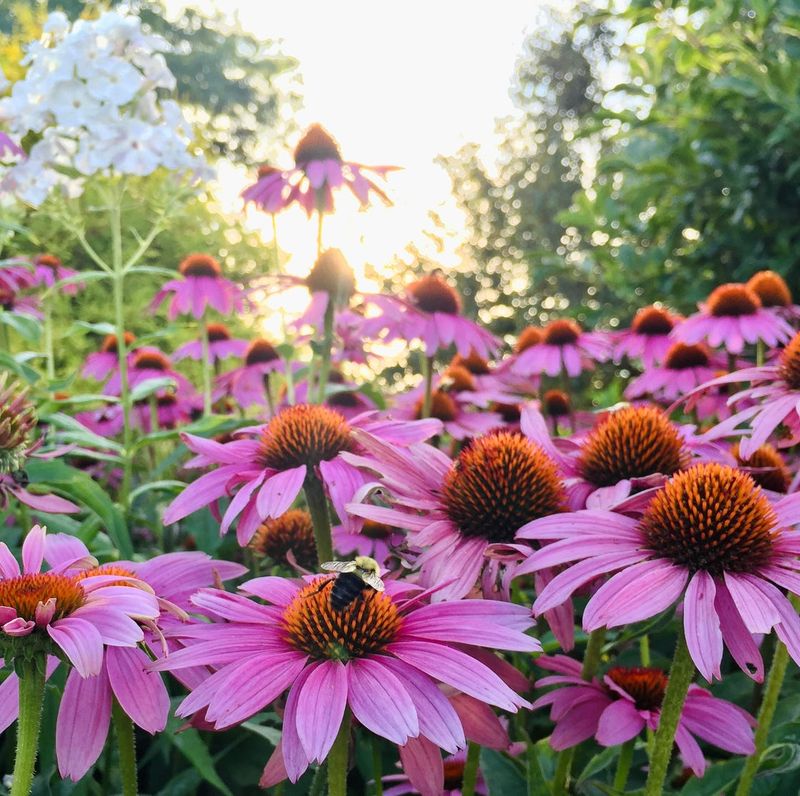
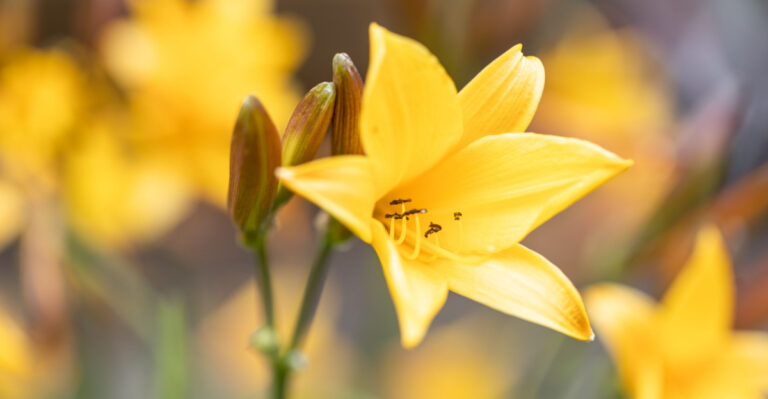
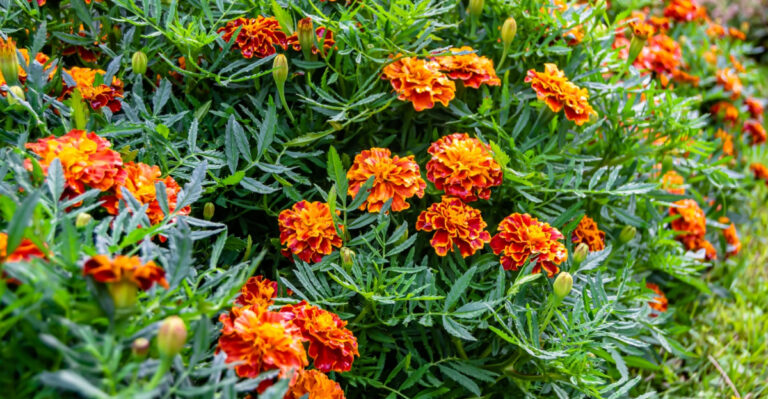
Not every flower that looks beautiful actually feeds pollinators well. Some highly bred ornamental varieties can offer very little accessible nectar or pollen.
This is especially true of double-flowered types where petals have replaced the stamens and pistils. A bee landing on a tightly packed double bloom may find almost nothing useful inside.
This does not mean you need to rip out every ornamental in your yard, but it does mean flower choice matters.
Sterile hybrid varieties and some ornamental selections bred purely for color or form may not produce much pollen at all. Pollinators rely on pollen as a protein source for raising their young, and nectar as fuel for flight and daily activity.
Your Ohio Garden Changes Every Week. Your Plan Should Too.
Gardening in Ohio changes quickly throughout the season. Every Friday you’ll receive a simple weekly plan showing exactly what to plant, prune, fertilize, harvest, and protect so you never miss the right timing.
A garden filled mostly with low-pollen ornamentals can look vibrant while quietly offering less food than it appears to provide.
Mixing in native flowers, simple open-faced blooms, and flowering herbs can make a real difference.
Plants like native coneflowers, black-eyed Susans, wild bergamot, and flowering herbs such as basil, oregano, and anise hyssop are well-documented pollinator supporters.
Shrubs like native viburnums and buttonbush also provide food and structure. You do not have to choose between a pretty garden and a productive one.
Adding even a few well-chosen native or open-bloomed plants alongside your ornamentals can meaningfully improve the food available. That helps bees, butterflies, and other visitors throughout the growing season.
3. Cleaning Up Every Leaf And Stem Too Early
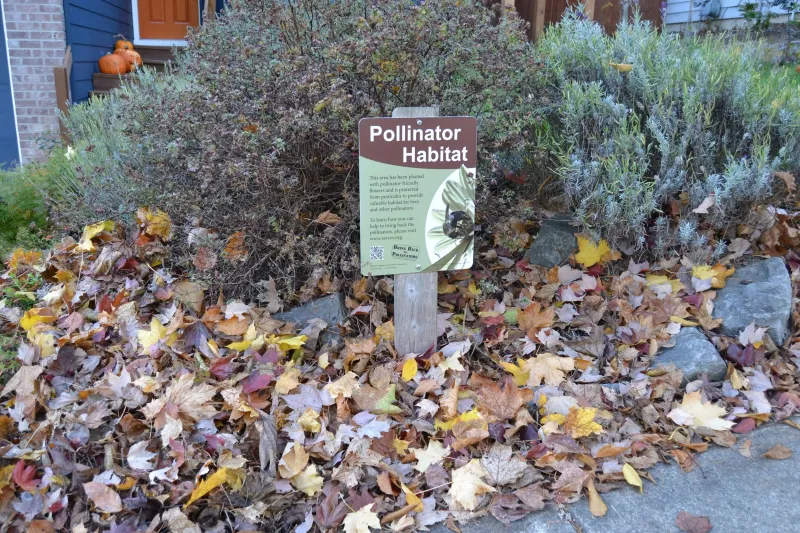
Autumn cleanup feels satisfying. Raking leaves, cutting back perennials, and clearing beds makes a yard look neat and ready for winter.
But for many pollinators, that tidy bare bed is actually a habitat loss. Hollow stems from plants like native bees and other small insects are used for overwintering.
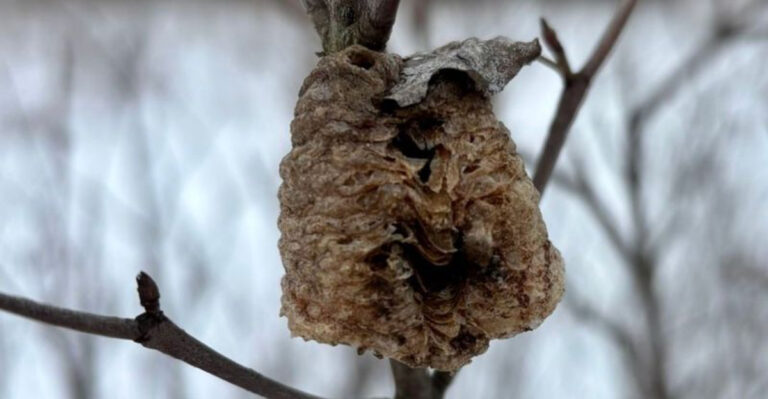
Leaf litter shelters ground-dwelling insects, moth pupae, and butterfly chrysalises that are waiting out the cold months tucked under debris.
Cutting everything to the ground in October or November can remove the very spaces insects need to survive until spring.
Research supported by university extension and conservation organizations like the Xerces Society confirms the value of leaving standing stems and some leaf litter in place.
Keeping those materials through winter and into early spring gives overwintering insects a much better chance. Many native bees, including small solitary species, rely on these spaces more than most gardeners expect.
You do not need a messy yard to make this work. Tidy the front beds and areas near paths where appearance matters most, and leave quieter back areas, borders, and low-traffic corners a little wilder through winter.
Aim to delay full cleanup until temperatures have been consistently warm for a stretch, usually late April or into May in many parts of the state. That timing gives emerging insects a chance to leave stems before you cut them.
Small adjustments to your cleanup schedule can quietly protect a surprising number of species each season.
4. Leaving Long Gaps With Nothing Blooming
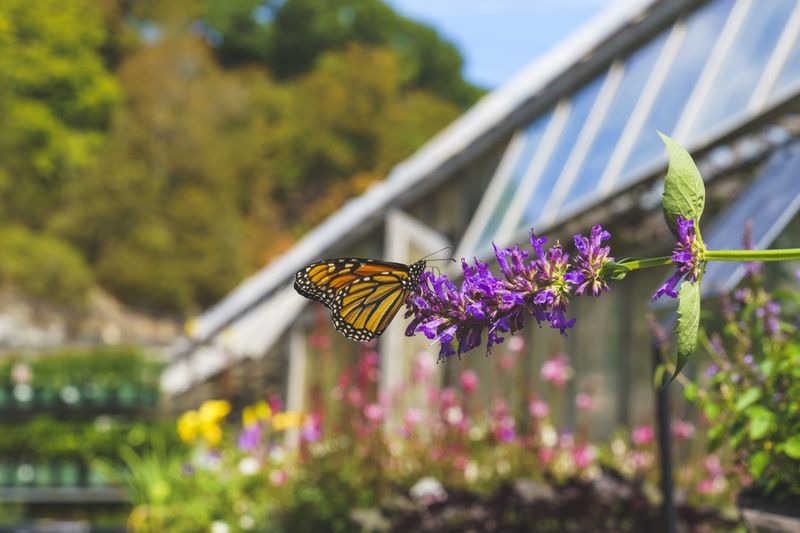
A garden that explodes with color in July and then goes quiet is not serving pollinators as well as it could. Bees, butterflies, and other insects need food across the entire growing season, from the first warm days of spring through the last weeks of fall.
When large gaps open up between bloom periods, pollinators in the area have fewer local resources to rely on. That can affect their ability to raise young and store energy for winter.
Early spring bloomers like native willows, red maples, native violets, and spring ephemerals provide critical early-season fuel when little else is open. Summer perennials like coneflowers, bee balm, and native milkweeds bridge the middle of the season.
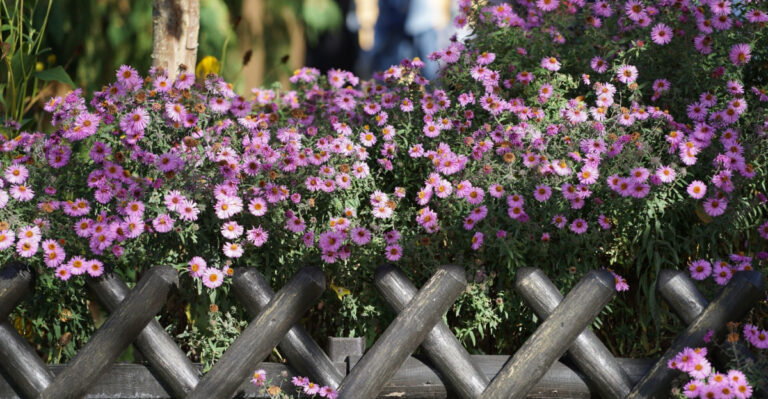
Then, late-season plants like native asters and goldenrods are especially important because they support pollinators preparing for winter or migration.
Goldenrod in particular is one of the most valuable fall-blooming plants for native bees in this region.
Planning a bloom sequence does not require a landscape redesign. Even adding two or three plants that fill in an early or late gap can meaningfully improve your garden’s value.
Check what is already blooming in your yard in April, August, and September. If those windows feel thin, that is a great place to start.
Native plant nurseries, local extension offices, and pollinator partnership plant lists are all helpful resources. They can help you find regionally appropriate plants that fill seasonal gaps without a lot of extra maintenance.
5. Using Mulch So Heavily That Bare Soil Disappears
Mulch does a lot of good in a garden. It holds moisture, moderates soil temperature, and reduces weeds.
Most gardening advice recommends it, and for good reason. But there is a side of mulch that rarely gets mentioned: a significant number of native bee species nest in the ground.
Thick layers of mulch covering every inch of soil can make those nesting sites inaccessible.
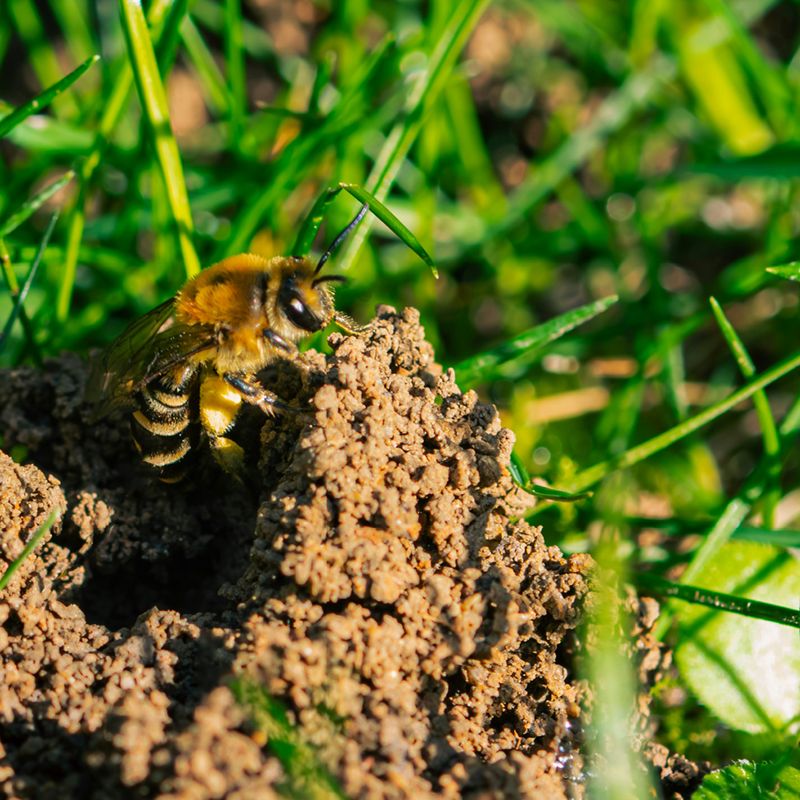
Ground-nesting bees, which include many native solitary species, need patches of bare or lightly covered soil in sunny spots to dig their nest tunnels. These bees are important pollinators of many native plants and food crops.
When every bed is blanketed with several inches of wood chips or shredded bark, nesting opportunities shrink. This is especially worth considering in gardens that already lack diversity in plant types, structure, and bloom times.
The fix is not to remove all mulch from your yard. Instead, leave a few small sunny patches with little or no mulch, particularly in quieter areas away from heavy foot traffic.
A bare spot near a south-facing slope or along a sunny border can be enough. Also avoid piling mulch directly against plant stems, which can cause rot and reduce airflow.
A two to three inch layer applied a few inches away from stems is generally better for plants. It is also better for the soil-dwelling insects that share the space beneath your garden beds.
6. Choosing Invasive Plants That Crowd Out Better Habitat
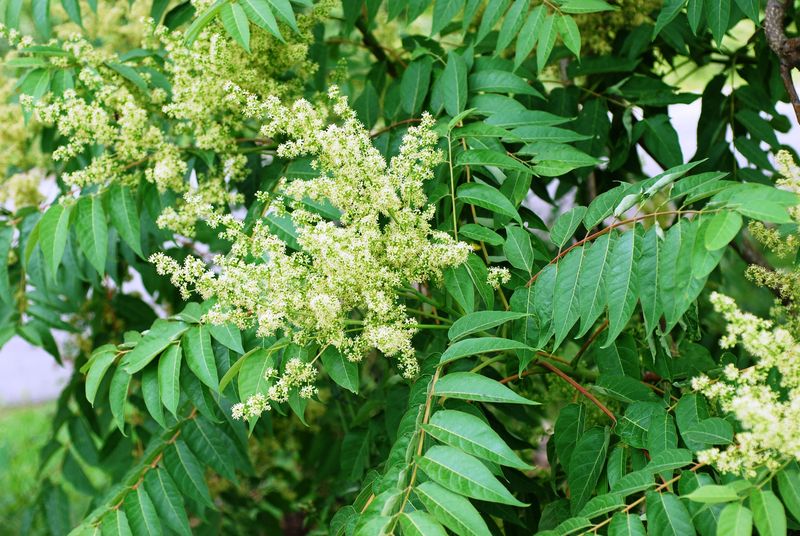
Some plants that look perfectly charming in a garden catalog can cause real problems once they get established. Invasive and aggressively spreading plants can escape garden beds and crowd out native plants that pollinators and other wildlife depend on.
The issue is not always obvious at first. An invasive plant might bloom, attract some insects, and look appealing for a season or two before the spread becomes a bigger problem.
When non-native invasive plants take over natural areas, roadsides, or woodland edges, they can reduce the overall diversity of the plant community. Pollinators often have evolved relationships with specific native plants, particularly for host plant needs.
Butterflies like monarchs, swallowtails, and many moth species depend on specific native host plants to complete their life cycles. A landscape dominated by invasive species may have fewer of those critical plants available.
Before adding a new plant to your yard, it is worth checking whether it has invasive tendencies in your region. Ohio State University Extension, the Ohio Invasive Plants Council, and the Midwest Invasive Plant Network all provide guidance.
Their resources cover plants that are known problems in this state. Native alternatives often exist for almost every invasive plant someone might be considering.
Swapping even one or two aggressive plants for better-behaved native options can improve habitat quality over time. It can do that without making your yard look any less intentional or well-kept.
7. Mowing Clover And Native Lawn Flowers Too Often
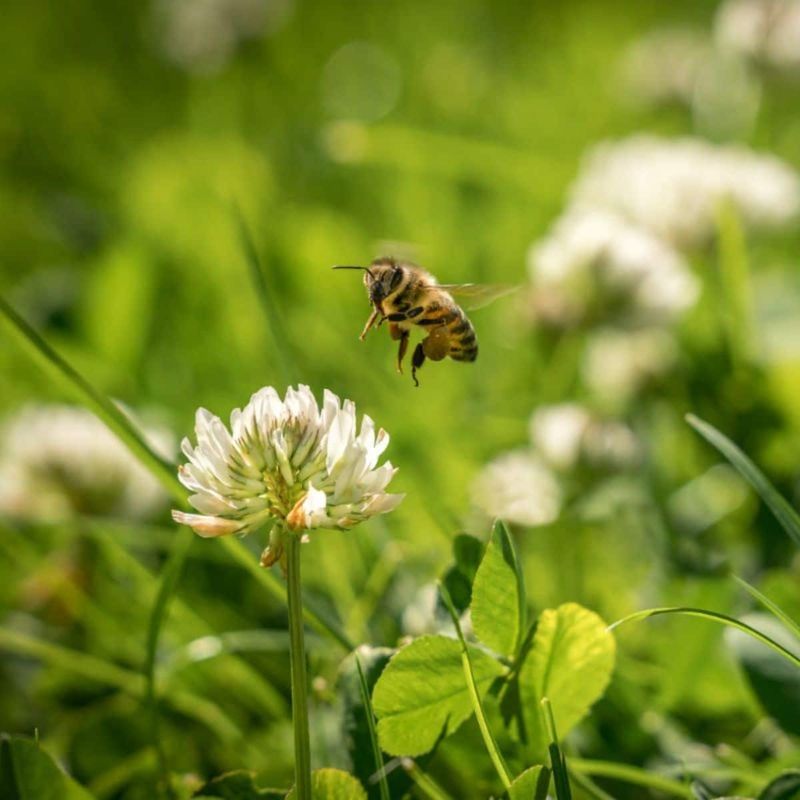
Lawns are not usually thought of as pollinator habitat, but they can play a small supporting role when managed thoughtfully.
Clover, violets, ground ivy, and other low-growing flowering plants that appear naturally in lawns are actually used by various bees and other small insects.
Mowing frequently and closely removes these flowers before pollinators can visit them, turning the lawn into a green desert with little food value.
Raising the mowing height by even an inch or two can allow some of these low plants to bloom between cuts.
Mowing a little less often in low-traffic areas or creating a small no-mow strip along a fence or border can provide a surprising amount of additional foraging space.
This does not mean letting the entire lawn grow tall and unruly. It just means finding a few spots where a lighter touch is possible.
Pesticide-free lawn areas matter just as much as mowing habits. Lawns treated with broad-spectrum herbicides to remove every clover and violet lose most of their incidental value for pollinators.
If your neighborhood or HOA requires a tidy appearance, focusing on a no-spray, slightly higher-mowed approach in the back or side yard can still make a difference.
Clover in particular is a well-documented nectar source for many bee species, and it fixes nitrogen in the soil, which is a practical bonus for the lawn itself.
8. Forgetting That Pollinators Need Water, Shelter, And Host Plants
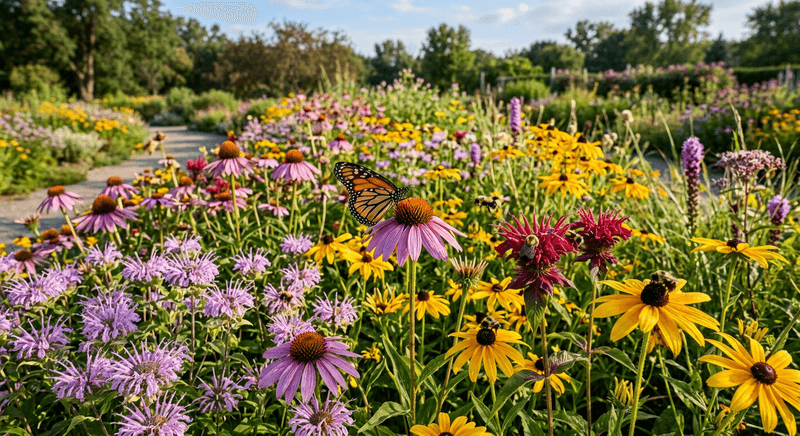
Flowers get most of the attention in pollinator gardening, and they absolutely matter. But a garden full of blooms without shelter, water, or host plants is like a restaurant with no restrooms, no parking, and nothing on the menu for half the customers.
Pollinators need more than nectar and pollen to thrive across a full season.
Butterflies need host plants for their caterpillars, not just nectar flowers for adults. Monarchs need milkweed.
Swallowtails use plants like wild senna, native spicebush, and members of the carrot family. Many moth species depend on native oaks, cherries, and willows.
Without these host plants nearby, adult butterflies and moths may visit your yard but have nowhere to lay eggs and complete their life cycles.
Water is another often-overlooked need. A shallow dish with a few pebbles for landing spots, refreshed regularly to prevent mosquito breeding, can serve bees, butterflies, and other insects on hot days.
Shelter matters too. Native shrubs, brush piles in quiet corners, standing withered wood, and even a modest patch of native grasses can provide real shelter.
That includes wind protection, overwintering spots, and nesting cover. You do not need acres of land to create meaningful habitat.
Even a small yard with a water source, a few host plants, and some structural diversity offers far more to pollinators. A tidy monoculture of ornamentals alone cannot provide the same value.