The Yellow September Flower Ohio Gardeners Often Blame For The Wrong Problem
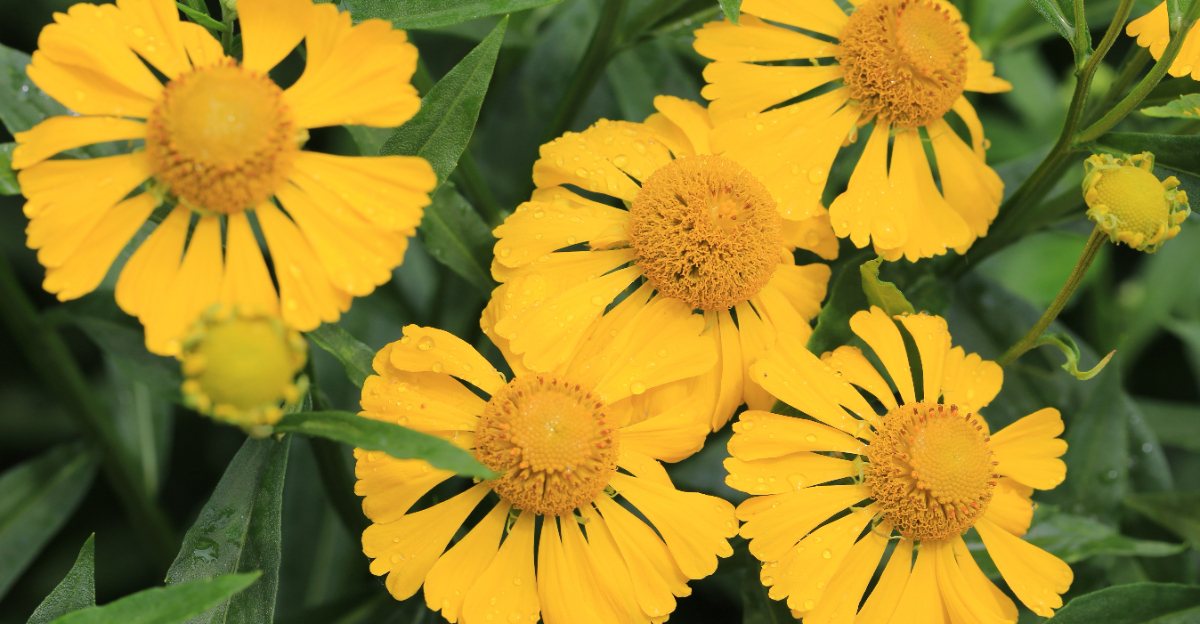
A bright yellow flower can earn a bad reputation for a problem it barely causes. Across Ohio, this late-season bloomer often gets suspicious looks as September allergies flare and pollen counts climb.
The timing seems convincing. The flowers appear, noses run, eyes itch, and the blame lands fast.
But the obvious suspect is not always the real culprit. What surrounds this flower in fields, roadsides, and backyard borders matters far more than most people realize.
Its pollen behaves differently from the fine airborne material that usually causes seasonal misery, yet the plant’s name and bloom time have kept the confusion alive for generations. That makes September a perfect month to look twice before pulling it from the garden.
The yellow blooms may sit right at the scene of the crime, but another plant nearby is far more likely to deserve the accusation.
1. Sneezeweed’s Name Makes It Look Guilty
A name like sneezeweed practically sounds like a diagnosis. Hearing it for the first time, most people immediately picture clouds of airborne pollen drifting into their sinuses every September.
That mental image feels convincing, especially when fall allergies are already flaring up nearby.
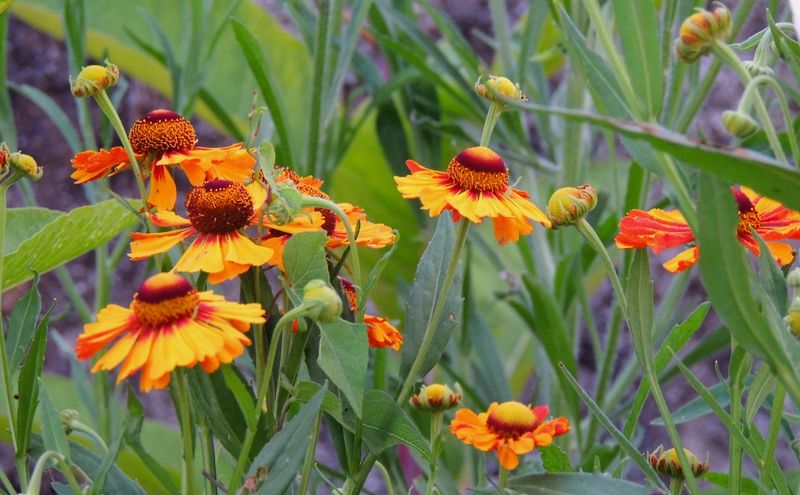
However, the connection between this plant and ordinary seasonal hay fever is much weaker than the name suggests. Common Sneezeweed, Helenium autumnale, produces showy flowers designed to attract insects rather than release pollen into the wind.
Insect-pollinated plants generally keep their pollen sticky and heavy so it clings to visiting pollinators instead of floating freely through the air.
Wind-pollinated plants like ragweed are the more common culprits behind fall allergy symptoms. Ragweed releases enormous quantities of lightweight pollen that travels long distances on the breeze.
Sneezeweed pollen simply does not behave the same way. The flowers’ structure is built for insect contact, not aerial dispersal.
That does not mean every person can handle every plant without any reaction. Sensitivities vary, and no blanket guarantee covers everyone.
Still, blaming sneezeweed for seasonal sneezing based on its name alone is a bit like convicting someone because their last name sounds suspicious. The name creates confusion, but the plant’s actual biology tells a different story.
2. Yellow Blooms Peak Right In September
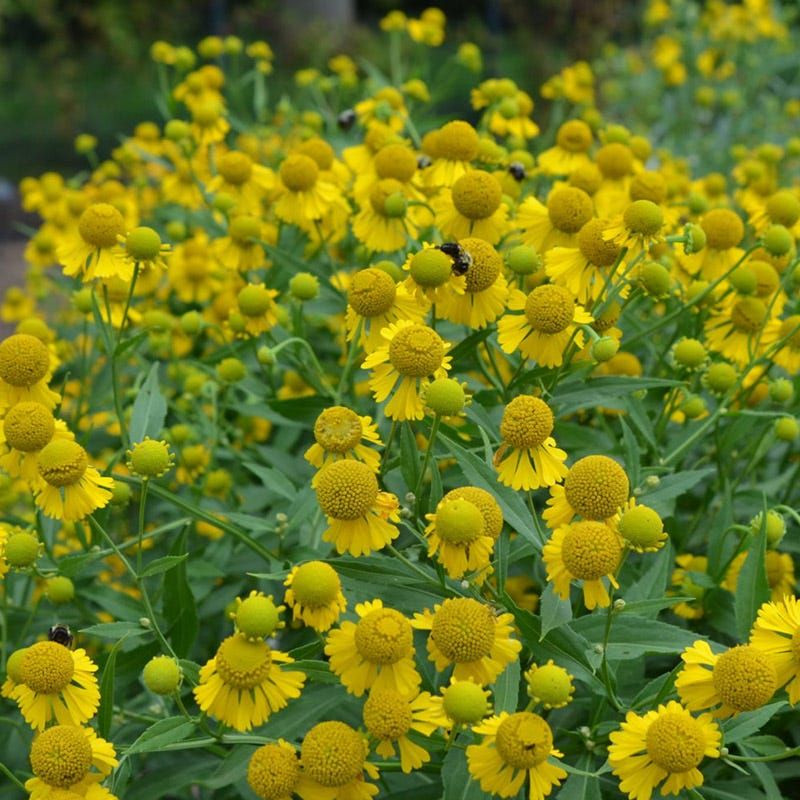
Walk past a stand of Helenium autumnale in late August and you might catch the first hints of color. By early to mid-September, the plants are typically in full display, holding clusters of yellow, daisy-like flowers above the foliage on upright stems.
Ohio State University Extension resources note that Helenium autumnale blooms from late summer through fall. Its peak therefore arrives when gardeners are already looking for late-season color.
The exact timing can shift depending on rainfall, temperature patterns, and how established a particular plant has become in its spot.
A younger plant or one dealing with dry conditions may bloom a little later or show fewer flower heads than a mature, well-watered specimen. Local weather across the region can push or pull the timing by a week or two in either direction.
Your Ohio Garden Changes Every Week. Your Plan Should Too.
Gardening in Ohio changes quickly throughout the season. Every Friday you’ll receive a simple weekly plan showing exactly what to plant, prune, fertilize, harvest, and protect so you never miss the right timing.
What makes September blooms notable is partly about contrast. Many summer perennials have already faded by then, and the garden can feel like it is running out of energy.
Sneezeweed fills that gap with warm yellow tones that read clearly from a distance. The flower heads feature reflexed or drooping petals around a raised central disk, giving them a shape that is easy to recognize once you know what to look for.
3. Its Pollen Travels With Insects
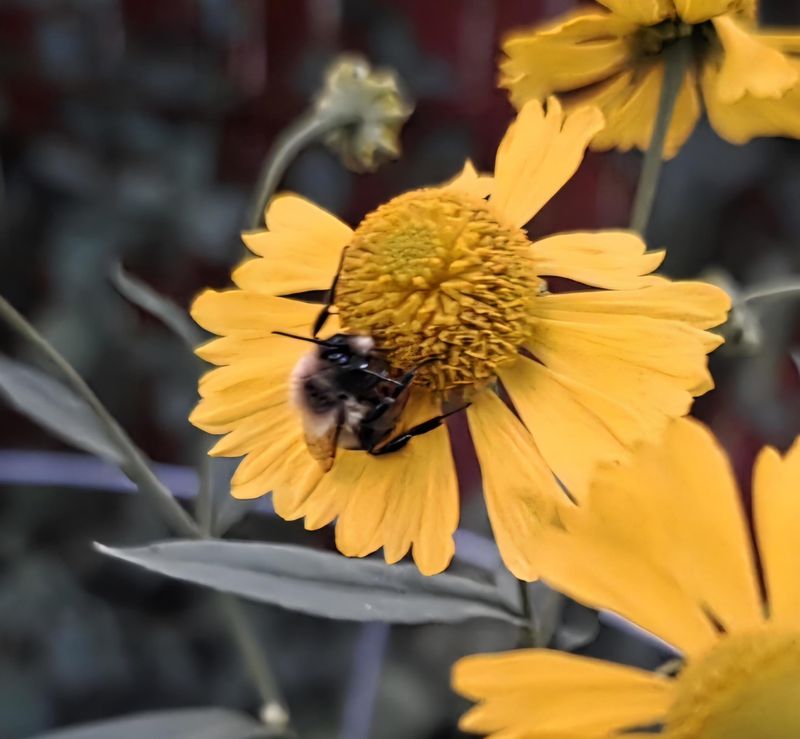
Pollination in Helenium autumnale works through insect contact rather than wind. Bees, butterflies, and other flower-visiting insects land on the raised central disk and pick up pollen on their bodies as they move from flower to flower.
That pollen gets transferred between plants during those visits.
Insect-carried pollen tends to be heavier and stickier than the pollen released by wind-pollinated plants. It is designed to adhere to an insect’s body rather than drift through the air.
Ragweed, which is a major wind-pollinated allergy plant blooming around the same time, produces pollen that behaves in the opposite way.
University Extension resources and botanical references consistently describe Helenium autumnale as an insect-pollinated species. Native bees are among the documented visitors to the flowers.
Butterflies and other insects also make appearances, though activity levels depend on the surrounding habitat, bloom quality, and local insect populations.
Not every insect that lands on a flower is acting as a pollinator. Some visitors collect nectar without picking up or depositing pollen effectively.
Still, the overall system relies on insect movement rather than air currents to carry genetic material between plants. That difference in pollen movement is important.
It helps explain why sneezeweed is not grouped with the major airborne allergens that drive fall hay fever across the region.
4. The Strange Name Came From An Old Remedy
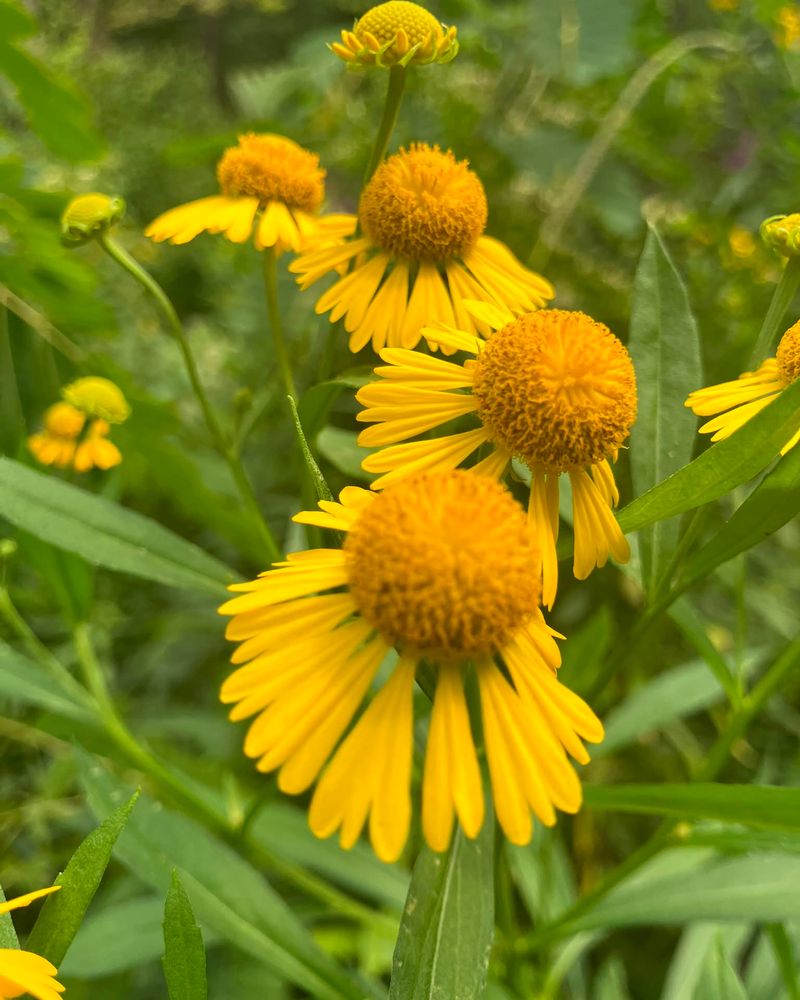
Few plant names carry as much historical baggage as sneezeweed. The origin of the name has nothing to do with the flowers drifting pollen into anyone’s nose during an afternoon walk.
Instead, it traces back to a practice of drying plant material and using it as snuff.
Dried and powdered parts of Helenium autumnale were historically used in a way that deliberately provoked sneezing. Snuff made from plant material was inhaled to trigger a strong sneezing response.
Some historical accounts suggest the practice was believed to clear the head or rid the body of evil spirits. Those ideas reflected folk medicine beliefs common in earlier centuries.
That historical use gave the plant its common name long before modern allergy science existed. People who used or witnessed the snuff application would naturally associate the plant with sneezing.
The name stuck, even as the practice faded.
None of that history makes the plant appropriate to use as snuff or folk medicine today. Preparation and use of plant material for medicinal purposes carries real risks, and nothing here should be read as a recommendation to try it.
The point is simply that the name reflects an old, intentional use rather than evidence that standing near a blooming plant in September will trigger a sneezing fit. History named it sneezeweed, and the name outlasted the reason it was given.
5. Bees Keep The Flowers Busy Into Fall
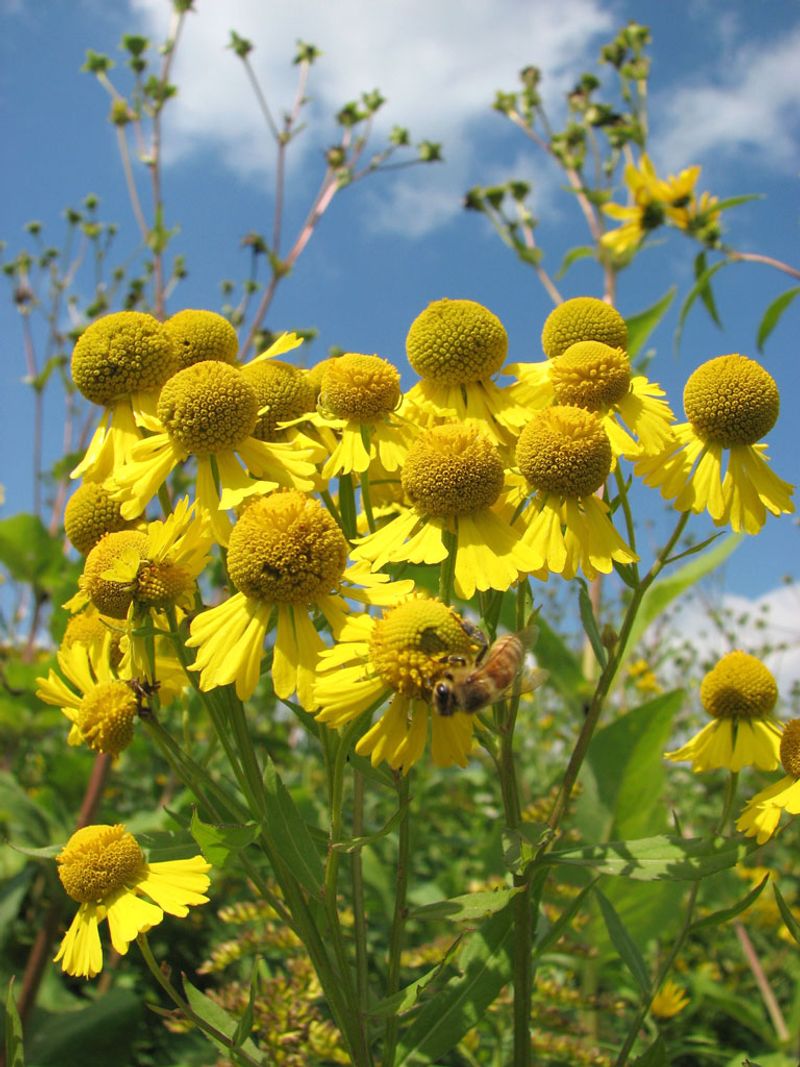
Across the raised disk flowers of Helenium autumnale, bee activity can be steady well into fall. Native bees in particular are frequent visitors, drawn to a plant that offers both nectar and pollen at a time of year when many other sources are winding down.
Late-blooming natives hold real value in the broader pollinator picture. As summer flowers fade and seed heads replace petals, accessible blooms become increasingly valuable.
They give insects a useful place to build reserves before colder weather arrives. Ohio State University Extension resources note the pollinator value of native Helenium species in supporting late-season insect activity.
Bumblebees are among the visitors that can remain active later into fall than some smaller bee species. Seeing them work across a patch of sneezeweed in September and into October is not unusual in areas where the plant grows well.
Butterfly visitors also appear, though their frequency depends on local populations and habitat conditions.
No planting guarantees heavy traffic. Surrounding habitat, the number of competing or complementary flower sources, and seasonal weather all play a role.
A single plant in an otherwise barren spot will not produce the same results as a generous planting within a diverse native garden. Adding a late-season insect-pollinated native is rarely wasted effort.
It can help gardeners support local pollinators through the end of the growing season.
6. Moist Ground Brings Out Its Best Growth
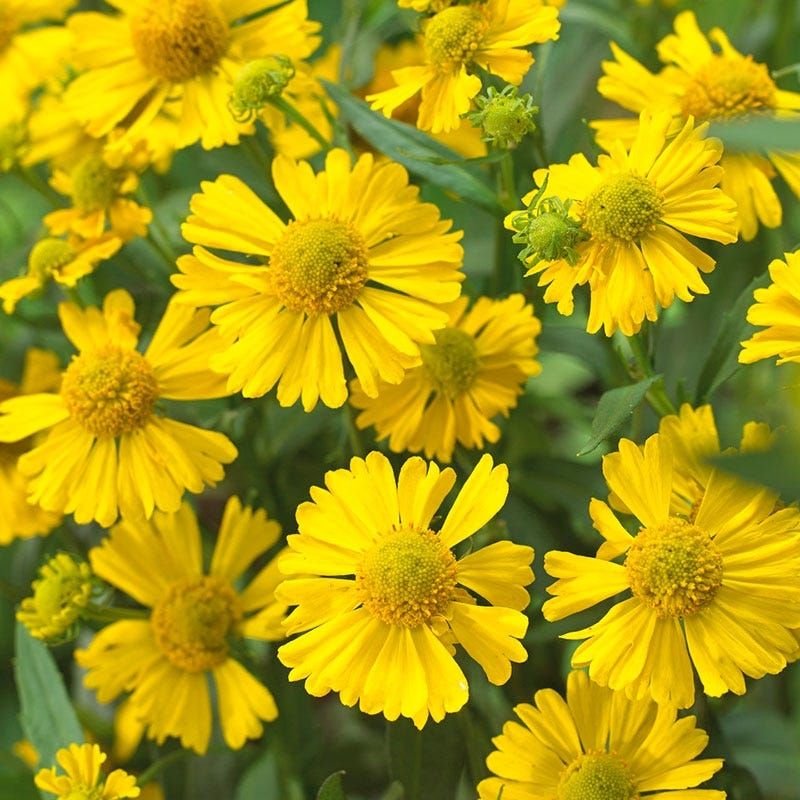
Placement matters a great deal with Helenium autumnale. Across Ohio and much of eastern North America, common sneezeweed naturally grows in low, wet areas.
These include floodplains, streambanks, wet meadows, and moist open ground. That preference for moisture is built into its roots.
Ohio State University Extension and related botanical sources describe the plant as preferring moist to wet soils. A spot that stays consistently damp, drains slowly after rain, or sits at the low edge of a yard can suit it well.
Rain garden edges, damp borders, and areas near water features are often cited as appropriate placements for moisture-loving natives like this one.
Stagnant, standing water for extended periods is a different situation. Roots need oxygen, and soil that never drains at all can stress most plants over time.
The goal is consistent moisture rather than permanent flooding.
Seasonal rainfall and local site conditions will always influence how much supplemental water a plant needs. A spot that receives regular rain and holds moisture naturally may need little extra attention once the plant is established.
A drier site in full sun will demand more consistent watering to keep the plant performing well through late summer and into fall.
Matching the plant to a naturally moist area in the yard is the most practical approach. Forcing it to survive in dry, sandy, or heavily amended fast-draining soil tends to produce weak growth and reduced flowering.
7. Full Sun Fuels The Late-Season Display
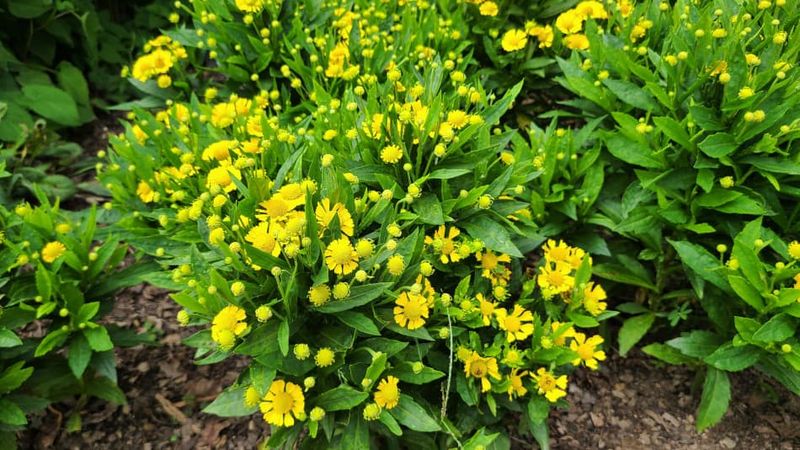
Choosing the right spot for this plant starts with looking up. Helenium autumnale performs best in full sun, meaning a location that receives direct light for the majority of the day.
Strong light supports sturdy stem growth and encourages more flower production heading into fall.
Botanical and Extension references consistently describe full sun as the preferred condition for common sneezeweed. Partial shade can be tolerated in some situations, but reduced light often leads to weaker stems that lean or flop before the blooms fully open.
In shadier spots, flower counts can drop noticeably compared to plants grown in open, sunny positions.
Sun and moisture often interact on the same site. A location that gets full sun may also dry out faster, especially during late summer heat.
Pair full sun with naturally moist or consistently watered soil. Those conditions closely match the plant’s native habitat along sunny, wet meadow edges and open streambanks.
For backyard gardens, an open border that receives unobstructed morning and afternoon light works well. Avoid planting directly beneath trees or along north-facing walls where overhead shade limits daily light exposure.
A location near a downspout, a low corner of the yard that holds moisture, or the sunny edge of a rain garden checks multiple boxes at once. Getting light and moisture right together is the most reliable path to a strong late-season show.
8. This Native Deserves Better Than Its Name
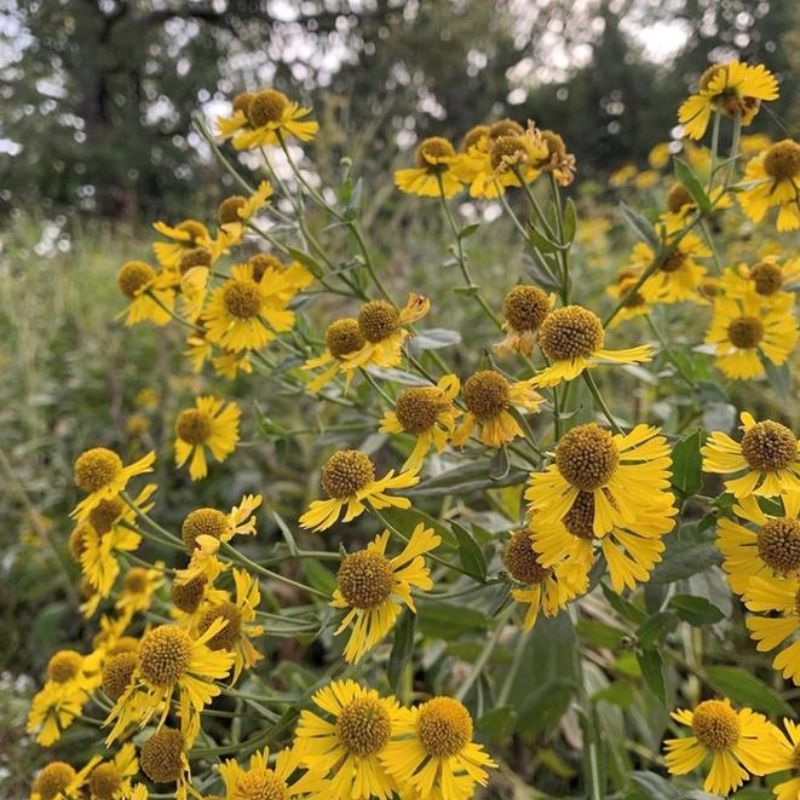
A plant that blooms reliably in September, supports late-season pollinators, and thrives in spots where other perennials struggle deserves a fair evaluation.
Common sneezeweed, Helenium autumnale, has spent decades carrying a name that sends the wrong signal to anyone who hears it for the first time.
Its name came from history, not from any straightforward evidence that the flowers send pollen into the air and trigger fall hay fever. Dried plant material used as snuff gave it the sneezeweed label generations ago.
That practice is long gone, but the name remains and still creates confusion. Without that misleading name, more gardeners might welcome this tough, native, late-blooming perennial.
Sneezeweed is not a plant for every situation. It wants consistent moisture and good sun exposure.
A dry, shaded corner will not bring out its best. A sunny, damp border, a rain garden edge, or a low spot in a naturalistic planting is where it genuinely thrives.
Pollinators find it useful when few other flowers are still open. Its yellow blooms add warm color to a garden that might otherwise look finished for the year.
Ohio State and botanical references verify its native status. That means it belongs here and supports local ecosystems in ways many non-native ornamentals cannot match.
Judge it by what it actually does in the garden, not by a name that was never meant to be a warning label.