9 Warning Signs Of Rats In Your Yard Before They Move Into Your Home
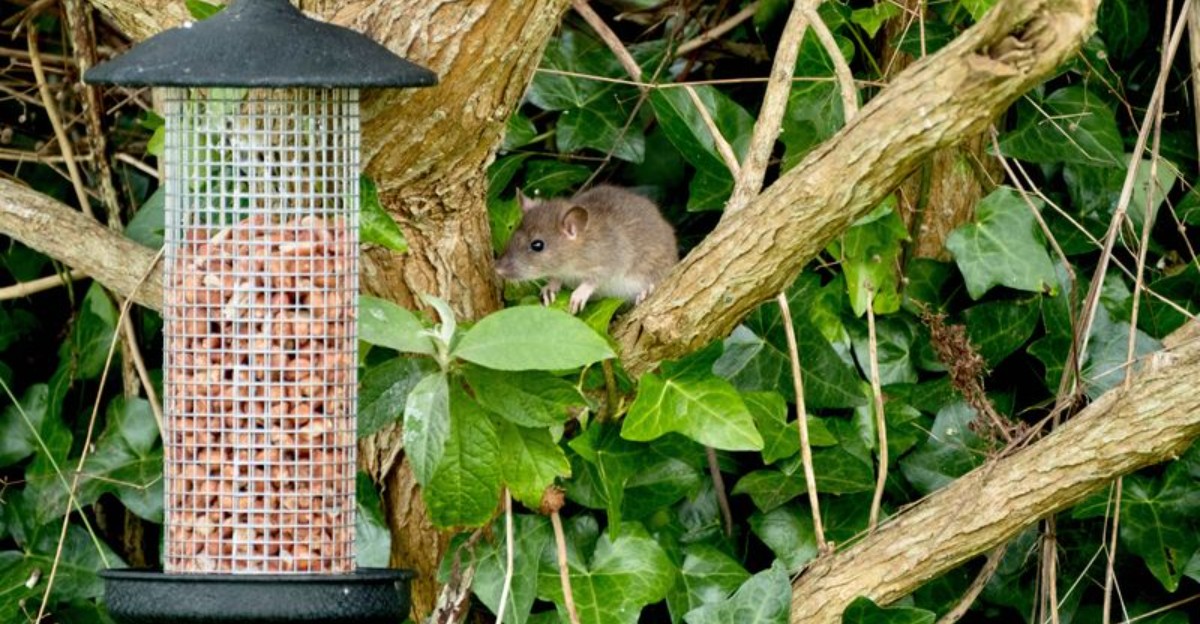
Something rustled behind the shed last night, and it was not the wind. You stood on the porch in your socks, holding a flashlight like a brave movie hero.
The backyard looked calm, but the air smelled faintly musty and strange. A crunchy leaf snapped, and your heart did a tiny drum solo.
September nights are getting cooler, and many little critters are shopping for winter homes. Your cozy house might look like a five-star hotel from the bushes.
Uninvited guests tend to leave plenty of clues before they knock. You just need to know which small details are worth a closer look.
So grab your detective hat and maybe some real shoes this time. Your fuzzy slippers have already seen enough adventure for one week.
1. Mystery Holes That Appear Near Your Foundation
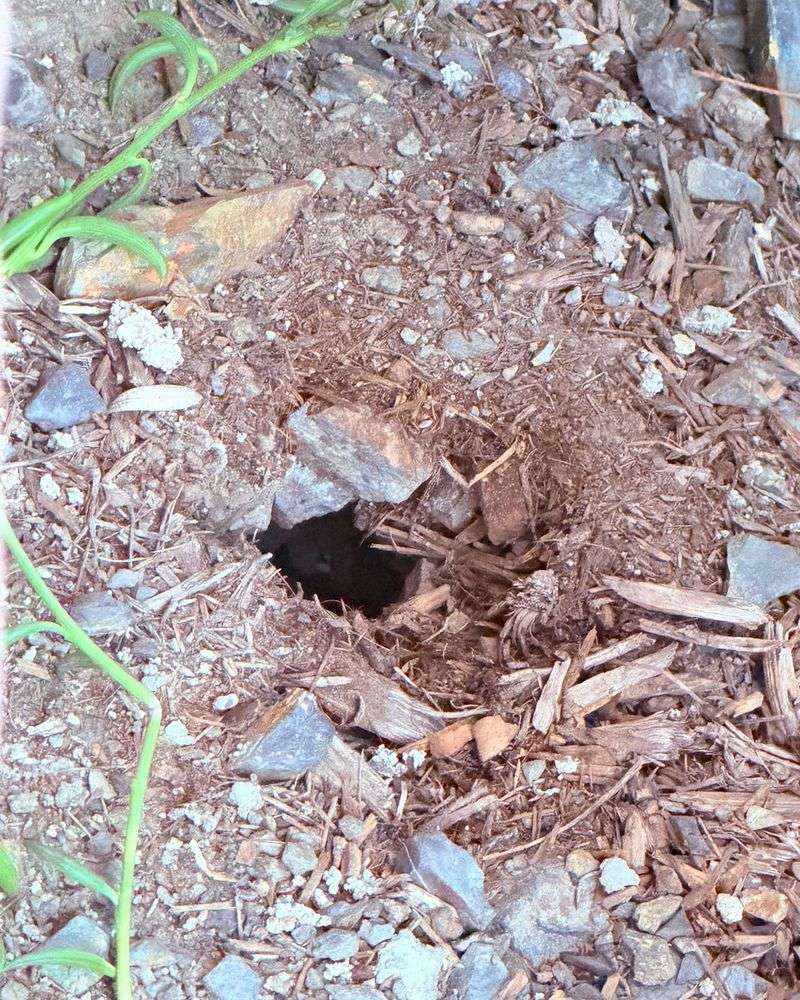
Picture a neat hole about two inches wide tucked beside your porch steps. Rats love digging homes close to buildings, especially where soil stays soft and hidden.
Fresh burrows usually have smooth edges and loose dirt fanned out near the opening. You might spot them under shrubs, along fences, or beneath piles of firewood.
Many burrows connect underground with a main entrance and a sneaky escape hatch nearby. Finding one hole often means several more are hiding within a few feet.
Rats dig year-round, but fall gets busier because they look for cozy shelters before cold nights arrive. Your foundation offers warmth, and that makes it a tempting next stop.
Keep an eye on spots near compost bins and garden sheds too. Those areas give rats food and shelter in one handy package, like a tiny backyard resort.
Try a simple test tonight before bed. Loosely fill the hole with soil or crumpled newspaper, then check it again the next morning.
If the hole is reopened, a rat is likely using it, and it is time to act. Clear clutter, trim bushes away from walls, and consider calling a pest professional.
Sealing gaps around pipes and vents also helps block the next step indoors. A small hole in the yard is much easier to handle than a family in your attic.
2. Tiny Droppings That Tell A Big Story
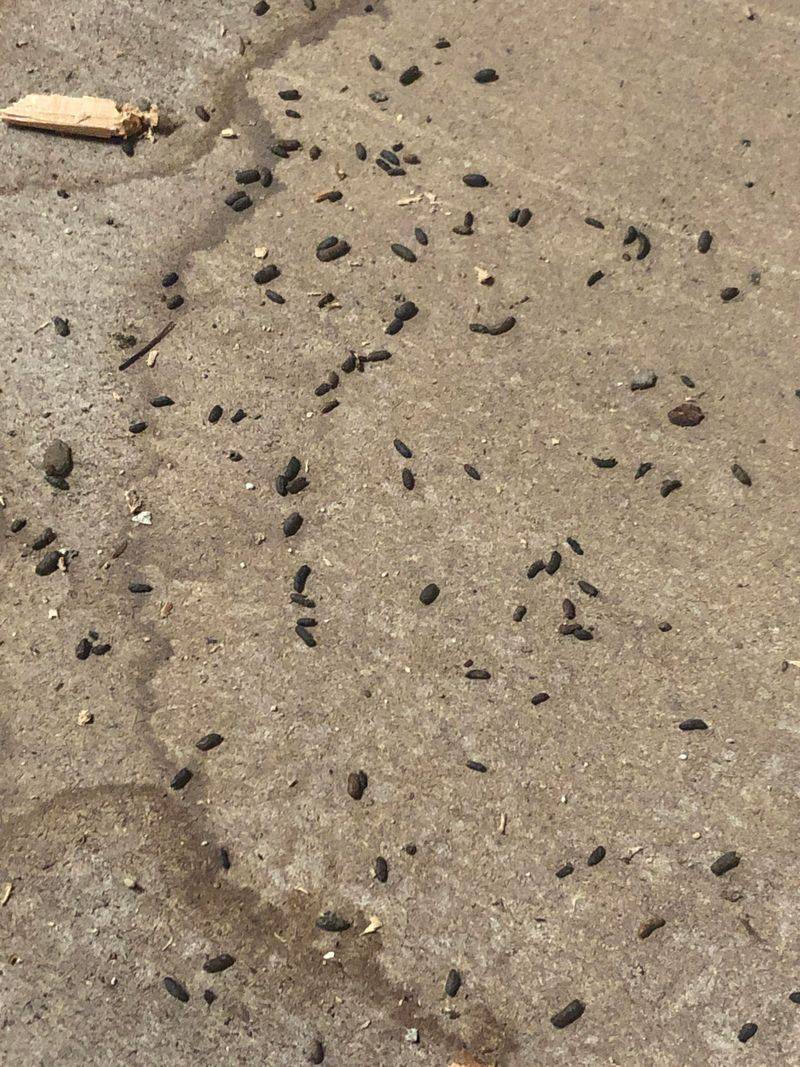
Nobody enjoys poop talk, but this clue deserves your full attention. Rat droppings are dark, shiny when fresh, and shaped a bit like a grain of rice.
Norway rat droppings are about half an inch long with blunt ends, which sets them apart from mouse droppings. Mouse pellets are smaller and pointier, almost like dark sprinkles on a cupcake.
Look along fences, under decks, near trash cans, and beside pet food bowls. Rats tend to leave droppings where they eat, travel, or hang out during the day.
Fresh droppings look moist and dark, while older ones turn gray and crumbly. That difference helps you guess whether the visitors are still around or long gone.
A single rat can leave dozens of droppings in one night, which is pretty impressive. Lots of pellets in one spot usually points to a busy feeding zone nearby.
Safety matters here because droppings can carry germs that make people and pets sick. Wear gloves and a mask, and skip sweeping, since that can stir dust into the air.
Spray the area with a disinfectant, wait a few minutes, then wipe it up with paper towels. Seal everything in a bag and wash your hands well afterward.
Snap a photo before cleaning so you can compare spots over the next week. New droppings in the same place mean your furry trespassers have not packed up yet.
3. Greasy Smudges That Mark A Secret Highway
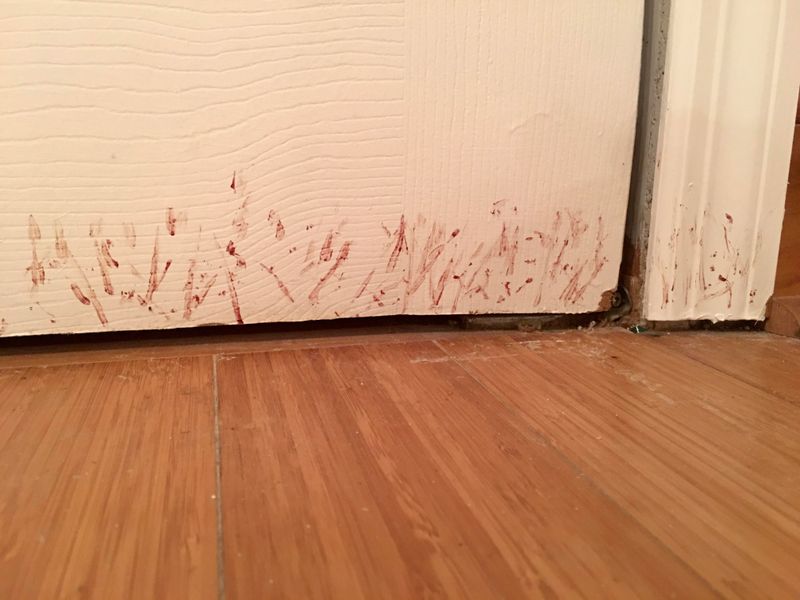
Rats groom often, but their fur still collects oil and dirt. That grime rubs off on surfaces they brush against again and again.
Over time, those rubs create dark, greasy smudges along walls, fences, and pipes. Think of them as tiny highway signs that say rats travel here often.
You will usually find these marks low to the ground, a few inches above the dirt. Check along foundation edges, around deck posts, and near gaps under your shed door.
Rats prefer running beside walls because it feels safer than crossing open space. Their poor eyesight makes them rely on whiskers touching surfaces as they scurry along.
Fresh smudges feel slightly oily and may smear if you rub them with a gloved finger. Older marks look dull and flaky, which suggests the route has gone quiet.
A fun trick can help if you are unsure whether a path is active. Wipe the smudge clean, then check back in a few days to see if it returns.
Smudges near a vent, pipe, or crack deserve special attention this fall. They often point straight to the spot where rats plan to squeeze indoors next.
Plug those openings with steel wool and caulk, since rats can chew through foam easily. Blocking their favorite road can send them searching for another neighborhood.
4. Chewed Fruit That Vanishes From Your Garden

You waited all summer for that perfect tomato, and someone else took the first bite. Late-season gardens are like an all-you-can-eat buffet for hungry backyard rats.
September brings ripe apples, squash, pumpkins, and the last juicy tomatoes of the year. Rats will readily eat many of them, especially fruit that has fallen to the ground.
Their bites leave rough, jagged holes, often with small tooth marks around the edges. Sometimes the whole inside is scooped out, leaving an empty shell behind like a spooky lantern.
Birds and squirrels also snack on gardens, so look for other clues nearby. Droppings, burrows, or trails near the damage point strongly toward a rat problem.
Fruit trees are a special magnet because rats are excellent climbers. They may nibble fruit right on the branch and scramble back down before sunrise.
Pick produce as soon as it ripens, and gather fallen fruit every day. Leaving rotting apples under a tree is basically sending rats a dinner invitation.
Raised beds with wire mesh bottoms can help protect root crops like carrots and beets. Fencing with small openings also makes it harder for sneaky snackers to wander in.
Compost piles need care too, especially if you toss in fruit scraps. Use a closed bin with a tight lid to keep more of your harvest for yourself.
5. Worn Trails That Cut Through Your Lawn
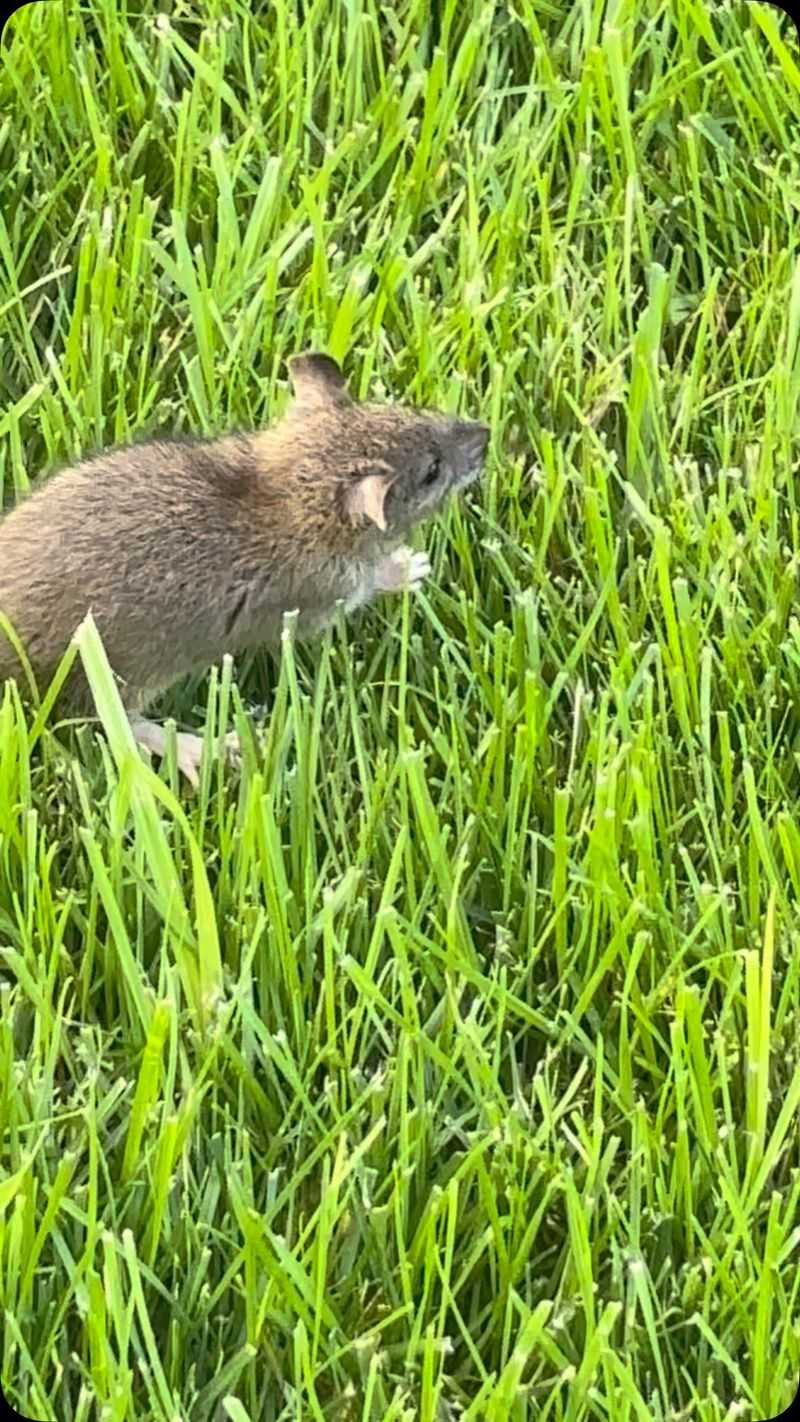
Grab a cup of cocoa and take a slow walk around your yard this weekend. You might notice skinny paths where the grass looks flattened or rubbed down to bare dirt.
These runways form when rats follow the same route night after night. They are creatures of habit, a lot like people who take the same way to school.
Most trails are only two or three inches wide and hug fences, walls, or garden edges. They often connect a burrow to a food source like a trash can or bird feeder.
In tall grass, the paths may look like little tunnels pushed through the blades. After a rain, you might even spot tiny footprints pressed into muddy spots along the way.
Want to confirm your hunch without much effort? Sprinkle a thin layer of flour or baby powder across the path and check it the next morning.
Four-toed front prints and five-toed back prints, plus a line from a dragging tail, are classic clues. Snap a picture so you can show a pest expert if needed.
Keeping grass mowed short makes these trails easier to spot during fall. It also takes away cover, which rats rely on to stay hidden from owls and cats.
Follow a trail carefully and see where it leads. Sometimes it points right to a gap under your garage door, which you will want to close quickly.
6. Gnaw Marks That Show Up On Wood And Plastic
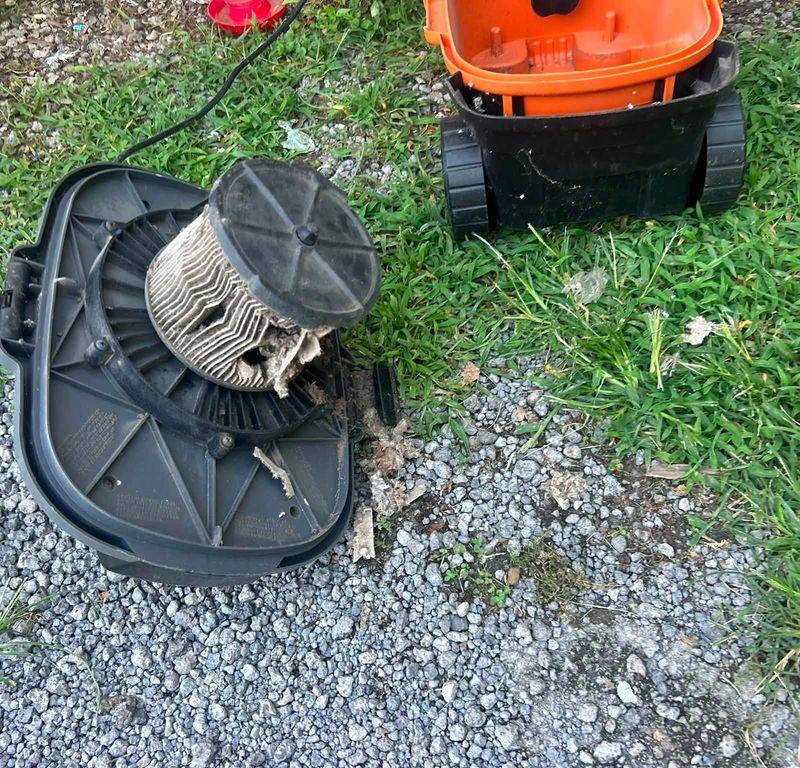
A wild fact might surprise you. A rat’s front teeth grow about five inches a year, so chewing is a daily job for them.
That constant gnawing leaves marks all over yards, sheds, and garages. Look for rough grooves on wooden doors, fence boards, and the corners of storage boxes.
Plastic trash cans are another favorite target, especially around the lid and handles. Chewed hoses, sprinkler lines, and garden tools are also common signs of busy teeth.
Fresh gnaw marks look light in color and have sharp, clean edges. Older marks turn darker and smoother as weather and dirt wear them down.
Rats can even chew through soft metals like aluminum and thin copper. Chewed wires inside walls and cars can lead to electrical problems and costly repairs.
Check your car engine too, especially if you park outside or in a shed. Warm engines attract critters during chilly fall nights, so a quick look under the hood is worthwhile.
Swap cardboard boxes for sturdy metal or thick plastic bins with tight lids. Store birdseed, pet food, and grass seed in those containers to keep hungry chewers out.
Repair chewed spots right away with metal flashing or hardware cloth. Leaving damage alone gives rats a head start on making a bigger opening into your home.
7. Scratching Sounds That Break The Night Silence
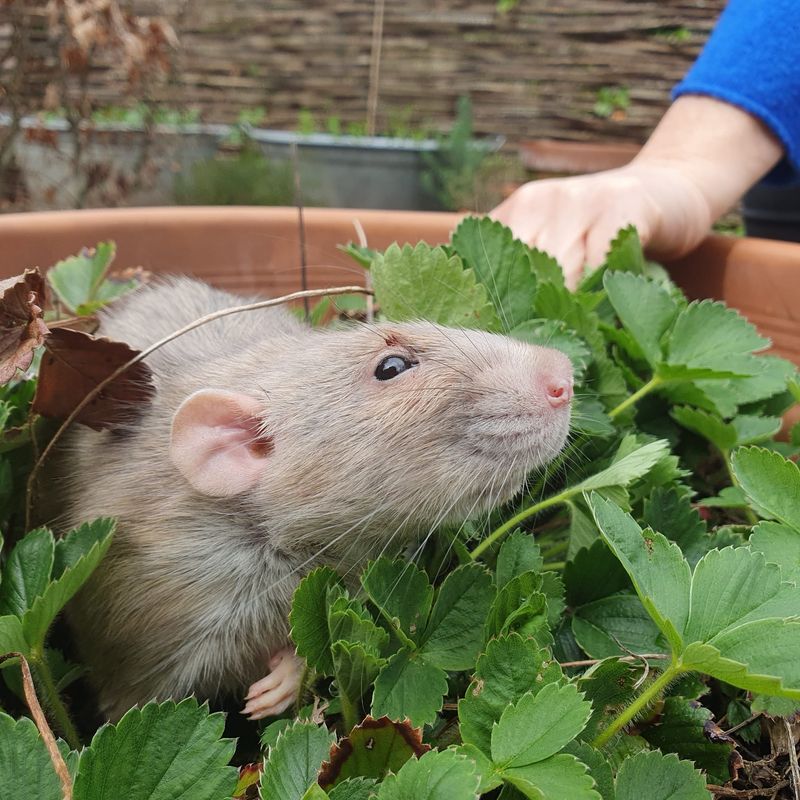
It is almost midnight, the house is quiet, and then you hear it. Scritch, scratch, scurry, coming from somewhere near the deck or behind the garage wall.
Rats are most active at night, so your ears may notice them before your eyes do. Scratching, squeaking, and rustling leaves after dark are all worth paying attention to.
Sounds often come from under decks, inside wood piles, or near thick bushes by the house. You might also hear chewing, which sounds like tiny scraping or crunching noises.
September evenings are perfect for a little backyard listening session. Sit outside quietly for twenty minutes after sunset with a flashlight turned off.
If you hear something, slowly shine the light toward the noise. A quick shadow darting along the fence can confirm what you suspected.
Noises inside the walls or attic mean the problem may have already moved indoors. That is when calling a pest control expert becomes a very smart move.
Many people mistake rat sounds for squirrels, but timing helps tell them apart. Squirrels are busy during the day, while rats prefer the cover of darkness.
Keep a simple notebook of what you hear and when. Patterns can help you and a professional figure out where the critters are hiding and traveling.
8. Pets That Suddenly Act Like Detectives
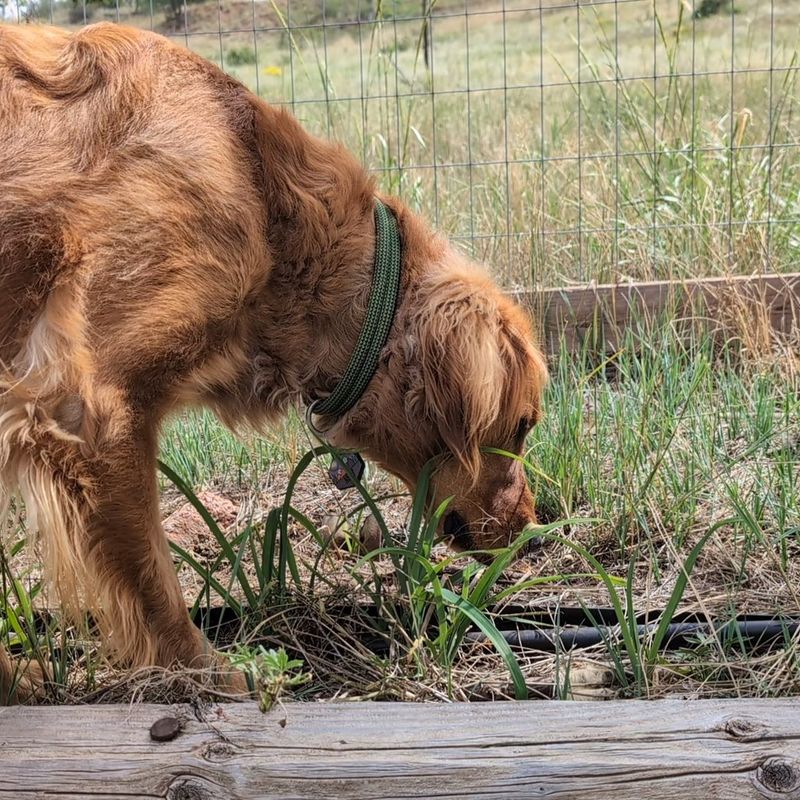
Your lazy dog, who usually naps all afternoon, is suddenly glued to the fence line. Maybe your cat sits by the shed for hours, tail twitching with pure excitement.
Pets have amazing noses and ears, far better than ours. They can smell and hear rats long before you notice anything strange in the yard.
Watch for sniffing, digging, barking, or pawing at the same spot again and again. Staring at a wall or deck with ears perked up is another big clue.
Some dogs, like terriers, were bred to hunt rodents on farms long ago. Fun fact, the Rat Terrier got its name from its talent for catching pests.
Still, letting pets chase rats is not the best plan. Rats can bite, scratch, and carry germs or fleas that make pets uncomfortable or sick.
Bring pet food bowls indoors at night, since leftovers attract hungry visitors fast. Water bowls left outside can also draw rats looking for an easy drink.
Clean up pet waste regularly, because some rats will snack on it. Gross, yes, but it is one more reason to keep the yard tidy.
If your furry friend keeps focusing on one spot, go take a look yourself. You might find a burrow, droppings, or gnaw marks your pet already discovered.
9. Bird Feeders That Empty Faster Than Usual
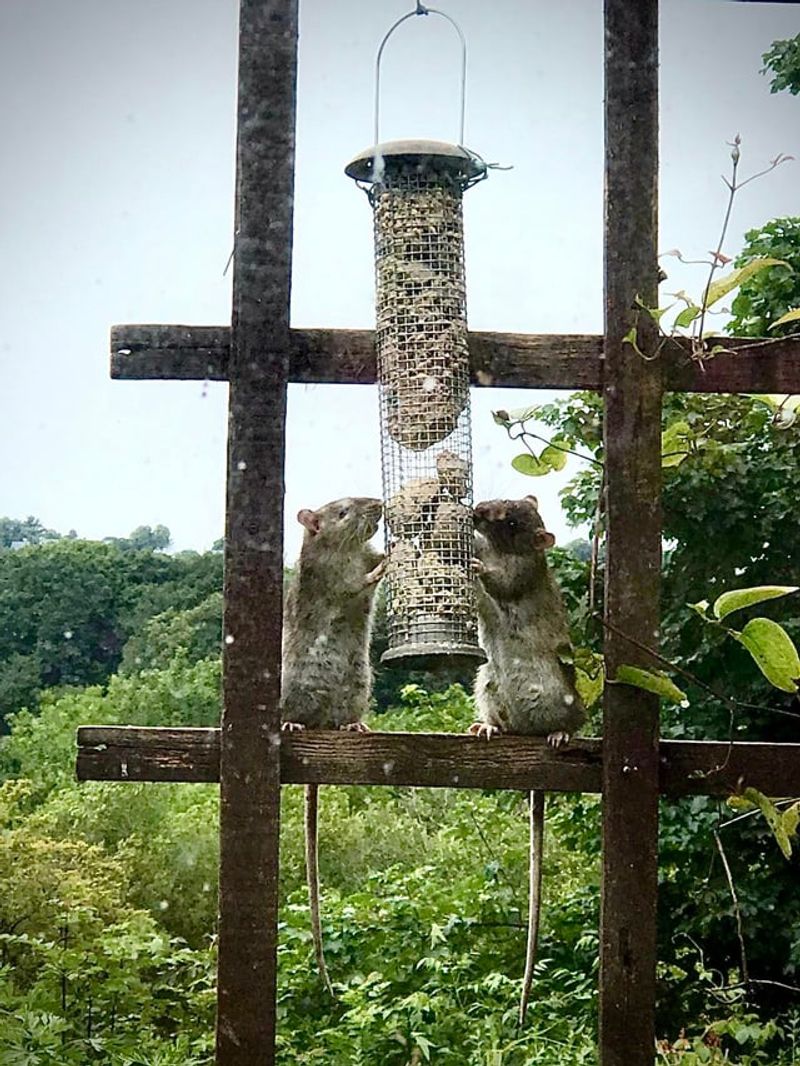
Filling the bird feeder feels cheerful until it empties overnight like magic. Songbirds eat a lot, but they usually do not feast in the dark.
Spilled seed under feeders is one of the top reasons rats visit yards. Birds toss seeds to the ground, and rats happily clean up the mess after sunset.
Look for husks scattered in odd places, small holes near the feeder pole, or droppings nearby. Tiny footprints in the dirt below are another clear hint.
Some rats will climb poles or leap from nearby branches to reach feeders directly. They are strong jumpers and can clear surprising distances with little effort.
Fall migration makes feeders extra busy in September, which means more spilled seed. That extra food can quickly turn a few visitors into a growing rat family.
Try placing a tray under the feeder to catch falling seed. Rake up leftovers each evening, and store your seed bag in a metal can with a lid.
Choosing no-mess seed, like hulled sunflower hearts, helps a lot too. Baffles on feeder poles also make climbing much harder for sneaky snackers.
If the problem continues, take feeders down for a couple of weeks. Birds can find food elsewhere, and hungry rats may give up and move along.