What Every Western Oregon Homeowner Should Do to Yards Before the Rainy Season Sets In
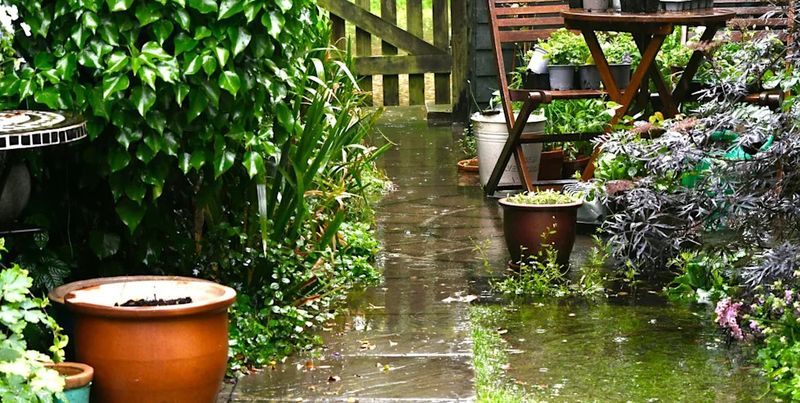
Fall in western Oregon means the rains are coming, and your yard needs to be ready before the first big storm rolls in. Clogged gutters, bare soil, and blocked drains can turn a normal rainy season into a soggy headache.
A little observation and some targeted work now can help your home and garden handle what the season brings, without stripping your yard of every leaf and stem.
Clear the roof-to-ground water route
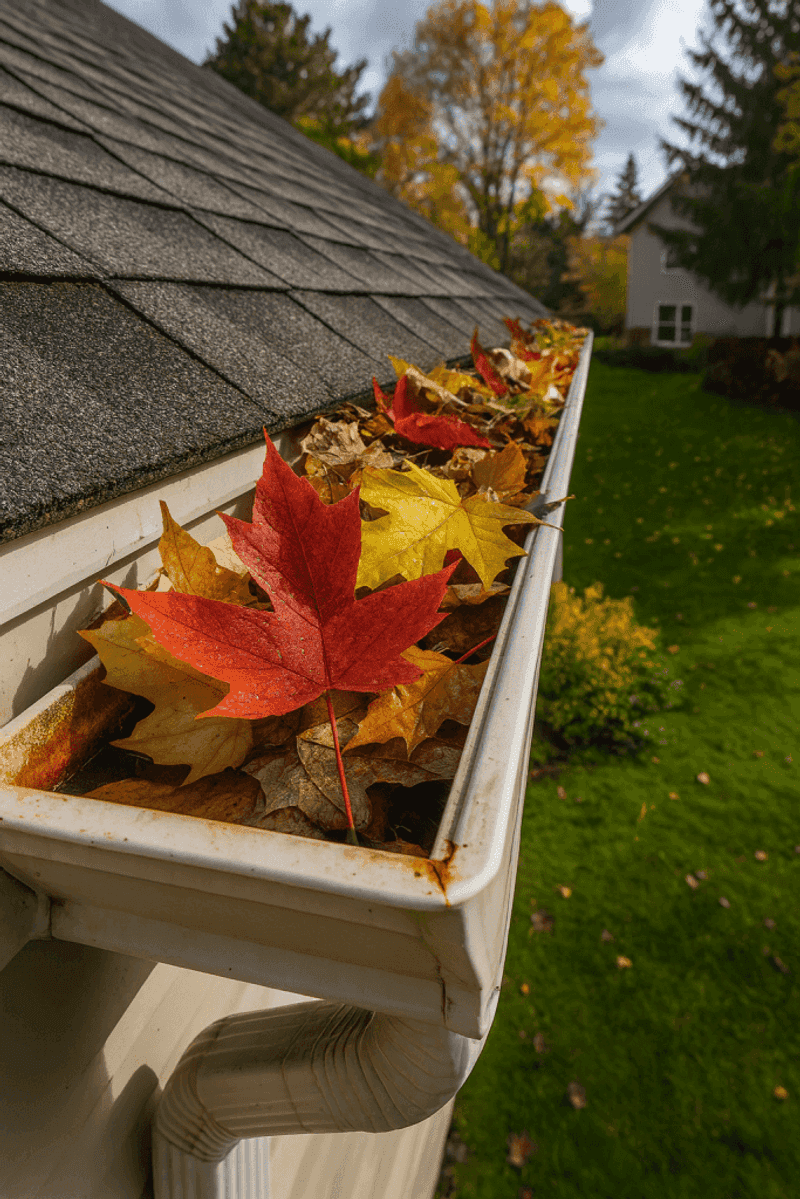
Rain prep in western Oregon starts at the roofline. Before the heavy storms arrive, check your gutters for leaves, twigs, and packed debris that can block water from moving through.
A clogged gutter can send water over the edge and down against your foundation, which is exactly the opposite of what you want heading into a wet winter.
Portland advises cleaning gutters at least twice a year, and more often when trees hang over the roofline. If you have a big-leaf maple or a Douglas fir dropping needles nearby, once may not be enough.
After a big wind or a heavy leaf-fall event, a quick check takes only a few minutes and can catch a problem before it becomes a real one.
Work through the downspouts too. Run water through them with a hose to confirm nothing is jammed inside.
Water should exit at the bottom and move away from the house, not pool against the foundation or run along the base of the wall. Portland’s stormwater facility guidance recommends confirming that downspout outlets are unobstructed and that water can flow freely away from the structure.
Plan to revisit the gutters at least once more during fall and winter, especially after major storms. This is not a one-and-done task when you live under a canopy of deciduous trees.
Think of gutter checks as a seasonal habit rather than a single chore, and your roof-to-ground water route will stay clear when you need it most.
Clear accessible surface drains safely
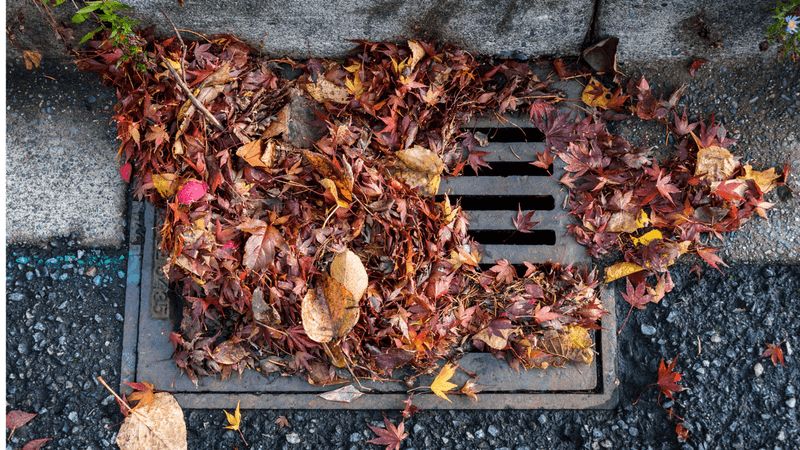
Leaves piling up over a street drain can slow or stop water from moving off the road during a heavy rain. Keeping that inlet clear is one of the simplest things a homeowner can do to help a neighborhood drain well in fall and winter.
Portland residents can clear surface debris from an accessible curbside storm drain using hand tools like a rake or broom, working from the sidewalk. Portland’s Adopt a Storm Drain program is clear on the limits: do not lift a grate, and do not step into the street to reach a drain.
If a drain is blocked below the grate or poses a hazard, report it rather than attempting a fix yourself.
One thing that makes the problem worse is raking leaves into the street. It feels tidy, but those leaves travel straight toward the nearest drain opening.
Bag them, compost them, or spread them over a garden bed instead.
These instructions are specific to Portland and reflect that city’s program and street-safety rules. If you live elsewhere in Oregon, check with your local public works department or utility to find out what residents are asked to do near curbside drains.
Your Oregon Garden Changes Every Week. Your Plan Should Too.
Gardening in Oregon changes quickly throughout the season. Every Friday you’ll receive a simple weekly plan showing exactly what to plant, prune, fertilize, harvest, and protect so you never miss the right timing.
The underlying principle holds everywhere: keep leaves and debris away from any opening that carries water off the street and into the stormwater system.
Read the yard before redirecting water
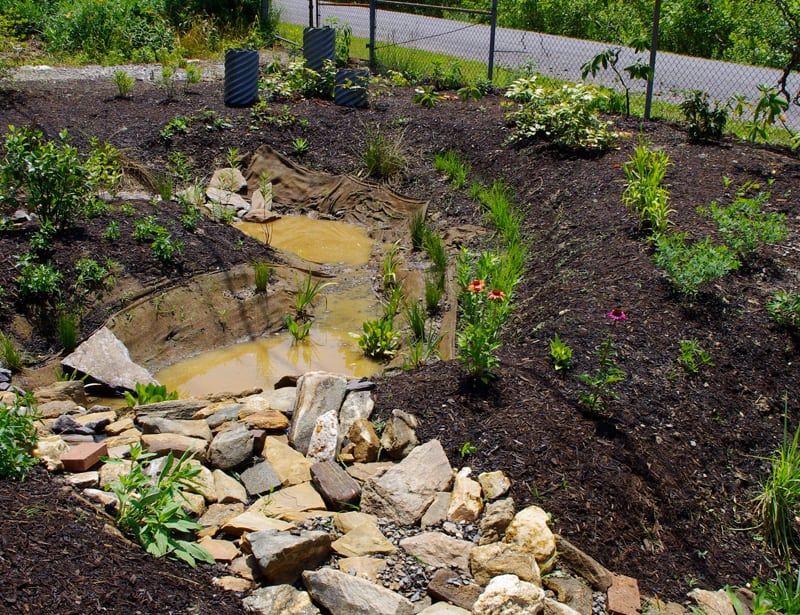
Before moving any water around your property, spend some time watching where it actually goes. Walk the yard after a good rain and look for spots where water pools, paths where it runs in a channel, and areas where soil is washing or eroding.
Those observations tell you more about your specific site than any general checklist can.
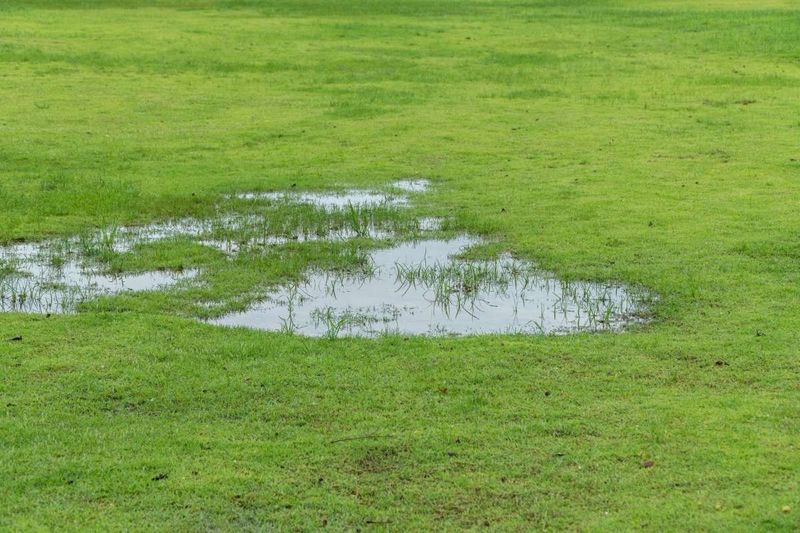
A wet patch in the lawn is not automatically a sign that something has failed. Some low spots collect water naturally and drain on their own within a day or two once rain stops.
Portland notes that its stormwater facilities are commonly designed to drain within 48 hours after rain stops, but that threshold applies to those specific facilities, not to every damp corner of every yard. A spot that stays wet for a week after rain has stopped is worth investigating further.
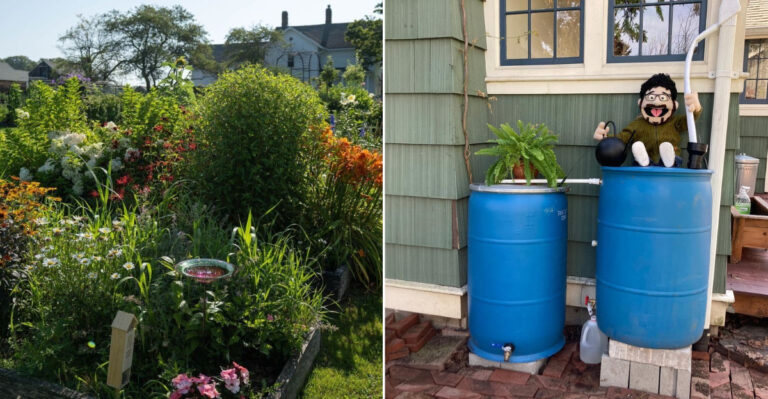
Redirecting roof water into a yard, such as by disconnecting a downspout and routing it into a garden bed or a rain garden, can work well in the right situation. Portland’s downspout disconnection guidance makes clear that suitability depends on slope, soil type, available infiltration area, and safe setbacks from foundations, property lines, and other features.
Those are Portland-specific measurements and rules. If you live outside Portland, check with your local utility or municipality before making changes.
Site conditions vary enormously across western Oregon, and what works for a flat lot with sandy loam in one neighborhood may cause problems on a clay-heavy slope in another. Observation comes first.
Solutions follow from what you actually see, not from what worked in a neighbor’s yard or a generic guide.
Cover exposed soil before the rains arrive
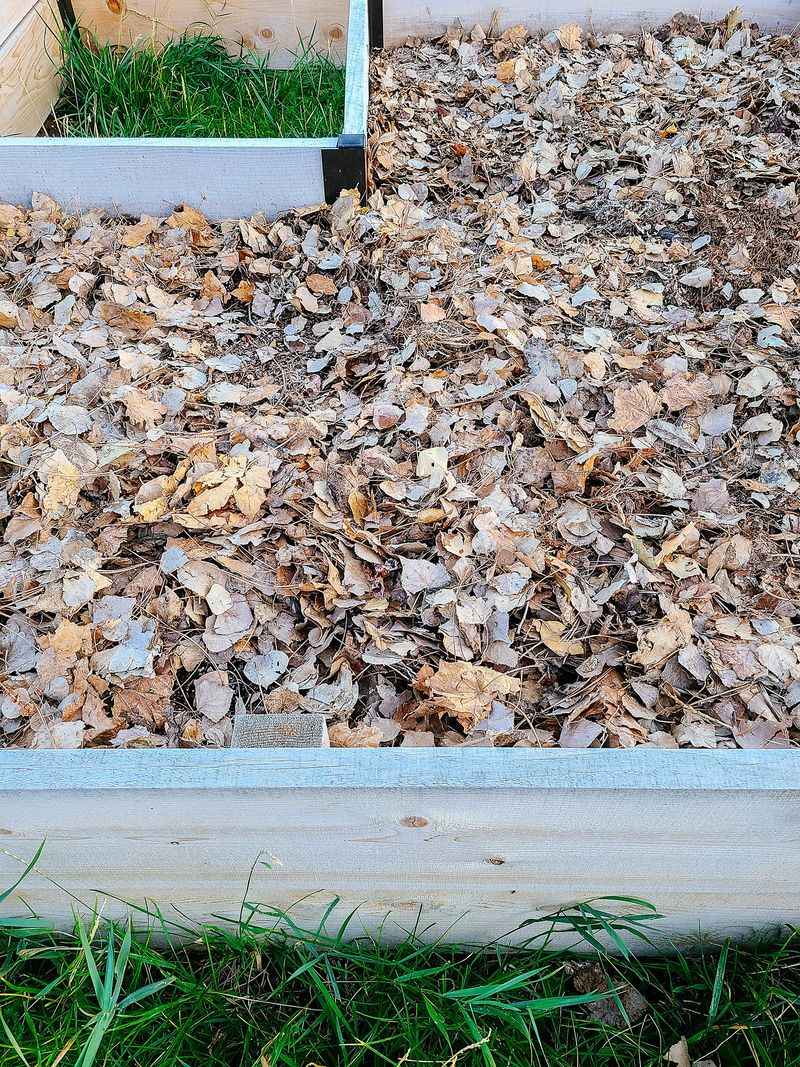
Bare soil and heavy rain are not a great combination. When raindrops hit exposed ground, they dislodge soil particles and can start erosion even on a gentle slope.
Covering that soil before the storms arrive is one of the most practical things you can do for your garden in fall.
Mulch is the most straightforward option. A 1-2 inch layer of fallen leaves spread over an annual vegetable or flower bed protects the soil surface from raindrop impact and adds organic matter as it breaks down over winter.
OSU Extension’s soil health guidance explains that raindrop impact is one of the starting points for erosion, and that plant cover, mulch, or crop residue can all help buffer that force. OSU Extension’s guide to improving garden soils with organic matter supports using leaves as a seasonal bed cover that builds soil health over time.
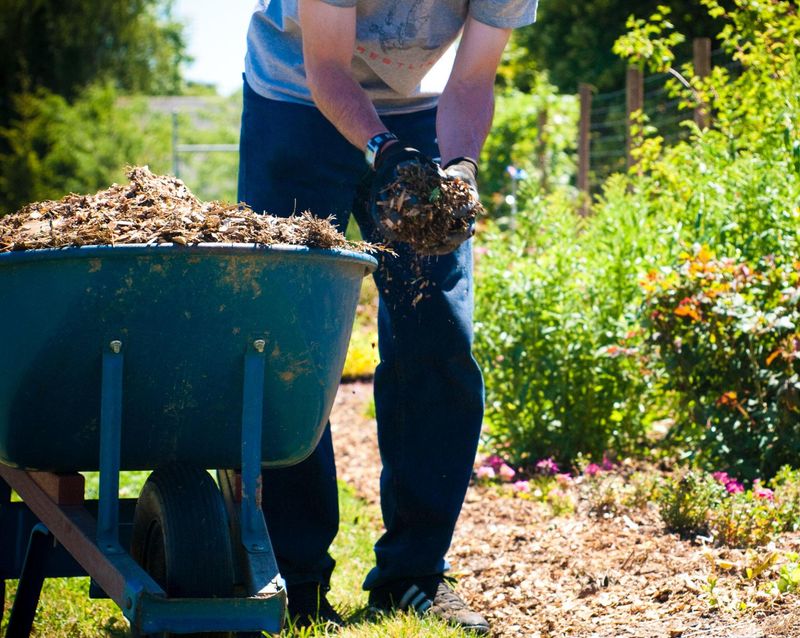
Other options include planting a cover crop in empty beds, leaving the roots and lower stems of spent plants in place to hold the soil, or using straw or wood chip mulch where you don’t have enough leaves. The goal is simply to keep the soil surface covered so water moves into the ground rather than across it.
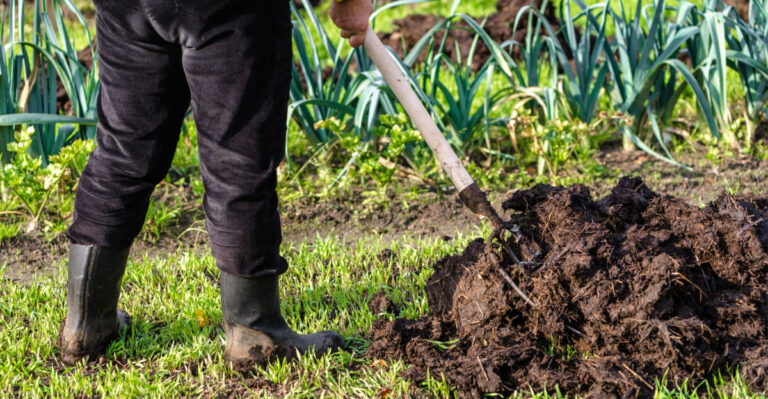
One thing to skip: tilling or digging heavily when the soil is already wet. Working wet soil compacts it, crushes pore space, and makes it harder for water to soak in.
If the ground is soggy, wait. Soil cover can go on top without any digging at all, which is good news for your back and your garden beds alike.
Make fall cleanup selective
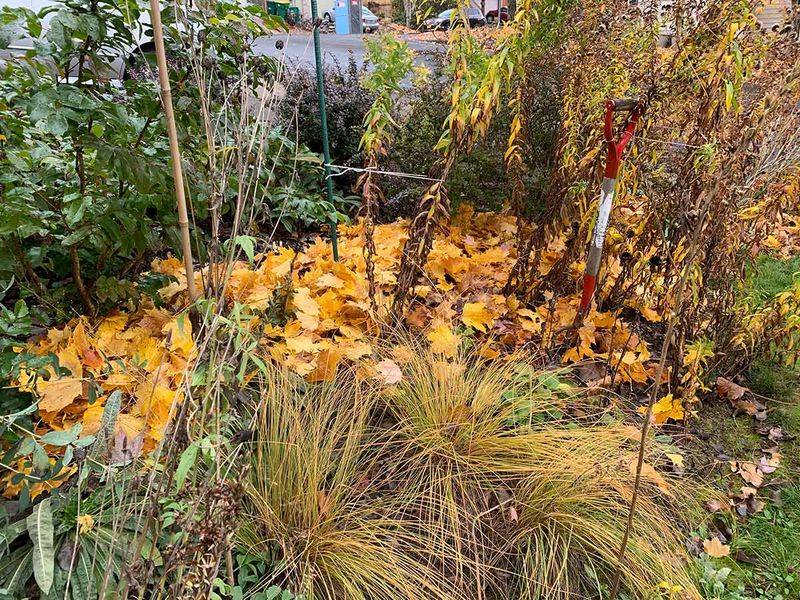
The urge to clear everything out before winter is understandable, but a full-scale strip of the garden removes more than dead stems. Hollow plant stalks, leaf litter in sheltered corners, and undisturbed garden edges can provide overwintering cover for native bees and other beneficial insects.
Leaving some of that material in place is not neglect; it’s a considered choice.
OSU Extension’s guidance on maintaining a bee-friendly garden through fall and winter encourages leaving healthy stems and some undisturbed garden edges as potential nesting and overwintering habitat. The key word is healthy.
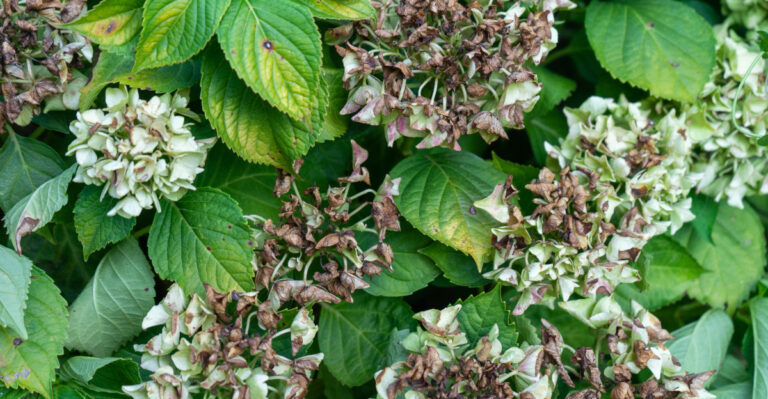
Diseased leaves and spent vegetable plants that may harbor disease pathogens are worth removing and discarding, not composting. OSU Extension’s end-of-season garden task guidance makes the same distinction: pull out what’s sick or spent, but think twice before clearing material that is simply dormant or dry.
Leaves are worth a closer look too. A thin layer spread over a garden bed is useful cover, as noted earlier.
But a thick mat sitting on top of a lawn or low-growing plants can shade them out and cause damage over a long, wet winter. OSU Extension’s advice on fig leaves illustrates a broader point: the right call depends on the specific plant, the leaf type, and whether disease is present.
Keep leaves out of gutters and away from drains regardless. Where they go in the garden is a judgment call based on what’s actually growing there.
Pair fall planting with a watering plan
Fall is a genuinely good time to put trees, shrubs, and many perennials in the ground in western Oregon. Cooler temperatures and incoming rain reduce transplant stress, and roots have months to settle in before summer heat arrives.
OSU Extension notes that fall planting can offer long-term establishment benefits for woody plants and perennials suited to the region.
The catch is that fall in western Oregon does not mean rain every single day, at least not right away. October can bring stretches of dry weather, and a newly planted shrub sitting in dry soil is not establishing itself, it’s struggling.
Water after planting, and check the soil moisture during any dry spells in the weeks that follow. Wait until consistent rain has arrived and the plant is clearly settled before stepping back entirely.
This timing also works differently across Oregon. The maritime fall that western Oregon gardeners know, mild temperatures and gradually increasing rainfall, does not describe conditions east of the Cascades, where fall arrives colder and drier.
If you garden in a high-desert or inland area, the fall planting window and watering needs will differ significantly, so adapt accordingly and check local resources for your specific zone.
Let local conditions guide the final pass
The sequence that holds across all of this is straightforward: keep the routes that carry water away from the house clear, use what you observe in your own yard to guide any changes, cover bare soil, and leave healthy plant material where it will not block drainage or smother what’s growing beneath it.
None of this advice fits every Oregon yard or every Oregon climate equally. Portland’s drainage rules are Portland’s.
Western Oregon’s rainy-season timing is not eastern Oregon’s. A clay hillside and a flat sandy lot call for different decisions.
Treat the guidance here as a starting framework, then adapt it to what your property and your local requirements actually call for.
A yard that handles rain well is one that’s been paid attention to, not necessarily one that’s been stripped bare or heavily engineered. Small, consistent observations are the most useful tool you have.