Why California Buckwheat Turns Rust Colored As Fall Settles In
Some makeovers happen overnight. This one takes an entire summer.
Back in spring, a certain shrub by the fence looked like it wore a lacy white dress. Bees buzzed around it all day long. Neighbors slowed down to admire it.
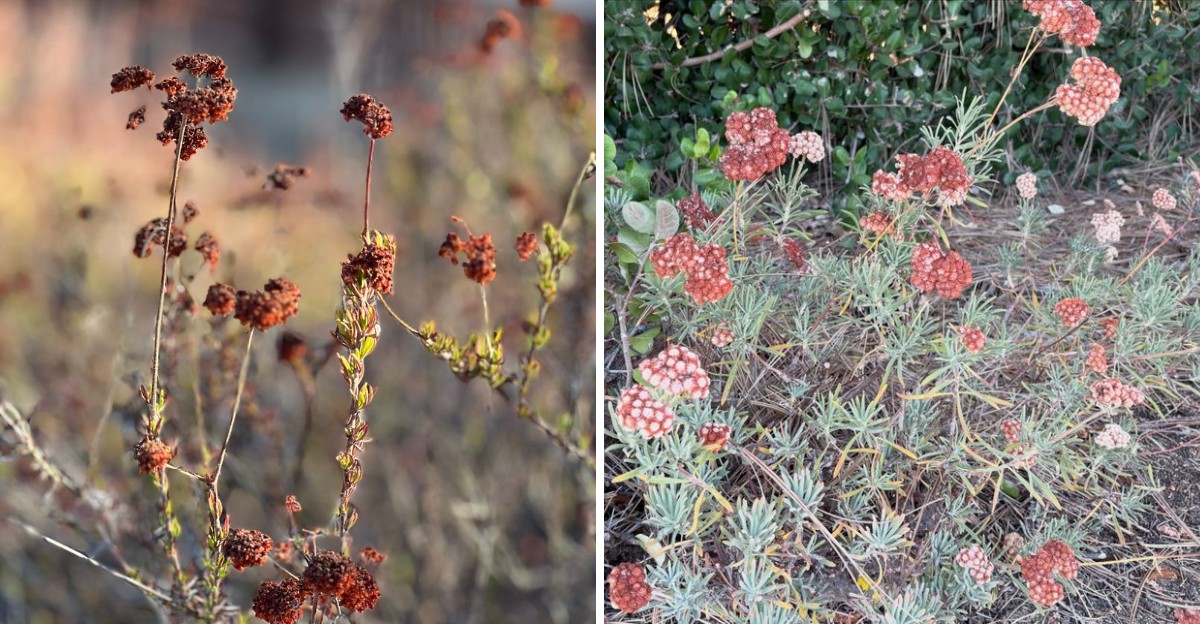
Now the days grow shorter, and that same shrub looks completely different. Warmer. Darker. Almost like someone left it in the oven a little too long.
Plenty of gardeners see that change and reach straight for the pruners. Something must be wrong, right?
Not so fast.
That shift in color tells a story most people miss. It involves tiny flowers, hungry birds, and a plan the plant has followed for ages.
The new look is not a problem to fix. It is a whole new chapter.
Once you know what is happening inside those clusters, you may start to love the fall version even more than the spring one.
Curious what that rusty makeover really means? Put the pruners down. The best part of the story is about to begin.
Spent Blooms Naturally Age In Color
A bouquet left on the kitchen table for a few weeks slowly changes. The petals dry out, darken, and hold their shape, while the fresh color slips away.
California buckwheat does something very similar, only right on the plant and with a clear purpose.
Each fuzzy cluster actually holds dozens of tiny flowers packed together. Once pollinators visit a flower and it does its job, it no longer needs to look bright and inviting.
The plant quits its investment in fresh petals, and they begin to dry in place.
As the tissue dries, natural pigments inside change. Green and white parts lose moisture and turn papery.
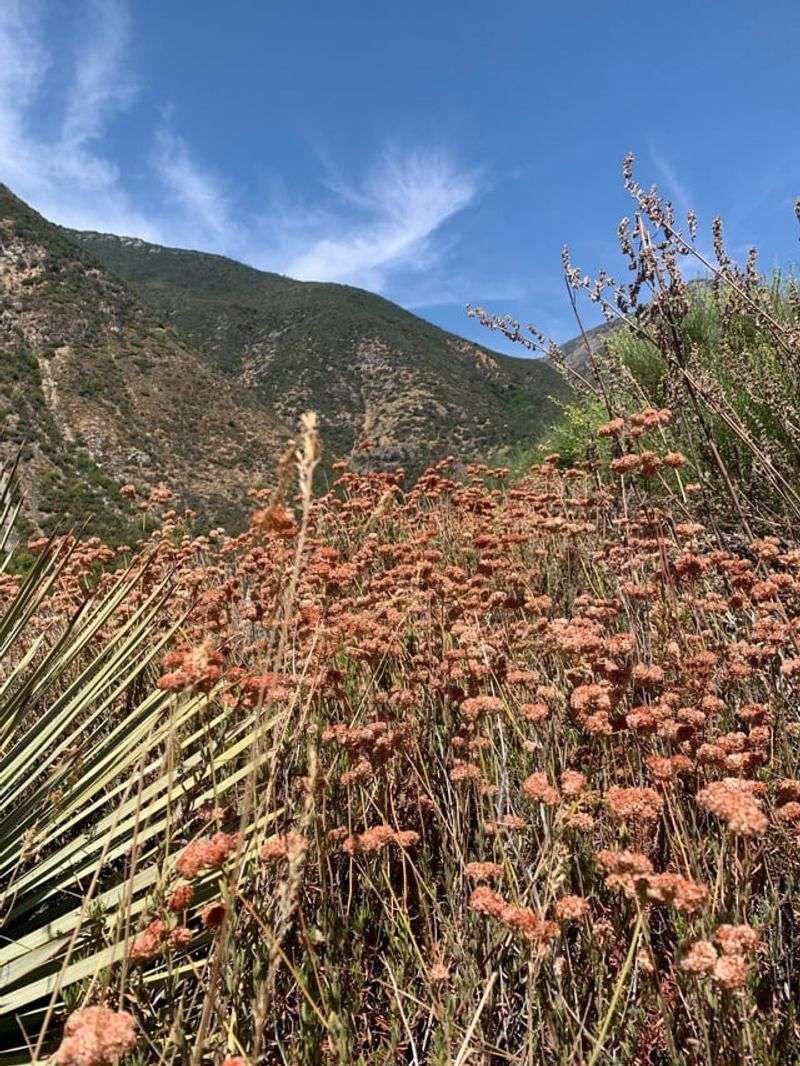
Warmer tones appear as the cells age. The result is that cinnamon or rusty shade that spreads across the whole shrub by fall.
Now for a new way to see that color, and it may change how you feel about it. The rust does not mean the plant is fading away.
It means the plant is moving on to its next chapter. Flowers come first, and seeds follow. Both stages belong to a healthy life cycle.
Eriogonum fasciculatum, the scientific name for this shrub, is a tough native built for dry California summers. Spent blooms that age in place are exactly part of its design.
The first brown clusters simply mean things are right on schedule. Your buckwheat is not wilting from stress, it is just switching from party dress to cozy sweater.
White Flowers Shift To Rust And Brown
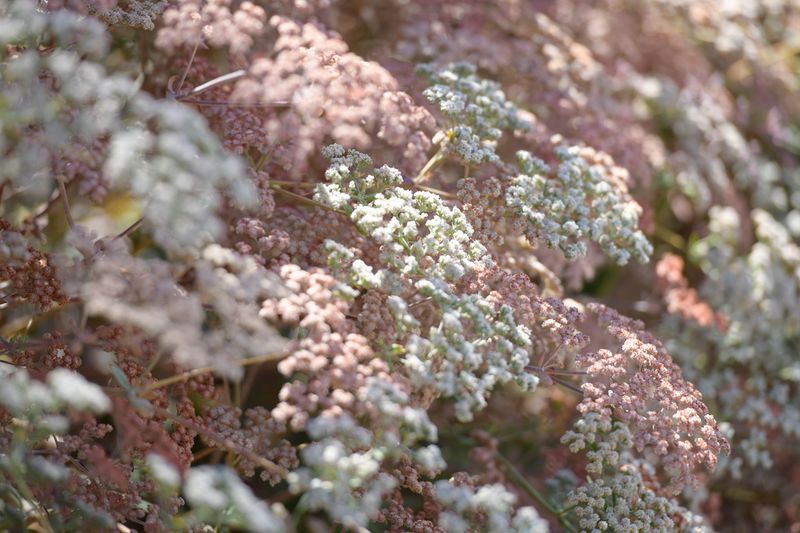
A year with California buckwheat feels a bit like a slow sunset. The show starts in late spring, when creamy white flower clusters pop open.
Some carry a soft pink blush. For weeks, the shrub looks dusted with lace.
Around mid to late summer, the pink tint may grow stronger on some clusters. That blush is often the first hint that the flowers are getting older.
Shortly after, the tips turn tan, like toast that just started to brown.
Your California Garden Changes Every Week. Your Plan Should Too.
Gardening in California changes quickly throughout the season. Every Friday you’ll receive a simple weekly plan showing exactly what to plant, prune, fertilize, harvest, and protect so you never miss the right timing.
From there, the color deepens step by step. Tan becomes a warm cinnamon, then a rusty red-brown.
Eventually, a darker chocolate shade takes over as fall moves along. Clusters change at different speeds, so for a while one plant shows a fun mix of pink, tan, and rust.
Now grab your phone, because this little project is surprisingly fun. Pick one cluster and snap a photo every week from July through October.
The change turns out much more gradual and gentle than most people expect.
Weather can nudge the schedule a little. Hot, dry spells may speed things up, while cooler coastal gardens sometimes hold the pale colors longer.
Plants in different parts of California may sit at different stages at the same time, which is completely normal.
Whatever the pace, the direction stays consistent. White and pink give way to rust and brown as the bloom season closes out.
Your buckwheat basically runs a slow-motion color show. No ticket required, and the view changes every week.
The Change Signals Seed Not Disease
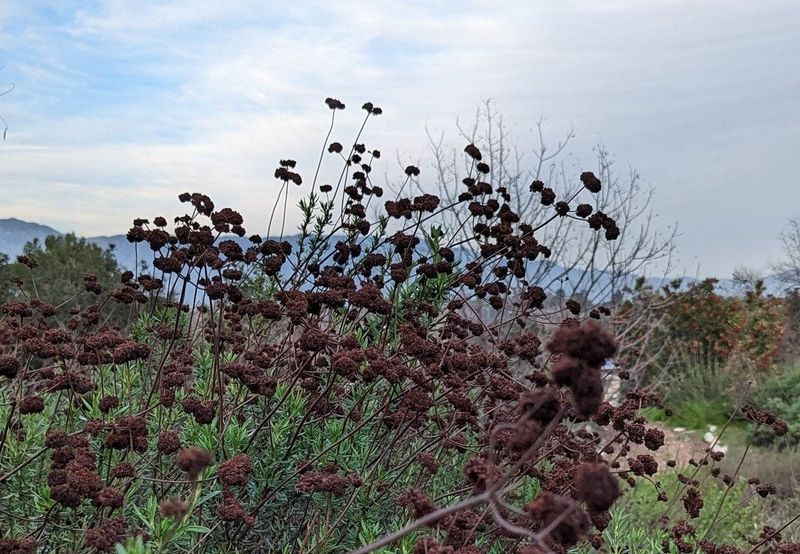
The biggest worry deserves the first answer. Rusty California buckwheat is not sick, and it is not in trouble.
That brown color means seeds are forming and ripening inside those old flower clusters.
After pollination, each flower builds a tiny, dry fruit that holds a single seed. The dried flower parts stay wrapped around it like a papery jacket.
So each rust-colored cluster is really a little seed pantry the plant has been busy filling.
Normal age changes and real problems look quite different. The leaves and stems hold the clues, not the flower heads.
Healthy plants keep their small, narrow leaves, which may look gray-green or a bit dull in dry months.
Trouble shows up in other ways. Whole branches that suddenly wilt, leaves that blacken, or a mushy base can point to root rot, often from too much water.
Rust-colored clusters on an otherwise sturdy shrub do not fall into that group.
Now try a quick hands-on test, and a sheet of white paper is all you need. Gently rub a brown cluster between your fingers over the paper.
Tiny seeds and bits of chaff may fall out. That is proof the plant is doing its job.
Native plants usually appreciate a lighter hand with water in late summer. Extra water will not bring back the white blooms.
It can, however, invite the very root trouble you worried about in the first place. Sometimes the best plant care looks a lot like a relaxing afternoon off.
Birds Rely On Those Ripening Seeds
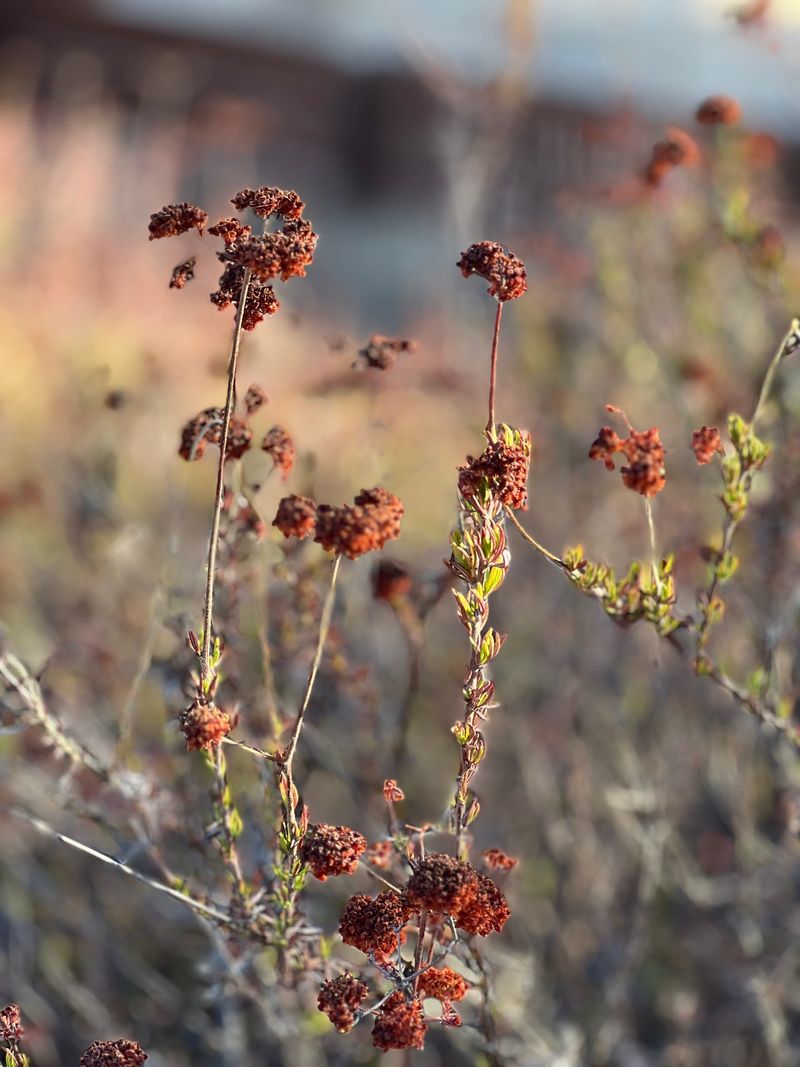
Early one October morning, a little brown bird may hop around your buckwheat and peck at the dry clusters. It is not causing damage. It is having breakfast.
Those rusty seed heads are packed with small seeds that many birds happily eat.
Sparrows, finches, and ground-feeders such as towhees and quail often visit buckwheat and similar native shrubs. Visits increase as other food sources dry up.
The exact guests depend on your location, so watch closely and see who shows up.
Fall and winter can be tough on wildlife. Insects grow scarce, and many summer flowers are long gone.
A shrub full of seeds acts like a free, natural bird feeder that refills itself every year.
Birds also drop some seeds as they eat. A few may sprout later, which helps the plant spread across hillsides in the wild.
Both sides get something useful from the deal.
Now pull up a chair by the window, because this show deserves a front-row seat. Keep cats indoors when possible, and skip pesticides so the whole food web stays healthy.
Earlier in the year, the same plant fed bees, butterflies, and other pollinators with its nectar.
The rust color simply means the menu has changed, not that the restaurant has closed.
That makes California buckwheat one of the most generous plants a gardener can grow. It feeds half the neighborhood and has yet to ask for a tip.
Leaving It Standing Extends The Display
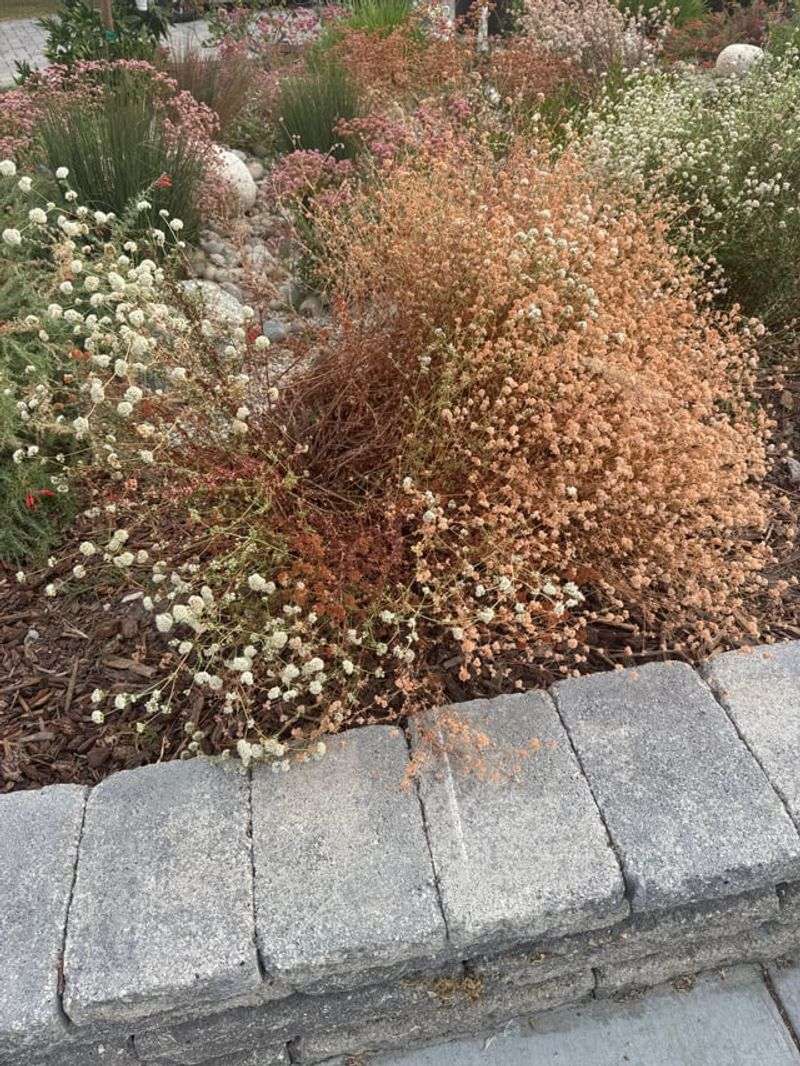
The easiest garden chore this fall might be the one you skip. Unpruned buckwheat gives you weeks, sometimes months, of extra texture and color.
It also saves you time and effort.
Seed heads left in place continue to feed birds well into winter. Those dry clusters also shelter tiny insects and add structure to a garden that might otherwise look bare.
A standing shrub simply has more going on than a freshly trimmed one.
Native garden experts often suggest a wait until late fall or winter before any light trims. By then, most seeds have been eaten or have fallen, so a tidy-up costs very little.
Now for a gentle rule, because this shrub prefers a light touch. Trim lightly and remove old flower stems plus a little tip growth.
Skip deep cuts into old, woody wood. Hard cuts into bare wood may not grow back well, so gentle trims are the safer move.
Some neighbors might ask why your plant looks brown. That makes a great chance to share what you know about seeds and birds.
You might even inspire them to leave their own plants alone for a season.
Holiday lights that stay up a little longer bring the same kind of joy. The display is not over yet. It just switched colors.
There is no rush to take it down. Your buckwheat gets to keep its fall outfit on, and you get to keep your weekend free.
Rust Tones Still Suit A Fall Garden
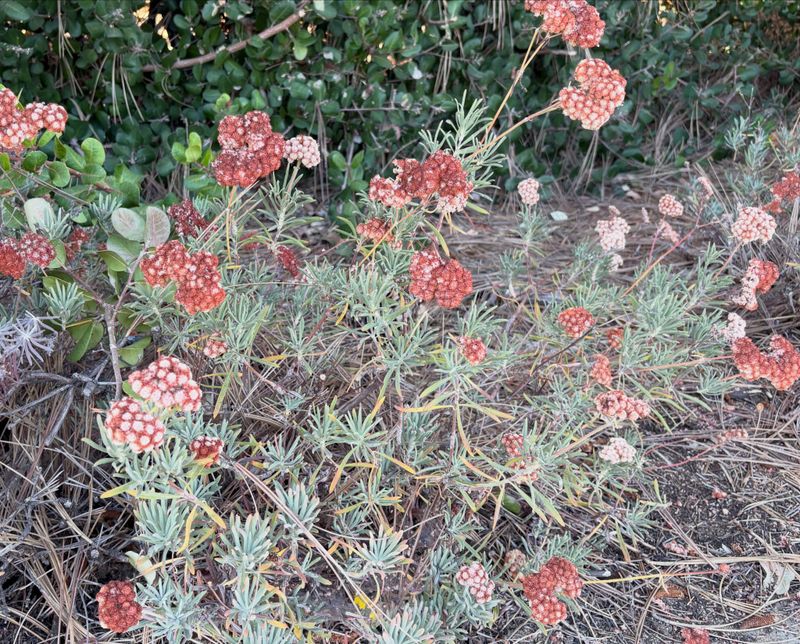
Walk into any craft store in October, and shelves overflow with rust, copper, and cinnamon. Those colors feel cozy for a reason.
California buckwheat delivers that same autumn palette for free, right in your yard.
The warm brown clusters look especially striking next to silvery plants like white sage or sagebrush. They also pair nicely with golden native grasses that catch low fall sunlight.
Together, they create a layered, natural look that fits the season perfectly.
Now for a design trick, and it works like stage lights for your garden. Plant buckwheat where late afternoon sun hits it from the side or behind.
The rusty heads almost glow, and even a small corner starts to feel special.
The look can come indoors too. Snip a few dry stems and tuck them into a vase or wreath.
They hold their shape well and add a rustic, handmade touch to fall decor. Leave plenty outside for the birds, though.
Many people believe a garden only looks good when it overflows with flowers. Seasonal change, however, is part of what makes native landscapes feel alive.
California hillsides naturally turn tawny and brown in late summer and fall. Your buckwheat simply matches the scenery.
Brown does not have to feel boring. It can look rich, earthy, and warm.
Once your eyes adjust, that rusty shrub might become a favorite sight of the whole year. Apparently, pumpkin spice season suits plants too.
The Color Fades On Its Own Timeline
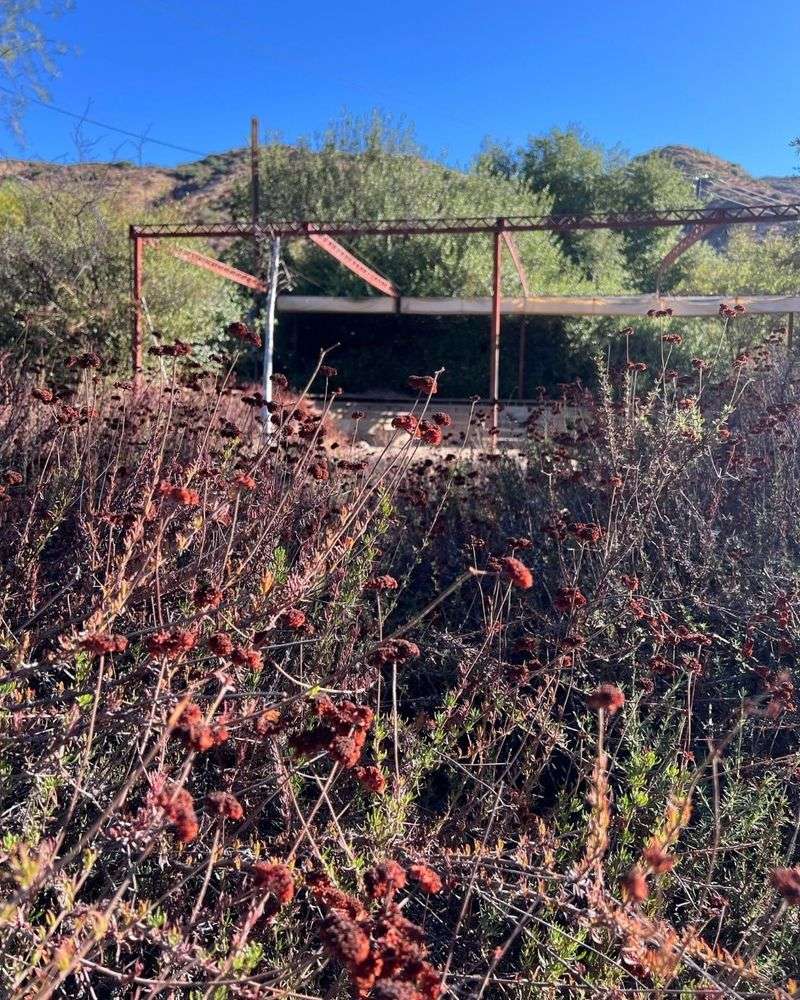
Nature keeps its own calendar, and California buckwheat follows it closely. The rusty stage does not last forever.
Over time, the color slowly darkens and fades as the season rolls on.
By late fall and into winter, many clusters turn deep brown or gray. Wind, rain, and hungry birds gradually break them apart.
Seeds scatter, and the old flower stems turn thin and wiry.
Once winter rains arrive, fresh green growth often appears near the stem tips. That is the plant waking up for a new round.
By spring, new flower buds form. The whole cycle begins again with white and pink blooms.
Nothing along the way needs a fix. A light trim in late fall or winter is optional for a neater shape.
Otherwise, the plant handles the entire process by itself.
Now for a quick reality check, because every garden runs on its own clock. The exact schedule varies by region, weather, and garden conditions.
Your plant may run earlier or later than a neighbor’s, and that is perfectly fine.
Sudden wilt, blackened leaves, or mushy stems are a different matter. A local nursery or native plant expert can help sort out the cause.
For most yards, though, the rusty phase is simply one more act in a long-running show.
Sit back and enjoy each stage. Your buckwheat has rehearsed this routine for thousands of years, and it knows every line by heart.