Why Poison Ivy Is Easier To Spot In Ohio In Fall – And Still Dangerous
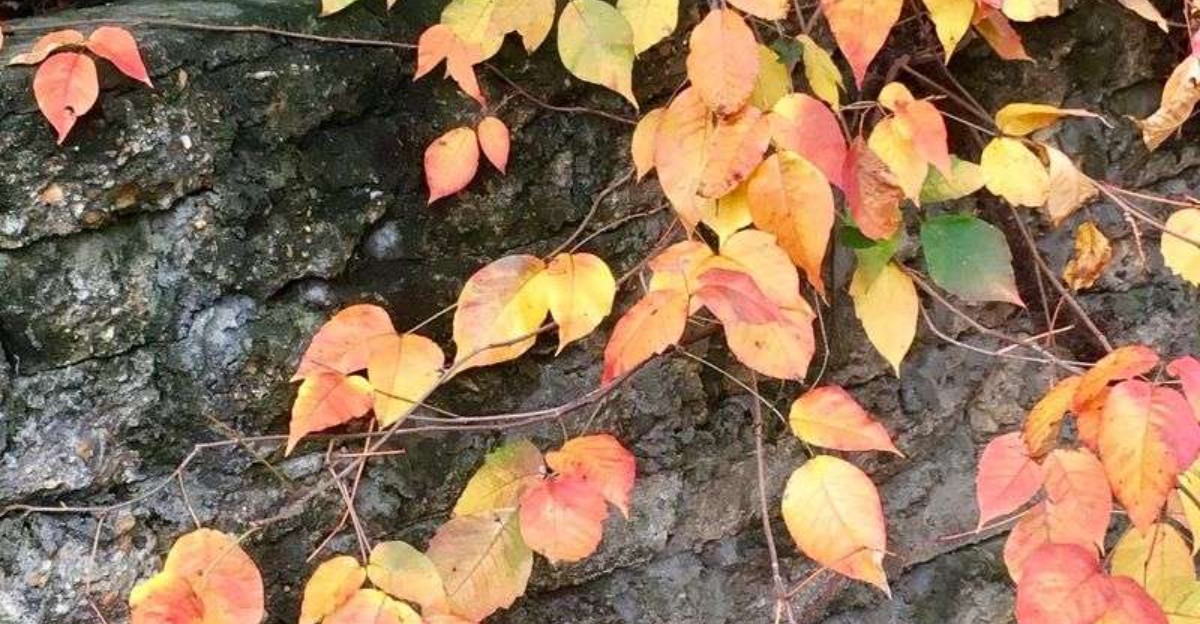
Poison ivy just gave itself away, turning bright red along fence lines and tree trunks across Ohio, and that visibility doesn’t make it any safer to touch.
Fall strips away the green camouflage this plant hides behind most of the year, and suddenly it stands out against everything else that’s fading to brown.
Homeowners spot it easier than any other season, yet the oil responsible for the reaction stays just as active in fall leaves as it does in summer ones.
Easier to see doesn’t mean easier to handle safely.
Dried, fallen leaves carry the same risk too, something most people never think about once a plant looks lifeless and harmless lying on the ground.
Look twice before touching anything with that telltale reddish color this fall. Fall makes poison ivy easier to spot, but never any less able to cause a reaction.
1. Poison Ivy Turns Brilliant Colors In Ohio Fall
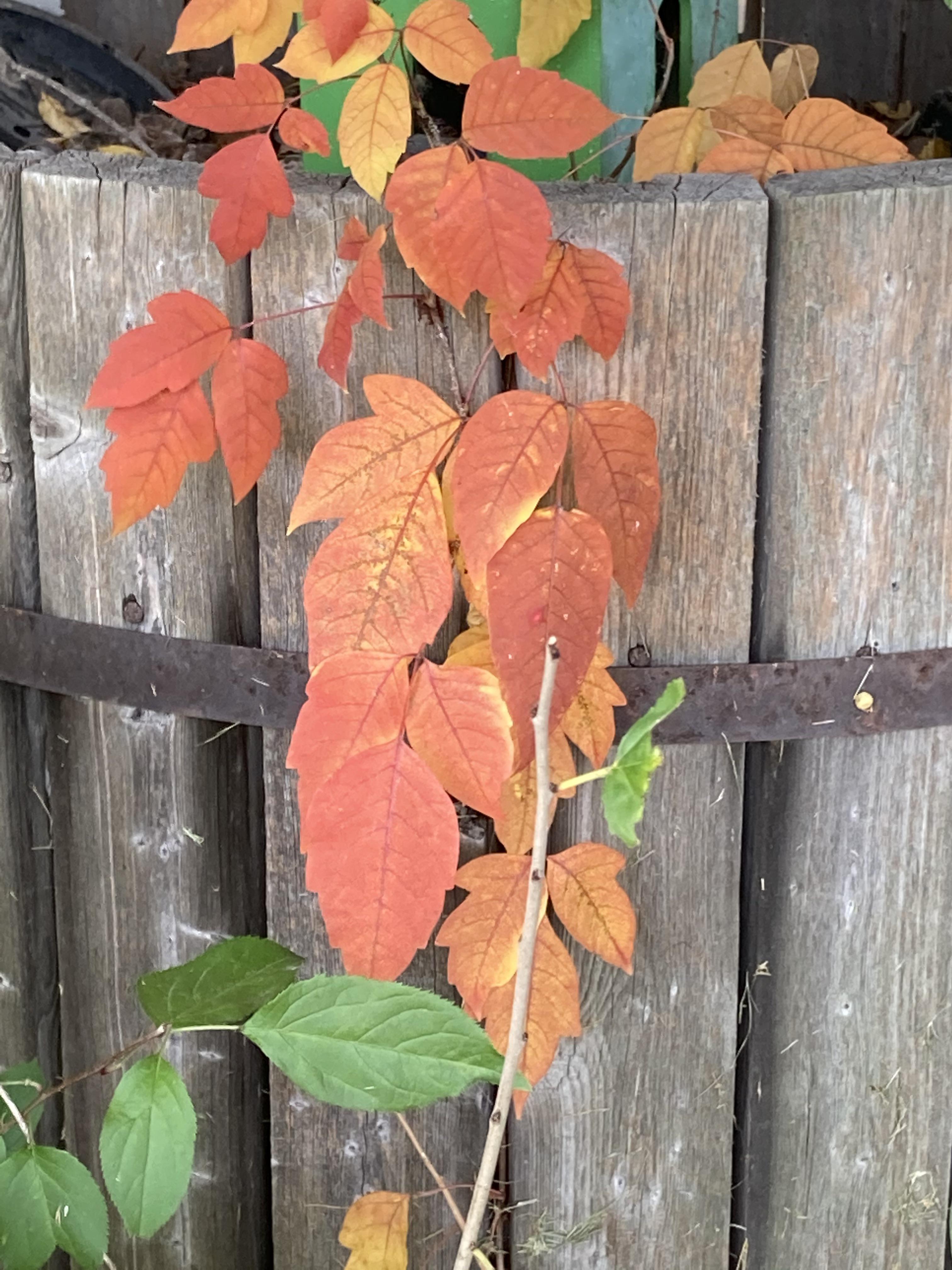
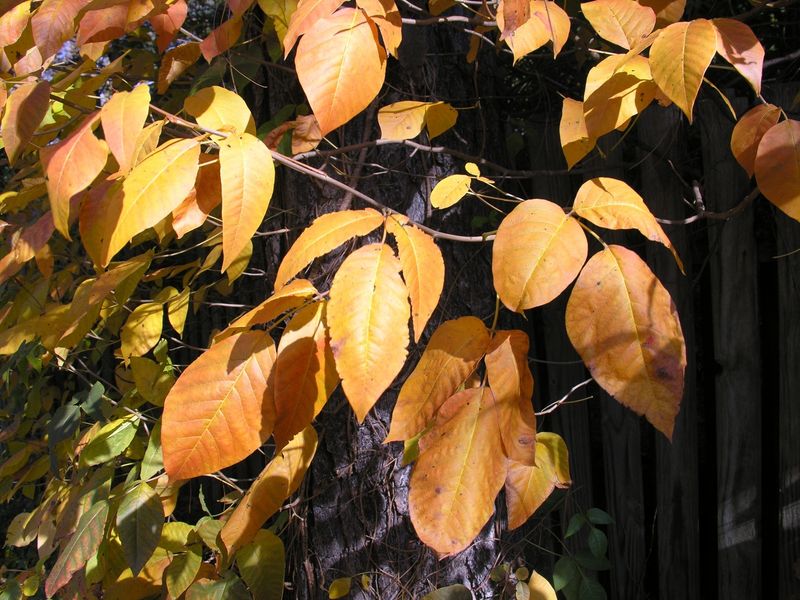
Long before the maples put on their show, one sneaky plant starts blushing. Poison ivy is among the first plants in Ohio to change color each fall.
Its leaves shift from green to yellow, orange, bright red, and sometimes deep purple.
That early color change is great news for your eyes. When the rest of the woods is still mostly green, a patch of fiery red leaves stands out like a stop sign.
You can spot it climbing tree trunks, creeping along trails, or crawling across fence lines.
Here is the tricky part, though. Those gorgeous leaves look like perfect decorations for a fall table or craft project.
Kids often grab them for leaf collections, and adults sometimes tuck them into wreaths without a second thought.
Please resist that urge. The colorful leaves still carry the same oil that causes itchy, blistering rashes in summer.
A pretty color does not make the plant any friendlier.
A good habit is to pause before picking up any bright red leaf cluster. Check whether the leaves grow in groups of three.
If they do, admire them from a safe distance and snap a photo instead.
Teaching children this simple rule can prevent a miserable week. Fall beauty is best enjoyed with your eyes, not your hands, when this plant is around.
2. Bare Vines Make Winter Identification Easier
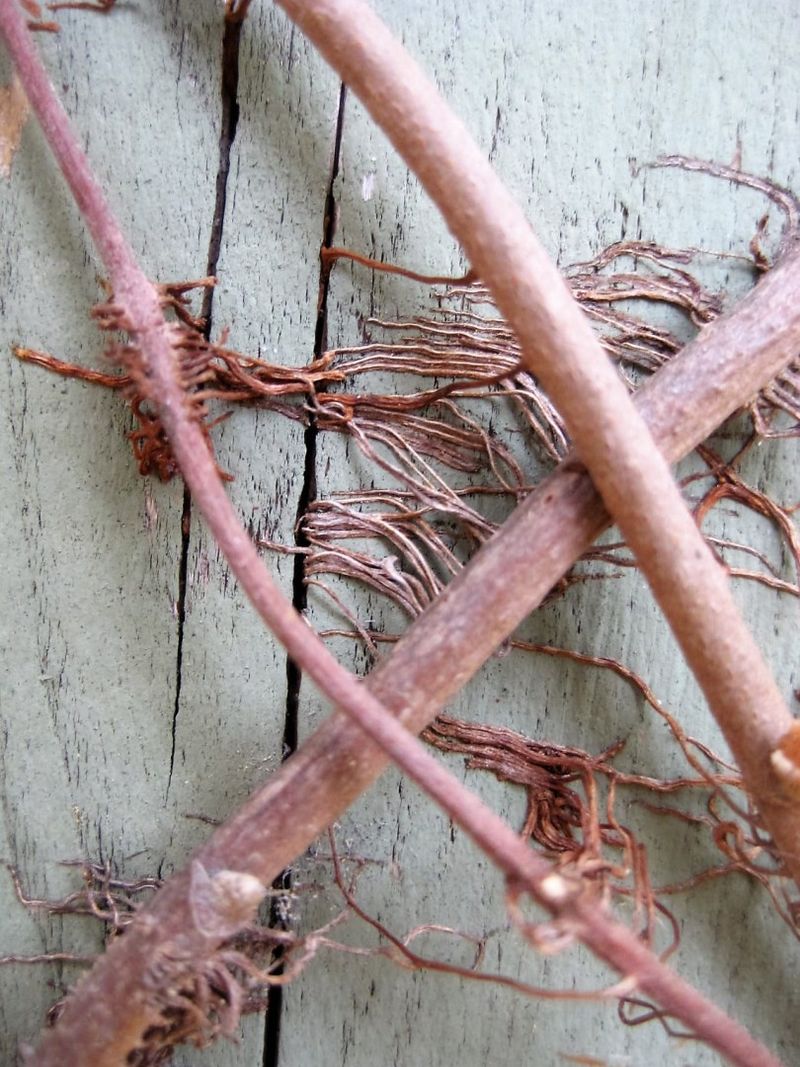
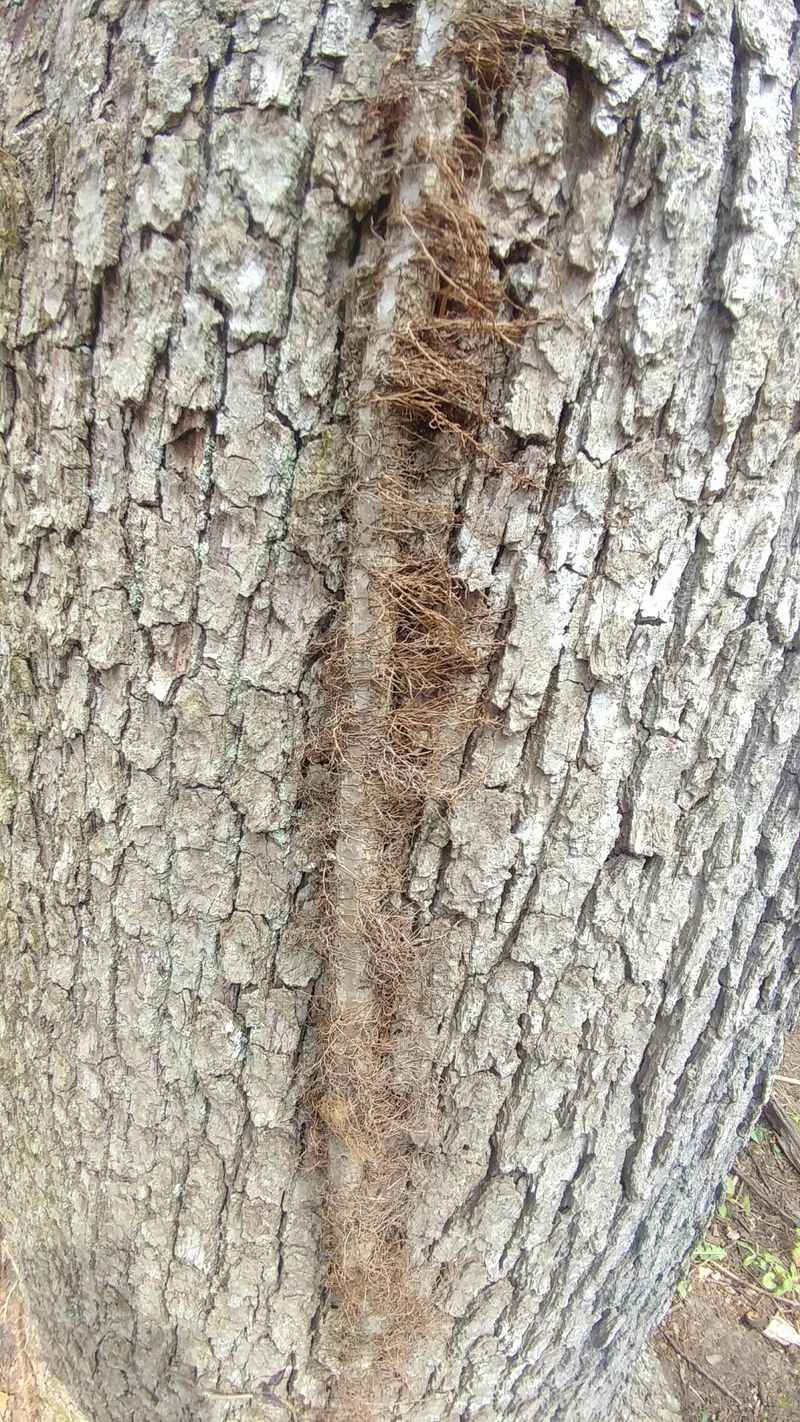
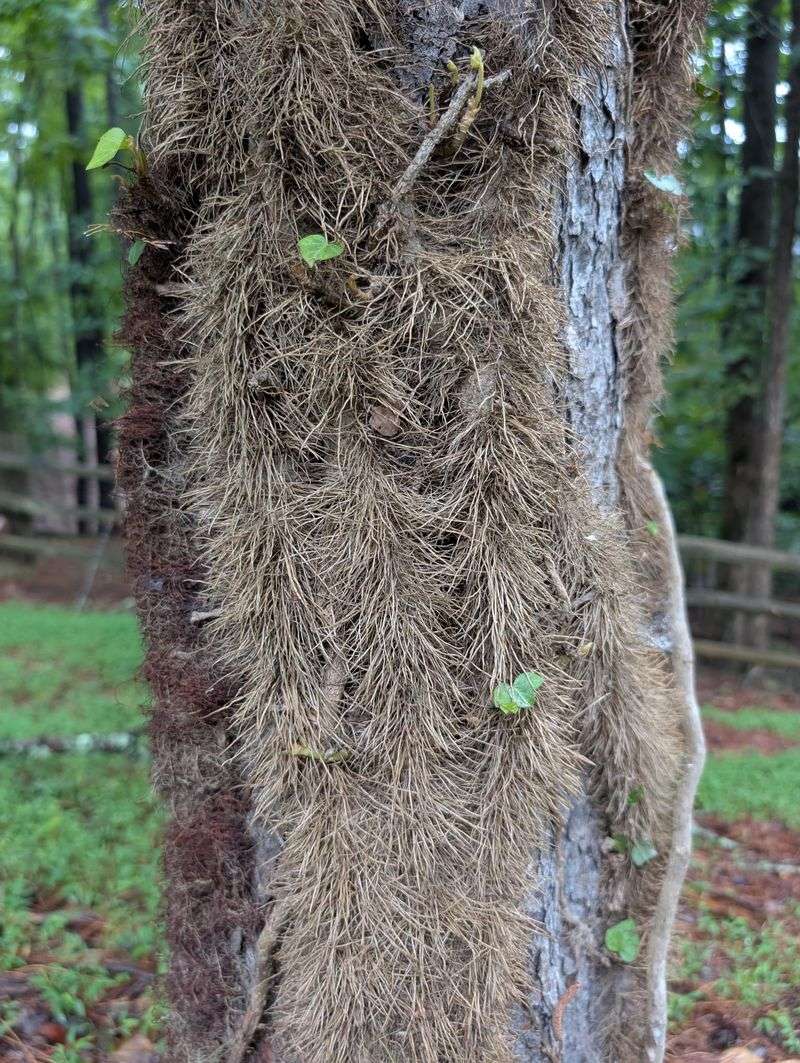
Imagine a tree wearing a fuzzy brown sweater that nobody knitted. That shaggy look is often a poison ivy vine hugging the bark.
Once the leaves fall, those vines become much easier to notice.
Poison ivy climbs by sending out tons of tiny aerial rootlets. These little hair-like roots grip tree bark, walls, and fence posts.
Together they give the vine its famous hairy, rope-like appearance.
Some vines are thin as a pencil and easy to overlook. Older ones can grow as thick as your wrist, turning woody and tough.
The biggest ones may be many years old and stretch high into the treetops.
Late fall and winter are perfect times to scout your yard for these climbers. Without leaves in the way, you can walk around and check each tree trunk.
Your Ohio Garden Changes Every Week. Your Plan Should Too.
Gardening in Ohio changes quickly throughout the season. Every Friday you’ll receive a simple weekly plan showing exactly what to plant, prune, fertilize, harvest, and protect so you never miss the right timing.
Look for fuzzy brown ropes running up the bark.
Mark any suspicious vines with bright tape so you remember where they are. That way, you can plan safe removal later or warn family members to stay away.
Just remember that spotting is not the same as touching. Even bare, leafless vines are loaded with irritating oil.
Treat every hairy vine like a hot stove and keep your bare hands off it.
3. Three Leaflets Still Reveal The Plant
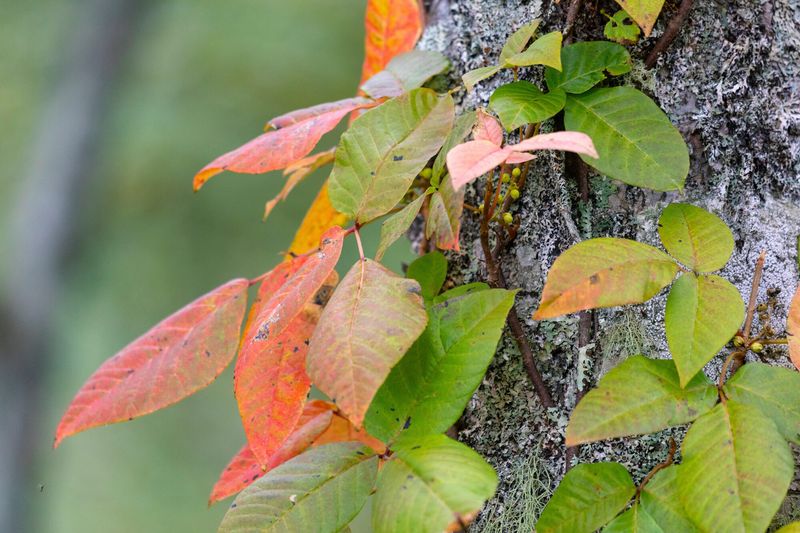
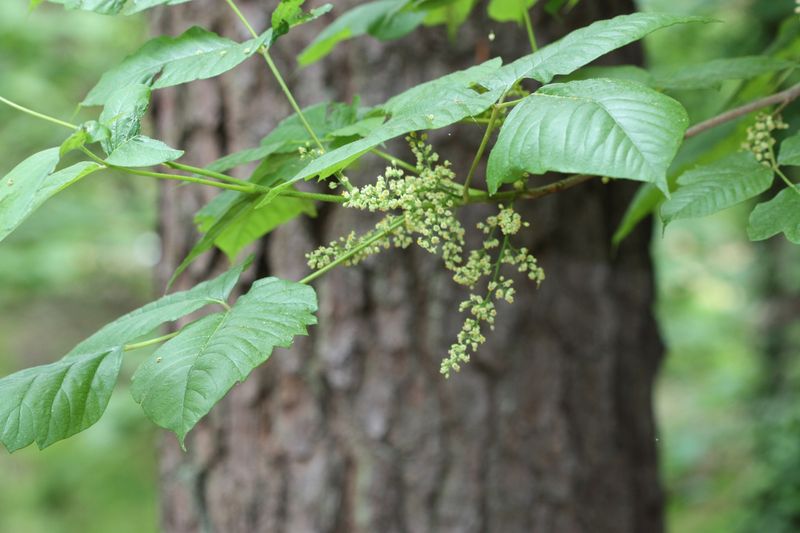
“Leaves of three, let it be.” Grandparents have repeated that rhyme for generations, and it still holds up well in autumn. Counting leaflets is one of the easiest ways to identify poison ivy.
Each poison ivy leaf is actually made of three smaller leaflets. The middle leaflet sits on a longer stem than the two side ones.
This detail helps you tell it apart from look-alike plants.
The edges can be smooth, toothed, or wavy, which confuses many people. Some leaves look shiny, while others appear dull.
The shape may vary, but the group of three stays consistent.
Poison ivy also grows in several forms. It can trail along the ground, grow as a small bushy shrub, or climb as a vine.
Across all these shapes, the three-leaflet pattern gives it away.
Fall in Ohio actually makes counting easier. Colorful leaflets pop against the brown forest floor, so the pattern jumps out at you.
A fun practice for families is a safe “spot the three” game on hikes. Point out leaf clusters without touching them and decide together if they match.
Virginia creeper, a common look-alike, usually has five leaflets. Learning the difference turns every walk into a mini science lesson while keeping everyone rash-free.
4. Urushiol Remains Active After Leaves Drop
Meet urushiol, the tiny troublemaker behind every poison ivy rash. It is an oily resin found in every part of the plant.
Leaves, stems, roots, and berries all carry it.
Many people believe the danger fades when the leaves fall. Unfortunately, that is a myth.
Dormant stems, vines, and roots still hold plenty of urushiol through fall and winter.
Even more surprising is how long this oil lasts. Urushiol can stay active for years on surfaces like old plant pieces, clothing, shoes, and tools.
A pair of garden gloves tossed in the shed could still cause a rash next spring.
Only a tiny amount is needed to trigger a reaction in sensitive people. You might not even see the oil on your skin.
Symptoms often show up a day or two later, which makes it hard to trace the cause.
So what can you do? Wash anything that may have touched the plant with soap and water or rubbing alcohol.
Clean tool handles, boots, and even pet fur if your dog runs through a patch.
If you think you touched urushiol, rinse your skin quickly with cool water and soap. Acting within the first few minutes can greatly reduce the chance of a rash.
5. Fall Berries Help Poison Ivy Stand Out
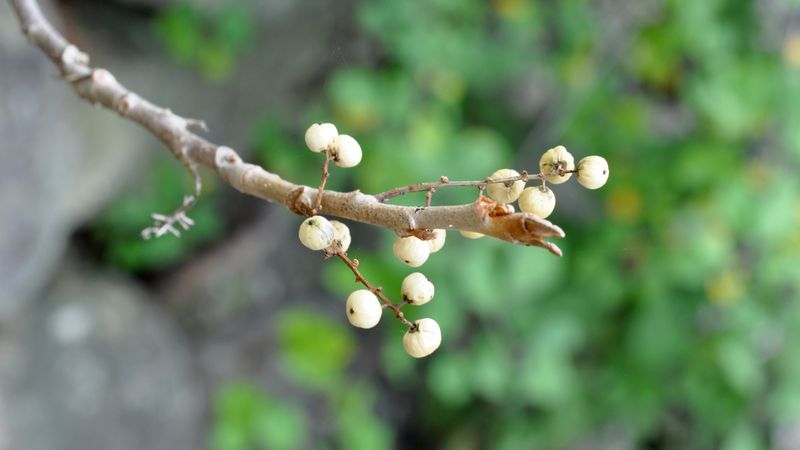
Tiny pearls dangling from a bare vine might look charming, even festive. Those little white beads are often poison ivy berries.
They are one of the most helpful clues in late fall.
In summer, the berries start out green and blend in with the leaves. As autumn moves along, they ripen into an ivory or whitish-yellow color.
By late fall, clusters hang in plain view.
The best part for spotters is that these berries often stay put all winter. Their pale color contrasts nicely against dark vines and gray tree bark.
On a snowy day, they may be one of the few bright things in the woods.
Here is a quick fun fact. Poison ivy is a relative of cashews and mangoes, which also contain small amounts of related compounds.
Of course, those berries are not a snack for people. They carry urushiol just like the rest of the plant.
Keep curious kids and pets from picking or chewing them.
When you see clusters of creamy white berries on a hairy vine, you have found a strong sign of poison ivy. Use that clue to map out patches around your home, trails, or campsite.
Then plan your path so you steer clear of them.
6. Lifeless-Looking Vines Can Still Trigger A Rash
My neighbor once grabbed a dry, brown vine from his woodpile, sure it was harmless. Two days later, his arms were covered in itchy red streaks.
That lifeless-looking vine was dormant poison ivy.
Vines that appear dried out or finished for the year can still hold active urushiol. The oil is very stable and does not break down easily.
Cold, heat, rain, and time barely weaken it.
That is why fall chores can be risky. Stacking firewood, pulling old vines off fences, or clearing brush can bring you into contact with oily stems.
The vine may look like a brittle stick, but it can still pack a punch.
A smart move is to inspect woodpiles and brush before grabbing anything. Look for hairy rootlets or leftover berries on vines mixed in with logs.
If you are unsure, assume it could be poison ivy.
Wearing long sleeves and gloves makes a huge difference during these tasks. Afterward, wash your clothes separately from the rest of the laundry.
Pets can carry the oil too, so give your dog a bath if it has been romping in brush. A little caution now beats weeks of calamine lotion and sleepless, scratchy nights later.
7. Birds Spread Poison Ivy Seeds Through Woodland Edges
Songbirds in Ohio are the secret gardeners of poison ivy. While we avoid those berries, many birds treat them like a winter buffet.
Robins, warblers, woodpeckers, and other feathered friends gobble them up.
The seeds pass through a bird’s belly without harm. Later, they drop out in the bird’s droppings, often far from the original plant.
Each dropping can become a brand new poison ivy start.
Birds love to perch on fences, tree branches, and shrubs along woodland edges. That habit explains why poison ivy pops up in those exact spots.
You will often find it along fence lines, under backyard trees, and near bird feeders.
Birds are not immune by accident, either. Most animals do not react to urushiol the way humans do, so the berries are simply good food for them.
Knowing this pattern helps you hunt for new plants. Check under your favorite perching spots each spring and fall.
Young seedlings are much easier to remove than big, established vines.
You do not need to chase the birds away, of course. They play an important role in nature.
Just keep a watchful eye on the places they gather, and pull young sprouts early while wearing protective gloves.
8. Avoid Burning Poison Ivy During Fall Cleanup
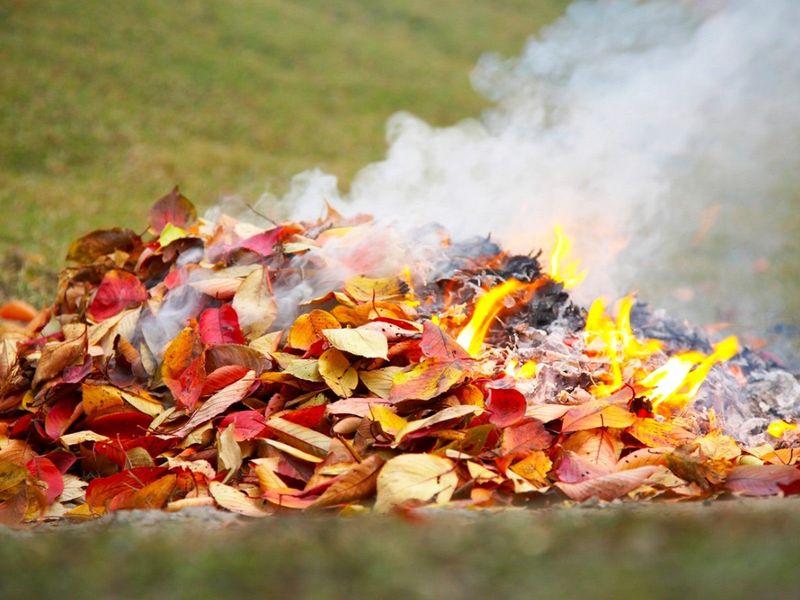
A crackling brush fire sounds like a cozy fall tradition. When poison ivy is in the pile, it becomes a serious health hazard.
Burning this plant is one of the worst mistakes you can make.
Fire does not destroy urushiol safely. Instead, the oil rides along on smoke and tiny ash particles floating through the air.
Anyone nearby can breathe it in without realizing it.
Inhaling that smoke can irritate your nose, mouth, throat, and lungs. In some cases, it can cause a rash inside the lungs and lead to serious breathing trouble.
If this happens, get medical help right away.
Smoke also drifts onto neighbors, pets, and anyone walking by. Skin exposed to the smoke can break out in a rash too.
So what should you do with poison ivy you remove? Seal the plants in heavy plastic bags and put them in the trash.
Check your local rules, since some communities have special guidelines for yard waste.
Never toss poison ivy into your compost pile either, since the oil can linger in the finished material. Before starting any fall bonfire, carefully sort through the brush.
Pull out suspicious vines first so your cozy evening stays safe and comfortable for everyone.
9. Wear Gloves When Removing Hidden Vines
Gear up like you are handling something sticky and stubborn, because you are. Removing poison ivy safely starts with the right clothing.
A few simple pieces can protect you from a miserable rash.
Choose long sleeves, long pants, closed shoes, and waterproof gloves. Cloth and leather gloves can soak up urushiol and hold onto it.
Vinyl or chemical-resistant gloves work much better.
A clever trick is to wear two layers. Slip disposable nitrile gloves on first, then pull heavy-duty work gloves over them.
This combo gives you grip, toughness, and an extra oil barrier.
When you finish, peel gloves off carefully by turning them inside out. Toss disposable ones right away.
Avoid touching your face, phone, or car door before washing up.
Tools need attention too. Scrub shovels, pruners, and handles with soap and water or rubbing alcohol.
Urushiol can stay active on surfaces for years, so a quick rinse is not enough.
Wash your work clothes in hot water by themselves, then run an empty cycle to clean the machine. Finally, take a cool shower with plenty of soap.
These steps may feel like extra work, but they turn a risky chore into a safe, satisfying job.