Brown Bags Dangling From Missouri Cedars Hold Next Year’s Problem
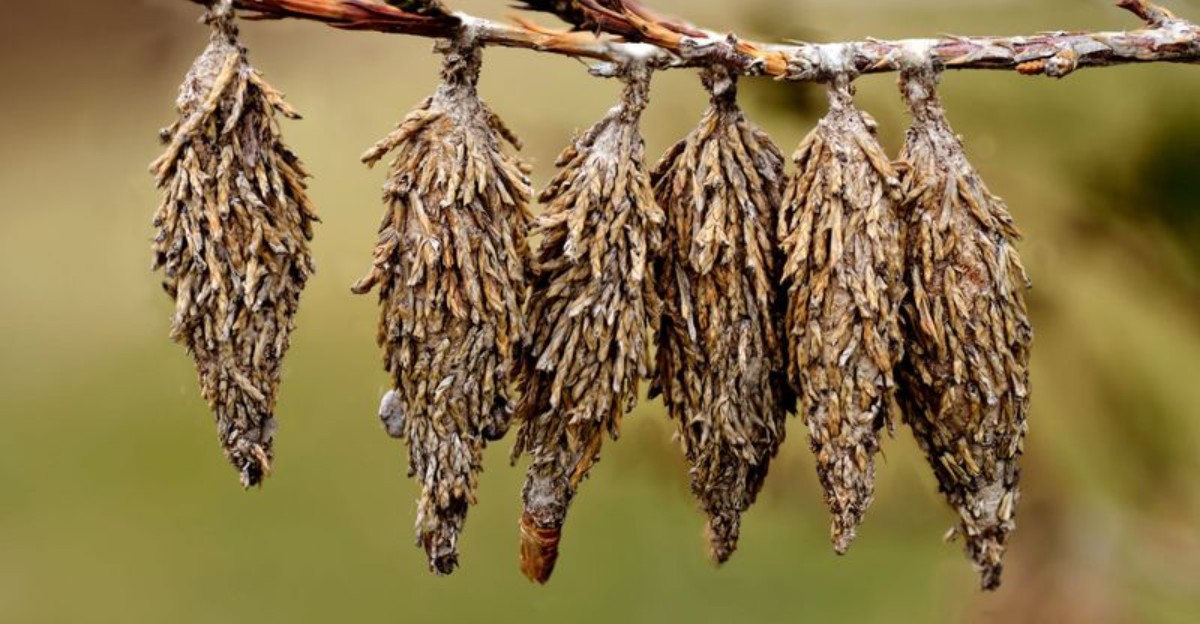
Walk past a cedar in September and you might spot tiny brown ornaments swaying in the breeze. They look like somebody decorated for the holidays three months early and forgot the glitter.
Here in Missouri, trees wear plenty of odd things, from bird nests to stray kites. These little dangling cones feel different, though, crunchy and scratchy like pinecones wrapped in dry needles.
Give one a gentle squeeze and it feels tougher than it looks. The silk inside holds on like it signed a lease and plans to stay awhile.
Neighbors often shrug and say the tree is just making seeds. That guess sounds reasonable until the same tree looks thinner and browner by next summer.
Missouri gardeners love a good mystery, especially one hanging at eye level. Somewhere in that tidy brown pouch, a surprisingly patient tenant is planning a very large family reunion.
Eggs Waiting Inside Every Silk Pouch
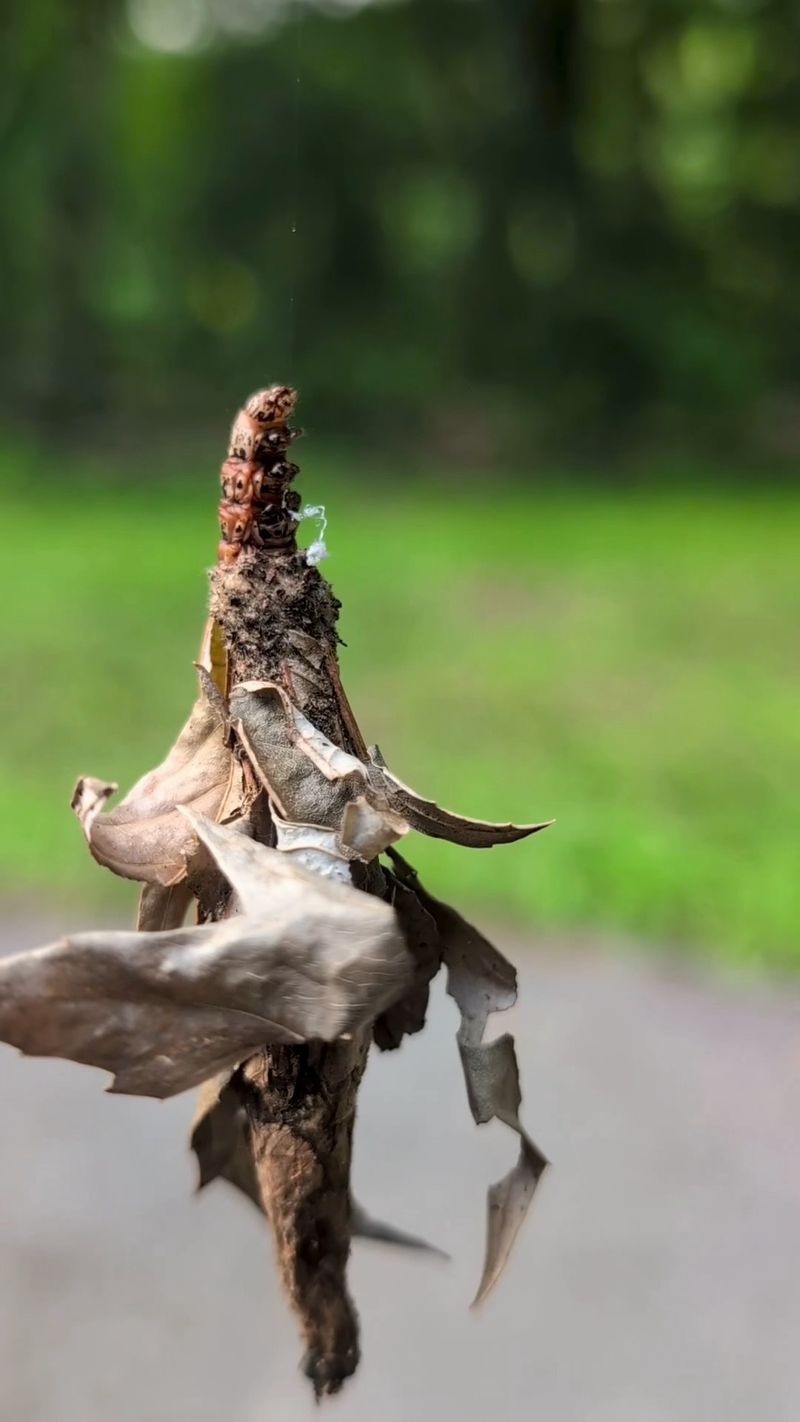
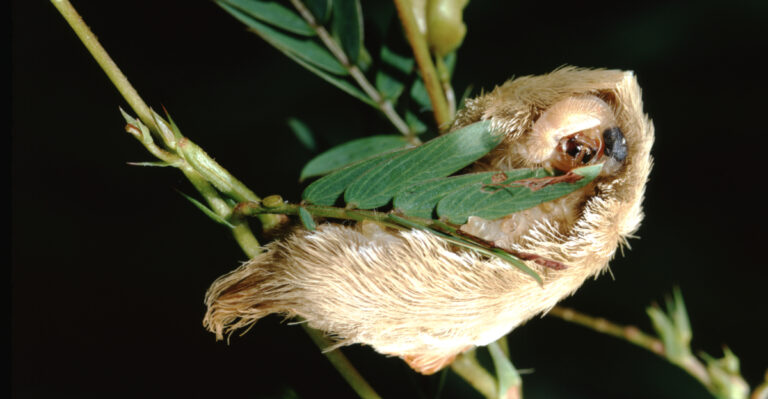
Those brown cones are bagworm cases, and many of the ones hanging now hold eggs or females getting ready to lay them. A single female can tuck roughly 500 to 1,000 eggs inside her bag during fall.
She spends her whole life inside that silk shelter and stays wingless. Once her eggs are laid, the bag becomes a cozy winter nursery.
The case is built from silk mixed with bits of cedar needles. That clever disguise helps it blend into the tree, so many people mistake it for a cone.
Male bagworms are different, turning into small, fuzzy black moths with clear wings. They fly around in late summer searching for females hidden in their bags.
After mating, the female stays put and seals her future family inside. The eggs sit quietly all winter, protected from cold, rain, and most hungry birds.
For Missouri tree owners, the catch is timing. The damage you see this year is mostly finished, but the eggs promise a fresh wave next spring.
Eastern red cedar and other junipers are top favorites, though arborvitae, spruce, and even some maples get infested. Evergreens suffer most because they cannot easily replace lost needles.
Think of each bag as a small suitcase packed for a long trip. If it stays on the branch, hundreds of travelers will unpack right onto your tree.
What is inside matters more than it looks. A harmless-looking ornament suddenly becomes the most important thing to deal with before spring arrives.
Eggs Waiting Inside Many Silk Pouches
Picture late May in Missouri, when peonies bloom and lawns need mowing twice a week. That same stretch of warm weather wakes up the eggs sleeping in last year’s bags.
Tiny larvae crawl out through the bottom of the old case. Many spin a silk thread and let the wind carry them to nearby branches or trees.
Scientists call this floating trip ballooning, and it sounds much cuter than it is. A breezy day can spread young bagworms across a whole yard.
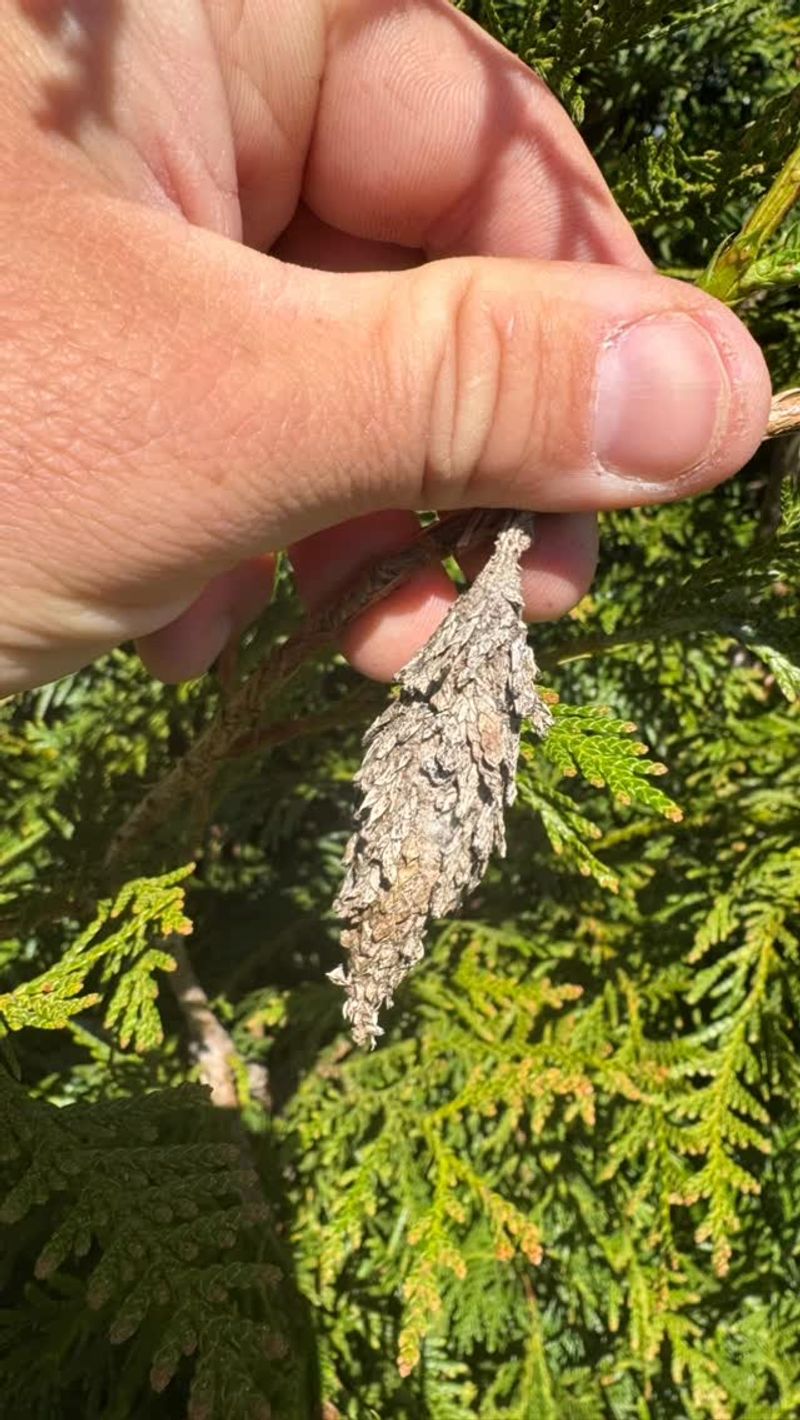
Right away, each little caterpillar starts building its own tiny bag. Early cases are only about an eighth of an inch long and look like specks.
Your Missouri Garden Changes Every Week. Your Plan Should Too.
Gardening in Missouri changes quickly throughout the season. Every Friday you’ll receive a simple weekly plan showing exactly what to plant, prune, fertilize, harvest, and protect so you never miss the right timing.
Through June and July, the larvae eat and grow fast. Their bags grow too, stretching up to two inches by late summer.
By August, feeding slows as the caterpillars get ready to change into adults. Then mating happens, and the egg cycle starts all over again.
Missouri gets just one generation each year. That simple schedule helps, because it gives you clear windows to take action.
Mark your calendar for early to mid June. Young larvae are small, hungry, and exposed then, which makes them much easier to control.
Waiting until August feels natural because that is when the bags stand out. Sadly, by then the caterpillars are big, tough, and mostly done eating.
The Late Summer Spraying Mistake
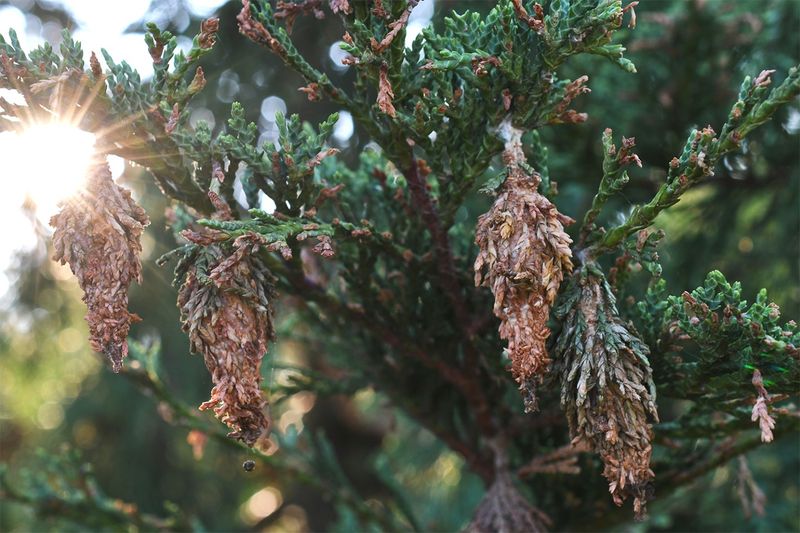
Plenty of folks grab a sprayer the moment they notice brown bags in September. It feels like the right move, but the timing works against you.
Older bagworms seal themselves inside their cases once feeding ends. Sprays bead up on the tough silk and slide off before reaching the larvae.
That means money spent, time lost, and bugs untouched. Worse, some sprays can harm helpful insects that were already keeping bagworms in check.
Birds, parasitic wasps, and certain flies naturally feed on bagworms. Broad sprays in fall may reduce those helpful insects while the bagworms stay protected.
Another common slip is ignoring a tree because it still looks mostly green. Bagworms can feed anywhere on the tree, so damage in the upper branches is easy to miss.
Evergreens that lose many of their needles may struggle to bounce back. Unlike leafy trees, they cannot push out a new crop of foliage easily.
Some people also toss picked bags on the ground nearby. Eggs can still hatch from there, and the larvae will happily climb right back up.
A smarter approach is to treat September as scouting season. Walk around your cedars, count bags, and plan for hands-on removal instead of spraying.
Save sprays for next June, when they actually work. Patience feels strange during a bug problem, but here it pays off in a big way.
Hand Picking Bags Before Spring
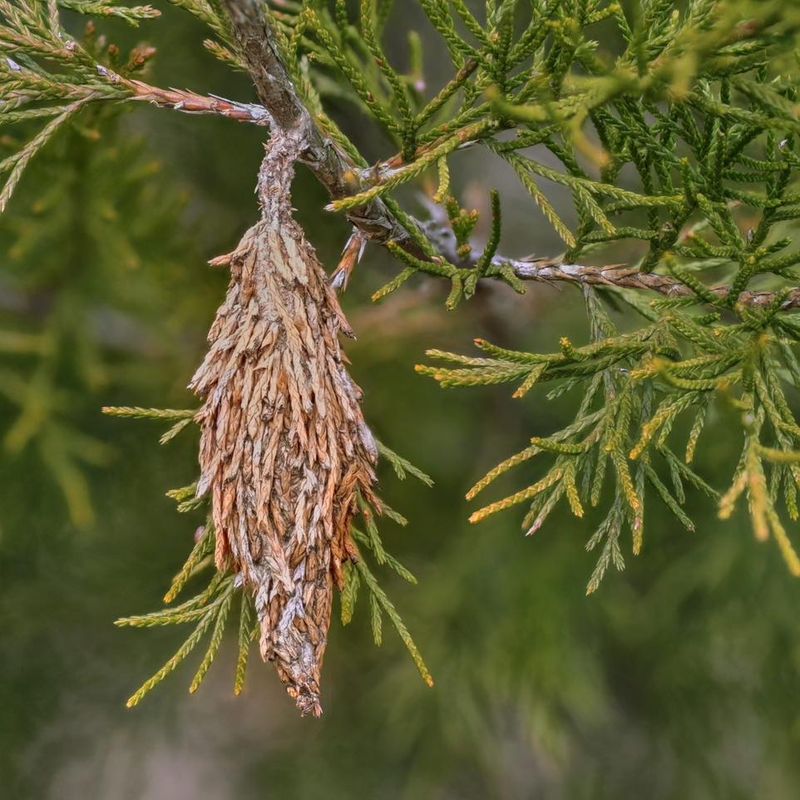
Grab some gloves, a bucket, and a pair of small snips. Removing bags by hand is the simplest fix, and fall through early spring is prime time.
Each bag is attached with a strong silk band wrapped around the twig. Snip that band instead of yanking, since tight silk can girdle and weaken branches.
Drop every bag into a bucket of soapy water. Let them soak for a few days, then seal them in a trash bag for pickup.
Burying or composting bags is not a good idea. Eggs can survive and hatch, turning your careful work into a free delivery service.
Small trees and shrubs are easy to clean in one afternoon. Taller cedars may need a sturdy ladder and a helper holding it steady.
Turn it into a family treasure hunt and offer a small reward for the biggest bag found. Extra hands make the job go faster and help spot bags that blend in.
Look carefully, because bags blend in with cones and dried needles. Check inside the canopy and near the top, where many get overlooked.
Every bag removed can mean hundreds fewer caterpillars in June. That math makes a slow afternoon feel pretty rewarding.
For trees too tall to reach, a certified arborist can help. Many offer fall cleanup and spring treatment plans for badly infested evergreens.
A Healthier Cedar Next Summer
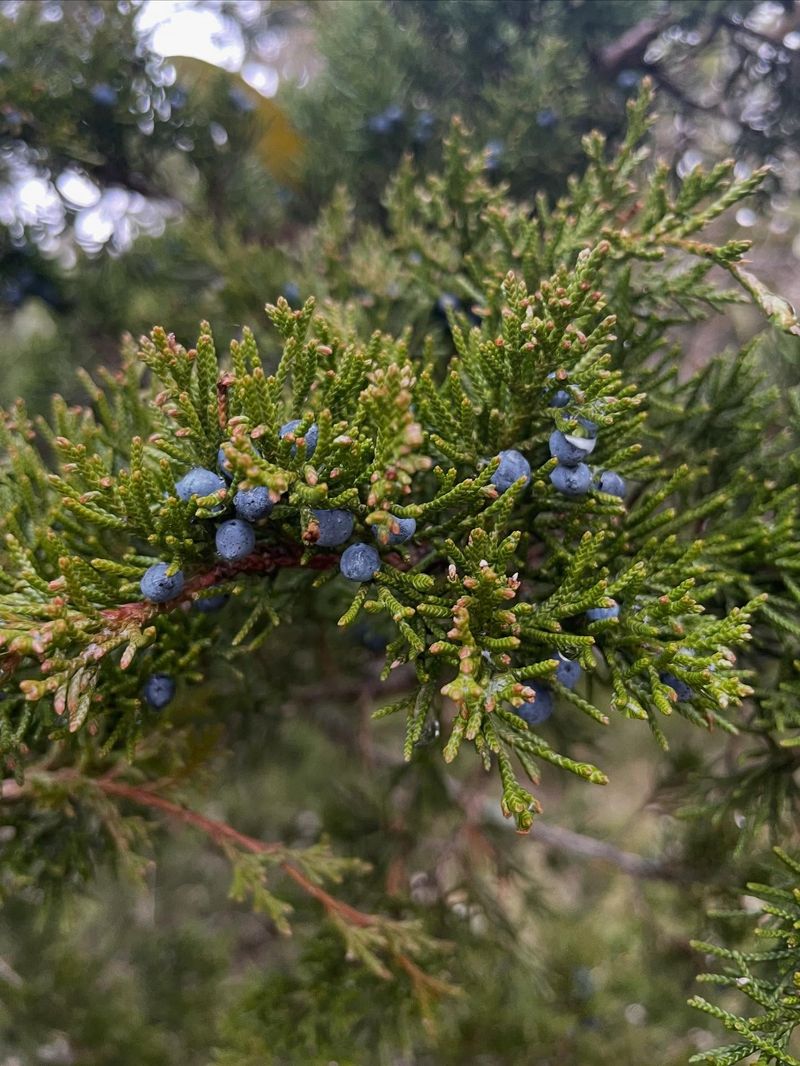
Imagine strolling outside next July and finding your cedar thick and green. That picture is very possible when bags come down now.
Healthy evergreens handle a few chewed tips without much trouble. Heavy feeding year after year is what slowly thins them out.
Once the bag count drops, new growth can fill in bare spots. Trees may take a season or two to look full again, so be patient.
Helping recovery is fairly simple. Water deeply during dry spells, especially in late summer when Missouri heat and drought stress trees most.
Spread two to three inches of mulch around the base, keeping it off the trunk. Mulch holds moisture and keeps roots cooler during hot weeks.
Skip heavy fertilizer on a stressed evergreen. Too much can push weak growth that the stressed tree cannot support.
Watch the branch tips closely as the tree rebounds. Branches with needles still attached have a good chance of pushing new green growth.
Fully brown, bare branches usually will not recover on evergreens. Prune those back cleanly in late winter to tidy the tree and improve airflow.
A fun bonus comes with a healthy cedar. Cedar waxwings, robins, and other birds eat its berries in winter.
Smart Prevention For Future Seasons
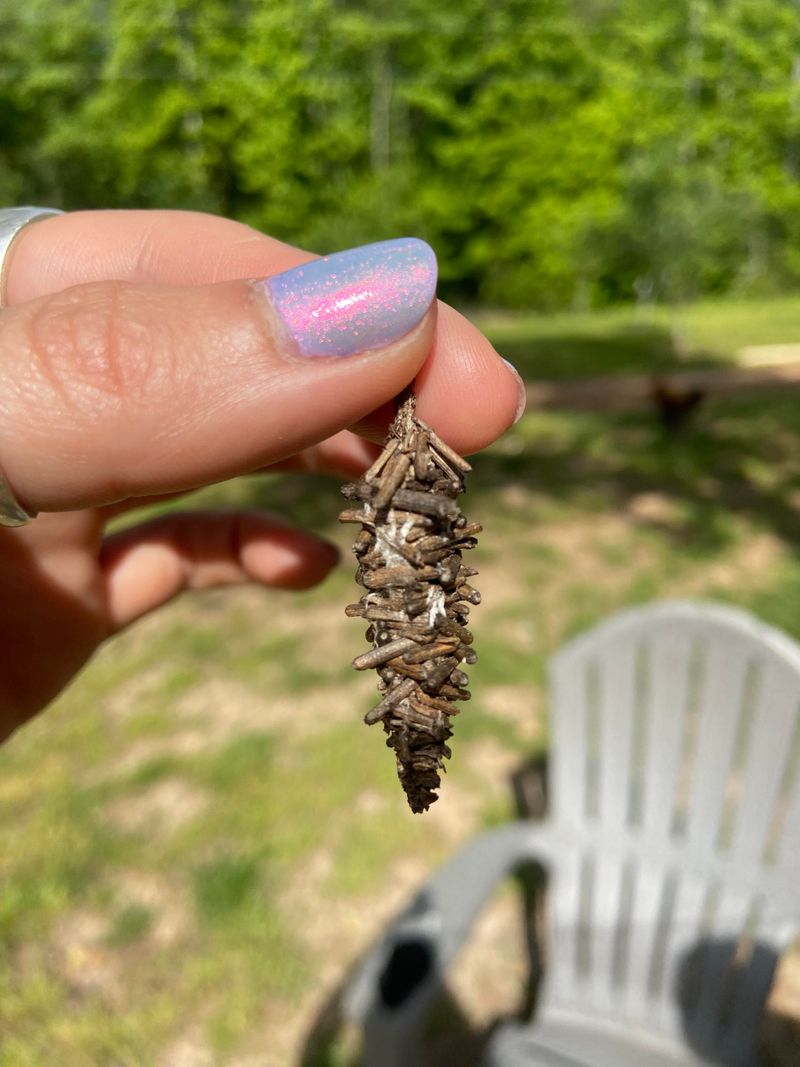
Staying ahead of bagworms is mostly about checking at the right times. A quick look twice a year can save a favorite tree.
Plan one inspection in fall or winter to remove bags. Bare deciduous trees nearby make hidden cases easier to spot then.
Schedule a second check in early to mid June. Look for tiny moving specks of needle debris on branch tips.
If you find young larvae, a product containing Bacillus thuringiensis, often called Bt, works well. It has low toxicity to bees, birds, and pets, though it can affect other caterpillars that eat treated needles.
Bt only works when larvae eat treated needles, so spray thoroughly. Reapply after heavy rain, following the label directions closely.
Spinosad is another labeled option, but it is toxic to bees while wet, so avoid spraying near blooming plants. Both work best on small caterpillars, so June timing matters.
Planting choices help too. Mixing tree types lowers the chance that one pest takes over, so avoid long rows of only junipers.
Encourage natural helpers by limiting broad sprays. Birds and parasitic wasps feed on some bagworms when given a chance.
Talk with neighbors about their trees as well. Ballooning larvae drift over fences, so a block-wide cleanup works better than solo efforts.
Female bagworm moths are flightless. That means the spread depends mostly on wind and nursery plants.