The Sticky Black Film On Missouri Crape Myrtles Is Not Mold From The Weather
You reach past a branch by the driveway and your fingertips come away tacky, like pancake syrup. The chairs parked underneath feel glazed too, and the concrete below has gone slick and oddly shiny.
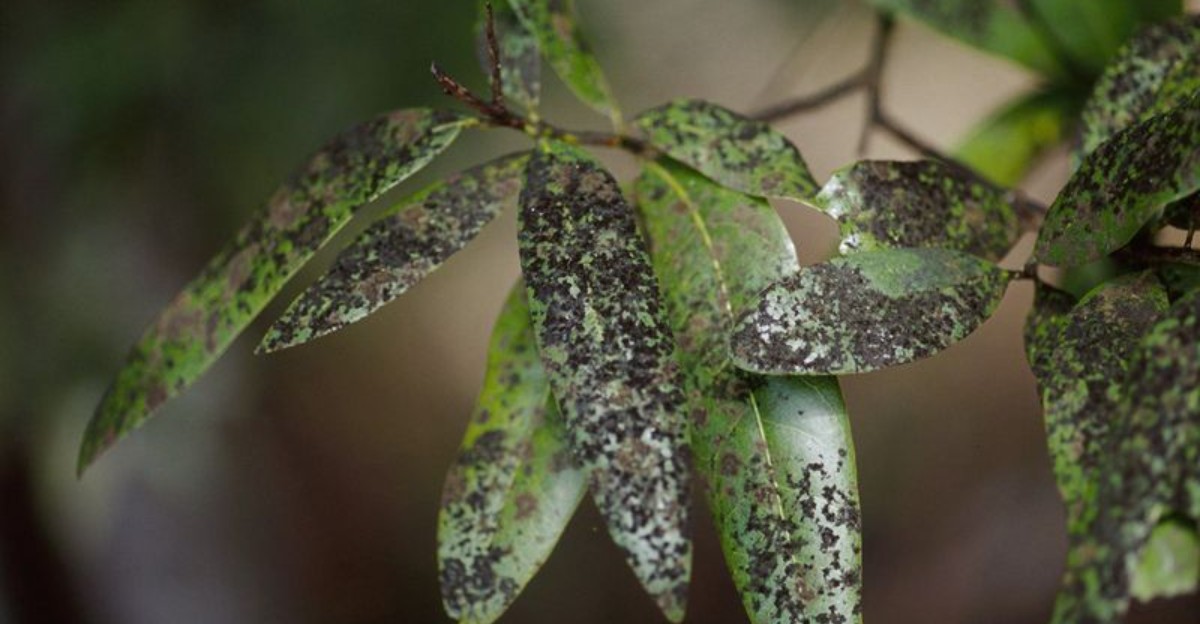
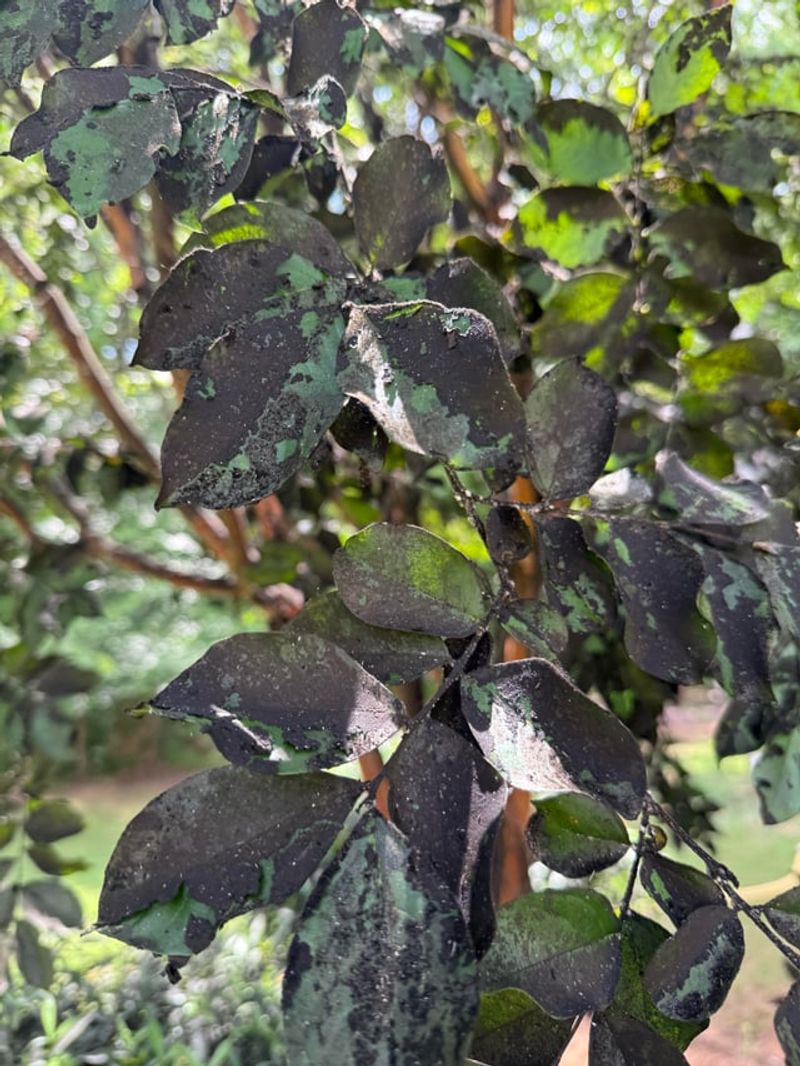
By September the leaves look smudged with charcoal, and the smooth trunk wears a dark, greasy jacket. Thunderstorms roll across Missouri all week long, yet that stubborn stain refuses to rinse away.
Neighbors blame the humidity, that soupy August air that makes everything in the yard feel damp and mossy. The weather is innocent this time, because the real troublemaker has been hiding in plain sight.
Something very small has been sipping sap upstairs and letting gravity deliver the sticky evidence below. Most freeloaders at least offer to wipe down the table before they head home.
The Sap Feeders Behind That Sooty Mold
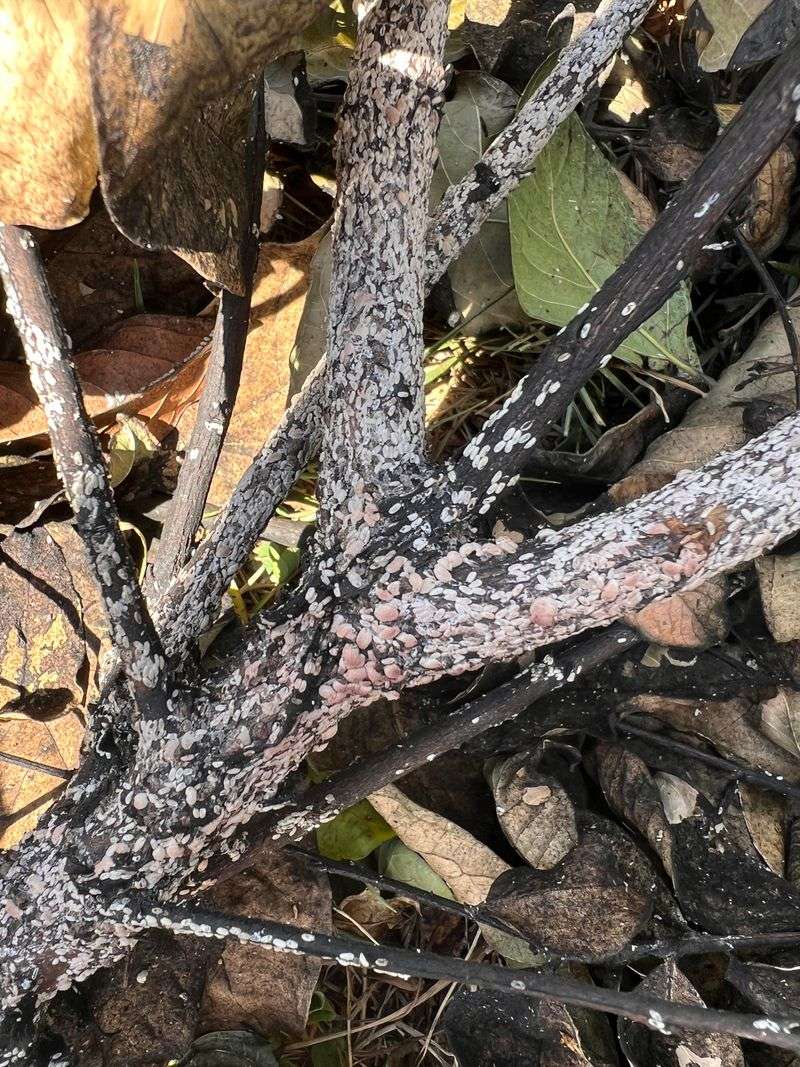
Scrape that black film with a fingernail and it flakes off, leaving healthy green leaf underneath. That crumbly layer is sooty mold, a fungus that grows on sugar rather than plant tissue.
The sugar arrives as honeydew, a fancy name for the waste that sap sucking insects drip constantly. Crape myrtle bark scale and aphids are the usual Missouri suspects working overhead all summer.
Scale insects look like tiny white or gray felt bumps glued along twigs, branches, and trunks. Squash one and it bleeds pink, which is the quickest backyard test gardeners can run.
Aphids gather on leaf undersides instead, soft and pear shaped, usually pale green or yellowish in color. Both pests drink far more sap than their small bodies can possibly use.
Whatever they cannot digest rains down as a sticky mist that coats leaves, bark, mulch, and furniture. Fungal spores float in on the breeze, land in that syrup, and settle in comfortably.
Missouri weather does play a supporting role, since warm nights and heavy dew help the fungus spread. Still, humidity alone produces nothing without insects providing the sugary buffet up in the canopy.
Sooty mold does not feed on foliage, so it will not rot branches or invade wood. It does block sunlight, though, which trims the energy your plant makes during peak growing weeks.
Control the feeders and the black film loses its food supply within a season. Wind and rain then peel the old crust away in patches.
Late Summer Timing In Missouri Yards
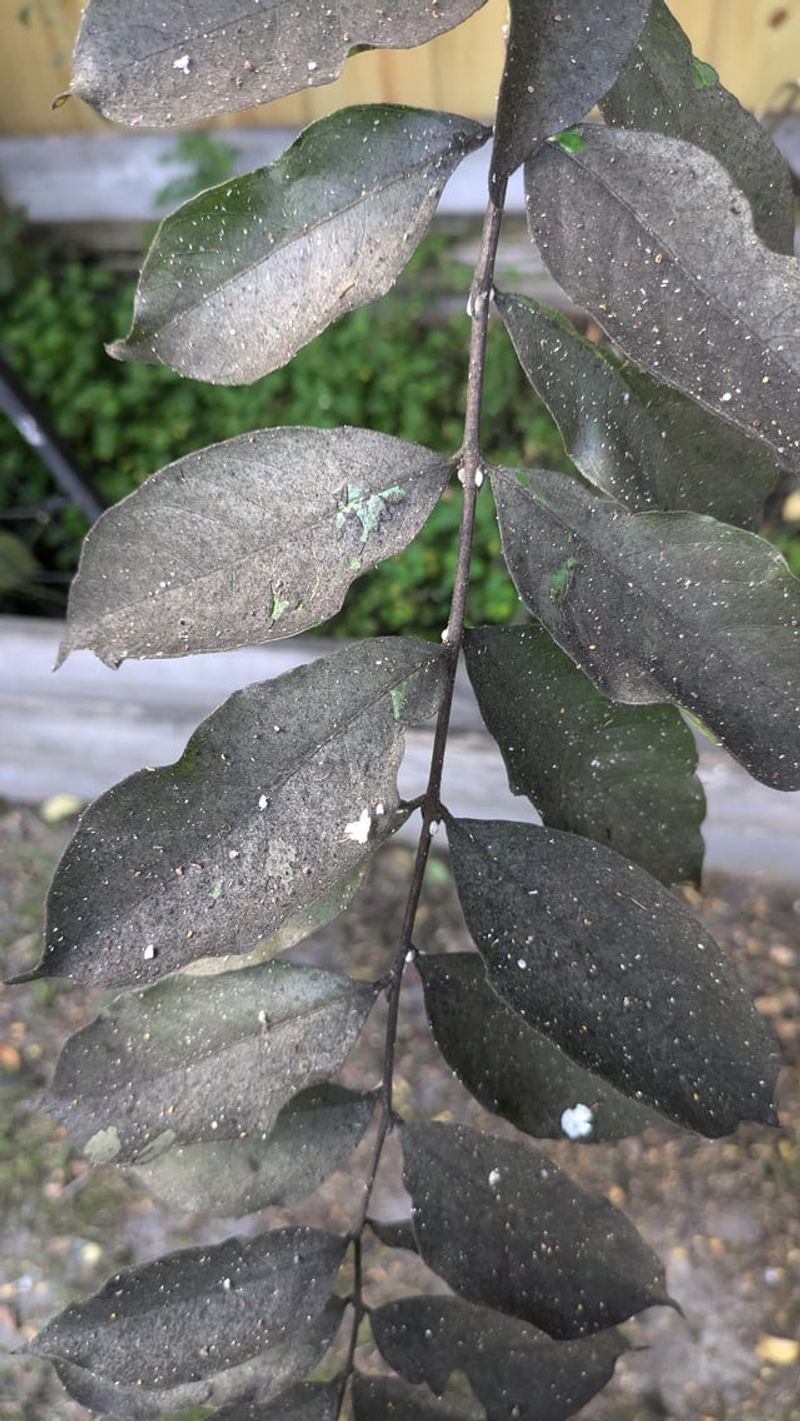
Early summer usually looks fine, which is exactly what makes the change feel so sudden. By mid July, honeydew builds, and by September homeowners notice bark that looks dipped in ink.
Scale insects pass through two or three generations in Missouri, each one adding more feeders. Crawlers, the mobile babies, hatch in waves from late April through August depending on heat.
Those crawler windows matter because soft young insects absorb sprays far better than armored adults do. Miss the window and you are treating a waxy shell that shrugs off most products.
Soil drenches work best from May through early July, when roots pull the product upward quickly. A September drench moves slowly, since growth is winding down and sap flow has slowed.
Your Missouri Garden Changes Every Week. Your Plan Should Too.
Gardening in Missouri changes quickly throughout the season. Every Friday you’ll receive a simple weekly plan showing exactly what to plant, prune, fertilize, harvest, and protect so you never miss the right timing.
Bark sprays remain useful later in the season, because they skip the wait for root uptake. Many Missouri gardeners spray in September, then follow with a stronger plan the next spring.
Autumn leaf drop strips away much of the stained foliage, which tricks people into feeling cured. The insects stay tucked under bark all winter, waiting quietly for the first warm stretch.
Mark your calendar now while the evidence is fresh and the trunk still looks grimy. Next May you will be glad you wrote it down instead of trusting memory.
Timing beats brute force here, and patient gardeners get cleaner bark with less product overall. A well timed pint does more good than a careless gallon in August heat.
The Pressure Washer Mistake On Smooth Bark
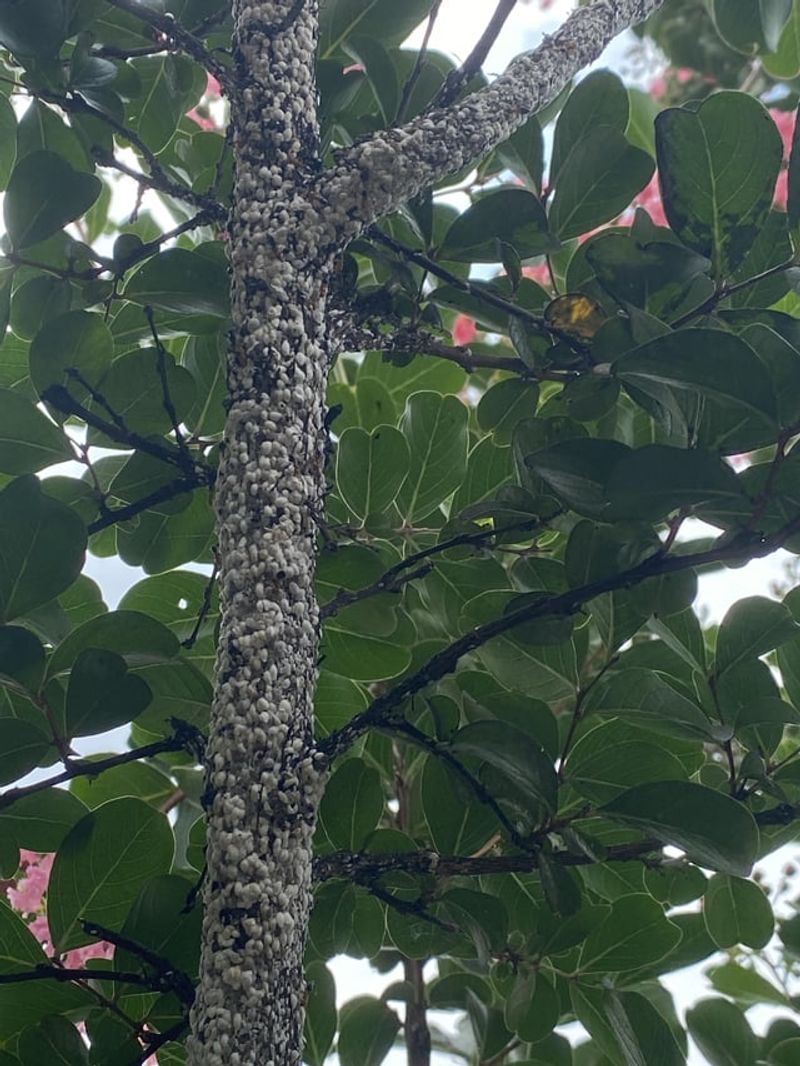
Nothing feels more satisfying than aiming a pressure washer at a grimy trunk on Saturday morning. Fifteen minutes later the bark looks clean, and about three weeks later the black film returns.
Crape myrtle bark is thin and peels naturally, so high pressure water tears strips right off. Wounded bark gives insects better hiding places and invites borers looking for an easy entrance.
Fungicides are another common miss, since sooty mold is not attacking the plant at all. Spraying fungicide without addressing the honeydew supply is like mopping the floor while the faucet runs.
Bleach solutions get recommended on the internet, yet they scorch foliage and drain into your soil. Nearby hostas, turf, and foundation shrubs rarely appreciate the runoff from that particular experiment.
Heavy pruning gets blamed too, and topping the plant only creates knuckles and weak, crowded shoots. Those tender shoots become a soft, juicy target that sap feeders find especially attractive.
A softer approach actually works better than muscle, and costs almost nothing to try today. Mix mild dish soap with water, sponge the trunk gently, then rinse with a hose.
Soap loosens the mold crust and washes off honeydew, leaving bark noticeably lighter after drying. Expect a second pass, because thick buildup rarely lifts during the very first gentle cleaning.
Cleaning improves looks immediately, but it changes nothing overhead if the insects keep feeding. Treat the source first, then scrub, and your weekend effort will actually stick around.
Treating Bark From Roots To Surface
Ask ten Missouri gardeners for a fix and you will hear ten different bottles confidently recommended. Research from southern universities keeps pointing toward systemic products applied as a soil drench.
Dinotefuran and imidacloprid travel up through the roots into sap, reaching insects tucked beneath bark. Mix according to trunk size, pour around the base, then water the ring in well.
One thorough drench in late spring often carries a plant through the whole season without repeats. Skip applications while flowers are open, since bees visit those blooms in big numbers.
Bark sprays of dinotefuran give faster results, soaking through the trunk surface in a few days. Coat the trunk and larger limbs until wet, keeping the spray away from open flowers.
Aphid trouble responds well to insecticidal soap or horticultural oil sprayed onto leaf undersides directly. Coverage matters more than strength, because soap only works where it actually touches the insects.
Winter offers a bonus round, since dormant oil smothers overwintering scale hiding in bark cracks. Apply on a calm day above forty degrees, and drench every rough seam and crevice.
Meanwhile, natural helpers are already on duty, including lady beetles with two small orange spots. Broad spectrum sprays eliminate that free labor, so lean on selective options whenever possible.
Follow the label rates exactly, because doubling the dose wastes money and harms soil life. Patience pays off here, and one correct treatment beats four hopeful ones done wrong.
The Payoff After Treatment
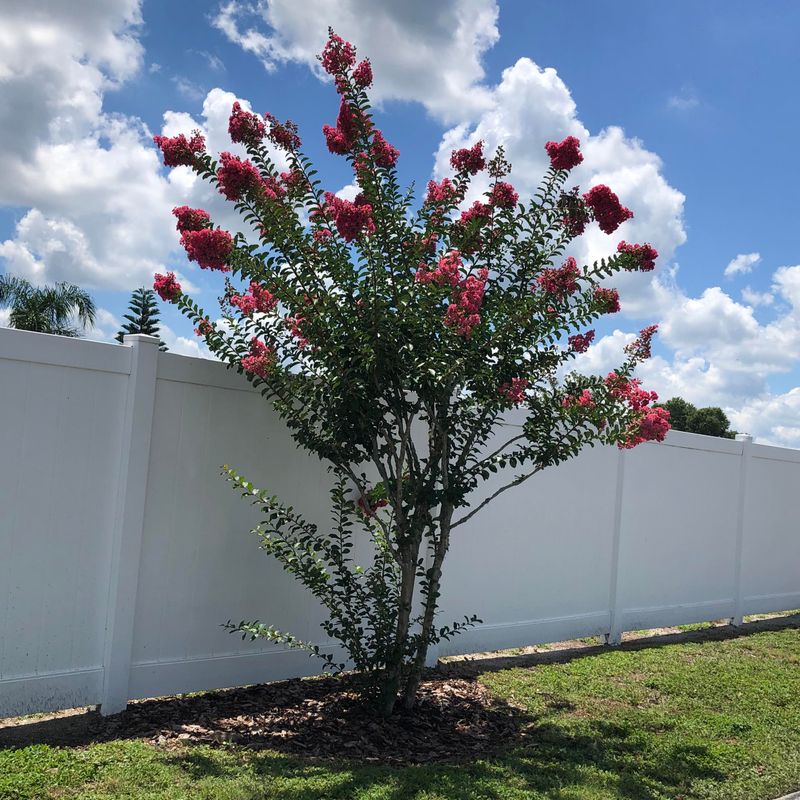
Recovery looks slow at first, which frustrates gardeners hoping for overnight results right after treatment. The mold stays black even after insects are gone, because the crust needs weather to lift.
Give it two to six months, and winter rain plus freezing cycles will crack that layer. Patches peel away like old wallpaper, revealing the cinnamon and cream bark hiding underneath.
Faster relief comes from a soapy sponge bath, especially on trunks beside patios and busy walkways. Scrub gently, rinse from the top down, and let sunshine finish the drying work.
Next summer usually brings the real reward, with heavier flower clusters and richer leaf color. Plants that were losing energy to constant sap loss finally have fuel to spend on flowers.
Anything parked underneath benefits too, since cars, grills, and deck rails stop feeling weirdly glazed. Ant traffic drops noticeably, because ants were farming that honeydew like tiny dairy herders.
Wasps and flies lose interest as well, which makes August picnics far more pleasant. Neighbors may ask what changed, and you get to sound remarkably knowledgeable about garden insects.
Established plants usually bounce back fully, even after several seasons of heavy scale infestation. Growth may look thin the first year, then thicken as reserves rebuild in the roots.
Keep expectations reasonable and check progress monthly rather than daily with a magnifying glass. Bark does not sparkle overnight, but it does forgive, given a little patience and time.
Long Term Prevention With Dormant Oil
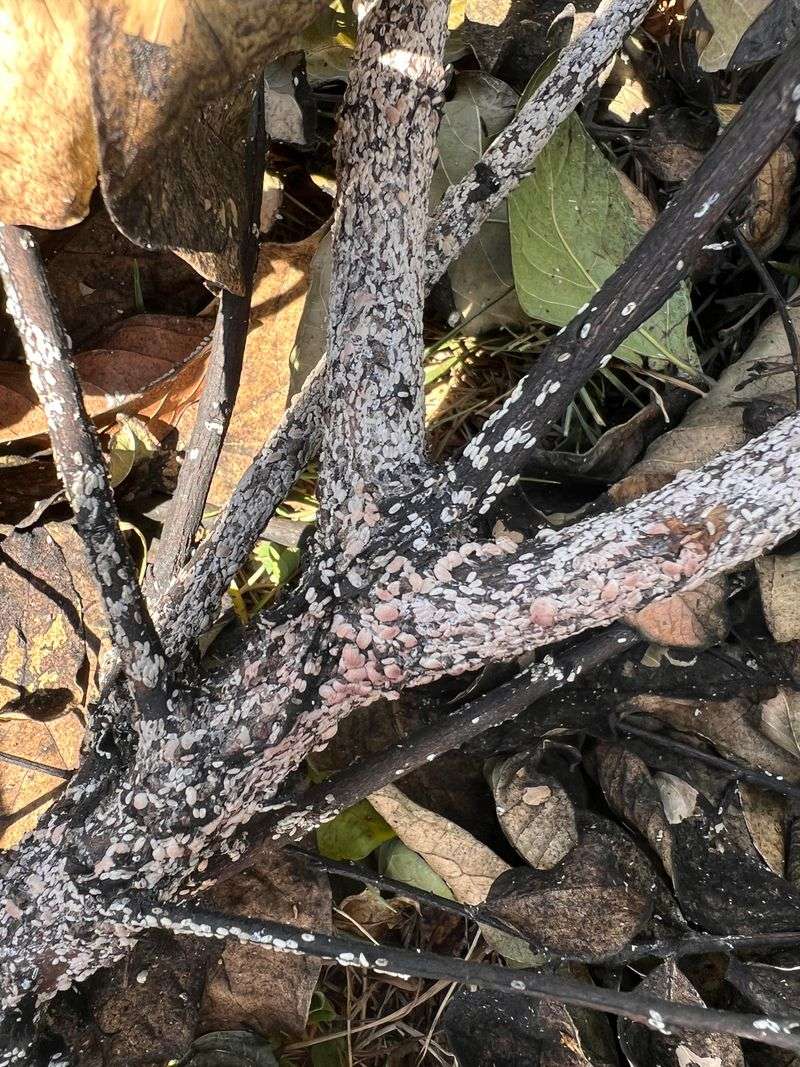
Prevention begins at the garden center, long before a shovel touches Missouri clay soil. Run your hand along the trunk of any plant you buy and check for felt bumps.
Scale hitchhikes on nursery stock, which is precisely how it spread from Texas since 2004. One infested purchase can seed an entire street with insects over just a few seasons.
February and March offer a quiet window for dormant oil, before buds swell and leaves appear. Spray every crack, seam, and branch union until the bark looks wet and glossy.
Nitrogen rich lawn fertilizer near the root zone pushes soft, sappy growth that aphids adore. Feed lightly in early spring, then let the plant grow at its own steady pace.
Air movement helps too, so avoid crowding plants against fences, garages, or thick foundation shrubs. Prune for an open frame, removing crossing twigs rather than lopping off whole tops.
Inspect trunks each April while the bark is bare and any white bumps stand out clearly. Catching a light population early means a single treatment instead of a multi year effort.
Rinse pruning tools between plants, especially after working on a trunk you suspect is infested. Crawlers are sticky and tiny, and they travel happily on gloves, sleeves, and blades.
Healthy roots, sensible spacing, and yearly checkups keep this problem from becoming a crisis. Your reward is peeling bark in autumn sun, and nothing sticky on the porch railing.