Why Fertilizing North Carolina Bermudagrass In October Can Lead To Serious Winter Damage
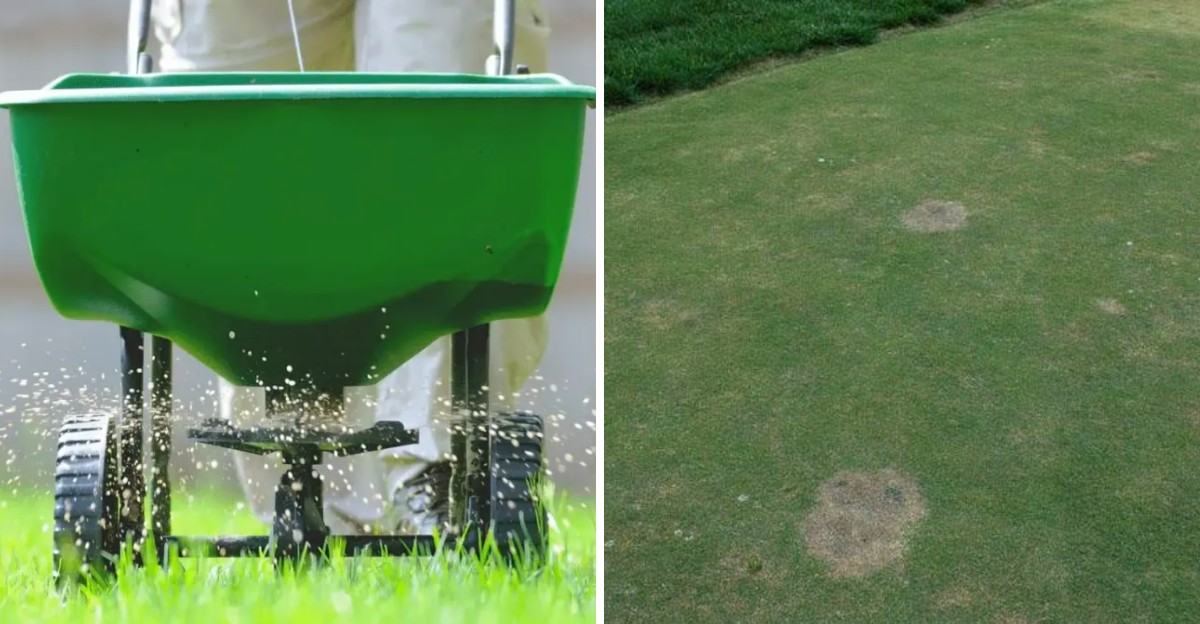
October in North Carolina has a way of making everything feel right. The air finally has some bite to it, the maples are putting on their best show, and the lawn is still looking surprisingly green and full of itself.
Naturally, that bag of fertilizer in the garage starts calling your name. One last treat before winter, right?
Totally reasonable thought. Thousands of homeowners have that exact same idea every fall, spread a generous helping across the yard, and head inside feeling like genuinely responsible lawn owners.
Here is the part nobody warns you about though: that well-meaning October feeding can quietly set your bermudagrass up for a rough, patchy, frustrating winter. The reasons involve the soil, the roots, and the calendar working against you all at once.
The good news is that the fix is simple once you know what is actually going on.
1. North Carolina Bermudagrass Is Getting Ready To Sleep In October
Bears stuff themselves before a long winter nap. Your lawn does something similar each fall, just without the snacks you might expect.
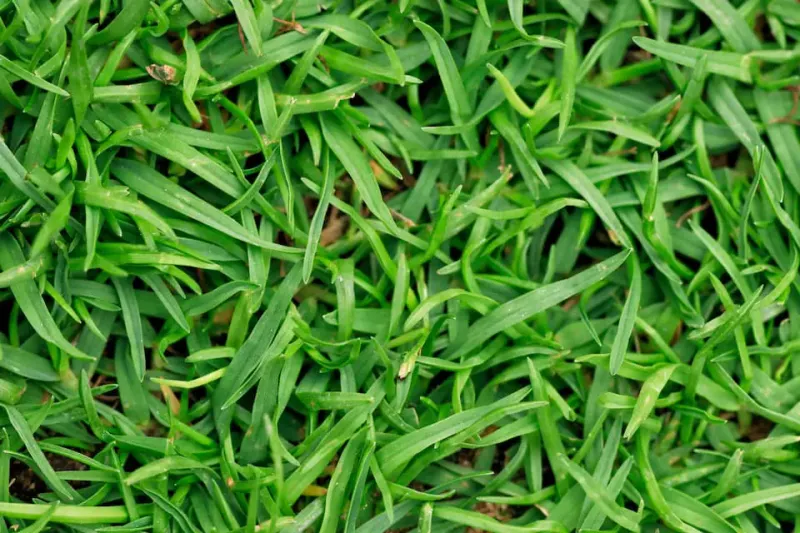
Bermudagrass is a warm-season grass, which means it loves hot summer days. As October nights dip into the 50s, the grass senses the change and starts slowing down.
Instead of pushing out new leaves, it begins storing sugars and starches in its roots, stolons, and rhizomes. Those stored foods act like a pantry that feeds the plant through the chilly months.
When you spread nitrogen fertilizer now, you send a mixed signal. The grass thinks summer is back and tries to grow new, tender blades again.
That growth burns through the stored energy it was saving for winter. The result is a plant heading into cold weather with an empty pantry and weak tissue.
A good way to think about it is simple. Fall is resting time for bermudagrass, not growing time, even if the lawn still looks green in early October.
So what should you do instead? Let the grass slow down naturally, keep mowing at your normal height, and hold off on nitrogen until spring green-up.
Watching temperatures helps too. NC State Extension generally points to air temperatures consistently below 50 to 55 degrees as a sign that bermudagrass is shifting gears into dormancy.
Once that pattern settles in, your lawn deserves a peaceful transition rather than another push to grow.
2. Tender Late Growth Freezes Fast In Winter
Bite into a lettuce leaf that spent time in the freezer and you already know what happens. It turns soft, mushy, and brown, and your grass can suffer in a very similar way.
Fertilizer in October pushes out soft, juicy new shoots. Those shoots are full of water and have thin cell walls that have not toughened up yet.
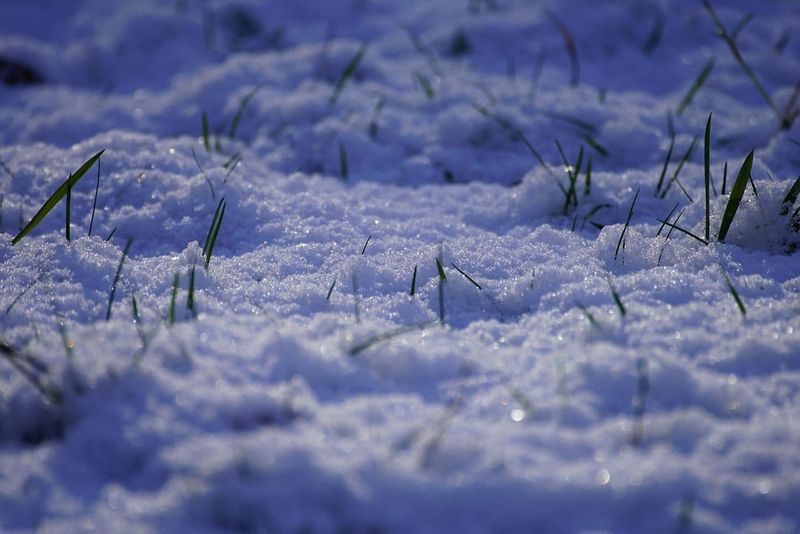
When the first hard freeze rolls through North Carolina, usually in late October or November, ice crystals form inside those fragile cells. The crystals poke holes in the tissue, much like tiny needles.
Older, hardened blades handle the cold much better. They have built up natural antifreeze from sugars and have less water inside them.
Your North Carolina Garden Changes Every Week. Your Plan Should Too.
Gardening in North Carolina changes quickly throughout the season. Every Friday you’ll receive a simple weekly plan showing exactly what to plant, prune, fertilize, harvest, and protect so you never miss the right timing.
Freshly fed grass skips that toughening step. It walks into winter wearing a T-shirt while the rest of the yard has a heavy coat.
You might not notice the harm right away. Often the trouble shows up in March or April as brown patches that stay stubborn while the rest of the lawn greens up.
A practical approach is to count back about six weeks from your area’s average first frost date and use that as your target for the last nitrogen feeding of the season. For most of the Piedmont, that works out to around mid-August.
Mountain homeowners should aim even earlier, since frost can arrive in early October in higher elevations. Giving your grass those extra weeks to harden off before cold weather arrives makes a real difference in how well it comes through winter.
3. Stored Root Energy Drains Away In North Carolina Lawns
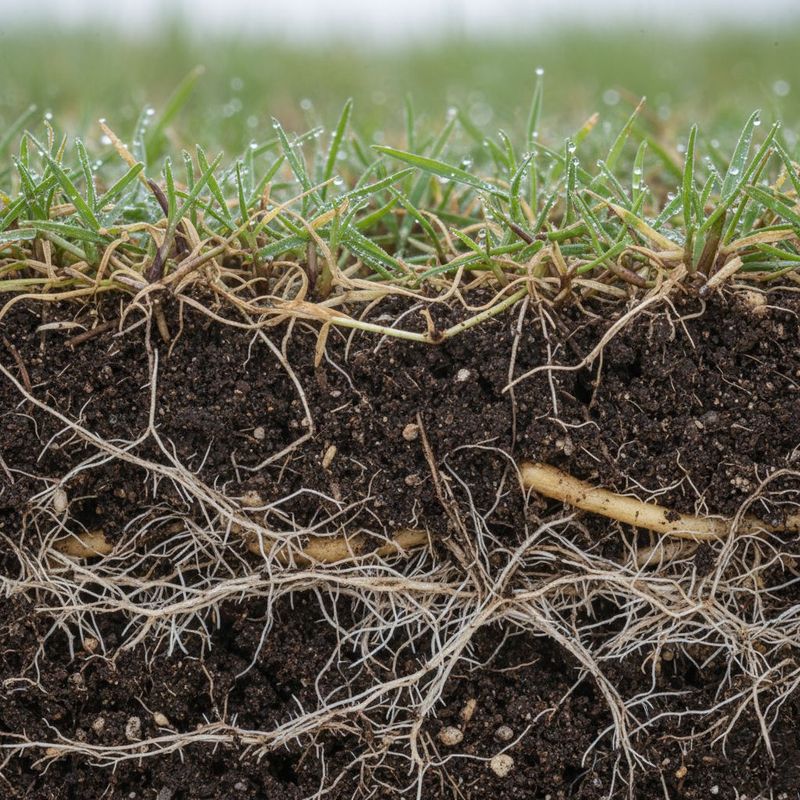
Roots are the unsung heroes of any healthy lawn. They sit quietly underground, doing the heavy lifting while the blades get all the attention.
During fall, bermudagrass moves carbohydrates down into its roots and rhizomes. Those white, underground runners are like savings accounts full of energy.
In spring, the grass draws on that savings account to wake up and send out fresh green blades. A well-stocked account means a quick, even green-up.
October fertilizer flips the flow of energy upward. The plant spends its savings on leaves that will soon be lost to frost anyway.
Imagine using your holiday budget on a summer vacation in November. Come December, you would be scrambling and stressed, and your lawn feels much the same way.
Lawns in the red clay of central North Carolina already struggle with tight soil and shallow roots. Draining their reserves makes the problem even worse.
Want to help those roots instead? Core aerate in early summer, water deeply but less often, and keep your mower blade sharp through the season.
Potassium can also support root strength, but only if a soil test says you need it. Your local Cooperative Extension office offers affordable soil test kits that give clear, simple advice.
4. Spring Damage Spot Loves Fall-Fed North Carolina Bermudagrass
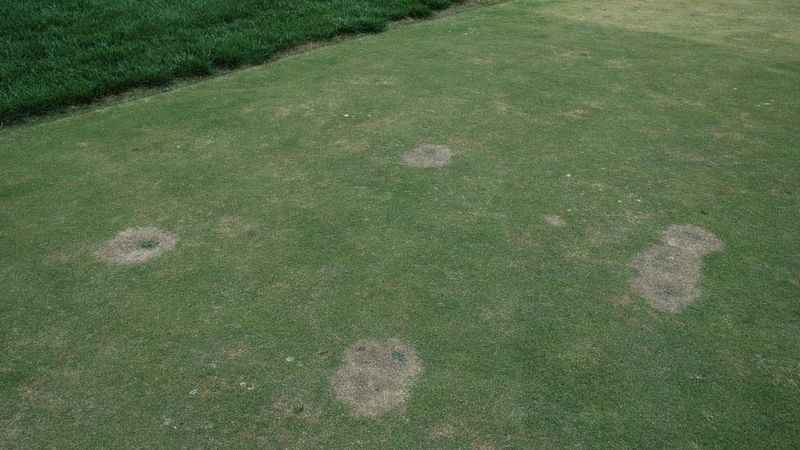
Circles of straw-colored grass that refuse to green up can drive a homeowner crazy. Many people across North Carolina meet this puzzle every April.
The culprit is often a fungal disease called spring dead spot, named for the stubborn brown circles it leaves behind when the lawn tries to wake up. Its name sounds dramatic, but the problem is common in bermudagrass lawns throughout the Southeast.
Fun fact: the fungus attacks the roots in fall, not in spring. Gardeners simply notice the harm months later when the rest of the lawn wakes up.
Research from turf scientists shows that late-season nitrogen makes the disease worse. Soft, overfed grass gives the fungus an easier target during cool, moist autumn weather.
Once those rings appear, they can take a full summer to fill back in. Some lawns show the same patches year after year, growing a little larger each time.
The best defense is a little patience with your fertilizer spreader. Skip nitrogen after late summer, and avoid heavy thatch that holds moisture near the crown.
If your lawn has shown that familiar pattern of slow-to-green patches in spring before, talking with a lawn care professional about a preventive fall fungicide plan is absolutely worth the conversation. Timing matters quite a bit, and applications are usually made in September or early October for the best results.
Healthy, well-drained soil also helps. Fixing low spots where water puddles can keep those unwelcome circles from showing up next season.
5. Winter Weeds Throw A Party On North Carolina Turf
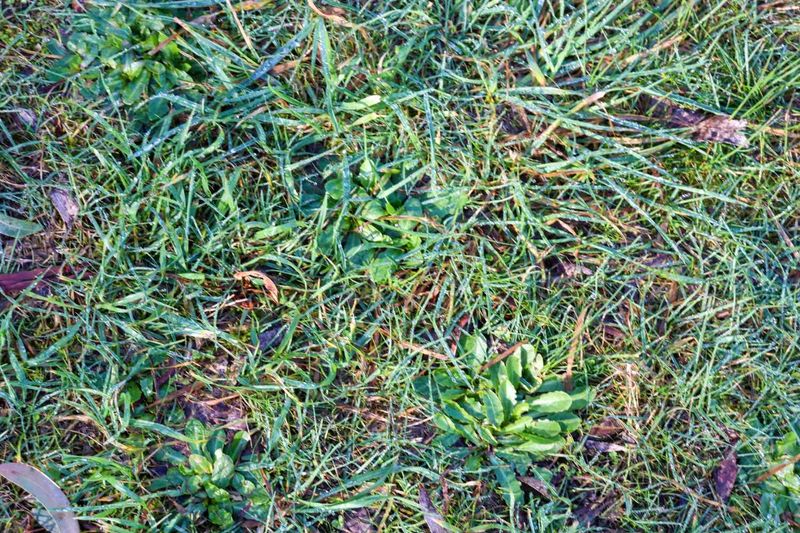
Guess who else loves an October snack? Winter weeds like chickweed, henbit, and annual bluegrass are just sprouting when you spread that fall fertilizer.
While your bermudagrass is winding down, these cool-season weeds are just getting started. They soak up the nitrogen you meant for your lawn.
By February, many yards look tan with bright green clumps scattered everywhere. Those clumps are weeds enjoying the meal you served them in fall.
The weeds also shade the dormant grass and compete for water. In spring, they can slow your bermudagrass from spreading back into thin spots.
It is a bit like throwing a party and having only uninvited guests show up. They eat the food, make a mess, and leave you with the cleanup.
A smarter approach is a pre-emergent herbicide in early fall, often around mid-September across much of the state. It stops many winter weed seeds before they can sprout.
For weeds that slip through, spot-treat on a mild winter day while your grass is dormant. Always read the label and pick a product safe for bermudagrass.
Keeping nitrogen out of the fall picture takes away the weeds’ favorite buffet. Your lawn will thank you with a cleaner start in spring.
6. Wasted Fertilizer Washes Into Waterways

Money down the drain is never fun. With October fertilizer, that saying can be surprisingly literal.
Slow-growing grass cannot absorb much nitrogen in the fall. Whatever it does not use sits in the soil, waiting for the next heavy rain.
Autumn storms and leftover tropical systems often drench North Carolina in fall. That water carries loose nitrogen into storm drains, creeks, and eventually rivers and sounds.
Extra nutrients feed algae blooms in places like the Neuse and Cape Fear rivers. Those blooms lower oxygen in the water and cause trouble for fish and other wildlife.
Some areas of the state even have nutrient rules to protect sensitive waters. Being a good neighbor to your local streams is a nice bonus of smarter timing.
Your wallet benefits too. A single bag of lawn fertilizer can cost thirty dollars or more, and fall use sends much of it straight out of your yard.
Here are a few easy habits. Sweep granules off sidewalks and driveways back onto the grass, and never spread right before a big storm is forecast.
Save your fertilizer budget for late spring and summer, when bermudagrass is hungry and actively growing. Every pound goes to work instead of floating away.
7. North Carolina Mountain And Piedmont Frost Dates Change Everything

A lawn in Asheville and a lawn in Wilmington live very different lives. The state stretches over 500 miles, and the weather changes a lot along the way.
In the mountains, the first frost can arrive in early October. The Piedmont usually sees it in late October, while the coast might wait until mid-November.
Those differences matter for fertilizer timing. What seems like early fall at the beach is practically winter in Boone.
Bermudagrass in cooler regions has an even shorter window to harden off. Feeding it in October there is especially risky and often leads to thin, patchy turf by spring.
A helpful habit is to look up your local average first frost date. NC State Extension and the National Weather Service both share this information for free online.
Count backward about six to eight weeks from that date. That gives you a good target for your final nitrogen feeding of the year.
Coastal homeowners may push a light feeding into late August. Piedmont folks should aim for mid-August, and mountain lawns do best with an earlier finish.
Knowing your zone takes the guesswork out of lawn care. It is one small step that pays off every single spring when your yard greens up on schedule.
8. Smarter Fall Care For North Carolina Bermudagrass
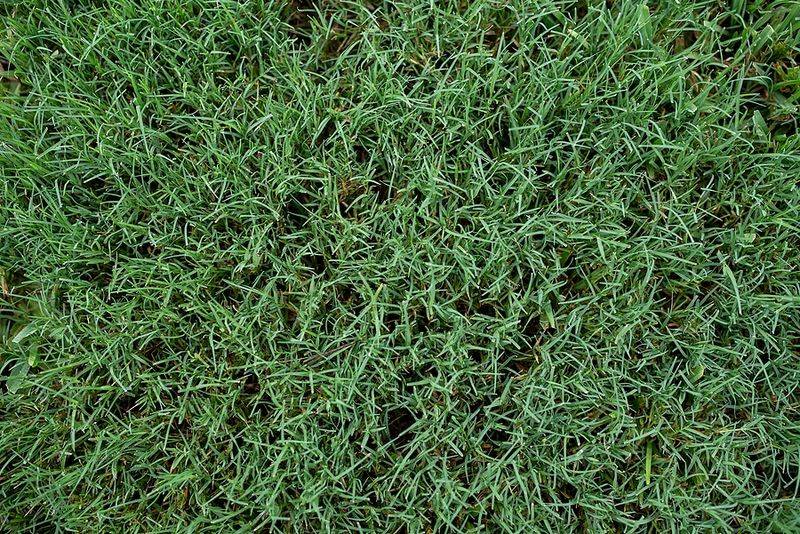
Skipping October fertilizer does not mean ignoring your lawn. There is still plenty you can do to set it up for a strong comeback.
Start with a soil test in early fall. It shows whether your yard needs lime or potassium, and both can be applied safely without triggering tender growth.
Keep mowing at your usual height until growth stops. Lowering the blade too much right before dormancy can expose the crowns to cold winds.
Rake or mulch fallen leaves every week or two. A thick leaf blanket blocks sunlight and traps moisture, which invites disease.
Watering needs drop as temperatures fall. Give the lawn a drink only during long dry spells, since soggy soil in winter can harm roots.
Try to limit heavy foot traffic on frosty mornings. Walking on frozen blades can crush them and leave footprint-shaped brown marks.
Then mark your calendar for spring. Once the lawn is about half green, usually in late April or May across much of the state, it is ready for its first real feeding.
Think of fall as the season for patience and planning. A little restraint now brings a thick, bright green lawn that makes the whole neighborhood a bit jealous next summer.