Shiny Brown Nuts Dropping On Indiana Lawns Aren’t Safe To Eat
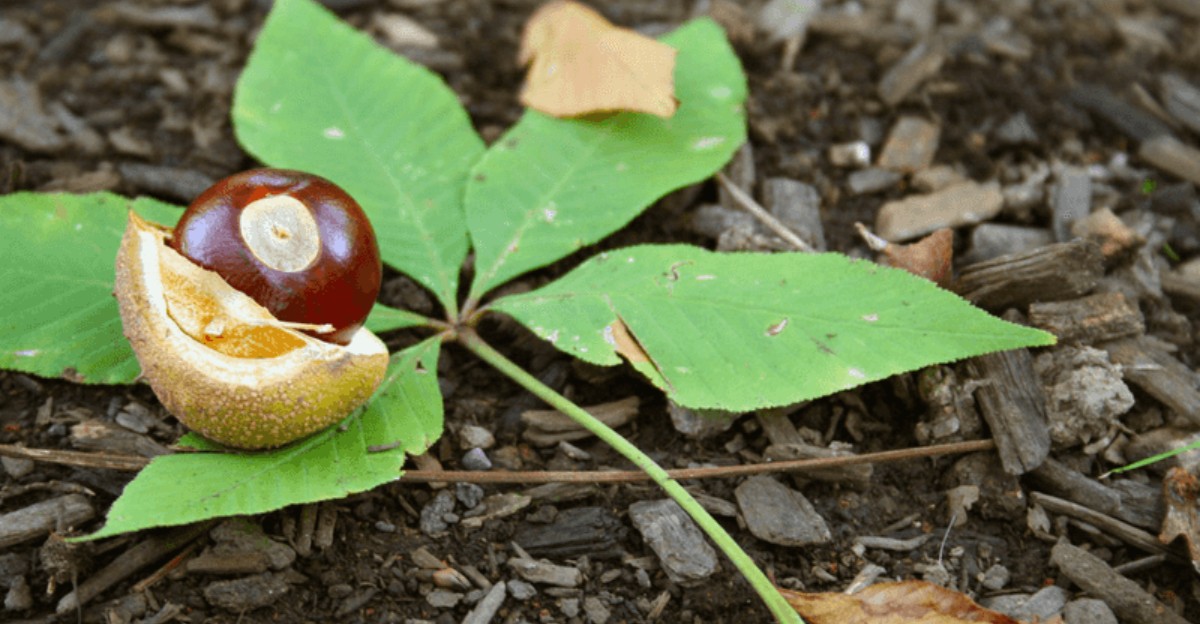
September in Indiana has its own sound, and it is a soft thunk on the grass. You step outside on a crisp morning and something heavy bounces off the lawn like a tiny wooden bowling ball.
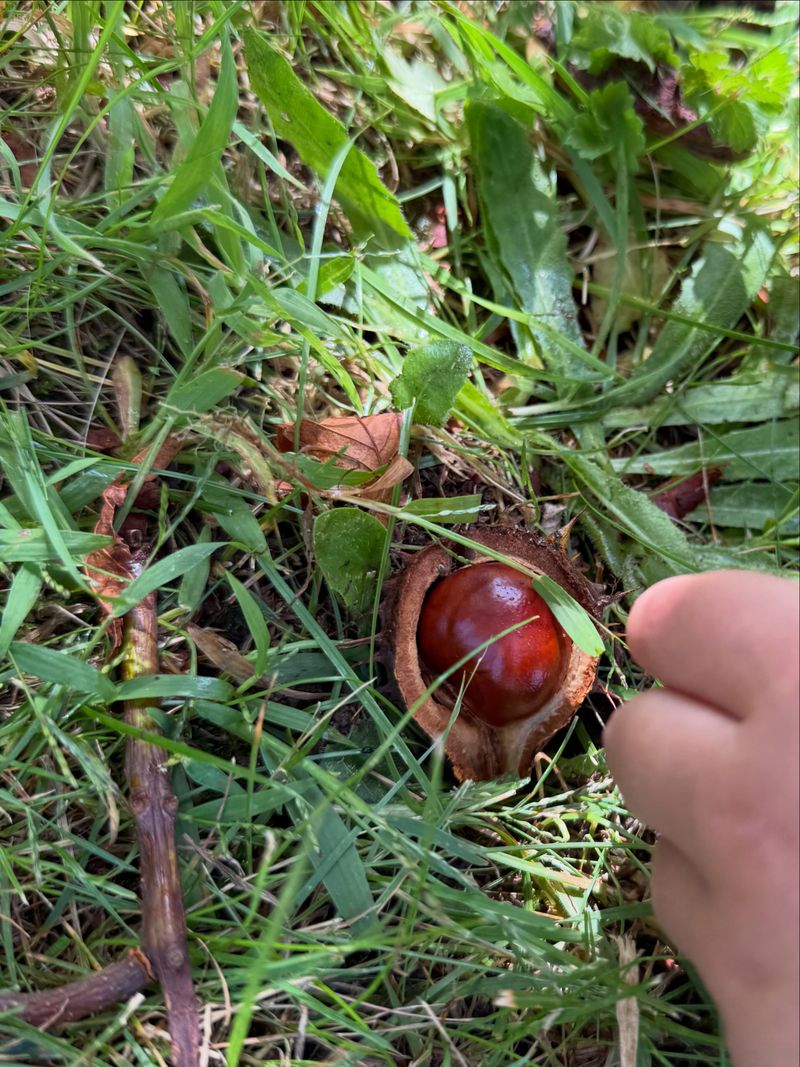
The nut inside looks polished, glossy, and almost too pretty to be real. It shines like a new leather saddle or a freshly waxed car in the sun.
Kids grab them by the handful, and squirrels seem to guard them like buried treasure. Some folks even carry one in a pocket for good luck all season.
The truth still surprises plenty of Indiana families each fall. That handsome nut is not a snack, no matter how tempting or harmless it looks.
Your dog might disagree, and your toddler might agree with the dog. Somewhere up in a tree, a smug squirrel is laughing at all of you.
A Pretty Nut With A Toxic Secret
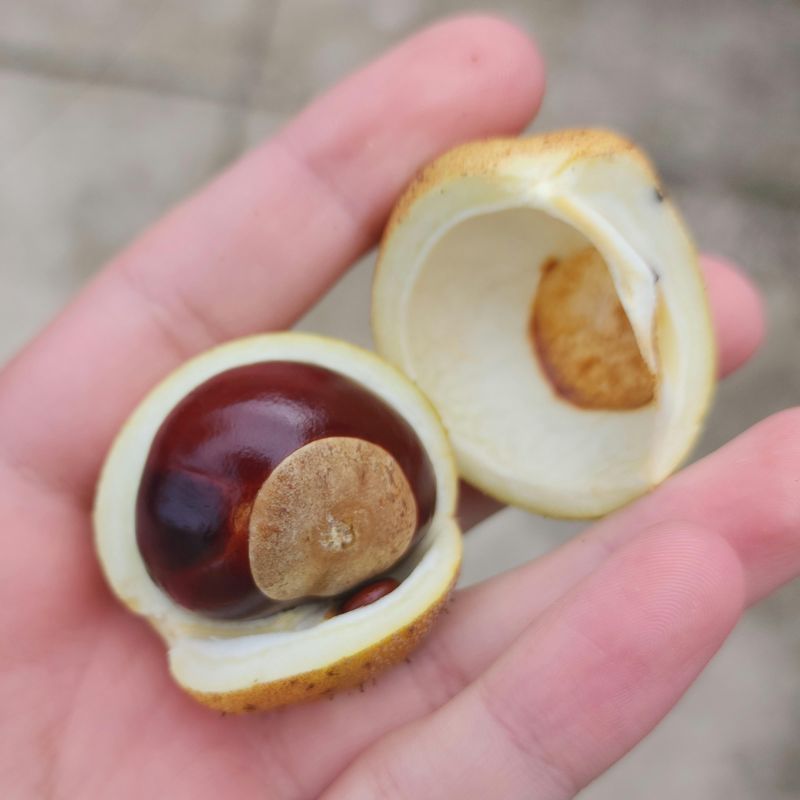
Buckeyes may look like chestnuts, but they belong to a different family of trees. The Ohio buckeye is native to Indiana woodlands and is also planted in many parks and yards.
Most parts of the tree contain a natural compound called aesculin, along with bitter compounds called saponins. The nuts are considered the most toxic part, which makes them unsafe for people and pets.
Eating even a few can upset your stomach in a hurry. Symptoms include vomiting, cramps, diarrhea, and in bigger amounts, wobbly muscles or twitching.
The bitter taste often stops people after a single bite, which helps a lot. Small children and curious dogs sometimes chew more before noticing the flavor.
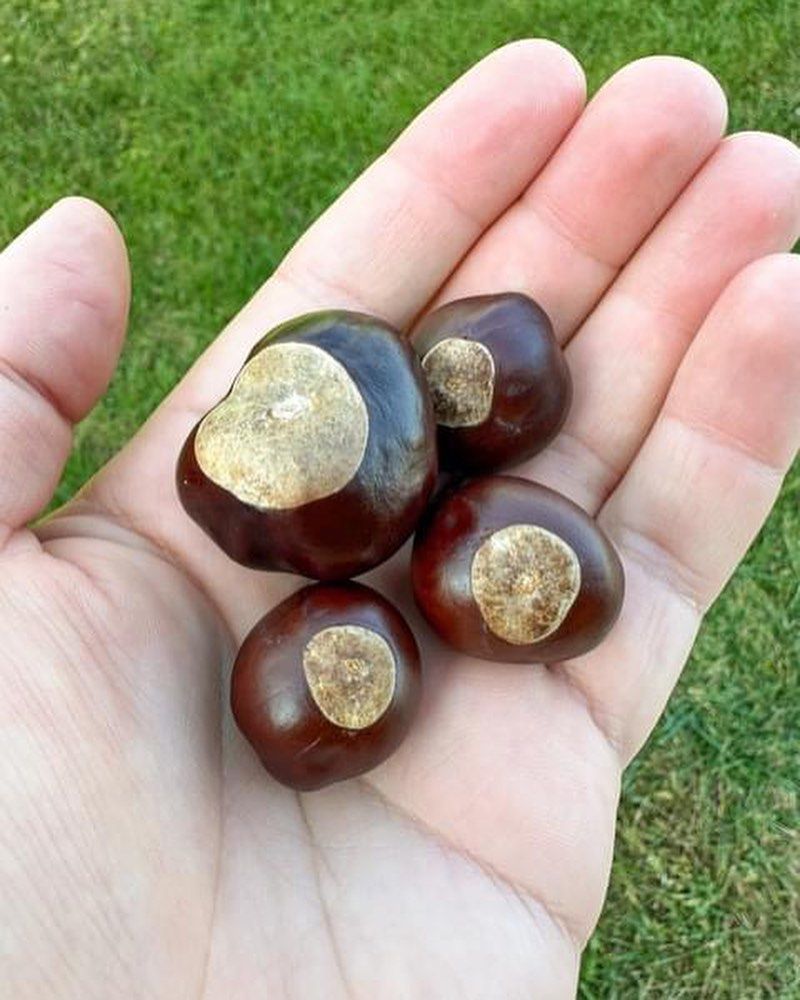
Fun fact, the name comes from the pale spot on each nut. Early settlers thought it resembled the eye of a male deer, called a buck.
Some Native American groups did find a way to use the nuts long ago. They roasted, peeled, and soaked them for days to leach out toxins, a slow and tricky process.
Modern cooks should skip that experiment. Home methods cannot reliably remove the harmful compounds, so the safe answer is simple.
Treat buckeyes as decorations, not food. Admire the shine, snap a photo, and keep them away from your mouth and your pets.
If someone does swallow one, stay calm and call Poison Control at 1-800-222-1222. The experts there can guide you based on age, weight, and amount eaten.
Early Autumn Nut Drop Season
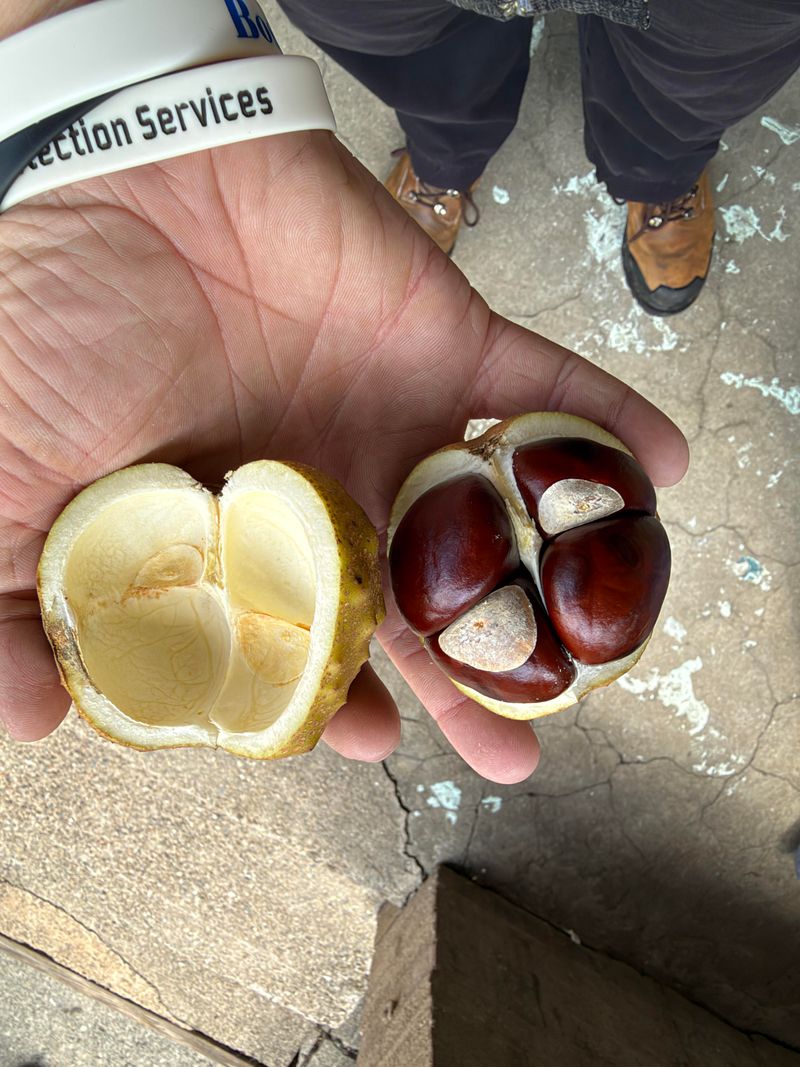
Right about now, your yard is probably collecting a surprise crop. Buckeye husks ripen from late August through early October across most of Indiana.
The husks start out green and bumpy, covered in short, blunt knobs. As they dry, they turn tan and split into sections, releasing one to three glossy nuts.
Windy days speed things up quite a bit. After a breezy night, you might find dozens scattered across the grass, driveway, and sidewalk.
Freshly dropped nuts look the shiniest and most tempting. Over a week or two, they lose some of their shine, and nuts left on the ground may sprout later.
Your Indiana Garden Changes Every Week. Your Plan Should Too.
Gardening in Indiana changes quickly throughout the season. Every Friday you’ll receive a simple weekly plan showing exactly what to plant, prune, fertilize, harvest, and protect so you never miss the right timing.
Leaves on buckeye trees often brown early, sometimes by midsummer. That scruffy look is normal and usually comes from a common leaf blotch fungus.
Knowing this timing helps you plan. Mark your calendar for regular yard checks from Labor Day until the last nuts fall.
Families with little ones should pay extra attention during back-to-school weeks. Kids play outside more when the weather cools, and the nuts roll right into play areas.
Dog owners face a similar rush. Pups love chasing rolling objects, and a buckeye makes a perfect, dangerous toy.
Watch the tree itself for clues. When husks turn brown and crack, the big drop is often just days away, so grab a bucket and get ready.
The Chestnut Mix-Up
Picture a hiker in a state park, pocket full of what she swears are chestnuts. She plans to roast them over the campfire that night.
That mix-up happens every fall, and it can end with a rough night. Buckeyes and horse chestnuts look alike, but true chestnuts are very different.
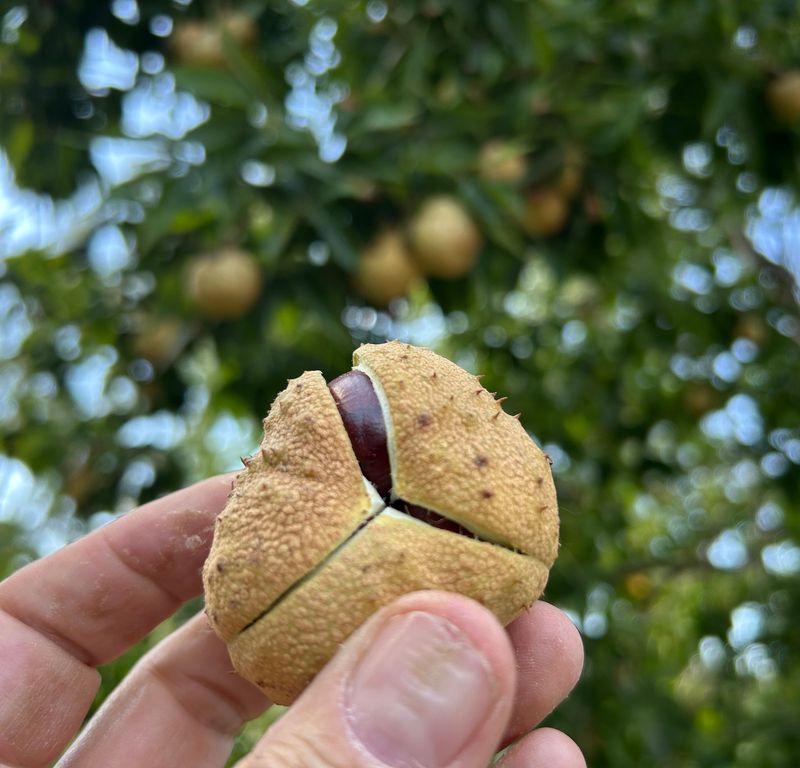
Start with the husk, which tells the biggest story. Edible chestnut husks are covered in sharp, needle-like spines that hurt to touch, much like a tiny porcupine.
Buckeye husks feel leathery with short, blunt bumps. You can hold one without flinching, which is a quick giveaway.
Now check the nut shape. Edible chestnuts have a pointed tip or tassel on top, while buckeyes are round and smooth with no point.
Count the nuts inside, too. Chestnut burs often hold three flat-sided nuts, while buckeyes usually carry one or two plump, rounded ones.
American chestnut trees are also rare in Indiana today. A fungal blight sharply reduced their numbers starting in the early 1900s, so a wild find is unusual.
If you are unsure, do not taste test. Bring a sample to your county Purdue Extension office, where staff can help with identification.
Roasting chestnuts is a lovely fall tradition. Just buy them from a grocery store or trusted farm stand and leave the lawn nuts for the scenery.
Risks For Animals Near Buckeye Trees
Dogs are basically furry vacuum cleaners with tails. Anything that rolls, smells interesting, or crunches becomes a treat in their eyes.
Buckeyes roll across the grass and tempt curious noses, which spells trouble. Pets that chew or swallow them may show symptoms within a few hours.
Watch for drooling, vomiting, diarrhea, or a sudden lack of energy. Some animals act restless, stumble, or shake when they eat larger amounts.
There is a second risk that surprises many owners. A whole nut can get stuck in a dog’s throat or intestines, causing a blockage that may need surgery.
Cats are less likely to eat them, but curious kittens may still chew on a nut. Horses, cattle, and goats grazing near buckeye trees can also get sick from leaves, sprouts, or nuts.
Livestock owners are often advised to keep animals away from buckeye trees for this reason. Young spring sprouts can be especially risky for grazing animals.
Call your vet right away if you spot chewed nuts or odd behavior. The ASPCA Animal Poison Control line at 888-426-4435 runs day and night.
Take a photo of the nut and note how many seem missing. That information helps the vet decide on the best care quickly.
A little prevention goes a long way. Walk your yard before letting pets out, and teach a solid leave it command during fall months.
Simple Yard Cleanup Routine
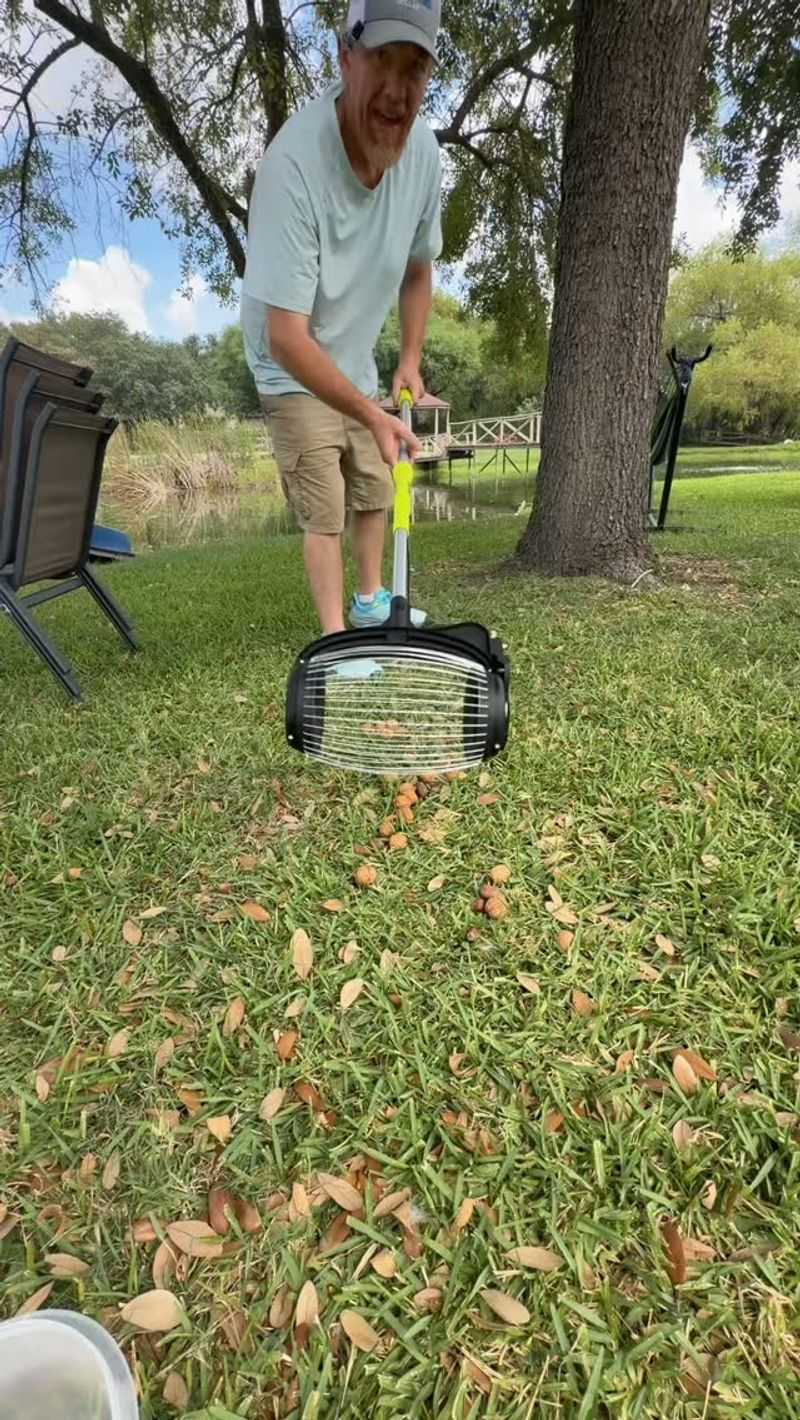
Grab a bucket and a good podcast, because cleanup time can actually feel relaxing. A few minutes a day keeps the lawn safe and tidy.
Rolling nut gatherers make cleanup much easier. These wire basket tools scoop nuts as you push them, sparing your back from endless bending.
Gloves are a smart choice too. The husks and nuts are not harmful to touch for most people, but some folks with sensitive skin get mild irritation.
Aim to pick up nuts every day or two during the peak drop. Fresh nuts are easy to spot, while older ones hide in grass and leaves.
Where should they go afterward? Bag them for trash or yard waste pickup, following your local rules, and keep the bag out of reach of pets and kids.
Skip the mower strategy. Running over buckeyes can shoot chunks across the yard, damage blades, and leave small bits that pets still find.
Crafty families sometimes save a few for fall decorations. Keep them in a sealed jar on a high shelf, clearly labeled so nobody mistakes them for candy.
Neighbors appreciate a quick heads-up too. If your tree hangs over a fence, share what you know about the nuts with families nearby.
Think of it like raking leaves, only faster. A little routine now can spare you a worried call to the vet or doctor later.
Teaching Kids Smart Tree Safety
Ask any Indiana grandparent, and they probably remember stuffing buckeyes in their pockets as kids. Those memories are sweet, and the tradition can stay safe with a little teaching.
Start with a simple rule kids can repeat. Look and touch, but ask a grown-up before tasting anything from the yard.
Make it a fun science lesson instead of a scary warning. Let children compare a buckeye to a real chestnut or an acorn and spot the differences.
Show them the famous eye spot on each nut. Kids love learning that it looks like a deer’s eye and gave the tree its name.
Here is a sweet swap for your kitchen. Buckeye candies, made from peanut butter balls dipped in chocolate, resemble the real nuts and are a popular fall treat.
Making them together turns a safety talk into a tasty memory. Kids learn the difference between the treat and the tree, and everyone gets dessert.
Teachers can join in, too. Fall nature walks at school are a great moment to point out buckeye trees and explain why the nuts stay on the ground.
Keep Poison Control numbers on the fridge and in your phone. Babysitters and grandparents should know them as well.
With a bit of know-how, buckeyes become a fun fall symbol. They stay what they were meant to be, pretty seeds for new trees, not snacks.