The Florida Native Marlberry Shrub That Birds Notice Before Most Gardeners Do
Somewhere in a shady Florida yard, a catbird is making a quiet decision. It has spotted a snack you probably walked past this morning.
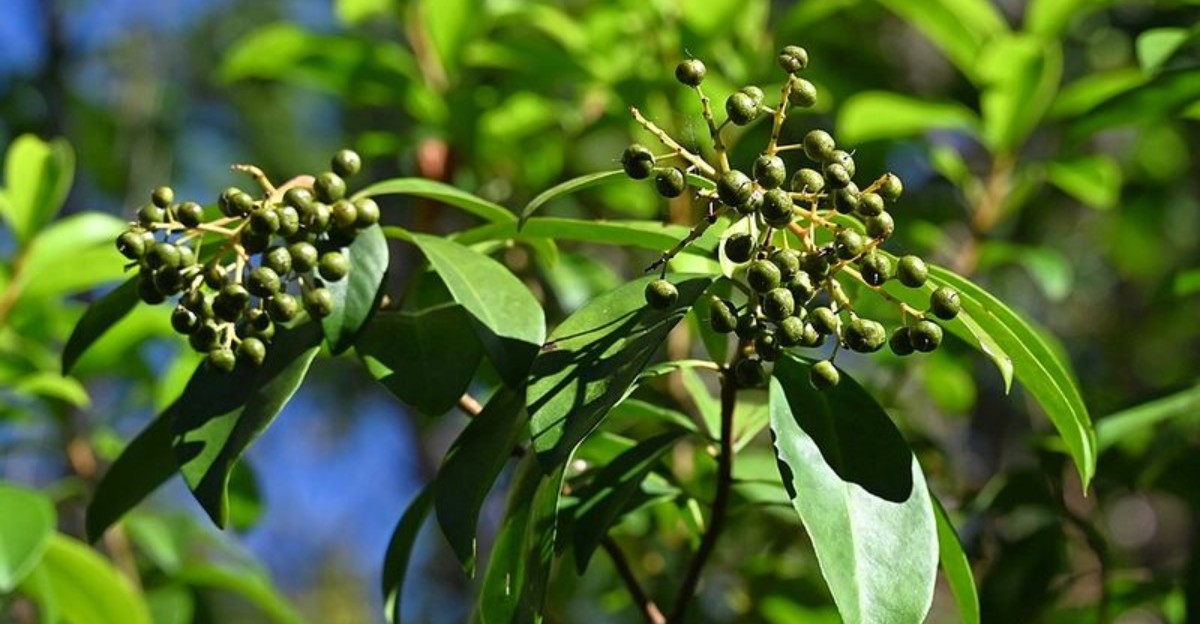
Picture glossy leaves, a sweet fruity scent in the air, and tiny berries shining like polished beads. Birds read these clues fast, and they rarely miss a good buffet.
Gardeners, on the other hand, tend to chase flashy blooms and trendy hedges. That leaves one humble local plant waiting for its moment in the spotlight.
The good news is that it asks for very little and gives a lot back. Stick around, and you may start noticing what the birds already know.
1. Meet Marlberry, A Native Shrub With Bird-Friendly Berries
Some plants shout for attention, while others simply show up and do the work. Marlberry belongs to the second group, and local wildlife loves it for that.
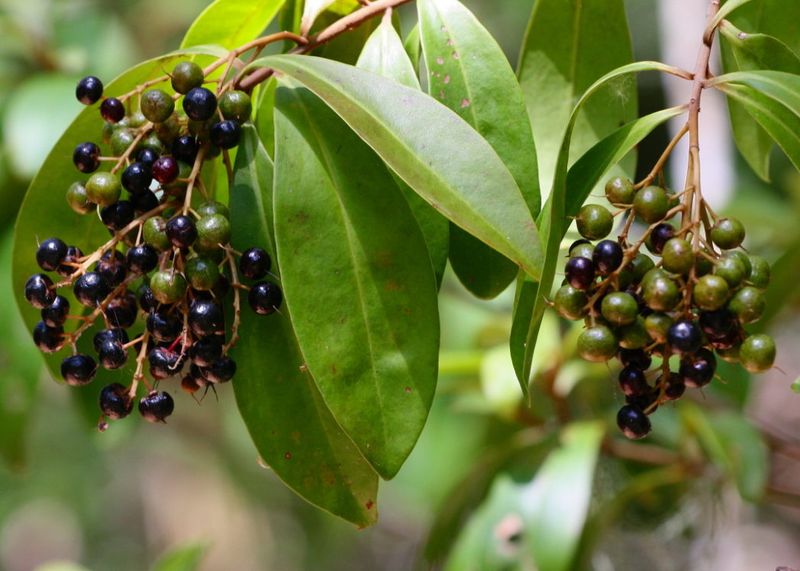
Known to scientists as Ardisia escallonioides, marlberry is an evergreen shrub or small tree. It grows wild across Central and South Florida and reaches all the way down into the Keys.
In nature, you can find it in coastal strands, shady hammocks, and pine rocklands. Its range also stretches into the wider Caribbean, so it has handled heat and salty breezes for a very long time.
The leaves are thick, shiny, and dark green, shaped a bit like a narrow oval. They often tilt upward, which gives the whole plant a neat, tidy look.
What makes marlberry special is the steady supply of fruit it offers. Birds and small animals snack on its berries, and its thick branches give them a safe place to hang out.
Fun fact: the name Ardisia comes from a Greek word meaning point, a nod to the pointed parts of its tiny flowers. That little detail is easy to miss unless you look closely.
If you want a plant that feels truly at home in Florida, marlberry is a smart pick. It fits the local climate and supports the creatures that already live nearby, with very little fuss from you.
2. Watch Birds Find Marlberry’s Dark Fruits In Fall
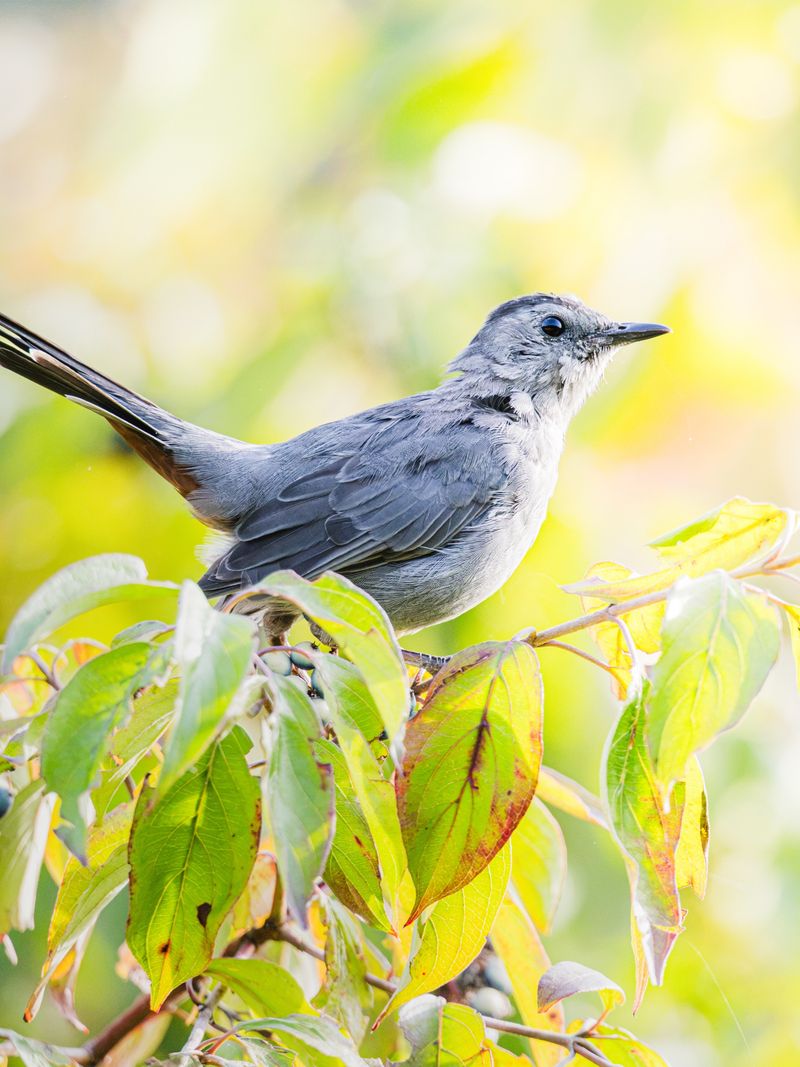
Grab a cup of coffee and sit by the window on a cool fall morning. If you have marlberry nearby, you might catch a gray catbird helping itself to breakfast.
The berries start out small and green, then blush reddish as they ripen. When they are fully ready, they turn a glossy black or deep purple, hanging in tidy clusters.
Fruit can show up here and there through the year. Still, the biggest crop usually lands from summer into fall and sometimes lingers into winter.
That timing matters a lot to birds. Many travelers pass through Florida in fall, and they need quick energy for their long trips south.
Thrushes, vireos, and catbirds are some of the regular visitors. Catbirds seem to have a special fondness for these berries, and they will return again and again.
Here is a simple tip for backyard birders. Place a bench or chair where you can see the shrub without crowding it, and keep binoculars close by.
Your Florida Garden Changes Every Week. Your Plan Should Too.
Gardening in Florida changes quickly throughout the season. Every Friday you’ll receive a simple weekly plan showing exactly what to plant, prune, fertilize, harvest, and protect so you never miss the right timing.
Try to resist pruning off fruiting branches in late summer. Those clusters are the main attraction, and trimming them early is like closing a restaurant before dinner.
Keep a small notebook of which birds stop by each week. Over a few seasons, you will learn the rhythm of your own little bird cafe.
3. Give Marlberry Shade Where Other Shrubs Struggle
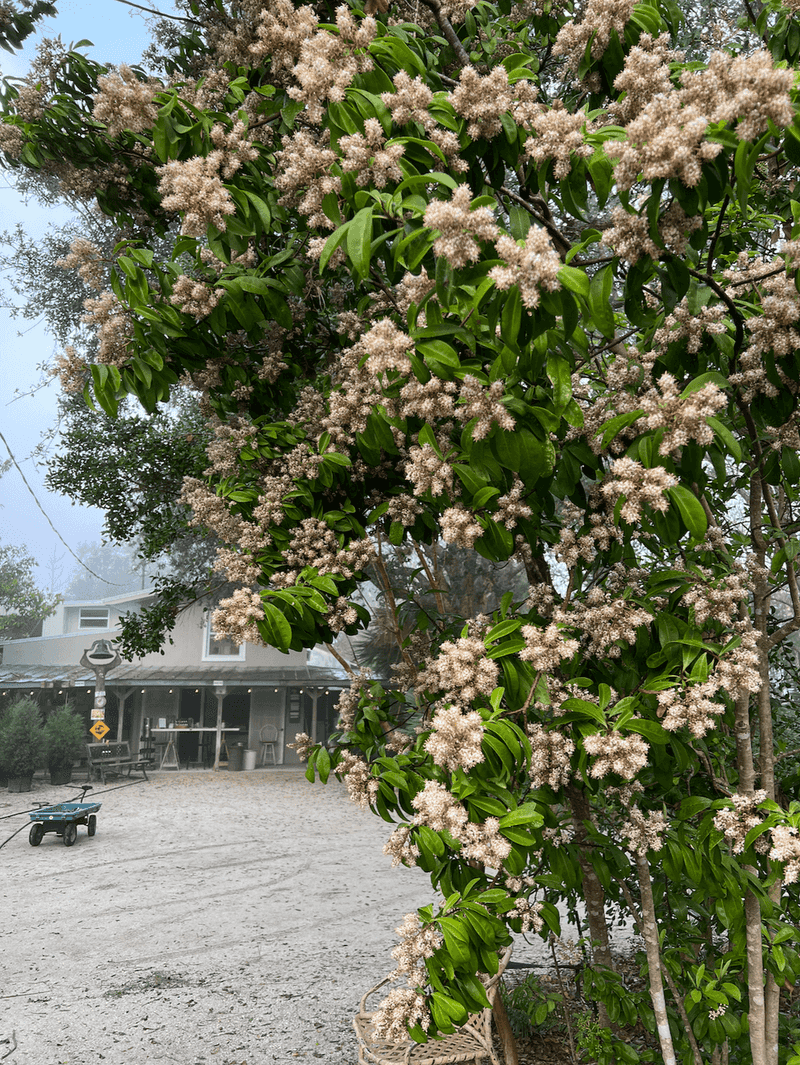
Every yard has that one gloomy spot. Grass thins out, flowers sulk, and you start to wonder if anything will grow there.
Marlberry might be your answer. It handles a wide range of light, from full sun to partial shade, and it can even put up with deep shade under big trees.
That makes it a great choice for understory planting. Tuck it beneath oaks or tall palms, and it will settle in where fussier shrubs give up.
There is a small tradeoff to keep in mind. More light usually means more flowers, and more flowers lead to more berries for the birds.
So if you want a heavy fruit crop, aim for bright shade or a spot with a few hours of gentle sun. Morning light works especially well because it is softer.
Try to avoid harsh afternoon sun from the west. That intense heat can stress the leaves, especially on young plants that are still getting settled.
A quick way to check your site is to watch it for one full day. Note when sunlight hits the area and how long it stays, then pick the spot that feels dappled and comfortable.
With the right light, marlberry turns a tricky corner into a green, lively space that birds will be happy to visit.
4. Let Its Dense Foliage Create Backyard Cover
Think of a bird’s day as a string of quick dashes. It eats, looks around nervously, and then darts for cover before a hawk swoops by.
Marlberry offers exactly the kind of hideout birds want. Its thick, glossy leaves stay on all year, so the shelter does not disappear when the weather cools.
Those leaves grow close together on sturdy branches. The result is a leafy wall that small birds can slip into while larger predators have a harder time following.
For you, that same greenery does double duty. It can soften a plain fence, block a view of the neighbor’s driveway, or create a cozy nook around a patio.
Because it is evergreen, your yard keeps its color through winter. You will not face bare sticks in January, which is a nice bonus in any season.
To get the fullest look, plant a few shrubs in a loose group instead of a straight line. Staggered planting feels more natural and gives birds more places to perch.
Go easy on heavy shearing, too. Boxy trimming can thin out the inner branches, and those inner spaces are where birds love to rest.
A little patience pays off here. Over time, your marlberry becomes a quiet safe zone buzzing with small, feathered life.
5. Plant Marlberry Where Moist Soil Stays Available
Good news for anyone with tricky dirt. Marlberry is not picky, and it grows in sandy, organic, or limestone-rich soils found all over Florida.
It also handles different soil types without complaint. Acidic, neutral, or alkaline ground all work, so you probably do not need to test and adjust much before planting.
The one thing it truly dislikes is soggy roots. Well-drained soil is key, so skip low spots where rainwater pools for days after a storm.
At the same time, marlberry is happiest with steady moisture. Picture soil that feels like a wrung-out sponge, damp but not dripping.
When you first plant, water deeply a few times each week for the first couple of months. This helps the roots spread out and settle into their new home.
Once established, the shrub shows moderate drought tolerance. You can cut back on watering, but give it a drink during long dry spells in spring.
A layer of mulch about two or three inches thick makes a big difference. It holds moisture, keeps roots cool, and slowly adds organic matter as it breaks down.
Keep mulch a few inches away from the trunk, though. That small gap helps prevent rot and keeps your marlberry healthy for years to come.
6. Look For Flowers Before The Berries Arrive
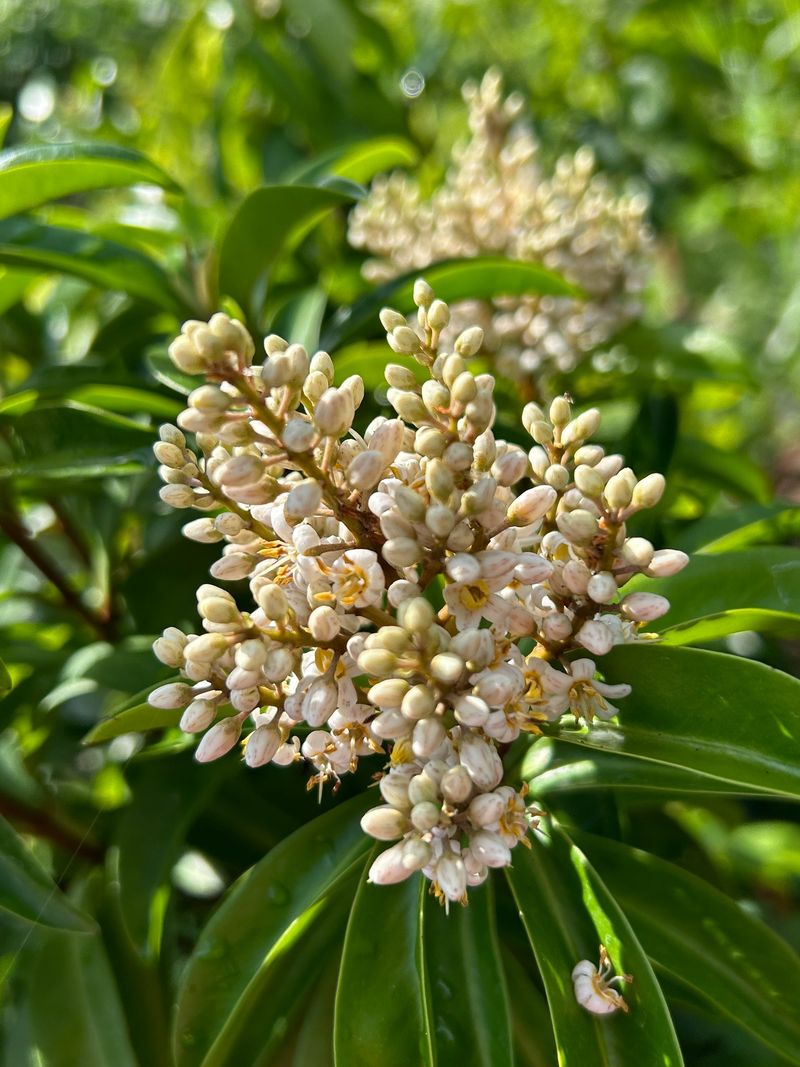
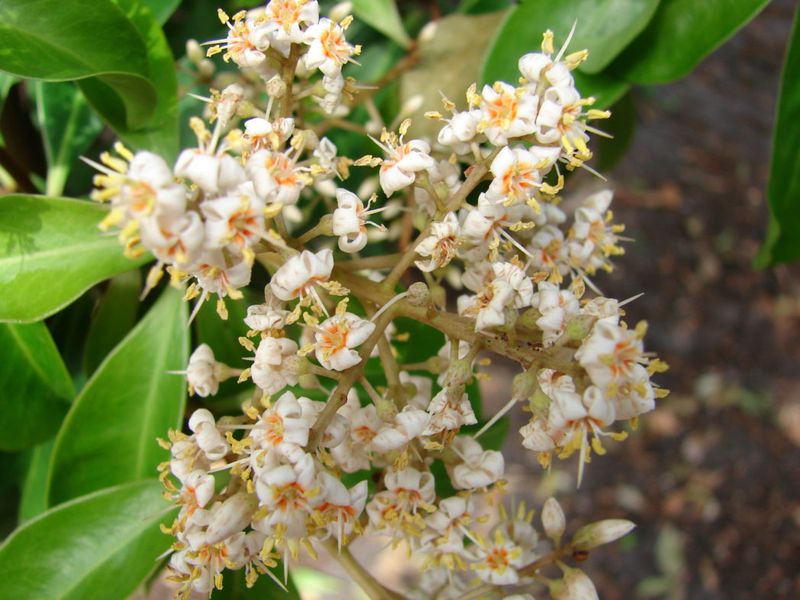
Take a slow walk past a blooming marlberry, and your nose may notice it before your eyes do. The scent is sweet and fruity, almost like a candy shop drifting on the breeze.
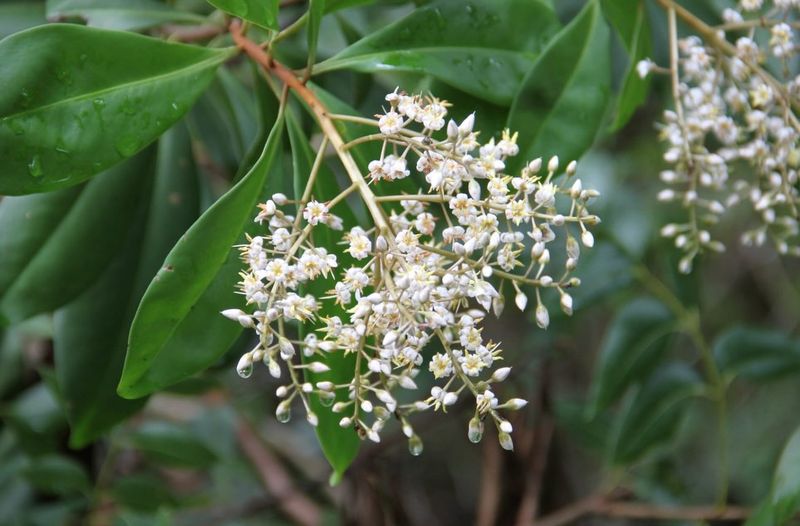
The flowers themselves are small but charming. They come in creamy white or soft pink, with bright yellow centers that pop against the petals.
You will find them packed into clusters at the tips of branches or where leaves meet the stem. Some clusters branch out into loose sprays that look like tiny bouquets.
Blooming can happen on and off during the year. Many plants put on their best show from summer into fall, though some flower in late spring or early autumn.
Pollinators are quick to join the party. Little Halictid bees, often called sweat bees, buzz in to collect nectar and pollen.
Here is why that matters for bird lovers. Every flower a bee visits has a chance to become a berry, so a busy bloom season usually means a bigger fruit crop.
Try snapping a photo of your shrub each time it flowers. Comparing pictures helps you learn its schedule and guess when the berry feast will start.
Avoid spraying pesticides while it blooms. Those gentle bees are doing important work for you and the birds.
7. Pair Marlberry With Other Native Bird Plants
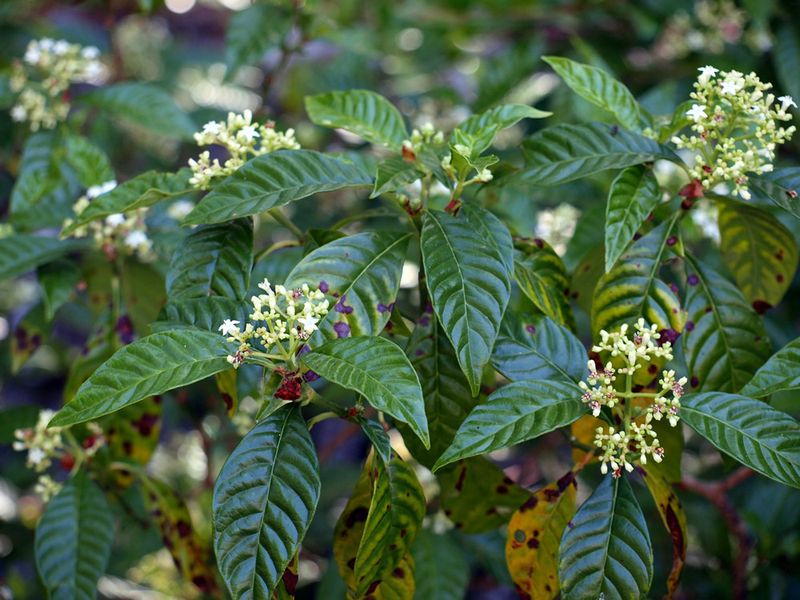
A single shrub is nice, but a whole team of native plants is even better. Birds love variety, just like people enjoy a menu with more than one dish.
In the wild, marlberry often grows near sabal palms and stoppers. Borrowing that natural pairing is a simple way to make your yard feel like a real Florida habitat.
For a mixed hedge, try combining it with wild coffee, myrsine, firebush, indigo berry, and Florida boxwood. Different stopper species also fit right in.
Each plant brings something new to the table. Firebush draws hummingbirds and butterflies, while wild coffee adds bright red berries at different times.
Marlberry also works well as a lower layer beneath bigger trees. Live oak, gumbo limbo, mastic, red maple, and hackberry make excellent overhead partners.
Closer to the ground, add ferns, Stokes aster, coreopsis, wild petunia, or twin flower. These fill gaps and give insects, which many birds eat, more places to thrive.
A handy rule is to plant in layers, like a stack of pancakes. Tall trees go on top, shrubs in the middle, and flowers or ferns at the bottom.
Visit a local native plant nursery for help choosing what suits your area. Staff there often know which combinations do best in your particular part of Florida.
8. Give This Slow-Growing Shrub Room To Fill Out
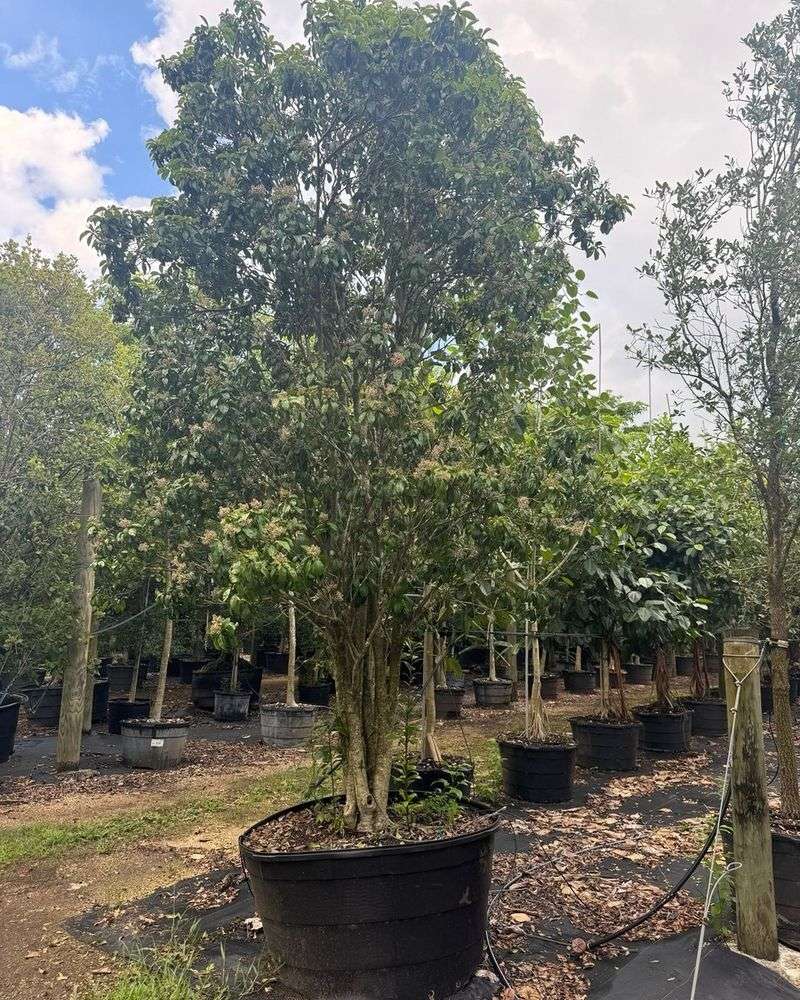
Patience is the secret ingredient with marlberry. It grows slowly, so you will not wake up to a giant bush overnight.
Over time, though, it can become surprisingly large. Many plants reach 12 to 20 feet tall and spread 6 to 12 feet wide, especially in warmer southern areas.
That size catches some gardeners off guard. A tiny nursery pot looks harmless, but planting it right against the house can cause trouble years later.
Give each shrub plenty of elbow room when you plant. Measure out at least six feet from walls, walkways, and other shrubs to be safe.
Marlberry can grow several trunks and send up new shoots from its roots. Left alone, it slowly forms a dense thicket, which birds find very appealing.
If you prefer a smaller plant, you can prune it once a year. Light trimming keeps it in shape without spoiling its natural charm.
Letting it grow freely, however, gives you the fullest and most wildlife-friendly look. The thicker it gets, the more shelter it offers.
Think of planting marlberry as a gift to your future self. Five years from now, you may be amazed at how that little shrub filled its space so beautifully.
9. Let Marlberry Turn A Quiet Corner Into Wildlife Habitat
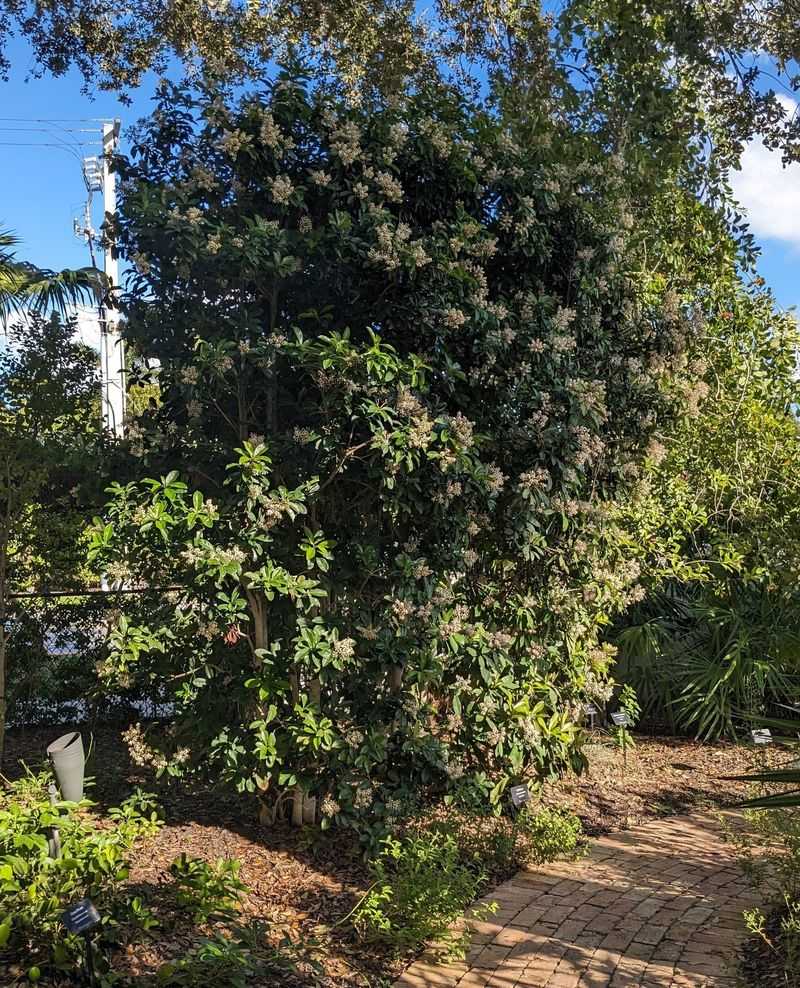
Imagine an empty corner of your yard slowly coming to life. First a few bees arrive, then a catbird, and soon the whole space hums with small visitors.
Marlberry makes that kind of change possible. It supplies food through its berries and shelter through its thick, evergreen leaves.
Birds and small animals depend on both. A plant that offers dinner and a safe place to rest is like a hotel with a free buffet.
The fragrant flowers add another layer of value. They feed pollinators like sweat bees, which help keep the local ecosystem healthy and balanced.
To build a full habitat, add a shallow birdbath near your shrubs. Fresh water brings in birds even during seasons when berries are scarce.
Leave some fallen leaves under the plants instead of raking every bit away. That leaf layer shelters insects, lizards, and other creatures that birds like to snack on.
You might also add a small sign that says wildlife garden. It can spark conversations with neighbors and inspire them to plant natives too.
Best of all, this project grows richer each year. A quiet corner planted with marlberry today can become a lively backyard refuge that birds visit season after season.