What Florida Lawns Quietly Need As October Begins
Your Florida lawn just crossed into a different season, even if the thermometer barely noticed.
October changes what your grass actually wants, and most homeowners keep running whatever worked in August without checking if that still applies.
Shorter days shift how your lawn uses water and nutrients, and sticking to a summer routine this late can work against recovery instead of supporting it.
One specific adjustment matters more than anything else on your list right now, and skipping it costs you a lawn that struggles through fall instead of settling in strong before any cooler snap arrives.
Give your lawn what this month actually asks for instead of coasting on old habits. What you do right now decides how it looks heading into the rest of fall.
1. St. Augustinegrass Needs A Slower Fall Routine
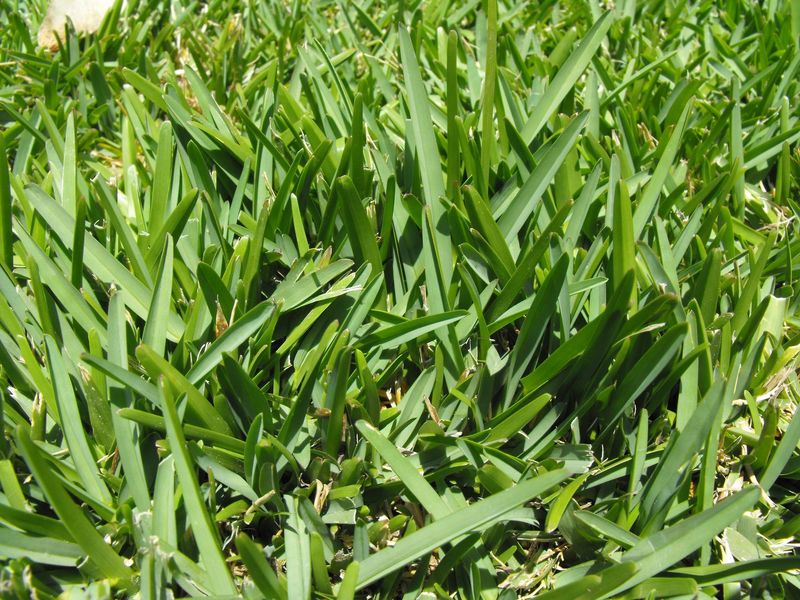
Picture a sprinter easing into a jog after a long race. That is what St. Augustinegrass does once October shows up in the state.
Its wide, flat blades grew like crazy all summer, and now it wants a calmer pace.
Start by stretching the time between waterings. Most yards do fine with water once or twice a week in fall, depending on rain.
Soggy soil in cooler weather can invite fungus, especially a problem called large patch.
Mowing can slow down too. You may only need to cut every 10 to 14 days instead of every week.
Keep the height around 3.5 to 4 inches so the grass can shade its own roots.
Fertilizer should be light or skipped, based on where you live. North Florida lawns usually need nothing more by now.
South Florida yards may handle one small feeding with slow-release nitrogen and potassium.
Fun fact: St. Augustinegrass rarely grows from seed. It spreads by runners called stolons, which is why most people install it as sod or plugs.
Treat this season like a gentle cool-down. A relaxed routine now helps your grass stay strong through winter.
It also means less work for you, which is a nice bonus on a warm Saturday afternoon.
2. Zoysia Needs Less Water As Growth Eases
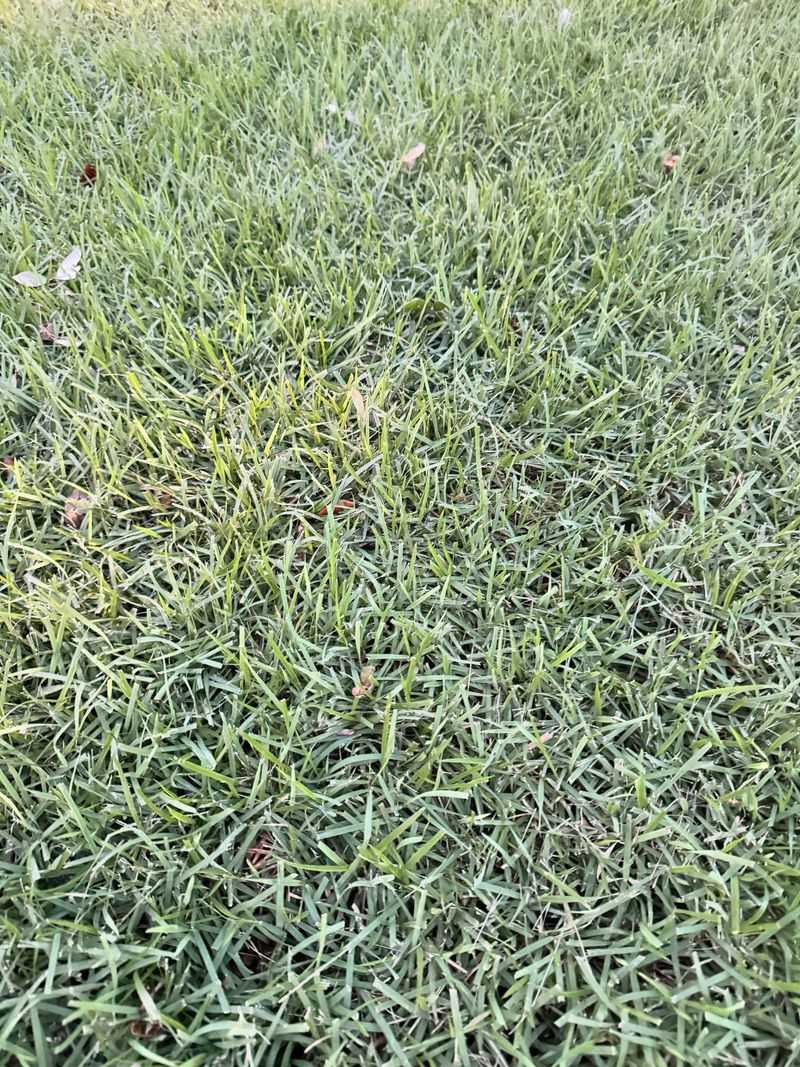
Here is a secret zoysia owners love. This thick, carpet-like grass is tougher in dry spells than most people think.
As fall arrives, it asks for even less water than before.
Zoysia slows way down when nights cool off. Slower growth means the roots drink less.
Watering on a summer schedule can leave the soil wet for days, and zoysia does not enjoy wet feet.
Try this simple test. Wait until you see a few blades folding in half or turning a bluish gray.
Footprints that stay pressed into the lawn are another clue that it is thirsty.
When you do water, give about three-quarters of an inch. Early morning is the best time, since the blades dry off as the sun climbs.
Evening watering can let moisture sit overnight and invite disease.
Zoysia also builds up thatch, a spongy layer of old stems. Too much water makes that layer soggy and heavy.
Your Florida Garden Changes Every Week. Your Plan Should Too.
Gardening in Florida changes quickly throughout the season. Every Friday you’ll receive a simple weekly plan showing exactly what to plant, prune, fertilize, harvest, and protect so you never miss the right timing.
Keeping things drier helps prevent it from getting worse.
Many homeowners are surprised by how little their zoysia needs in fall. Turning off a few sprinkler cycles can save money on your water bill.
Your lawn will thank you with steady color and fewer brown patches when the weather turns mild.
3. Bahiagrass Benefits From A Lighter Touch
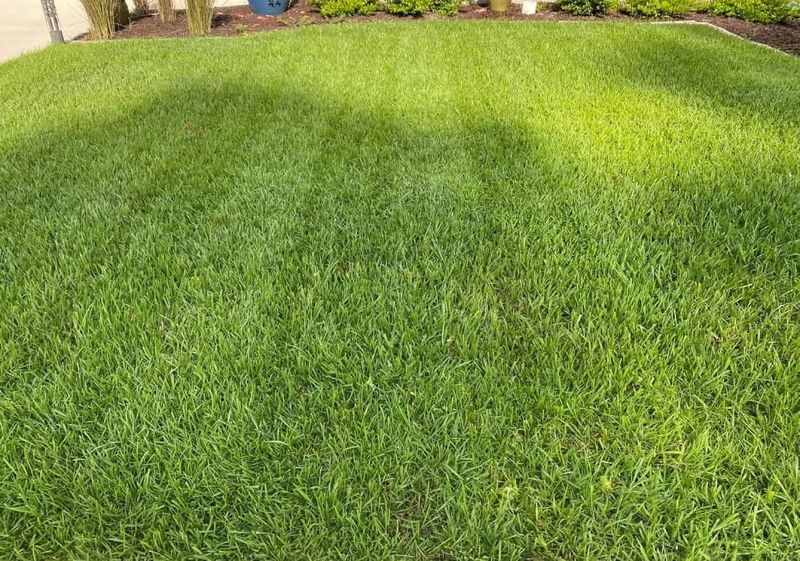
Bahiagrass is the easygoing cousin at the family reunion. It grows along highways, pastures, and sandy yards with barely any help.
Come October, it asks for even less attention.
This grass handles drought well thanks to deep roots. It can go a little tan during dry weeks, then bounce back after rain.
Many owners let it rest instead of watering constantly.
Fertilizer needs are low too. In North and Central Florida, the last feeding usually happens by September.
Extra nitrogen in fall can push weak growth that struggles once cooler nights arrive.
You might notice fewer of those tall, Y-shaped seed heads now. Bahiagrass loves to shoot them up in summer.
As days get shorter, it focuses more on roots than on seeds.
Mow at about 3 to 4 inches with a sharp blade. Bahiagrass has tough stems, and a dull mower tears them, leaving frayed brown tips.
Sharpening the blade once a season makes a clear difference.
Did you know? Bahiagrass was brought to the United States from South America in the early 1900s, mostly for cattle pastures.
Today it covers countless Florida yards. Treat it gently and simply this fall, and it will keep doing what it does best, which is looking fine with little fuss.
4. Bermudagrass Needs Sun And Smarter Mowing
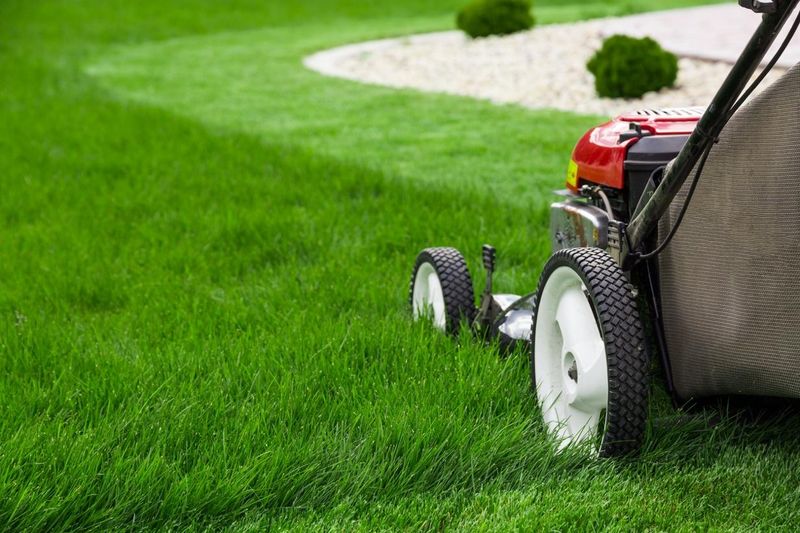
Golf courses across the state rely on bermudagrass for a reason. It loves sunshine, grows fast, and can be cut super short.
In October, though, it needs a bit more thought.
Sunlight is its fuel. As the sun sits lower in fall, shady spots near trees and houses get even darker.
Bermudagrass in those areas may thin out, so consider trimming low branches to let more light through.
Mowing should shift gently too. Keep the height between 1 and 2 inches, and avoid scalping it down to bare stems.
Cutting too low right before cooler weather weakens the grass when it needs energy most.
Follow the one-third rule. Never mind the calendar, just remove no more than a third of the blade at a time.
If the grass is 3 inches tall, trim it to 2 inches, not less.
Leave the clippings on the lawn when they are small. They break down quickly and return nutrients to the soil.
Bagging them is only helpful if they form thick clumps.
In North Florida, bermudagrass may turn tan once frost arrives. That color change is simply a rest period, not a problem.
With enough sun and careful mowing, it will wake up green and eager when spring warms the ground again.
5. Centipedegrass Can Suffer From Too Much Fertilizer
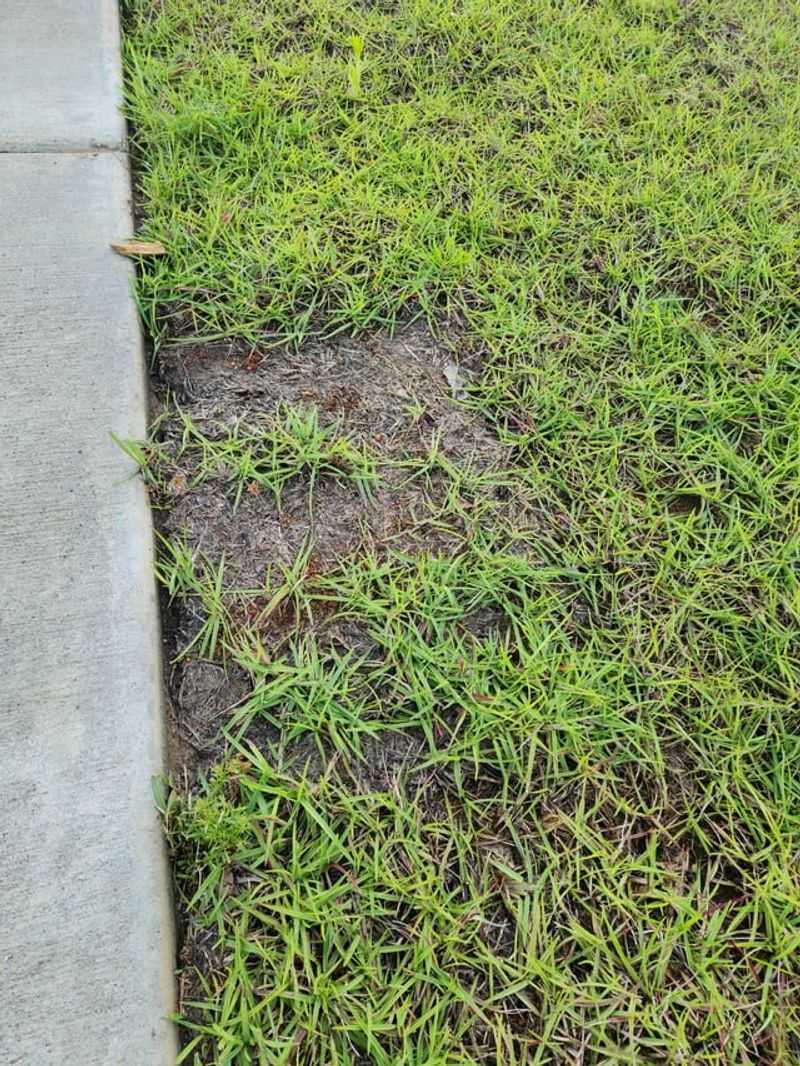
Some people call centipedegrass the lazy man’s lawn. That nickname is actually a compliment.
This grass prefers being left alone, especially when it comes to feeding.
Its natural color is a pale, apple green. Many homeowners see that shade and think something is wrong.
So they add more fertilizer, hoping for a deep emerald look.
That plan often backfires. Too much nitrogen can lead to a problem known as centipede decline, where patches thin out and struggle to return in spring.
Fall feeding makes this risk even worse.
Most experts suggest only one or two light feedings each year, mostly in late spring and summer. By October, put the fertilizer bag away.
If you feed at all, pick a product with little or no phosphorus and plenty of potassium.
Centipedegrass also likes slightly acidic soil. Adding lime without a soil test can push the pH too high, causing yellowing.
A simple test from your county extension office costs little and saves guesswork.
Fun fact: this grass came from China in the early 1900s. It spreads with creeping stems that look a bit like centipede legs, which explains the name.
Give it patience instead of extra food, and it will reward you with a tidy, low-fuss lawn.
6. Check Soil Moisture Before Watering Again
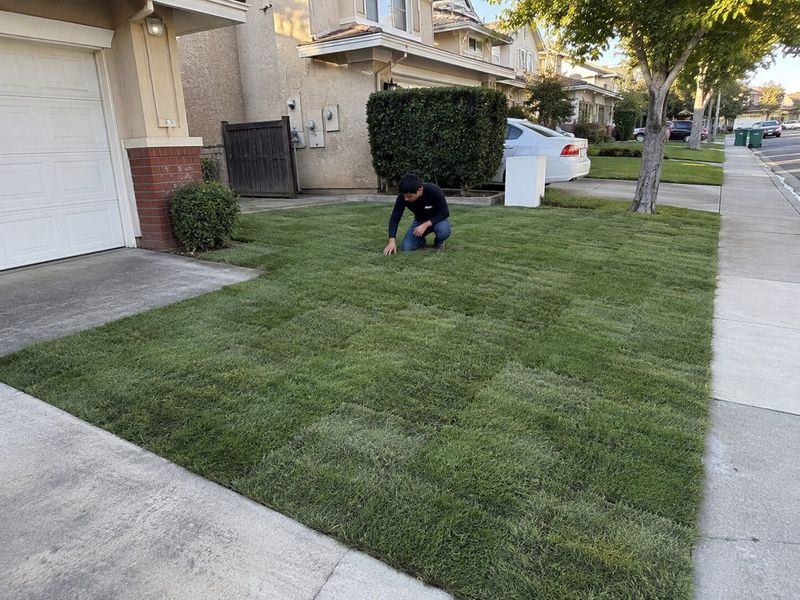
Grab a long screwdriver from the garage. Believe it or not, it may be the best watering tool you own.
Pushing it into the ground tells you more than any sprinkler timer.
If the screwdriver slides in easily six inches deep, the soil still has plenty of water. If it stops hard after an inch or two, the lawn is probably ready for a drink.
It takes about ten seconds.
October weather in our state can be tricky. One week brings steamy afternoon storms, and the next feels dry and breezy.
A timer set in July has no idea about these changes.
Consider adding a rain sensor or soil moisture sensor to your system. Florida law actually requires rain shut-off devices on automatic sprinklers installed after 1991.
Checking that yours still works is a smart fall chore.
Sandy soil drains fast, so some spots dry out quicker than others. Walk your yard and test a few areas, like sunny corners and slopes.
You might find only one zone needs water.
Overwatering is one of the most common lawn mistakes in the state. It wastes money, feeds weeds, and invites fungus.
A quick screwdriver check keeps you honest and helps your grass grow deeper, sturdier roots over time.
7. Raise Mowing Heights As October Arrives
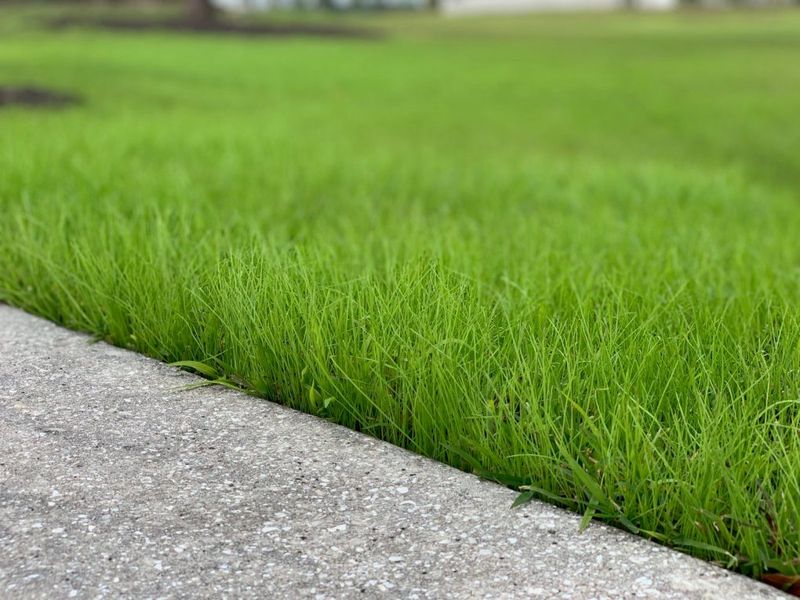
Think of taller grass as a sun umbrella for the soil. Longer blades shade the ground, keep moisture in, and block weed seeds from sprouting.
That is why raising your mower deck in fall makes such a difference.
Most mowers have a simple lever or wheel pins for height. Bump it up one notch, usually about half an inch.
It feels like a tiny change, but your lawn notices.
Taller blades also mean more leaf surface. More leaf surface lets grass make extra food from sunlight.
That stored energy helps roots stay strong during cooler, slower months.
Here are rough fall targets for common Florida grasses. St. Augustinegrass and bahiagrass do well at 3.5 to 4 inches.
Zoysia likes 2 to 2.5 inches, and bermudagrass stays happiest near 1.5 to 2 inches.
Remember to keep the blade sharp. A clean cut heals fast, while a ragged tear leaves brown tips that look dull and invite disease.
Many hardware stores sharpen blades for just a few dollars.
You may also find yourself mowing less often. Growth slows as days shorten, so you can relax a bit.
Enjoy the extra free time on those pleasant fall weekends, perhaps with a cold glass of lemonade on the porch.
8. Watch For Chinch Bugs In Stressed Turf
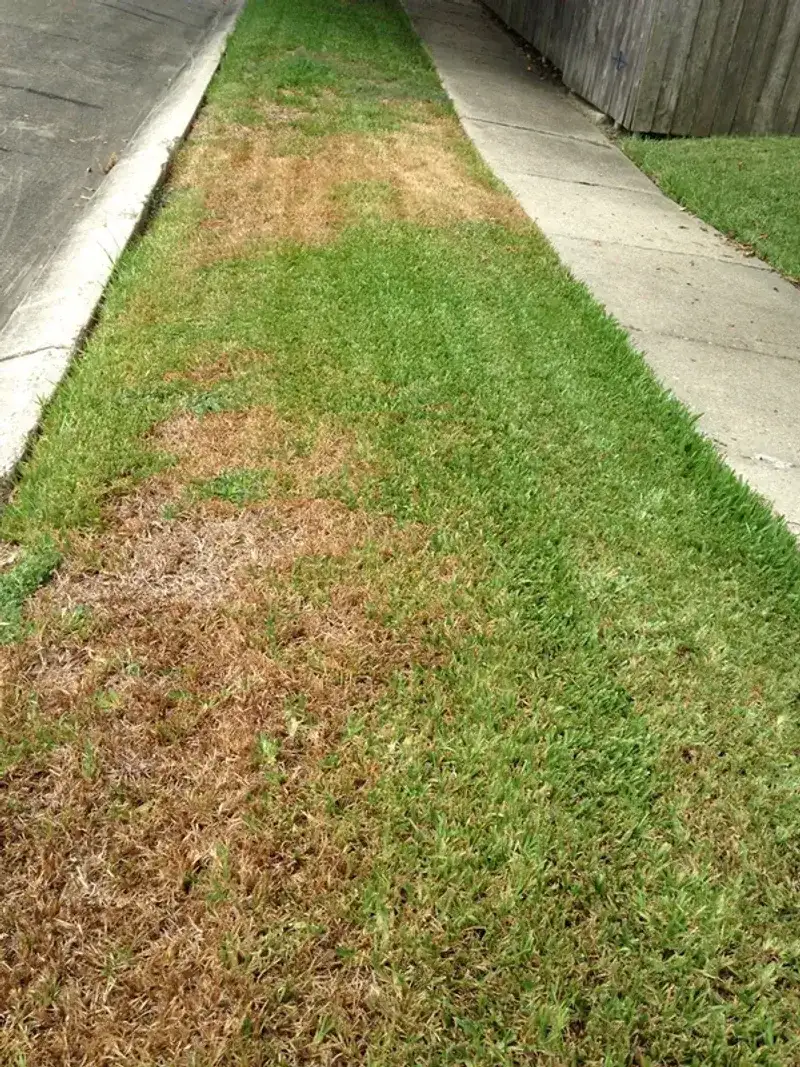
They are smaller than a grain of rice, yet they can ruin a lawn faster than a summer storm. Chinch bugs are a top pest of St. Augustinegrass in Florida.
Warm fall days keep them busy longer than many people expect.
These insects suck juices from grass blades and inject a substance that blocks water flow. The damage starts as yellow patches that turn brown and dry.
Often the problem shows up first along sunny driveways and sidewalks.
Drought-stressed grass is their favorite target. Heat from pavement makes those edges extra appealing.
People sometimes mistake the damage for a lack of water, then wonder why watering does not help.
Try the coffee can trick. Remove both ends of a can, push it into the soil at the edge of a yellow patch, and fill it with water.
Within a few minutes, any chinch bugs will float to the top.
If you find more than a few, treat only the affected area plus a small border around it. Spot treatment protects helpful insects like big-eyed bugs, which eat chinch bugs.
Healthy watering and mowing habits also make your lawn less inviting to these tiny troublemakers in the first place.
9. Ease Off Nitrogen Before Winter Slows Growth
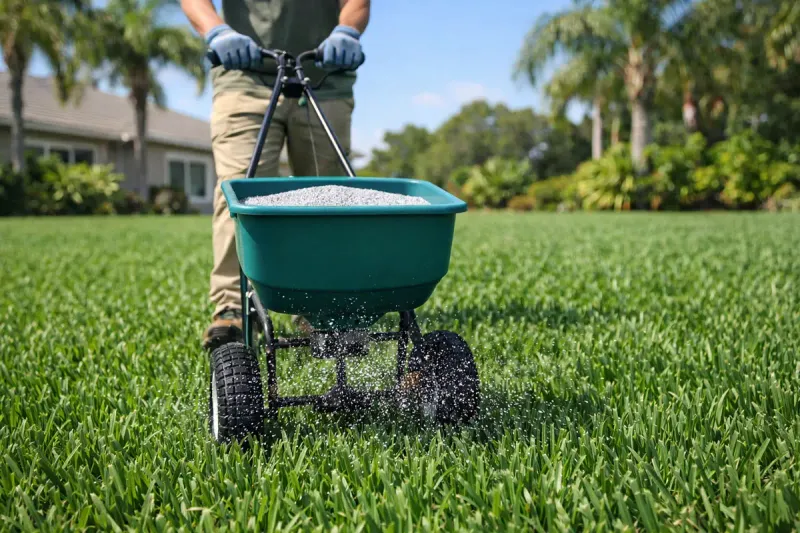
Nitrogen is like an energy drink for grass. It gives a quick burst of green growth and a fast mowing schedule.
In October, that jolt can do more harm than good.
Fresh, leafy growth is tender and weak. When a cold snap hits, that soft growth suffers first.
It is also a favorite spot for fungus like brown patch and large patch.
Many cities and counties have fertilizer rules too. Some ban nitrogen during the summer rainy season to protect lakes and springs.
Check your local rules before buying any product this fall.
If your lawn does need something, look for potassium. It helps grass handle cold, drought, and disease.
Fertilizer bags list three numbers, and potassium is the last one, so a blend like 0-0-16 or 5-0-15 may fit.
North Florida lawns usually get their last nitrogen by September. Central Florida can stretch into early October, and South Florida often allows a light feeding a bit later.
Slow-release formulas feed steadily without a big growth spike.
Holding back now protects your yard and local water. Algae blooms often start with extra nutrients washing into storm drains.
A little restraint in fall keeps both your lawn and Florida waterways looking their best.