The Florida Plants People Think Snakes Avoid And What Actually Happens
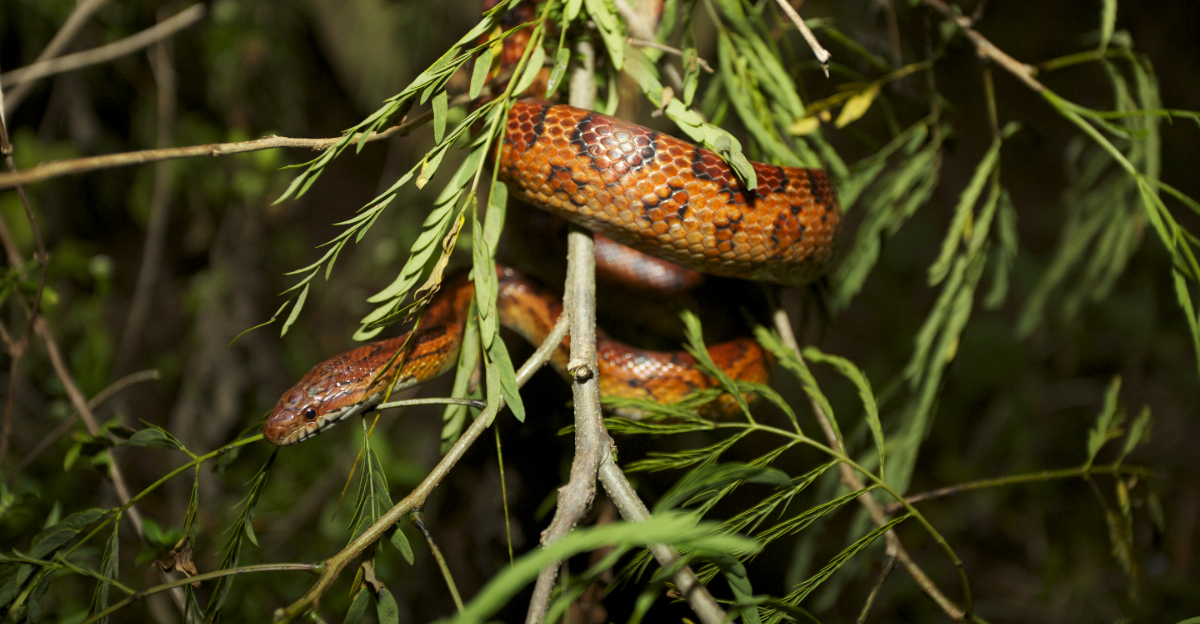
Someone told you planting certain herbs around your Florida yard keeps snakes away. Florida’s snakes never got that memo.
Snakes track the world through scent, heat, and vibration, not by sniffing out which flowers you planted near the patio. A strong-smelling plant might reach your nose from ten feet away.
To a snake gliding through St. Augustine grass hunting frogs or lizards, it barely registers. What actually pulls snakes toward a yard has nothing to do with plant selection.
Thick mulch beds, stacked woodpiles, and dense ground cover create exactly the shelter snakes look for, regardless of what’s growing nearby. Clear those hiding spots and snakes lose their reason to stick around.
The plants you picked were never the problem. The shelter you built without noticing was.
1. Lemongrass Became A Popular Snake Repellent Claim
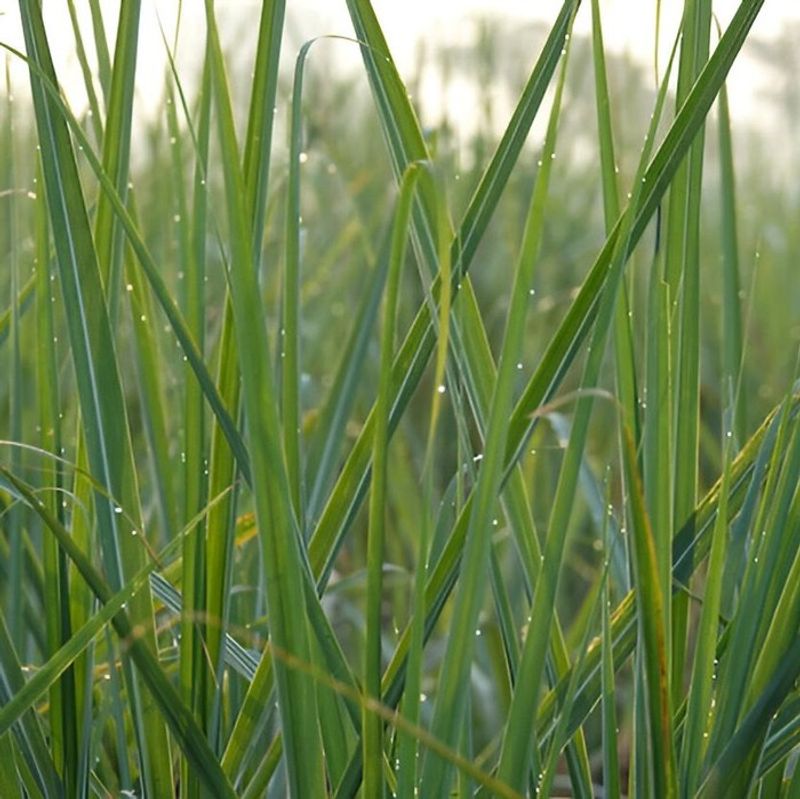
A clump of lemongrass sitting beside a patio looks impressive, smells wonderful, and somehow earned a reputation for keeping snakes at bay.
The claim spread widely across gardening blogs and social media, often citing the plant’s strong citrus-like fragrance as the reason snakes supposedly avoid it.
The idea sounds logical on the surface. Strong scents can affect animal behavior, so people assumed a pungent herb might work as a deterrent.
No reliable scientific evidence supports the idea that growing lemongrass causes snakes to avoid an area. The University of Florida IFAS Extension has not identified lemongrass as a proven snake deterrent.
Snakes navigate primarily through chemoreception, using their tongues to detect chemical signals. A plant’s fragrance does not automatically translate into a meaningful deterrent for reptile behavior.
Lemongrass is still a genuinely useful plant for Florida landscapes. It grows in large ornamental clumps that can reach five to six feet tall in warm conditions.
It tolerates heat and humidity well, making it a low-maintenance option for sunny spots. The stalks are used in cooking, teas, and aromatherapy.
Planting lemongrass for its beauty, fragrance, and culinary value makes complete sense. Just do not count on it to change where snakes choose to rest or hunt.
Snake presence depends far more on what food and shelter your yard offers than on what your garden smells like.
2. Marigolds Get Credit For A Myth They Cannot Prove
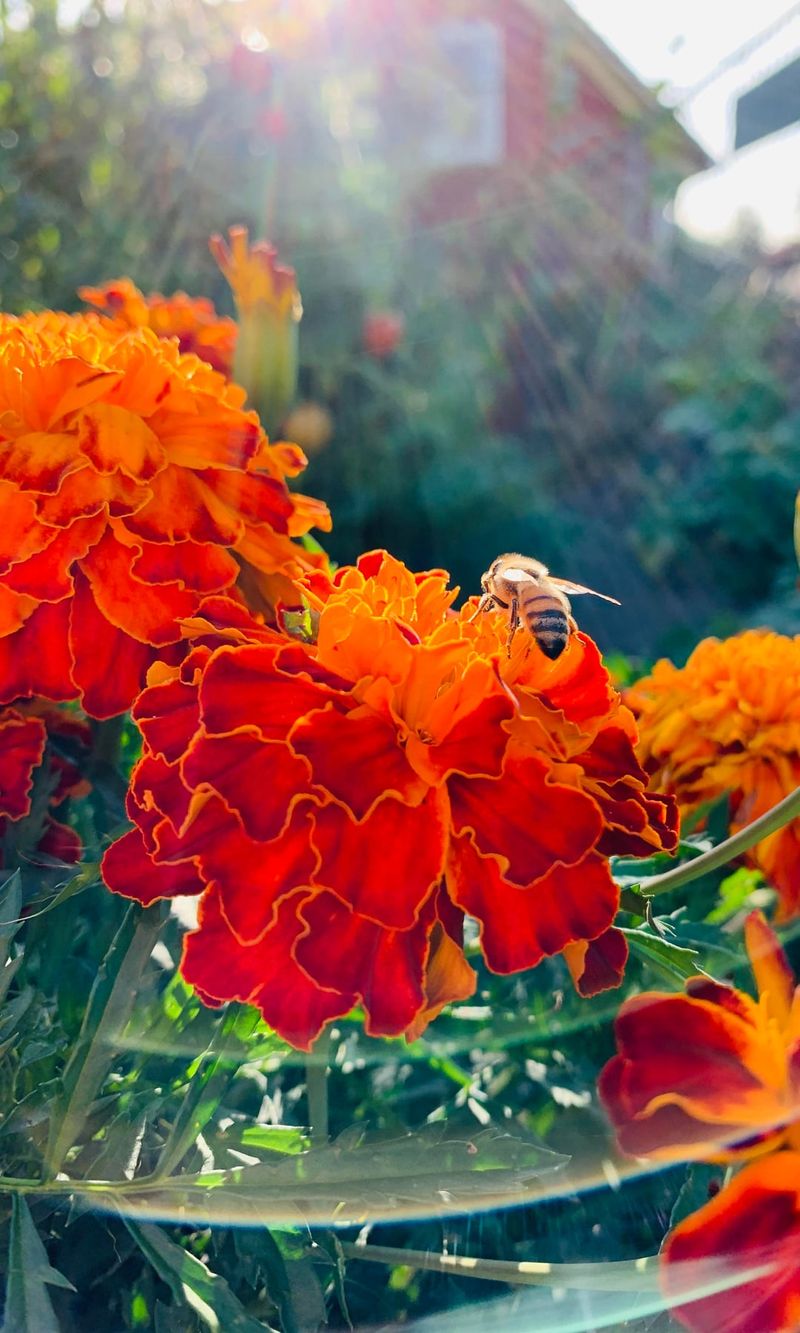
A flowering plant with a cheerful bloom and a sharp scent, the marigold has collected an impressive list of pest-control claims over the years. Gardeners credit it with repelling aphids, nematodes, and, somehow, snakes.
Part of the reason marigolds attract these claims is that they do have a documented effect on certain soil pests. That real, limited benefit seems to grow into broader claims over time through repeated sharing.
Marigolds and snake deterrence is a different story. There is no peer-reviewed evidence showing that marigolds influence snake movement or territory selection.
Snakes are not avoiding flower beds because of scent alone. They are responding to shelter, prey availability, and ground-level conditions.
A marigold border along a garden path does nothing to change those factors.
That said, marigolds are genuinely worth growing. They bloom in shades of orange, yellow, and red that brighten any landscape.
Your Florida Garden Changes Every Week. Your Plan Should Too.
Gardening in Florida changes quickly throughout the season. Every Friday you’ll receive a simple weekly plan showing exactly what to plant, prune, fertilize, harvest, and protect so you never miss the right timing.
They attract pollinators including bees and butterflies, which supports garden health. They are easy to grow in Florida’s warm climate and tolerate full sun without much fuss.
Some studies do support their use in vegetable gardens for managing certain nematode populations in soil. Growing marigolds for their color, pollinator support, and possible soil benefits is a smart choice.
Expecting them to serve as a reptile barrier is where the logic breaks down. Enjoy them for what they genuinely offer.
3. Garlic Plants Carry An Old Snake Deterrent Story
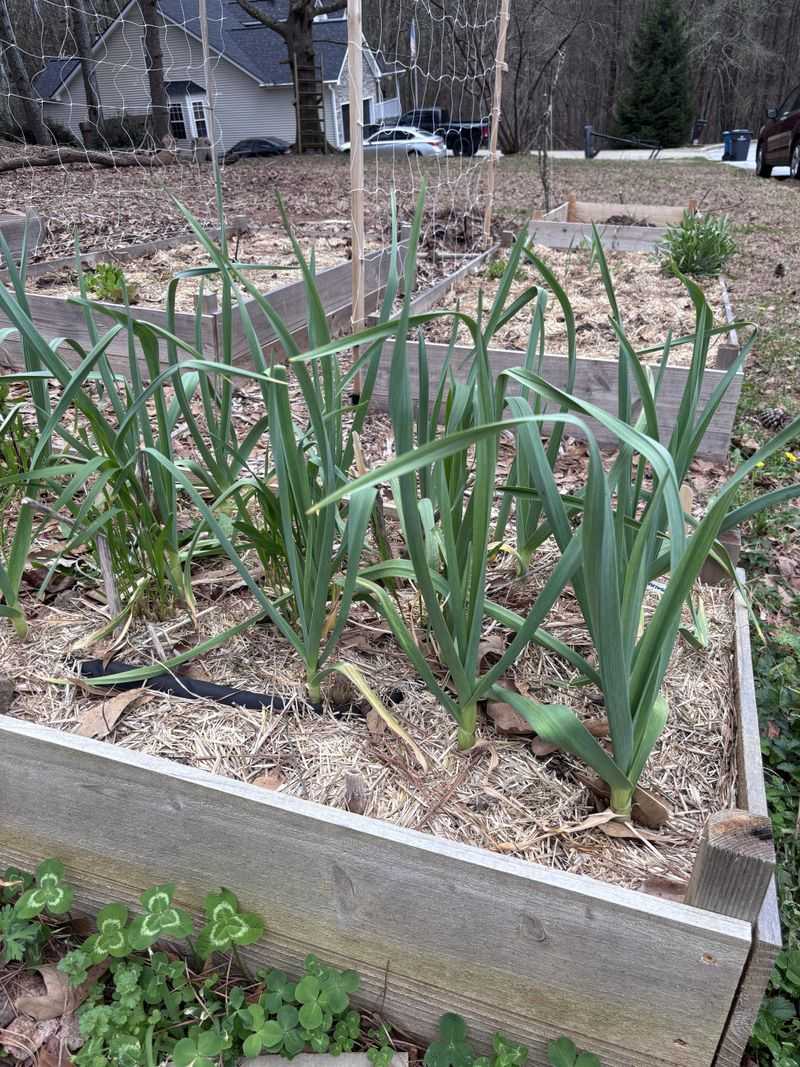
Few smells are as sharp and recognizable as garlic, and that intensity has made it a recurring character in wildlife-deterrent folklore. The story goes that snakes dislike sulfur-based compounds, and since garlic contains those compounds, planting it or spreading it around a yard should push snakes away.
Variations of this claim appear in old gardening guides and across online forums, often presented as folk wisdom passed down through generations.
The problem is that folklore and field evidence are not the same thing. Research published through university extension programs does not support garlic as a proven snake deterrent.
Some commercial snake-repellent products have used sulfur compounds as ingredients, but controlled studies on their effectiveness have shown inconsistent results.
Growing garlic in a garden bed does not release enough of these compounds into the surrounding environment to influence reptile behavior in any meaningful way.
Garlic is still a worthwhile garden plant for entirely different reasons. It grows well in Florida during cooler months, typically from fall through early spring.
Home-grown garlic offers fresher flavor than store-bought bulbs and is surprisingly straightforward to cultivate in raised beds or loose, well-drained soil. Varieties like Creole garlic perform well in Florida’s climate.
Growing garlic for cooking, for the satisfaction of harvesting your own food, and for its ornamental appeal in the vegetable garden is genuinely rewarding. Counting on it to alter snake activity in your yard is a different expectation entirely, and one the evidence does not support.
4. Mint’s Strong Scent Creates A Wildlife Myth
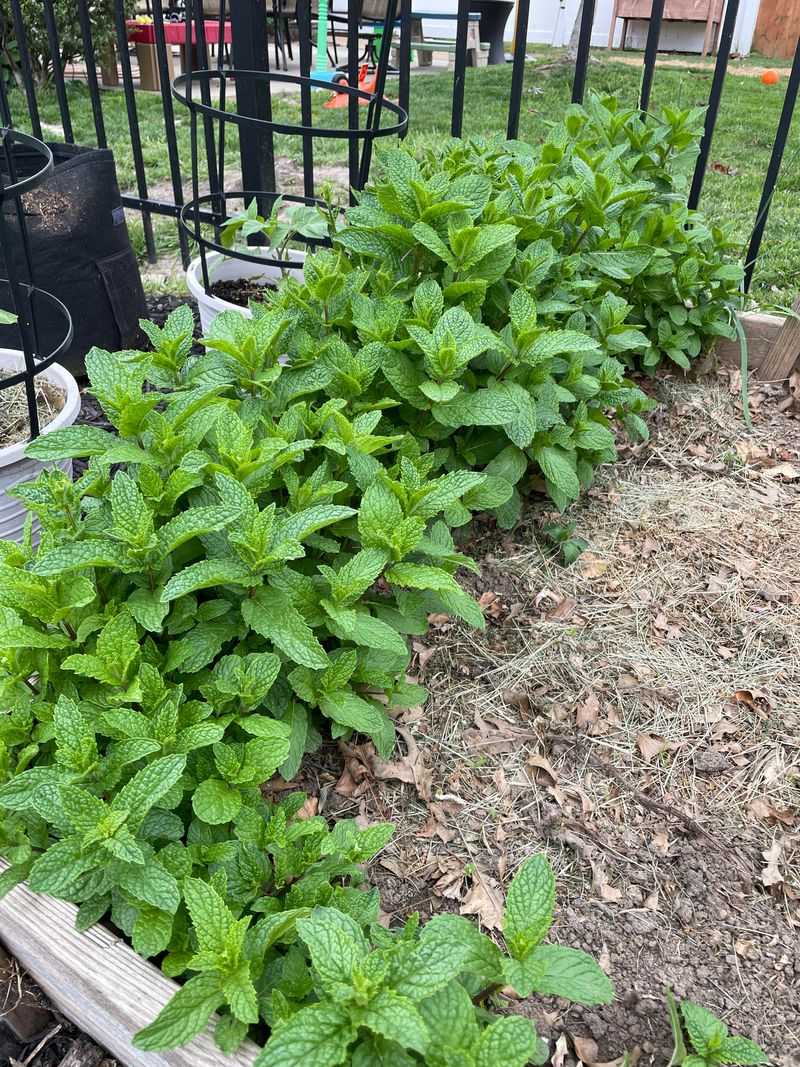
Step close to a mint plant and the scent hits you immediately. That kind of intensity makes people assume other creatures must feel the same way, perhaps even more strongly.
Mint has appeared on lists of plants said to deter rodents, insects, and, by extension, snakes. The reasoning usually follows a simple chain: mint smells strong, animals dislike strong smells, therefore mint repels animals.
Each step in that chain oversimplifies how wildlife actually behaves.
Snakes do not navigate or make shelter decisions based on nearby herb gardens. According to Florida Fish and Wildlife Conservation Commission guidance, snakes select habitat based on prey availability, cover, and environmental conditions.
A raised herb bed full of mint sits above ground level and has almost no influence on where a snake chooses to rest or hunt. The scent does not create a perimeter that reptiles recognize or respond to.
Mint does offer real value in the garden, though it comes with a significant warning. Left unmanaged, mint spreads aggressively through underground runners and can overtake a bed quickly.
Growing it in containers or in bordered sections helps keep it in check. Mint works well in teas, cooking, and as a fragrant ground cover in shaded spots.
Spearmint and peppermint both grow reasonably well in Florida with some afternoon shade and consistent moisture. Enjoy mint for its culinary uses and fragrance.
Manage its spread carefully so it does not become dense, overgrown cover that can attract certain wildlife.
5. Citronella Grass Gets Confused With Snake Repellents
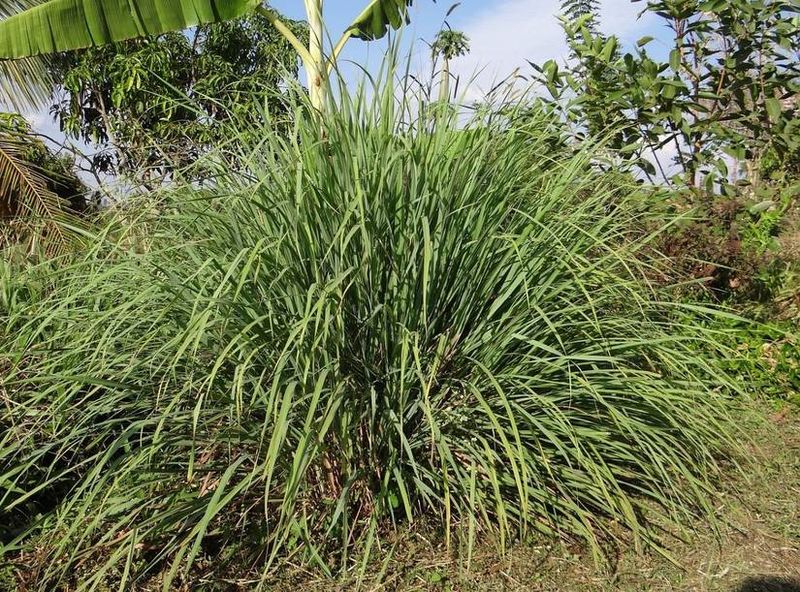
Citronella grass is strongly associated with mosquito control. Over time, those claims expanded into broader wildlife-repellent claims without the same supporting evidence.
People began including it on lists of plants said to discourage snakes, likely because it already had a reputation for affecting animal behavior.
The logic seemed to follow naturally from its mosquito-related fame, even though the two claims involve completely different animals and mechanisms.
Citronella grass does contain citronella oil, which has some documented effect on mosquitoes when the oil is extracted and applied directly.
Simply growing the plant in a yard does not release enough of the compound to repel mosquitoes effectively, let alone influence snake behavior.
Snakes are not affected by the same chemical signals that irritate insects. Reptile behavior is driven by temperature, prey location, shelter, and access.
A grass plant, however fragrant, does not register as a meaningful signal in that system.
As a landscape plant, citronella grass has genuine ornamental appeal. It grows in large, arching clumps similar in appearance to lemongrass.
It handles Florida’s heat and humidity reasonably well and works nicely as a bold textural accent near patios or along borders. It is low-maintenance once established and adds visual structure to a garden.
Growing it because you enjoy its appearance and fragrance is a perfectly good reason. Expecting it to serve as a barrier against reptiles is where the expectation drifts away from what the plant can actually do.
6. Basil Appears On Snake Lists For The Wrong Reasons
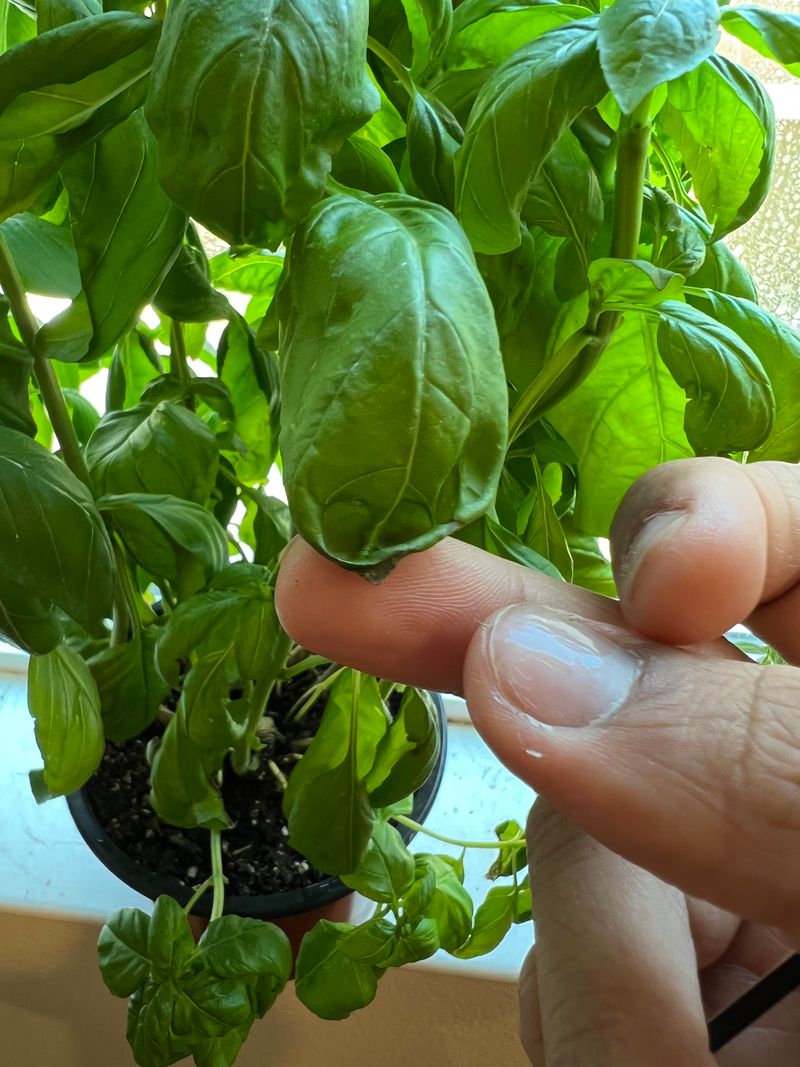
Basil earned its place on snake-repellent lists almost entirely by association. Basil is aromatic and often grouped with other strongly scented herbs.
Its fragrance can lead people to assume it affects wildlife behavior, but evidence does not support that claim. Once a plant lands on one of these lists, the claim tends to spread quickly without anyone checking whether there is actual evidence behind it.
Being aromatic does not automatically mean a plant influences snake activity. Snakes process chemical information through their Jacobson’s organ, which detects specific compounds at ground level.
The volatile oils that give basil its distinctive kitchen fragrance are not the same compounds that would trigger a behavioral response in a snake. There is no credible research connecting basil to changes in snake movement, habitat selection, or behavior.
Repeating the claim does not make it accurate.
Basil is genuinely valuable as a culinary and garden plant. It grows enthusiastically in Florida’s warm weather and thrives in full sun with regular watering.
Sweet basil, Thai basil, and holy basil all perform well in home gardens here. It works beautifully in raised beds, containers, and herb gardens near the kitchen.
Harvesting regularly encourages bushy, productive growth and prevents early bolting. Basil pairs well with tomatoes in both the garden and on the plate.
Grow it because it tastes excellent, because it is easy to maintain, and because fresh herbs from your own yard are genuinely satisfying. Just leave it off the list of wildlife management strategies.
7. Forget Snake-Repelling Plants – Fix What Actually Attracts Them
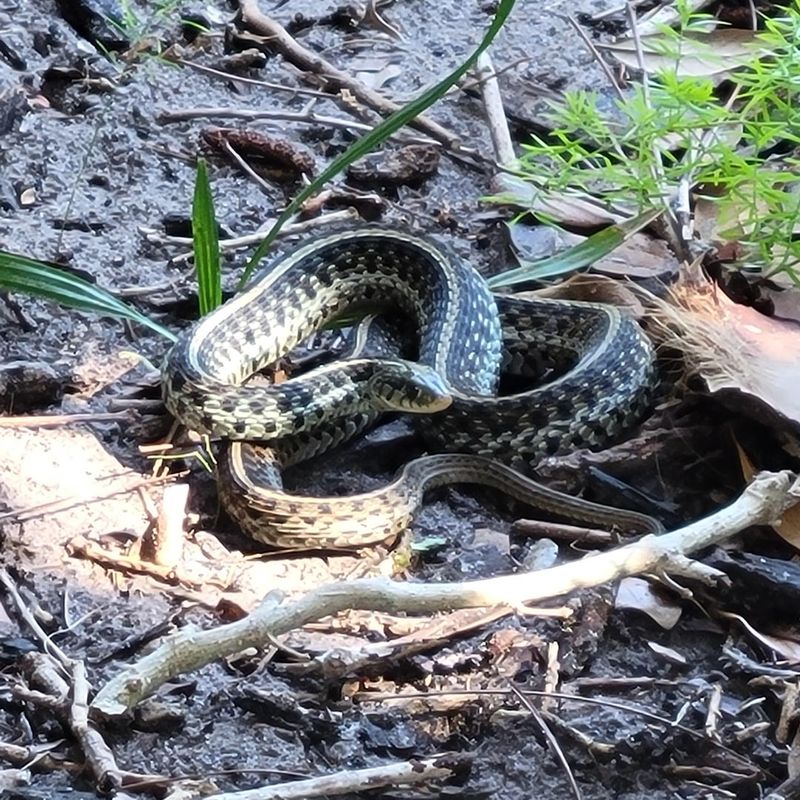
Plants rarely stop snakes from entering your yard. The real solution is removing the conditions that make your property appealing in the first place.
Snakes are not searching for specific flowers, herbs, or scents -they are looking for shelter, food, water, and comfortable places to hide.
Start by cleaning up the areas where snakes feel protected. Remove stacks of wood, piles of leaves, unused materials, and thick ground cover that create dark hiding spots.
Keep grass trimmed, clear clutter around sheds and fences, and avoid letting landscaping become so dense that animals can move through it unnoticed.
Reducing prey is another important step. Snakes often appear where rodents, frogs, and other small animals have easy access to food and shelter.
Store pet food securely, close gaps around buildings, and remove anything that encourages unwanted wildlife.
A well-maintained yard does far more to discourage snakes than any so-called snake-repelling plant. Grow lemongrass, mint, basil, and marigolds because you enjoy them – but focus your prevention efforts on changing the environment snakes actually respond to.