How Alkaline Soil, Caliche, and Care Habits Affect Arizona Lemon Trees
Lemon trees in Arizona yards face hidden challenges under the surface, and they show up as yellow leaves and dropped fruit. Many homeowners wonder if the soil holds a secret switch for a big crop.
The real story is more practical, and it gives you things you can actually do. Here is how soil, water, food, and cold all fit together.
Alkaline soil can limit iron without flipping a fruiting switch
Soil chemistry in the Phoenix and Tucson areas leans alkaline, and that matters for lemons. According to Arizona extension guidance on choosing plants, most Arizona soils are alkaline, though not all, and high alkalinity can make iron harder for roots to take up.
That is a real effect on tree health. What it does not do is act like a hidden switch.
Nothing found in the guidance shows that changing soil chemistry makes a lemon tree suddenly set hundreds of fruit, and no single factor decides the size of a crop.
Think of soil as one piece of the care puzzle. A tree with steady water, the right feeding, and protection from cold is better placed to flower and hold fruit.
Arizona citrus troubleshooting advice also points to weather, irrigation, and nitrogen as reasons fruit gets lost, so soil pH is only part of the story.
Caliche is a separate problem below the surface
Alkaline and caliche get lumped together, but they are different. Soil can be alkaline with no caliche at all, and plenty of Arizona yards have no caliche layer.
Where it exists, Arizona guidance on managing caliche describes a calcium-carbonate layer that can block roots, slow the movement of water, and make iron less available. So caliche brings a physical problem on top of a chemical one.
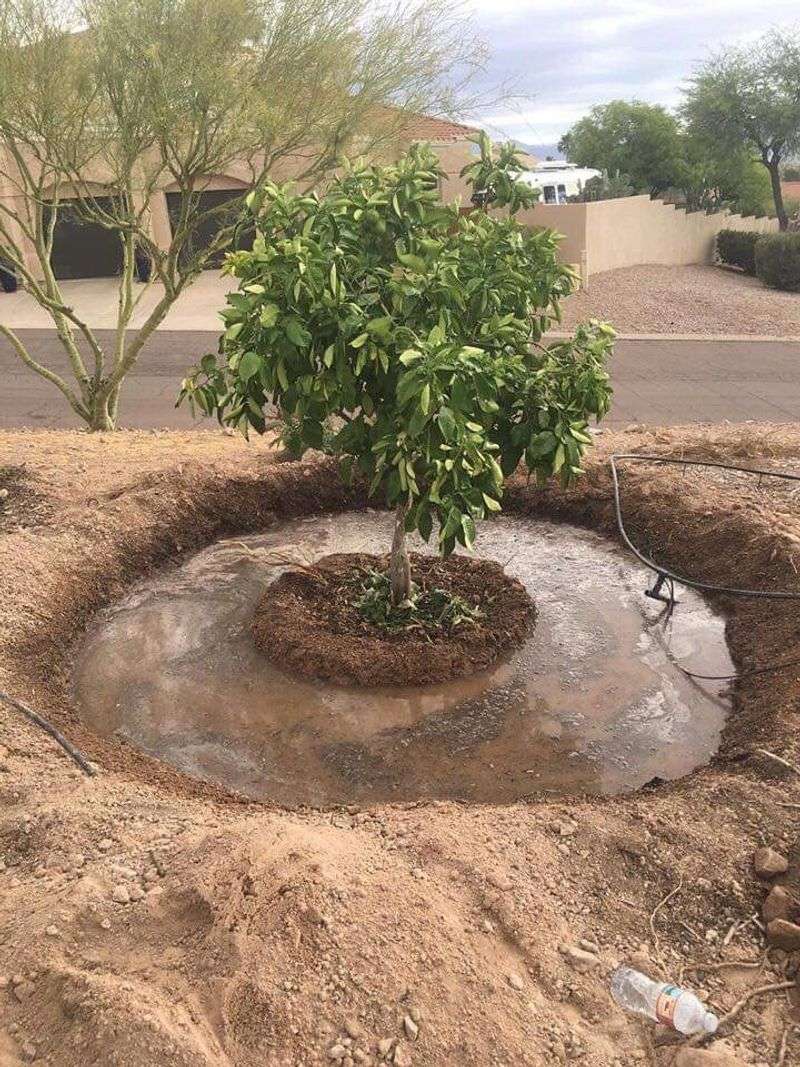
Before planting, dig the hole and see what is down there. Pour in water and watch how quickly it drains.
Where practical, break through or remove the hard layer so roots and water can move down.
Not every lemon tree needs caliche removal. If your hole drains well and roots have room, there is nothing to fix.
Digging first tells you what you are actually dealing with, and it costs nothing.
What does a yellow leaf actually tell you?
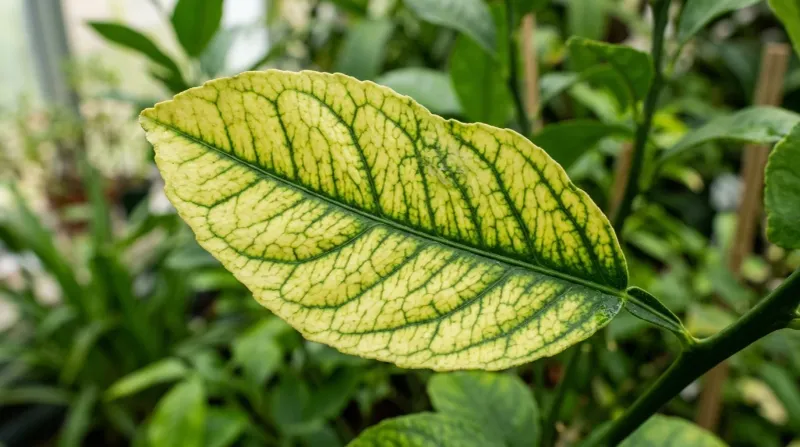
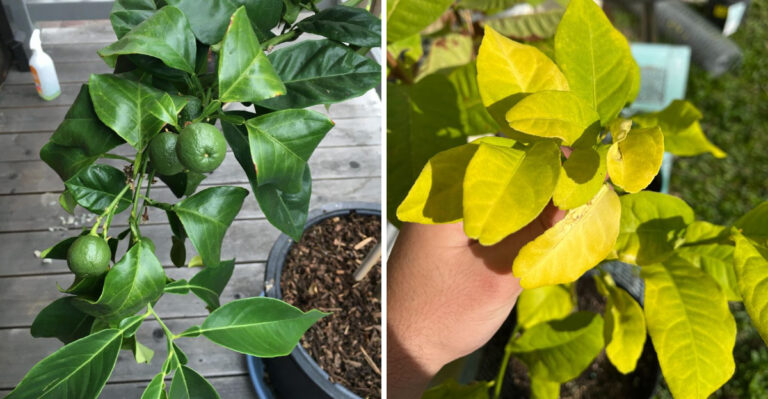
Yellow leaves get blamed on soil pH a lot, but color alone is a poor clue. A tree can turn yellow from several nutrient problems, and guessing wrong wastes money.
The pattern matters. Arizona’s guide to nutrient deficiency symptoms describes iron trouble as yellowing between the veins of young leaves, so the veins stay green while the tissue around them fades.
Look at new growth first, not the whole tree.
Even that pattern is a reason to investigate, not proof that the soil needs to change. Other nutrient problems can cause leaf symptoms too.
Take a good look at leaf age, watering habits, and drainage before you buy anything. A soil test and a local nursery or extension office can help you narrow down the cause and pick a fix that fits.
Your Arizona Garden Changes Every Week. Your Plan Should Too.
Gardening in Arizona changes quickly throughout the season. Every Friday you’ll receive a simple weekly plan showing exactly what to plant, prune, fertilize, harvest, and protect so you never miss the right timing.
Spring fruit drop has more than one cause
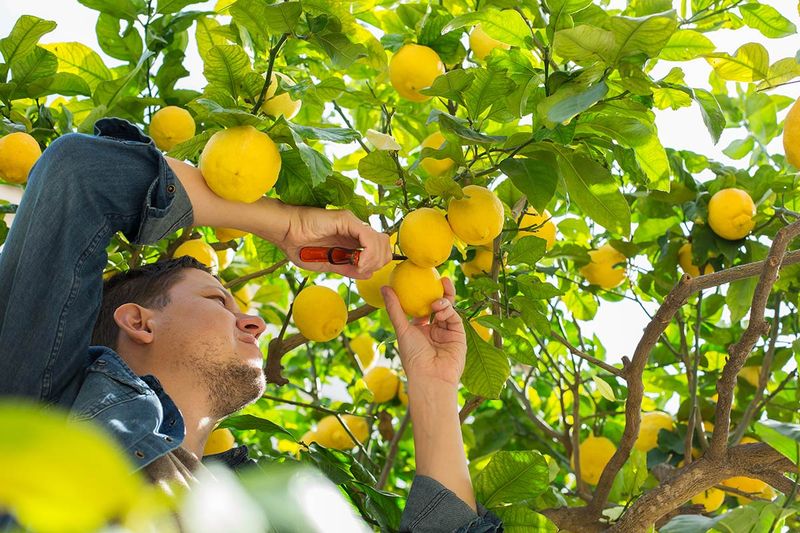
Spotting little lemons on the ground in spring can be alarming. Citrus naturally sheds some fruit, so a certain amount of drop is normal and not a sign that something is wrong underground.
Drop can get heavier under certain conditions. Arizona guidance on diagnosing citrus problems lists hot, dry, windy weather, inadequate irrigation, and inadequate nitrogen as possible contributors.
Those are things you can check. Did a windy, dry stretch hit during bloom?
Has the tree been getting deep water? Was the winter feeding skipped?
What fruit drop does not do is prove your soil chemistry is off. Blaming the dirt can send you chasing amendments while the real culprit is a dry week or a missed feeding.
Run through the simple causes first.
How should Arizona citrus be watered?
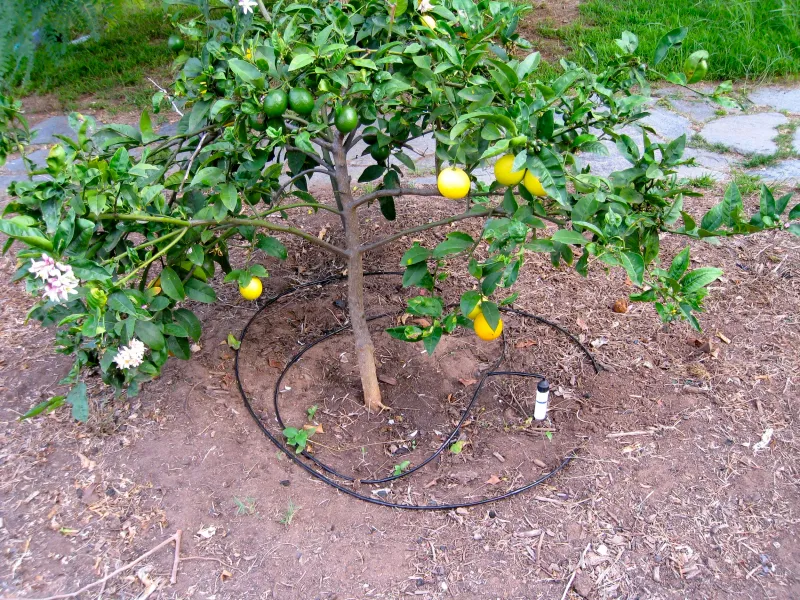
For an established tree, the goal is depth and reach. Arizona irrigation guidance for citrus says to wet the soil from the trunk to just beyond the drip line, and to at least two feet deep.
How often you get there is not one fixed number. Timing shifts with the season, your soil type, the weather, and whether you use drip, basins, or flood irrigation.
A tree in July heat needs a different rhythm than one in January.
Check by digging down a foot or two with a probe or trowel a day or so after watering. If the soil is moist at depth, you are on track.
Water stress can shrink fruit and, over time, add to flower and fruit drop. Good watering supports the tree, but extra water will not secure a crop, so aim for steady and deep rather than more.
Fertilizer and soil amendments need a measured plan
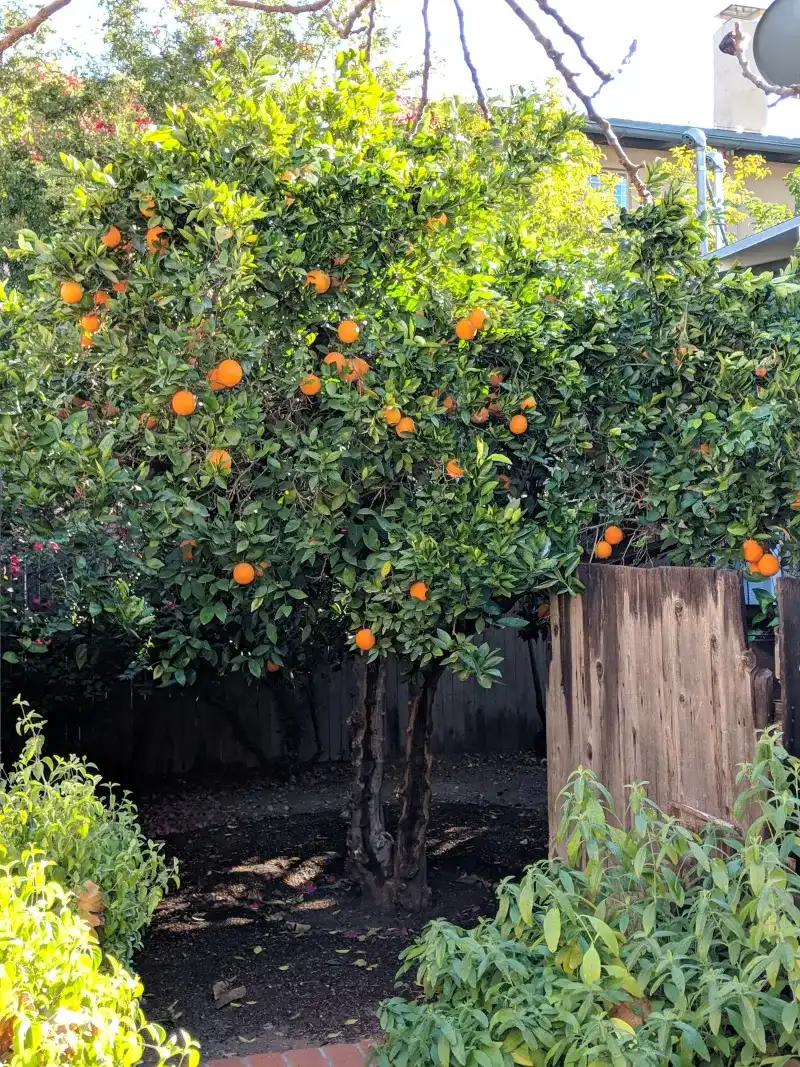
Skip the guesswork and follow the size-based schedule in Arizona’s citrus fertilization chart. For lemons and limes, the yearly amount is split into thirds: January to February, March to April, and August to September.
Measure accurately, then water the fertilizer in. A bigger dose will not force fruit, and it can stress the tree.
Changing the soil itself is a different matter. Arizona guidance on plant selection notes that sulfur may need repeated applications in alkaline soil, and that calcareous soils are very difficult to change.
Test first, and get locally appropriate rates before adding anything.
Also remember that a product with sulfate in its name is not the same as elemental sulfur, and sulfate ions do not lower soil pH by themselves. Excess sulfur can harm plants, so a one-time soil flip is not a plan.
Cold protection matters for Arizona lemons
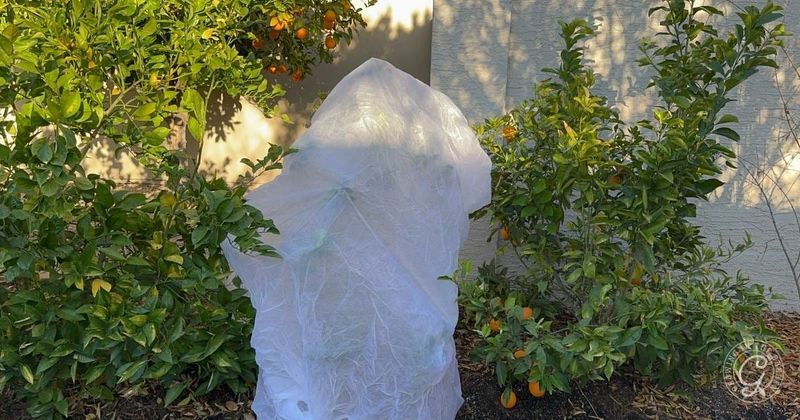
Lemons are not the toughest citrus in a cold snap. Arizona guidance on protecting citrus from cold lists lemon, lime, and citron among the least cold-tolerant types.
Low-desert winters can still dip below freezing, so this is a real factor for tree health. It is separate from soil pH and from spring fruit drop, and it needs its own plan.
Site choice helps. A spot near a south or west-facing wall can hold a little extra warmth.
Have frost cloth ready before a cold forecast, and cover the tree in the evening.
A healthy root zone will not make up for frozen branches, so treat winter protection as part of caring for the tree, not an afterthought.
A healthy root zone supports fruit but cannot guarantee it
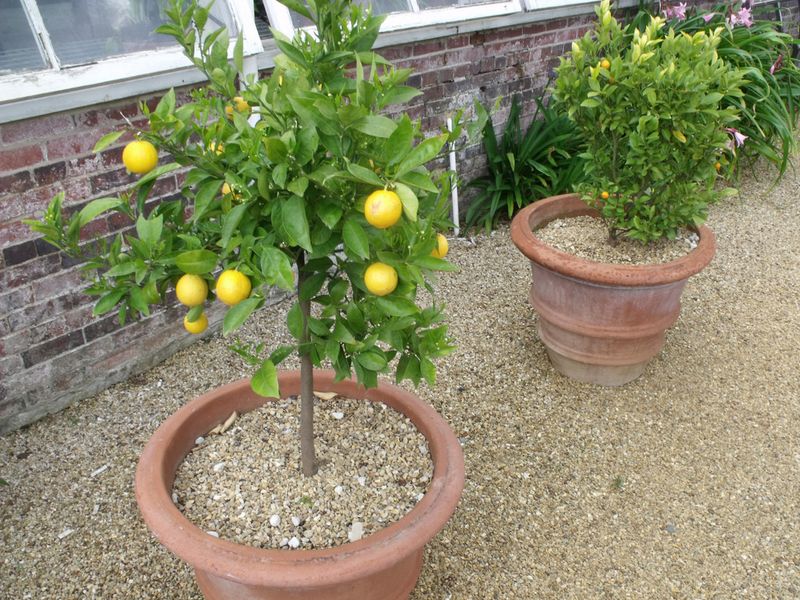
Start with what you see: leaf pattern, fruit drop, and how the tree looks. Then check the basics: deep watering, the feeding schedule, drainage at the roots, and cold protection for winter.
Pick a targeted response for whatever you find, and test before changing the soil. These steps support the tree, and no step promises a heavy crop.
A lemon tree rewards patience far more than a quick fix.