Why Arizona Homeowners May Want Tarantulas Around When Scorpions Are Active
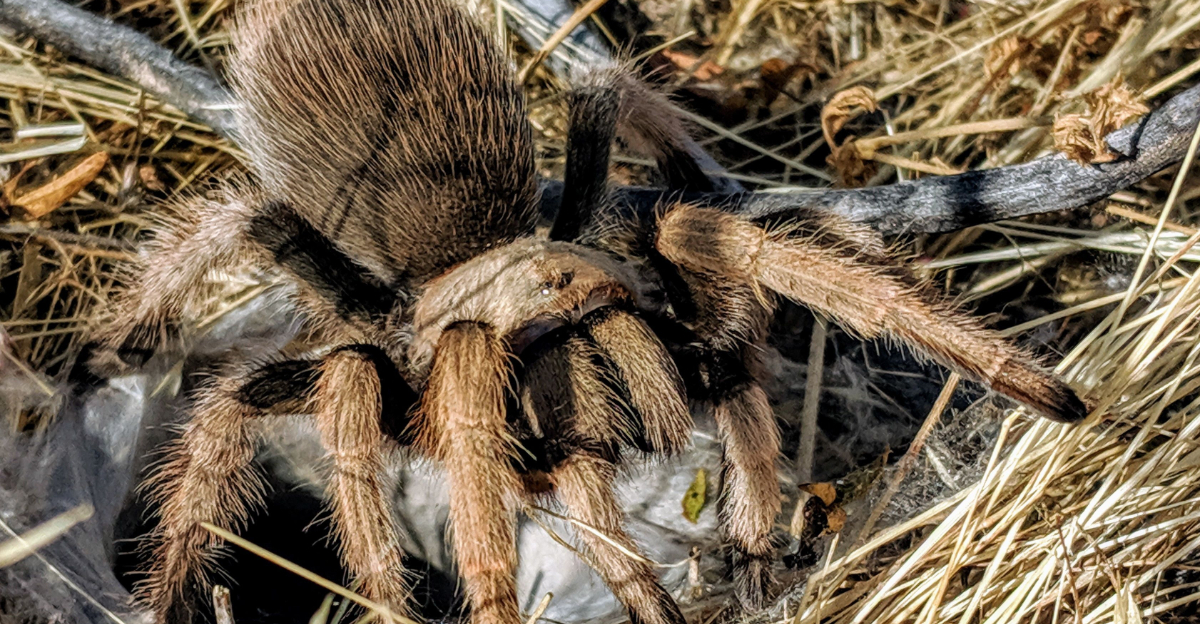
Seeing a tarantula crossing your yard can make you reach for the nearest way to remove it. Give that large spider some space before deciding it has no place around your property.
Arizona homeowners often notice tarantulas during warmer months, when scorpions can also stay active around yards. That overlap makes the spider far more interesting than its intimidating appearance suggests.
Tarantulas are predators, and scorpions can sometimes become part of what they hunt. This does not mean every tarantula will solve a scorpion problem around your home.
Still, chasing one away immediately may remove a natural hunter already working outside.
Your best response usually starts with distance rather than interference.
Once you understand what tarantulas actually do around your yard, seeing one may feel very different.
1. Tarantulas Can Catch Scorpions Around The Yard
Spotting a tarantula near your patio might make your skin crawl, but that spider could be doing you a quiet favor. Tarantulas are active hunters.
They do not rely on webs to catch prey. Instead, they roam the ground and use touch and vibration to detect movement nearby.
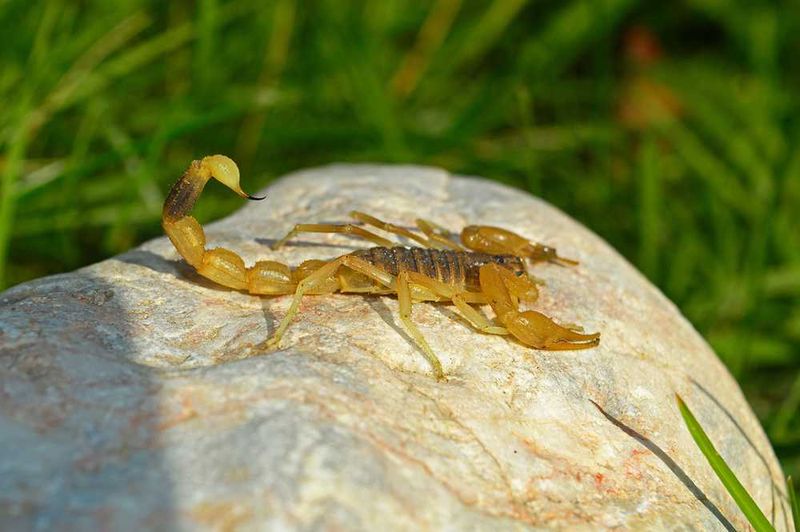
Scorpions move along the ground too, which puts them right in a tarantula’s path. When the opportunity comes, a tarantula can overpower a scorpion with speed and strength.
It grabs the scorpion and uses its fangs to subdue it before consuming it.
Bark scorpions are the most venomous scorpion species found in Arizona, and they tend to come out in warm months. That timing lines up with when tarantulas are also most active outdoors.
Having a tarantula roaming your yard during peak scorpion season means there is a natural predator already working the same ground.
Tarantulas are not a replacement for professional pest control, and one spider cannot clear an entire property. But the presence of a hunting tarantula adds a layer of natural pressure on scorpion activity in the immediate area.
It is a small but real benefit that comes at no cost to you.
2. Both Become More Active After The Sun Goes Down
Nighttime in the desert changes everything. Once the sun drops and temperatures cool, creatures that stayed hidden all day start moving.
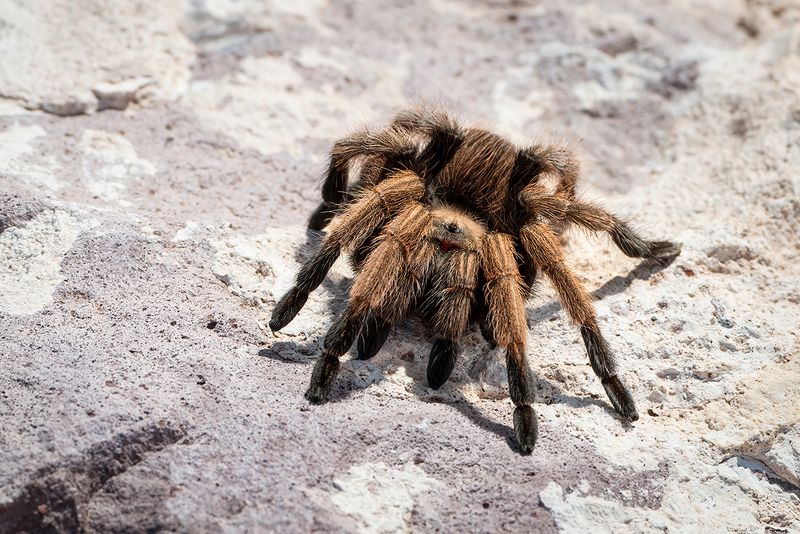
Both tarantulas and scorpions are nocturnal, which means their paths cross more often than most people realize.
Scorpions hunt at night and are drawn to areas where small insects gather. Tarantulas follow a similar schedule, emerging from their burrows after dark to search for food.
Because both are active in the same hours and often in the same spaces, encounters between them happen fairly regularly.
For homeowners, this overlap matters. Scorpions are harder to spot at night unless you use a blacklight, which makes them glow.
Tarantulas, while larger and easier to see, are also moving through those same dark corners of your yard. Their presence in those spaces means they may intercept scorpions before those scorpions find a way indoors.
Outdoor lighting can attract insects, which in turn draws scorpions looking for a meal. A tarantula patrolling that same lit area adds a natural check to that chain.
Your Arizona Garden Changes Every Week. Your Plan Should Too.
Gardening in Arizona changes quickly throughout the season. Every Friday you’ll receive a simple weekly plan showing exactly what to plant, prune, fertilize, harvest, and protect so you never miss the right timing.
It does not guarantee fewer scorpions inside your home, but the overlap in activity windows gives the tarantula a realistic chance to encounter and capture scorpions before they get too close to your living space.
3. Venom Helps Tarantulas Subdue The Prey They Catch
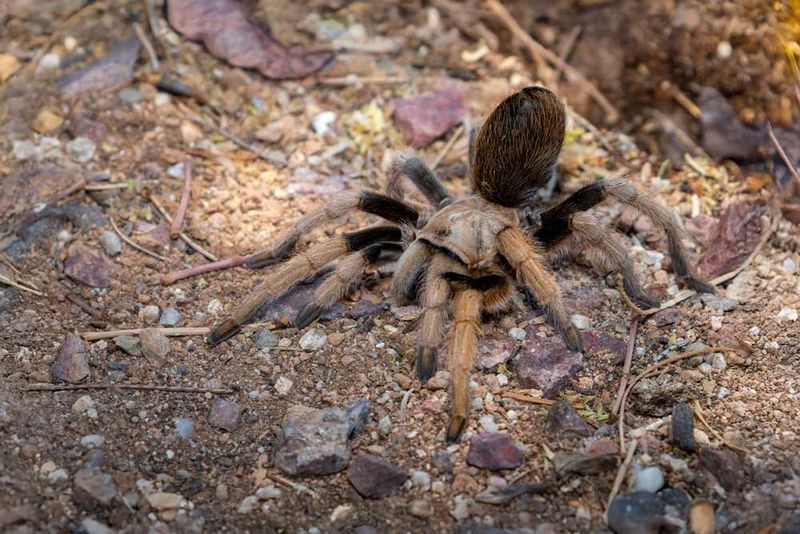
Tarantulas are venomous, and that venom is a key part of how they handle prey. When a tarantula bites a scorpion, the venom works to immobilize it.
This is not a fight the scorpion is likely to escape once the tarantula has a firm grip.
North American tarantula venom is generally mild compared to many other venomous spiders. It is strong enough to affect insects and small arthropods like scorpions, but it poses a low risk to healthy adult humans.
A bite from a tarantula may cause local pain or swelling, similar to a bee sting, but serious reactions are uncommon in most cases.
The venom works quickly on smaller prey. Once delivered, it begins breaking down tissue and subduing the target so the tarantula can feed.
Scorpions have their own venom, but getting stung during a tarantula attack is not a reliable defense when the spider moves fast and pins the scorpion down.
Understanding how tarantula venom functions helps put their role in perspective. They are not passive creatures.
They are equipped hunters with a real biological toolkit. That toolkit allows them to take on prey like scorpions that most other backyard predators would avoid.
Their venom is a practical advantage that makes them genuinely effective in the field.
4. Insects And Other Arthropods Are Also Common Prey
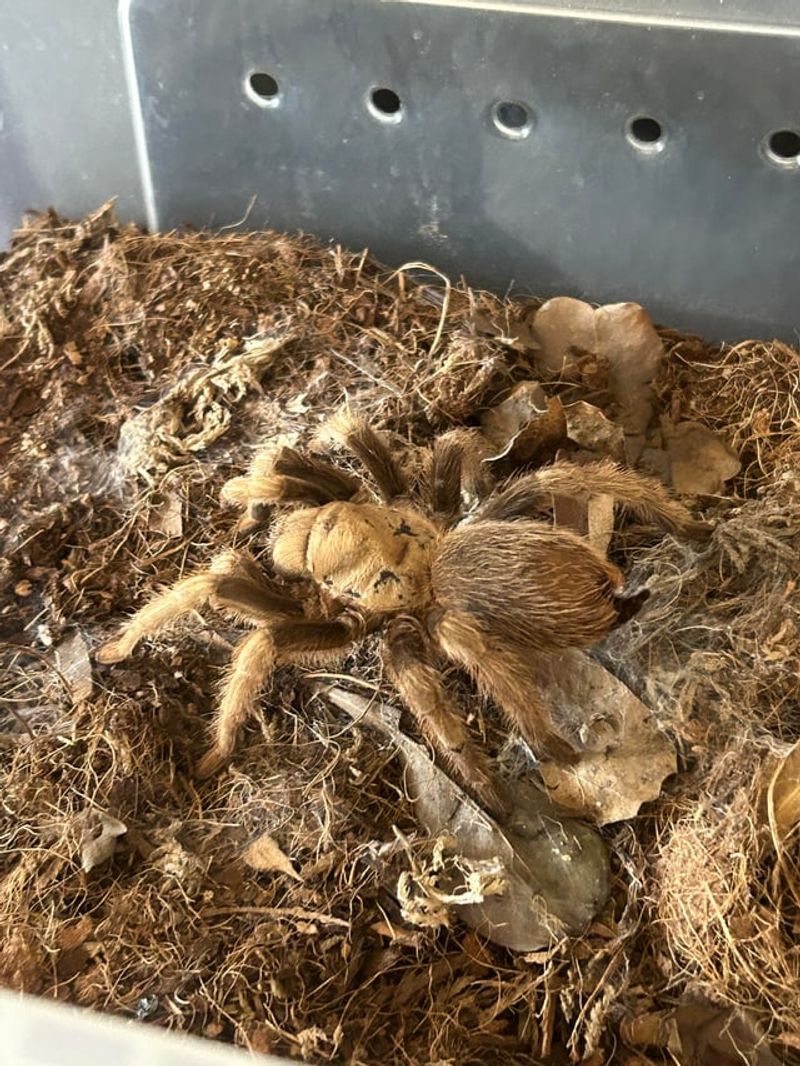
Scorpions are not the only thing on a tarantula’s menu. Crickets, beetles, grasshoppers, and other ground-dwelling insects are regular targets.
Tarantulas eat what is available, and in a desert yard, there is usually plenty to go around.
Many of the insects tarantulas eat are also the same insects that attract scorpions. Scorpions prey heavily on crickets and roaches.
When a tarantula reduces the insect population in an area, it indirectly makes that space less appealing to scorpions looking for food. Fewer food sources can mean fewer scorpions lingering nearby.
Cockroaches, which are a common scorpion food source, are also something tarantulas will pursue.
A backyard with active tarantula presence may see reduced populations of these insects over time, though results will vary based on yard size, season, and the number of tarantulas present.
Arthropods like centipedes are also fair game. Centipedes are fast and can bite, but a tarantula has the size and strength to handle them.
By hunting across a wide range of prey, tarantulas act as broad-spectrum predators in the yard. Their diet is not narrow, which means their impact on the local pest population reaches further than just scorpion control.
That wide appetite makes them a genuinely useful presence in desert outdoor spaces.
5. Their Hunting Gives Them A Role In The Desert
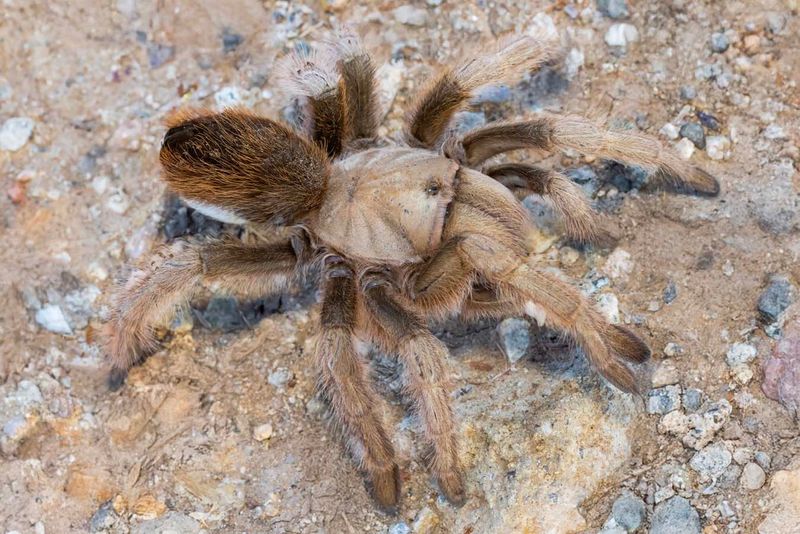
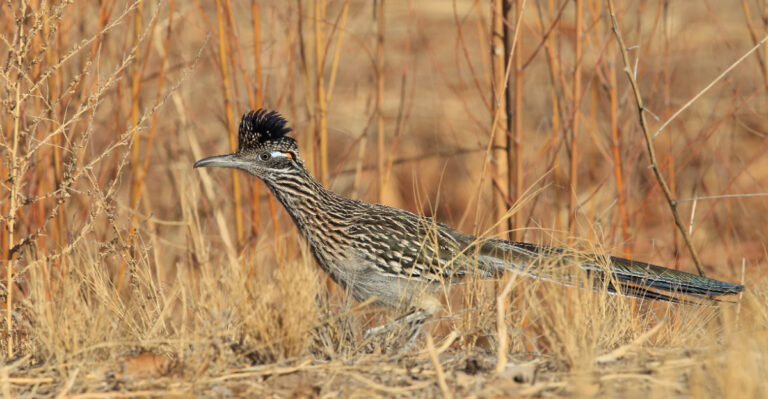
Every predator in the desert fills a slot in the food web. Tarantulas sit in a middle position, hunting smaller creatures while also serving as prey for larger ones like roadrunners, coyotes, and certain wasps.
That middle role makes them important in ways that go beyond just scorpion control.
Desert ecosystems depend on balance. When one species drops in numbers, the creatures it once kept in check tend to increase.
Tarantulas help regulate populations of ground-level insects and arthropods, which keeps those numbers from climbing too high in any one area.
In the Sonoran Desert, which covers much of southern Arizona and parts of northern Mexico, tarantulas have been part of the natural landscape for a very long time. Their presence is not random.
They are woven into the local ecology in ways that support the broader system.
Homeowners who encounter tarantulas on their property are essentially seeing a functioning piece of that desert system at work. Removing tarantulas from the equation does not necessarily lead to fewer pests.
It may actually leave a gap that other, less welcome creatures move into. Letting tarantulas do what they naturally do supports the kind of ecological balance that makes desert living a little more manageable over time.
6. Tarantulas Usually Try To Avoid Human Contact
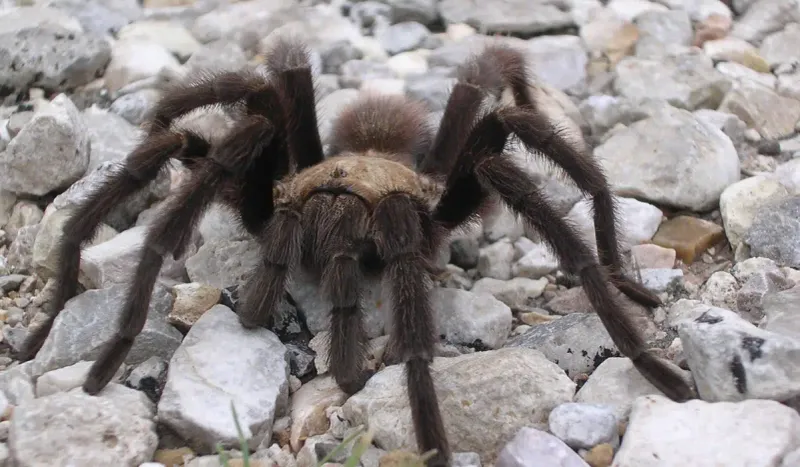
One of the biggest misconceptions about tarantulas is that they are aggressive. Most people assume a large spider will charge or attack without warning.
In reality, tarantulas prefer to avoid confrontation with humans whenever possible.
When a tarantula senses a large presence nearby, its first instinct is to retreat. It may freeze or slowly back away.
Biting is typically a last resort and usually only happens when the spider feels directly threatened or is handled roughly.
For homeowners who spot a tarantula in the yard, the safest response is to leave it alone. Observe from a distance if you are curious, but avoid cornering or provoking it.
A tarantula that feels trapped is more likely to raise its front legs in a defensive posture, which is a clear signal to back off.
New World tarantulas, which are the species found in the Southwest, also have urticating hairs on their abdomen. When threatened, they can flick these hairs toward a perceived threat.
These hairs cause skin irritation and can be very uncomfortable if they reach the eyes. So while tarantulas are not out to pick a fight, giving them space is a smart move.
Peaceful coexistence is genuinely possible and usually leads to the best outcome for everyone involved.
7. Give Roaming Tarantulas Space To Move On Their Own
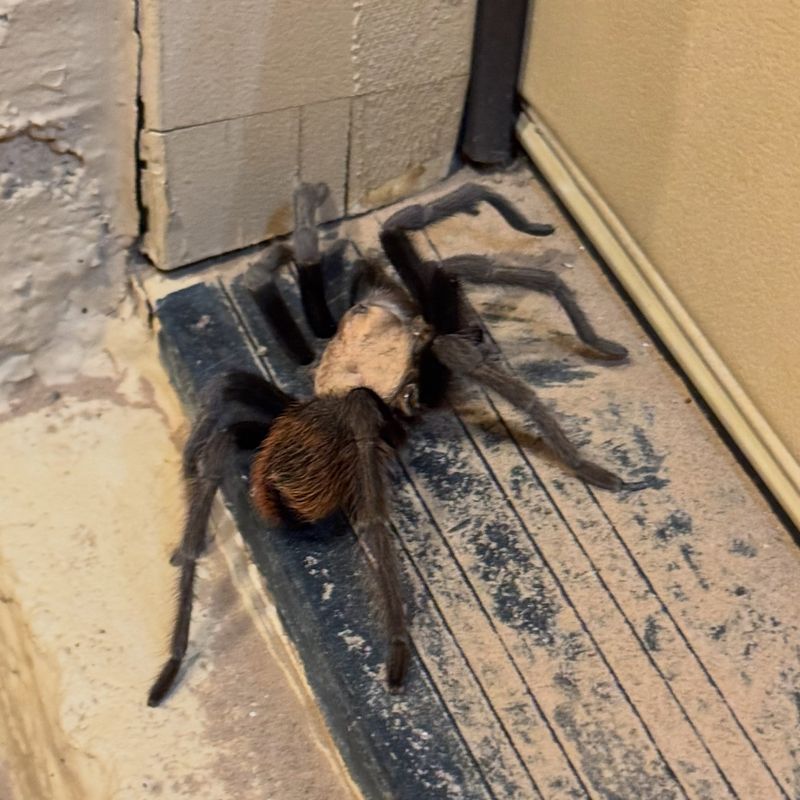
Tarantulas spotted crossing sidewalks or wandering through yards are usually just passing through. Male tarantulas in particular roam widely during late summer and fall while searching for mates.
Seeing one near your home during those months is not a sign of an infestation.
Blocking their path or trying to relocate them is usually unnecessary. Tarantulas are not trying to move into your house.
They are following instinct and moving through their territory. Letting them continue on their way is the easiest and most practical response.
If a tarantula ends up inside your home, guide it gently into a container using a piece of cardboard and release it outside. Avoid picking it up directly, especially if you are unfamiliar with handling spiders.
Keep the interaction calm and slow to avoid stressing the spider into a defensive reaction.
Yards with natural desert landscaping, rock piles, or ground cover tend to support more tarantula activity. If you want to encourage their presence as a natural pest deterrent, avoid using broad-spectrum pesticides in your yard.
Many pesticides affect tarantulas and other beneficial predators along with the pests you are targeting.
A yard that supports natural predators tends to stay more balanced over time, and that balance can make scorpion management a little less stressful for desert homeowners.