9 Native Shrubs Virginia Homeowners Plant Once For Privacy That Grow Thicker Every Year
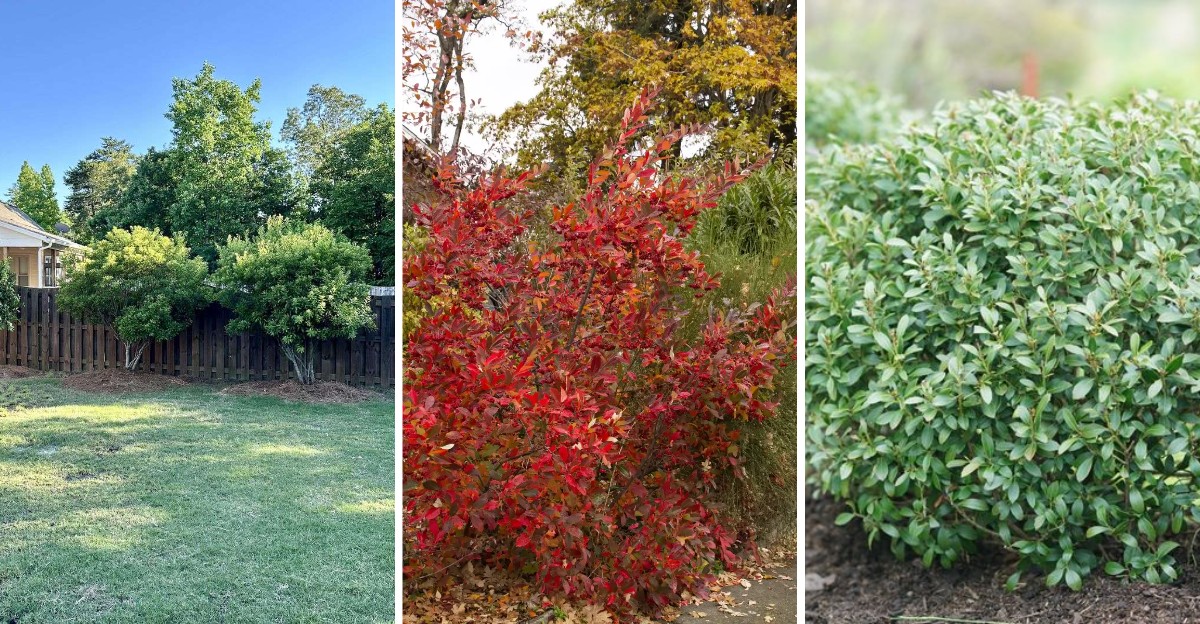
Nosy neighbors, busy roads, and a bare fence line can make any backyard feel like a fishbowl. Luckily, Virginia soil already knows how to grow a better wall.
Native shrubs settle in, stretch out, and fill gaps a little more each season. Picture glossy leaves in January, spicy blooms in May, and birds chattering inside the branches.
Many of these plants spread by suckers or grow into dense mounds, so one planting day pays off for years. They also handle local heat, humidity, and clay far better than many imported hedges.
Some love soggy corners, while others prefer cool shade under tall oaks. A few smell so good you might linger by the fence on purpose.
The shrubs below can turn that exposed feeling into a lush, living screen. Each one gets fuller with time, giving you more privacy every year.
1. Wax Myrtle For Fast, Fragrant Evergreen Cover
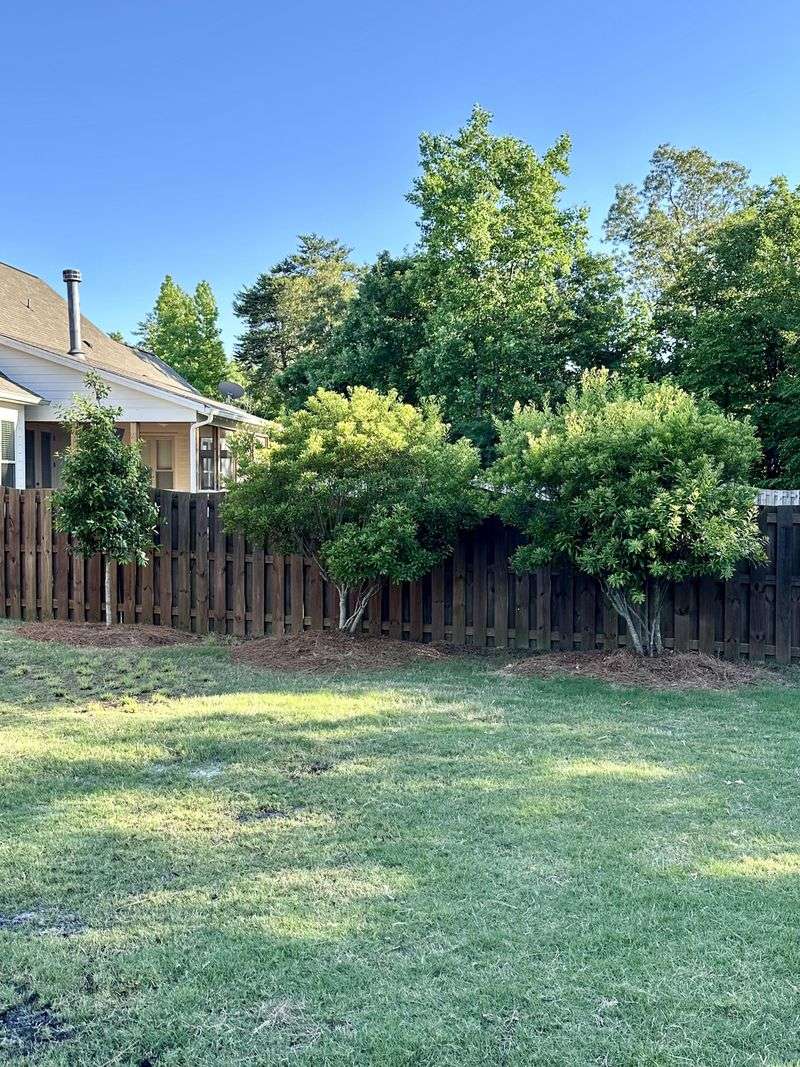
Crush a single leaf, and your fingers smell like a holiday candle shop. Wax myrtle has been perfuming Virginia yards and coastal thickets for centuries.
Early colonists boiled its waxy berries to make bayberry candles. Today, most homeowners love it for a simpler reason, since it grows fast.
Expect a mature size of about 10 to 15 feet tall. Width usually reaches 8 to 10 feet, so give each plant room.
Root suckers pop up around the base over time. Those new stems fill gaps and turn a row of shrubs into one leafy wall.
Wet ground does not scare it off. Wax myrtle handles average to soggy soil and even tolerates some standing water after storms.
Full sun gives the thickest growth. Partial sun works too, though branches may look a bit looser in shadier spots.
Here is a bonus many gardeners miss. Wax myrtle fixes nitrogen in its roots, so it feeds itself in poor, sandy soil.
Deer tend to leave it alone, which is a relief in suburban areas. Birds, on the other hand, flock to the blue berries all winter.
For planting, space shrubs about 6 to 8 feet apart. A light trim in late winter keeps the lower branches full and bushy.
Skip heavy fertilizer, because it rarely needs extra food. A layer of shredded leaf mulch helps new roots settle during that first summer.
Hard freezes can brown some leaves in the western mountains. Fresh growth usually returns quickly once warm spring days arrive.
2. Inkberry Holly For A Glossy Year-Round Wall
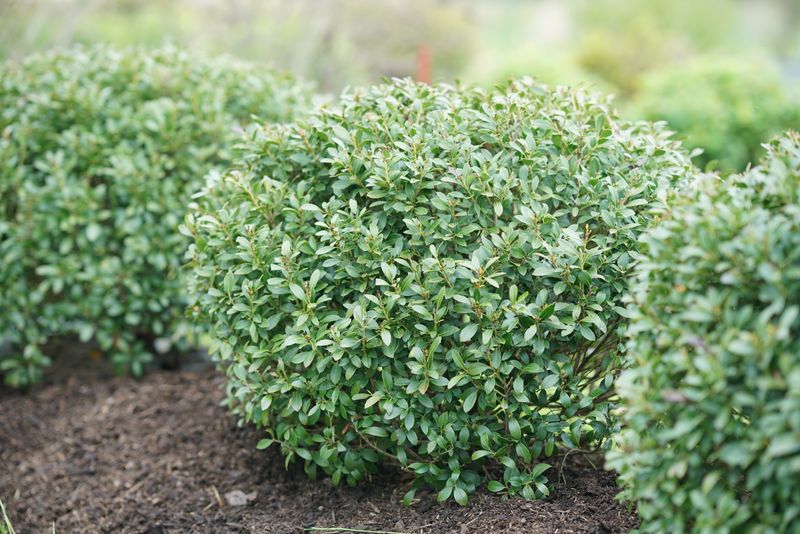
Tired of fussing over boxwood? Inkberry holly offers the same neat green look with far less drama and a softer, natural shape.
Small, shiny leaves stay on the branches all year. Even in a gray February, your screen still looks fresh and full.
Wild plants grow across the central and southern Coastal Plain. They often thrive near swamps and pine flats with damp, acidic soil.
Most shrubs reach 5 to 8 feet tall and wide. Some older plants stretch closer to 10 feet with time and patience.
Growth is slow at first, so plan ahead. Buying larger container plants can give you privacy a year or two sooner.
Your Virginia Garden Changes Every Week. Your Plan Should Too.
Gardening in Virginia changes quickly throughout the season. Every Friday you’ll receive a simple weekly plan showing exactly what to plant, prune, fertilize, harvest, and protect so you never miss the right timing.
Compact types like Shamrock or Gem Box stay about 3 to 4 feet. Those work well for low screens around patios or porches.
Acidic soil matters here. Alkaline ground can turn the leaves yellow, so test your soil before planting a long row.
Sun or part shade both suit it nicely. Periodically wet spots are fine, which makes it handy near downspouts and rain gardens.
Want those glossy black winter berries? Plant at least one male inkberry nearby so the females can produce fruit.
Birds happily snack on the berries through cold months. Bees also visit the tiny spring flowers, which produce a prized local honey.
Leggy bottoms can happen over the years. Cut a few old stems near the ground in spring to push fresh growth from below.
3. American Holly For A Tall, Classic Screen
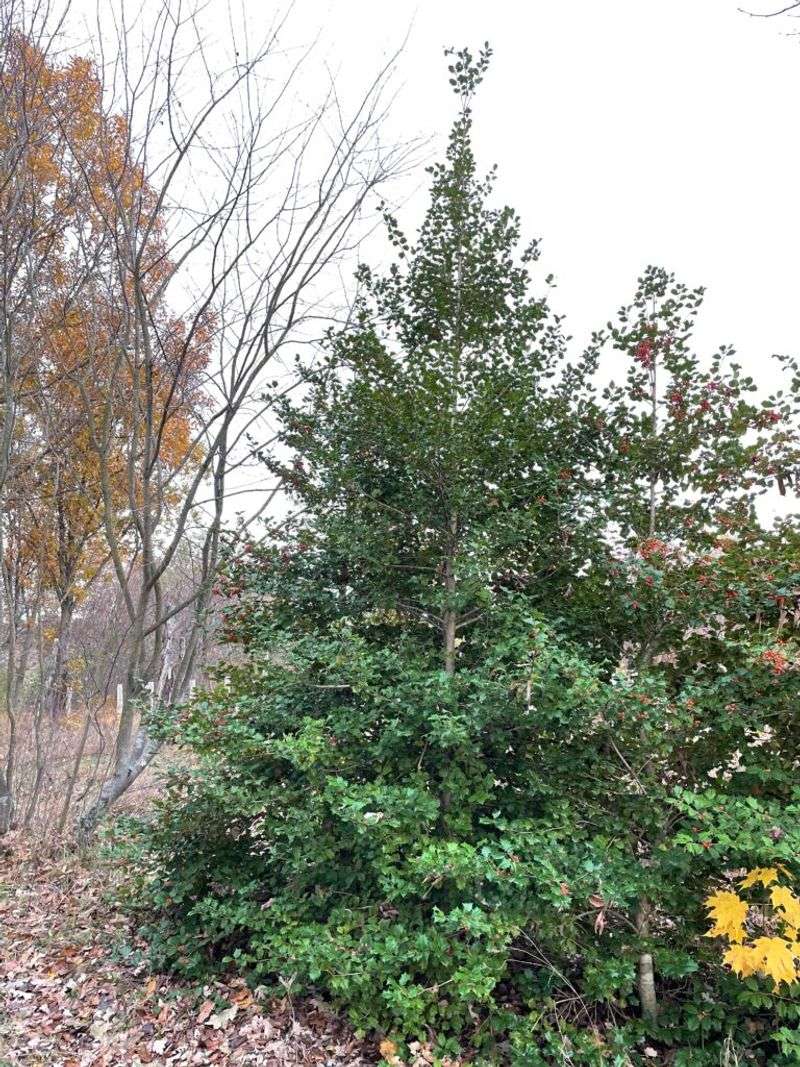
George Washington planted American holly at Mount Vernon, and some of his trees still stand today. Talk about a plant with staying power.
Dense, pyramid-shaped growth makes it a natural fit for tall screens. Spiny leaves also discourage anyone from cutting through your yard.
Size varies quite a bit. Wild trees reach 15 to 40 feet tall and 10 to 20 feet wide over many years.
Smaller yards have options too. The cultivar Virginia grows about 15 to 20 feet tall and 8 to 12 feet wide.
Maryland Dwarf stays much shorter at 3 to 5 feet. It spreads about 8 feet wide, forming a low evergreen mound.
Growth is slow, so patience pays off. Once established, though, it holds its shape with very little pruning needed.
Sunlight makes a big difference. More sun means thicker foliage and heavier berry crops, while deep shade leads to sparse branches.
Soggy ground is a deal breaker. Choose acidic, well-drained soil with some compost mixed in, and avoid low spots that puddle.
Berries only form on female trees. A male holly within a few hundred feet handles pollination, so ask your nursery for both.
Winter birds rely on those red berries when other food runs low. Cardinals and robins often hide inside the thick branches too.
Wear sturdy gloves when trimming. Fallen leaves stay prickly, so skip planting right next to walkways where kids play barefoot.
4. Mountain Laurel For Shady Borders
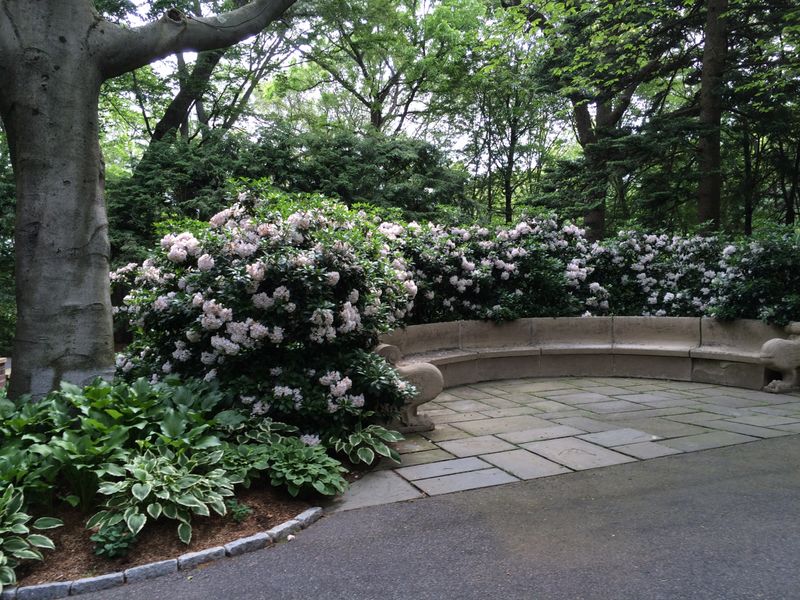
Hike the Blue Ridge in late spring, and you will spot pink and white blossoms glowing under the trees. Mountain laurel steals the show.
Each flower looks like a tiny piped frosting cup. Up close, the petals hold little springs that fling pollen onto visiting bees.
Beyond the blooms, the evergreen leaves stay glossy all year. Over time, plants form thick tangles that screen shady property lines well.
Garden shrubs usually reach 6 to 15 feet tall and wide. In ideal mountain settings, old plants can climb much higher.
Growth happens slowly. Treat it like a long-term investment rather than a quick fix for next summer.
Soil is the make-or-break detail. Mountain laurel needs loose, very well-drained, acidic ground with a pH around 4.5 to 5.5.
Heavy clay or standing water causes trouble fast. Raised beds or slopes help if your yard stays wet after rain.
Morning sun with afternoon shade brings the best flowers. It tolerates full shade, but blooms may be fewer and farther between.
Deer usually pass it by. Keep kids and pets from chewing leaves, though, since all parts of the plant are toxic.
Pine bark mulch works nicely around the roots. It keeps soil cool, acidic, and loose, just like a forest floor.
Snip off faded flower clusters if you can reach them. Doing so helps the shrub put energy into leaves and next year’s buds.
5. Rosebay Rhododendron For Big, Leafy Coverage
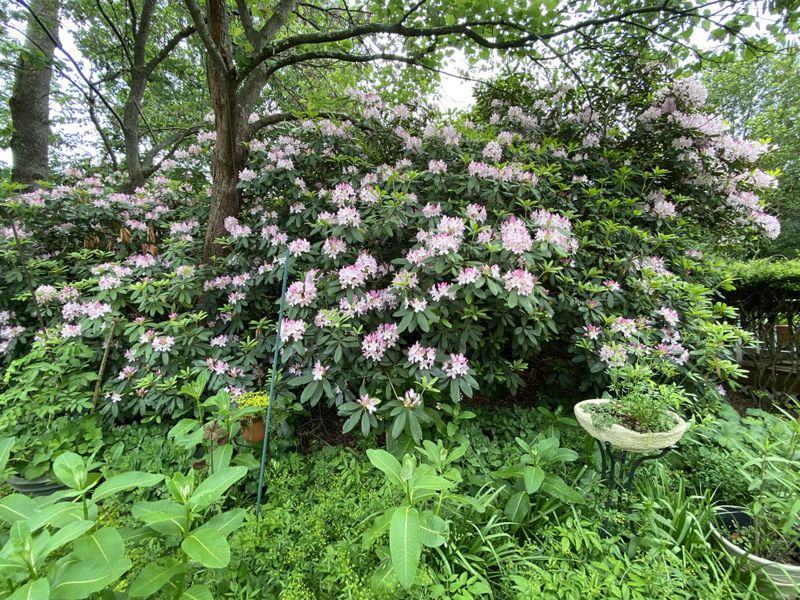
Some shrubs whisper, and rosebay rhododendron practically shouts with leaves as long as your hand. It turns a bare shady corner into a jungle.
Native stands grow across the mountains and Piedmont of Virginia. Old thickets along creeks can become so dense that hikers call them hells.
In a home garden, expect about 6 to 15 feet tall and wide. Favorable mountain spots can push old plants far taller over decades.
Big leaves mean big privacy. The evergreen mass blocks views year-round and gives nesting birds a sheltered, hidden home.
Early to mid-summer brings large clusters of white to pale pink flowers. Bloom time arrives after most other rhododendrons have finished.
Shade is its happy place. Afternoon sun can scorch the foliage, leaving brown, crispy edges by August.
Soil should be acidic, moist, and rich in organic matter. Dense clay and standing water spell trouble for the shallow roots.
Planting tip: set the root ball slightly high. Mounding soil and compost around it helps water drain away from the crown.
Curled leaves in winter are normal. Rhododendrons roll them up on freezing days to save moisture, then flatten out once it warms.
Water deeply during summer dry spells, especially the first two years. A thick blanket of leaf mulch keeps those roots cool and moist.
Pruning is rarely needed. Just remove broken branches and let the shrub grow into its natural, sprawling shape.
6. Arrowwood Viburnum For A Thick Summer Hedge
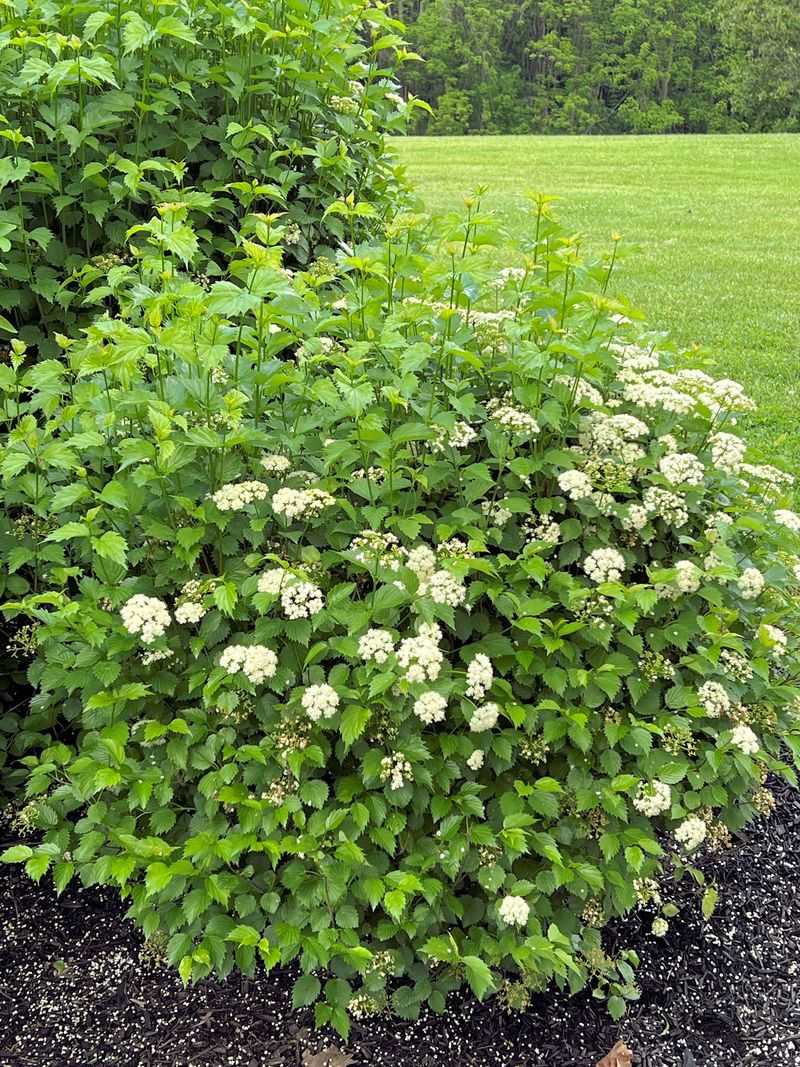
Native Americans once used its straight young stems to make arrow shafts. That history gave arrowwood viburnum its memorable name.
Those same upright stems now build a sturdy summer hedge. Branches crowd together, creating a leafy wall from spring through fall.
You will find it growing wild across the coastal plain, Piedmont, and mountains. Few shrubs handle so many corners of the Commonwealth.
Plants grow at a steady pace, reaching 6 to 10 feet tall and wide. Great conditions can push them toward 15 feet.
Clay soil? No problem at all.
Arrowwood handles moist loam, heavy clay, and a range of moisture levels without much complaint.
Full sun to part shade suits it fine. More sun usually means more flowers and a denser shape.
Flat clusters of white blooms open in early summer. Butterflies and bees drift between them on warm afternoons.
Blue-black berries follow later in the season. Birds gobble them up, so your hedge doubles as a backyard bird feeder.
Leaves drop in winter, so privacy dips a bit. Pair it with an evergreen like holly if you want year-round coverage.
Fall color adds a nice surprise. Foliage can turn yellow, red, or deep purple depending on the plant and weather.
Watch for viburnum leaf beetle, which chews leaves into lace. Prune off twigs with egg sites in winter to reduce damage next spring.
7. Sweetshrub For Suckering Stems And Spicy Blooms
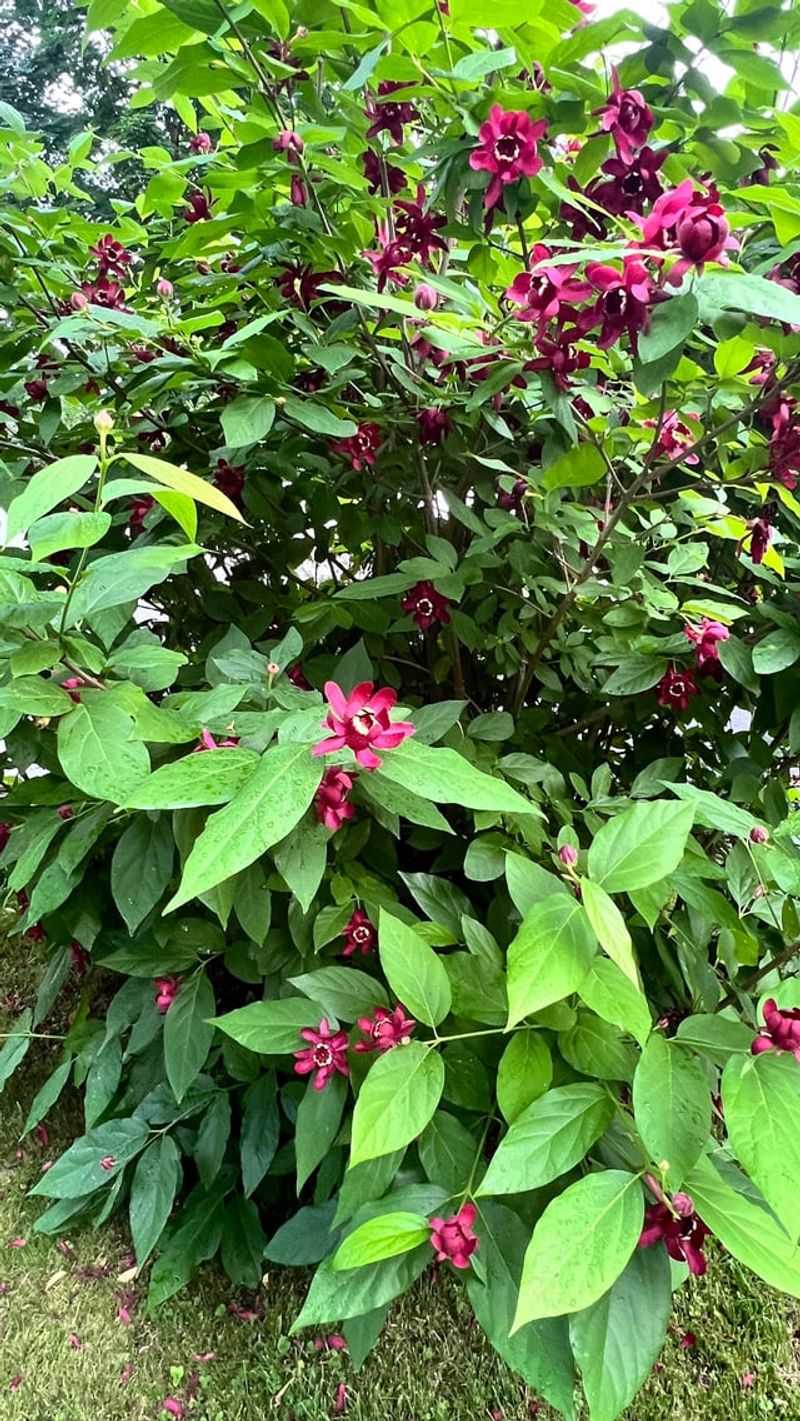
Grandma probably called it Carolina allspice or bubblegum bush. One sniff of the blooms, and you will see why folks remember it fondly.
Dark reddish-brown flowers appear from spring into early summer. Their scent drifts between pineapple, strawberry, and sweet candy.
Old farmhouse gardens across the state often had a clump by the porch. People tucked flowers into pockets as a natural perfume.
Plants usually grow 6 to 12 feet tall and wide. In gardens, they shape into broad, rounded mounds with thick branching.
Suckers are the secret to its privacy power. New shoots rise around the base, so your clump grows wider and fuller each year.
Soil needs are easygoing. Moist, well-drained, humus-rich ground works best, from slightly acidic to slightly alkaline.
Part shade with protection from hot afternoon sun keeps leaves happiest. It still copes with full sun or deep shade if needed.
Deer usually skip it, which makes gardeners grin. Rabbits and other nibblers tend to leave it alone as well.
Plant near a patio or window if possible. Fragrance can vary from plant to plant, so smell blooms at the nursery before buying.
Crush a twig for another surprise. The bark smells spicy, a bit like cinnamon or cloves.
Suckers heading somewhere unwanted? Dig them up in early spring and share them with friends, since they transplant easily.
8. Summersweet For Dense Growth In Damp Spots
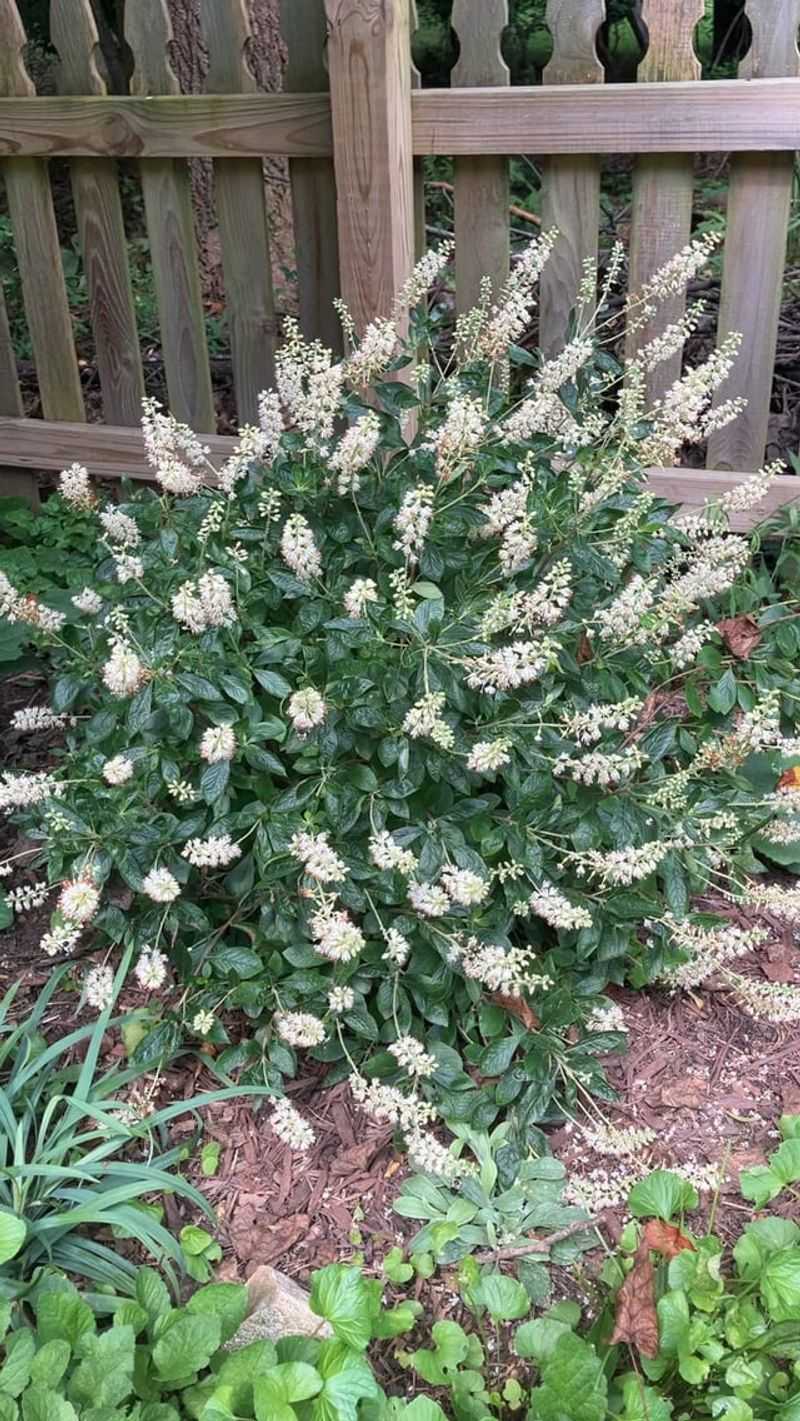
Got a soggy corner where grass sulks and mud lingers? Summersweet looks at that mess and sees a perfect home.
Wild plants grow along wetlands and river banks up and down the East Coast. Wet feet feel natural to this tough little shrub.
Height ranges from 3 to 12 feet depending on the type. Most wild plants settle around 5 to 8 feet tall.
Spread reaches about 4 to 6 feet. Suckers pop up nearby and slowly form small thickets for extra coverage.
Mid to late summer brings spikes of white flowers. Their sweet, spicy smell fills the air when most shrubs have stopped blooming.
Bees and butterflies go wild for them. Sit nearby on an August evening, and the whole bush seems to hum.
Acidic, moist soil rich in organic matter suits it best. Occasional flooding does not bother it one bit.
Road salt tolerance makes it handy near driveways and streets. Few flowering shrubs handle winter salt spray so well.
Sun, part shade, or full shade all work. In hot Virginia summers, afternoon shade keeps the leaves looking their best.
Autumn adds one more reward. Foliage shifts to harvest gold and scarlet before dropping for winter.
Leaves come out late in spring, so do not panic. Wait until late May before assuming anything is wrong with your plants.
9. Red Chokeberry For Colonies That Widen Each Year
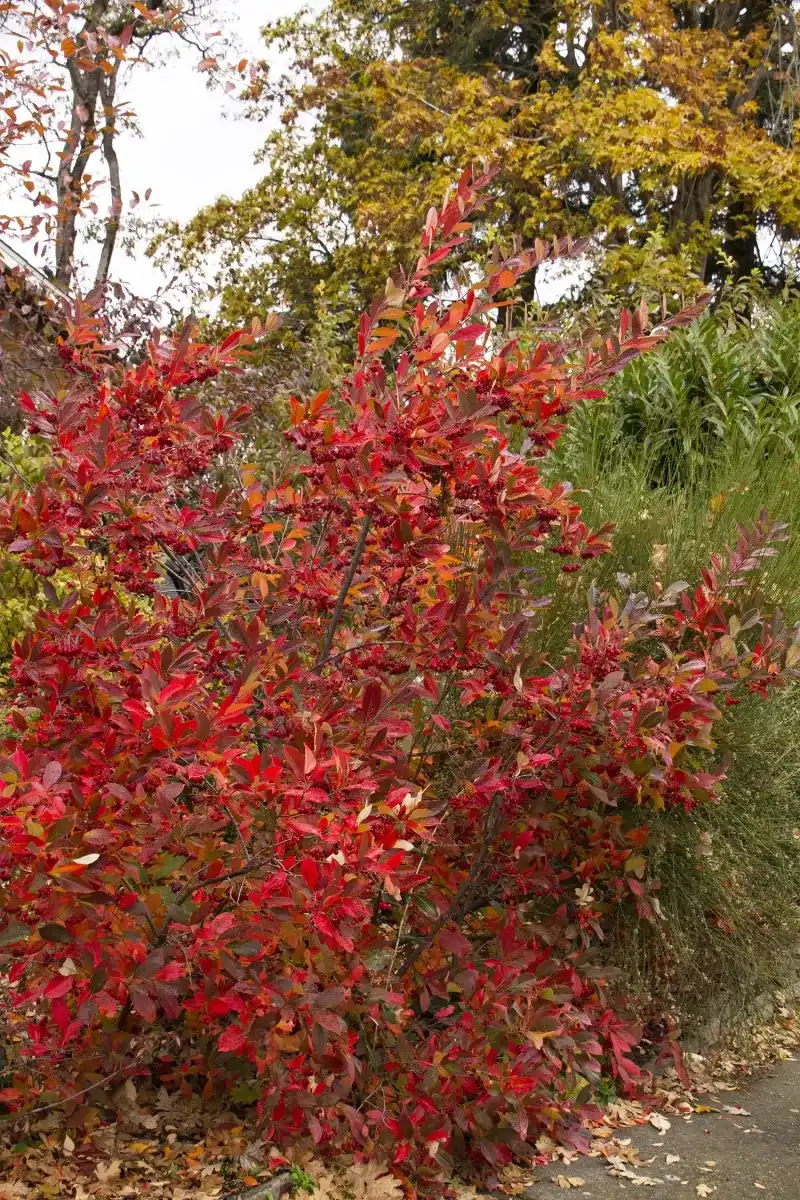
Fall arrives, and red chokeberry lights up like a bonfire. Scarlet leaves can outshine even the famous burning bush, minus the invasive baggage.
Don’t let the name fool you. Berries are not harmful, just so tart that birds wait until late winter to eat them.
Multiple stems rise from the base. Each year, new suckers pop up and slowly widen the colony into a dense screen.
Typical size runs 6 to 10 feet tall. Width starts around 3 to 6 feet, then grows as the colony spreads.
Moist ground can push plants up to about 12 or 13 feet. Wet or dry, sandy or clay, it adapts with little fuss.
Soil pH is not a big concern here. That flexibility makes it a smart pick for tricky Virginia yards with mixed conditions.
Full sun gives the most flowers and fruit. Partial shade still works, though fall color may be a bit less fiery.
White blooms open in mid-spring. Glossy red berries follow and hang on well into winter, feeding hungry birds.
Space plants about 4 to 5 feet apart for faster fill. Within a few seasons, gaps close as suckers join neighboring clumps.
Trim out a few of the oldest stems every couple of years. Fresh shoots keep the base thick instead of bare and leggy.
Mix it with evergreens for winter privacy. Together, they create a layered screen that looks great in every season.