The June Lantana Trick That Pays Off All Summer In Virginia
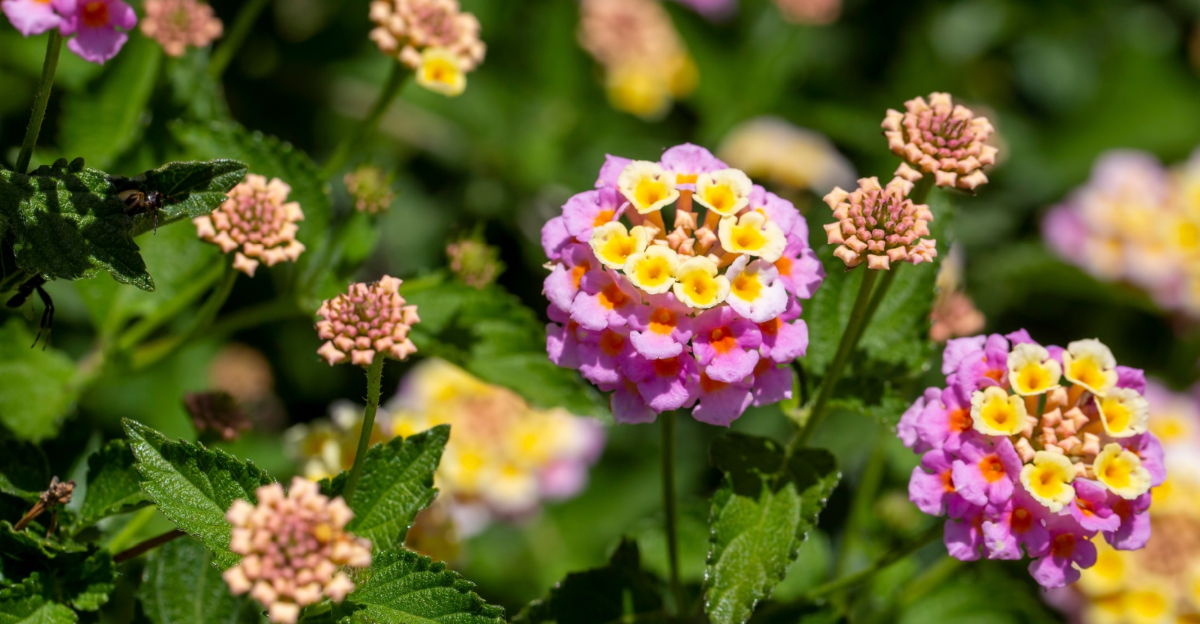
Your lantana in Virginia bit you first. Sticky leaves, sharp scent, hands stained yellow after one reckless pruning session without gloves.
You learned fast. Now you know this plant does not forgive laziness or timid cuts. It rewards the bold and overlooks the hesitant.
So what exactly happens when you finally prune at the right moment, with the right tool, on the right June morning in Virginia?
Color. Relentless, riotous, unstoppable color that runs from late June straight through the first frost.
Most gardeners skip the June pinch entirely and spend August wondering why their blooms gave up so early. You are not most gardeners.
One precise cut changes everything your lantana does for the rest of the season. Get this wrong and your plant turns woody and stubborn.
Get it right and you will spend every summer chasing that same brilliant burst of bloom again.
Bypass Pruners For Most Pinching Jobs
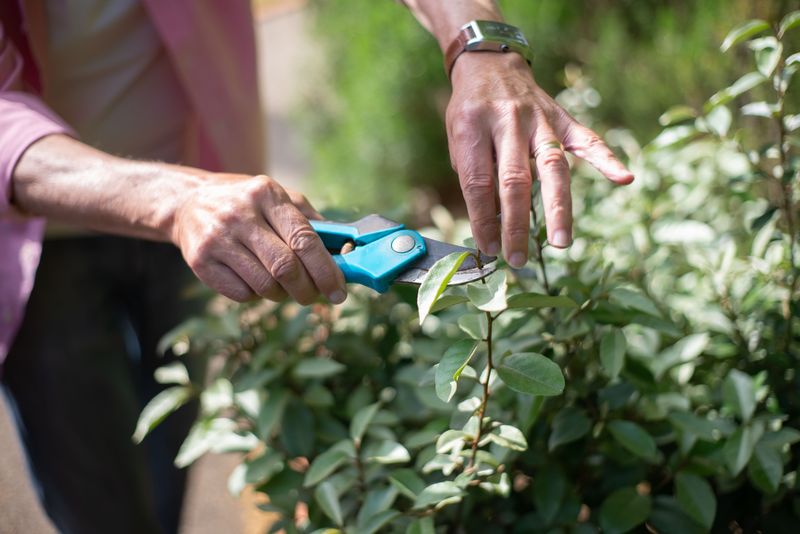
Bypass pruners are the workhorse of any smart lantana grower. They cut clean, like scissors, and that clean cut matters more than most people realize.
When you pinch back lantana in June, you are removing the old tip growth that has already flowered. That signals the plant to push out fresh stems, which means fresh blooms.
Bypass pruners handle stems up to about three-quarters of an inch thick with no struggle, though capacity varies by model. They are precise enough for targeted cuts without shredding the tissue.
Shredded stems invite fungal problems, especially in Virginia’s humid summer heat. A clean cut heals faster and keeps the plant healthier through the long growing season.
Look for a pruner with a spring-loaded handle so your hand does not cramp during long sessions. Comfort matters when you are working through a large lantana hedge.
The June lantana trick works best when your tool is sharp and ready to go. Dull blades crush stems instead of cutting them, which slows regrowth and frustrates your whole effort.
Sharpen your bypass pruners before June arrives, not after. One well-timed sharpening session sets you up for months of confident, effective pruning all season long.
Florist Snips For Soft New Tip Growth
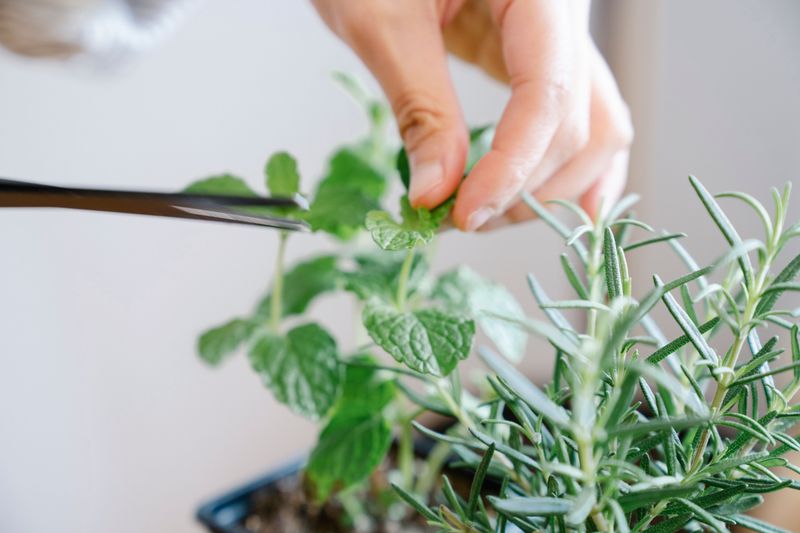
Florist snips are tiny, but do not let their size fool you. These lightweight scissors are built for exactly the kind of delicate pinching that lantana needs in early summer.
New tip growth on lantana is soft, almost succulent-feeling between your fingers. Standard pruners can feel clunky when you are targeting those tender two-inch tips.
Florist snips slide right in without disturbing surrounding stems. That precision helps you pinch only what needs to go, leaving the rest of the plant undisturbed.
Many gardeners notice faster regrowth after switching to florist snips for pinching. The reasoning is plausible: less collateral damage likely means less overall stress on the plant.
Pick up a pair at any craft store or floral supply shop for just a few dollars. Keep them in your apron pocket so they are always within reach during a garden walk.
Your Virginia Garden Changes Every Week. Your Plan Should Too.
Gardening in Virginia changes quickly throughout the season. Every Friday you’ll receive a simple weekly plan showing exactly what to plant, prune, fertilize, harvest, and protect so you never miss the right timing.
The June lantana trick is really about consistency, not just one big pruning session. Snipping a few tips every week keeps the plant in a constant cycle of fresh new growth.
Florist snips make that weekly habit feel quick and almost effortless. Once you start using them, you will wonder why you ever wrestled with bigger tools on small jobs.
Needle-Nose Pruners For Dense Interior Stems
Lantana gets dense fast. By June, the interior of a mature shrub can look like a tangled mess of crossing stems and old woody growth.
Needle-nose pruners, sometimes called long-reach or slim-blade pruners, are made for exactly this kind of situation. Their narrow head slides between crowded branches without tearing up everything nearby.
Removing interior stems improves airflow through the plant. Better airflow means less chance of powdery mildew, which is a real threat in Virginia’s muggy mid-summer conditions.
Focus on stems that cross each other or point inward toward the center. Those are the ones robbing light and energy from the outward-facing growth that produces your blooms.
Work slowly and deliberately when using needle-nose pruners in tight spaces. Rushing leads to accidental cuts on healthy stems you actually want to keep.
A good rule of thumb is to remove no more than one-third of the interior at any one session. That keeps the plant from going into shock while still opening it up nicely.
The June lantana trick includes this interior cleanup step for good reason. A well-aired shrub blooms harder, holds color longer, and stays healthier deep into the Virginia summer heat.
Hedge Shears For A Quick All-Over Trim
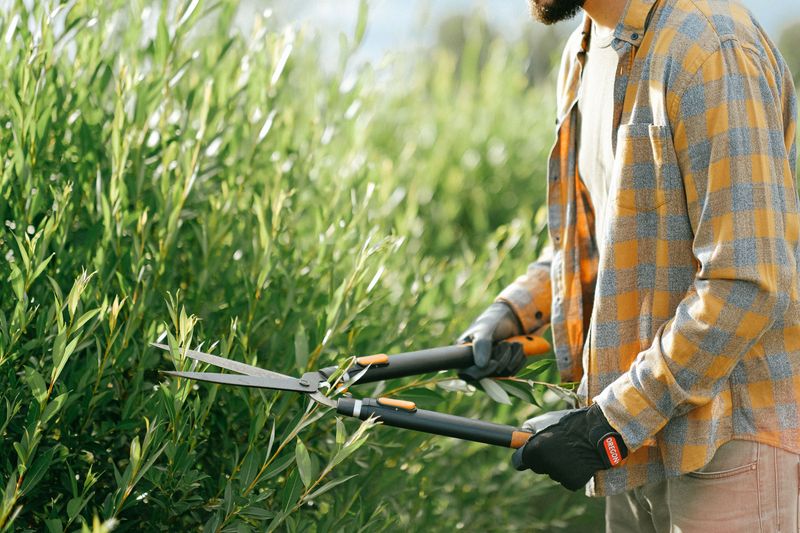
Sometimes a lantana shrub just needs a haircut, plain and simple. Hedge shears let you shape the whole plant in one quick pass without overthinking every individual stem.
This is the boldest move in the June lantana trick playbook. Cutting the entire plant back by about one-third sends a powerful signal that triggers a massive flush of new growth.
Use hedge shears with a slight curve to the blade for a more natural-looking trim. Flat blades create boxy shapes that look stiff and unnatural on a flowing lantana shrub.
The best time to use hedge shears on lantana is right after the first big bloom wave fades. That typically happens in Virginia sometime in mid-to-late June, depending on your cultivar and that year’s weather.
Do not be shy about cutting back hard. Lantana is notably resilient and recovers well after hard pruning, making it one of the more forgiving warm-season shrubs you can grow in the mid-Atlantic region.
After shearing, water the plant deeply and add a light layer of balanced fertilizer. That combination fuels the vigorous regrowth you want heading into July and August.
A well-timed shear in June means you are not staring at a tired, faded plant in late summer. Fresh growth and fresh blooms are the payoff that makes this trick so satisfying.
Bloom Snips For Spent Flower Clusters
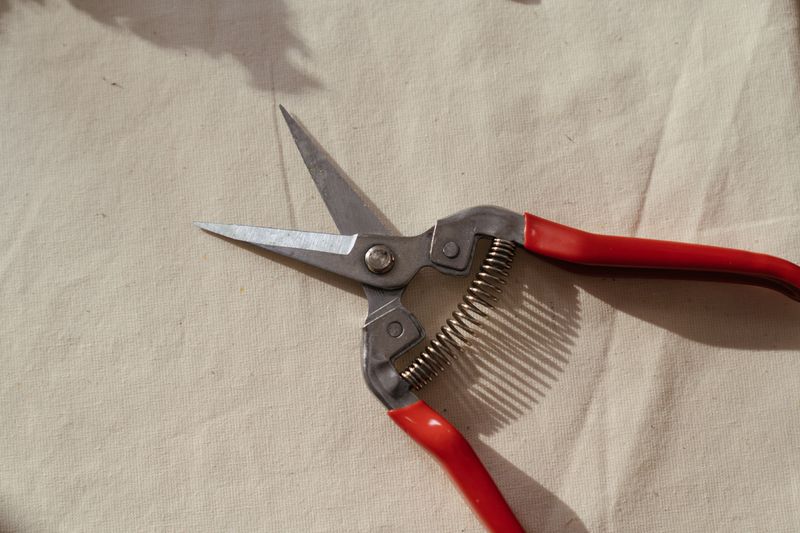
Spent flower clusters on lantana look like tiny dried-up berries. Left alone, they trick the plant into putting energy toward seed production instead of new blooms.
Bloom snips are small, spring-loaded scissors designed for fast, repetitive snipping. They are lighter than bypass pruners and less fussy than florist snips.
The goal when trimming spent blooms is to remove the old flower head just below the cluster. Cut right above the next set of leaves for the cleanest result.
Many gardeners do a quick bloom-trimming pass every five to seven days through the summer. That rhythm keeps the plant in a near-constant state of blooming.
Lantana in Virginia can produce flowers from June straight through the first frost under good growing conditions. Consistent trimming of spent blooms is one of the strongest factors in keeping that bloom cycle going.
Carry your bloom snips in a belt holster or apron pocket during any garden walk. Snipping a few clusters here and there takes thirty seconds and pays off for days.
The June lantana trick is really a collection of small, consistent actions. Trimming spent blooms is the most repeatable one, and it delivers visible results faster than any other step in the process.
Hand Pruning Saw For Woody Spring Cut-Backs
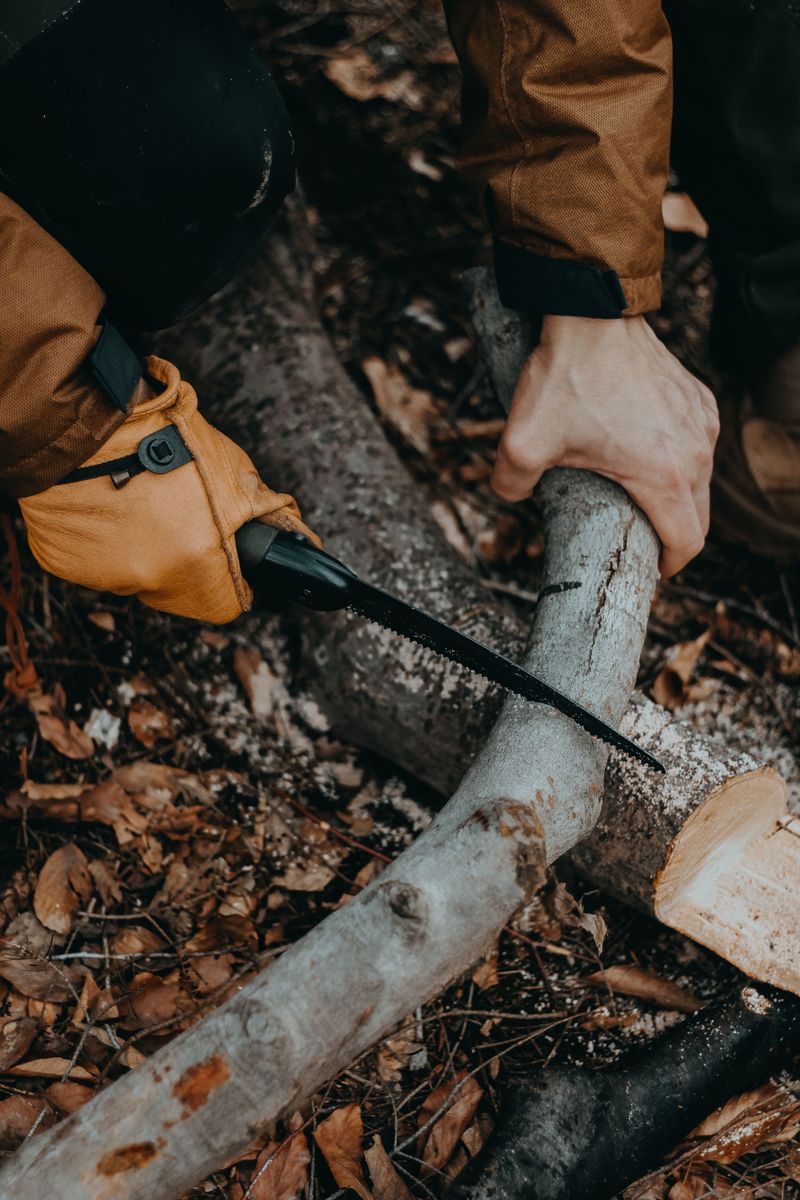
Old lantana stems get seriously woody after a few seasons. A hand pruning saw handles those thick, stubborn canes that would bend or crush under a standard pruner blade.
Spring cut-backs in late March or early April set the stage for the June lantana trick to work at full power. You cannot pinch fresh growth if the old woody framework is still crowding everything out.
A folding pruning saw with a curved blade cuts on the pull stroke, which gives you more control in tight spots. Pull-stroke saws also tend to stay sharper longer than push-stroke models.
Cut woody canes back to about six inches above the soil line. That height gives the plant a sturdy base to push new growth from without leaving too much old wood behind.
Wear thick gloves when sawing through old lantana canes. The stems can be surprisingly rough, and some people find the sap mildly irritating to sensitive skin.
After the spring saw-back, the plant looks sparse for a few weeks. Then June arrives, fresh stems surge upward, and suddenly the whole strategy clicks into place.
That surge of new growth in June is your window to start pinching. Hit it at the right moment and the lantana pays you back with color all summer long.
Rubbing Alcohol To Wipe Blades Between Plants
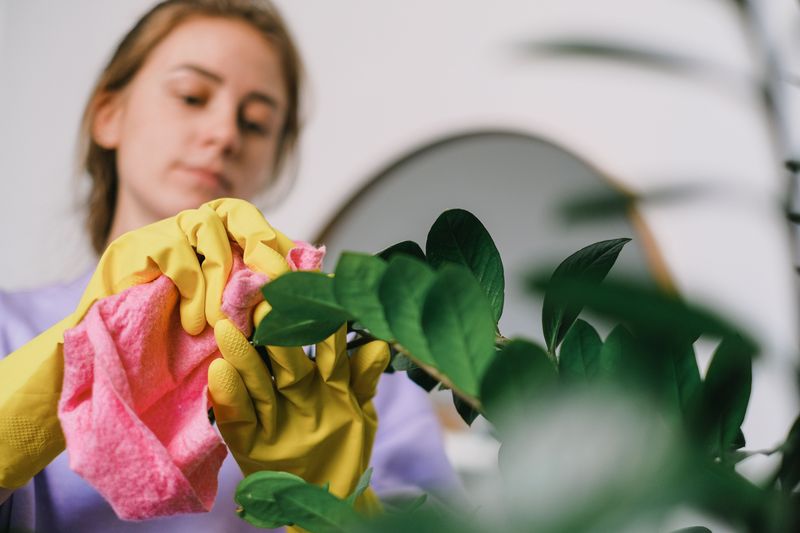
Clean blades are not just a nice habit. They are a real line of defense against spreading plant disease from one shrub to the next.
Lantana can carry fungal spores or bacterial issues on its stems without showing obvious symptoms. Your pruner blade picks those up and transfers them to the next plant in seconds.
A small bottle of rubbing alcohol and a folded rag in your back pocket is all you need. Wipe both sides of the blade between each plant, and let it air-dry for ten seconds before the next cut.
Seventy percent isopropyl alcohol works best for this purpose. Higher concentrations evaporate too fast, and lower ones may not fully neutralize pathogens on the blade surface.
This step takes about fifteen seconds per plant and saves you from watching a healthy shrub decline for mysterious reasons in late July. Prevention is always faster than diagnosis.
Some gardeners keep a small spray bottle clipped to their tool belt for quick blade spritzes. That setup makes the whole sanitation habit feel seamless and automatic.
The June lantana trick only works as well as the tools you bring to it. Clean, sharp, sanitized blades are the quiet foundation that makes every other step in this list actually deliver results.