The Yellow Roadside Bloom Alabama Once Called Its State Flower Keeps Getting Blamed For Something It Does Not Do
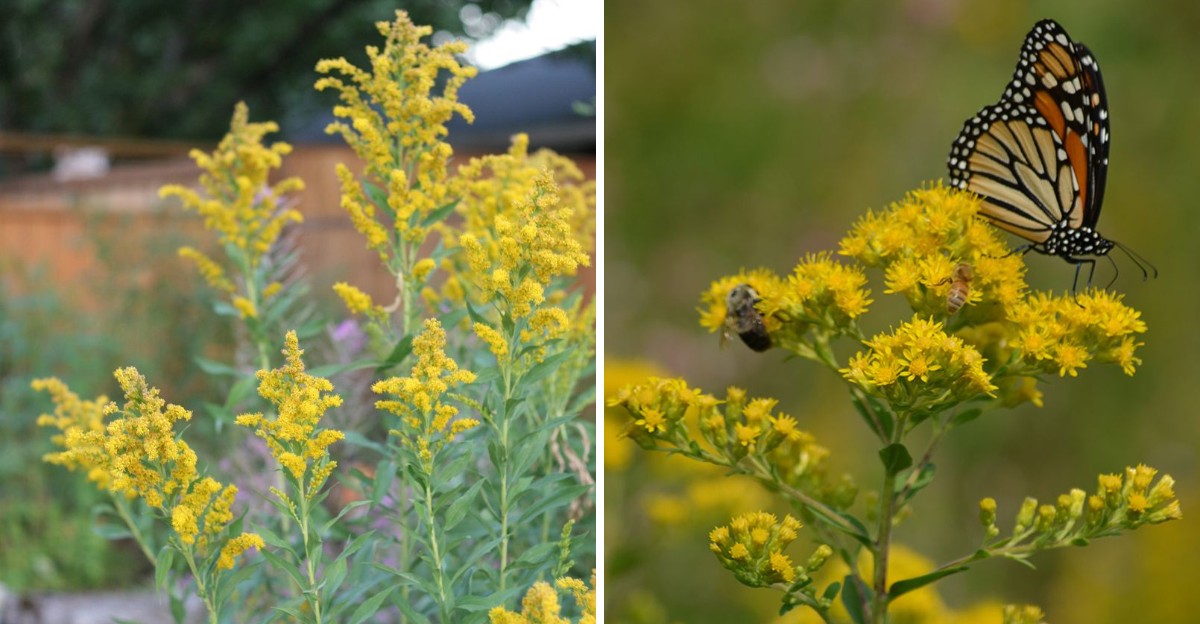
You blame an innocent flower for your autumn sniffles. Goldenrod glows along Alabama highways as your sinuses protest. Timing points you toward it. Science hands you a sharper story.
Its pollen clumps heavy and sticky, riding bees, not breezes. Unless you press your face into blooms, that pollen rarely reaches you.
Meanwhile, ragweed hides beside it, plain green and easy to ignore. Ragweed releases microscopic pollen onto the wind in staggering amounts.
Researchers have tracked those grains far out at sea. Your immune system reacts to ragweed, and goldenrod collects the blame.
Alabama lawmakers crowned goldenrod the official state flower decades ago. Later, the camellia claimed that crown.
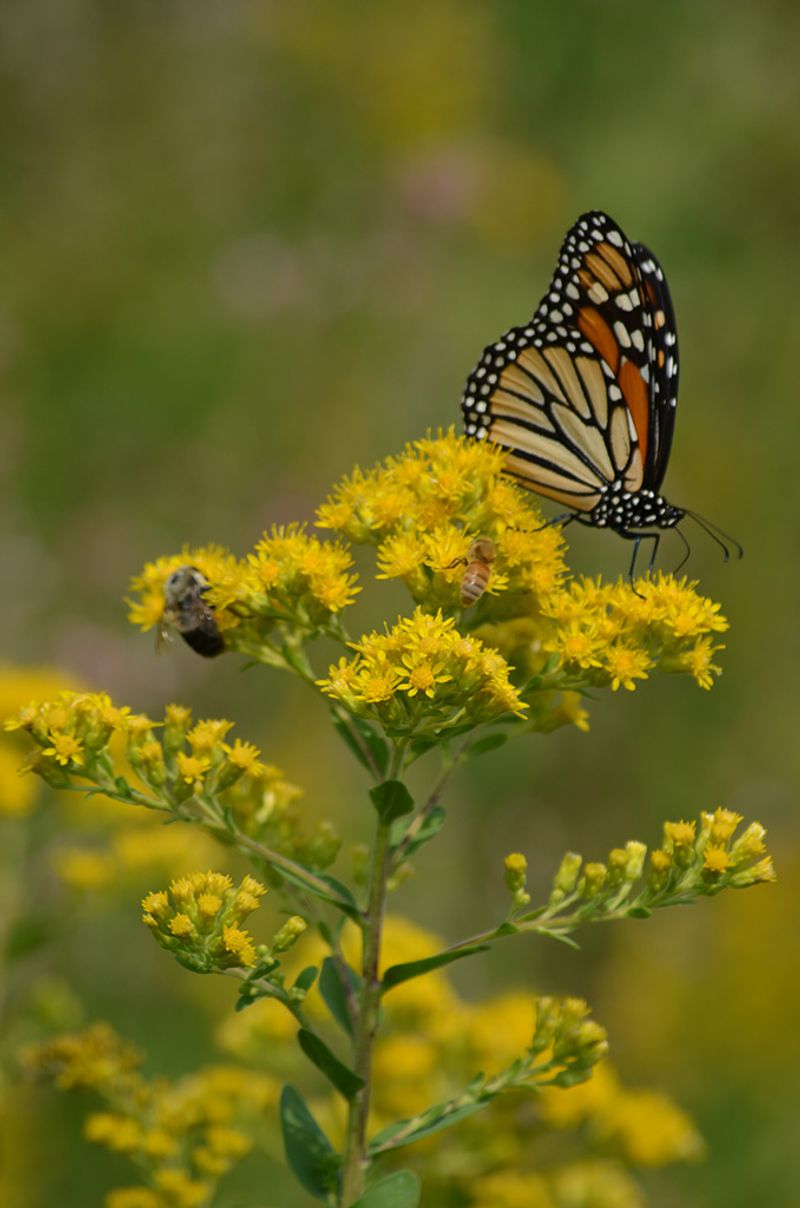
Monarch butterflies still fuel their migration on goldenrod nectar. Pull it up, and you take their fuel while ragweed keeps thriving. Unmask ragweed’s disguise, and you reclaim your fall before sneezing starts.
The Green Weed Behind The Sneezes
Picture a courtroom where the most noticeable guest gets blamed while the real cause goes unnoticed. That is the story of goldenrod and ragweed each fall.
Ragweed is the leading cause of late-summer and fall hay fever across the United States. It grows in the same sunny fields and roadsides where goldenrod shines.
The big difference is how each plant spreads its pollen. Ragweed releases tiny, lightweight grains into the wind so some reach other ragweed plants.
Scientists estimate a single ragweed plant can release up to one billion pollen grains in one season. Those grains can drift for miles and reach your nose.
Allergy doctors often name ragweed as the top fall trigger for sneezing, itchy eyes, and stuffy heads, with outdoor mold close behind in humid Southern states. Millions of Americans react to it each year.
Goldenrod works differently. Its pollen stays mostly on the flower, waiting for a bee or butterfly to carry it away.
Goldenrod allergies do exist, but they are uncommon and usually affect people who handle the flowers up close. Florists and gardeners who touch it often are more likely to notice.
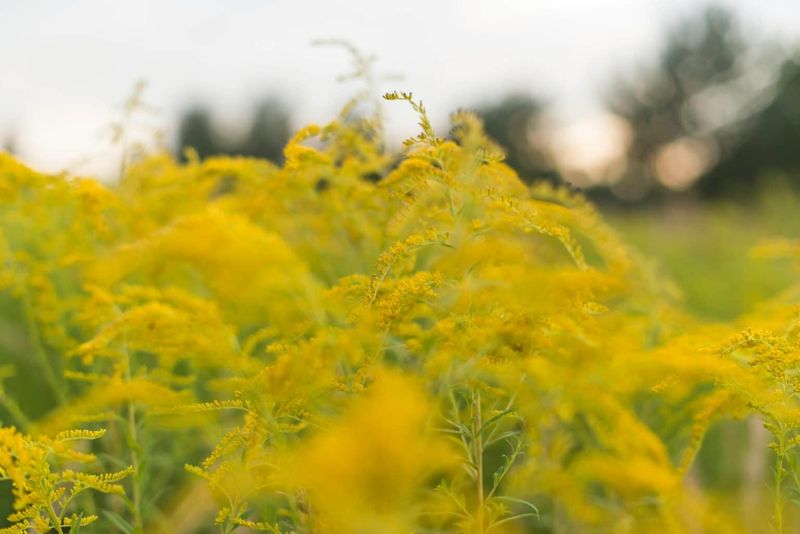
So why does goldenrod get blamed? Ragweed flowers are small, green, and easy to miss, while goldenrod stands out in bright yellow.
People naturally connect their sniffles with the plant they can actually see. It makes sense, but it blames the wrong plant.
Next time your nose starts tickling, look closer at the weeds for a plain green plant. That plain plant with deeply lobed leaves is the likely cause.
The Sticky Pollen Built For Bees
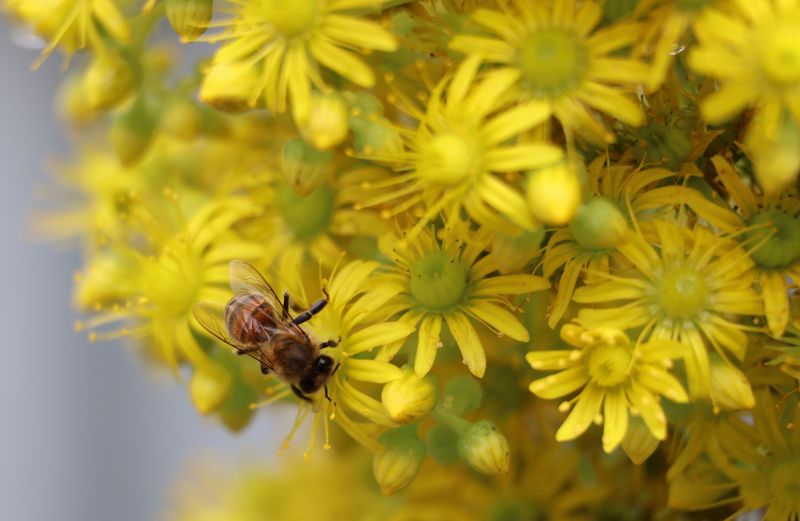
Rub a goldenrod flower between your fingers and you might notice something surprising. The pollen feels heavy and slightly sticky, clinging to your skin instead of floating away.
That texture is on purpose. Goldenrod relies on insects to move its pollen from one flower to the next.
Bees, butterflies, beetles, and wasps crawl across the golden plumes looking for nectar. Pollen clings to their fuzzy bodies and rides along to the next plant.
Plants that use insects this way make bigger, stickier pollen grains than wind-pollinated plants. Heavy grains simply fall to the ground instead of floating through the air.
Your Alabama Garden Changes Every Week. Your Plan Should Too.
Gardening in Alabama changes quickly throughout the season. Every Friday you’ll receive a simple weekly plan showing exactly what to plant, prune, fertilize, harvest, and protect so you never miss the right timing.
Because of that, very little goldenrod pollen ends up in the breeze you breathe. You would almost have to stick your face into the flowers to inhale much.
Ragweed takes the opposite approach with pollen that is small, dry, and powdery. Those grains travel easily on the wind, which is why they cause so many allergy symptoms.
Think of goldenrod as a mail carrier who hand-delivers its letters. Ragweed is more like someone scattering flyers into the wind.
Pollen counts on the news usually track wind-borne grains, since those reach your lungs. Goldenrod hardly shows up in those numbers because its pollen stays put.
If you want proof, stand near a blooming patch and watch for a while. You will likely see plenty of insects, but little or no pollen drifting off the stems.
That buzzing crowd is the whole point of the plant’s design. Goldenrod feeds the insects, and the insects handle the delivery job in return.
A September Bloom Shared With A Sneaky Neighbor
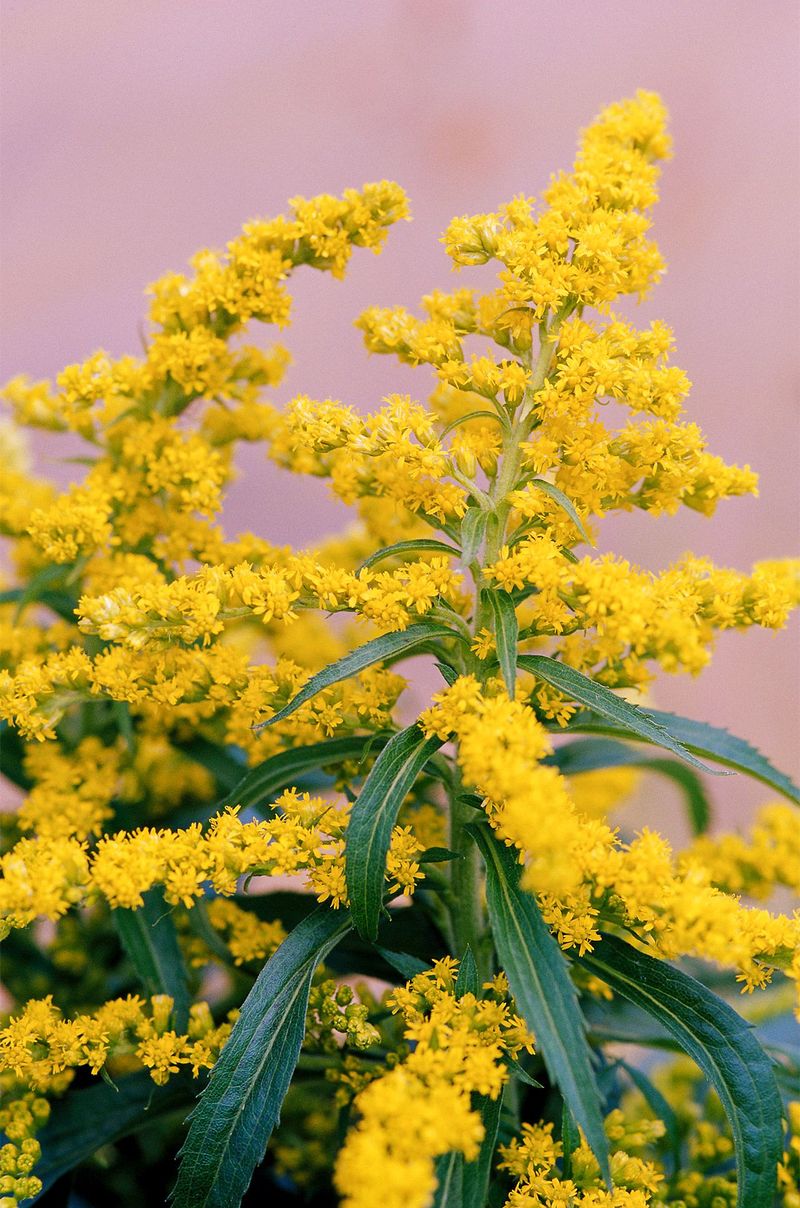
Timing matters, and in this case, shared timing has hurt a good reputation. Goldenrod and ragweed both hit their peak from late August through October.
Across Alabama, that means your September drive is filled with bright yellow ditches. Hidden in those same ditches, ragweed is quietly releasing large amounts of pollen.
Ragweed season usually starts around mid-August and peaks in early to mid-September in the South. That lines up almost perfectly with goldenrod’s showiest weeks.
So right as your allergies flare, the brightest color on the roadside is gold. It is no wonder people connect the two.
People tend to look for simple explanations, especially when they feel unwell. A bright flower makes an easier target than pollen you cannot see.
Weather adds another layer to the story. Ragweed releases pollen early on warm, dry, breezy mornings, and counts often stay high through midday.
Rain can wash pollen out of the air for a little while. A strong windy day afterward can send counts climbing right back up.
Ragweed keeps blooming until the first hard frost ends its season. In much of Alabama, that frost may not arrive until November.
Goldenrod fades around the same time, so both plants exit the stage together. That shared schedule is the main reason the mix-up keeps happening year after year.
Knowing the calendar helps you plan ahead instead of being caught off guard. Mark late August on your calendar as the moment to start preparing.
Your nose will thank you, and goldenrod will finally get the credit it deserves. Goldenrod simply blooms at the same time as ragweed.
The Common Mistake Of Pulling The Wrong Plant
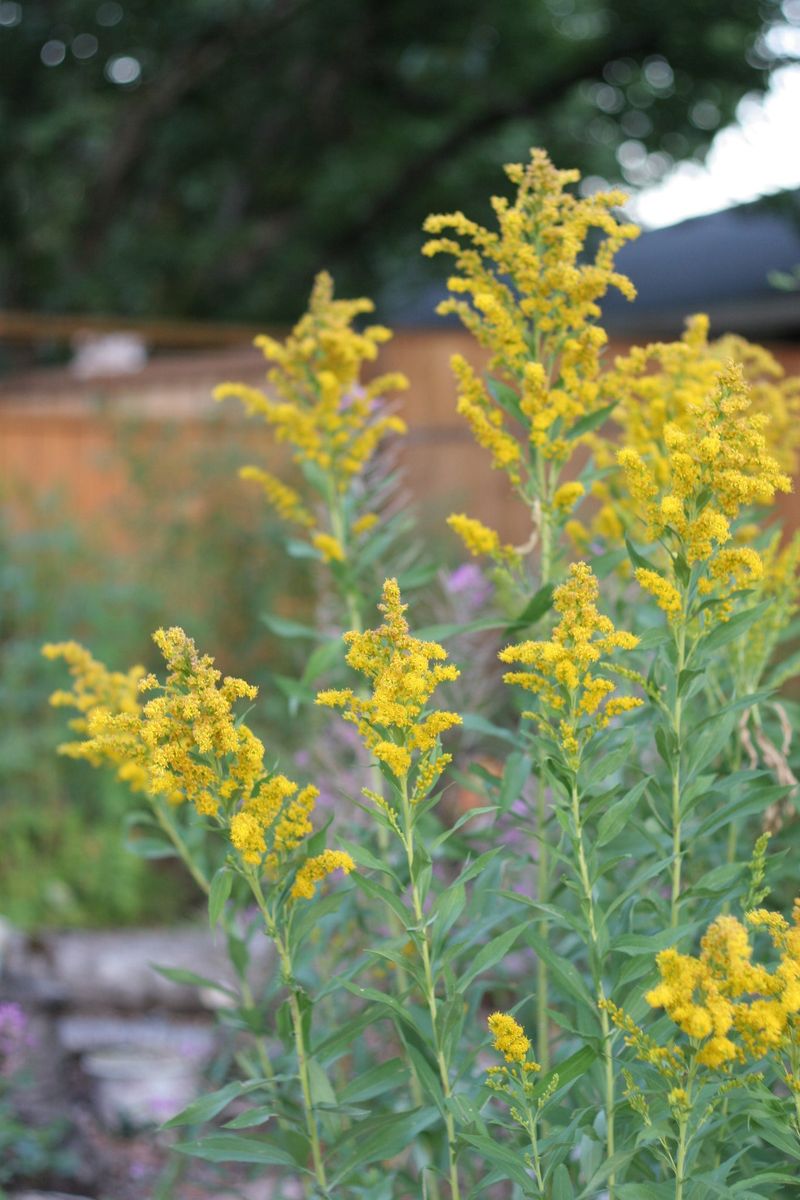
Each fall, some people dig up a patch of goldenrod, sure they have solved their sneezing. A week later, they are still reaching for tissues.
Removing goldenrod does almost nothing for fall allergies. Meanwhile, the ragweed growing nearby continues releasing pollen through the rest of the season.
Pulling goldenrod can also make things worse. Ragweed loves bare, disturbed soil, so clearing ground often gives it the perfect spot to move in.
That means your hard work might invite even more ragweed next year. You end up with more of the plant behind your symptoms than you had before.
Pollinators lose out too. Goldenrod is one of the most important late-season food sources for bees and monarch butterflies heading south.
When summer flowers fade, goldenrod steps up with a buffet of nectar and pollen. Honeybees use it to build winter food stores, and native bees depend on it heavily.
Monarchs traveling toward Mexico stop to refuel on these blooms during their long autumn journey. Removing that food source makes their migration harder.
Before you pull anything, learn to tell the two plants apart. Ragweed has green, lobed leaves and dull green flower spikes with no bright petals.
Most goldenrods have narrow, lance-shaped leaves and bright yellow plumes. If it has yellow plumes and narrow leaves, it is likely goldenrod, so leave it be.
A quick plant ID app or a local extension office can confirm what you are looking at. Double-checking takes only a moment and saves wasted effort.
Weed with a purpose, not a guess. Your yard, your nose, and the neighborhood bees will all come out ahead.
A Smarter Plan For Allergy Season
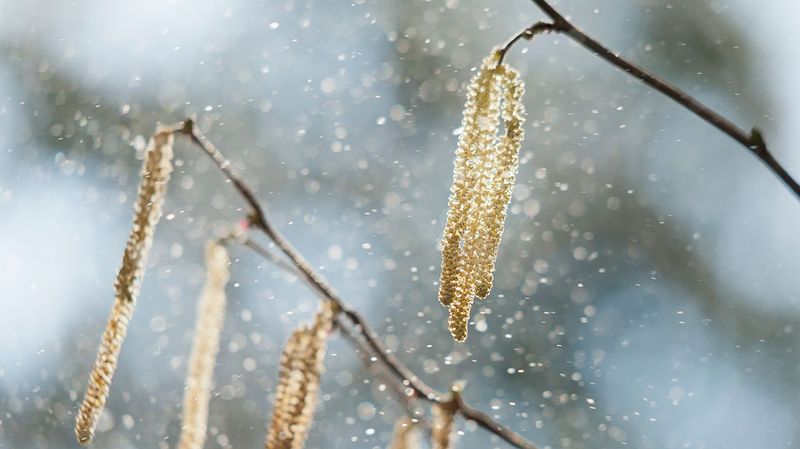
Sneezing through September does not have to be the norm. A few simple habits can make a real difference once you know the true source.
Start by checking daily pollen counts on a weather app or website. When ragweed levels run high, plan outdoor activities for later in the day.
Ragweed releases pollen in the morning, and counts often stay high through midday. An evening walk or late practice may feel easier on your nose.
Keep windows closed at home and in the car during peak season. Running the air conditioner with a clean filter helps trap floating grains.
After spending time outside, change your clothes and wash your hands and face. A quick shower before bed keeps pollen off your pillow overnight.
Pets carry pollen too, so wipe down dogs after walks through tall weeds. That small step keeps pollen off the couch.
Talk with a doctor or pharmacist about allergy medicines if symptoms get rough. Some of these medicines, such as nasal steroid sprays, work better when started before the season begins.
Some people get allergy testing to learn exactly what triggers them. Knowing it is ragweed, not goldenrod, helps you target the right problem.
Wearing sunglasses and a hat outdoors can also keep pollen away from your eyes and hair. It sounds small, but these barriers help.
Pulling ragweed from your own yard before it flowers in August can cut local pollen. Wear gloves, since touching it may irritate sensitive skin.
A Golden Legacy Worth Protecting
Back in 1927, Alabama proudly named goldenrod its official state flower. For more than thirty years, those sunny blooms represented the state.
In 1959, lawmakers swapped it for the camellia after critics dismissed goldenrod as a weed, with some also blaming it for hay fever. The bloom lost its title partly over a reputation it did not earn.
Kentucky and Nebraska still honor goldenrod as their state flower today. South Carolina also calls it the official state wildflower.
Maybe Alabama will reconsider someday, but you can give goldenrod a fresh start right now. Planting it in a sunny corner brings late color when many gardens are fading.
Goldenrod tolerates heat, drought, and poor soil well. It is a native plant, so it fits right into Southern landscapes without fuss.
Some kinds spread fast, so choose clumping types like showy goldenrod or the Fireworks variety for tidy beds. Seaside goldenrod suits coastal and southern Alabama, while wreath goldenrod works well in smaller, partly shaded yards.
Fall is a good time to plant goldenrod in Alabama, while dividing works best in spring or after the blooms fade. Cooler nights and fall rains help new roots settle in before winter.
Once blooming, your patch becomes a busy stop for bees, butterflies, and helpful beetles. You will be feeding pollinators when they need it.
Share what you know with friends and neighbors who blame the yellow flowers. A little truth can protect a lot of habitat along roadsides and fields.
Goldenrod has been blamed for ragweed’s effects for decades. Clearing its name is one of the easiest good deeds a nature lover can do.