10 Fall Vegetables Alabama Gardeners Can Still Get Into The Ground This Week
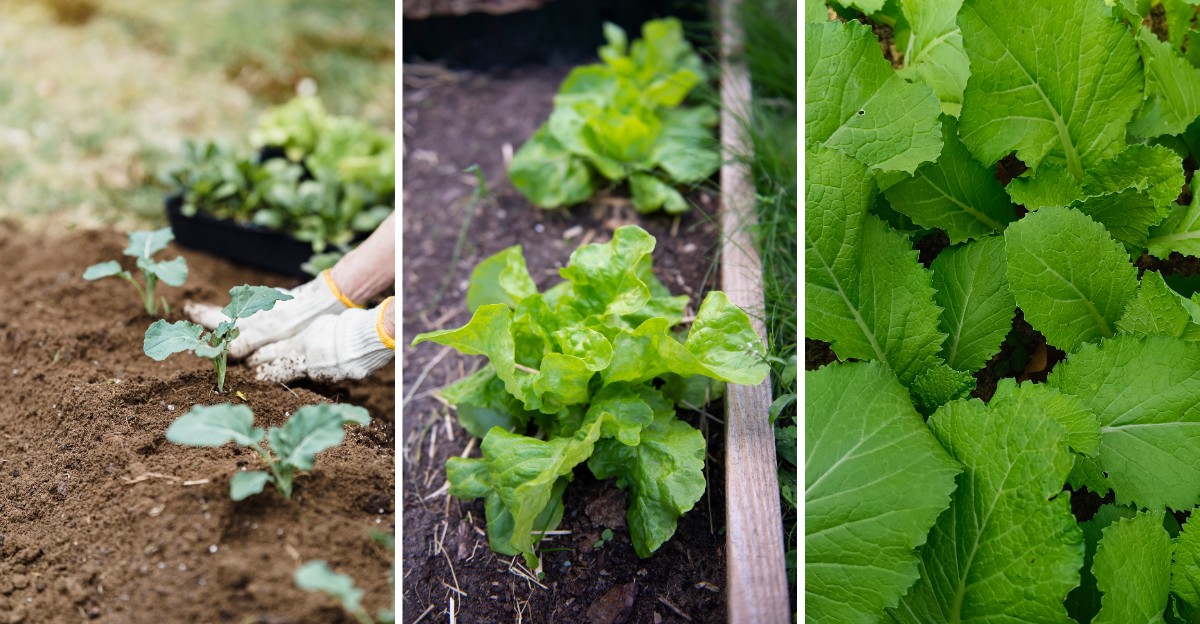
Your garden isn’t finished; it’s changing shape right under your nose. Alabama holds onto warmth long after you expect summer to quit. Meanwhile, your tomato vines sprawl, peppers stall, and okra grows unruly.
You still have time to turn that chaos into something worth eating. Underneath that mess, you’ll find a fresh season pushing to start. Cooler mornings slip in quietly before you notice the humidity fading.
Right now, you get a narrow window for planting crops that thrive on that shift. Seeds you drop this week root fast and push hard toward Thanksgiving tables. Frost, once it arrives, sweetens flavors instead of ruining your harvest.
Gardeners across Alabama who skip this stretch miss what you could taste. Empty rows won’t stay empty long once you act with intention.
Timing separates a tired plot from a place producing for you. Ignore this window, and you’ll spend winter wishing you hadn’t.
1. Collard Greens Love A Southern Autumn
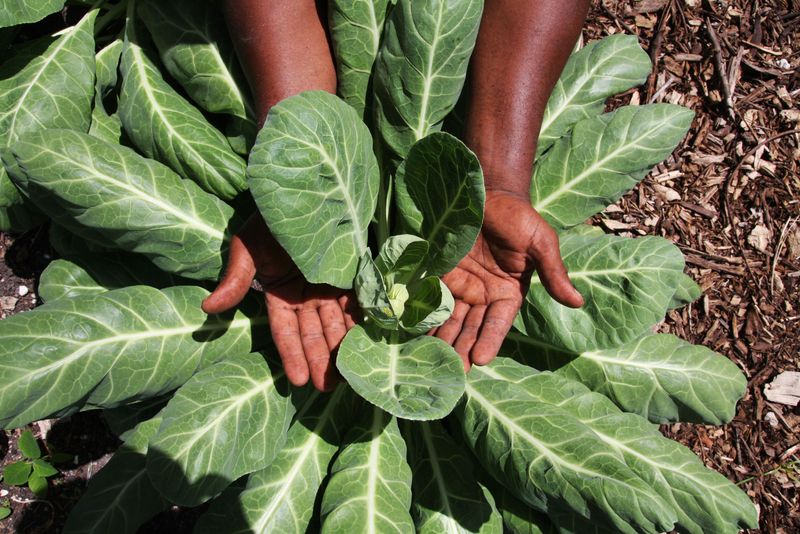
Ask any Alabama grandmother about her cool-season garden and collards come up within thirty seconds. There is a reason they have stayed popular for generations.
Collards handle heat during establishment and sweeten up once temperatures drop into the thirties. That flavor shift is real, and it typically happens sometime in late fall, though the exact timing varies by year and region.
Set transplants about 18 inches apart in rows two to three feet wide. Seeds work too, sown half an inch deep, then thinned once seedlings reach four inches tall.
Water deeply after planting, especially if September stays dry. New transplants need consistent moisture for their first two weeks while roots spread through warm soil.
Feed with a nitrogen-rich fertilizer roughly three weeks after planting. Leafy crops appreciate the boost, and you will see noticeably thicker leaves.
Watch for cabbage worms, those small green caterpillars that chew ragged holes. A spray of Bt targets caterpillar pests effectively, though it’s best applied directly to affected plants to avoid impacting butterfly larvae on nearby host plants.
Harvest outer leaves first and leave the growing center alone. One plant can keep producing for months using that approach.
Varieties like Georgia Southern and Vates perform reliably across central and north Alabama gardens.
2. Turnips Give You Two Harvests From One Seed
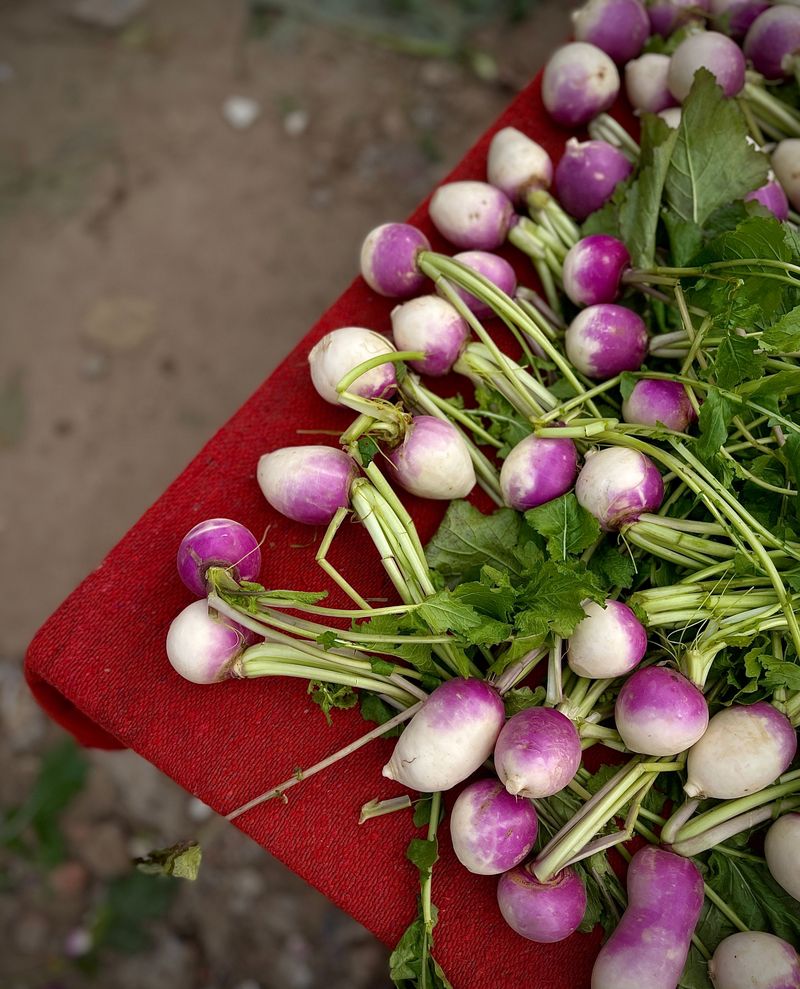
Two vegetables, one packet of seeds, roughly fifty days. Turnips might be the best bargain in the fall garden.
The greens come first, tender and peppery, ready for picking within a month. Roots follow a few weeks later, round and sweet under the soil line.
Direct sow turnip seeds now, scattering them thinly and covering with about a quarter inch of soil. They germinate quickly in warm September ground, often within five days.
Thin seedlings to four inches apart once they have a few true leaves. Crowded turnips produce stringy roots and skinny greens, so that step matters more than people expect.
Loose, crumbly soil helps roots swell properly. Work in compost before planting if your bed leans toward Alabama clay. Keep moisture steady. Uneven watering causes reduced texture and flavor quality.
Your Alabama Garden Changes Every Week. Your Plan Should Too.
Gardening in Alabama changes quickly throughout the season. Every Friday you’ll receive a simple weekly plan showing exactly what to plant, prune, fertilize, harvest, and protect so you never miss the right timing.
Purple Top White Globe remains the classic choice, while Seven Top is grown mainly for its greens.
Harvest roots when they reach two to three inches across. Larger ones turn tough and lose their mild sweetness. Light frost improves the flavor considerably, so patience pays off once temperatures drop.
3. Mustard Greens Add Spice To The Plate
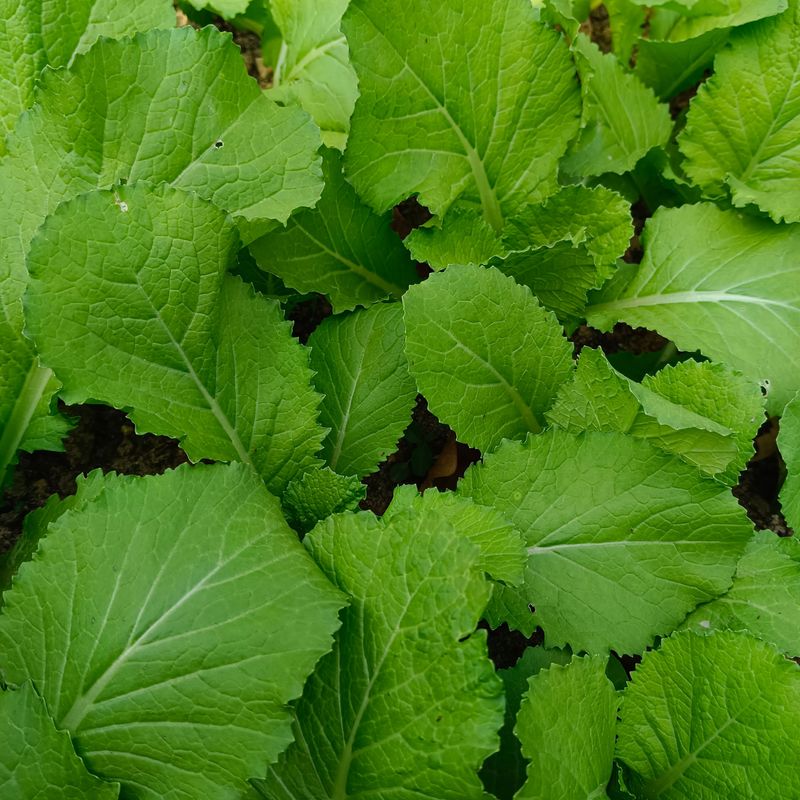
Spicy, fast, and forgiving. Mustard greens grow like they are in a hurry to reach your skillet. Some varieties go from seed to first harvest in about thirty-five days, which makes them a smart pick this late in September.
Even gardeners running behind schedule can succeed with them. Scatter seeds across a prepared bed and rake lightly to cover. Rows work fine, but broadcasting into a wide block gives you a thick carpet of greens.
Thin plants to six inches apart, and toss the thinnings into a salad. No waste, plenty of flavor. Cooler weather mellows the peppery bite, so October harvests taste gentler than September ones. Heat makes mustard sharper and can trigger early bolting.
Flea beetles sometimes pepper the leaves with tiny holes. Floating row cover laid over young plants solves that quickly.
Southern Giant Curled and Florida Broadleaf both handle Alabama conditions well. Red Giant adds burgundy color if you want the bed to look interesting.
Cut leaves when they reach six to eight inches. Plants regrow several times before winter slows them down.
4. Radishes Reward Impatient Gardeners
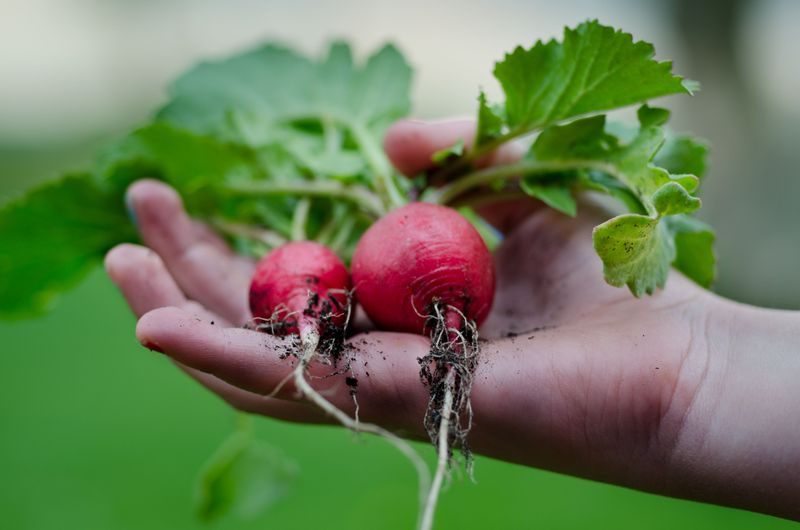
Twenty-five days. That is roughly how long some radish varieties need from seed to salad bowl.
For anyone who likes fast results, radishes deliver satisfaction faster than almost anything else you can plant in September. Kids especially love pulling them up.
Sow seeds half an inch deep and one inch apart directly where they will grow. Radishes resent transplanting, so skip the seed trays entirely.
Thin to two inches apart once tops appear. Skipping this step gives you lush leaves and marble-sized roots, which is a frequent outcome for new gardeners.
Loose soil makes all the difference. Rocky or compacted ground produces twisted, forked roots instead of smooth globes.
Water consistently, because dry spells make radishes hot and pithy. A light mulch helps hold moisture during warm early autumn days.
Try succession planting, dropping a new short row every ten days through October. You will have a steady supply rather than forty radishes at once.
Cherry Belle and French Breakfast both do well here. Daikon types need longer, closer to sixty days, but they break up compacted clay beautifully. Pull them promptly once sized up.
5. Spinach Settles In As Nights Cool Down
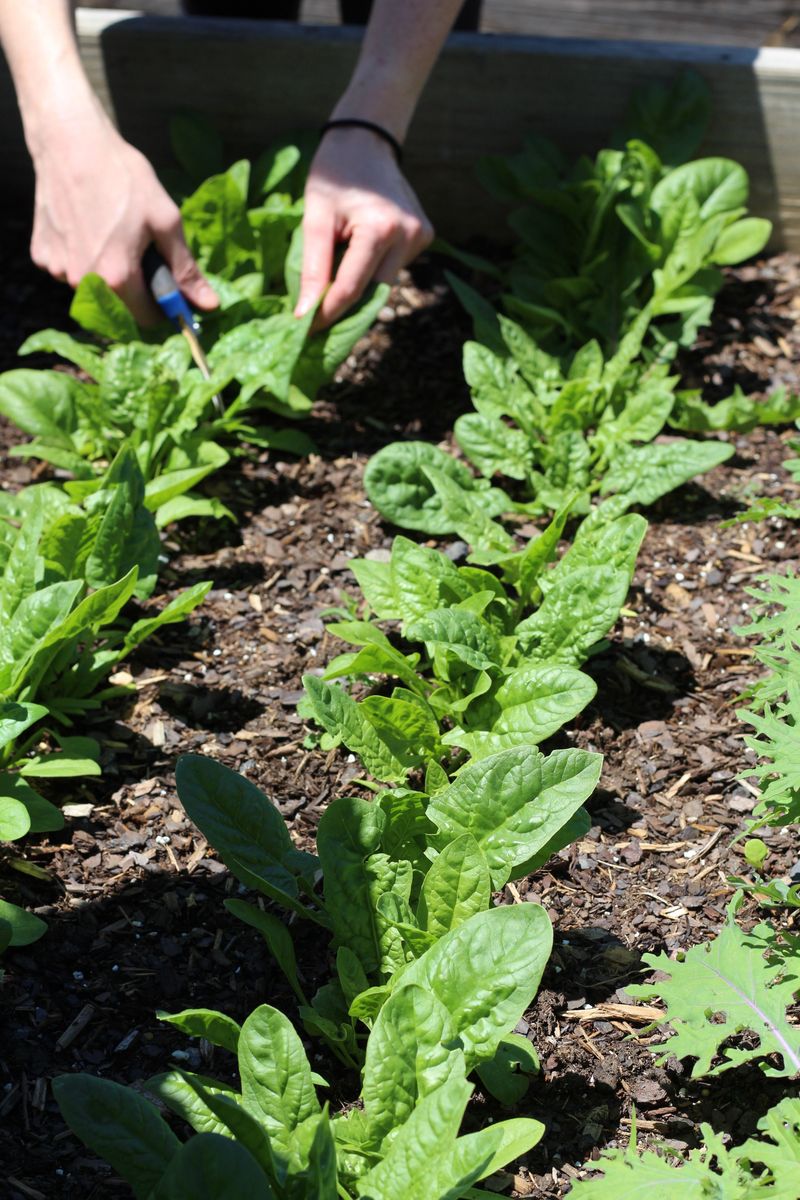
Spinach is a bit particular about germination temperature, which trips up plenty of gardeners in September. Soil above 75 degrees makes seeds sulk.
A simple trick helps. Chill seeds in the refrigerator for a week before sowing, or wait until a cool rainy stretch arrives this week.
Sow half an inch deep in rows twelve inches apart. Keep the surface damp until sprouts appear, usually within seven to ten days.
Once established, spinach handles Alabama autumn beautifully. Plants tolerate temperatures down into the twenties, especially with a light row cover draped over them.
Thin seedlings to four inches. Crowded spinach stays small and bolts sooner when warm afternoons return.
Feed lightly with fish emulsion or a balanced fertilizer about three weeks in. Leaves get noticeably thicker and darker.
Bloomsdale Long Standing is the old reliable, while Space and Tyee resist bolting a bit better.
Harvest by picking outer leaves, leaving the crown to keep producing. In mild years, a single planting can supply salads into early winter in south Alabama. Flavor turns sweeter after the first frost, which surprises first-time growers every year.
6. Kale Keeps Producing Through Winter
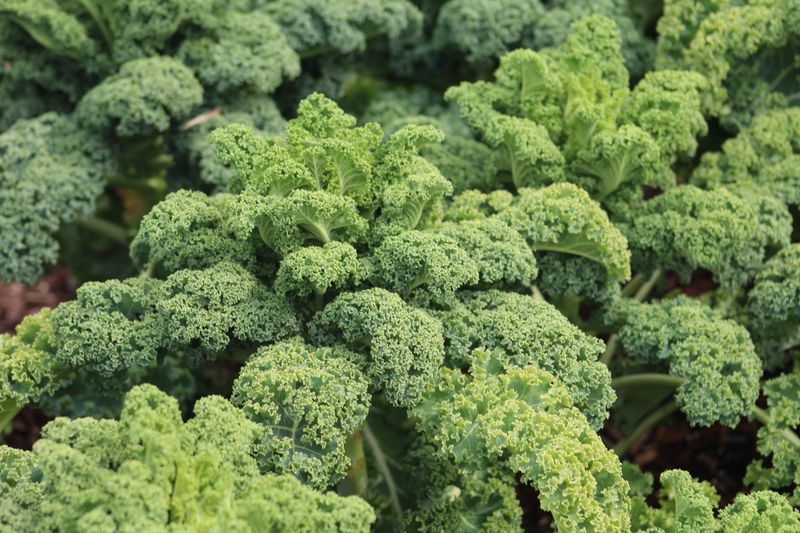
Frost does something odd to kale. Starch converts to sugar, and suddenly those leaves taste noticeably sweeter than they did in October.
Alabama gardeners get a long kale season because winters here stay mild enough for continuous harvest. Plants often push through January without complaint.
Transplants installed this week get a head start, though seeds sown directly work fine too. Space plants 12 to 18 inches apart with room to spread.
Rich soil matters. Mix in compost or aged manure before planting, since kale is a heavy feeder that appreciates steady nutrition.
Mulch around the base with straw or shredded leaves. Moisture stays even and weeds stay down, which saves you weekend work later.
Aphids occasionally cluster on new growth. A strong spray of water knocks them off, and ladybugs usually handle the rest.
Lacinato, also called dinosaur kale, has bumpy dark leaves and excellent cold tolerance. Red Russian brings purple stems and tender texture.
Pick lower leaves as needed and the plant keeps stacking new growth upward. One row can feed a family for months.
7. Carrots Take Their Time And Earn It
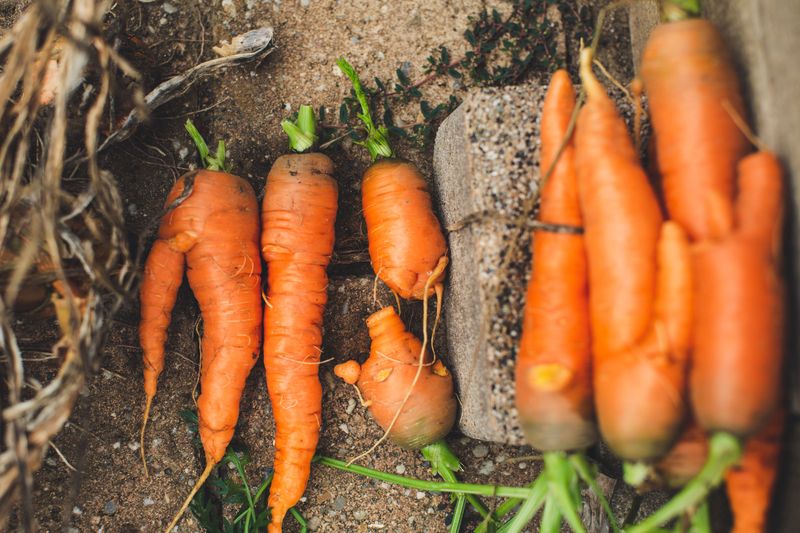
Patience is the price of admission with carrots. Seventy to eighty days feels long, but the November payoff justifies the wait.
September sowing works well across Alabama because roots mature during cool weather, which concentrates sugars. Spring carrots rarely taste this good.
Prepare the bed deeply, loosening soil at least ten inches down. Clay and rocks cause the forked, stubby roots that frustrate so many gardeners.
Sow seeds shallowly, barely a quarter inch deep, then keep the surface moist. Carrot seeds germinate slowly, sometimes taking two full weeks.
A board or damp burlap laid over the row holds moisture during germination. Check daily and remove it the moment sprouts appear.
Thin ruthlessly to two inches apart. Crowded carrots stay pencil thin, and nobody wants that after waiting all season.
Danvers and Chantenay varieties suit heavier southern soils better than long slender types. Nantes works nicely in raised beds with fluffy soil.
Mulch lightly once tops reach three inches tall. Roots stay cooler and shoulders avoid turning green. Pull carefully by loosening soil with a fork first.
8. Broccoli Transplants Save You Time
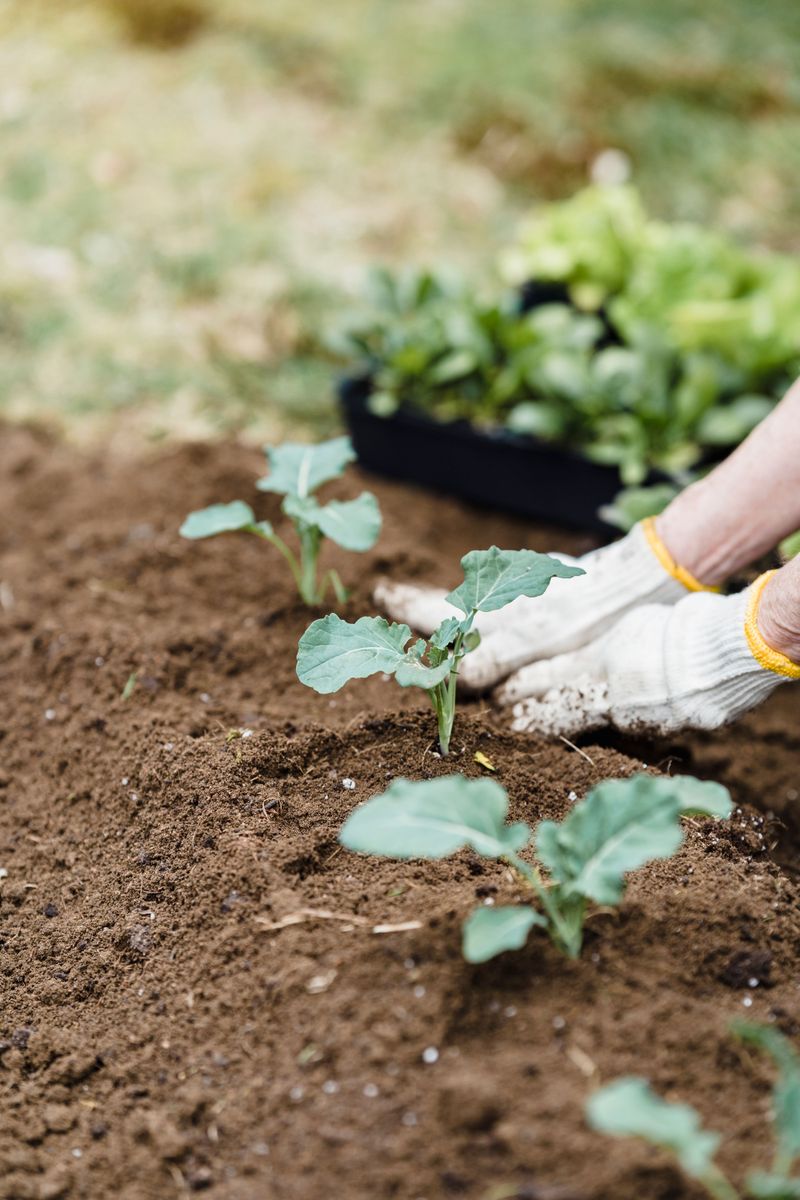
Timing is tight for broccoli right now, so transplants beat seeds by a wide margin. Buying starts from a local nursery gives you a meaningful head start compared to direct seeding.
Look for stocky plants with four to six true leaves and healthy white roots. Skip anything leggy or yellowed at the base.
Space transplants 18 inches apart, setting them slightly deeper than they sat in their containers. Firm the soil gently around each stem.
Water thoroughly at planting and shade new transplants for a few days if the forecast shows upper eighties. A piece of cardboard propped on the sunny side works fine.
Broccoli is hungry. Side-dress with fertilizer three weeks after planting and again when heads begin forming.
Cut the central head while buds stay tight and green. Waiting too long lets yellow flowers open and quality drops fast.
Side shoots keep coming after the main harvest, often for another month. That second round adds a worthwhile bonus harvest, extending your total yield.
Packman and Green Magic mature quickly, which suits Alabama’s late September planting window nicely. Both handle warm starts and cool finishes.
9. Lettuce Fills Gaps Between Bigger Crops
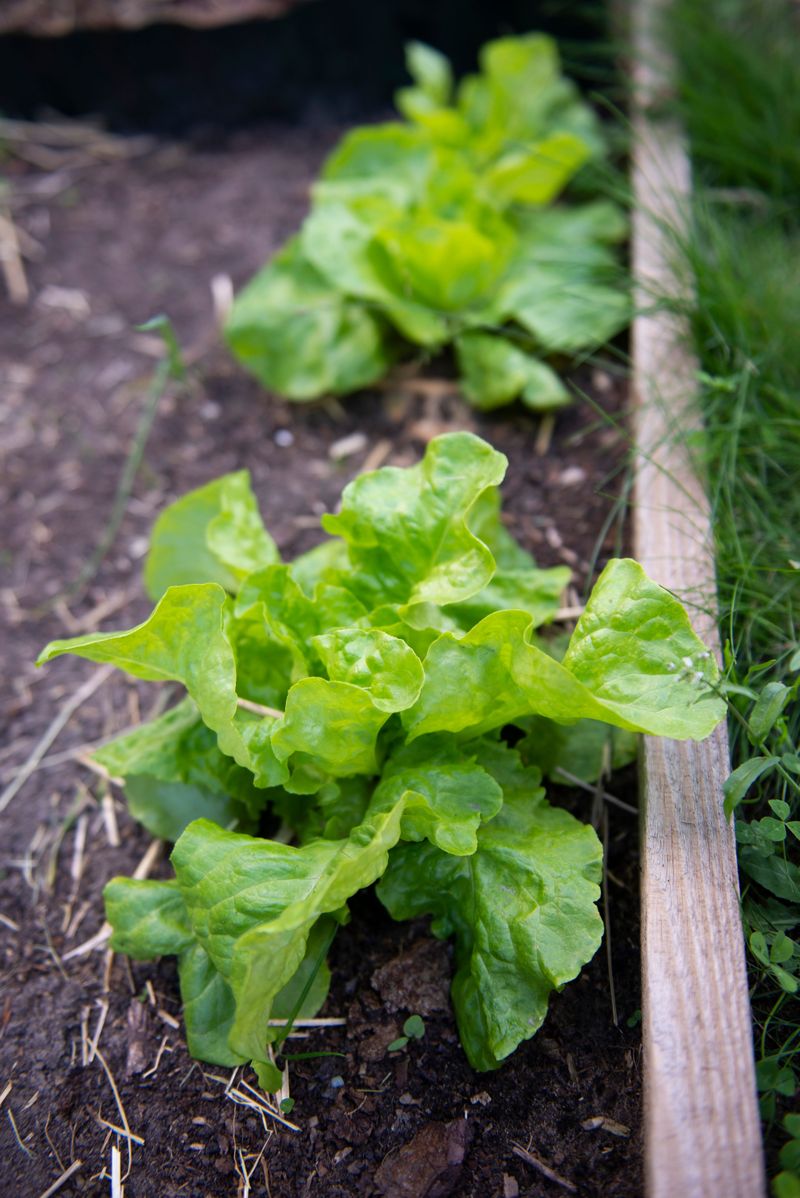
Empty spaces between broccoli and collards do not need to sit bare. Lettuce slides right into those gaps and matures before neighbors crowd it out.
Loose-leaf types are the quickest, ready for cutting in about forty-five days. Head lettuce needs longer and can be trickier in fluctuating autumn temperatures.
Sow seeds on the surface and press them in lightly, since lettuce needs light to germinate. Covering them deeply is a common mistake.
Keep the seedbed damp with a gentle sprinkle once or twice daily until sprouts show. Afternoon shade helps during warm early September stretches.
Thin to six inches for leaf varieties and ten inches for heading types. Use the thinnings immediately in sandwiches.
Harvest using the cut-and-come-again method, trimming leaves an inch above the crown. Plants regrow two or three more times.
Black Seeded Simpson, Red Sails, and Buttercrunch all perform well in Alabama gardens. Mixed mesclun blends give variety from a single sowing.
Slugs sometimes visit after rain. A shallow beer trap is a reliable way to keep them away; crushed eggshells are a popular but less consistently proven option.
10. Garlic Goes In Now For A Summer Payoff
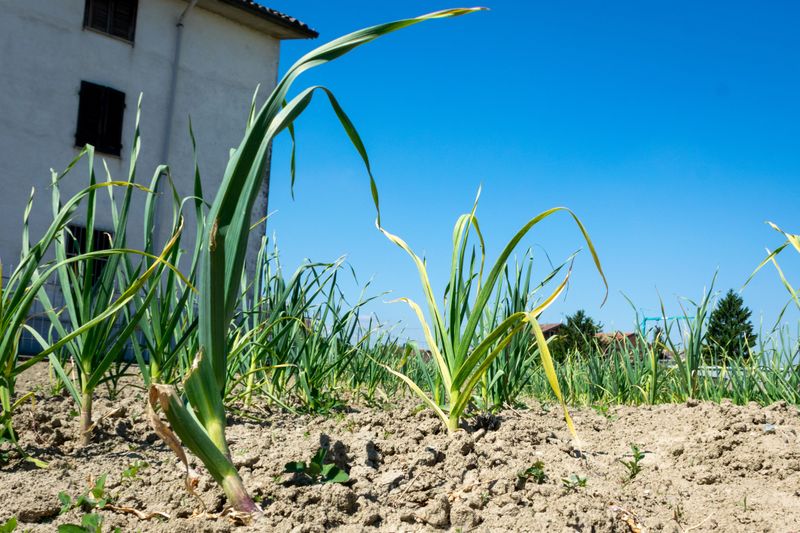
Here is the long game of the fall garden. Garlic planted this autumn will not be harvested until next June, and the wait is entirely worth it.
Break a bulb into individual cloves right before planting, leaving the papery wrappers intact. Choose the fattest cloves, since bigger cloves produce bigger bulbs.
Push each clove pointed end up, about two inches deep and six inches apart. Rows spaced a foot apart give you easy weeding access.
Softneck varieties like Inchelium Red and Silverskin suit Alabama’s mild winters better than hardneck types. Hardnecks prefer colder northern conditions.
Cover the bed with three inches of straw mulch after planting. Weeds stay suppressed and soil temperature stays steadier through winter swings.
Green shoots may appear within a few weeks, which is normal and fine. Growth pauses during cold snaps and resumes in February.
Fertilize in early spring when new growth accelerates. Stop feeding by late April so bulbs can firm up.
Harvest when roughly half the lower leaves turn brown, then cure bulbs in a shady, airy spot for three to four weeks.