Skip Problem-Prone Boxwood Hedges And Plant This New York Native Screen Instead
A tidy green hedge can turn brown and patchy in just a few weeks. Across New York, boxwood owners have watched that scene unfold, often because of a fast-moving fungal disease.
Luckily, a tough native shrub offers the same polished look with far fewer headaches. It shrugs off soggy ground, handles icy winds, and feeds birds and bees along the way.
You might already walk past it in parks and wetlands without a second glance. Once you learn what it can do, though, your yard may start to look very different.
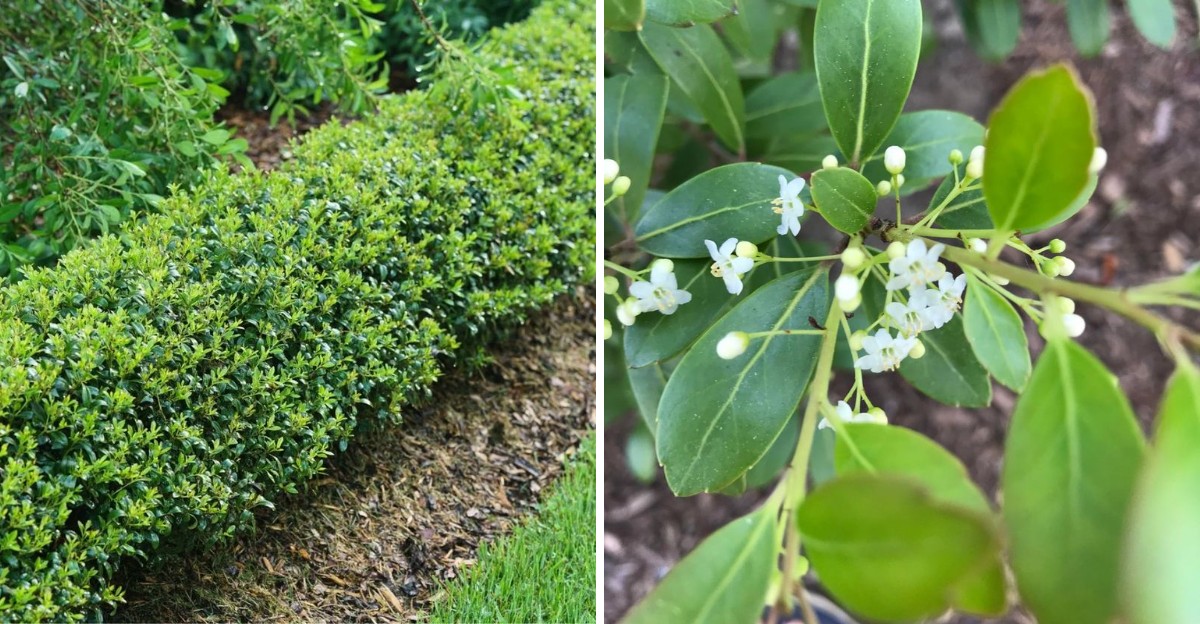
Its small, glossy leaves stay green all winter, just like boxwood. Unlike boxwood, it doesn’t fall victim to the blight that has wiped out so many hedges.
Inkberry Holly Is The Native Worth Planting
Some shrubs look nice but give little back to your yard. Inkberry holly, known to scientists as Ilex glabra, is a welcome exception.
Native to eastern North America, it grows wild in parts of New York. Local birds, bees, and insects already know it well.
Planting something native means you are working with nature, not against it. Plants that evolved here tend to handle local weather, soil, and pests better.
Inkberry is an evergreen, so it stays green all year long. Your yard keeps its structure even when snow covers everything else.
Gardeners love it for many jobs around the home. It works as a hedge, a foundation planting, a privacy screen, or a rain garden shrub.
Many garden centers now carry several types. Ask for it by name, since clerks may point you toward boxwood first.
Here is a practical tip before you buy anything. Check the plant tag for the words Ilex glabra to be sure you get the true native.
Look for shrubs with deep green leaves and no yellow spots. Healthy roots should fill the pot without circling tightly around the bottom.
Fall and early spring are ideal times to plant. Cooler air lets roots settle in before summer heat arrives.
Dig a hole twice as wide as the root ball but no deeper. Water deeply after planting, then add a few inches of mulch around the base.
With that simple start, your new shrub should grow steadily for years. Your local wildlife will thank you for choosing a true neighbor.
Its Small, Glossy Leaves Mimic Boxwood
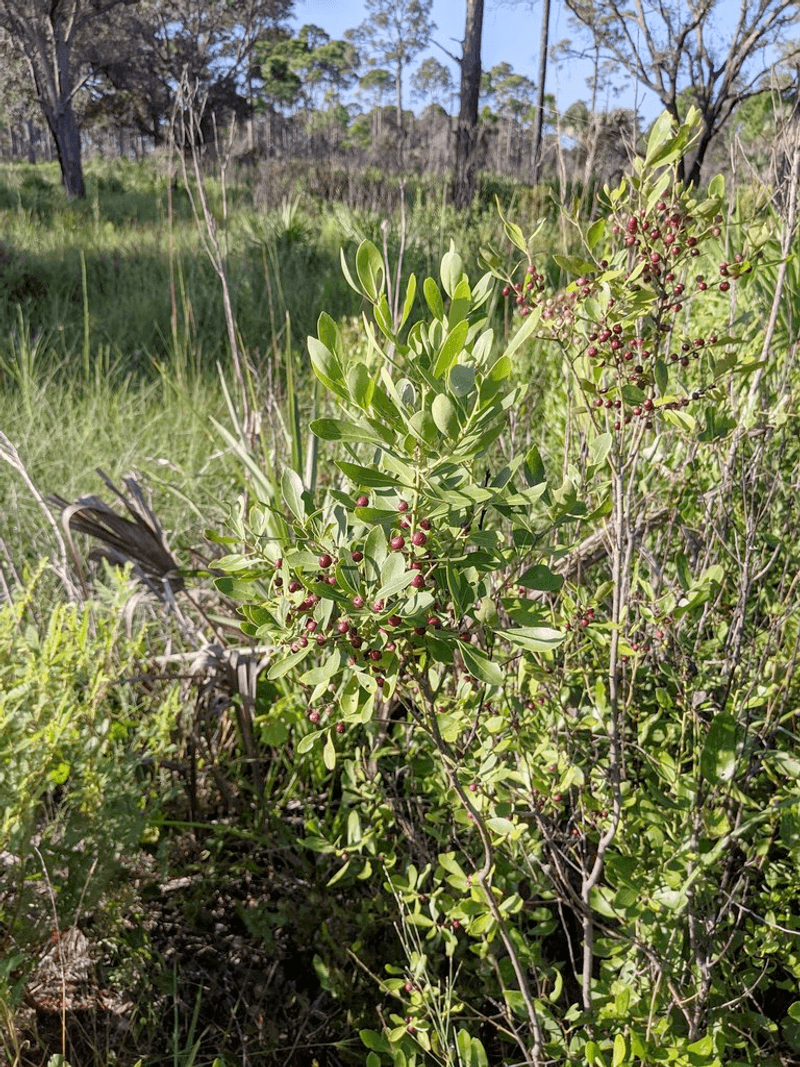
Stand a few feet back, and most visitors will guess you planted boxwood. Only a close look reveals the clever swap you made.
Inkberry leaves are small, oval, and a rich dark green. Their shiny surface catches sunlight in a way that makes hedges sparkle.
Forget the prickly holly leaves you see on holiday cards. Inkberry foliage has no spines, so it feels soft when you brush past.
Most leaves are smooth along the edges. A few blunt little teeth sit near the tips, but you have to hunt for them.
Kids playing tag near the hedge will not get scratched. Pets can sniff around the base without yelping either.
Your New York Garden Changes Every Week. Your Plan Should Too.
Gardening in New York changes quickly throughout the season. Every Friday you’ll receive a simple weekly plan showing exactly what to plant, prune, fertilize, harvest, and protect so you never miss the right timing.
Designers appreciate how the fine texture reads from the street. A clipped row looks neat, formal, and polished, much like classic boxwood.
Want to test the look before committing? Buy one or two plants and set them beside an existing boxwood for a season.
Compare them from your porch, your driveway, and the sidewalk. Many homeowners find they cannot tell the difference from normal viewing distance.
Leaf color does shift slightly with the seasons. Some plants take on a hint of bronze or purple during the coldest weeks.
Here is a fun detail worth knowing. The word glabra means smooth or hairless, a nod to those sleek, polished leaves.
So if you love the boxwood look but hate the worry, relax. You can keep that tailored style and simply change the plant behind it.
It Sidesteps The Boxwood Blight Problem
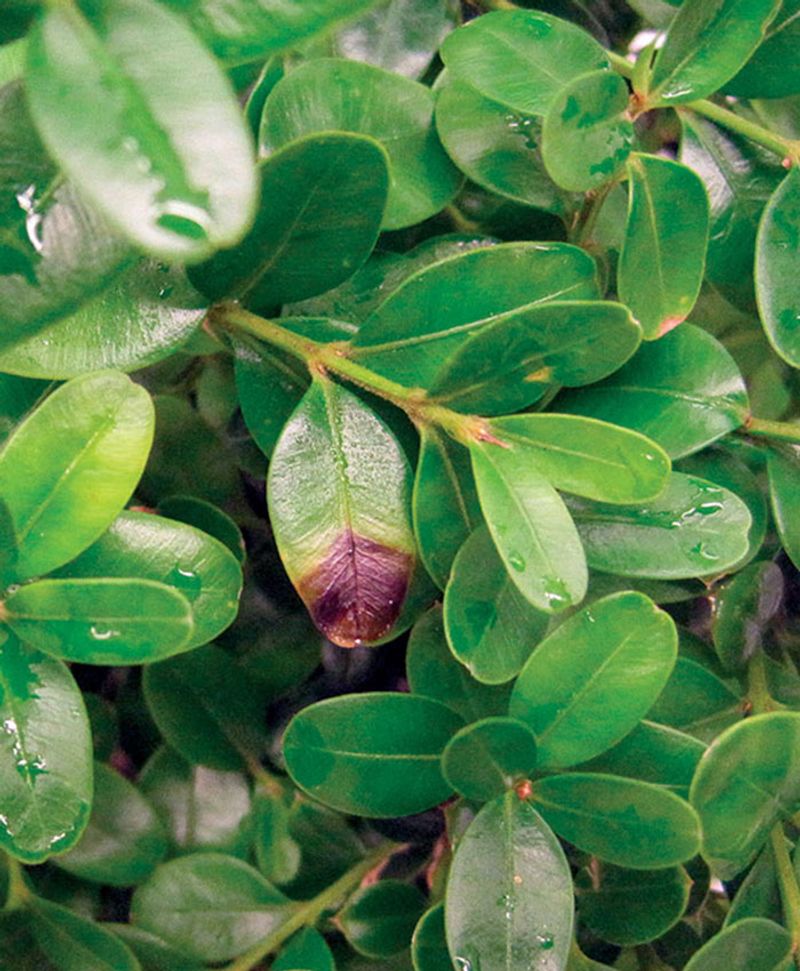
One gardener described it perfectly: the hedge looked fine on Monday and bare by Friday. That is how quickly boxwood blight can strike.
Boxwood blight is a harsh fungal disease. It causes dark leaf spots, fast leaf drop, and black streaks on stems.
Worse, the fungus spreads with ease. Its sticky spores travel on rain splash, pruning tools, shoes, blowing leaf debris, and even new nursery plants.
Once blight shows up, cleanup gets expensive. Many homeowners end up pulling out entire rows and bagging every fallen leaf.
Inkberry holly offers a welcome way out. It does not host boxwood blight, so the disease simply passes it by.
That means you can replant the same spot without the same worry. Just remove old boxwood debris first, since spores can linger in leaf litter.
Here is a smart cleanup plan. Bag fallen boxwood leaves instead of composting them, and wipe your tools with rubbing alcohol afterward.
Also rinse soil off your boots before walking to other beds. Small habits like these stop spores from hitching a ride.
Inkberry is not totally trouble-free, of course. It can develop leaf spots or yellowing if the soil turns too alkaline.
Still, those issues are mild and easy to fix. A soil test and a little acid-loving fertilizer usually solve the problem.
Choosing inkberry lets you spend weekends enjoying your yard. You will skip the anxious leaf inspections that boxwood owners know too well.
It Handles Cold New York Winters
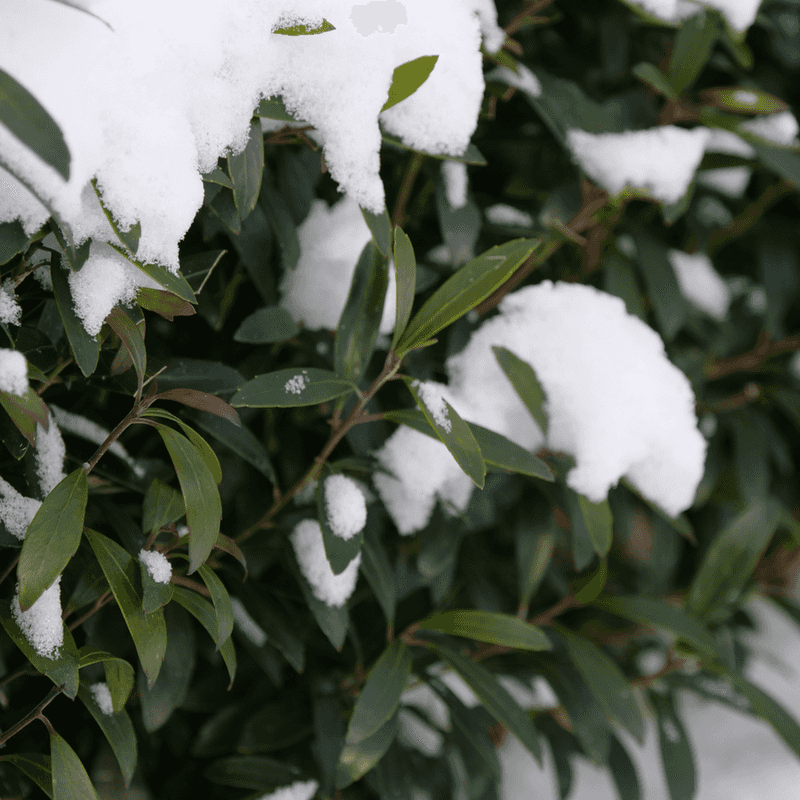
January in upstate New York can feel like living inside a freezer. Plenty of shrubs sulk, burn, or brown out by March.
Inkberry handles that chill with surprising grace. It grows wild from Nova Scotia down to Florida, so cold is nothing new.
Experts rate it hardy in USDA Zones 4 through 11. That covers nearly every corner of the state, from Buffalo to Long Island.
Leaves usually hold their glossy color through the winter months. During harsh cold snaps, a few may bronze slightly before greening up in spring.
Winter wind is often the bigger threat. Drying gusts can pull moisture from leaves while the ground stays frozen.
Give your shrubs a deep drink in late fall before the ground freezes. Well-watered plants face dry winter air with more strength.
A layer of mulch helps too. Spread two to three inches of shredded bark to keep roots cozy and moist.
Planting location matters as well. A spot sheltered from strong northwest winds usually means fewer brown tips come spring.
Heavy snow rarely causes lasting harm. Brush off thick, wet loads gently with a broom so branches do not splay.
Avoid piling salty snow from sidewalks onto your hedge. Road salt can burn leaves and harm roots over time.
With a little late-fall care, inkberry greets spring looking fresh. Your neighbors may wonder how your hedge stayed so green all season.
Wet Soil Doesn’t Slow It Down
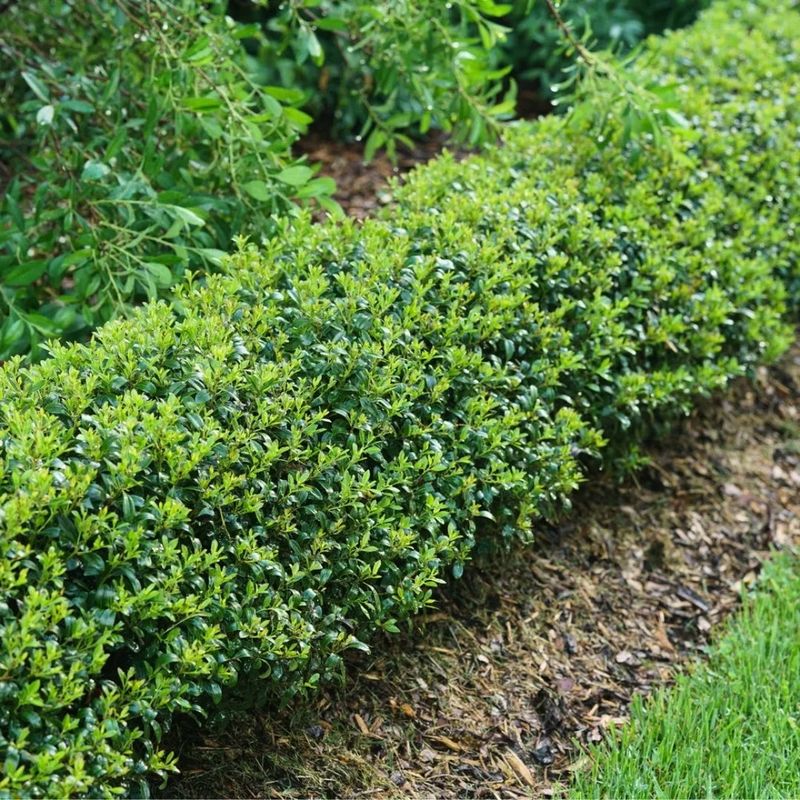
Every yard seems to have that one soggy corner. Grass struggles there, boots squish, and most shrubs quietly give up.
Inkberry actually likes those spots. In the wild, it grows in swamps, wet flatwoods, and along bog edges.
That natural habit makes it a star for rain gardens. It can handle short periods of standing water after heavy storms.
Boxwood, on the other hand, hates wet feet. Soggy roots often lead to rot and a slow decline.
Inkberry prefers soil that stays evenly moist and slightly acidic. A pH between about 4.5 and 6.5 keeps its leaves deep green.
Not sure about your soil? Pick up a test kit or send a sample to your local Cornell Cooperative Extension office.
If your soil runs alkaline, you may notice yellow leaves with green veins. Adding sulfur or an acid-loving plant food can bring back the color.
Here is a practical idea for downspouts. Plant a small group of inkberry where roof runoff collects, and let them soak it up.
Many New York towns encourage rain gardens to reduce flooding. Some even offer guides or small grants to help homeowners get started.
Inkberry is not picky in drier spots either. It adapts to average garden soil, though it appreciates extra water during summer droughts.
So that muddy corner may not be a problem after all. It might be the perfect home for your new native hedge.
Compact Types Stay Low And Neat
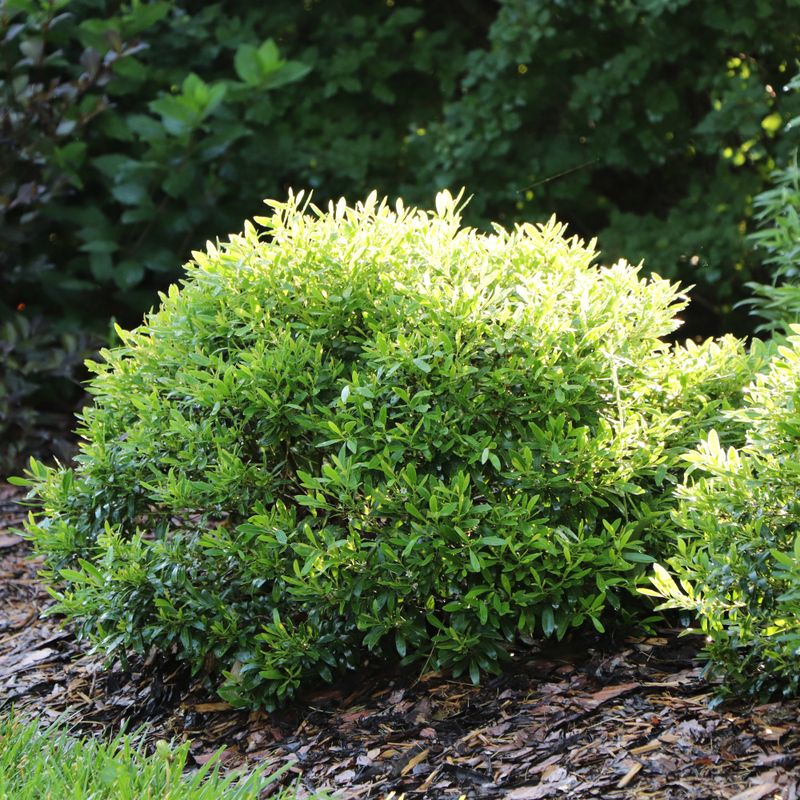
Picture a crisp little edge along your front walk. Now imagine it without constant clipping or disease worries.
Wild inkberry can reach five to eight feet tall and wide. Left alone, it may also spread by sending up new shoots.
Plant breeders noticed homeowners wanted something smaller. They developed compact types that behave much more like classic boxwood.
‘Gem Box’ is one popular choice. It stays around two to three feet tall with a dense, rounded shape.
‘Strongbox’ is another favorite for formal gardens. Its tight branching and small leaves create a clean, tailored look.
Other varieties like ‘Shamrock’ and ‘Compacta’ sit in the middle range. They work well for foundation plantings under windows.
Before buying, measure your space carefully. Check the mature height and width on the tag, not just the pot size.
For a low border, space compact plants about 18 to 24 inches apart. They will knit together into a solid line in a few seasons.
Larger types suit privacy screens and property lines. Space those about three to four feet apart for a full, natural wall.
One quick heads-up about older plants. Some compact types can thin out at the base as they age.
Planting in full sun to part shade helps keep them bushy. Deep shade tends to make branches stretch and open up.
Choose the right size from the start, and pruning becomes easy. Your hedge will look tidy with far less effort.
Berries On Female Plants Feed Winter Birds
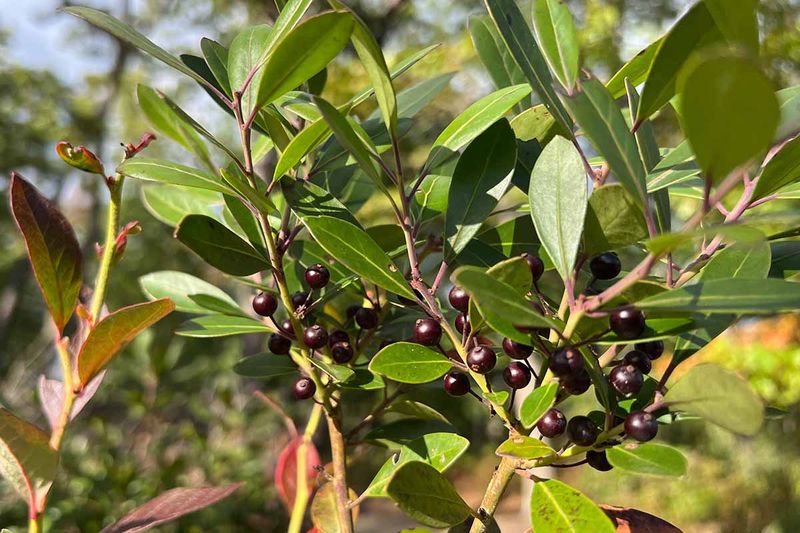
Here is a quirky plant fact that surprises many people. Inkberry shrubs come as either boys or girls.
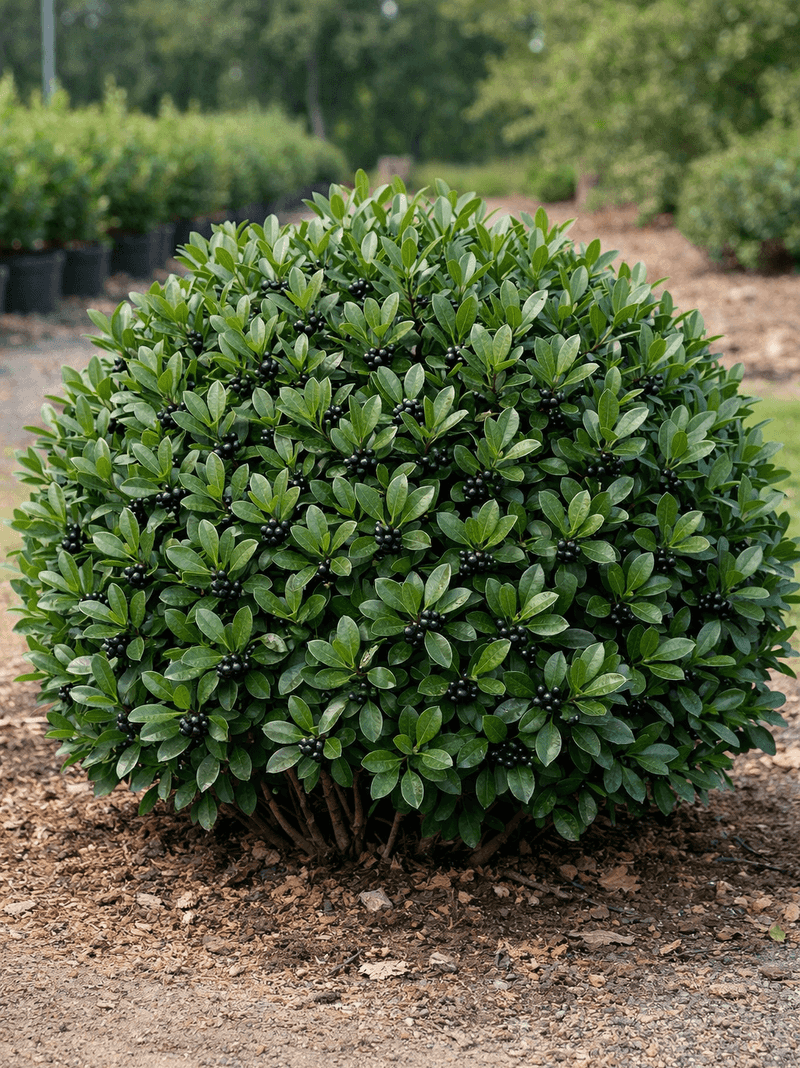
Scientists call this dioecious, which simply means male and female flowers grow on separate plants. Only female shrubs produce berries.
Those berries are small, round, and shiny black. They look a bit like drops of ink, which explains the plant’s name.
For fruit to form, a male plant must grow nearby. Bees carry pollen from male flowers to the waiting females.
A simple rule works well for most gardens. Plant one male for every five to ten females, within about 50 feet.
Nurseries often label plants by sex, so read tags closely. Some sell a male variety specifically as a pollinator partner.
Why bother with berries? They often hang on well into winter, when food runs short for wildlife.
Birds like robins, bluebirds, and mockingbirds may stop by for a snack. Small mammals sometimes nibble the fruit too.
Watching your hedge turn into a winter bird feeder is a real treat. Keep binoculars by the window during snowy mornings.
One note for families with small children. The berries are not meant for people, so teach kids to admire rather than taste.
Boxwood offers almost nothing for birds in comparison. Swapping to inkberry turns a plain hedge into a helpful habitat for feathered visitors.
Bees Visit Its Tiny Spring Flowers
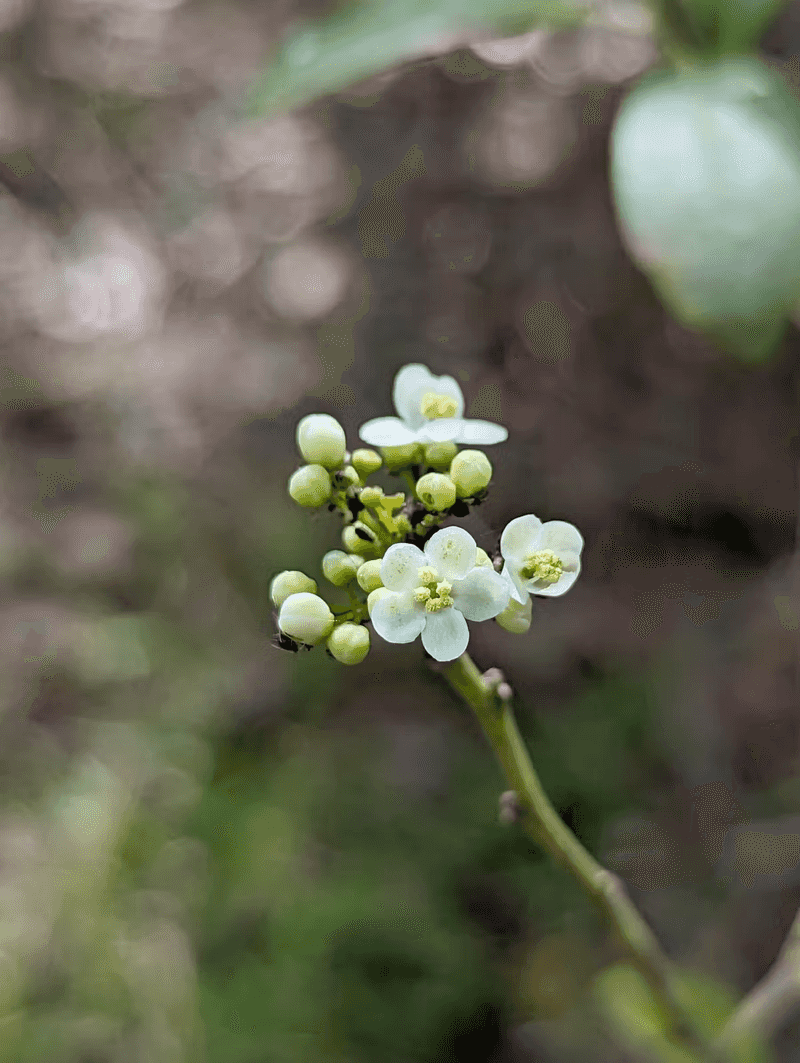
Listen closely near an inkberry hedge in early June. You may hear a gentle, busy hum coming from inside the leaves.
Those sounds come from bees visiting tiny flowers. The blooms are small, greenish white, and easy to miss.
What they lack in size, they make up in nectar. Honeybees and native bees both find them very appealing.
Some specialist bees rely on hollies for food. Planting inkberry gives these local insects a reliable spring meal.
Beekeepers have prized inkberry for generations. In the southern states, gallberry honey comes largely from its blooms.
That honey has a mild, rich flavor that many tasters love. Some bakers seek it out for its smooth sweetness.
Flowers usually open in late spring to early summer. Timing shifts a bit depending on your part of the state.
Want to help pollinators even more? Skip spraying insecticides on or near your hedge while it blooms.
Pair inkberry with other native plants for a longer buffet. Wild bee balm, asters, and goldenrod keep food flowing through summer and fall.
Here is a gentle reminder for nervous gardeners. Busy bees are focused on flowers, not people, so they rarely bother anyone nearby.
Boxwood flowers attract some insects too, but inkberry offers more wildlife value overall. Your hedge becomes part of a living network rather than just a green wall.
A Spring Trim Keeps It From Getting Leggy
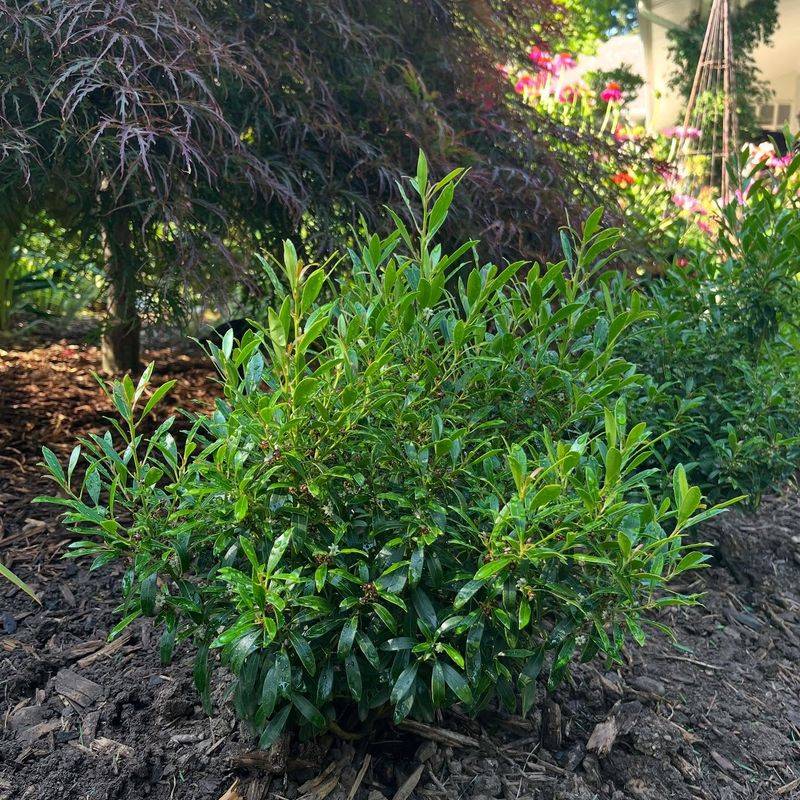
Nobody wants a hedge with bare knees. Luckily, a quick seasonal trim keeps inkberry full from top to bottom.
Most inkberry needs little pruning at all. The main exception is when you want a crisp, formal hedge shape.
Late winter or early spring is the best window. Cut before new growth appears, usually around March or early April.
Start by removing broken or crossing branches. Then shape the shrub lightly, cutting just above a leaf or bud.
Try making the base slightly wider than the top. Sunlight then reaches lower branches, which helps them stay leafy.
Hand pruners give cleaner cuts than electric shears. They also let light reach inside, encouraging fresh growth throughout the shrub.
Has an older plant become tall and sparse? Rejuvenation pruning can bring it back to life.
Cut about one third of the oldest stems down near the ground each spring. Over three years, the shrub renews itself without looking bare.
Very overgrown plants can handle a harder cut. Trim them back to about a foot tall, and they usually respond with bushy new shoots.
Clean your tools before and after each job. Rubbing alcohol on the blades helps stop the spread of plant diseases.
Skip heavy pruning in late summer or fall. Tender new shoots may not toughen up before cold weather arrives.
A little spring attention goes a long way. Your native hedge will stay thick, green, and handsome for years.