Why Mâche Is A Cool Weather Green More North Carolina Gardeners Should Be Growing
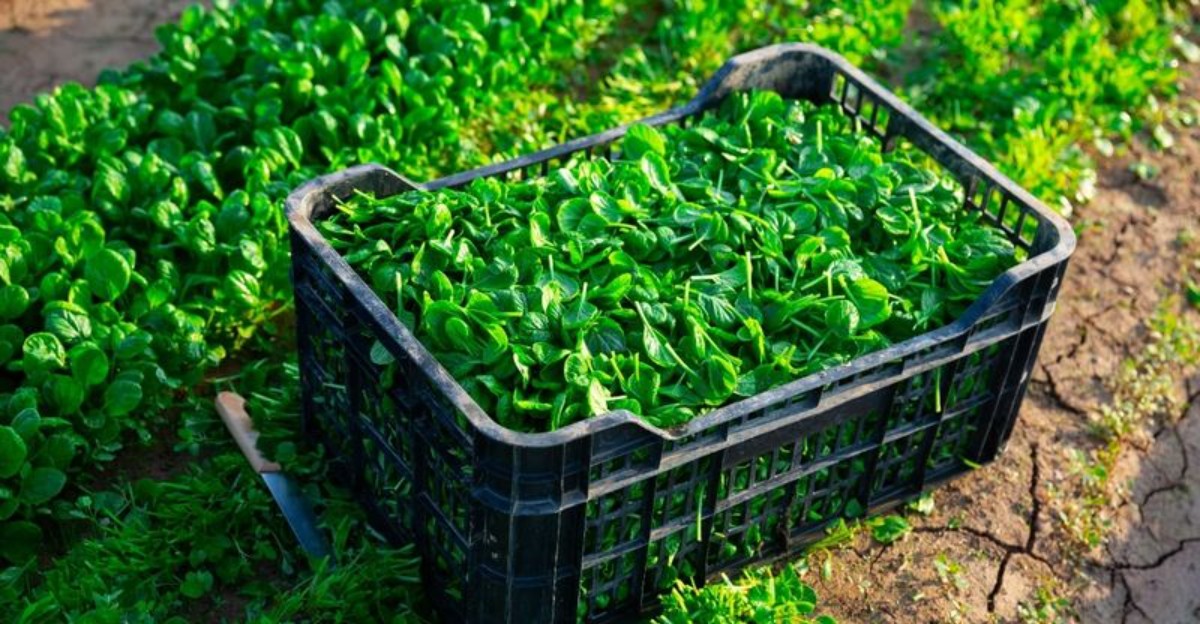
Mâche isn’t a common name in most North Carolina vegetable gardens, but it deserves a lot more attention than it gets.
This tender green thrives in cold weather that would stop most lettuce varieties in their tracks, making it one of the few crops that actually gets better as temperatures drop.
Its mild, slightly nutty flavor works well in salads, and it holds up better in cold soil than many other greens grown this time of year.
Because mâche germinates and grows well in cooler conditions, it fits perfectly into the gap left by summer crops that have already finished.
For North Carolina gardeners looking to extend their harvest into the colder months, mâche offers an easy, low-maintenance way to keep fresh greens coming.
1. It Handles Cold Better Than Most Salad Greens
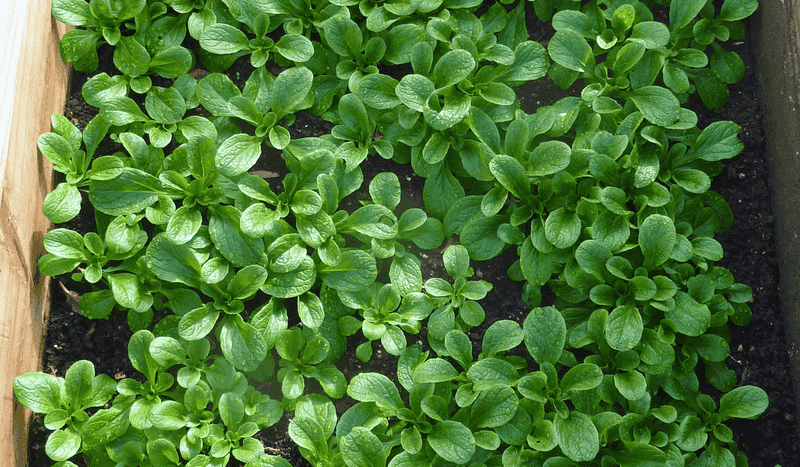
Frost on the garden usually means bad news for salad lovers. Mâche laughs it off. Known by the science name Valerianella locusta, and also called corn salad or lamb’s lettuce, it forms small, flat rosettes of rounded leaves that look a bit like tiny green spoons.
Few salad greens can match its toughness. Mâche handles hard freezes that leave lettuce limp and brown. Part of the secret is its shape, since the rosettes hug the ground and stay close to the warmer soil, which acts like a heated blanket on chilly nights.
Care is simple once you know a few tricks. Give plants full sun to light shade, and they will stay happy through most of the season. During the coldest spells, toss a row cover over the bed to keep the leaves tender and good looking.
Timing your harvest matters too. Frozen leaves bruise easily, so wait until the afternoon, after any frost has melted away. The leaves bounce right back and taste just as fresh as ever.
North Carolina makes a great home for this hardy green. In the Piedmont and Coastal Plain, mâche can keep producing through much of the winter with very little fuss. Mountain gardeners face harsher cold, but they can still enjoy harvests in late fall and again in early spring.
That kind of staying power turns a quiet winter garden into a place worth visiting. Even on a gray January day, a few rosettes waiting under a cover can brighten your dinner plate and your mood.
2. Fresh Salads All Winter Long
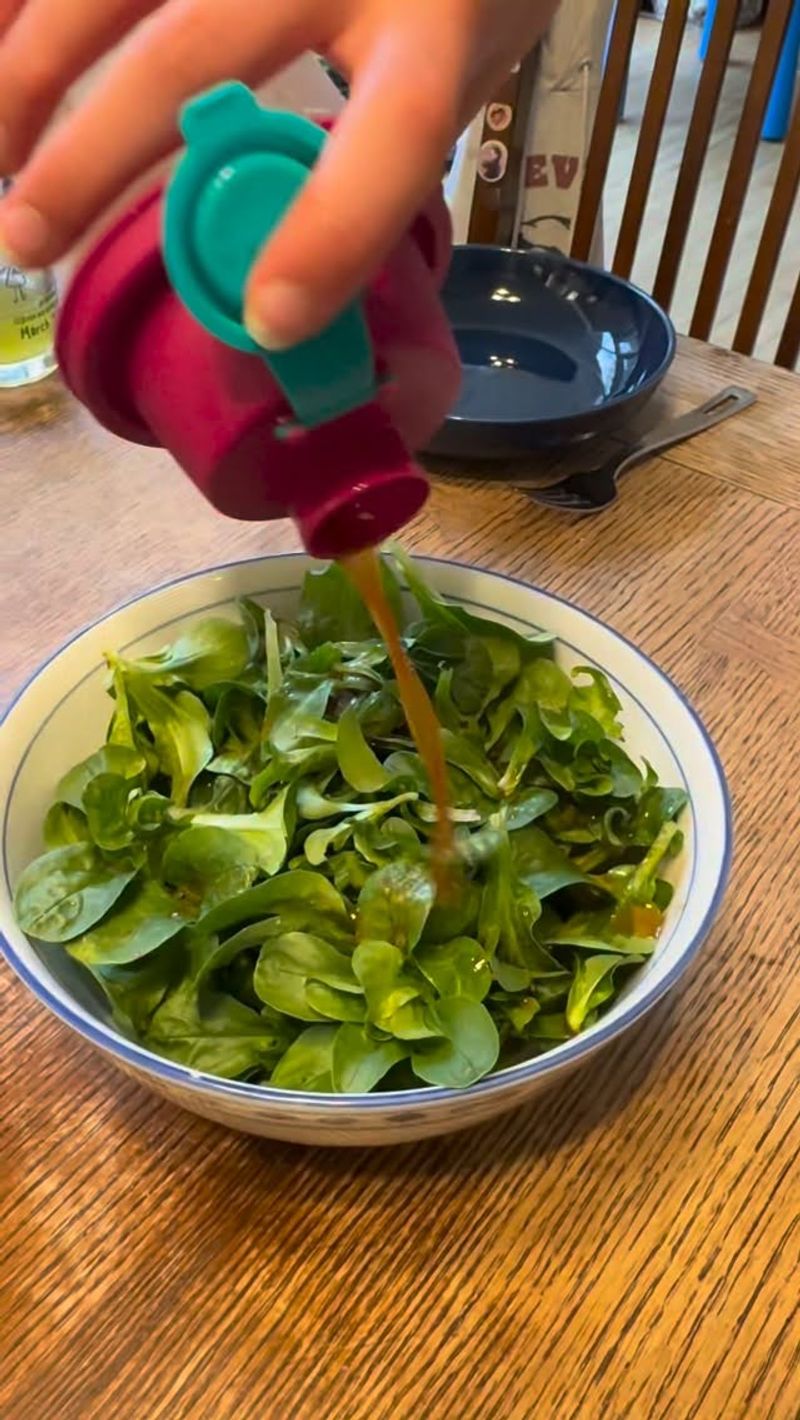
January salads from the grocery store often taste like cardboard. Homegrown mâche changes that story completely. When lettuce slows down and tender greens suffer from cold, this plant quietly keeps going.
Growth is slow but steady through cool weather. That steady pace is exactly what makes it valuable, because a fall sowing turns into fresh salad greens during months when the garden offers little else. You get something green and crisp while most beds sit empty.
Getting the timing right depends on where you live in the state. Mountain gardeners should sow in late summer to early fall, before the cold arrives in force.
Your North Carolina Garden Changes Every Week. Your Plan Should Too.
Gardening in North Carolina changes quickly throughout the season. Every Friday you’ll receive a simple weekly plan showing exactly what to plant, prune, fertilize, harvest, and protect so you never miss the right timing.
In the Piedmont, aim for late September through October, while Coastal Plain gardeners can wait until October and keep sowing into November.
Here is a smart habit worth building. Instead of planting everything at once, sow a small batch every couple of weeks.
Each new row matures a little later than the last, which spreads your harvest across the season instead of giving you one big pile of greens all at once.
Mild winters are a big reason this plan works so well in North Carolina. Mâche can grow through the season with little protection, especially in warmer regions. A simple row cover handles the occasional cold snap.
Think about it like a savings account for your kitchen. A few minutes of planting in fall pays you back with fresh, homegrown salads on the shortest days of the year, and that feels pretty great.
3. Pests Mostly Pass It By
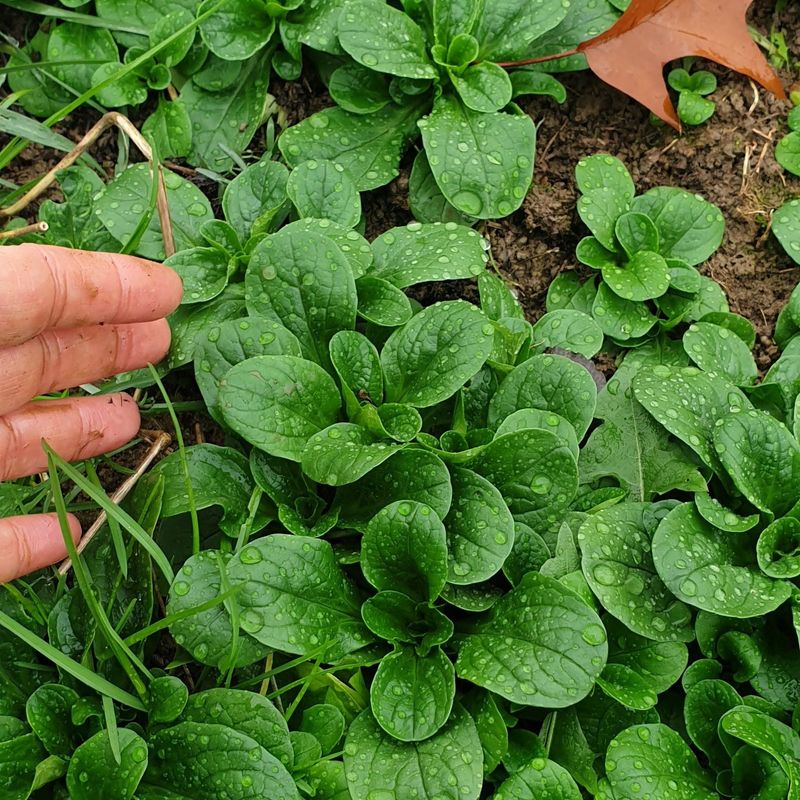
Ask any fall gardener about their biggest headache, and you will probably hear about holes in the kale. Flea beetles, cabbageworms, and loopers can chew a bed to lace in a week. Mâche mostly stays out of that drama.
The reason comes down to family ties. Kale, arugula, collards, and mustard greens all belong to the mustard family, and many of the worst greens pests hunt those plants on purpose.
Mâche belongs to a completely different family, so flea beetles, imported cabbageworms, cabbage loopers, and harlequin bugs usually leave it alone.
Of course, no plant is totally pest free. Slugs love damp weather and tender leaves, so check your rosettes after rainy spells, especially near the soil. Aphids can show up too, often hiding on the undersides of leaves.
A little tidiness goes a long way here. Keep weeds cleared from around your beds, since weeds give slugs and other critters cozy places to hide. A quick walk through the garden every few days helps you spot trouble early, when it is easy to handle by hand.
For North Carolina growers, this benefit is a real bonus. Warm fall weather keeps brassica pests active well into the season, sometimes into November. While your collards fight off hungry bugs, mâche can keep growing with clean, whole leaves.
Planting it alongside your usual greens also gives you a backup crop. If pests hit the kale hard one year, you still have a salad waiting.
4. Its Mild, Nutty Flavor Suits Every Salad
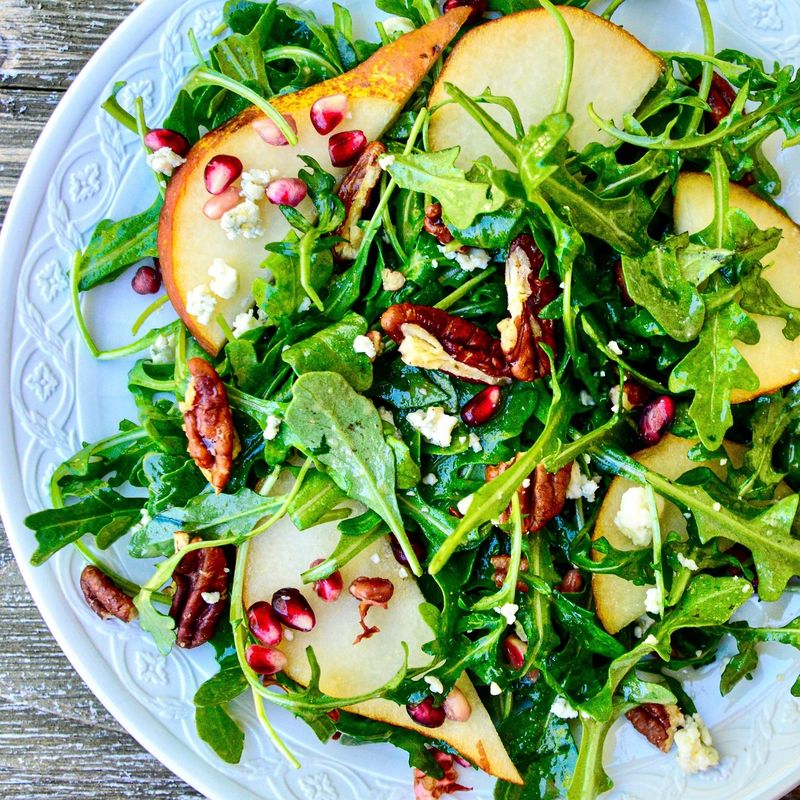
One bite explains why French cooks have loved mâche for generations. The leaves are soft and tender, with a mild, slightly sweet flavor and a gentle nutty finish. There is no bitterness and no peppery bite to make you wince.
Picky eaters often warm up to it fast. Kids who push away arugula might happily munch a bowl of mâche. It also plays well with others, softening stronger greens like mustard or radicchio in a mixed salad.
Harvesting is easy and a little satisfying. Once a rosette has several sets of leaves, cut the whole thing at the soil line with a small knife or scissors. You end up with a pretty little bundle that holds together nicely.
Washing takes some care, though. Soil tends to collect in the center of each rosette, so swish them gently in a bowl of cool water and check between the leaves. Lift them out, rinse once more, and pat or spin them dry.
Fresh is the best way to enjoy it. The delicate leaves shine in salads with a light vinaigrette, maybe with some apple slices, toasted pecans, or goat cheese. Cooking wilts them quickly, so most people skip the stove.
In North Carolina, many home winter greens lean bold. Collards, mustard, turnip greens, and kale all bring strong flavors that many people adore. Mâche gives your winter table a softer, fresher option, and that variety makes every meal more fun.
5. Tiny Plants That Fit Almost Anywhere
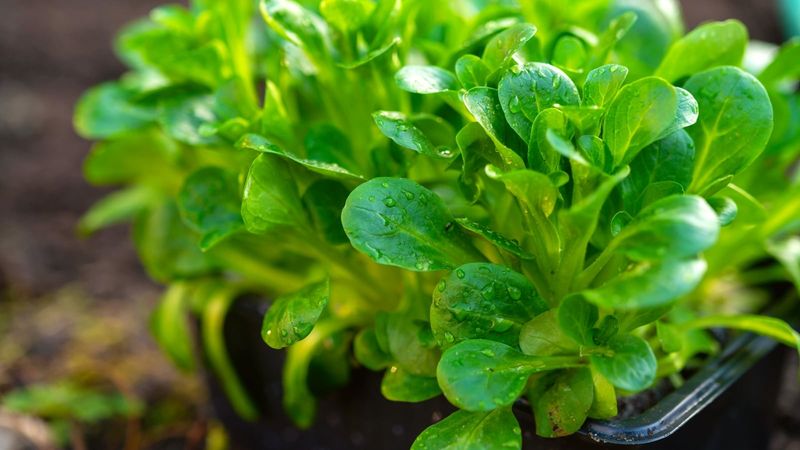
No big yard? No problem. Mâche might be the most space-friendly green you can grow, since each rosette usually stays just a few inches across.
That small size opens up lots of options. Containers on a patio, window boxes on a sunny sill, and small raised beds all work well. You can even tuck it into gaps between larger crops like kale or broccoli, where it happily fills bare soil.
Planting takes almost no effort. Sow seeds in neat rows, or simply scatter them across a bed for a carpet look. After seedlings come up, thin them to a few inches apart so each plant has room to spread.
Moisture matters more than anything else. Keep the soil evenly damp, never soggy and never bone dry, especially in containers, which dry out faster than beds. A quick finger test every few days tells you when to water.
Already using row covers for other fall greens? Slip your mâche underneath the same fabric. It shares the cover without needing extra supplies, which saves both money and time.
North Carolina gardeners often face a common puzzle each fall. Summer crops like tomatoes, squash, and beans come out, leaving empty patches behind. Mâche turns those gaps into productive spots, so no soil sits idle through the cooler months.
Small gardens can feel limiting, but crops like this one prove otherwise. A single window box can yield enough rosettes for several fresh salads, and it looks charming too.
6. Cool Soil Wakes Up The Seeds
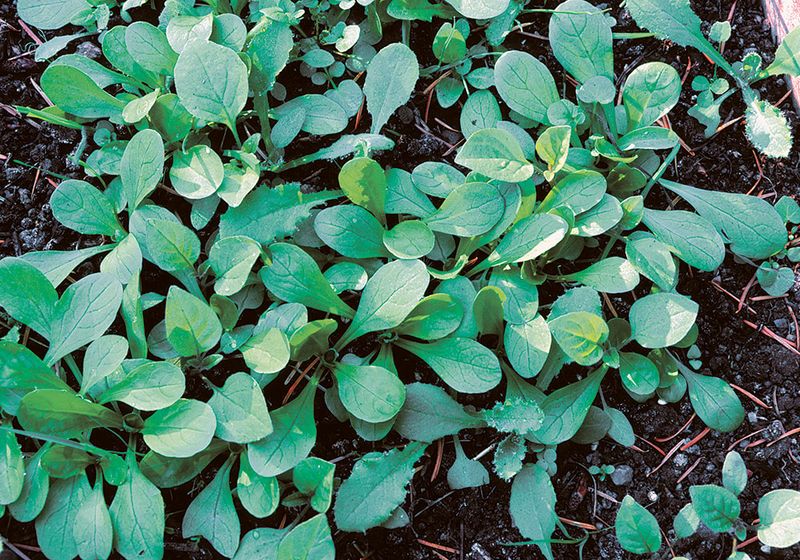
Patience is the secret ingredient with mâche. Many gardeners sow it too early, see only a few sprouts, and decide the seed was bad. In truth, the soil was simply too warm.
Mâche seeds like cool conditions to sprout. When soil temperatures run high, germination often turns poor and patchy, with bare spots scattered across the row. Cooler soil tells the seeds it is time to wake up.
So how do you get it right? Wait until the soil cools down in fall before sowing. A soil thermometer can help, but watching for the end of steamy days and the arrival of crisp nights works too.
Once the timing feels right, plant seeds about a quarter to half inch deep. Cover them lightly and press the soil gently so seeds make good contact. Then keep the bed consistently moist until seedlings appear, since drying out even once can stall them.
Here comes the patience part again. Germination often takes one to two weeks, which can feel slow if you are used to radishes popping up in days. Resist the urge to dig around and check.
North Carolina adds a twist to the timing. Early fall heat can hang on longer than expected, with warm spells stretching well into September or even October.
Sowing a little later, rather than rushing to plant on the first cool morning, usually brings much better results.
A calendar reminder helps. Set one for your region’s sowing window and wait for the weather to cooperate.
7. A Crop That Can Replant Itself
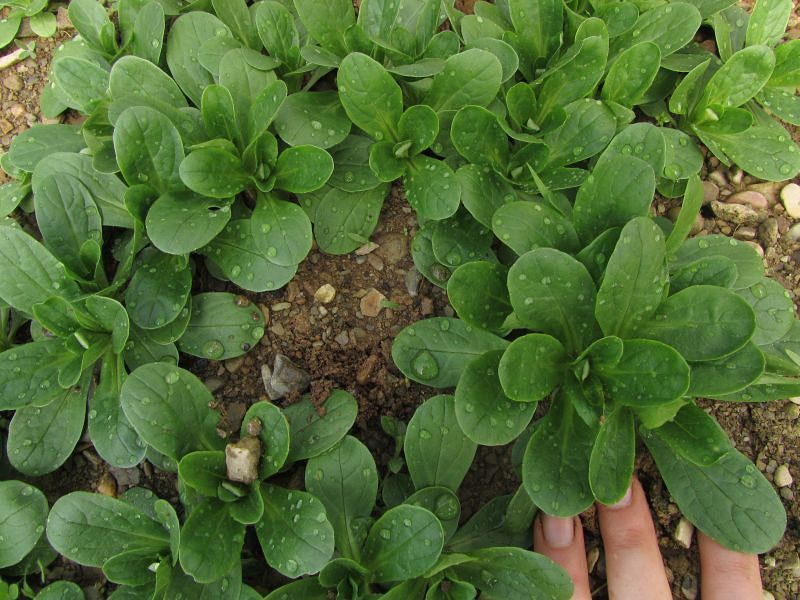
Imagine getting a free crop every fall without buying a single seed packet. Mâche can make that happen. Let a few plants flower in spring, and they may do the replanting for you.
Here is how the cycle works. As days warm up in spring, mâche sends up small stalks topped with tiny, pale blue flowers. Those blooms turn into seeds, which drop to the ground, rest through summer, and often sprout again once the soil cools in fall.
Choosing the right spot makes a big difference. Leave a few plants in an out-of-the-way corner, somewhere they will not get in the way of summer crops. Let them bloom and drop their seed naturally.
Summer care is mostly about leaving things alone. Avoid tilling or digging that area, since turning the soil can bury seeds too deep or scatter them. A light mulch is fine, but heavy disturbance works against you.
Come fall, keep your eyes open. Tiny seedlings may pop up in clusters, and they often come in thicker than you would ever sow by hand. Thin them to a few inches apart so the remaining plants grow full, healthy rosettes.
North Carolina offers ideal conditions for this trick. The long cool season and mild fall weather give reseeded mâche a strong chance to settle in and grow.
Over a few years, you might find a cheerful little patch that returns faithfully, like an old friend stopping by each autumn.