Why New York Crabgrass Keeps Coming Back After You Remove It
Every September, a certain lawn guest seems to pack its bags and wander off without saying goodbye. You rake the thin brown patches, sip your coffee, and feel like the yard finally belongs to you.
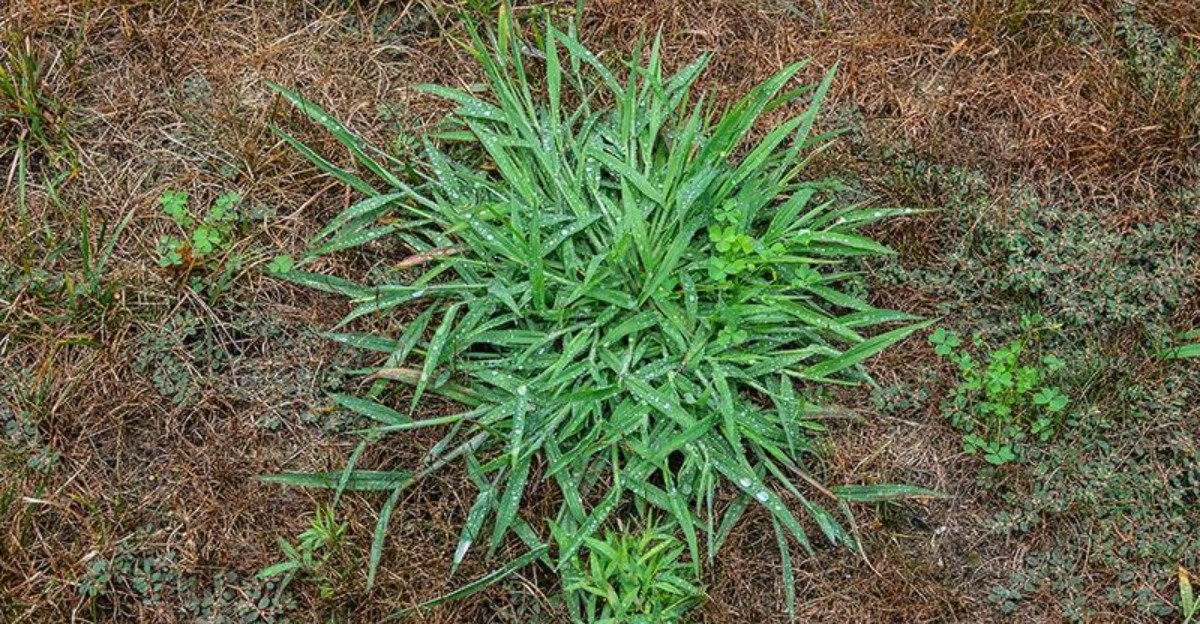
Then next year arrives, and those same sprawling green fingers creep back across the sidewalk edges again. It feels a little like hosting a houseguest who keeps a spare key hidden under your doormat.
Neighbors swap theories over fences, blaming bad luck, cheap seed, or that one windy afternoon in August. The truth is sneakier, hiding just below the soil where your shovel and your patience rarely reach.
Early fall is a great moment to understand this puzzle, because cool air gives your lawn a fresh start. With a few tricks behind the comeback in hand, you can plan smarter moves before the first frost settles.
My own neighbor spent a whole Saturday on his knees and tugged out every weed with surgeon-level focus. By the following July, the patch had returned, and his dog refused to walk past it.
A Hidden Seed Bank Beneath Your Lawn
Picture a buried piggy bank stuffed with thousands of tiny seeds, each one waiting patiently for its turn. That is basically what sits in the top inch of soil across many New York yards right now.
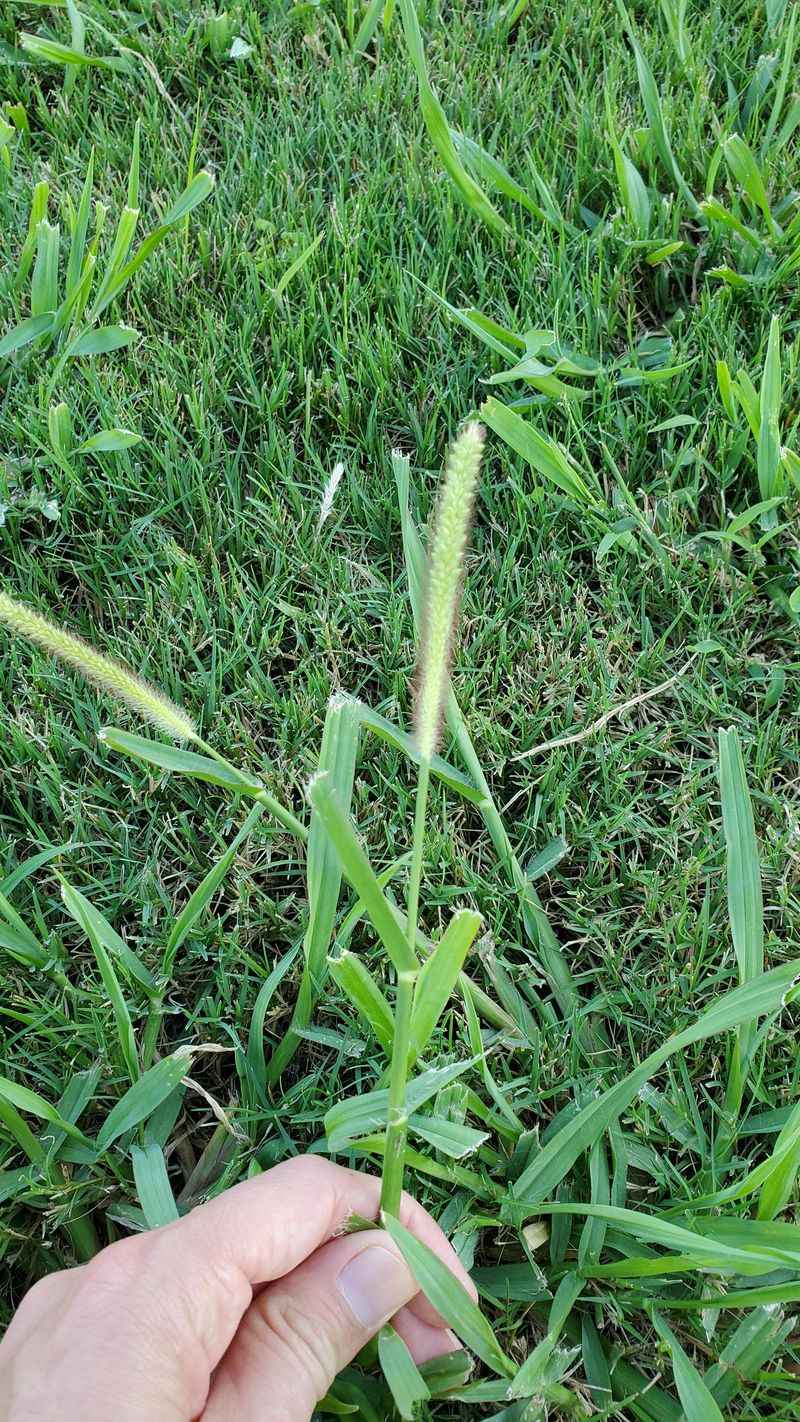
A single crabgrass plant can release up to 150,000 seeds before cold weather ends its season in autumn. Even if you pull the parent plant late in the season, many of those seeds have already dropped quietly onto the ground.
Crabgrass is an annual, which means the plant itself only lives for one growing season before frost arrives. The seeds are the real survivors, and they can stay alive in the soil for several years.
So when you remove visible clumps, you are only handling the tip of a much larger iceberg. The underground supply keeps sending up fresh sprouts whenever warm soil and bare spots give them a chance.
Here is a fun fact that surprises many homeowners: in parts of Europe, crabgrass was historically grown as a grain crop. Its seeds were collected for food, which shows just how generous this plant is with its offspring.
In early October, the lawn may look clear because the old plants have turned brown and flattened. Do not let that tidy view fool you, since next season’s crop is already tucked safely underground.
Understanding this hidden seed bank is the first step toward a fix that often takes several years. Patience matters here, because shrinking that stockpile takes steady effort rather than one heroic weekend of weeding.
Germination Timing In New York Soil
Gardeners in upstate New York often joke that the forsythia bushes work better than a calendar. There is real science behind that joke, and it helps explain when crabgrass wakes up each year.
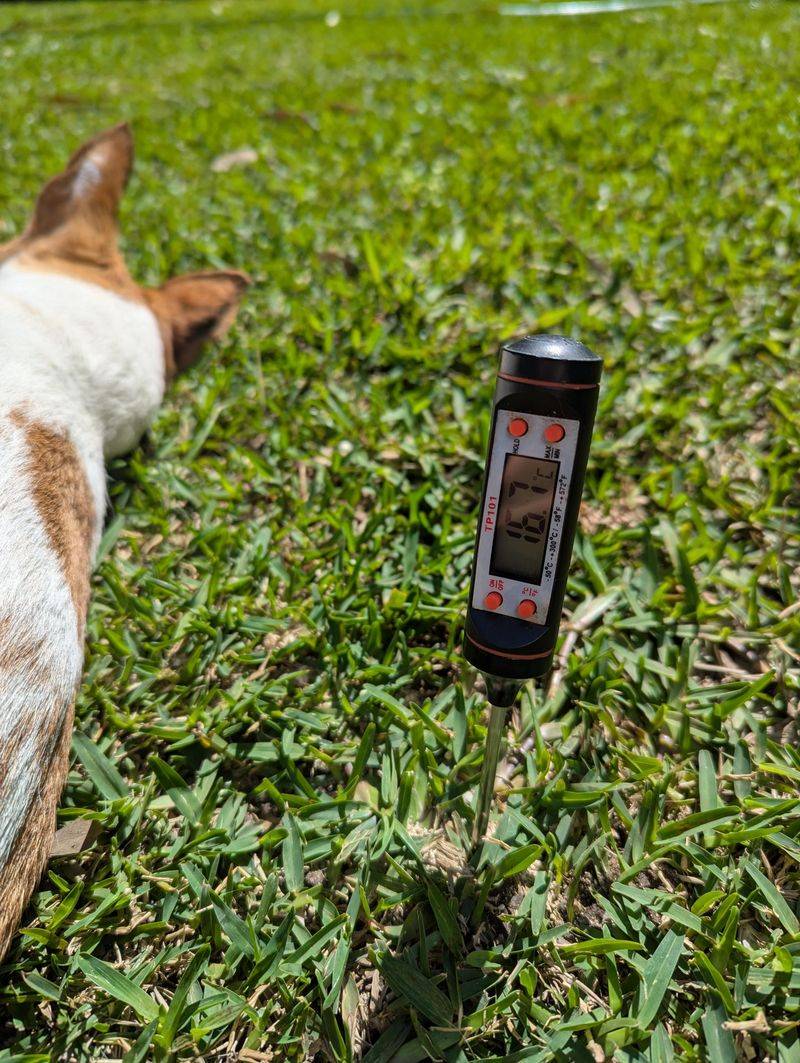
Crabgrass seeds begin sprouting once the soil stays around 55 degrees Fahrenheit for several days in a row. In most of New York, that warmup usually happens between mid-April and late May, depending on location.
Your New York Garden Changes Every Week. Your Plan Should Too.
Gardening in New York changes quickly throughout the season. Every Friday you’ll receive a simple weekly plan showing exactly what to plant, prune, fertilize, harvest, and protect so you never miss the right timing.
Long Island and New York City warm up earlier, while the Adirondacks and western New York lag behind. The tricky part is that seeds do not all sprout at once, so new waves keep appearing.
Germination can continue from spring well into midsummer, which is why pulling a few plants rarely solves anything. Fresh seedlings pop up weeks later in any sunny gap, like latecomers sneaking into a crowded movie.
By early fall, the growth cycle winds down as nights cool and daylight hours shrink across the state. The first hard frost brings the growing season to a close, but only after their seeds have scattered.
Knowing this timing helps you avoid wasting money on products applied far too early or far too late. A cheap soil thermometer from a garden center gives you better answers than guessing by the weather forecast.
Jot down the date your soil hits 55 degrees next spring, and keep that note somewhere handy. Over a few years, those notes become a personal guide that fits your yard well.
A Common Removal Mistake
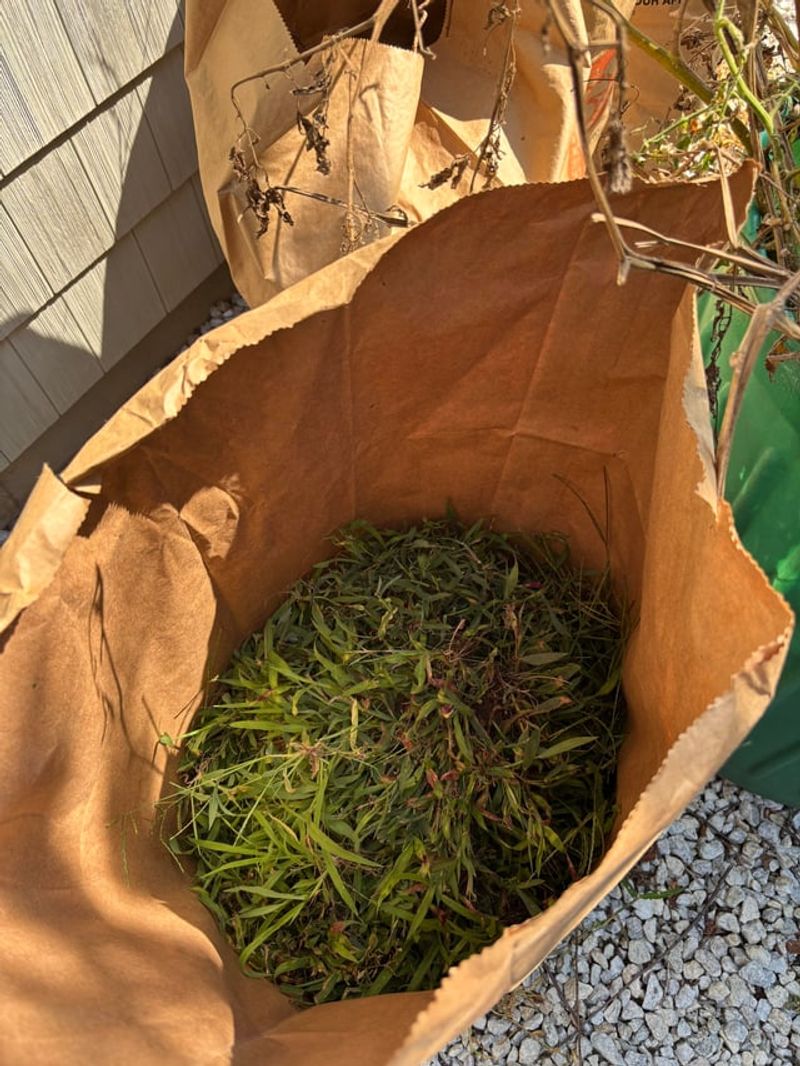
Yanking weeds by hand feels satisfying, like popping bubble wrap on a lazy Sunday afternoon. Sadly, that happy pulling habit can quietly make your crabgrass problem worse instead of better over time.
Every time you tug out a plant, you leave behind a small crater of loose, bare soil. Buried seeds get pulled closer to the surface, where sunlight and warmth give them the signal to sprout.
Timing makes the mistake even bigger, since many people pull crabgrass late after seed heads have formed. Shaking those mature plants while carrying them across the yard spreads seeds like confetti at a parade.
Another slip happens when homeowners toss pulled weeds into the compost pile and forget about them afterward. Most backyard piles do not get hot enough to ruin tough seeds, so they return with the compost.
Mowing very short is the other classic error, especially for folks who love that golf course look. Scalped grass lets sunlight hit the soil directly, which is exactly the invitation crabgrass seeds are hoping for.
Bag pulled plants in a trash bag, and send them out with household garbage rather than compost. After pulling, press the soil back down firmly with your foot and toss in a pinch of grass seed.
Hand weeding still has a place, but it works best on young plants before any seed heads appear. Think of your fingers as a cleanup crew, not the main tool in this long lawn project.
An October Plan For Thin Lawn Spots
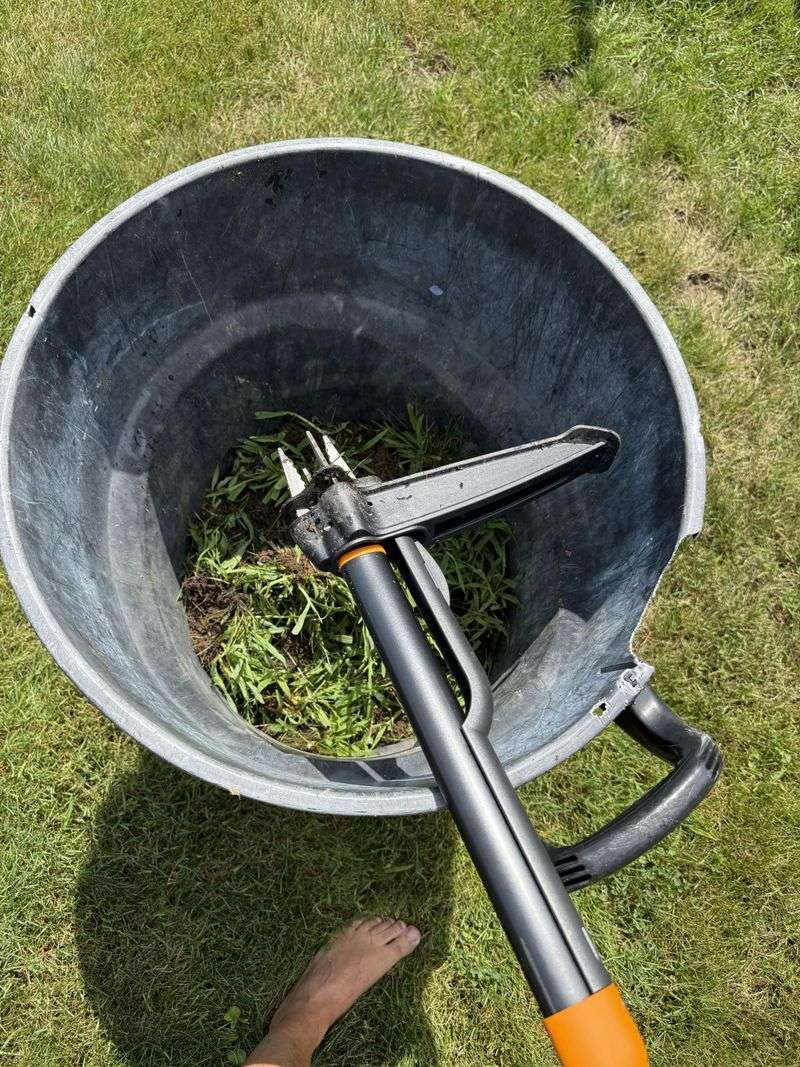
Right now, while leaves swirl and the air smells like woodsmoke, your lawn is ready for repairs. Early fall is a good window in New York for fixing the bare spots crabgrass left, especially downstate.
Start by raking out the brown, flattened crabgrass remains so fresh seed can actually touch the soil. A stiff metal rake works well, and the scratching also loosens the surface for better seed contact.
Next, spread a cool-season grass seed blend with tall fescue, Kentucky bluegrass, or perennial ryegrass for New York. These grasses love cool nights and warm soil, which is exactly the weather early fall tends to deliver.
Cover the seed lightly with compost or topsoil, about a quarter inch thick, like dusting sugar on toast. Then water gently once or twice a day until the new grass reaches about two inches tall.
Skip pre-emergent crabgrass products this time of year, because they can stop your new grass seed from sprouting. Those treatments belong in spring, while fall is reserved for building a thicker, healthier carpet of turf.
A light feeding of fall lawn fertilizer also helps roots grow strong before the ground freezes this winter. Aim to finish seeding by late September upstate, while downstate lawns can often stretch the job into early October.
Every patch you fill now becomes one less open doorway for crabgrass seeds to sneak through next year. Grab a rake, a bag of seed, and a warm sweatshirt, then enjoy some peaceful autumn yard time.
Results You Can Expect Next Year
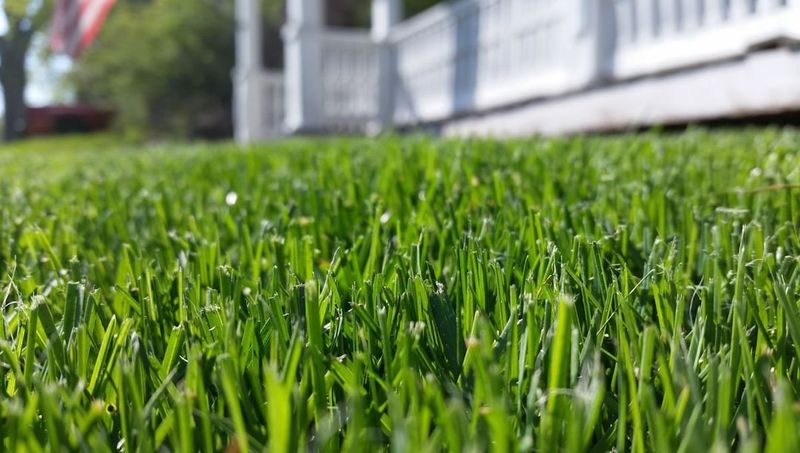
Honesty time: even with a perfect fall routine, a few crabgrass sprouts will probably show up next summer. That does not mean you failed, since the seed bank underground takes a few seasons to shrink down.
A steady plan can noticeably reduce crabgrass within two or three growing seasons. The first year can show a clear improvement, as thick new grass shades out some of the seedlings.
Watch the edges of driveways, sidewalks, and curbs, because those hot strips are where crabgrass struggles least. Pavement soaks up heat and warms nearby soil faster, giving seeds a head start over your lawn.
Snapping a few photos of your yard each month creates a simple record you can compare later. Many homeowners feel surprised when they line up last year’s pictures beside this year’s greener, fuller turf.
Weather also plays a role, since hot, dry stretches weaken cool-season grass and give crabgrass extra room. A tough year does not erase your progress, but it may add a few more weeds than expected.
Keep expectations realistic, because a lawn with zero weeds is rare outside of magazine covers and ballparks. A healthy yard with only a handful of crabgrass clumps is a genuine win worth celebrating with lemonade.
Each season you stay consistent, fewer seeds drop, and the underground stockpile slowly loses its power over you. Before long, you may find yourself hunting for a single sprout just to prove the old problem existed.
A Thick Lawn As Long Term Defense
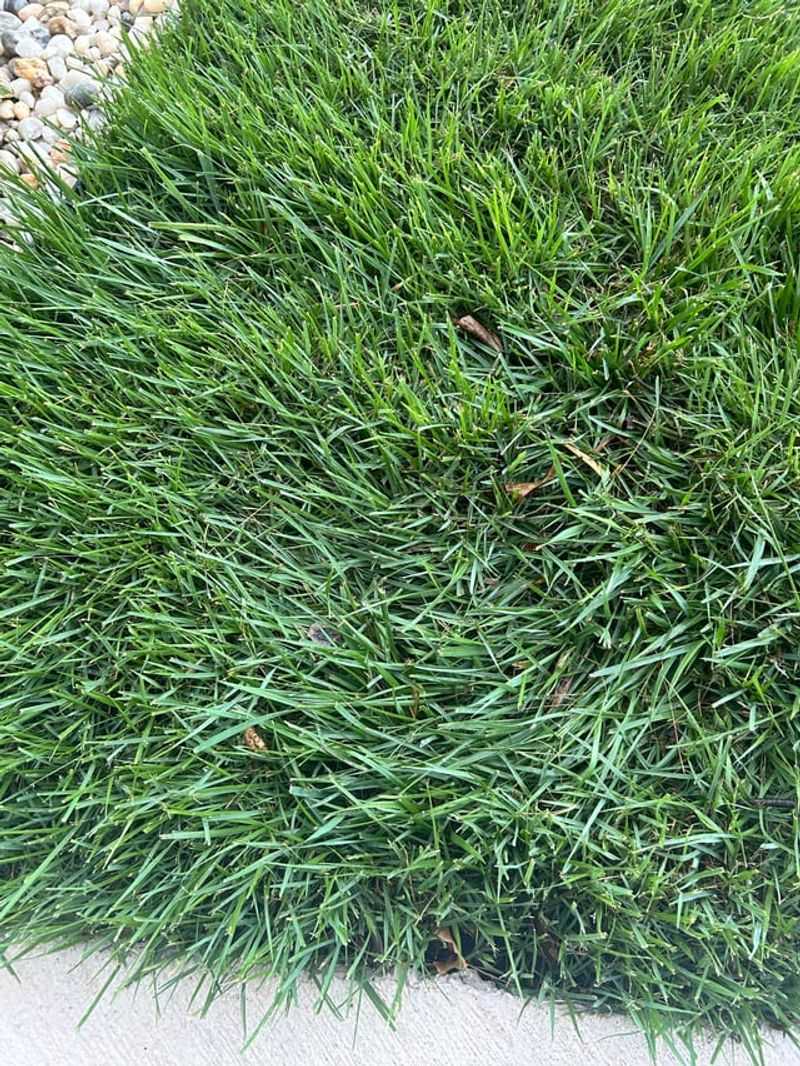
An old gardener in the Hudson Valley once told me the best weed control is simply more grass. He was right, because crabgrass seeds need sunlight on bare soil, and dense turf blocks that light.
Mowing high is the easiest habit to build, so set your mower blade around three to four inches. Taller grass shades the ground, keeps soil cooler, and makes life much harder for sprouting weed seeds.
Water deeply but less often, giving your lawn about one inch per week instead of daily light sprinkles. Shallow watering keeps the soil surface damp, which is exactly what crabgrass seedlings like.
Next spring, apply a pre-emergent product while forsythia bushes bloom yellow, usually before soil reaches 55 degrees. Such products form a thin barrier near the surface that stops young seedlings shortly after they sprout.
Core aeration each fall also helps, since compacted soils can limit the air that grass roots receive. Loosened soil lets roots spread deeper, building a stronger lawn that crowds out weeds on its own.
Overseeding thin areas every autumn keeps the grass thick, filling gaps before crabgrass can claim them again. Your local Cornell Cooperative Extension office can point you to a soil test that shows which nutrients your turf may be missing.
None of these steps feel dramatic on their own, but together they build a lawn with real staying power. Think of it as a slow, friendly shift where your grass finally gets the sunniest spot in the yard.