Why California Black Widows Are More Visible During Early Fall Cleanup
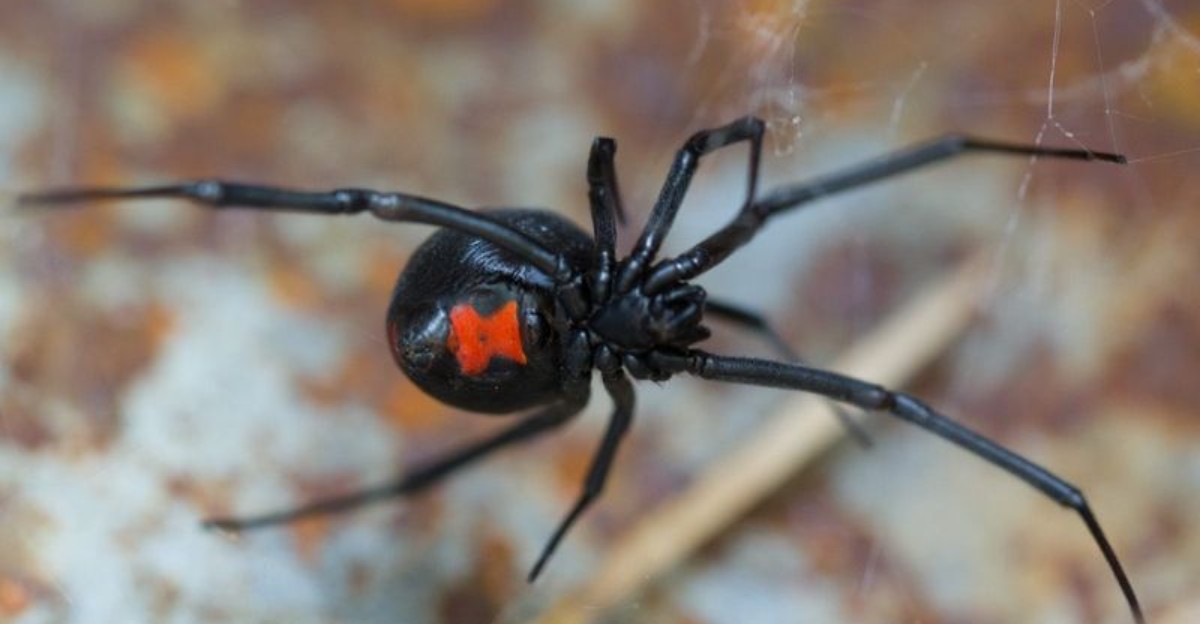
Every backyard has a hide-and-seek champion. It picked the perfect spot months ago. Dark. Quiet. Close to the ground.
Nobody came looking all summer, so it simply stayed put and enjoyed the peace. Then fall cleanup begins.
Pots get lifted. Firewood gets restacked. Old bins come out of the garage for the first time since spring.
And suddenly, the game is over in a very startling way.
Plenty of California gardeners feel like a certain shiny black spider shows up everywhere this time of year. So is something new going on in the yard?
The real answer is far less dramatic than it might seem. It has more to do with your chores than with the spider itself.
A few smart habits can turn that surprise into a calm, easy moment. None of them require special gear, and most take only seconds.
Ready to finish your fall cleanup without any jump scares? Grab a sturdy pair of gloves and a flashlight. The seekers are about to become very well prepared.
Cleanup Disturbs Their Hidden Shelter
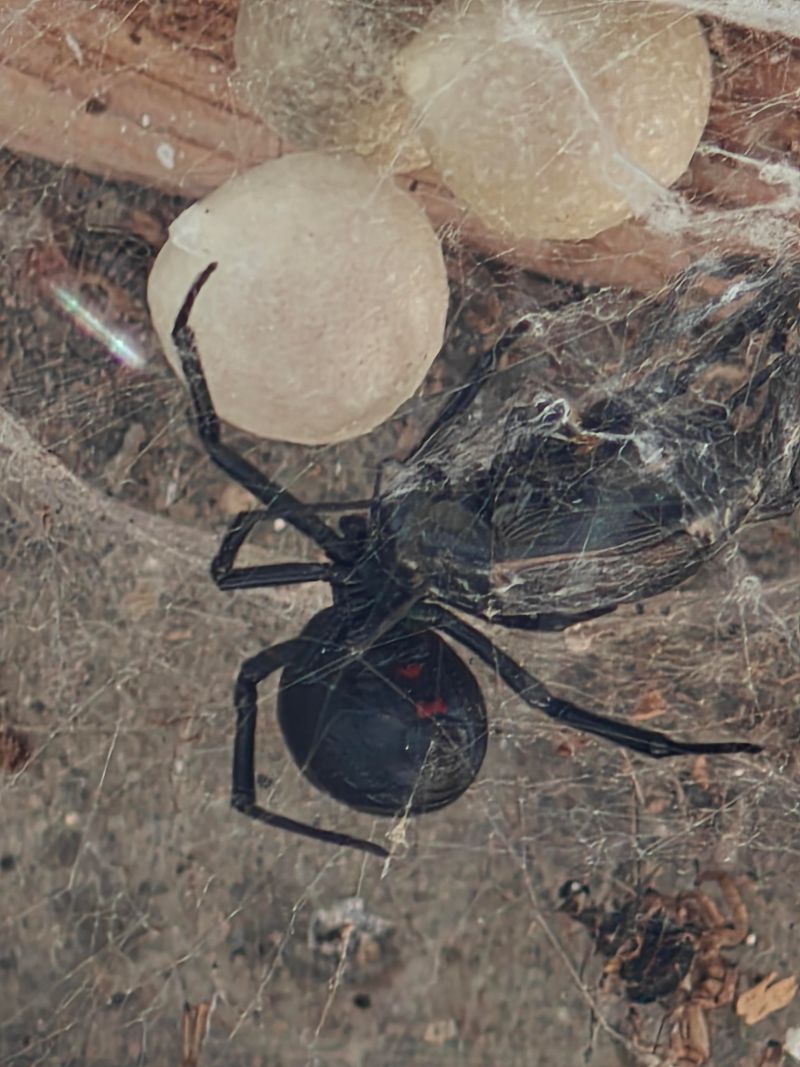
A spider can spend months in the same dark corner behind a garden shed. Nobody bothers it all summer.
So it builds a web, catches bugs, and stays completely out of sight. Then fall arrives, and everything suddenly gets pulled apart.
That shift in your routine is the real reason black widows seem to pop up in early fall. Western black widows prefer undisturbed, protected spaces.
They are not suddenly multiplying or getting bolder as the weather cools. People simply start to move things that sat untouched for months.
Fall cleanup covers a lot of ground. Firewood gets restacked, leaf piles get cleared, old planters get emptied, and old bins get opened for holiday decorations.
Each of those jobs uncovers the exact kind of hideout these spiders love.
Now for a detail that explains a lot, and it has to do with size. Adult females are often easiest to spot in late summer and fall.
They have had the whole warm season to grow to full size. A bigger spider with a big, messy web simply stands out more once uncovered.
A spider find does not mean your yard has a new problem. It more likely means you finally reached a spot left alone for a long time.
That knowledge helps you plan ahead, slow down, and approach forgotten corners with a little extra care.
The spider was there first, after all. You are just the surprise guest who finally knocked on the door.
Woodpiles And Debris Are Common Hideouts
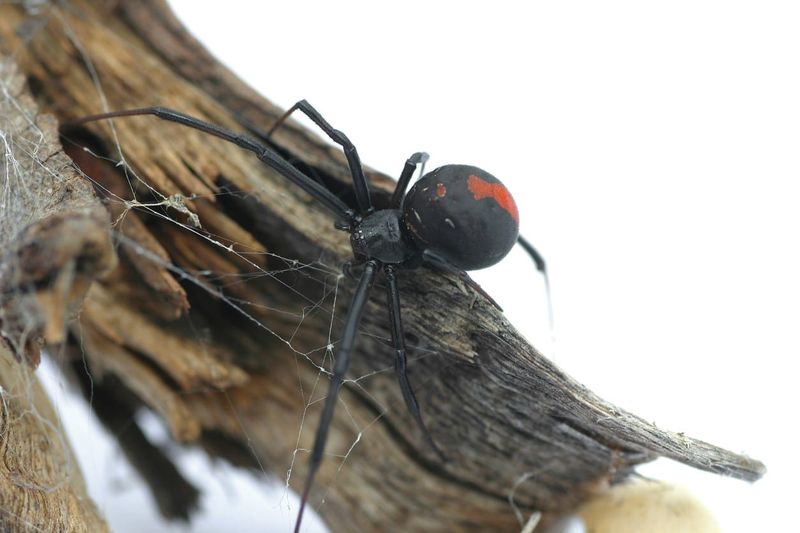
A black widow real estate ad would read something like this: dark, quiet, close to the ground, and no visitors. Woodpiles fit that description perfectly.
So do plenty of other cluttered spots around a typical California yard.
Widow spiders commonly live in woodpiles, rubble, debris, and cluttered sheds. They also hide in water meter boxes, under outdoor furniture, and around garage corners.
Hollow spaces in walls or fences work too. Stored pots, old tires, and stacks of lumber are popular choices as well.
Your California Garden Changes Every Week. Your Plan Should Too.
Gardening in California changes quickly throughout the season. Every Friday you’ll receive a simple weekly plan showing exactly what to plant, prune, fertilize, harvest, and protect so you never miss the right timing.
These spots share a few big perks. They stay shaded and protect the spider from wind and predators.
They also attract insects for dinner. A web built low to the ground in a quiet gap can catch beetles, crickets, and other crawling bugs night after night.
Now take a closer look at the web, because it gives the spider away. Unlike the neat, round webs in cartoons, black widow webs look tangled and messy.
The silk also feels surprisingly tough. It may even make a slight crackle when pulled.
A smart move is to walk the yard before cleanup day. Jot down a quick list of likely hideouts.
Include firewood, leaf piles, old planters, and anything untouched since spring.
A map of likely spots lets you tackle each area carefully instead of a surprise halfway through a job.
You become the most careful property inspector on the block, clipboard optional.
They Are Shy, Not Aggressive By Nature
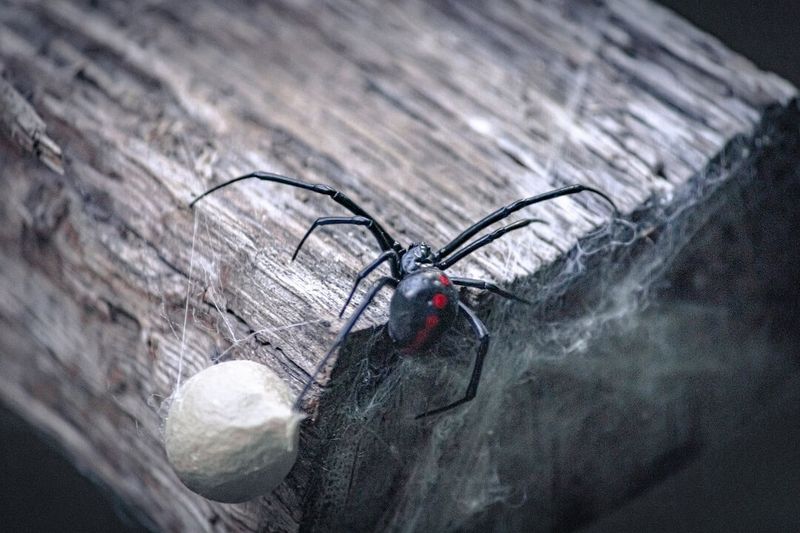
Black widows would much rather hide than fight. Their reputation makes them sound like tiny villains.
Their real personality, though, sits closer to a nervous homebody. When something big comes near, their first instinct is to back away.
Widow spiders are known as shy and not aggressive. A disturbed female usually retreats to a sheltered corner.
Sometimes she drops to the ground, curls up her legs, and freezes. She stays very still and hopes the danger simply passes.
That behavior makes perfect sense for a creature so small. A human hand is a huge threat.
A bite also uses up precious venom she needs for food, so escape makes much more sense.
Bites usually happen by accident, when someone reaches blindly into a dark space.
A glove with a spider inside or a roll onto one can cause the same trouble. In those moments, the spider feels trapped and bites only because it cannot escape.
Now for a fun fact to share with friends. Only the adult female wears the famous shiny black body and red hourglass.
Males are smaller, lighter in color, and not considered a real bite risk to people.
That timid nature can help you stay calm. Calm hands move carefully, and careful hands are much less likely to trap a frightened spider.
Black widows, it turns out, are the introverts of the garden. They just want some peace and quiet, a good web, and maybe a beetle for dinner.
Bites Are Rare, But Still Serious
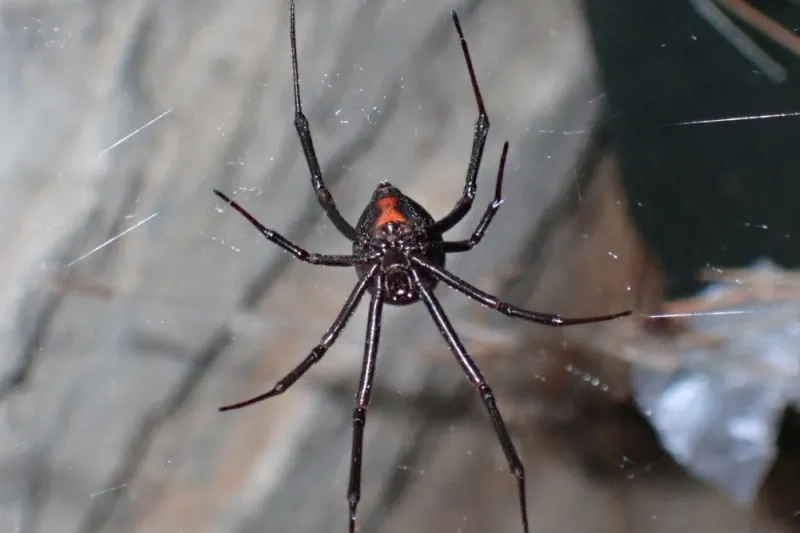
A black widow bite is uncommon, but it deserves real respect. Both facts hold true at the same time.
Clear information helps you respect the risk without fear taking over your weekend chores.
The venom of a female black widow affects the nervous system. A bite may feel like a small pinprick at first, and some people barely notice it.
Over the next hour or so, though, symptoms can develop. They may include muscle pain, cramps, stiffness in the belly or back, sweat, and nausea.
Serious outcomes are extremely rare, especially with modern medical care. Young children, older adults, and people with health problems can react more strongly.
That is why every suspected bite deserves attention.
Now for the steps to remember, because a calm plan makes a big difference. Stay calm and wash the area with soap and water.
A cool pack can help with puffiness and discomfort. Then contact a doctor or call Poison Control for advice right away.
A spider caught safely in a jar, or a clear photo, helps medical staff confirm what caused the bite. Safety comes first, though, so skip this step when it adds risk.
Old myths about cuts to the bite or venom removal by mouth do not work. Those tricks can actually make things worse.
Keep the phone number saved in your contacts, right next to the pizza place. Hopefully, only one of those numbers ever gets a call.
Gloves Protect You During Yard Work
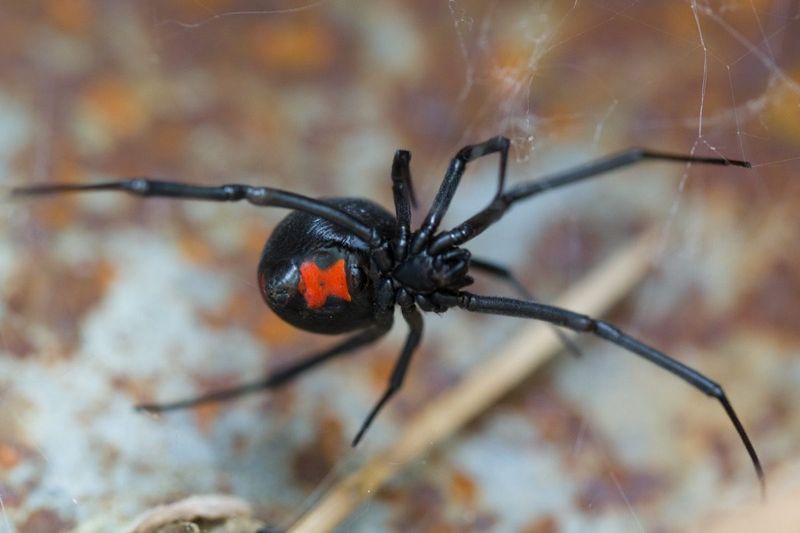
Grandparents who spent years in the garden often share the same advice: keep bare hands off the woodpile. That old-fashioned wisdom turns out to be excellent.
A good pair of gloves might be the easiest safety tool you ever own.
Gloves make sense anywhere widow spiders might live. Thick gloves create a barrier between your skin and a startled spider.
Most bites happen when a spider gets squeezed against bare skin, so that barrier makes a big difference.
Not all gloves offer equal protection, though. Thin cotton gloves can be pierced more easily.
Sturdy leather or heavy canvas work gloves suit jobs like firewood duty or debris cleanup. A good fit matters too, so you can still grip tools and logs without a fumble.
A deep reach into a pile leaves wrists and forearms exposed. A long-sleeved shirt tucked into your gloves adds extra coverage.
Closed-toe shoes are also a smart pick around stacks and clutter.
Now for a storage trick, because gloves can become hideouts themselves. Keep them somewhere clean and sealed, like a lidded plastic bin or a hook indoors.
Gloves left out in a shed can turn into a cozy spider apartment.
Grab them, check them, and get to work with confidence. It is a simple step, but it handles a lot of the risk on its own.
Your hands stay safe, and the spiders stay out of your personal space. Everybody keeps their fingers, legs, and dignity intact.
Shake Out Stored Items Before Handling Them
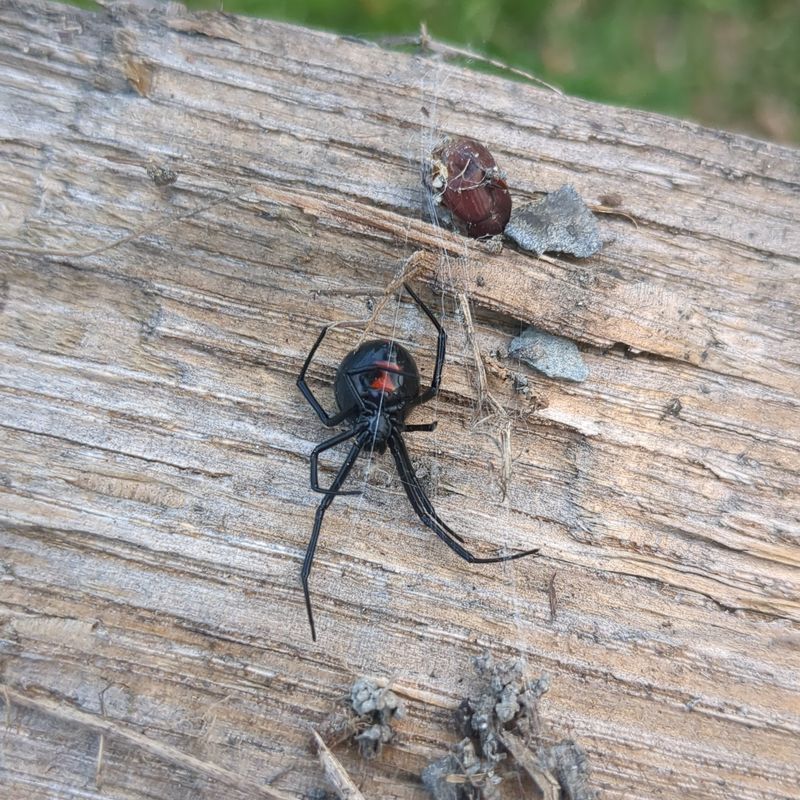
Boots in the garage rarely get a second look before a foot slides in. Yet shoes, gloves, and stored pots rank among the sneakiest spider hideouts.
A quick shake before use prevents a lot of surprises.
Hold the item upside down, give it a few firm taps, and look inside before a hand or foot goes in. The whole routine takes about five seconds.
Now grab a flashlight, because these items top the shake-out list: Garden gloves and work boots left in sheds or garages. Empty flower pots and planters stacked outdoors.
Folded tarps, patio cushions, and bins with loose lids. Holiday decoration boxes that have sat since last year.
Bigger items need a different approach. For a stack of pots, use a stick or tool to tip them over or separate them first.
That way, a hidden spider meets the tool, not your hands. A flashlight beam into dark openings offers a quick peek too.
Less clutter and sealed containers also give spiders fewer places to move in. Tightly closed plastic bins work much better than open cardboard boxes.
Over time, less clutter means fewer hideouts. Fewer hideouts mean fewer startling encounters with your gear next season.
Those five-second shakes might feel silly at first. Soon, they become second nature, like a quick dance move before every chore.
A Little Caution Goes A Long Way
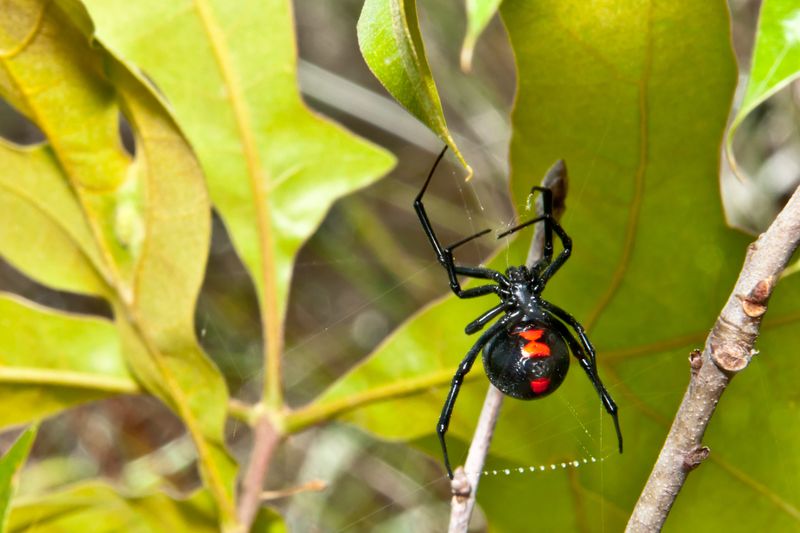
Fall cleanup can rank among the most satisfying chores of the year. The air cools, the garden gets a fresh start, and the yard finally looks neat again.
A few spider encounters do not need to change any of that.
The big picture stays simple. Black widows are not invading your yard in autumn, and they are not looking for a fight.
You are simply uncovering the quiet places where they lived all along. Now you know how to handle that.
Before you start, put on sturdy gloves, long sleeves, and closed shoes. Shake out anything stored, and use tools to move stacks.
Keep hands out of dark gaps you cannot see into.
A web found mid-chore can come down with a stick or a vacuum. Another option is to leave that spot alone for a while and return later.
Now bring the kids into the lesson, because young helpers learn fast. Show them what a black widow looks like.
Explain that the right move is to back away and tell an adult. Kids who learn respect instead of fear become careful helpers in the garden.
Less clutter all year also means fewer surprises next fall. Store firewood off the ground and away from the house, and use sealed bins for supplies.
With just a bit of prep, cleanup stays safe, calm, and even enjoyable. The hide-and-seek champion may still win a round or two, but now you know exactly where to look.