Why California Peaches Turn Brown Before You Can Pick Them
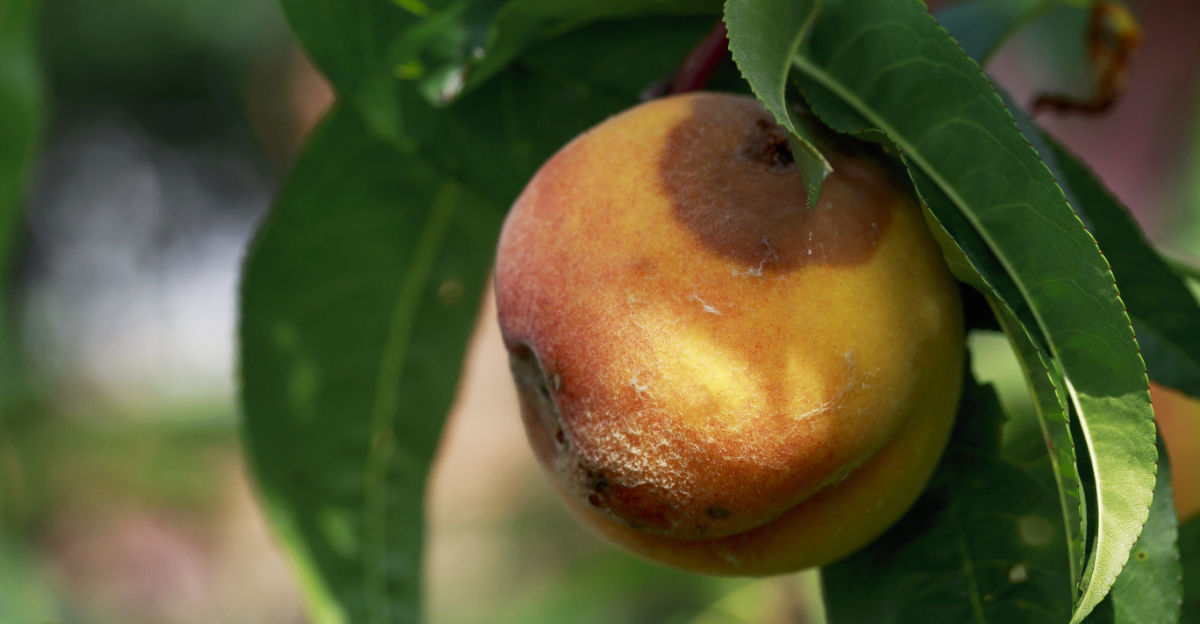
Peaches can look perfect one week, then turn brown before you ever get the sweet bite you were waiting for.
That kind of disappointment hits hard, especially after months of watching flowers turn into fruit.
California heat can speed things up, but it is not always the real problem. Browning can point to stress, pests, disease, bruising, or fruit that ripened faster than expected.
The tricky part is that the signs often start small. A soft spot, a darker patch, or a little damage on the skin may not seem serious at first.
Then the whole peach looks ruined. Once you know what causes peaches to brown before harvest, you can catch the problem earlier and give your tree a better shot at clean, healthy fruit.
1. Brown Rot Loves Ripening Peaches
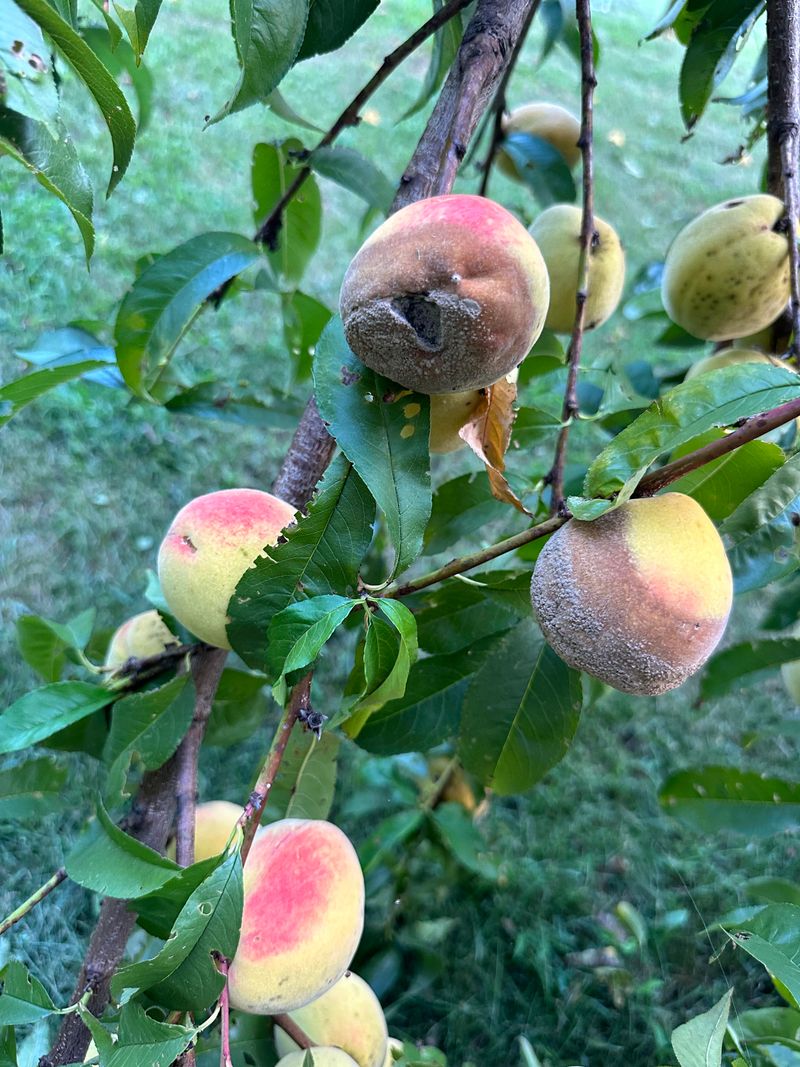
There is a fungus called Monilinia fructicola, and it has one favorite target: a peach that is just about ripe. As peaches get closer to harvest, their skin softens and their sugar content goes up.
That combination is like a welcome sign for brown rot fungus.
The fungus spreads through tiny spores that float through the air. When those spores land on a soft peach, they do not waste any time.
Within just a day or two, you can see a small brown spot that grows quickly into a large, mushy patch.
What makes this so tricky is that the fruit can look perfectly fine one morning and be completely rotted by the next afternoon. The warmer the temperature, the faster the fungus moves.
In this state, summer heat speeds things up even more.
Brown rot does not just affect one piece of fruit. It jumps from peach to peach through direct contact or through spores drifting in the breeze.
A single infected peach can start a chain reaction across an entire branch.
Catching it early is the best move. Check your peaches every day as they get close to ripe. Remove any fruit that shows even a tiny brown spot right away.
Keeping infected fruit away from healthy peaches slows the spread significantly and gives your harvest a much better chance.
2. Tiny Cracks Let Fungus Move In Fast
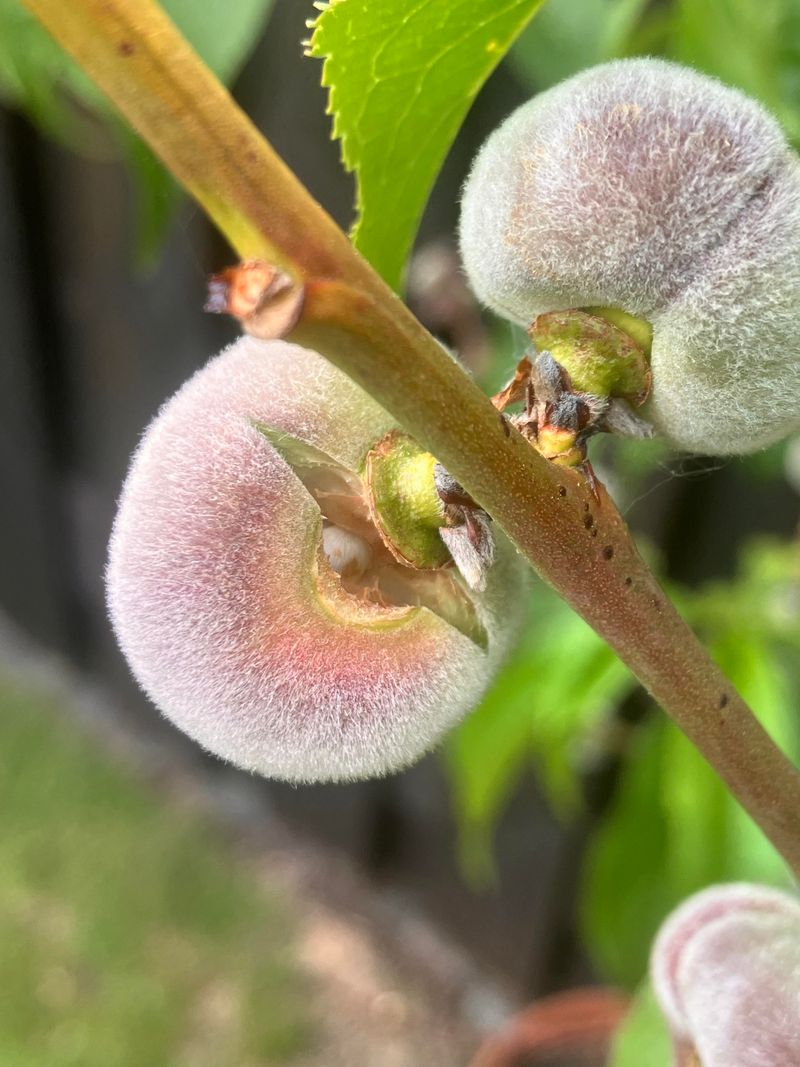
Peach skin is tougher than it looks, but it is not perfect. When peaches grow too fast after a heavy rain, the skin can split open in tiny cracks.
Those cracks might be hard to see, but the brown rot fungus finds them immediately.
Even a hairline crack is enough for fungal spores to enter the fruit. Once inside, the fungus has direct access to the soft, sugary flesh underneath.
From there, it spreads outward and causes that familiar brown, mushy rot that ruins the peach.
Rain right before harvest is one of the biggest triggers for cracking. The fruit absorbs water quickly and expands faster than the skin can stretch.
This happens most often when the weather has been dry for a while and then suddenly shifts to heavy rainfall.
Inconsistent watering from a drip system or sprinklers can cause the same problem. If trees get too much water all at once after a dry spell, the fruit swells and the skin gives way.
Your California Garden Changes Every Week. Your Plan Should Too.
Gardening in California changes quickly throughout the season. Every Friday you’ll receive a simple weekly plan showing exactly what to plant, prune, fertilize, harvest, and protect so you never miss the right timing.
Managing your irrigation schedule carefully can reduce how often this happens.
There is also a variety factor. Some peach types have thicker, more flexible skin and crack less easily.
If cracking is a repeated problem in your garden or orchard, it might be worth switching to a more crack-resistant variety next planting season. Small changes like these can make a real difference come harvest time.
3. Bugs Often Damage Fruit First
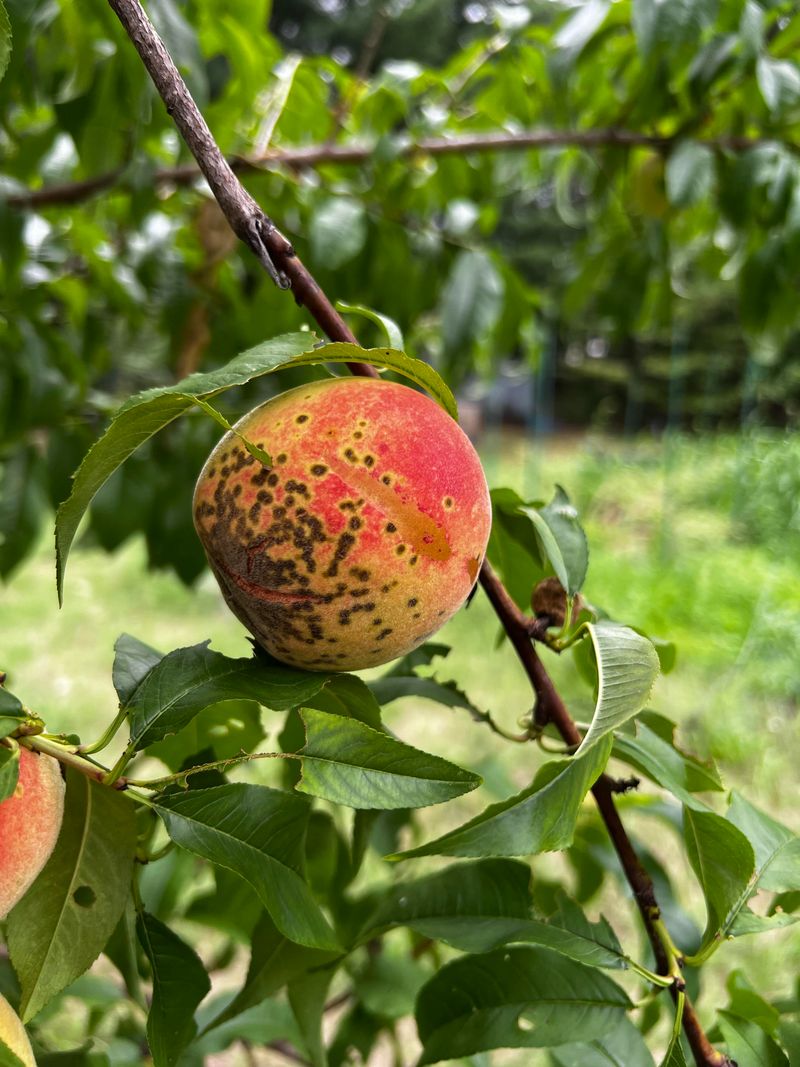
Bugs are not always the main cause of brown rot, but they are often the ones who open the door for it. When an insect bites into a peach or lays eggs under the skin, it leaves behind a small wound.
That wound is all the fungus needs to get started.
The oriental fruit moth is one of the worst offenders in this state. Its larvae burrow into the fruit and create tunnels that quickly become infected.
Stink bugs are another problem. They pierce the skin to feed on the juice inside, leaving behind entry points that rot fast.
Even small scratches from beetles crawling across the fruit can be enough. Any break in the skin, no matter how minor, becomes a potential entry point for Monilinia spores floating through the air nearby.
Controlling insect populations around your peach trees is an important part of preventing early browning. Sticky traps hung in the branches can help you monitor what bugs are active.
Checking your trees regularly for signs of insect activity helps you act before the damage gets out of hand.
Removing fallen fruit from the ground promptly also helps, since rotting fruit on the ground attracts more insects to the area. Keeping the area around your trees clean and tidy reduces bug pressure significantly.
Healthy, undamaged fruit is much harder for the fungus to infect, so stopping bugs early protects the whole crop.
4. Rotten Peaches Spread Problems Quickly
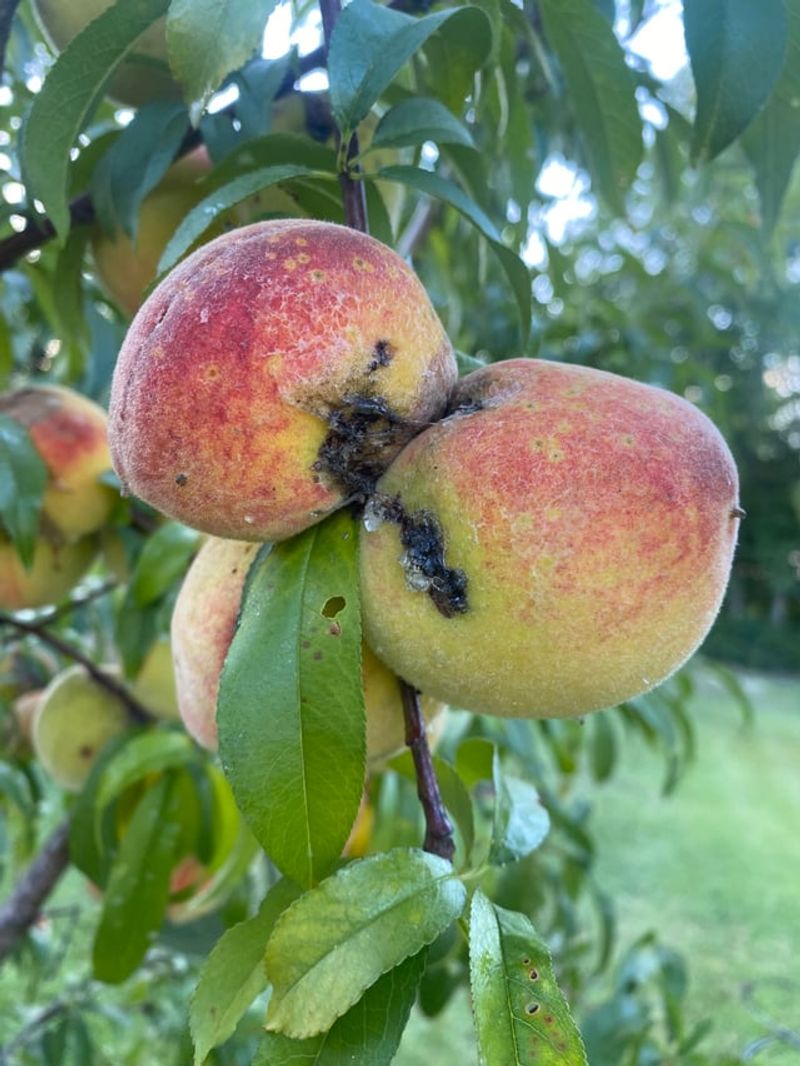
One rotten peach on a branch is not just a small problem. It is a ticking clock.
As the fungus breaks down the fruit, it produces millions of new spores that spread to everything around it. Any healthy peach within touching distance is at serious risk.
Spores also travel through the air, landing on fruit that is not even directly touching the infected one. On a breezy day, those spores can drift to other parts of the tree or even to nearby trees.
The speed at which this happens is surprising and easy to underestimate.
Growers who wait too long to remove rotten fruit often find that half their crop is affected within just a few days. Acting quickly is not optional when brown rot is involved.
Every hour a rotten peach stays on the tree gives the fungus more time to multiply and spread.
When you remove infected fruit, do not just toss it on the ground beneath the tree. The spores in that fallen fruit will stay active and can reinfect the tree the following season.
Bag the fruit and throw it in the trash, or bury it far from your garden.
Some growers make the mistake of thinking one bad peach is no big deal. But brown rot does not slow down on its own.
Removing infected fruit fast and disposing of it properly is one of the most effective things you can do to protect the rest of your harvest.
5. Old Fruit Left On The Tree Keeps Reinfecting It
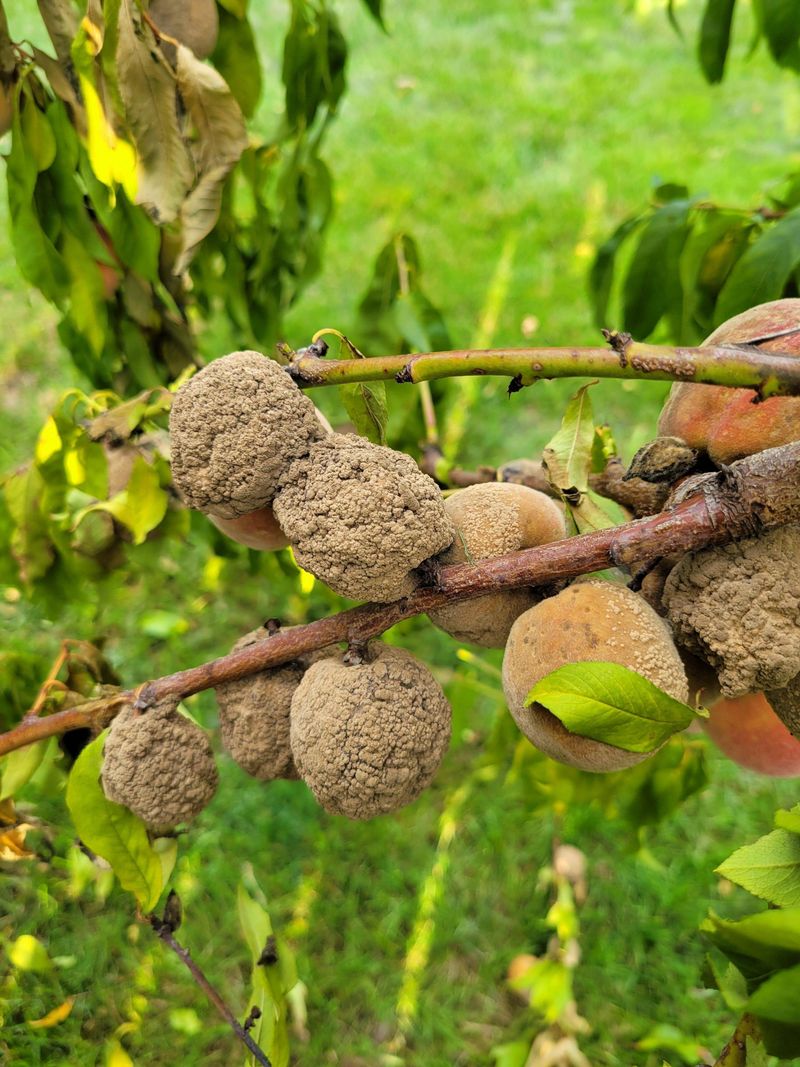
After the harvest season ends, not every peach gets picked. Some get overlooked, some fall and get missed, and others just shrivel up and stay stuck to the branch.
These leftover fruits are called mummies, and they are a serious problem for the following year.
Mummified peaches hold the brown rot fungus in a dormant state throughout the fall and winter.
When spring arrives and temperatures warm up again, those old fruits wake the fungus back up.
New spores are released right when your fresh peach blossoms are opening, giving the fungus an early head start on the new season.
Most growers do not realize that the brown rot problem they are dealing with this summer may have started from fruit they left on the tree last summer.
It is a cycle that keeps repeating unless you break it by cleaning up completely after every harvest.
Walk through your trees after picking season and pull off every piece of fruit you can find, ripe or not. Check the ground too, since fallen mummies work the same way.
Removing all of them before winter sets in cuts off the fungus supply for next year.
It takes a bit of extra effort in the fall, but the payoff in spring is worth it. Trees that are cleaned up properly after harvest tend to have much lower rates of brown rot the following season.
This one habit alone can change how your whole orchard performs year after year.
6. Crowded Branches Trap Moisture Around Fruit
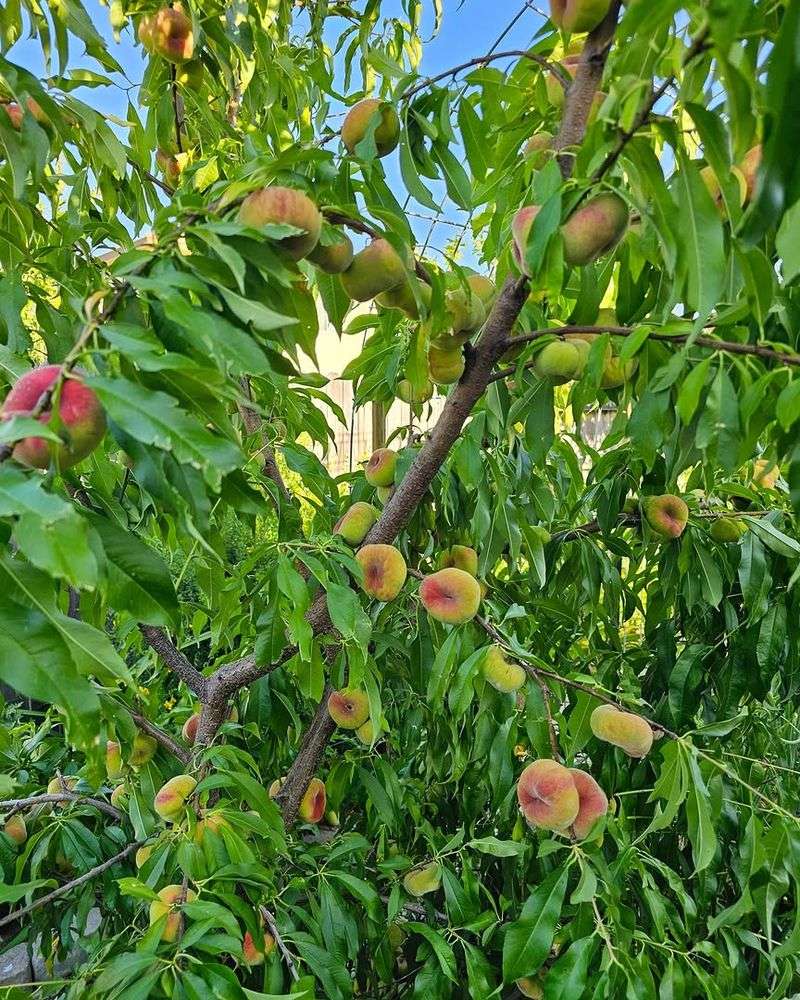
Air circulation matters more than most people think when it comes to keeping peaches healthy. When branches grow too close together, air cannot move freely through the tree.
That trapped air stays warm and humid, which is exactly the environment brown rot needs to grow.
After rain or heavy dew, a well-pruned tree dries off within a few hours. A crowded tree can stay wet for most of the day.
That extra moisture sitting on the fruit and leaves gives fungal spores the perfect conditions to germinate and take hold.
Pruning is the straightforward solution here. Opening up the canopy by removing crossing branches and thinning out dense areas allows sunlight and wind to reach the fruit.
A peach that dries quickly after rain is a peach that is much harder for fungus to infect.
The best time to prune peach trees is late winter, just before new growth starts. At that point, you can clearly see the structure of the tree and make smart cuts.
Aim for an open center shape, which looks a bit like a bowl with no central leader branch crowding the middle.
Thinning the fruit itself also helps. When peaches grow in clusters and touch each other, moisture and spores transfer easily between them.
Spacing fruit out by hand early in the season reduces contact points and improves airflow around each individual peach. It feels like extra work, but it pays off big at harvest time.
7. Sprinklers Can Make Rotting Worse
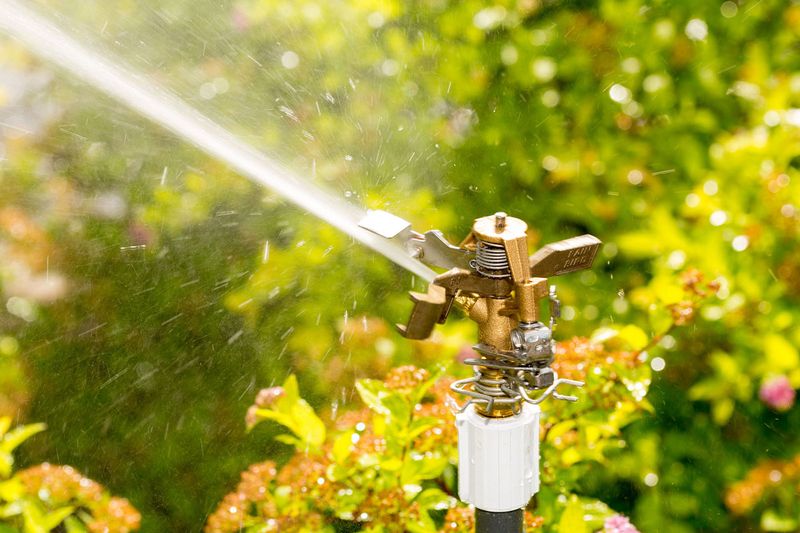
Watering your peach trees is necessary, but the way you water them matters a lot. Overhead sprinklers that spray water up into the canopy and directly onto the fruit create exactly the kind of wet conditions that brown rot thrives in.
It is one of those situations where a good habit done the wrong way becomes a real problem.
When water sits on the fruit surface, it gives fungal spores a chance to germinate. The longer the fruit stays wet, the more time those spores have to penetrate the skin.
Watering in the evening makes this even worse because the fruit stays wet all night long without the sun to dry things off.
Switching to drip irrigation is one of the best upgrades a peach grower can make. Drip systems deliver water directly to the roots without getting the canopy wet at all.
The fruit stays dry, and the fungus has a much harder time getting started.
If you cannot switch to drip irrigation right now, at least change when you water. Morning watering gives the sun time to dry off any moisture that splashes up.
Avoiding watering right before a rain event also helps, since the fruit will already be getting wet from the weather.
Reducing leaf wetness duration is a key principle in managing fungal diseases on fruit trees. Every hour you can shave off the time your fruit spends wet is an hour less that the fungus has to do damage.
Small irrigation changes can lead to noticeably better fruit at harvest.
8. Hot Mornings And Damp Nights Speed Everything Up
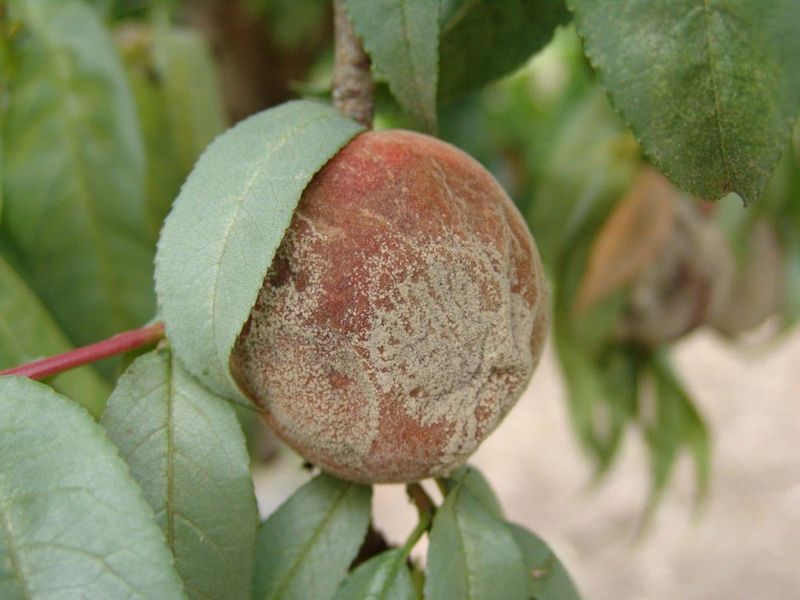
Weather plays a huge role in how fast brown rot spreads, and the climate in this state can be a double-edged situation for peach growers.
Hot days are great for ripening fruit, but when those hot days are followed by cool, foggy, or damp nights, the fungus gets everything it wants in a single 24-hour period.
Brown rot fungus grows fastest when temperatures are between 60 and 77 degrees Fahrenheit and when moisture is present.
Coastal growing regions often experience warm mornings that heat up quickly after a cool, wet night. That pattern repeats day after day during peak peach season.
Inland valleys can get even hotter during the day, which actually slows the fungus a little in extreme heat. But when evening temperatures drop and humidity rises, the cycle starts again.
Growers in these areas often see rapid progression of brown rot right before harvest when conditions align perfectly for the fungus.
Watching local weather forecasts closely during the two to three weeks before your expected harvest date is a smart habit.
If you see a stretch of warm days paired with foggy or dewy nights, that is a warning sign to check your fruit more frequently and act fast if you spot any browning.
Some growers apply preventive fungicide sprays when those risky weather windows appear. Timing those applications correctly, just before the wet period hits, gives the best protection.
Staying one step ahead of the weather is one of the most effective strategies for keeping your peaches safe all the way to harvest day.