If You See This Caterpillar In Your California Garden, Leave It Alone
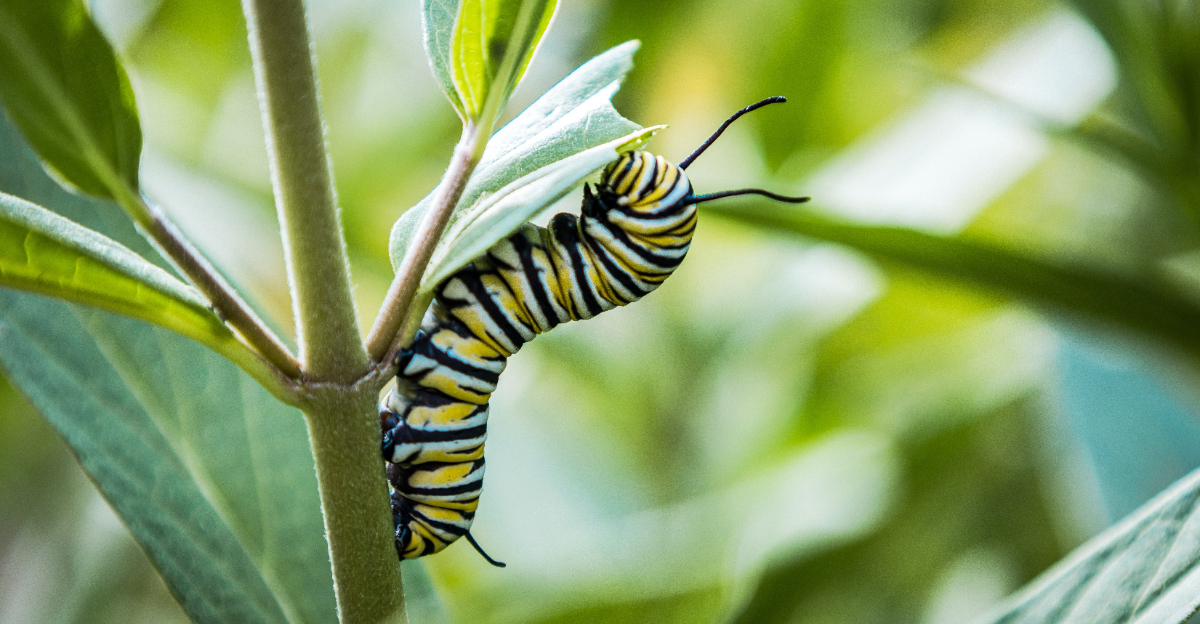
You’re pulling weeds on a lazy afternoon when a plump, striped caterpillar catches your eye, quietly working through a leaf. Your first move might be to nudge it aside or reach for a spray bottle.
Pause for a second and look again. Those bold yellow, black, and white bands belong to an insect playing a starring role in one of nature’s most closely watched comeback stories.
Reports about its shrinking numbers have circulated widely, and gardeners across California are being asked to pay closer attention to backyard visitors like this one.
That leaf-muncher has a short, dramatic life ahead of it, and your next move in the yard could tip the odds in its favor.
This Common Visitor Is Building Toward Something Bigger
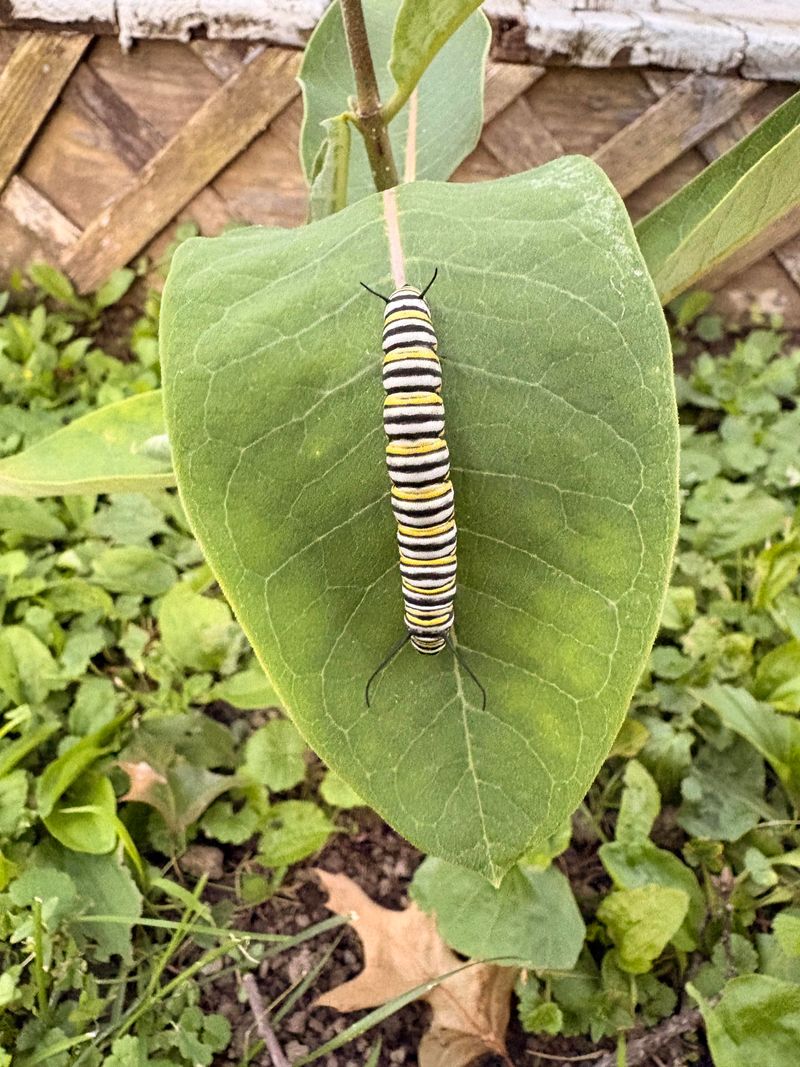
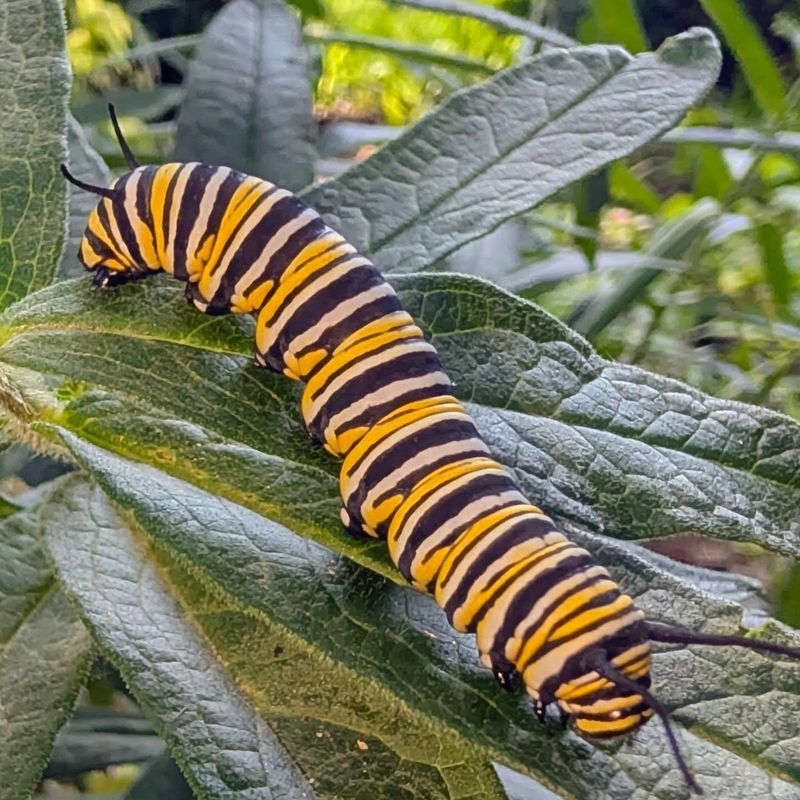
Spotted on a leaf, it looks almost too colorful to be real. The monarch caterpillar wears stripes of yellow, black, and white like a tiny warning flag waving in the breeze.
That bold pattern is not just for show. Those colors signal to predators that this caterpillar tastes awful, thanks to chemicals absorbed from its only food source.
When people first notice this caterpillar in a California garden, many assume it is a pest. It chews through leaves with obvious enthusiasm, and that can look alarming to a gardener who takes pride in tidy plants.
But here is the thing: all that eating is preparation. The caterpillar is storing energy for one of the most dramatic transformations in the natural world.
Inside that chubby body, something extraordinary is already taking shape. Within days of reaching full size, the caterpillar will form a jade-green chrysalis dotted with gold specks.
About two weeks later, a monarch butterfly will emerge. That butterfly may travel hundreds of miles along the coast to reach its winter home in California.
Every monarch you see gliding through your yard started exactly like this: as a hungry caterpillar on a milkweed plant. Protecting the caterpillar stage is the only way to protect the migration.
Your garden is not just a garden. For this remarkable insect, it can be the first chapter of an epic journey along the entire California coast.
The Monarch Caterpillar Only Eats One Plant, And Nothing Else Will Do
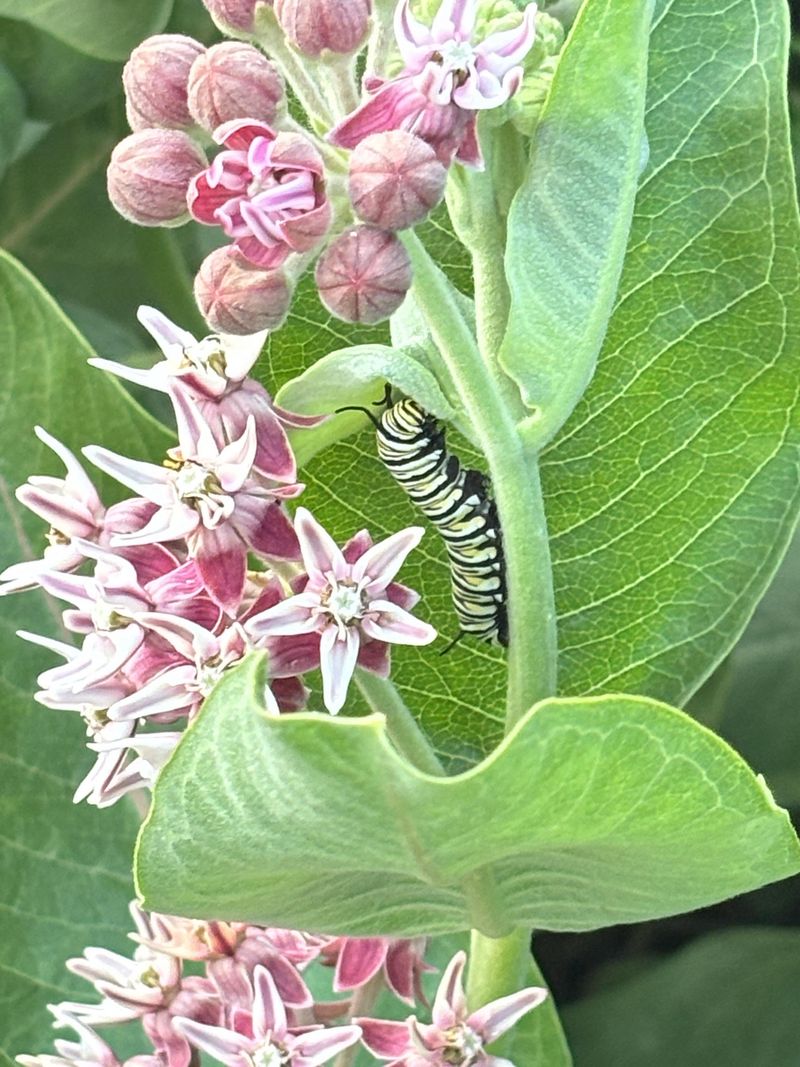
Without milkweed, there are no monarchs. That is not an exaggeration; it is simple biology. The monarch caterpillar will refuse to eat anything else, no matter how hungry it gets.
Milkweed contains toxic compounds called cardenolides. Most insects steer clear of it, but monarchs have evolved to not only tolerate those toxins but to store them as protection.
When a female monarch is ready to lay eggs, she searches specifically for milkweed. She taps leaves with her front legs, sensing the plant’s chemistry before committing to a spot.
Each tiny egg is placed on the underside of a leaf. Within a few days, a caterpillar no bigger than an eyelash hatches and begins eating immediately.
The problem facing monarchs today is a shortage of milkweed across their range. Development, herbicide use, and changing land management have wiped out enormous patches of this native plant.
Your California Garden Changes Every Week. Your Plan Should Too.
Gardening in California changes quickly throughout the season. Every Friday you’ll receive a simple weekly plan showing exactly what to plant, prune, fertilize, harvest, and protect so you never miss the right timing.
Three species of milkweed grow well in California: showy milkweed, narrowleaf milkweed, and Mexican milkweed. Native varieties are the top choice for supporting local monarch populations.
Mexican milkweed stays green year-round in mild climates, which can actually confuse monarchs into skipping migration. Cutting it back in late fall encourages butterflies to follow their natural instincts.
Planting even two or three milkweed plants in your yard creates a genuine lifeline. A single patch can support dozens of caterpillars across one season, making your garden a true monarch nursery.
The Monarch Population Has Collapsed By Nearly Ninety-Nine Percent
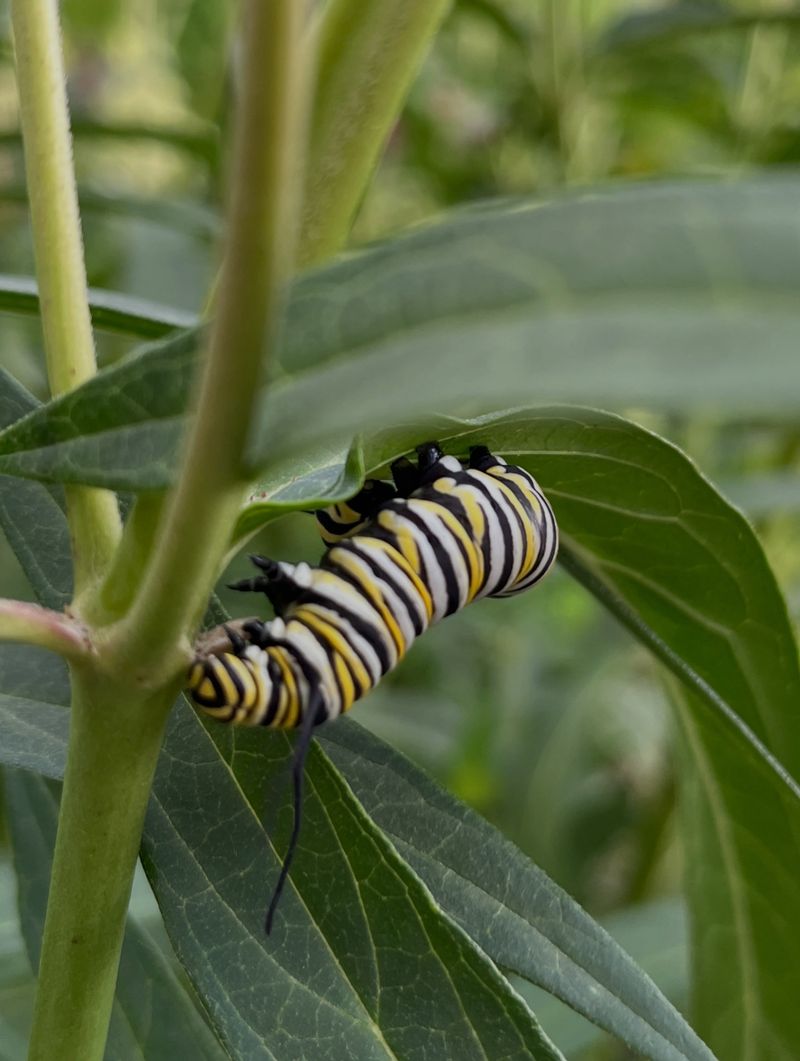
The numbers are staggering and hard to sit with. Western monarch populations counted at overwintering sites dropped from millions in the 1980s to fewer than two thousand in 2020.
That single winter count sent shockwaves through the conservation world. Scientists described it as a population-level crisis requiring urgent public action.
Thankfully, numbers bounced back slightly in recent years. The 2021 count recorded over two hundred thousand monarchs at California overwintering sites, offering cautious hope.
But even that recovery is fragile. Experts stress that one bad season could push western monarchs close to a point where recovery becomes extremely difficult.
Several forces drove this collapse over decades. Habitat loss, climate disruption, pesticide exposure, and the disappearance of milkweed all worked together to squeeze monarch populations from multiple directions.
The western monarch population migrates specifically along the Pacific Coast. These butterflies winter in groves of eucalyptus and Monterey pine trees in places like Pacific Grove and Santa Cruz.
When spring arrives, they head inland and northward to breed. That breeding depends entirely on finding enough milkweed to support the next generation of caterpillars.
The scale of this decline puts a new frame around every monarch caterpillar you spot. Each one represents a link in a chain that has grown dangerously thin.
Protecting that caterpillar in your California garden is not a small act; it is a meaningful contribution to a species fighting to survive.
Pesticides Are More Dangerous To It Than You Think
A single spray can end a caterpillar’s life before it ever becomes a butterfly. Most common garden pesticides are not designed with monarchs in mind, but they harm them just the same.
Broad-spectrum insecticides like pyrethroids and organophosphates harm caterpillars on contact. Even systemic pesticides absorbed through plant roots can end up in milkweed leaves where caterpillars feed.
Herbicides pose a different but equally serious threat. When they eliminate milkweed from roadsides, farm edges, and yards, they remove the only food source monarch caterpillars can use.
Glyphosate, sold under names like Roundup, has been linked to dramatic milkweed losses across the American Midwest. That same pattern plays out on a smaller scale in suburban California yards.
Bt sprays marketed as natural pest control are also a concern. Bacillus thuringiensis harms caterpillars indiscriminately, including monarchs, when applied to plants near milkweed.
The safest approach is to avoid all pesticide use within at least ten feet of milkweed plants. Hand-picking aphids or using a strong water spray keeps pests down without poisoning caterpillars.
Neem oil is sometimes considered a safer option, but it can still harm young larvae when applied directly. Timing matters too; spraying in the evening reduces contact with active caterpillars.
Building a pesticide-free zone around your milkweed gives caterpillars a genuine fighting chance. Your California garden can become a sanctuary rather than a hazard for this struggling species.
Songbirds And Other Wildlife Depend On It Too
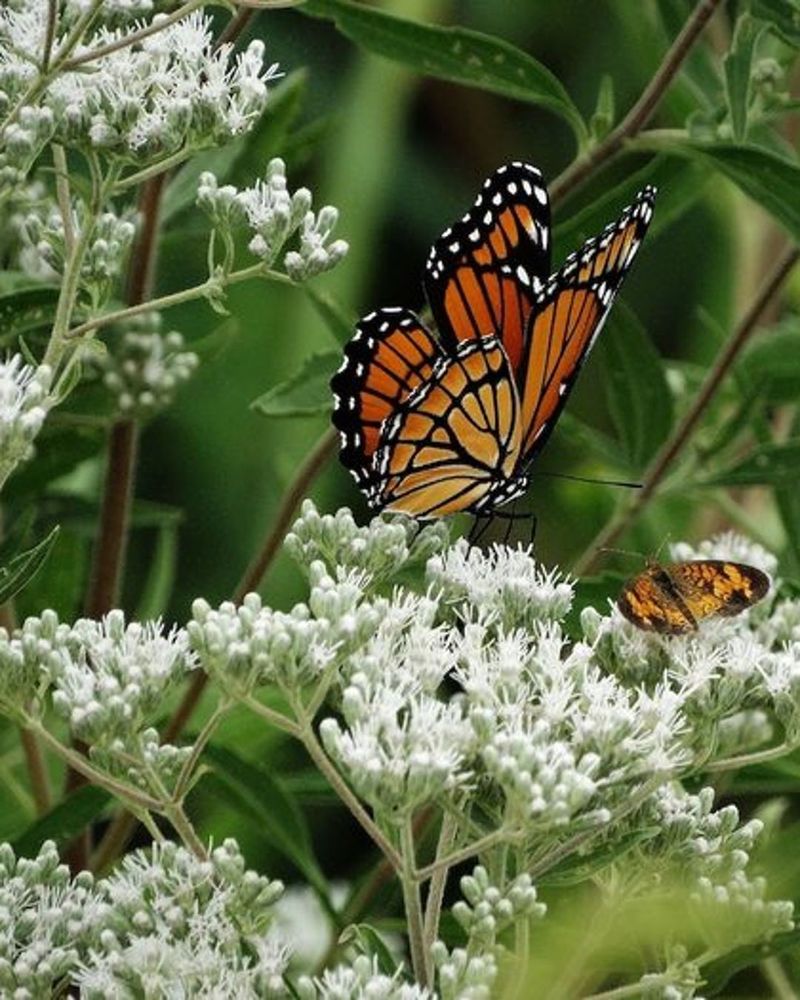
Monarchs do not exist in isolation. The same garden that supports caterpillars also feeds a whole web of creatures that most people genuinely love having around.
Milkweed flowers attract dozens of native bee species, including bumblebees and sweat bees. Those pollinators then visit neighboring vegetables and fruit trees, boosting your garden’s overall harvest.
Hummingbirds occasionally sip nectar from milkweed blooms alongside butterflies. A single milkweed patch can become a buzzing, fluttering community all on its own.
Interestingly, most songbirds avoid eating monarch caterpillars because of those stored toxins. But the milkweed plant itself shelters dozens of insects that birds actively hunt.
Spiders, beetles, and lacewings all find habitat among milkweed stems and leaves. Those insects become food for flycatchers, warblers, and other small birds passing through California on migration.
A yard that welcomes monarchs tends to welcome many other beneficial species too. Biodiversity builds on itself as you remove pesticides and add native plants.
Milkweed also supports monarch-friendly insects like milkweed bugs and milkweed beetles. These colorful creatures are harmless to humans and add visual interest to a naturalistic garden.
Thinking of your yard as a habitat rather than just a lawn changes everything. The caterpillar clinging to your milkweed is the anchor of a living system. Protect it, and you protect an entire neighborhood of wildlife that calls your garden home.
Your Yard Has The Power To Help It Survive
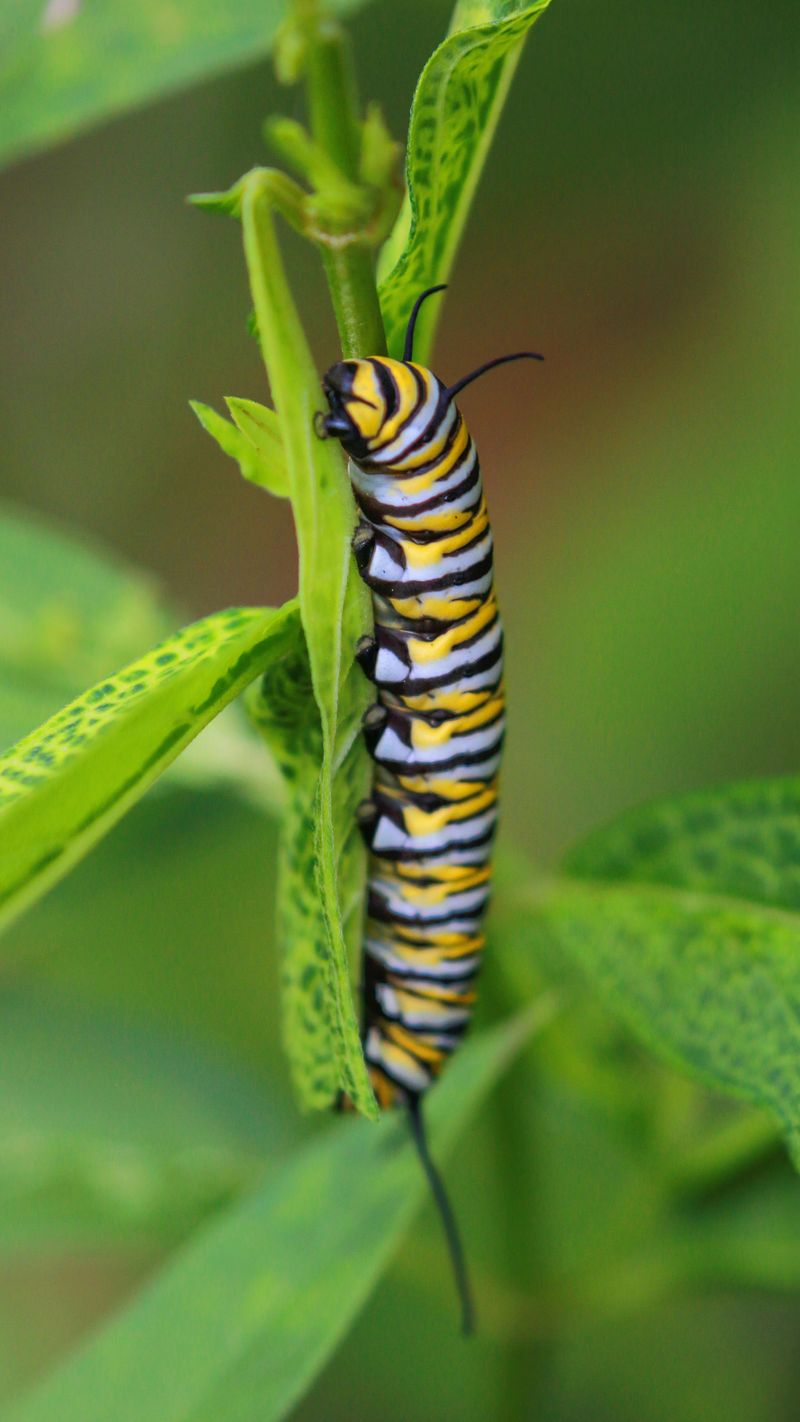
Your yard has more power than you think. Even a small patch of milkweed in a container on a patio can provide a critical rest stop for a monarch on its journey.
Start by planting at least three milkweed plants of a native species. Showy milkweed and narrowleaf milkweed are excellent choices for most California climates and soils.
Add nectar-rich companion plants nearby to feed adult butterflies passing through. Zinnias, lantana, coneflowers, and native salvias are all excellent options that bloom across different seasons.
Avoid tidying up too aggressively in fall. Caterpillars and chrysalises sometimes attach to dry stems, so leaving some plant material standing protects them through cooler months.
Water your milkweed during dry spells, especially in summer. Stressed plants produce fewer leaves, which limits how many caterpillars can successfully complete their growth cycle.
If you spot eggs or small caterpillars on your milkweed, mark the plant with a small flag. That simple act reminds household members to avoid disturbing the area.
Connect with neighbors about creating a corridor of milkweed plants through your block. A connected habitat is far more effective than isolated patches spread miles apart.
Report your monarch sightings to citizen science programs like Journey North or the Xerces Society. Your observations help researchers track population trends across the entire western monarch range.
Every monarch caterpillar you protect in your California garden is a future butterfly. That butterfly carries the hope of a species, one garden at a time.