Why A Thick Florida Zoysia Lawn Can Still Develop Bare Patches After Summer
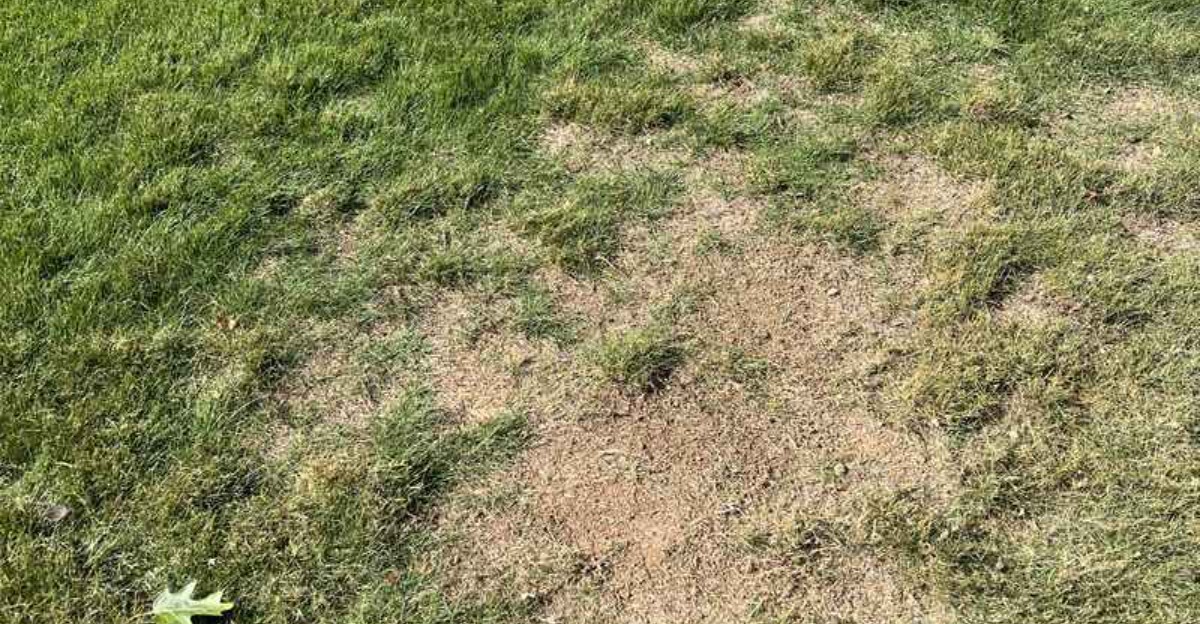
A lawn thick enough to hide your keys can still turn up bald spots once summer wears off, and that contradiction throws most homeowners for a loop.
Density doesn’t protect against everything. Florida zoysia can look flawless from a distance while dealing with root-level stress underneath.
That stress only shows up once growth slows for the season, revealing patches that were building for weeks before anyone noticed from the porch.
Watering habits and foot traffic often play a bigger role than people assume. They quietly wear down specific spots while the rest of the lawn grows in thicker around them, masking the problem until it isn’t anymore.
Look past how full your lawn seems overall and check the spots getting the most wear. A bare patch after summer usually has a pattern behind it if you know where to look.
1. Large Patch Can Thin Zoysia From The Inside Out
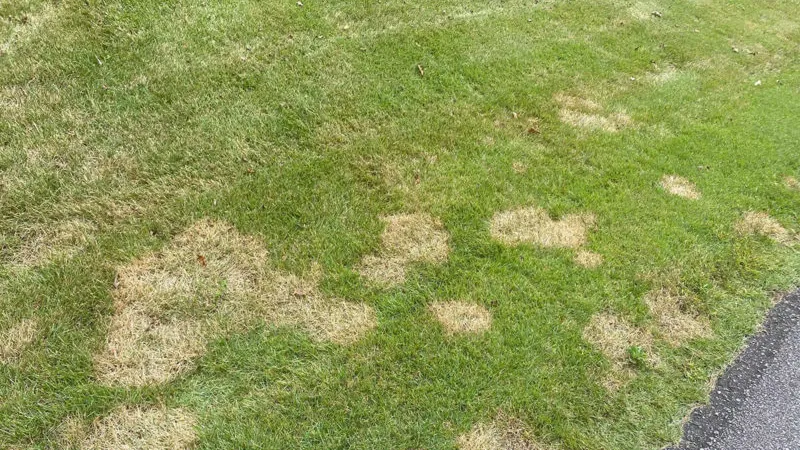
Picture a ring of tan grass that grows a little wider every week. Many Florida homeowners first spot it in October and blame the sprinkler.
The real culprit is often large patch, a fungal disease also called rhizoctonia blight. It rests in the soil through hot summer months and wakes up when soil cools to about 60 to 70 degrees.
Cool, damp fall weather is its favorite season.
Look closely at the edge of the spot. You may see a yellow or bronze halo where the fungus is spreading.
Blades inside the patch can feel soft and water-soaked, and they often pull free with a gentle tug because the base has rotted.
Here is the sneaky part. Damage that starts in fall can keep growing through winter and show up even bigger in spring.
Zoysia heals slowly, so early action matters a lot.
A few habits can help keep this fungus in check. Water in the early morning so blades dry by afternoon, and skip heavy nitrogen fertilizer in the fall.
Improve drainage in low spots where water sits.
If patches keep expanding, a fungicide labeled for large patch may help when applied as soil cools. Your local UF/IFAS Extension office can confirm the diagnosis.
That small step can save you from treating the wrong problem.
2. Chinch Bugs Can Leave Patches That Keep Expanding
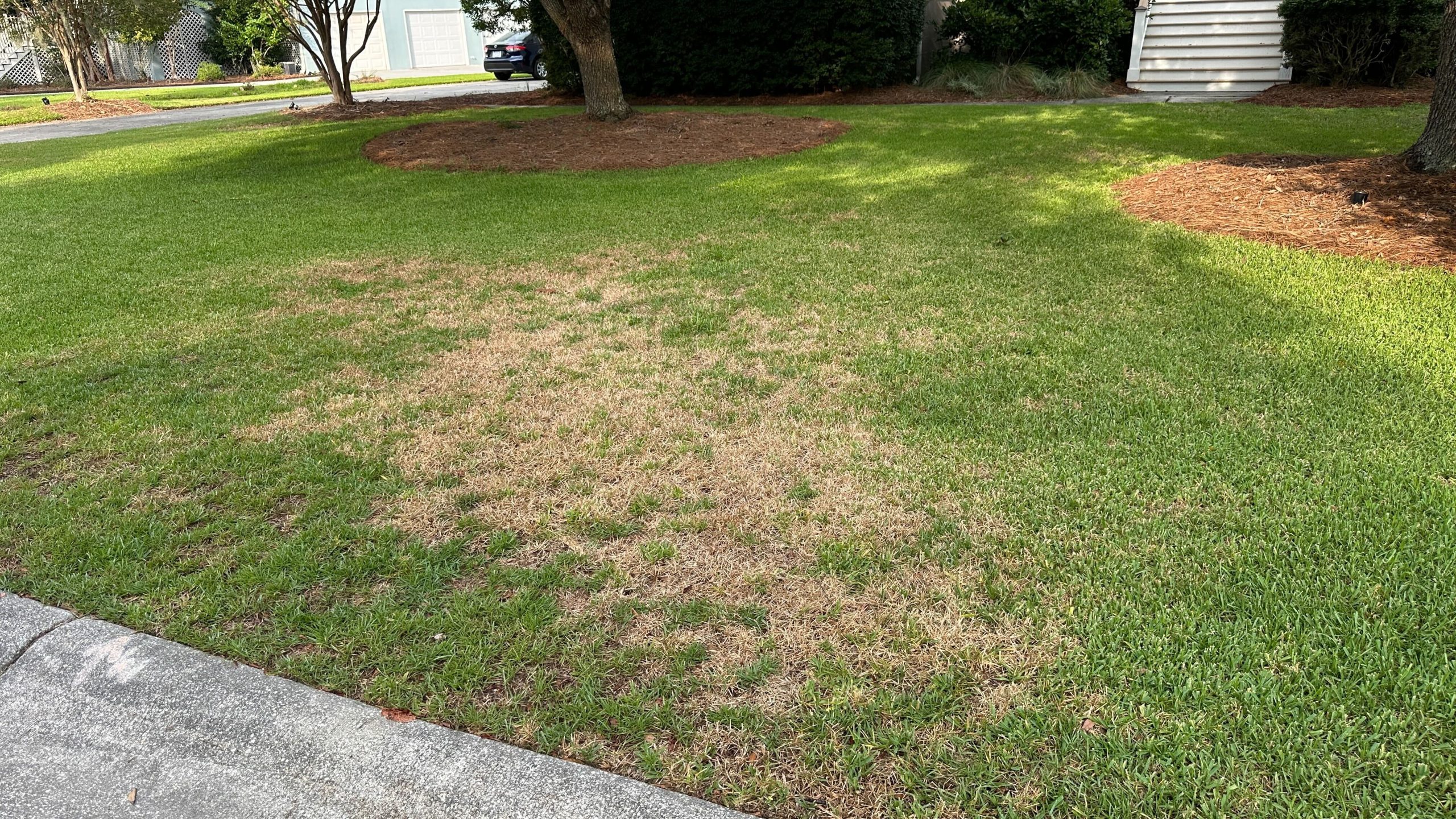
Tiny, sneaky, and always hungry, southern chinch bugs are one of Florida’s toughest lawn pests. They strongly prefer St. Augustine grass, but they occasionally turn up in zoysia, especially in hot, sunny spots.
These insects poke grass stems near the soil with a straw-like mouthpart. They sip out plant juices and inject saliva that stops the grass from moving water.
The blades turn yellow, then brown, even when the soil is moist.
Chinch bugs peak in summer heat, but in South Florida they can stay busy all year. Trouble usually starts in full sun or right beside hot driveways and sidewalks.
From there, the patch spreads outward like a slow ripple.
Want to play detective? Cut both ends off a coffee can and push it into the soil at the edge of a yellow spot.
Your Florida Garden Changes Every Week. Your Plan Should Too.
Gardening in Florida changes quickly throughout the season. Every Friday you’ll receive a simple weekly plan showing exactly what to plant, prune, fertilize, harvest, and protect so you never miss the right timing.
Fill it with water and wait about ten minutes.
If chinch bugs are there, they will float to the top. Seeing several of them is a strong clue.
You can also part the grass and look near the soil with a flashlight.
Treat only the affected area and a small buffer around it when possible. Avoid overfeeding with nitrogen, since lush growth attracts them.
Keeping mowing height correct helps the lawn bounce back once the bugs are gone.
3. Compacted Soil Can Suffocate Thick Zoysia Roots
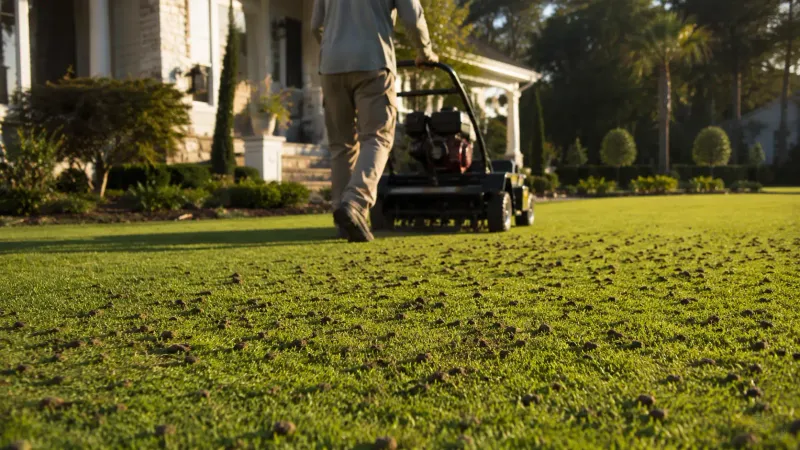
Think about how the path from your back door to the grill never looks quite as green. Feet, mowers, and kids on bikes press the soil down day after day.
Compacted soil happens when soil bits get squeezed tightly together. The tiny air pockets that roots need start to vanish.
Water also struggles to soak in, so it runs off instead of reaching the roots.
For zoysia, this means shallow roots and a lawn that stays thin no matter what you do. Roots simply have no room to grow deep.
When summer stress ends, those weak spots are often the first to go bare.
Florida yards are especially prone to this problem. New homes often sit on soil packed by heavy construction equipment.
Busy play areas and side yards used as walkways suffer too.
A simple screwdriver test can tell you a lot. Push one into moist soil.
If it is hard to sink more than a couple of inches, compaction is likely part of the story.
Core aeration is the best fix for most lawns. It pulls small plugs of soil and opens space for air and water.
Do it during active growth in late spring or early summer, and try stepping stones for paths that get daily traffic.
4. Heavy Shade Can Thin Even A Healthy Lawn
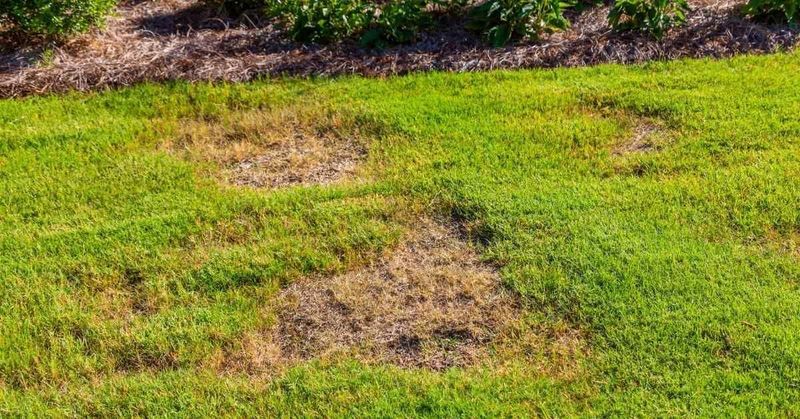
That big oak tree gives wonderful relief on a scorching afternoon. Your zoysia, sadly, may not feel as grateful.
Zoysia handles shade better than many warm-season grasses, but it still loves the sun. It needs at least six hours of direct or dappled light each day to stay thick.
Less light means less energy made through photosynthesis.
Without enough energy, grass grows slower and loses its deep color. Blades spread out, and soil starts peeking through.
Weeds, diseases, and compaction then find it easier to move in.
Shade problems can also sneak up over the years. A young tree planted a decade ago might now cast a huge shadow.
Fall brings shorter days and a lower sun, so shaded spots get even less light.
Try tracking the sun in your yard for a full day. Jot down how many hours each thin area actually gets.
The answer might surprise you.
If light is short, prune lower tree limbs to let more sun filter through. Raise your mowing height a bit in shady areas so blades can catch more light.
Water and fertilize those areas less, since shaded grass grows slower.
Some spots may just be too dark for grass. Mulch, ground covers, or a shade garden can look lovely there instead.
5. Scalping Can Weaken Zoysia Before Fall Arrives
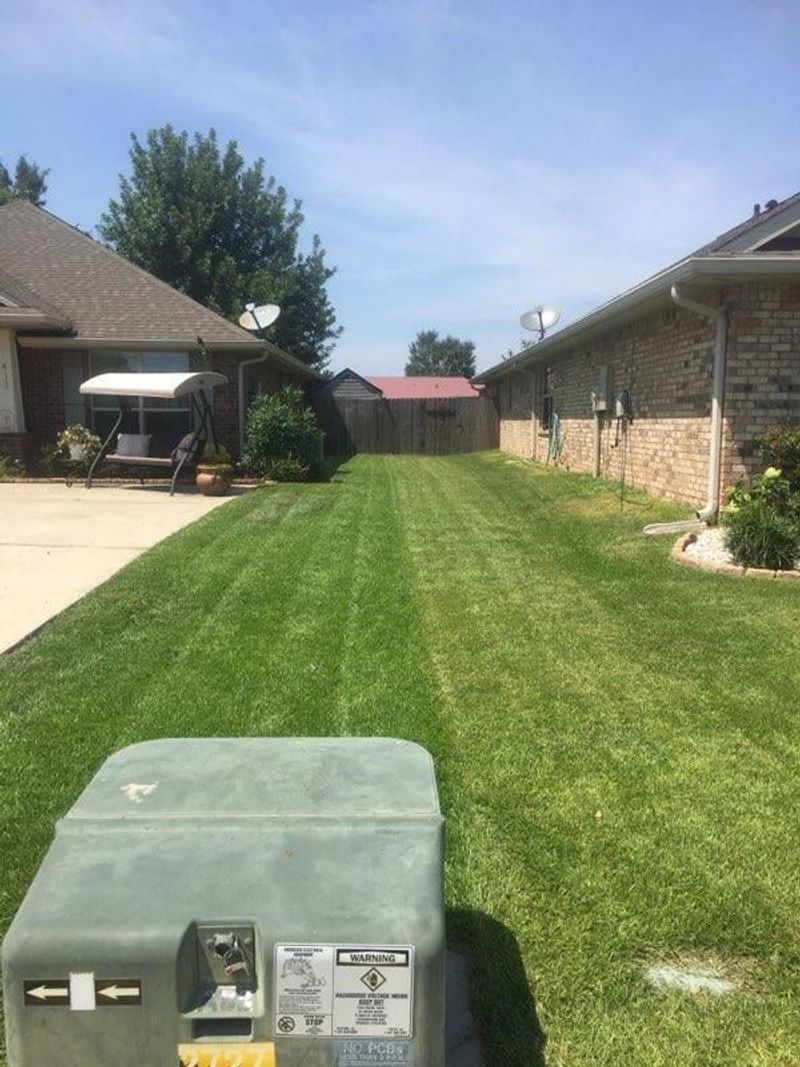
A super short buzz cut might seem like a clever way to mow less often. Your grass sees it very differently.
Scalping means cutting grass so low that you remove too much of the green blade. Those blades are the lawn’s solar panels.
Chop them off, and the grass cannot make the food it needs to recover.
In the Florida summer, scalping also exposes the crown and soil to harsh sun. That raises heat stress and gives weed seeds a sunny spot to sprout.
Roots weaken too, which opens the door to pests and fungus later in the year.
The damage often shows up weeks after the mowing mistake. By early fall, scalped areas may look thin, brown, or patchy.
Bumpy spots in the yard get scalped most, since the mower deck dips low there.
Here is a handy rule to remember. Most zoysia does best when mowed between 1.5 and 2.5 inches tall.
Never removing more than one-third of the blade at once is the golden guideline for healthy turf.
Keep your mower blades sharp, since dull blades tear grass and leave ragged tips. Mow more often during fast growth instead of cutting extra low.
Leveling humps and dips in the yard also helps stop accidental scalping.
6. Poor Drainage Can Stress Roots After Summer Rain
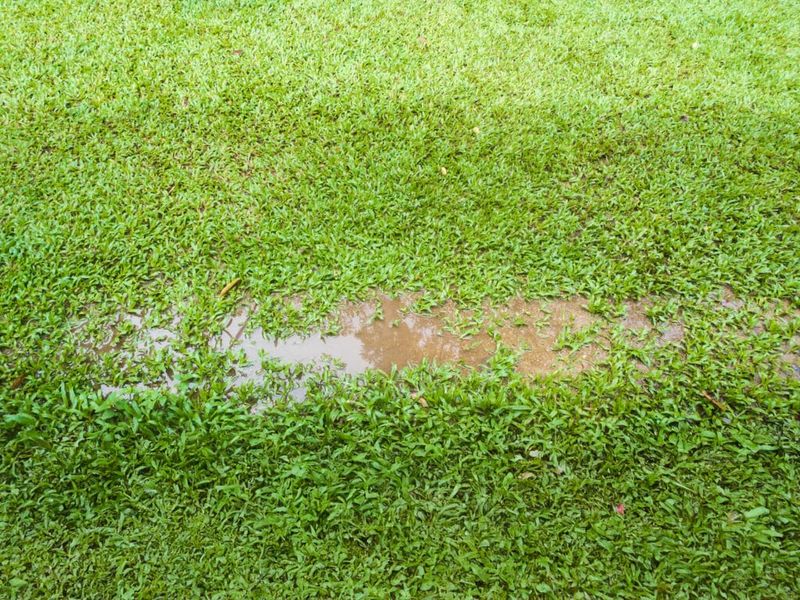
Florida summer storms can dump inches of rain in under an hour. Some yards drain in minutes, while others hold puddles for days.
Zoysia does not enjoy wet feet. When soil stays soggy, the air spaces that roots rely on fill with water.
Roots then struggle to breathe and cannot take in nutrients well.
Over time, that stress can lead to root rot and other fungal troubles. The grass above may turn yellow, thin out, and finally leave bare ground.
Low spots near downspouts and along property lines often suffer most.
A high water table makes this common across much of Florida. Even sandy soil can stay wet when groundwater sits just below the surface.
Add daily afternoon storms, and roots may rarely get a break.
Watch your yard after the next big rain. Note where water gathers and how long it stays.
That map tells you where to focus.
Small fixes can make a big difference. Point downspouts away from the lawn, or add extensions to carry water farther.
Core aeration can help water move down faster.
For stubborn low areas, adding a thin layer of sandy topdressing over time can raise the ground. Larger problems may need a French drain or grading help from a pro.
Also cut back on irrigation during the rainy season.
7. Thatch Can Block Water From Reaching The Root Zone
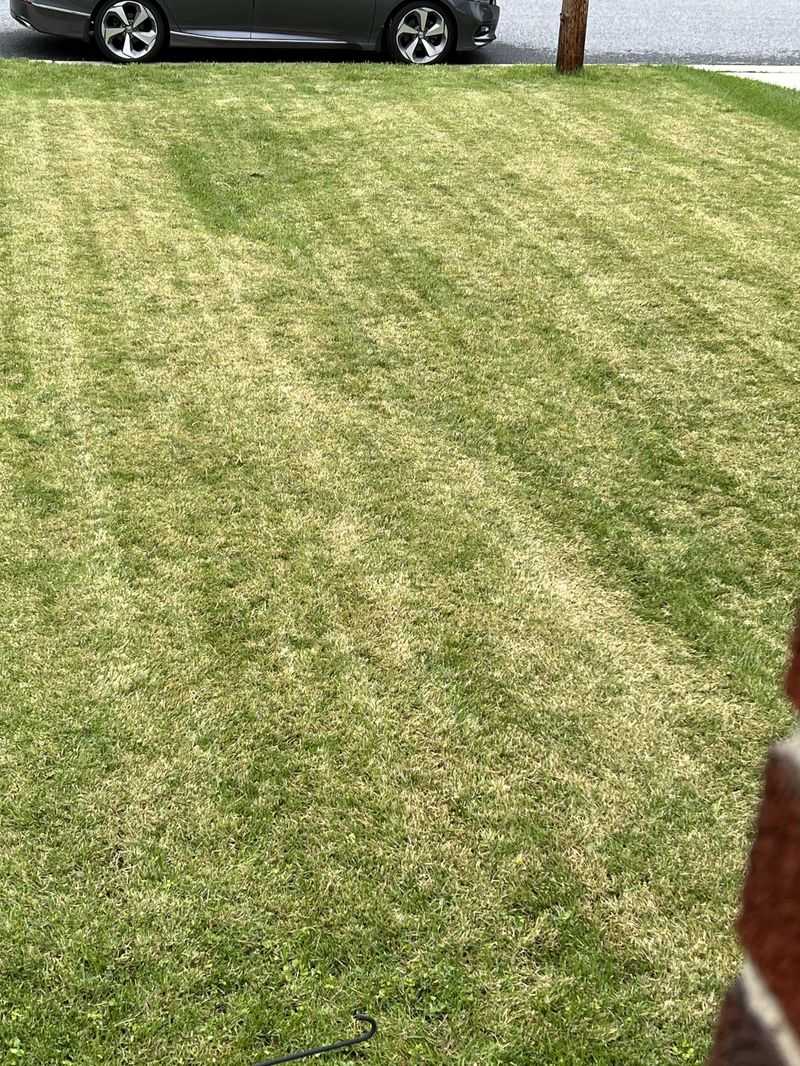
Walk across some zoysia lawns and they feel oddly bouncy, almost like a mattress. That spring in your step may be a warning sign.
Thatch is a layer of old stems, roots, and plant bits that builds up between the soil and green blades. A thin layer is fine and even helpful.
Trouble begins when it gets thicker than about half an inch.
Zoysia is famous for thatch. Its dense, wiry growth makes plant material pile up faster than it breaks down.
Thick lawns, ironically, tend to have the most.
Heavy thatch acts like a sponge that soaks up water before it reaches the soil. Roots may start growing into the thatch instead of the ground.
Those shallow roots dry out quickly and suffer in heat.
Thatch also creates a cozy home for insects and fungus. It can even trap heat near the roots.
After a long summer, all that stress may show up as thin or bare patches.
To check, cut a small wedge of turf with a knife and measure the brown spongy layer. If it is thick, plan to dethatch or use vertical mowing in late spring or early summer.
Core aeration and a light sand topdressing help break it down.
Easing up on heavy fertilizer slows new buildup too.
8. Grubs Can Damage Roots Beneath Green Turf
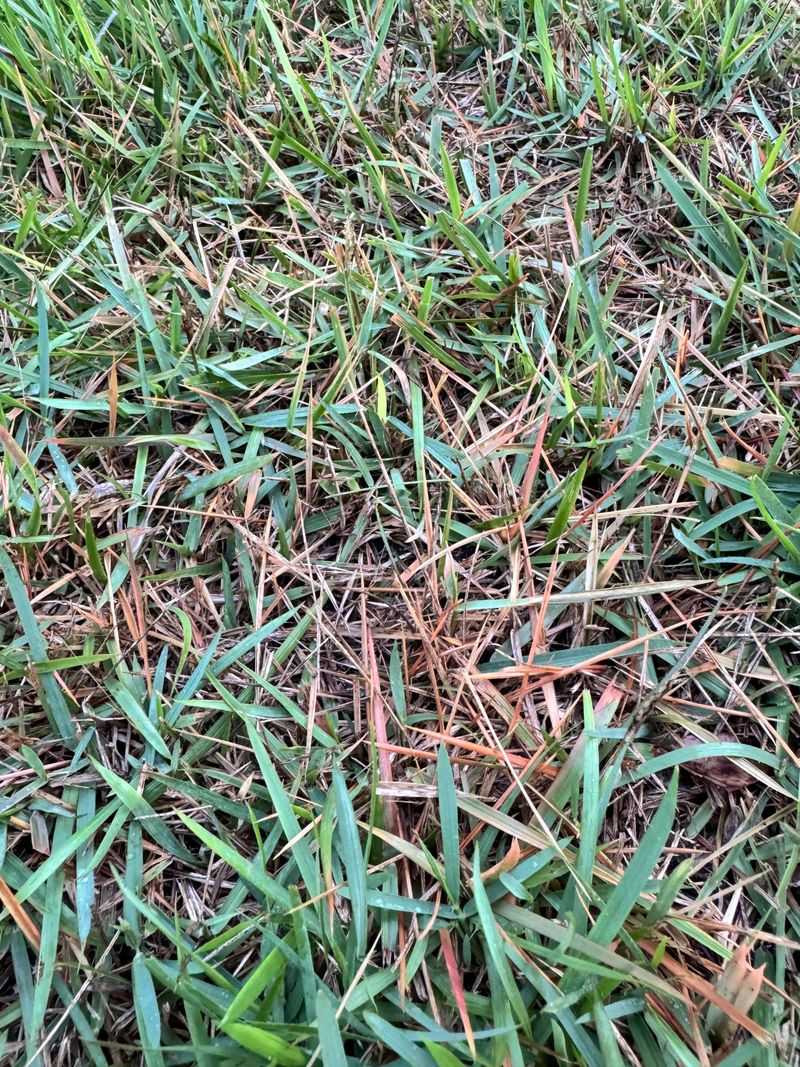
Some lawn problems announce themselves loudly. Grubs prefer to work in secret, munching away while the grass above still looks fine.
Grubs are the young larvae of beetles. They are cream-colored, C-shaped, and live in the soil about 2 to 6 inches down.
Their favorite meal is grass roots.
Beetles lay eggs in summer, and the hatched grubs feed hardest from late summer into fall. That timing is exactly why bare patches can surprise you after summer ends.
The turf yellows first, then turns brown in spreading spots.
Try this quick test. Grab a handful of the damaged grass and pull gently.
If it lifts up like a loose piece of carpet, the roots have likely been chewed through.
Peel back a square foot of turf and count the grubs you find. A few are normal and usually harmless.
Many more than that may call for treatment.
Fun fact: raccoons and armadillos love grubs. If you spot fresh digging holes overnight, those animals may be hunting a buffet beneath your lawn.
Zoysia spreads slowly, so it takes longer to recover from grub damage than some other grasses. Treating early and keeping the soil healthy gives it the best chance.
Your local extension office can suggest proper timing for products.
9. Fix The Cause Before Filling Bare Patches
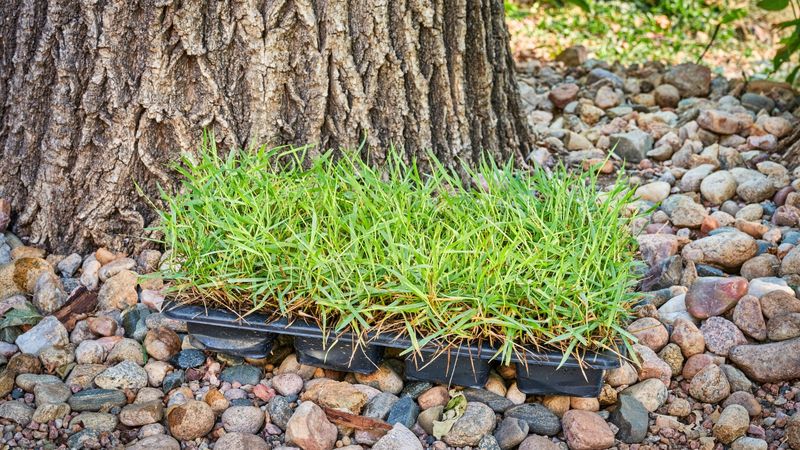
Rushing to the garden center for sod feels like the fastest fix. Hold that thought for a moment, though.
Laying fresh grass over an unsolved problem is like painting over a leaky ceiling. The new turf may look great for a few weeks.
Then the same fungus, bugs, or soggy soil can undo all your hard work.
Start by playing detective. Check the shape of the patch, feel the grass blades, tug on the turf, and test the soil.
Think about sunlight, recent mowing, and where rain collects.
Each cause needs its own treatment. Fungus might call for better watering habits, while chinch bugs or grubs may need targeted control.
Shade, compaction, and drainage issues need physical changes in the yard.
Once you fix the root issue, size up the bare area. Small spots under about six inches across can often fill back in on their own.
Zoysia creeps in slowly, so give it time during the growing season.
Larger patches usually need help. Zoysia plugs or small sod pieces work well and match your lawn best.
Keep new grass evenly moist until roots take hold.
Patience pays off with this grass. A careful diagnosis today means fewer repeat patches next year, and a lawn that feels soft underfoot once again.